Choosing the right DC screen capacity for substations is crucial for optimal performance. This decision impacts efficiency and reliability. Selecting the appropriate capacity is not always straightforward. It requires careful consideration of various factors that affect power management.
Understanding the specific power demands of your substation is vital. Analyze the load requirements and future growth. This information guides you in assessing the necessary capacity. Technical expertise plays a significant role in this process. Equipment specifications, operational conditions, and environmental factors must be evaluated.
Sometimes, there are no clear solutions. Discrepancies in data or changing requirements can complicate decisions. It’s important to consult with professionals who possess experience in this field. Their insights can illuminate the path to the best capacity choice. Ultimately, how to choose the right DC screen capacity for substations requires thoughtful deliberation and analysis of real-world scenarios.
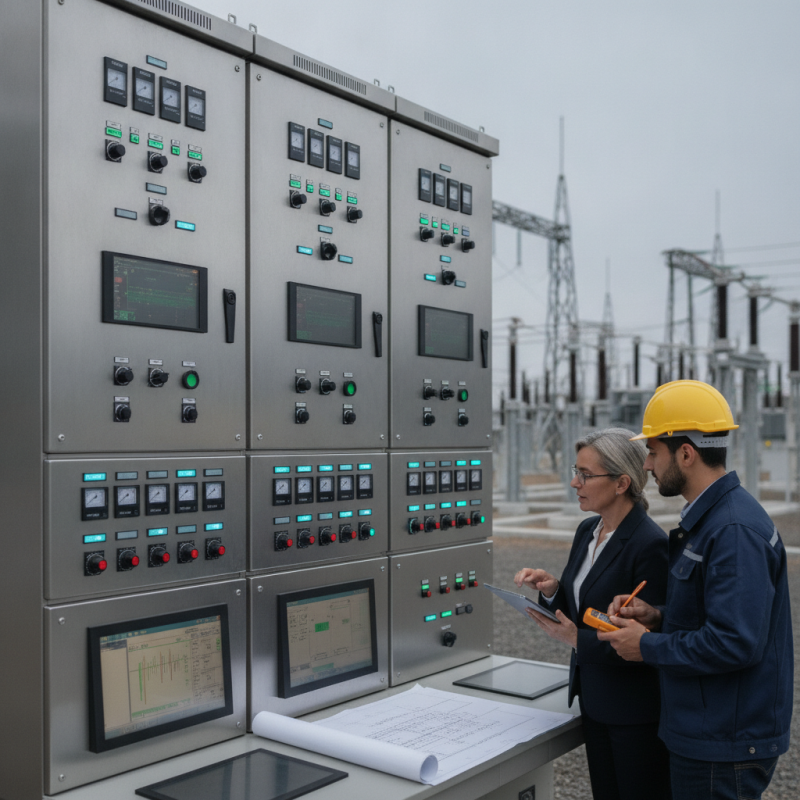
Choosing the right DC screen capacity for substations is critical for efficiency. Understanding this capacity involves assessing the requirements of the station and the expected load demands. According to industry reports, the average DC screen capacity varies based on regional needs and regulatory measures. For instance, substations in urban areas typically demand higher capacities due to increased population densities.
Load calculations reveal that a well-designed substation should maintain a DC screen capacity that allows for a 20% surge above expected usage. This practice accounts for unexpected equipment failures or demand spikes. A report by the Electric Power Research Institute emphasizes that a well-planned capacity avoids outages. Inadequate capacity can lead to performance issues. Engineers often encounter challenges, such as fluctuating demand and variability in installation conditions.
Focusing on specific figures, substations often operate efficiently within a 48V to 220V capacity range. This flexibility allows for diverse applications but requires astute planning to ensure compatibility with existing systems. Professionals must remain vigilant about evolving technology and industry standards. Relying on outdated capacity data can jeopardize system integrity and operational safety.
Selecting the right DC screen capacity for substations is a critical decision. Several factors influence this choice. Understanding the load requirements is essential. The total DC load should be calculated accurately. This includes all connected equipment and their operational profiles. Ignoring any component can lead to underperformance.
Environmental conditions matter significantly. The ambient temperature and conditions can affect the equipment's efficiency. Higher temperatures may require larger capacities. Additionally, voltage levels play a crucial role. Different systems may operate on varying voltage levels. It's vital to ensure compatibility with existing infrastructure.
Future expansion potential should also be taken into account. Planning for growth can prevent costly upgrades later. However, overestimating needs can lead to unnecessary expenses. Reliability and safety are paramount, so always consider redundancy in your design. Think about maintenance accessibility too. A complex setup can complicate repairs and lead to downtime. Reflection on these factors can lead to better decision-making.
| Factor | Description | Impact on Capacity | Recommended Capacity (A) |
|---|---|---|---|
| Load Requirements | Determine the total DC load required by the substation. | High load increases capacity needs. | 100-400 |
| Future Expansion | Consider potential future loads to avoid upgrades. | Estimating higher capacity accommodates growth. | 400-600 |
| Redundancy Requirements | Decide on necessary backup power sources for reliability. | More redundancy means greater capacity. | 600-800 |
| Environmental Conditions | Assess temperature and humidity factors that affect performance. | Extreme conditions may require higher capacity components. | Variable |
| System Type | Evaluate if the DC system is for traction, telecom, or industrial use. | Different systems have unique capacity demands. | 50-1000 |
When selecting the DC screen capacity for substations, evaluating load requirements is crucial. Understanding the specific needs of your operation can prevent future issues. A thorough analysis should start with the total expected load. Consider not only the primary equipment but also auxiliary devices. Factors like the duration of load and peak demands shape the required capacity.
Real-world examples highlight common oversights. Many facilities underestimate startup currents, which can be several times higher than running currents. Additionally, environmental conditions such as temperature and humidity might affect performance. Designers often overlook these variables. This leads to underperformance or, worse, equipment failure.
Attention should also be paid to safety margins. It’s essential to incorporate a buffer in calculations. Load disruptions can occur unexpectedly. Relying solely on theoretical values may result in insufficient capacity. Every decision should weigh reliability against potential risks. Balancing these aspects shows commitment to effective substation management.
Environmental conditions play a crucial role in determining the suitable DC screen capacity for substations. Factors like temperature, humidity, and air quality significantly impact the performance and longevity of electrical systems. For instance, high humidity can lead to condensation, increasing the risk of corrosion. In such cases, higher screen capacities may be required to ensure reliability and efficiency.
Selecting the right capacity also demands a careful analysis of regional climate patterns. Areas prone to extreme weather conditions might necessitate additional protective measures. It’s essential to consider dust, pollutants, and other environmental elements that could affect equipment. Overlooking these details could result in inadequate capacity choices, leading to operational failures.
Balancing theoretical knowledge with on-the-ground experience is vital in this process. Professionals must engage with local environmental data and past project outcomes. They should reflect on how these factors could alter capacity needs in the long run. A responsive approach to environmental conditions is critical. It can mitigate risks and enhance system performance in the field.
When considering the implementation of DC screen capacity in substations, focusing on best practices is essential. Understanding your specific energy needs is crucial. Begin by assessing the total load requirements. Calculate both the peak and continuous loads. Consider future expansions and the increasing demand for reliable power. This foresight can prevent costly adjustments later.
Selecting the appropriate technology is another key factor. Evaluate different DC screen options based on their efficiency, reliability, and maintenance demands. Ensure that the equipment selected meets industry standards. However, remember that new technologies often involve a learning curve. Training staff adequately is vital to manage this complexity.
Regular monitoring and maintenance practices can enhance system lifespan. Develop a routine inspection schedule to identify potential issues early. Reactive maintenance can lead to unexpected downtimes. Addressing these challenges may not eliminate all risks, but it will improve your system's reliability. Emphasizing these best practices can lead to a more efficient and dependable DC screen capability in your substations.
: DC screen capacity is the ability of a substation to handle expected electrical loads and surges.
Assessing load demands ensures reliable performance and prevents outages caused by unexpected spikes in usage.
Most substations typically operate efficiently within a 48V to 220V capacity range.
Environmental conditions, like humidity and temperature, can impact system performance and longevity, affecting capacity needs.
Inadequate capacity can lead to performance issues, including outages and equipment failures.
Industry standards evolve; outdated capacity data can jeopardize system integrity and safety.
Areas with extreme weather may need higher capacities and additional protective measures for reliability.
Reflecting on past projects helps professionals understand how environmental factors affect future capacity needs.
Yes, overlooking environmental factors can lead to inadequate capacity choices and operational failures.
A responsive approach helps mitigate risks and enhances system performance in varying field conditions.
Choosing the right DC screen capacity for substations is crucial for ensuring efficient operation and reliability. The process begins with understanding the fundamental aspects of DC screen capacity and the various factors that influence selection, such as load requirements and environmental conditions. Evaluating the specific load demands is essential, as it helps determine the required capacity to accommodate peak operations while avoiding overloads.
Additionally, environmental factors, such as temperature fluctuations and humidity levels, play a significant role in capacity choice, as they can impact the performance and lifespan of DC screens. Implementing best practices in this selection process will facilitate optimal capacity choices, ensuring that the substations operate effectively under varying conditions. In conclusion, knowing how to choose the right DC screen capacity for substations involves careful assessment of various influencing elements to achieve both efficiency and durability.

Sowest Electric