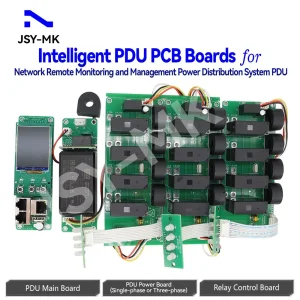
Featured active balancers, energy storage batteries, static transfer switches, and active harmonic filters designed for peak resilience.
The accelerating shift toward clean energy infrastructure, electric mobility, and grid-scale storage demands an unprecedented level of battery intelligence. At the core of this transition lies the **Battery Management System (BMS)**, the orchestrating logic layer that acts as both the nervous system and the safeguard of modern battery packs. No longer just simple voltage monitors, contemporary BMS solutions govern dynamic cell balancing, active thermal protection, State of Charge (SOC) estimations, and communications to central SCADA systems.
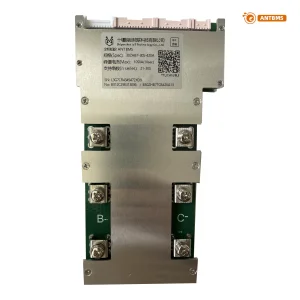
The industrial battery management system landscape has transitioned from passive resistive balancing models toward highly adaptive active balancing topologies. Active balancers redistribute charge from the most energized cells to weaker cells in the string instead of converting surplus charge to waste heat. In platforms like the **Ant BMS 30S 420A Peak 1050A 48V LiFePO4 Balancer**, this conversion cycle handles large current differentials safely, reducing degradation across large battery strings.
Concurrently, developments in **Battery State of Health (SOH)** algorithms leverage artificial intelligence at the edge to predict cell degradation. By cross-analyzing impedance trajectories, internal resistance shifts, and thermal footprints, modern BMS units communicate with power conversion systems to dynamically scale back draw during critical states, effectively mitigating thermal runaway conditions before they occur.
Minimizes cell-to-cell variance in multi-series arrays, extending runtime by up to 20% and preventing individual cell over-discharge.
Designed to handle high starting currents up to 1050A, optimized for heavy machinery, forklifts, and electric drivetrain vehicles.
Multipoint thermal sensors track ambient and cell temperatures, automatically shutting off current loops at thermal thresholds.
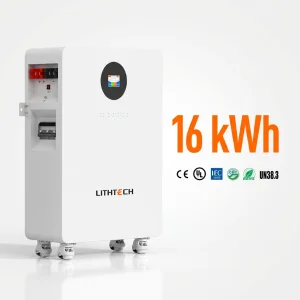
Global procurement divisions in the utility, commercial, and industrial (C&I) sectors require scalable, plug-and-play lithium battery solutions. The demand is centered around dense energy modules like the **15KWH 16KWH 300ah Lithium Ion Battery Powerwall (51.2V 314AH)**. These systems require stable integration with local power networks, which places strict demands on battery safety profiles and grid compliance parameters.
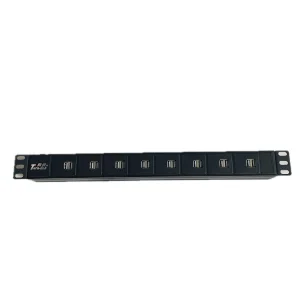
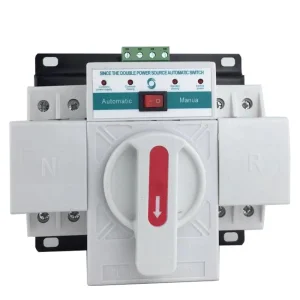
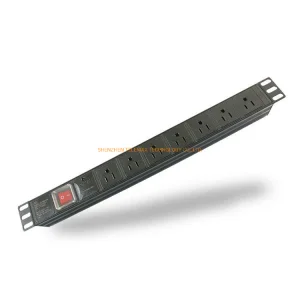
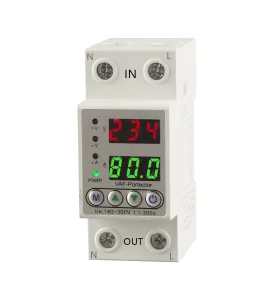
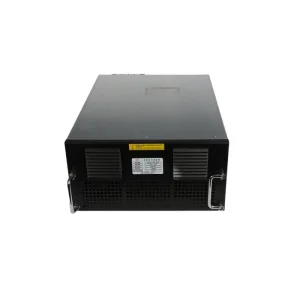
In parallel with procurement, there is an increasing emphasis on downstream power distribution stability. Industrial projects do not buy battery systems in isolation; they secure the entire electrical delivery value chain. This includes Rack Power Distribution Units (PDUs), Automatic Transfer Switches (ATS) for immediate generator failover, and Active Harmonic Filters (APF/AHF) to safeguard the delicate microcontroller logic boards within the BMS from grid power distortion.
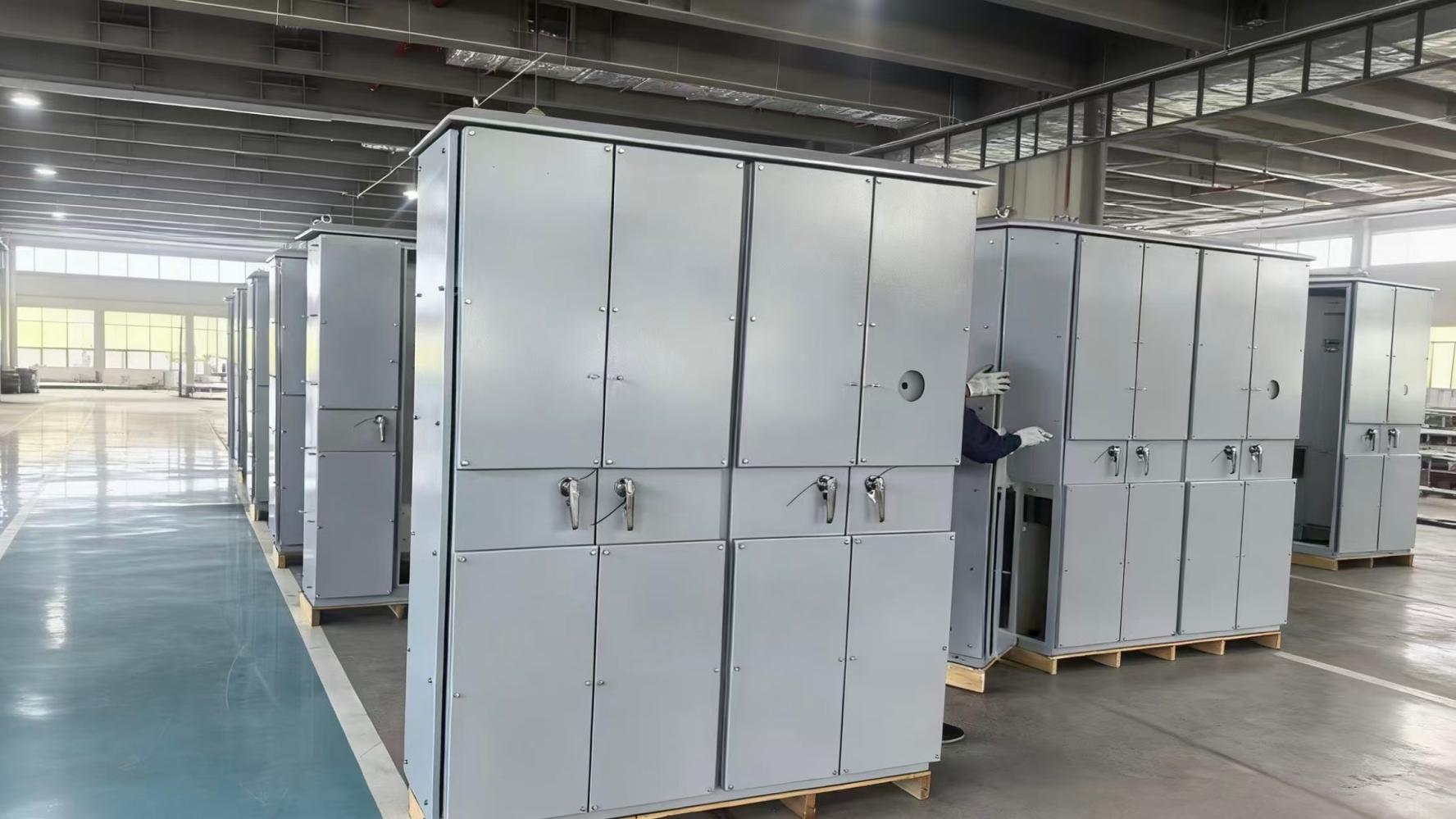
Zhejiang Sowest Electric Co., Ltd. integrates high-precision engineering and automated production to deliver reliable power distribution systems.
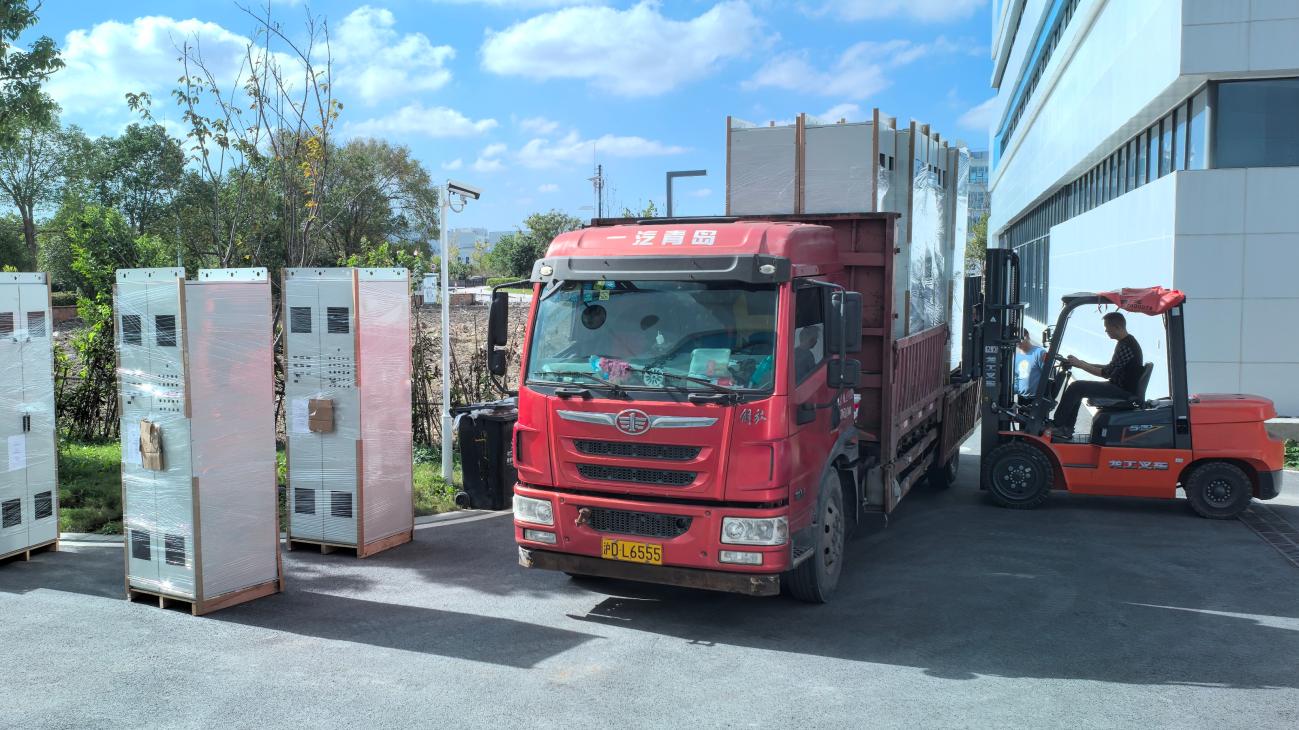
Based in China's industrial manufacturing hub, Zhejiang Sowest Electric Co., Ltd. is a modern, innovative enterprise specializing in the research, development, manufacturing, and sales of power supply and electrical distribution equipment. Our commitment to technical innovation and quality control has established our footprint as a reliable global supplier for infrastructure, substation, rail transit, and renewable energy storage projects worldwide.
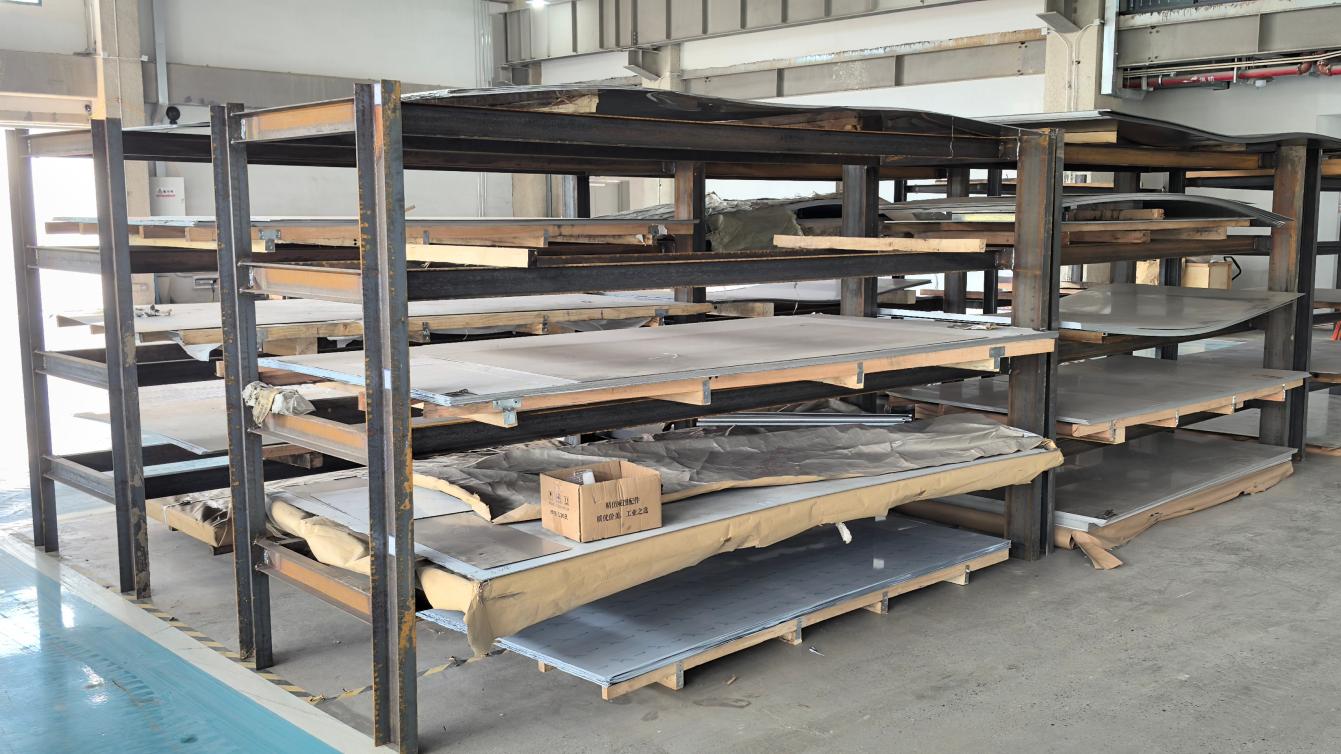
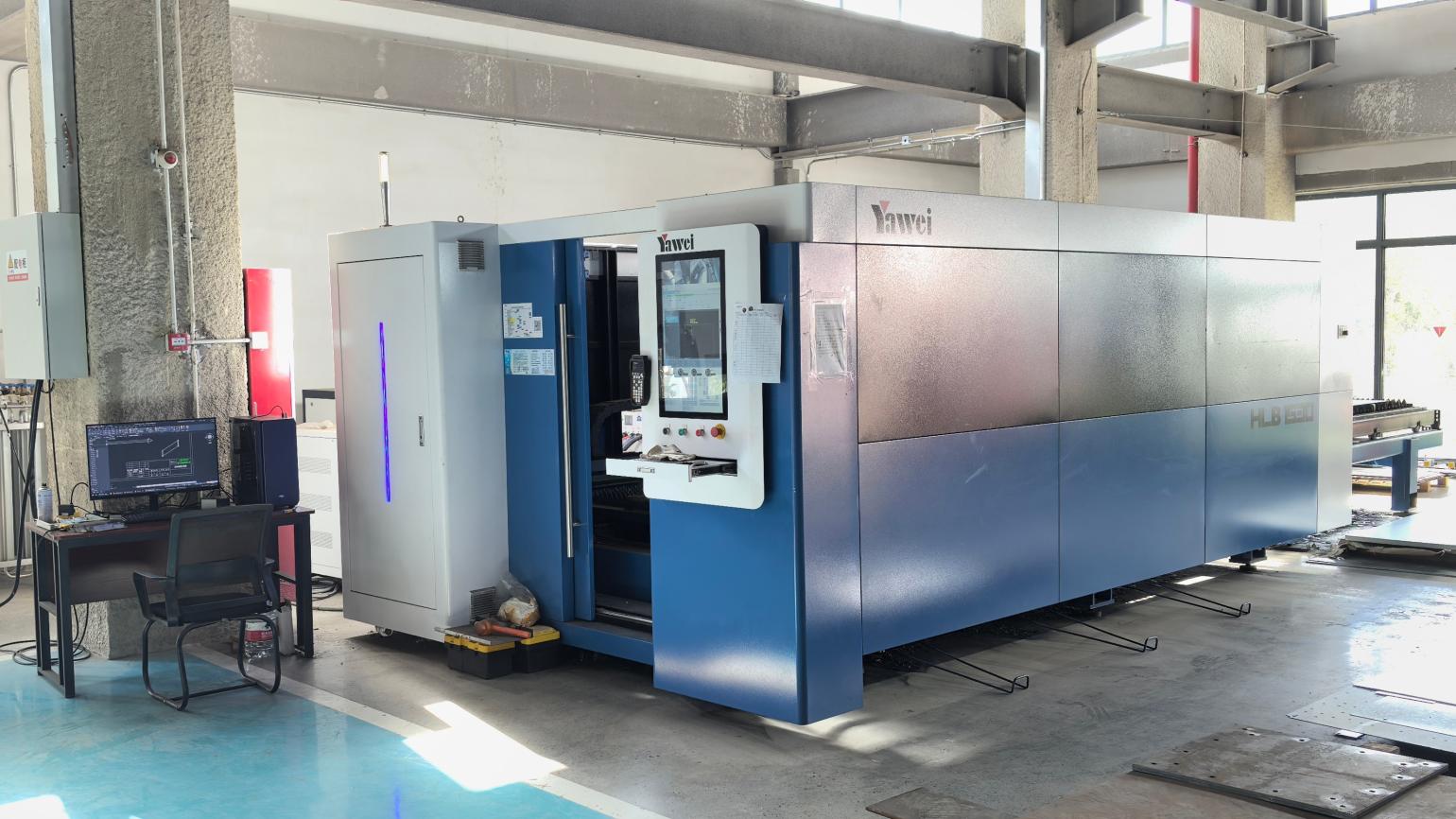
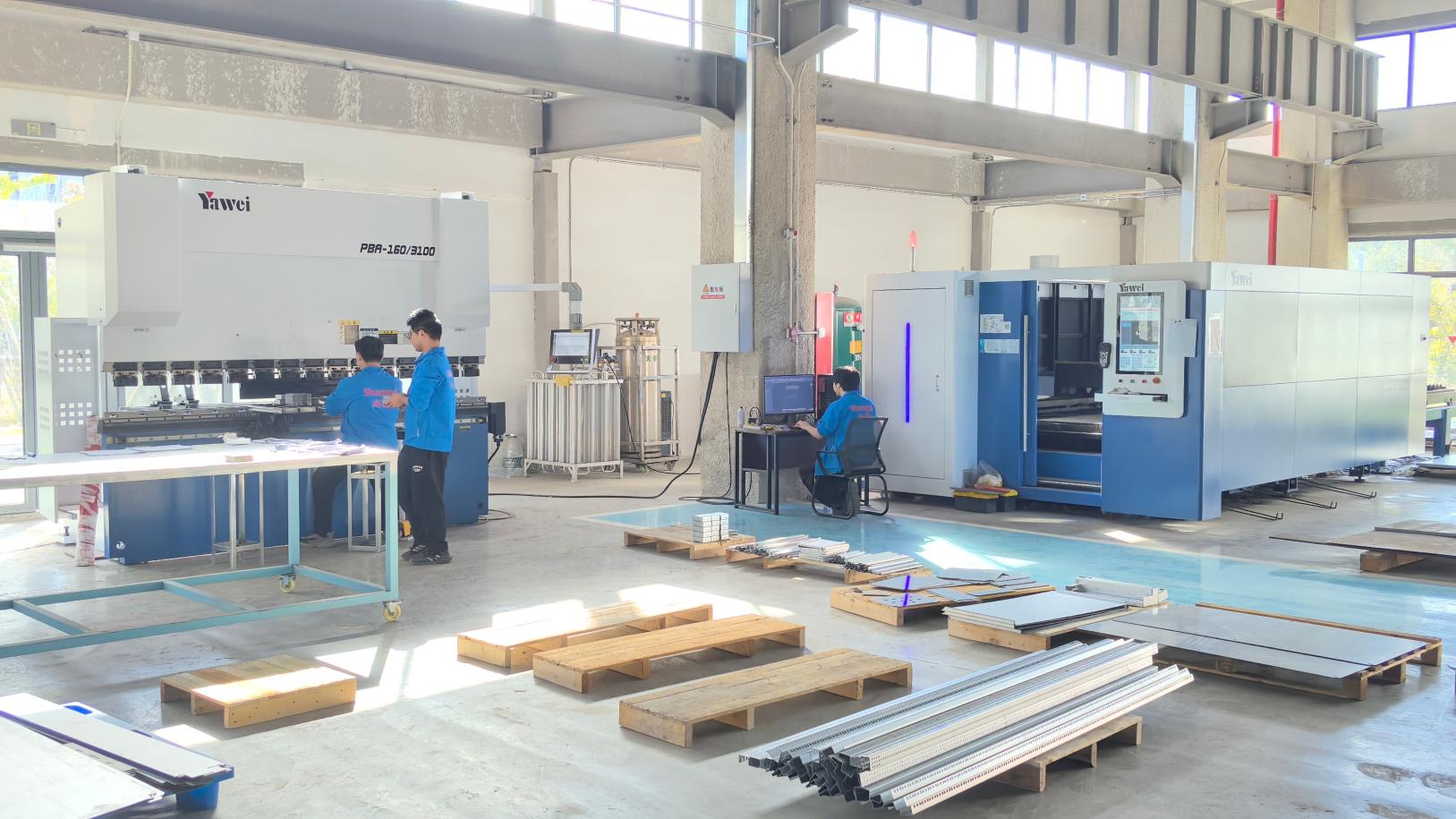
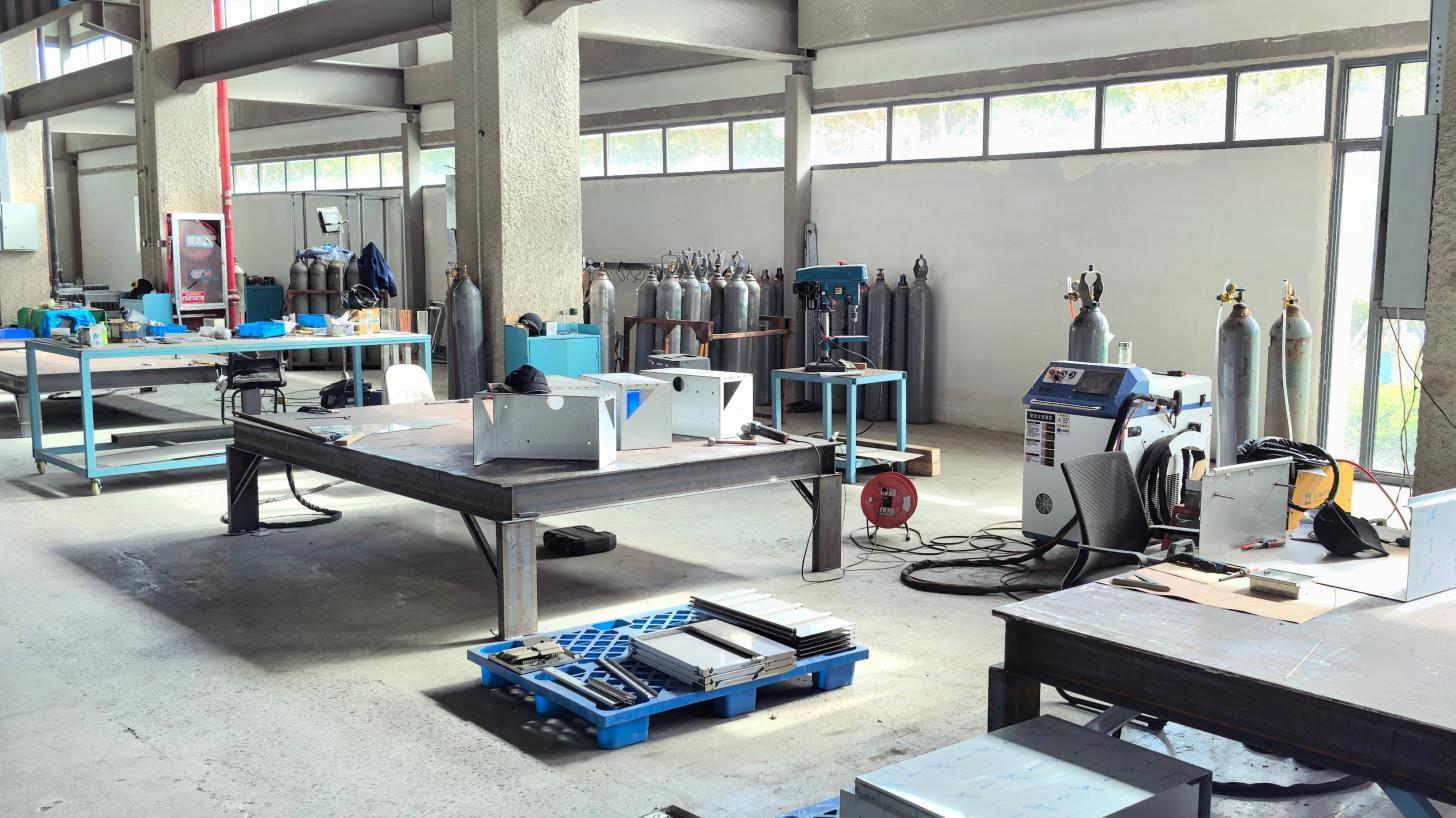
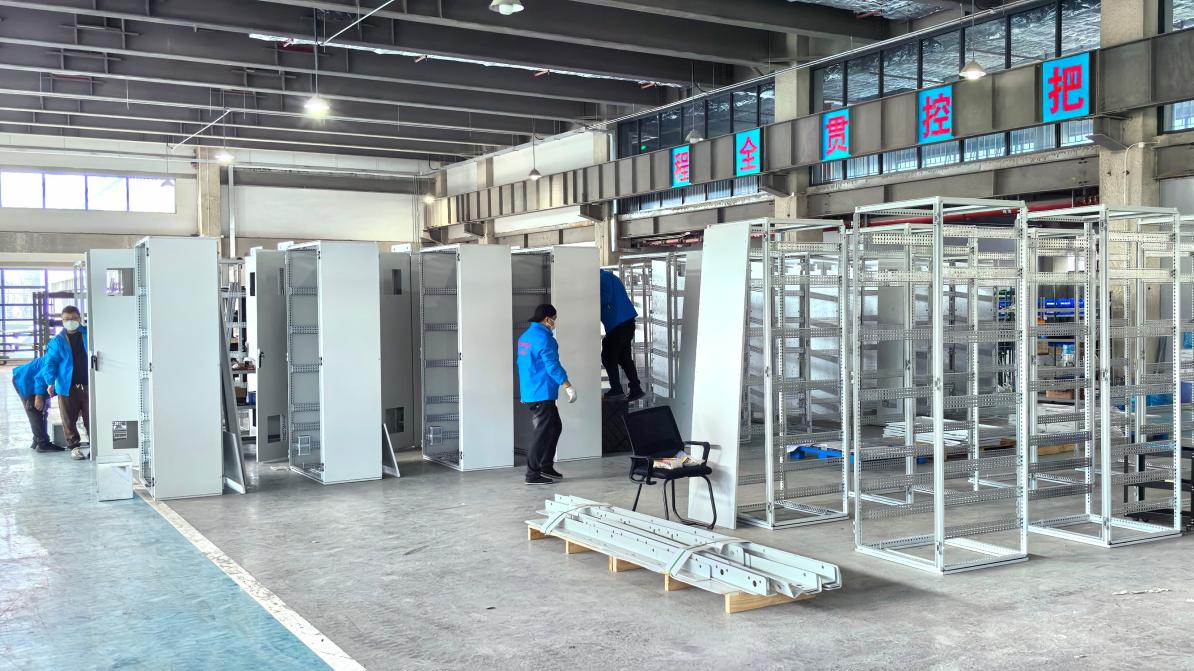
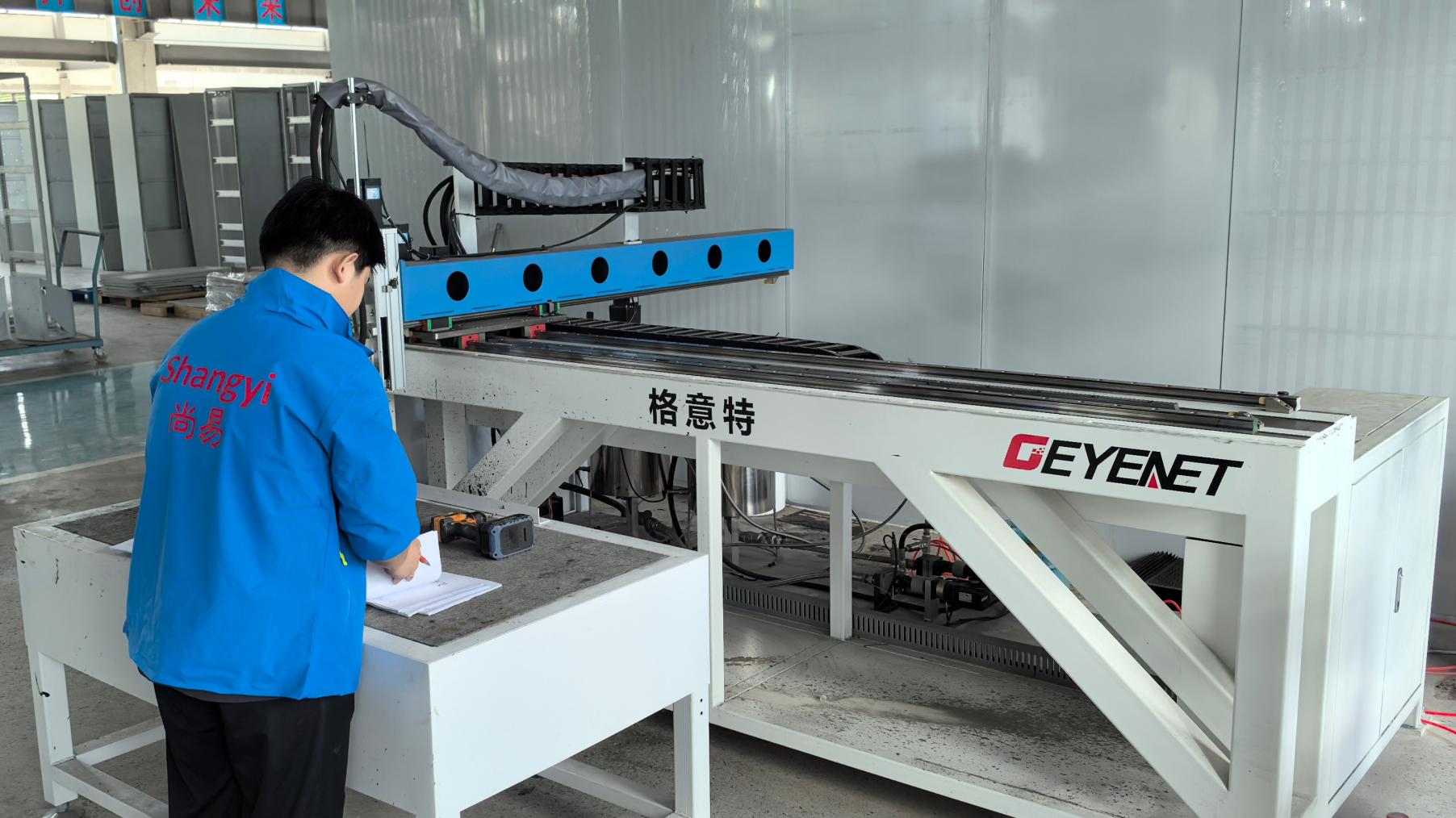
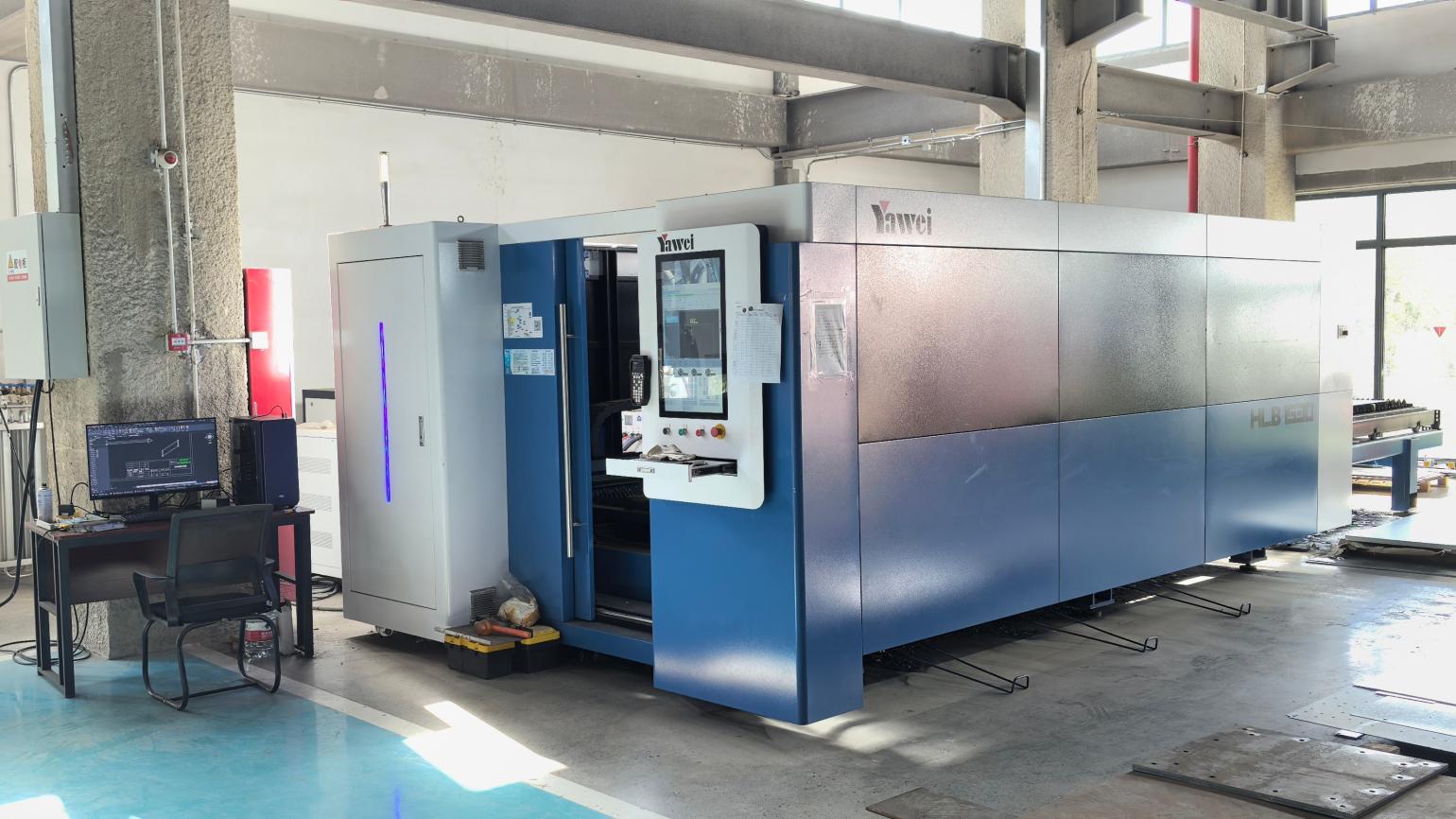
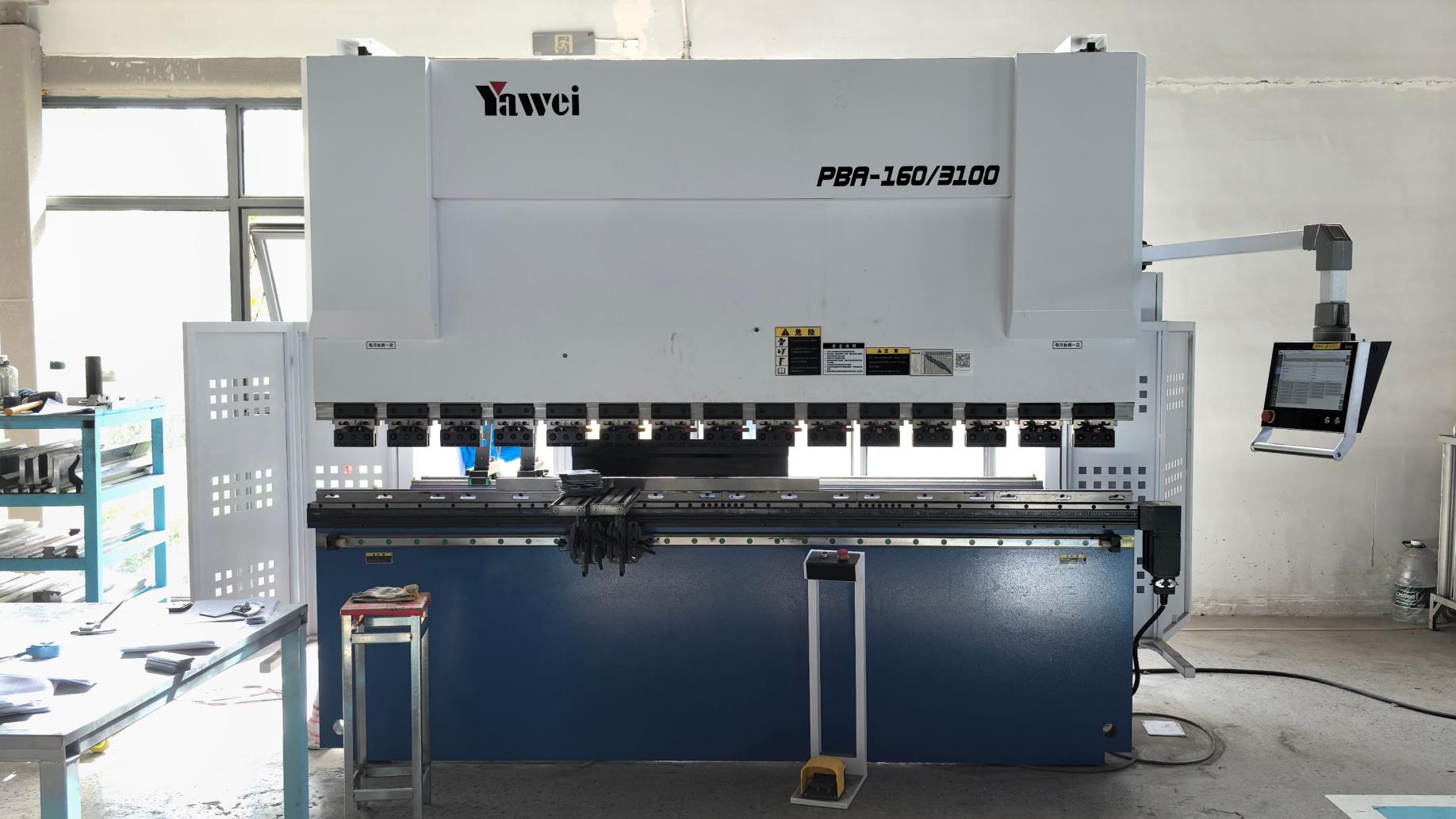
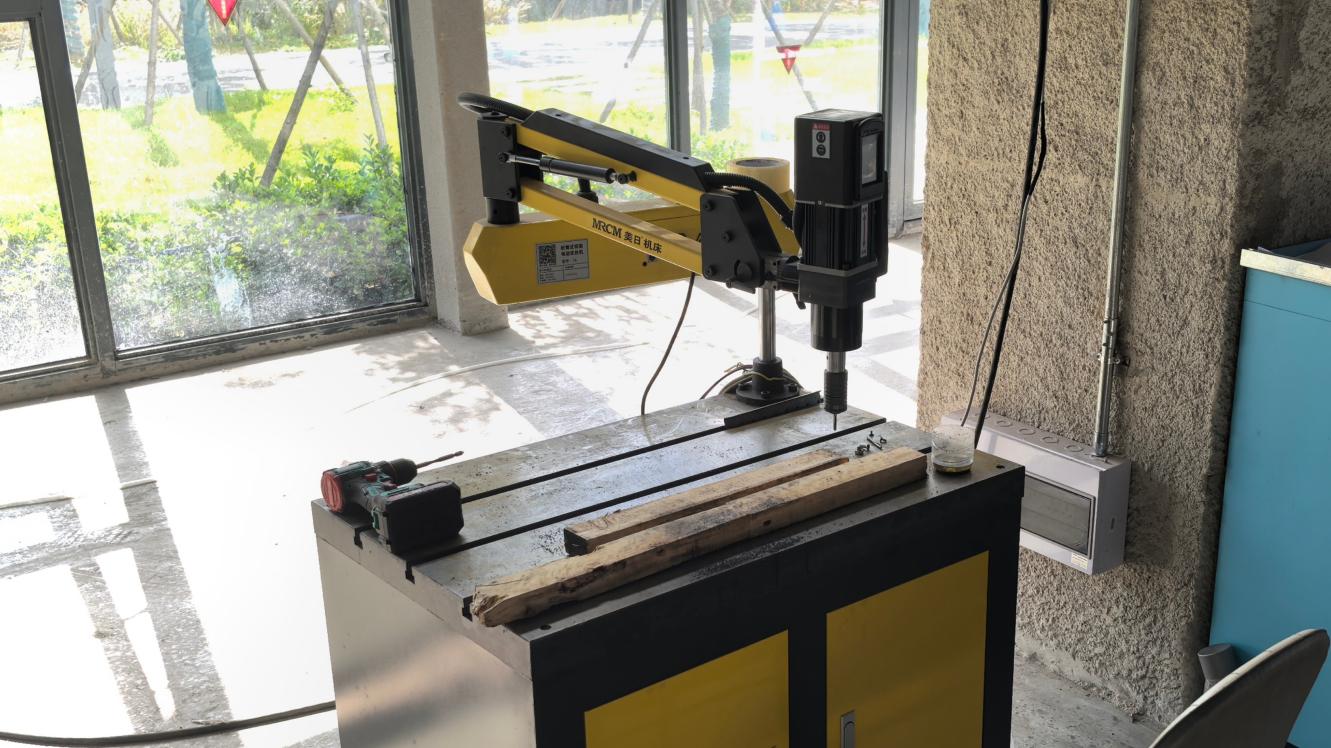
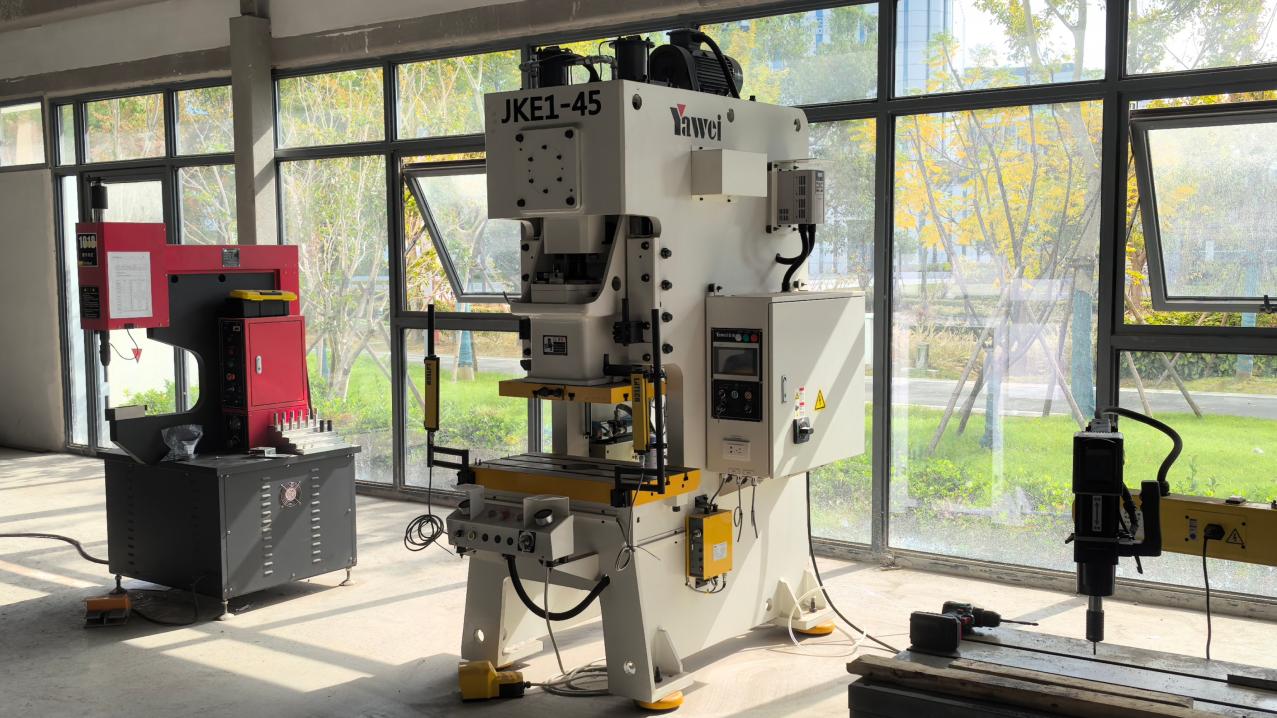
Our manufacturing facility represents the transition to Factory 4.0. We combine sheet metal laser cutting, automated precision bending, tapping, robotic welding, polyurethane foam dispensing machines, and strict final assembly and inspection processes. This integrated approach allows us to maintain consistent quality and rapid lead times.
BMS applications vary depending on local environmental regulations, grid infrastructure, and installation requirements:
Integrating energy storage systems (BESS) onto the grid introduces dynamic loads that can degrade power quality. Fast-switching IGBT converters generate high-frequency current harmonics that can disrupt sensitive BMS microcontrollers.
Integrating solutions like **Active Harmonic Filters (AHF)** and **Static Var Generators (SVG)** mitigates this issue. These systems dynamically inject compensating current to cancel out harmonic profiles, ensuring a Total Harmonic Distortion (THD) of less than 3% and protecting the control layers of industrial energy storage systems.
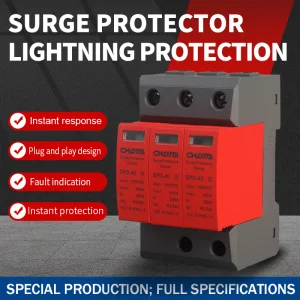
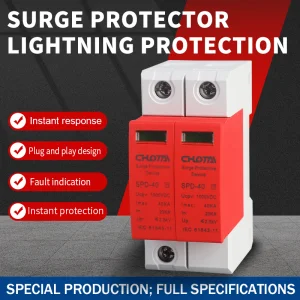
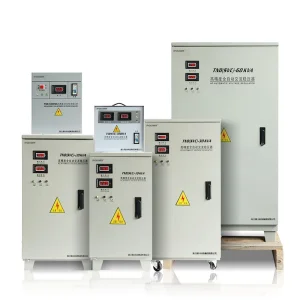
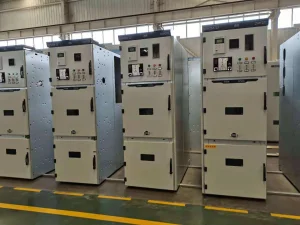
Complementary electrical engineering equipment to secure energy systems against grid anomalies and transient surges.
Direct technical answers from Sowest Electric engineering leaders regarding deployment, compatibility, and compliance.
Passive balancing dissipates excess energy from high-state-of-charge cells as heat through resistors, which generates thermal load and wastes energy. Active balancing redistributes charge dynamically between cells in series. This reduces energy waste, keeps thermal conditions low, and maximizes the usable capacity of high-capacity battery systems like our 48V LiFePO4 packs.
Advanced BMS microcontrollers require stable electrical inputs. Non-linear loads on grid networks generate voltage and current harmonics that can corrupt sensor readings or damage sensitive semiconductors. Utilizing AHF and SVG modules corrects power factor issues and reduces harmonic distortion to keep control loops operating reliably.
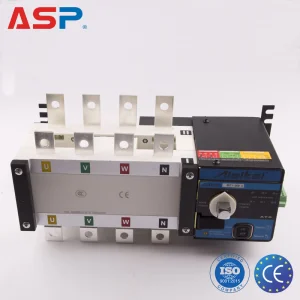
An ATS automatically switches load circuits between a primary power source and a backup generator or energy storage system during a utility outage. High-speed transfers prevent computer system resets and control network interruptions, maintaining continuous operations for industrial sites.
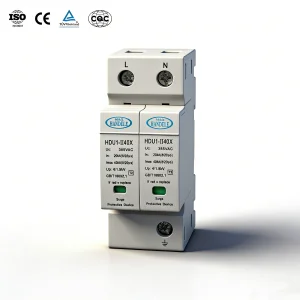
Outdoor solar systems are vulnerable to atmospheric lightning strikes and transient overvoltage switching surges. Installing Type 2 (T2) DC SPDs rated up to 1000VDC on DIN rail enclosures redirects surge current to the ground, protecting the DC inputs of solar inverters and the battery pack.
 Sowest Electric