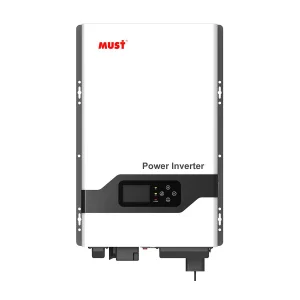
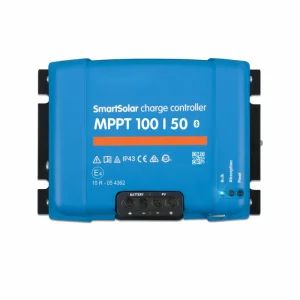
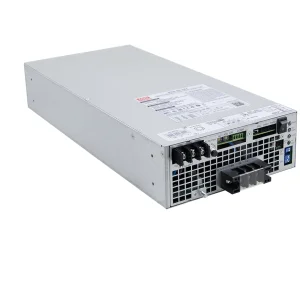
Explore our primary array of high-frequency and low-frequency inverter chargers designed for mobile, marine, solar, and industrial backup systems.
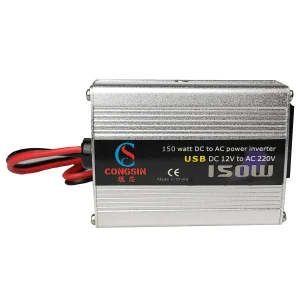
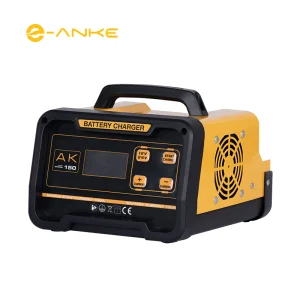
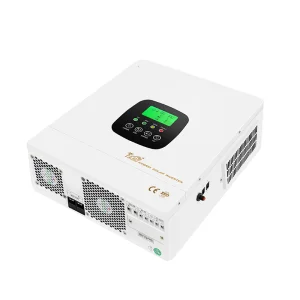
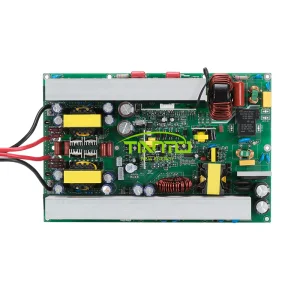
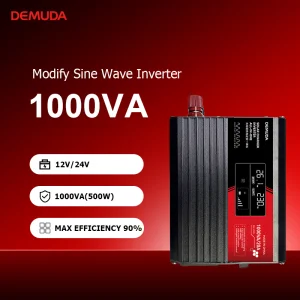
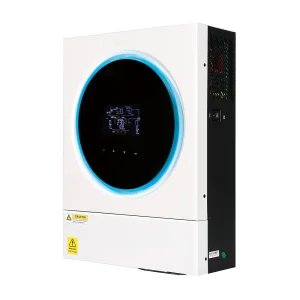
In the contemporary energy landscape, industrial inverter chargers act as the cornerstone of microgrid architectures and Battery Energy Storage Systems (BESS). These systems go beyond simple DC-to-AC conversion; they manage bidirectional electrical flows, interface directly with renewable sources like solar photovoltaics, and communicate dynamically with smart grids. Modern commercial facilities demand power electronics that maintain system stability under extreme load fluctuations, such as electric motor startup currents and fluctuating solar generation profiles.
By implementing high-efficiency topologies, including Silicon Carbide (SiC) and Gallium Nitride (GaN) power modules, modern industrial inverter chargers achieve conversion efficiencies exceeding 96%. This technological advancement dramatically mitigates thermal losses, enhances system reliability, and reduces the overall levelized cost of energy (LCOE). Zhejiang Sowest Electric Co., Ltd. customizes high-power systems to ensure critical infrastructures operate with absolute stability.
Bidirectional synchronization with low harmonic distortion.
Rugged galvanic isolation protecting core assets.
High-efficiency MPPT controllers tracking max sun power.
Globally, energy security, decarbonization targets, and grid stability concerns are accelerating the deployment of localized power conversion systems. Industrial zones across Europe, North America, and the Asia-Pacific region are increasingly installing centralized battery chargers and inverters to offset peak demand tariffs, mitigate power grid outages, and maximize self-consumption of on-site solar arrays. This transition requires inverter chargers that can communicate with multiple battery chemistries, most notably Lithium Iron Phosphate (LiFePO4) and solid-state variations, while complying with stringent utility interconnect standards.
In terms of sourcing, global buyers focus on total cost of ownership (TCO), which includes procurement cost, conversion efficiency, operation under harsh temperatures, and ease of maintenance. Supply chains are shifting from standard trading operations to dedicated engineering and manufacturing factories that can guarantee product reliability, customize specifications, and offer long-term technical support. As an established inverter charger manufacturer, Zhejiang Sowest Electric Co., Ltd. integrates production precision with engineering expertise to serve international key players.
Choosing the correct inverter charger architecture depends heavily on the intended operational environment, surge requirements, and spatial footprint constraints.
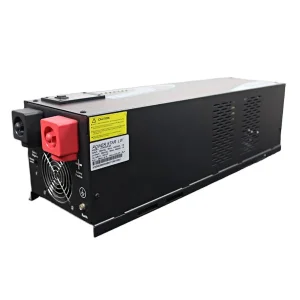
Utilizing massive copper toroidal transformers, Low-Frequency inverter chargers offer superior surge handling capabilities—typically 300% of their rated power for up to 20 seconds. This makes them ideal for inductive loads like heavy industrial motors, air compressors, and refrigeration units. The galvanic isolation provided by the physical transformer shields sensitive electronics from grid-side transients and electrical noise.
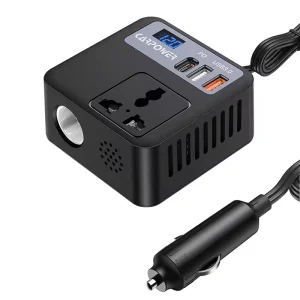
High-Frequency units rely on electronic switching circuits and smaller, lighter ferrite transformers. These systems excel in power density, offering a smaller footprint and lower weight at a competitive price. Ideal for telecommunication stations, portable converter units, and light commercial vehicles, HF inverters are highly efficient under light load conditions and represent the standard for mobile applications.
The next generation of power converters integrates artificial intelligence with local Edge Computing. Predictive Power Management Systems (PMS) analyze localized weather forecasts, historical load patterns, and real-time utility pricing to dynamically shift charging schedules. By utilizing advanced communication protocols (CAN bus, Modbus, Bluetooth), these systems maximize system lifespans and ensure safety.
Industrial operations require specialized configurations to handle varied environmental and load demands. Below are the primary deployment scenarios where inverter chargers deliver essential operational capability.
In hazardous environments and automated manufacturing lines, even a sub-second power disruption can lead to expensive downtime or safety hazards. Here, inverter chargers operate in active standby mode as part of a high-capacity UPS system, delivering seamless power transitions to control units, sensors, and safety shutoff valves.
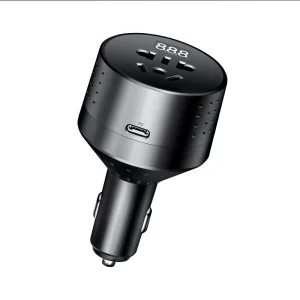
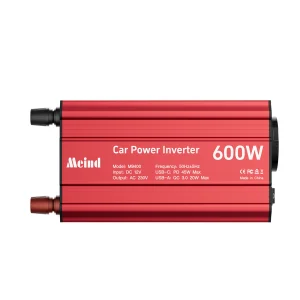
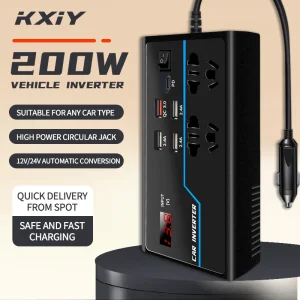
RVs, yachts, and emergency response vehicles require high-durability vibration resistance, protection against corrosion from moisture or salt, and compact form factors. Portable, multi-function car charger inverters supply stable AC power for communication gear, medical devices, and tools, while fast-charging auxiliary batteries.
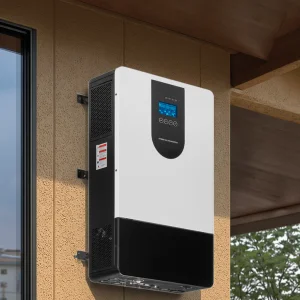
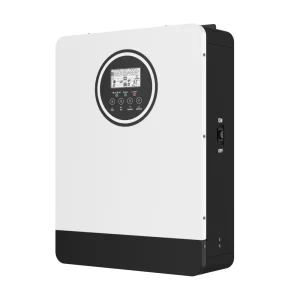
Telecom base stations, often located in remote regions, rely heavily on hybrid power systems combining solar panels, utility grids, and diesel generators. Hybrid solar inverter chargers with integrated MPPT tracking optimize power sourcing, prioritizing solar energy and reducing generator runtime and overall operational costs.
Operating globally requires strict compliance with diverse regional standards. At Zhejiang Sowest Electric Co., Ltd., we subject our power equipment to comprehensive engineering audits and independent laboratory verifications. We design systems to pass critical quality and safety standard certifications:
Every batch of inverter chargers undergoes rigorous testing before shipment, including:
Zhejiang Sowest Electric Co., Ltd. is a modern and innovative enterprise specializing in the research, development, manufacturing, and sales of power supply and electrical distribution equipment. With a strong commitment to technological innovation, product quality, and customer satisfaction, the company has established itself as a reliable partner for power generation, transmission, distribution, industrial automation, transportation, petrochemical, telecommunications, and infrastructure projects worldwide.
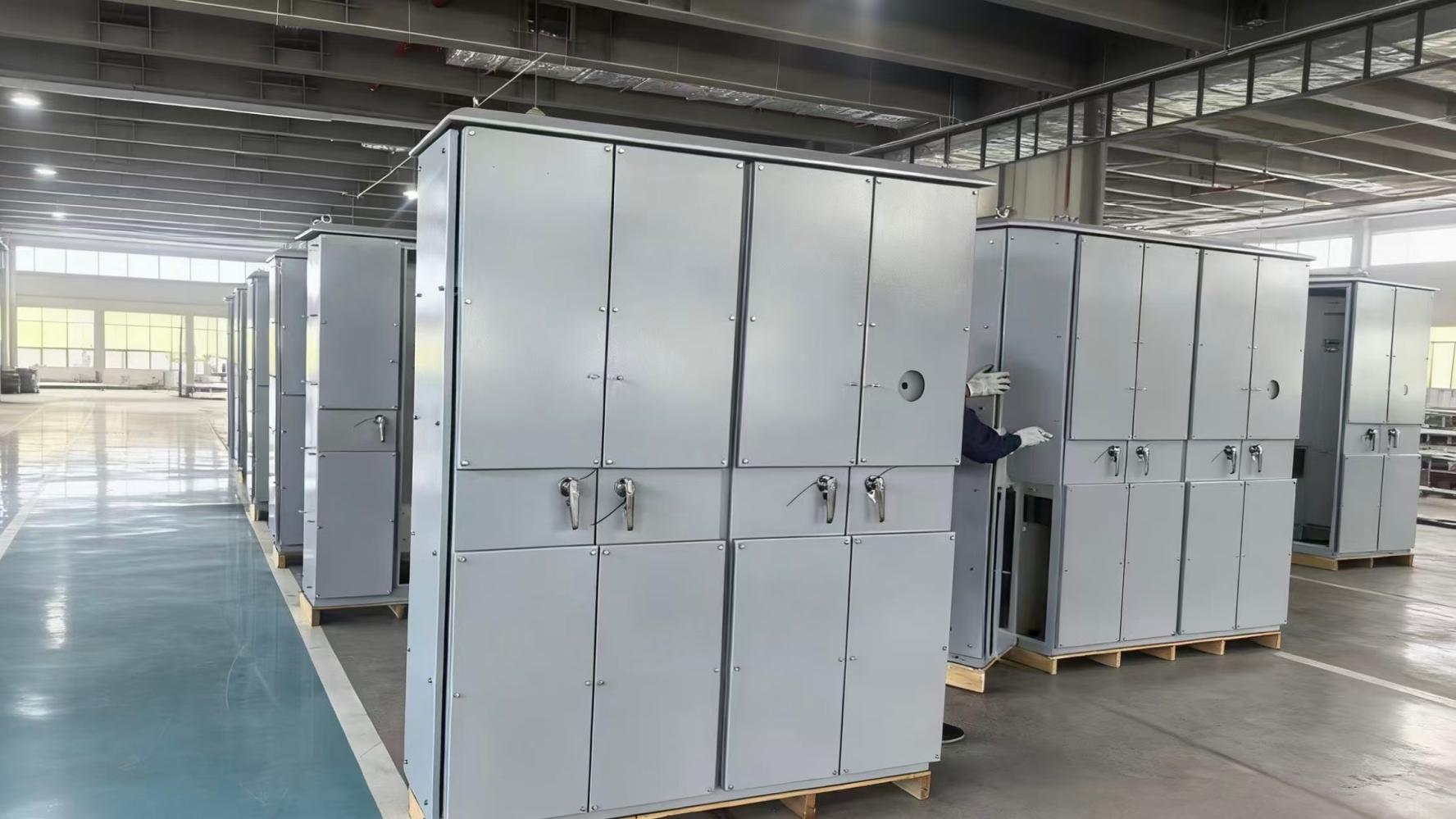
Our core product portfolio includes AC/DC Power Supply Panels, DC Power Systems, UPS (Uninterruptible Power Supply) Systems, Battery Chargers, DC Distribution Panels, AC Distribution Panels, Central Signal Panels, Power Monitoring Systems, Circuit Breakers, Power Feeding Panels, and other integrated power supply solutions. These products are widely applied in substations, power plants, industrial facilities, data centers, rail transit systems, and renewable energy projects.
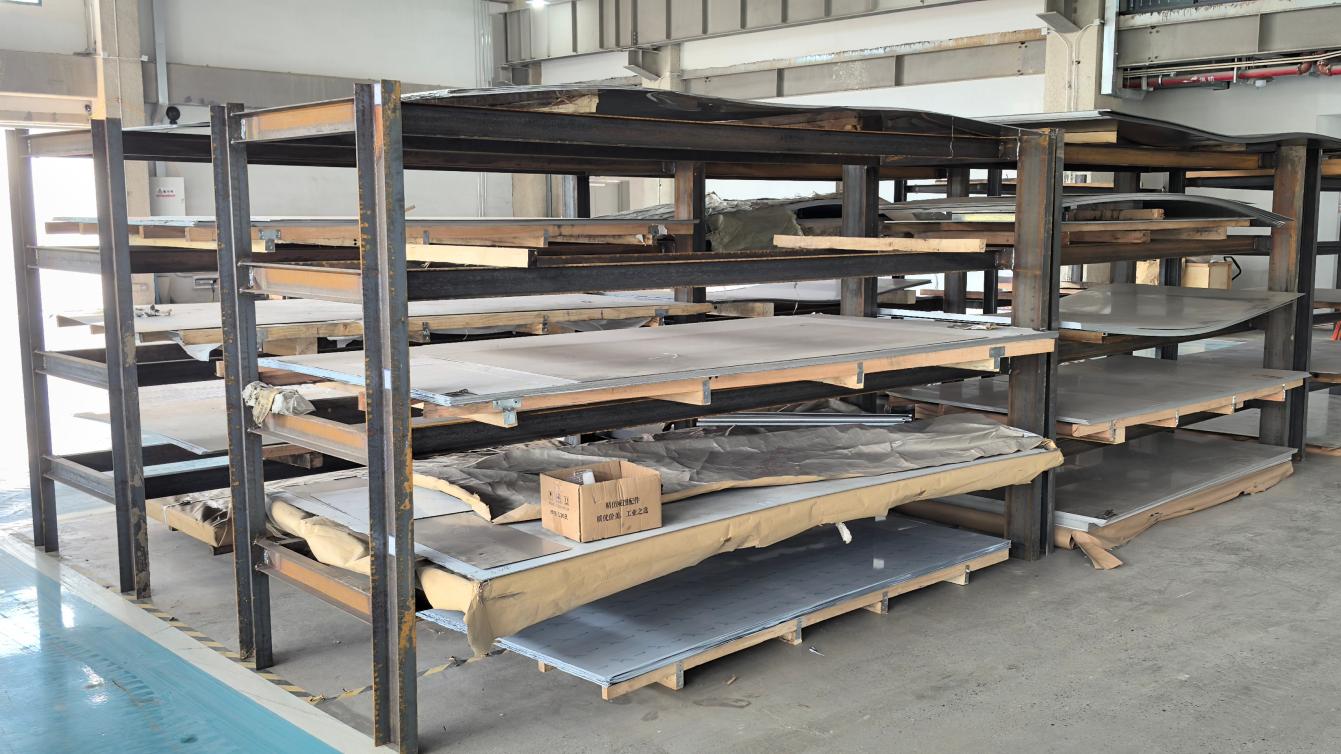
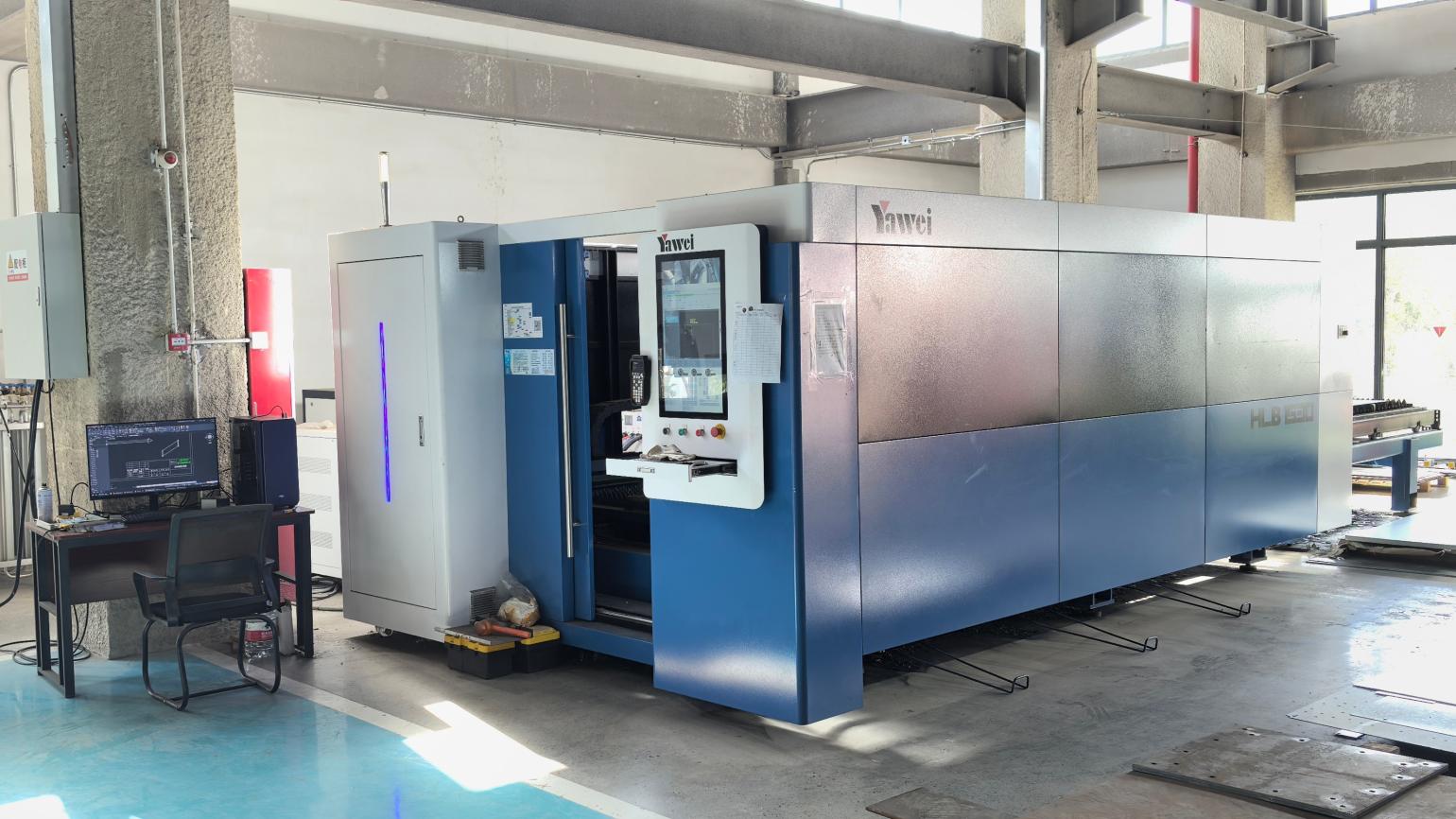
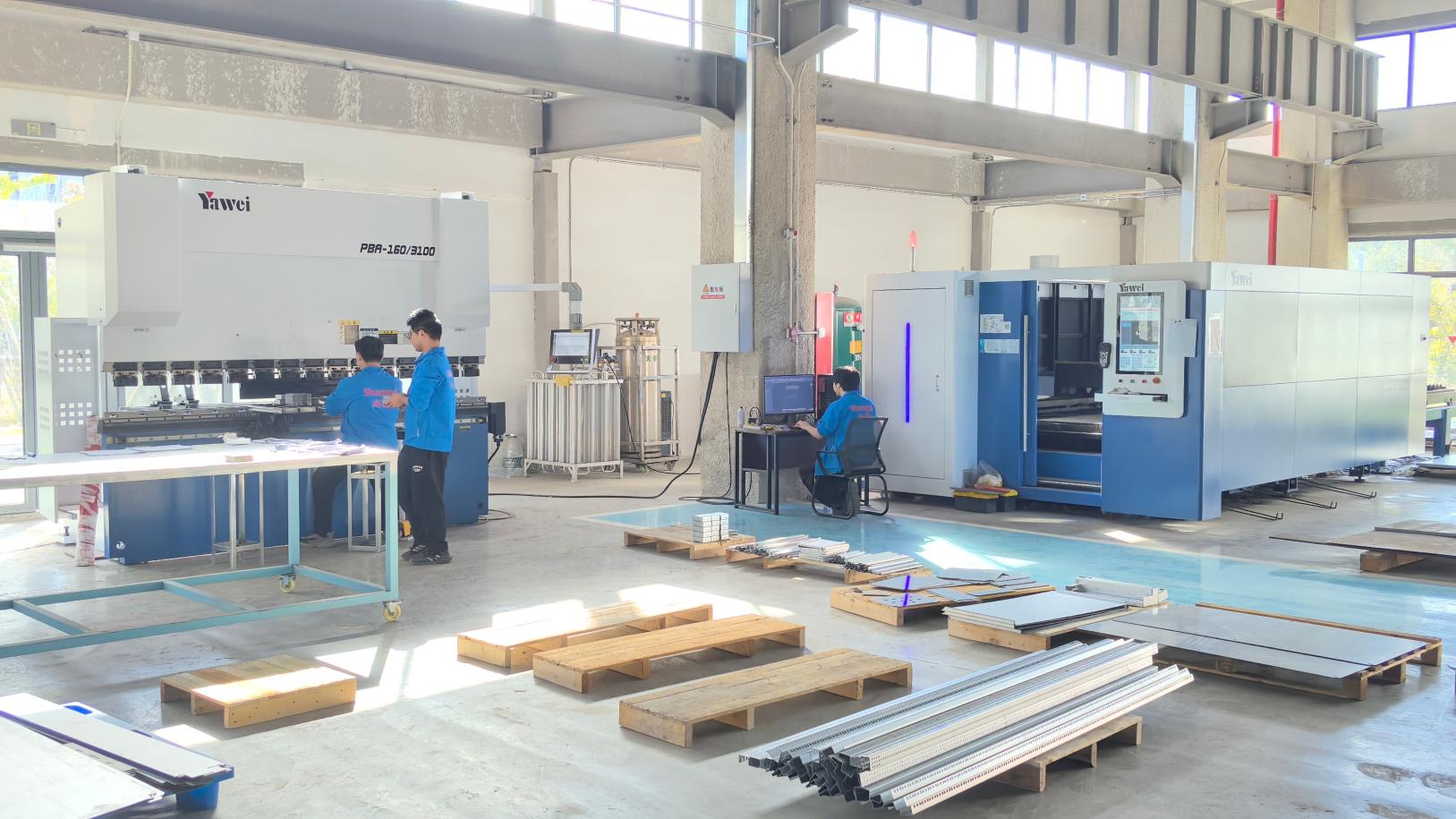
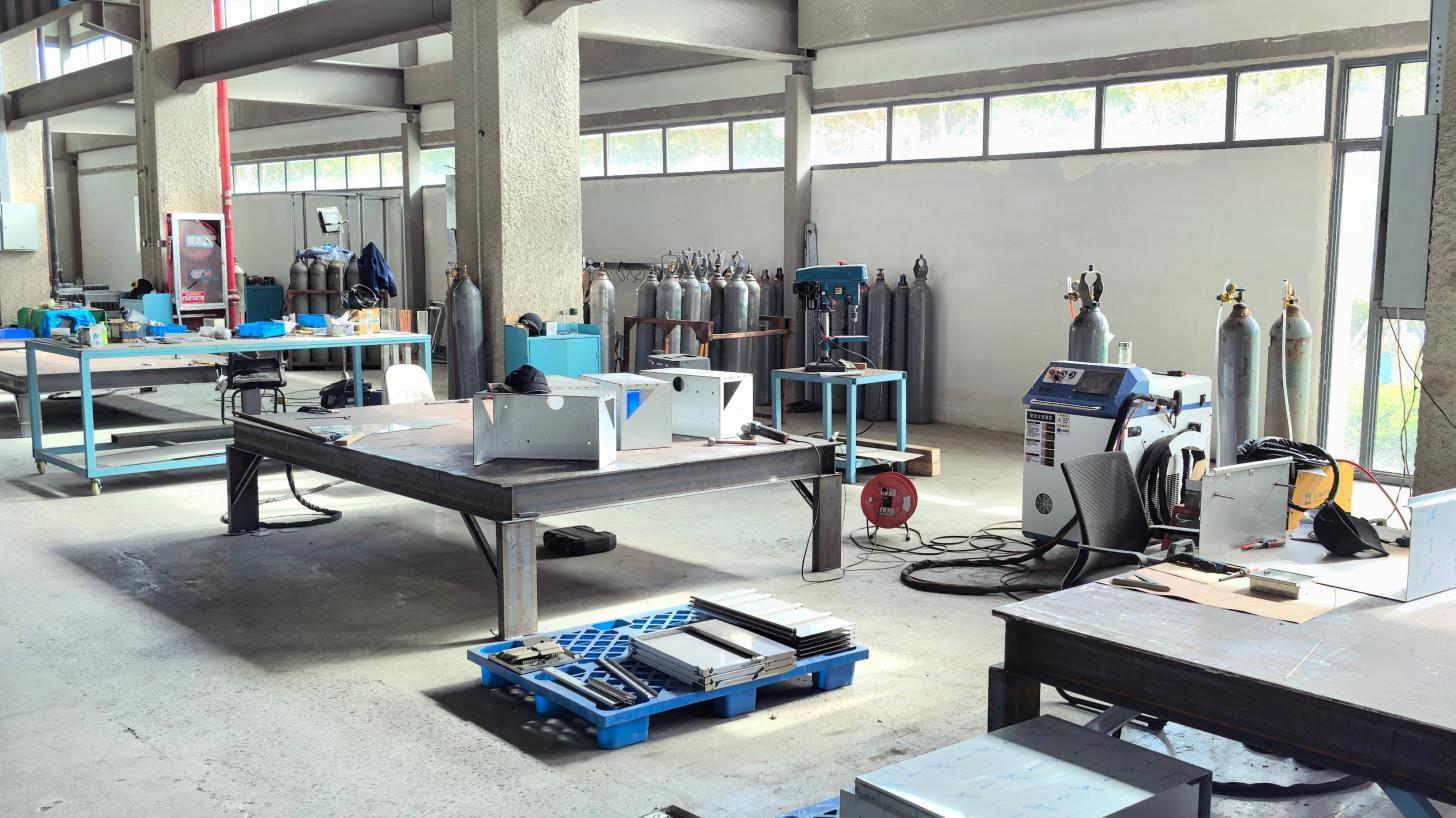
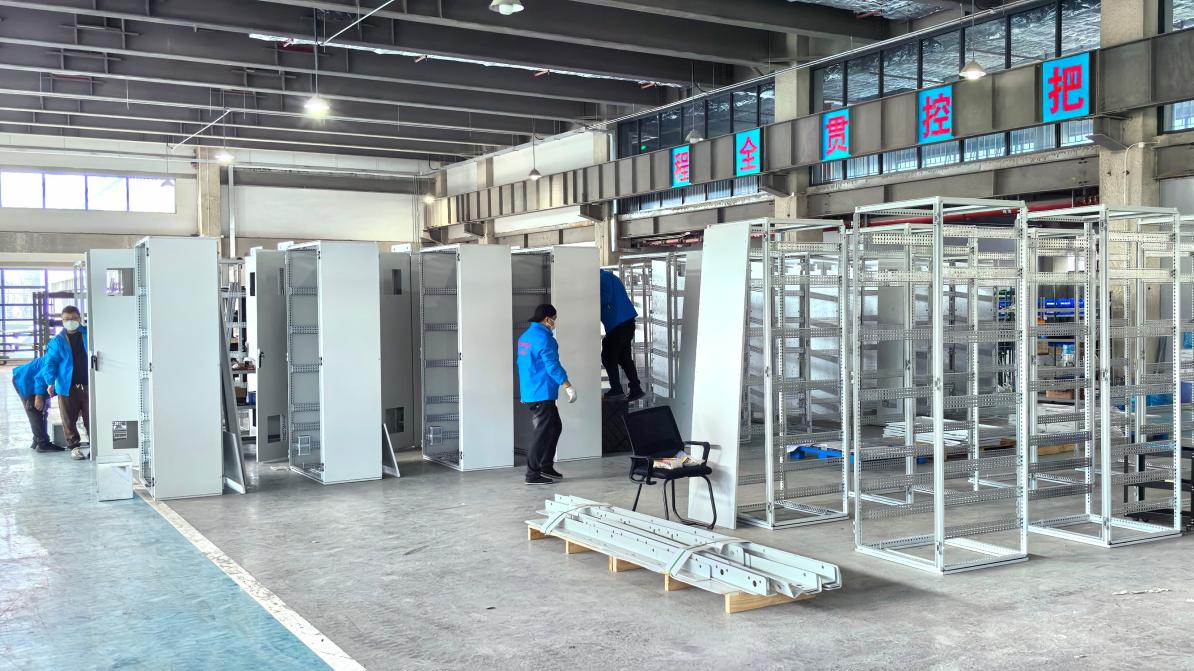
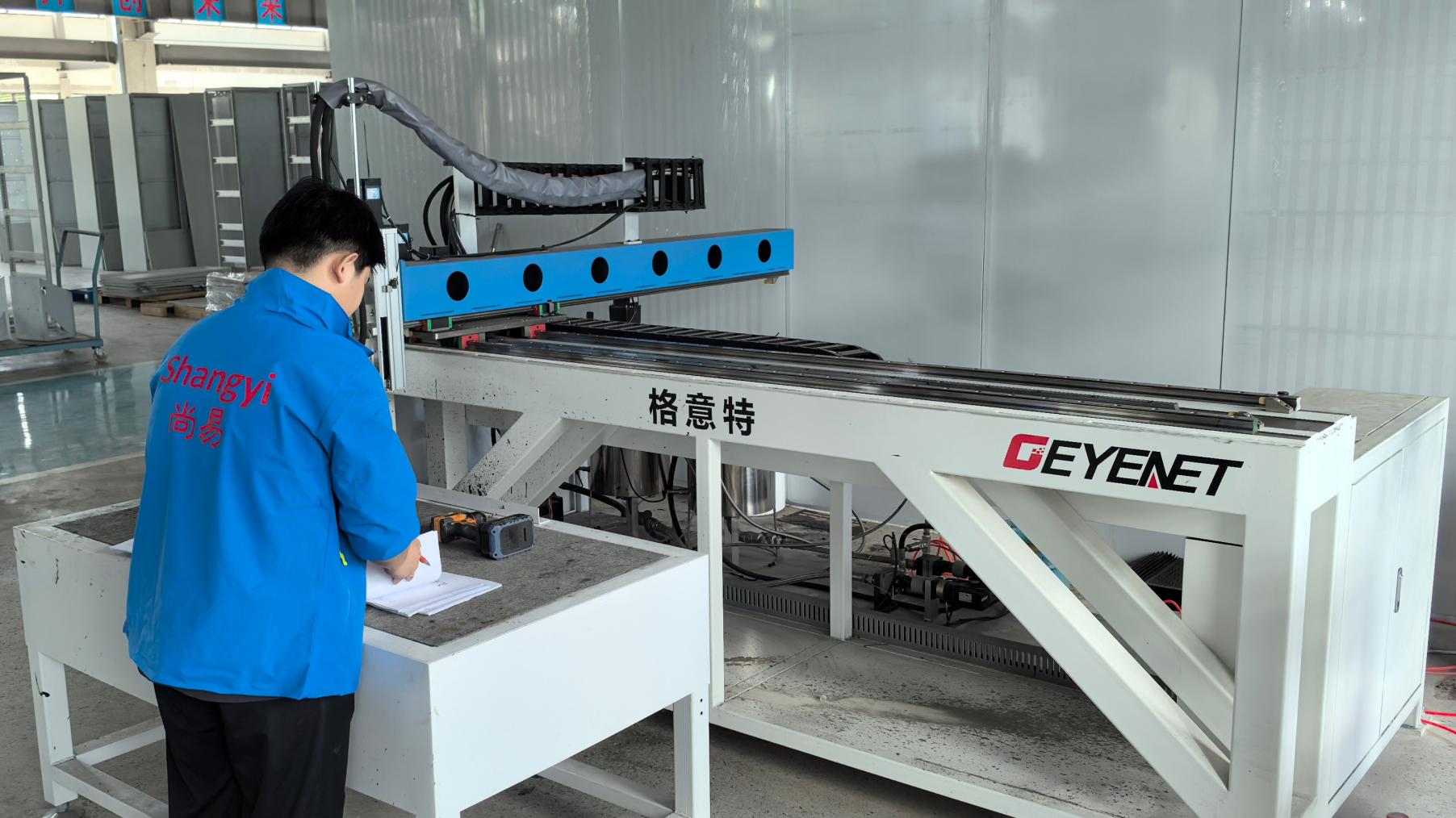
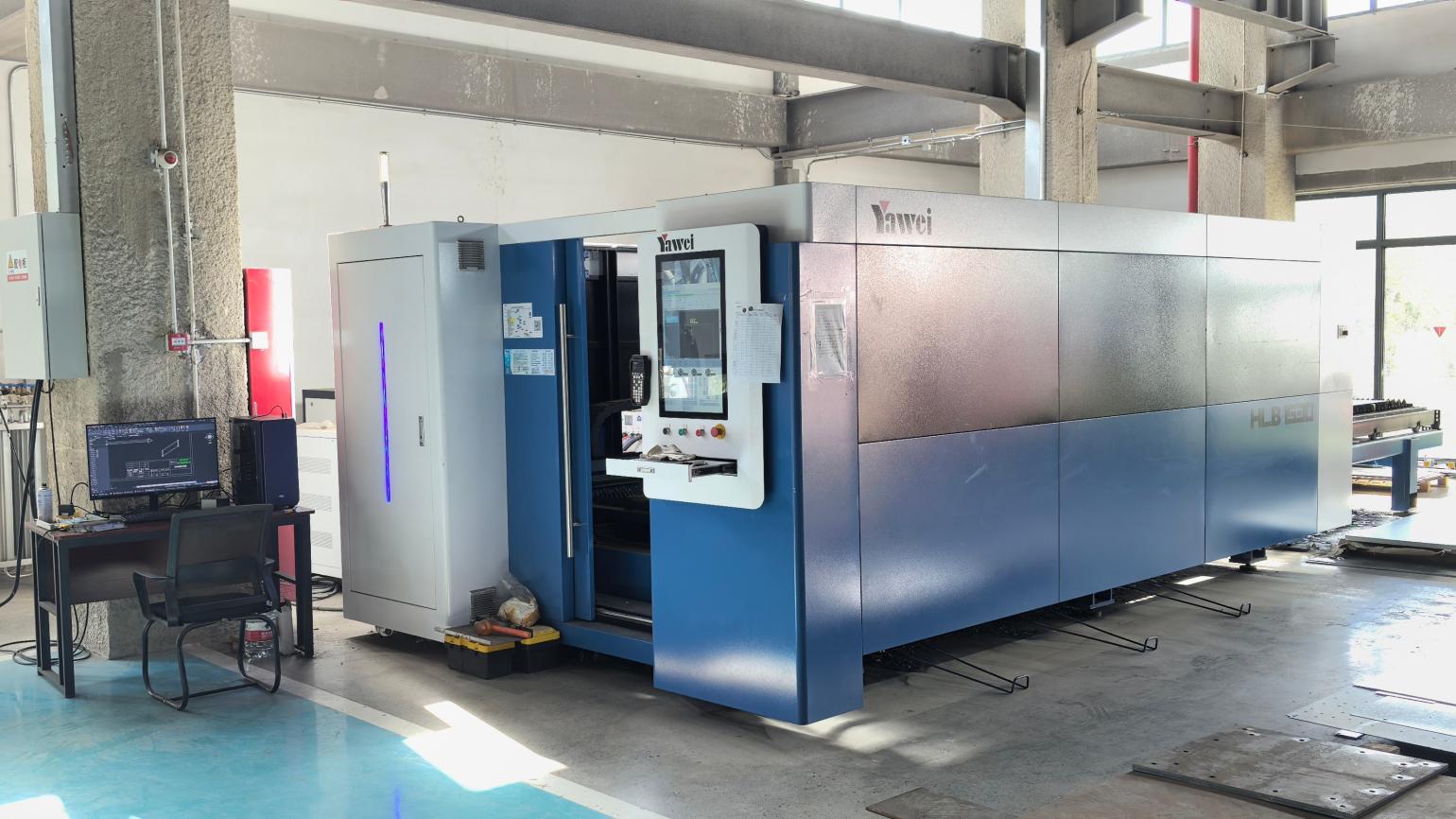
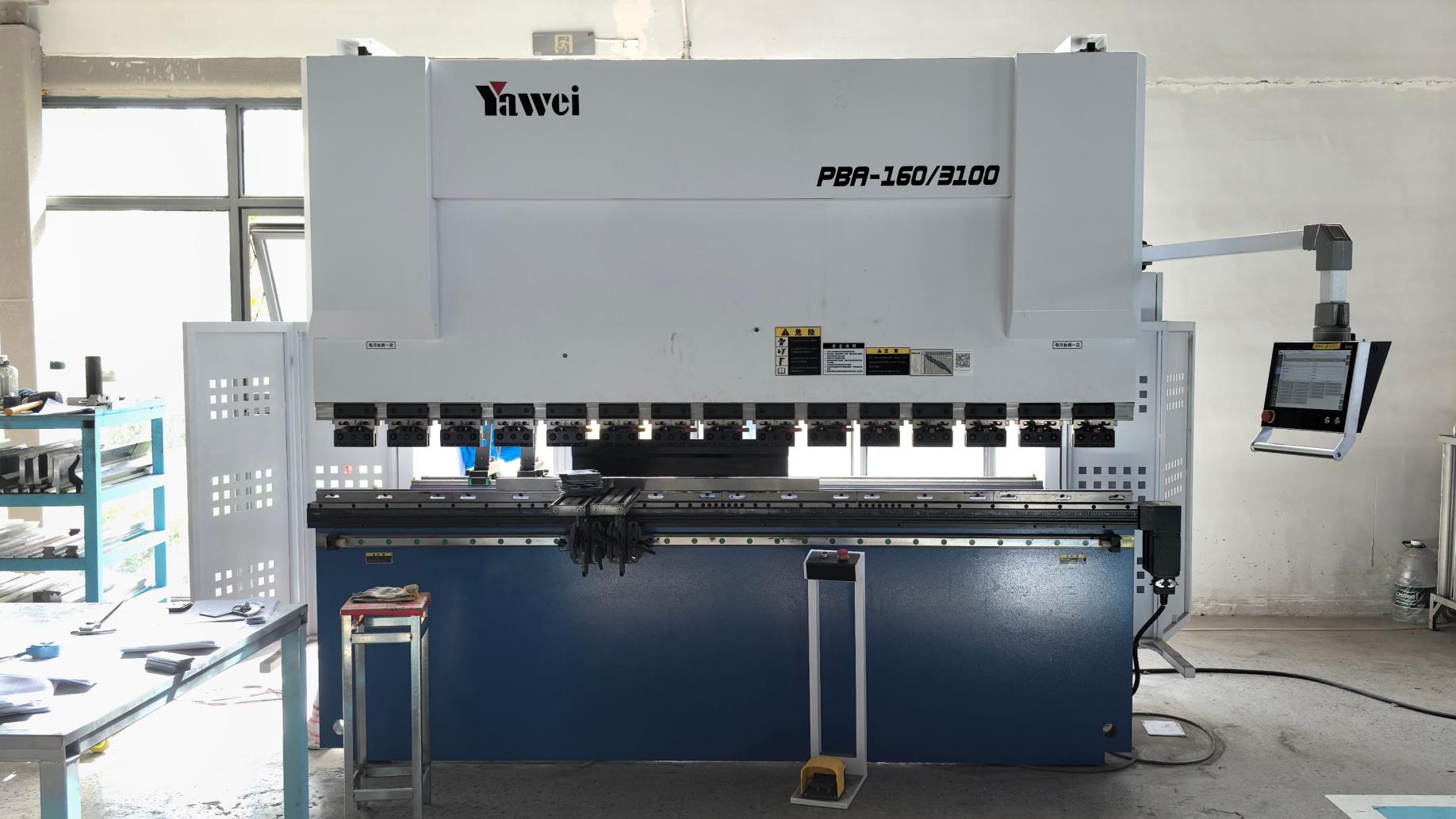
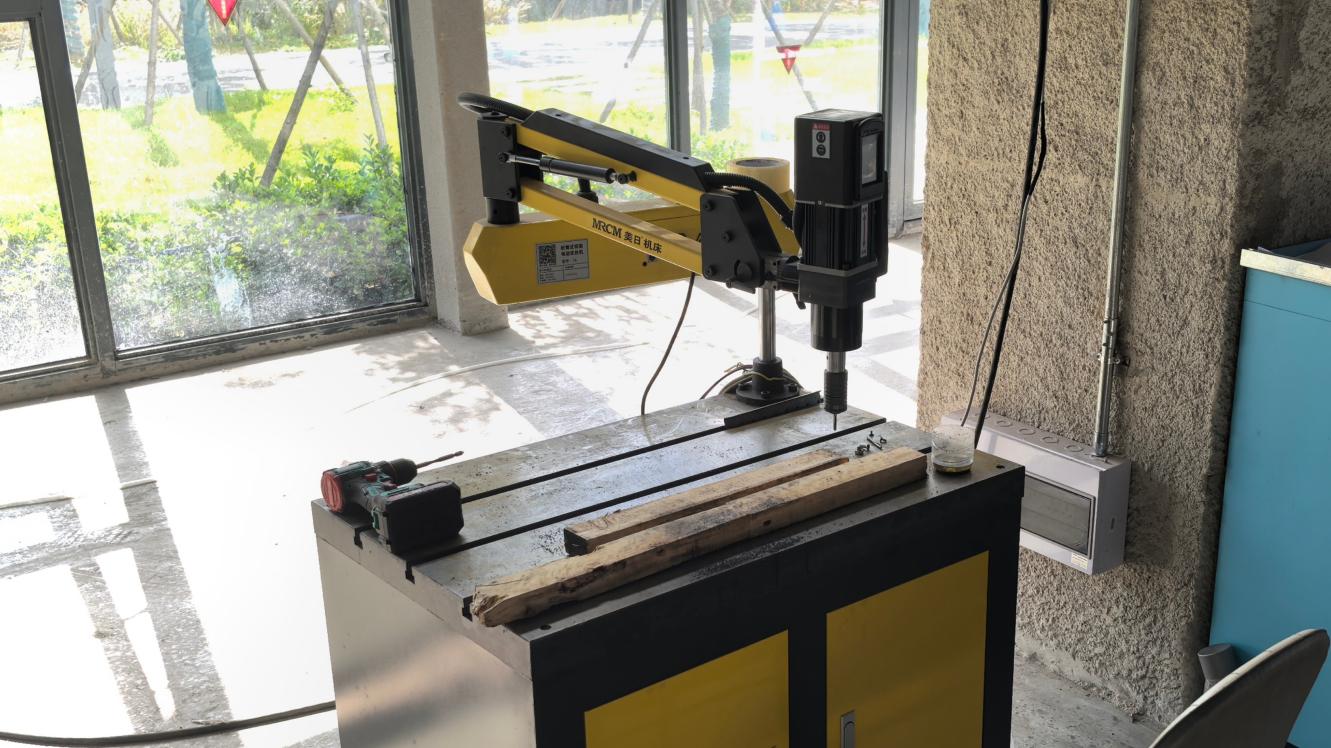
The company is supported by a highly qualified team of engineers, technicians, and industry experts with extensive experience in power electronics and electrical engineering. Equipped with advanced manufacturing facilities, modern production lines, and comprehensive testing equipment, Sowest Electric ensures that every product meets stringent quality standards and international performance requirements.
Guided by the principles of integrity, professionalism, innovation, and mutual growth, Zhejiang Sowest Electric continuously invests in research and development to deliver efficient, intelligent, and reliable power solutions. The company has established a complete quality management system and adheres to strict production and inspection processes to guarantee product safety, stability, and long-term reliability.
Our corporate philosophy is centered on excellence, customer value, and sustainable development. We are dedicated to creating value for customers, opportunities for employees, returns for stakeholders, and positive contributions to society. Through continuous technological advancement and service improvement, we strive to help our customers achieve greater operational efficiency and energy reliability.
In the era of global economic integration, Zhejiang Sowest Electric remains focused on its strategic vision of professional R&D, intelligent manufacturing, and global marketing. By leveraging innovation, quality, and international cooperation, the company is steadily advancing toward its goal of becoming a globally recognized brand in the power supply and electrical equipment industry.
Zhejiang Sowest Electric Co., Ltd. – Powering Reliability, Driving Innovation.
Detailed, engineering-focused answers to assist in procurement, integration, and deployment decisions.
Discover our specialty product selection, including multi-voltage off-grid chargers, high-current battery chargers, and split-phase power converters.
 Sowest Electric