Installing an automatic transfer switch for industrial UPS is crucial for ensuring continuous power supply. This process involves several steps that require careful planning and execution. The transfer switch allows seamless switching between different power sources, preventing downtime during outages.
Understanding how to install an automatic transfer switch for industrial UPS is vital for professionals in the field. You must evaluate your power needs and assess potential risks. Selecting the right switch size and type will significantly impact the system's reliability. Industrial environments demand robustness, so compliance with standards is essential.
Installation should be approached with attention to detail. Missteps during this process may lead to equipment failure. Proper wiring, grounding, and safeties must be in place. Monitoring the installation progress against a checklist can help minimize errors. Continuous learning and adaptation from previous installations can enhance future projects.
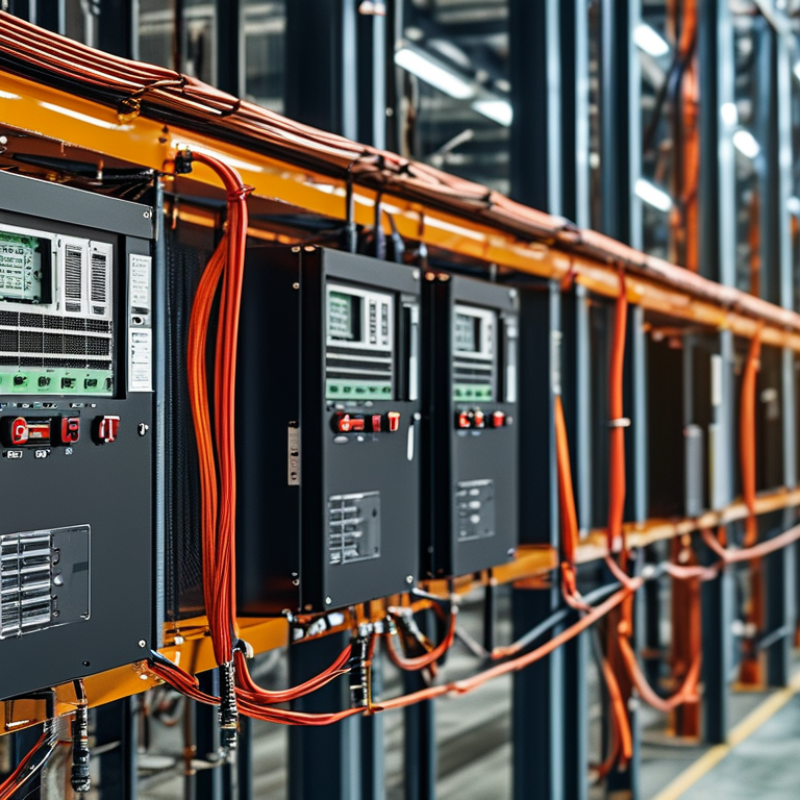
An automatic transfer switch (ATS) plays a crucial role in industrial uninterruptible power supply (UPS) systems. It ensures a seamless transition between utility power and backup sources during outages. According to industry studies, approximately 98% of UPS failures occur during power interruptions. This highlights the need for reliable switching mechanisms in critical operations.
The ATS monitors power levels and detects failures. Once a failure is detected, it swiftly switches to the backup source within seconds. This capability is essential, as even a few seconds of downtime can lead to significant financial losses. Reports indicate that companies lose an average of $5,600 per minute during outages. Therefore, the efficiency of an ATS directly impacts overall business performance.
Despite advancements, challenges remain. Not all systems respond uniformly to power fluctuations. Some ATS units may experience delays in detection or switching. This can result in brief interruptions, which, while momentary, can endanger sensitive equipment and data integrity. Regular testing and updates are required to maintain operational reliability. Adopting best practices ensures that an ATS can effectively safeguard against potential failures and operational disruptions.
This chart illustrates the power capacity utilization of various industrial UPS systems. Each bar represents the percentage of utilization for different UPS capacities, which is crucial for understanding efficiency and operational effectiveness in industrial settings.
Installing an automatic transfer switch (ATS) for an industrial UPS requires careful planning. Identifying the necessary components is crucial. The ATS itself is the centerpiece. It ensures seamless power switching between the main supply and the UPS. You’ll also need circuit breakers to protect your system. Fuses offer additional safety but can be overlooked. Make sure to include wiring, as appropriate gauge wires ensure safe and efficient power flow.
Tools are just as important. A voltage meter is essential for testing connections. Wire strippers and crimpers help prepare the wires. A drill may be needed for mounting the ATS. Safety gear is not optional; gloves and goggles protect against unexpected hazards. Double-check everything. A missed connection could lead to failures. Each component plays its role in creating a reliable system.
Consider the environment in which you are installing the ATS. Adequate ventilation is vital to prevent overheating. Be cautious about space constraints. Your layout should allow for easy access to components for maintenance. Mistakes can happen. Document your setup to avoid confusion later. Allow time for reflection during installation, as it can reveal areas for improvement.
Installing an automatic transfer switch (ATS) for an industrial uninterruptible power supply (UPS) is essential for seamless power management. Begin by selecting a suitable location for the ATS. Ensure it is easily accessible for maintenance. This site should be close to the UPS system and the main power supply. Check local guidelines to comply with safety requirements.
Next, gather necessary tools and materials. You will need a screwdriver, wire strippers, and appropriate connectors. Before installation, turn off all power sources. This prevents accidents during the process. Proceed to connect the input terminals of the ATS to your main electrical supply. Be meticulous about wire connections. Loose wires may lead to failures.
After securing the input connections, link the output terminals to your UPS. It is crucial to double-check each connection for accuracy. Miswiring can cause severe issues. Once completed, test the ATS under load. Monitor how it handles switching between power sources. Consider that troubleshooting might be needed later. Embrace this challenge as part of the installation process.
After installing an automatic transfer switch (ATS) for industrial UPS, thorough testing is essential. Start by checking connections. Ensure power supply cables are securely attached. Loose connections can lead to malfunction or even failure. Routine monitoring of indicator lights will also provide early signs of issues.
Next, simulate a power failure. Turn off the main power supply and observe the response of the ATS. It should switch to the backup power automatically. Note any delays, as this could indicate a problem. When the main power returns, ensure the ATS switches back appropriately.
Troubleshooting should focus on common pitfalls. If the ATS does not operate as expected, review the installation manual. Verify that voltage settings match your system requirements. Investigate any unusual sounds or heat emanating from the switch. Continuous reflection on performance can uncover areas needing improvement or adjustment. Accurate documentation of these observations can aid in future maintenance efforts.
Proper maintenance of an automatic transfer switch (ATS) is crucial for reliable UPS performance. Regular inspections help identify issues before they worsen. Check for loose connections or signs of wear, as these can lead to failures during critical moments. Dust and corrosion can accumulate over time; cleaning these components can mitigate potential risks.
Testing the functionality of the ATS ensures that it operates correctly during a power outage. Schedule tests every six months under load conditions. This simulates an actual power failure, revealing any weaknesses. Documentation of test results is vital for tracking performance over time and enhances accountability.
Don't overlook the inspection of auxiliary circuits, which play a significant role in the ATS operation. Faulty relays or breakers can trigger malfunctions. Keeping your ATS up to date with firmware updates also guarantees compatibility with newer systems. Each step taken for maintenance builds not just confidence but also operational stability.
Ignoring these aspects may lead to unexpected downtimes, which are often preventable.
TS) in UPS systems?
An ATS can switch to backup power within seconds of detecting a failure.
Delays in power switching can cause financial losses. Companies may lose thousands per minute during outages.
Some units may delay detection or switching. Brief interruptions can harm sensitive equipment.
Check power supply connections and simulate a power failure to ensure proper response from the ATS.
Review the installation manual and verify voltage settings match the system requirements.
Monitor indicator lights for early signs of issues and any unusual sounds or heat.
Regular testing and updates help maintain reliability, uncovering areas needing improvement or adjustment.
Users might experience loose connections or delays in switching. Continuous reflection can identify these issues.
Accurate documentation helps track performance and aids in future troubleshooting efforts.
This article provides a comprehensive guide on how to install an automatic transfer switch for industrial UPS systems. It begins by explaining the critical role of an automatic transfer switch (ATS) in maintaining power supply during outages, ensuring continuous operation of essential equipment. The article details the necessary components and tools required for the installation process and presents a step-by-step guide to executing the installation efficiently.
After the installation, the article emphasizes the importance of testing and troubleshooting the ATS to confirm its proper functionality. Finally, it offers maintenance tips to ensure the switch operates optimally over time. Overall, this guide serves as a valuable resource for professionals looking to enhance the reliability of their industrial UPS systems through the proper installation of an automatic transfer switch.

Sowest Electric