High voltage switchgear is critical in ensuring reliable electrical distribution. Regular maintenance is essential to prevent failures and ensure safety. But what is the maintenance checklist for high voltage switchgear? This checklist serves as a guideline for operators, emphasizing important tasks to keep the equipment functioning optimally.
Understanding the specifics of maintenance is vital. Visual inspections should include checking for signs of wear, corrosion, or overheating. Furthermore, testing insulation resistance can reveal hidden issues. Yet, some may overlook these routine checks, leading to potential hazards. It is crucial to remember that neglecting small problems can escalate into major failures.
In addition, documentation plays a key role. Keeping detailed records of maintenance activities helps identify patterns or recurrent issues. This approach enhances reliability over time. However, many technicians may not prioritize documentation consistently. Reflecting on these practices can lead to improvements in safety and performance. High voltage switchgear maintenance is not just about adherence to a checklist; it is an ongoing commitment to operational excellence.
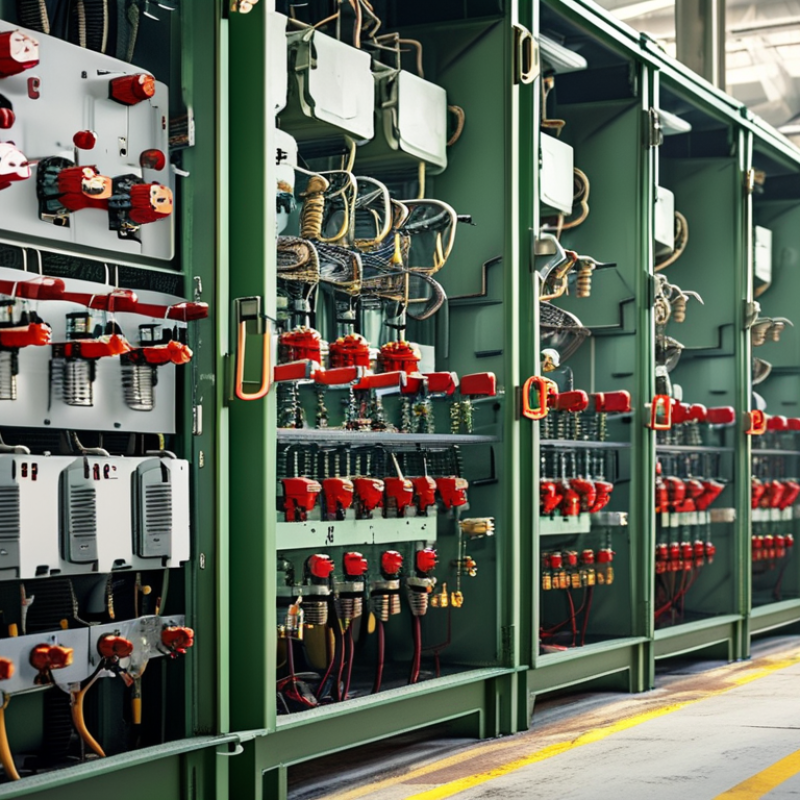
High Voltage Switchgear Overview and Importance in Electrical Systems
High voltage switchgear is crucial for the reliable operation of electrical systems. It serves as the backbone for electrical distribution, managing the flow of electricity in industrial and utility applications. These systems connect various components, ensuring smooth operation and providing safety protocols. When functioning properly, switchgear protects equipment from overloads and short circuits. However, any failure can lead to significant disruptions and costly downtime.
Ensuring the efficiency of high voltage switchgear requires regular maintenance. This involves checking insulation integrity, mechanical components, and control systems. It is essential to inspect the connections and clean any dirt or debris that might impair function. Lack of attention to these details can cause performance issues or even catastrophic failures. Maintaining documentation of the maintenance history also adds reliability. Collecting this information can help identify recurring problems.
Contemplating past maintenance, it's evident that proactive assessments yield better results. Some facilities neglect routine checks due to time constraints. This oversight can lead to larger issues over time. Industry experts suggest scheduling regular inspections and testing. Building a culture of accountability and reliability fosters a safer electrical environment.
Key Components of High Voltage Switchgear and Their Functions
High voltage switchgear is crucial for electrical distribution systems. It contains several key components that play specific roles in maintaining reliability and safety. Circuit breakers are vital; they interrupt fault currents to protect equipment and maintain service continuity. Similarly, disconnectors provide visible isolation for maintenance, ensuring worker safety during servicing.
Transformers are another main component, stepping voltage levels up or down for efficient power transmission. They must be regularly inspected and maintained to prevent failures. Capacitive voltage transformers help in monitoring voltage levels, essential for system stability. Regular assessments of these components enhance their performance and longevity.
**Tip:** Regular cleaning of switchgear components helps prevent buildup of dust and debris, which can lead to electrical failures.
Another critical element is the busbar, which conducts electricity between components. Poor connections can lead to overheating and failures. Labeling and proper organization of wiring ensure efficient troubleshooting and maintenance. Such practices reduce downtime during servicing, which can impact operational efficiency.
**Tip:** Conduct routine thermal imaging surveys to identify hotspots that may indicate connection issues.
What is the Maintenance Checklist for High Voltage Switchgear?
| Component |
Function |
Maintenance Frequency |
Maintenance Tasks |
| Insulators |
Provide electrical insulation between conductive parts |
Monthly |
Inspect for cracks or contamination, clean as needed |
| Circuit Breaker |
Protects electrical circuits by interrupting the flow of current |
Quarterly |
Test operation, inspect contacts, check mechanical and electrical settings |
| Busbars |
Conduct electrical current between components |
Annually |
Inspect for wear, check connections and corrosion |
| Control Panel |
Contains controls for operating the switchgear |
Bi-Annually |
Inspect wiring, test control functions, ensure indicators are operational |
| Relay |
Automatically detects faults and triggers circuit interruption |
Annually |
Verify settings, simulate fault conditions, inspect for physical damage |
Routine Inspection and Testing Procedures for Switchgear Maintenance
Routine inspection and testing procedures for high voltage switchgear are crucial for maintaining electrical systems. According to industry reports, nearly 30% of electrical equipment failures are linked to inadequate maintenance. Regular checks help identify issues before they escalate. Maintenance teams should follow a systematic approach.
Visual inspections are essential. Inspectors should check for signs of corrosion, heat damage, and leaks. The electrical connections must be tight and secure. Infrared thermography can highlight hotspots that indicate potential issues. A recent study found that thermal imaging can detect faults up to 60% more accurately than traditional methods.
Testing is equally important. Routine electrical tests include insulation resistance and power factor testing. These assessments reveal the condition of the switchgear insulation. A decline in insulation resistance can signal a need for immediate action. Regular maintenance not only extends the lifespan of the equipment but also ensures operational safety. Data shows that addressing issues early can reduce repair costs by up to 50%. The absence of a thorough routine can leave systems vulnerable.
Common Faults in High Voltage Switchgear and Preventative Measures
High voltage switchgear is critical for electrical supply systems. However, they can experience common faults that lead to failures. Regular maintenance can prevent these issues. According to a report by the IEEE, 25% of switchgear failures are due to insulation deterioration. This degradation often occurs in humid environments.
One prevalent fault is the failure of circuit breakers. Reports indicate that 15% of circuit breaker failures are related to contact wear. This can be exacerbated by the presence of moisture or dust. Regular inspections are vital to identify these problems early. Insulation testing can reveal weaknesses before they lead to failures.
Another concern arises from overheating. Overcurrent situations can cause excessive heat in switchgear components. Studies show that almost 30% of failures stem from thermal issues. Installing properly rated fuses and regular thermal imaging can help. These measures ensure that problems are identified swiftly, reducing the risk of catastrophic failures. Regular training of personnel in identifying these faults also enhances overall reliability.
Maintenance Checklist for High Voltage Switchgear
This bar chart represents the maintenance frequency of common tasks associated with high voltage switchgear. Regular checks such as insulation resistance and contact resistance are crucial for preventing faults.
Industry Standards and Compliance Guidelines for Switchgear Maintenance
High voltage switchgear maintenance is crucial for operational reliability and safety. Industry standards, like the IEC 62271 series, provide frameworks for effective maintenance practices. These standards emphasize the importance of routine inspections and testing to ensure compliance and longevity of equipment. According to a report by the IEEE, about 30% of electrical failures can be attributed to inadequate maintenance.
In practice, adherence to compliance guidelines such as NFPA 70B and NETA standards is essential. These guidelines offer specific protocols and checklists, covering aspects like insulation resistance testing, circuit breaker functionality, and thermal imaging inspections. Incorporating these measures helps in early detection of potential issues. A survey by the International Association of Electrical Inspectors revealed that maintaining a structured checklist can reduce unplanned outages by up to 25%.
Effective maintenance practices must evolve to address common pitfalls. Many facilities still overlook detailed documentation of maintenance activities. This lack of record-keeping can pose risks during audits or emergency situations. Training staff consistently on updated standards is vital. Continuous education ensures everyone is aware of compliance expectations and best practices. However, organizations often struggle with consistent implementation, leading to gaps in maintenance actions.
Conclusion
High voltage switchgear is a critical component in electrical systems, serving to control, protect, and isolate electrical equipment. Understanding "what is the maintenance checklist for high voltage switchgear" is essential for ensuring the reliability and safety of these systems. A comprehensive maintenance checklist typically includes routine inspections and testing procedures, which help identify potential faults and operational deficiencies.
Key components of high voltage switchgear, such as circuit breakers, busbars, and protective relays, each play vital roles in system efficiency. Regular maintenance can prevent common faults, such as insulation failure and mechanical wear, while adhering to industry standards and compliance guidelines ensures that maintenance practices meet required safety and operational benchmarks. Overall, a well-implemented maintenance checklist is pivotal for the longevity and safe operation of high voltage switchgear.

 Sowest Electric