Proper sizing of a circuit breaker for a three-phase motor is critical for efficient operation. Industry reports show that improper sizing can lead to motor failure or reduced performance. Understanding how to size a circuit breaker for three phase motor startup is essential for reliability and safety.
For instance, the National Electrical Manufacturers Association (NEMA) states that 30% of motor failures stem from incorrect protection settings. A breaker that is too large may not trip during a fault, risking equipment damage. Conversely, an undersized breaker can lead to nuisance tripping, interrupting operations unnecessarily.
Motor startup currents can reach six times their rated current. This makes accurate sizing crucial to accommodate high initial demands. Often, an initial conservative approach may overlook specific loading conditions. It is essential to reevaluate parameters like full load, service factor, and environmental conditions. Prioritizing thorough calculations ensures proper protection and enhances motor longevity. Gathering reliable data on your motor's specifications will provide a solid foundation for your sizing decisions.
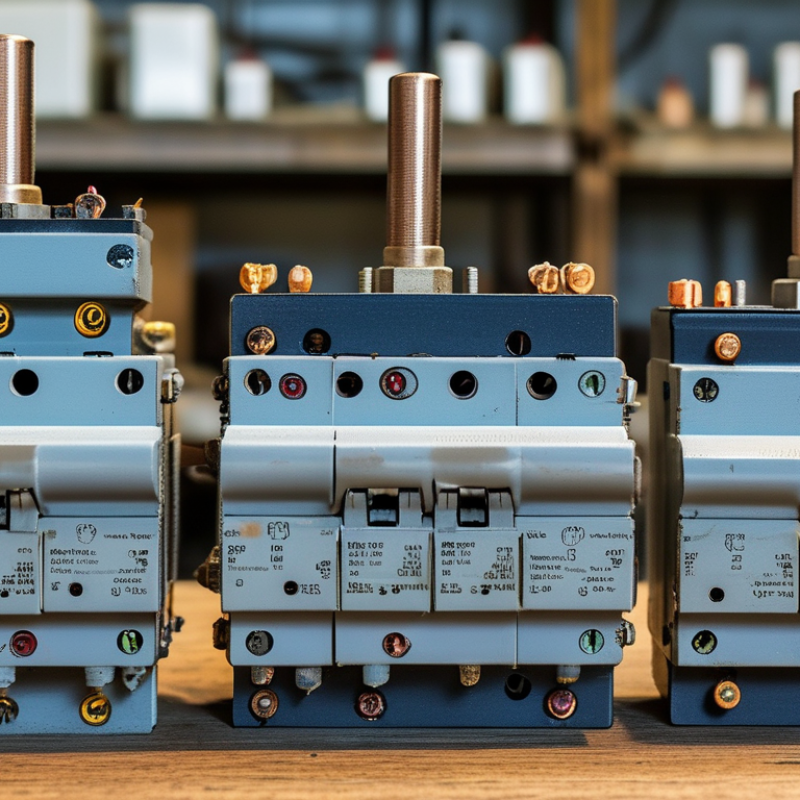
Understanding three-phase motors is essential for anyone working with industrial machinery. These motors are efficient and reliable but require proper electrical management. A three-phase motor operates using three electrical currents, which work together to create a powerful and smooth motion. This design minimizes the vibrations and ensures consistent performance.
Circuit breakers play a crucial role in safeguarding these motors. They prevent overloads, short circuits, and other electrical faults. Properly sizing a circuit breaker is vital to ensure it can handle the motor's starting currents and operational loads. Oversized circuit breakers may not trip during faults, leading to equipment damage. On the other hand, undersized breakers may trip frequently, causing unnecessary downtime.
It's important to consider several factors when sizing a breaker. These include the motor's full-load current, service factor, and the environment in which it operates. Factors like ambient temperature and installation location can significantly affect the circuit breaker's performance. Ensuring that you’ve accounted for these details can lead to more reliable motor operation. Each installation presents unique challenges, encouraging continuous learning and improvement in circuit protection strategies.
When sizing a circuit breaker for a three-phase motor, several key factors come into play. The motor's full-load current is crucial. This value helps ensure that the breaker can handle the normal operating current without tripping. For example, a motor rated at 10 amps will require a circuit breaker that can accommodate slightly higher currents, typically around 125% of that value to prevent nuisance tripping.
Another significant aspect is the starting current, which can be several times the full-load current. Using a breaker that can handle this inrush is essential. This inrush can range from 3 to 8 times more depending on the motor type. However, selecting a breaker with too high of a rating can lead to insufficient protection. It’s a balancing act that requires careful consideration.
Ambient temperature and the installation environment also affect sizing. Heat can impact the breaker’s performance and longevity. Therefore, if the installation is in a harsh environment, derating may be necessary. It’s easy to overlook these details, yet they are critical for the safety and efficiency of the system. Taking the time to analyze all these factors will lead to a more reliable setup.
When sizing a circuit breaker for three-phase motors, calculating the full load current (FLC) is crucial. FLC reflects the maximum current the motor draws under normal operating conditions. According to the National Electrical Code (NEC), this value is typically calculated using the formula: FLC = (Motor Power in kW × 1000) / (√3 × Voltage in V). For instance, a 15 kW motor operating at 400V would have an FLC of around 22.5A.
Selecting a circuit breaker requires understanding FLC and applying proper correction factors. Recommendations indicate breaker sizing to be 125% of the FLC for normal conditions. This means a 22.5A FLC would suggest a breaker rated for at least 28.1A to handle potential surges. It's vital to consider load composition, starting current, and ambient temperature, as these factors can affect motor performance.
Industry reports show that improper sizing leads to inefficiencies. Oversized breakers can result in nuisance tripping, while undersized ones risk damage to the motor. The American National Standards Institute (ANSI) notes that a significant percentage of electrical failures stem from incorrect breaker sizing. Additionally, considering integration of modern technology, like smart meters, can help with real-time monitoring and better decision-making. Balancing these factors requires a conscientious approach and continual reevaluation.
Selecting the right circuit breaker for a three-phase motor is crucial for optimal performance and safety. The type and rating of the breaker you choose can significantly affect the motor's efficiency and lifespan. It is essential to consider factors like full-load current, starting current, and ambient temperature when sizing your circuit breaker.
To make the right choice, start by determining the full-load current of your motor. This information can be found in the motor's specification sheet. It helps you select a breaker that can handle the motor's operational demands. Pay attention to the starting current, as it often exceeds the full-load current. This peak can affect your choice of breaker size.
**Tips:**
1. Opt for a breaker rated at 125% of the motor's full-load current for protection against overloads.
2. Consider using a motor starter with built-in overload protection to enhance the safety of your system.
3. Always consult the National Electrical Code (NEC) for compliance and recommendations specific to your application.
A thorough evaluation of these factors will lead to a more reliable installation. It’s beneficial to reflect on past experiences with circuit breakers, as each installation may present unique challenges. Always be prepared to adjust your approach based on specific needs and evolving safety standards.
| Motor Power (HP) | Full Load Current (A) | Breaker Rating (A) | Type of Breaker |
|---|---|---|---|
| 5 | 6.3 | 15 | MCCB |
| 10 | 12.5 | 20 | MCCB |
| 15 | 18.8 | 25 | MCCB |
| 20 | 24.9 | 30 | MCCB |
| 25 | 31.2 | 40 | MCCB |
When sizing a circuit breaker for a three-phase motor, compliance with safety considerations is crucial. Inadequate sizing can lead to overheating, equipment failure, and fire hazards. It's essential to understand how current, voltage, and operational conditions influence circuit breaker choices. Many factors come into play, including the full-load current and potential inrush currents during startup. Recognizing these elements can prevent serious accidents and ensure operational efficiency.
Regulatory standards often dictate specific requirements for circuit breaker sizing. These regulations help maintain safe practices and protect both personnel and machinery. Familiarizing yourself with local electrical codes is vital. They may impose constraints on maximum allowable currents and specify types of circuit breakers. Ignoring these regulations can result in costly penalties and dangerous work environments.
While many professionals rely on guidelines, there is an inherent challenge in accurately assessing motor characteristics. Variability in motor performance can complicate sizing decisions. Each installation might present unique challenges that require careful evaluation. Engaging with experienced electrical engineers can provide valuable insights. Their knowledge helps bridge the gap between regulations and practical applications, enhancing the overall reliability of the electrical system.
: FLC represents the maximum current a motor draws during normal operation. It’s important for breaker sizing.
FLC is calculated using the formula: FLC = (Motor Power in kW × 1000) / (√3 × Voltage in V).
Starting current can be higher than the FLC. Choosing a breaker that accounts for this protects the motor.
A circuit breaker should be rated at 125% of the full-load current to prevent overloads and nuisance tripping.
High ambient temperatures can lead to reduced performance. Adjusting the breaker rating for heat is often necessary.
Oversized breakers may cause nuisance tripping, leading to operational inefficiencies. This should be carefully considered.
Yes, smart meters can provide real-time monitoring and improve decision-making for better sizing choices.
Incorrect sizing can cause damage or inefficiencies. Always reevaluate your approach based on specific installation needs.
Yes, previous installations may provide insights into unique challenges that must be addressed for effective sizing.
Sizing a circuit breaker for a three phase motor is crucial for ensuring safety and operational efficiency. To properly size a circuit breaker for three phase motor startup, one must first understand the basics of three phase motors and the role of circuit breakers. Key factors influencing breaker sizing include the motor's full load current, which can be calculated based on the motor’s specifications and operational conditions.
It is also important to select the appropriate type and rating of the circuit breaker, taking into consideration the starting characteristics of the motor and potential inrush currents. Additionally, one must adhere to safety considerations and comply with relevant regulations to ensure adequate protection for both the motor and electrical system. By following these guidelines, you can effectively determine how to size a circuit breaker for three phase motor startup, ensuring reliable performance and safety in your electrical installations.

Sowest Electric