Understanding the signs of a failing voltage regulator stabilizer is crucial for anyone who relies on electrical systems. According to industry expert Mark Thompson, “Neglecting voltage regulator issues can lead to costly repairs.” Recognizing early warning signs can save time, money, and frustration.
When equipment begins to act erratically—fluctuating power levels or unexpected shutdowns—it may indicate a failing voltage regulator. Warning lights on your dashboard may flicker. You might notice strange noises from your power supply. These symptoms can be deceptive, often overlooked until it's too late.
Monitoring your voltage regulator ensures reliable performance. Many people ignore these signs at first, believing they are minor issues. However, neglect can lead to severe damage. The question remains: what are the signs of a failing voltage regulator stabilizer? By paying attention to these indicators, you can maintain the integrity of your electrical systems. Preventive measures can be the difference between smooth operation and complete failure.
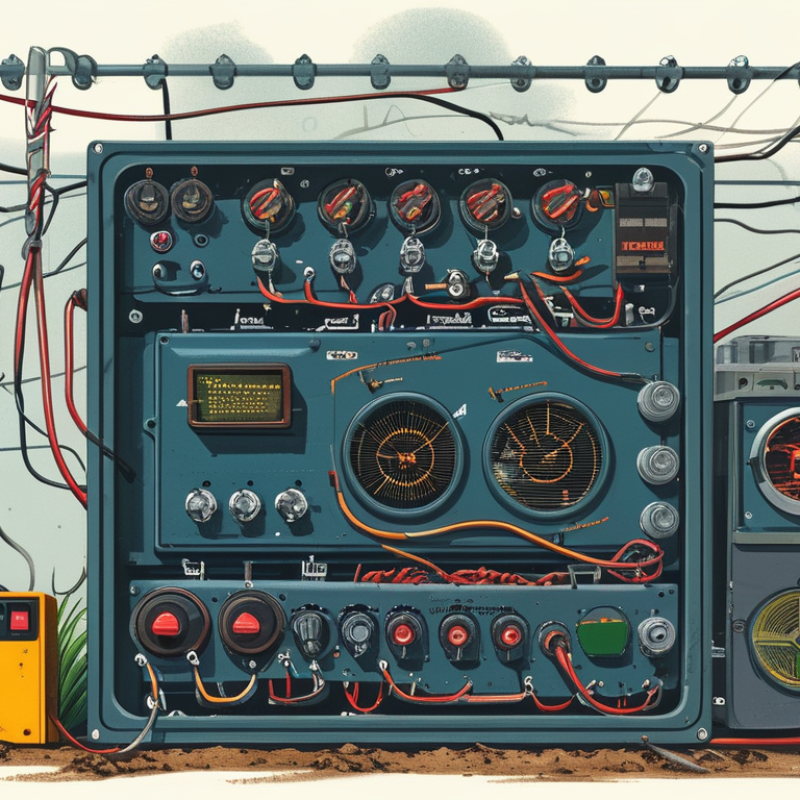
Voltage regulators play a critical role in electrical systems, ensuring consistent voltage levels for optimal performance. These devices maintain voltage stability, protecting sensitive components from power fluctuations. A recent industry report indicates that nearly 30% of electrical failures result from voltage irregularities. Understanding how voltage regulators operate can prevent costly downtime.
Signs of a failing voltage regulator include erratic voltage readings or intermittent performance issues. If you notice constant voltage dips, it may signal a malfunction. Voltage instability can lead to equipment damage, impacting productivity. Regular maintenance can help spot these issues early.
Tips: Regularly check voltage levels to identify irregularities. Implementing surge protectors can enhance overall system reliability. Document performance trends to better predict potential failures. Over time, even small fluctuations can accumulate, leading to significant risks. Don't overlook these warning signs. Take action before problems escalate.
A failing voltage regulator can lead to significant issues in your vehicle. Observing the common signs is crucial for timely intervention. One clear symptom is erratic electrical performance. If your dashboard lights flicker or your radio shuts off unexpectedly, it indicates potential regulator issues. These irregularities often suggest that the voltage isn't stable.
Another telltale sign of a failing voltage regulator is battery trouble. If the battery struggles to charge or frequently dies, the regulator may not be providing the right voltage. This inconsistency can lead to reduced battery life, leaving you stranded at the most inconvenient times.
Be mindful of strange smells or noises as well. Burning odors or unusual sounds from the engine can signal overheating components. Ignoring these hints can escalate into costly repairs. Each symptom deserves attention, as early detection can save both time and money. Don't overlook these warning signs; they could be the key to maintaining your vehicle's health.
Ignoring voltage regulator issues can lead to severe consequences. Voltage regulators play a critical role in maintaining stable electrical currents. When they fail, the entire electrical system can be compromised. According to the Electric Power Research Institute, faulty voltage regulation accounts for nearly 30% of power quality problems in industrial environments. This percentage highlights the need for awareness.
Failure to recognize the signs of a failing voltage regulator may lead to equipment malfunctions. Unstable voltage can cause motors to overheat, shortening their lifespan. A recent study by the National Electrical Manufacturers Association found that a 10% fluctuation in voltage can decrease motor efficiency by up to 20%. This inefficiency not only raises operational costs but may also require costly repairs or replacements.
It's crucial to monitor voltage regulators. Early symptoms, such as flickering lights or inconsistent performance, should not be dismissed. These indicators can signal deeper issues within the electrical system. Regular inspections and proactive measures can prevent cascading failures. Ignoring these signs leads to greater risks, especially in critical operations, such as data centers or manufacturing plants.
Diagnosing a failing voltage regulator requires attention to specific symptoms. A common sign is fluctuating or dimming headlights. When you notice this, it could indicate voltage inconsistencies. Another symptom is electrical issues, like erratic behavior of dashboard lights or accessories. These irregularities often point to a potential problem with the voltage regulator.
To confirm suspicions, start by checking the battery voltage. A healthy battery should read around 12.6 volts when not in use. If the voltage drops significantly when the engine is running, it may signal a failing regulator. An essential tool for diagnosis is a multimeter. Use it to measure voltage at the battery while the engine runs. Stable voltage readings between 13.5 to 14.5 volts typically indicate a functioning system.
Sometimes, the signs may not be obvious. If you find yourself frequently jumping your battery or experiencing strange electrical issues, you should investigate further. Ignoring these signals can lead to more severe problems down the line. Pay close attention to fluctuations and unusual behaviors in your vehicle's electrical systems. These details can help you catch a failing voltage regulator early.
A failing voltage regulator can lead to serious issues in your vehicle. Regular maintenance can prevent these problems. Inspecting your voltage regulator periodically is crucial. Look for signs of wear and tear. Check for corrosion, damaged wires, or loose connections. These visual cues can signal potential failures.
Thermal management is another essential aspect of maintenance. Heat can degrade the regulator’s performance over time. Ensure good airflow around the regulator. If it’s located in a confined space, the heat buildup may lead to premature failure. Clean any debris that might block ventilation.
Occasionally, your vehicle’s electrical system can show symptoms of a failing regulator. Flickering lights or erratic dashboard gauges may indicate issues. A multimeter can help test voltage output. Measuring it during idle and acceleration is vital. Keeping an eye on these details is an effective preventive measure. Regular maintenance protects your vehicle from larger, costlier repairs.
: Ignoring voltage regulator issues can compromise the entire electrical system. This may lead to serious equipment malfunctions.
A faulty voltage regulator can cause motors to overheat and decrease efficiency, raising operational costs significantly.
Flickering lights and inconsistent performance are common early symptoms of a failing voltage regulator. Don’t ignore them.
Check for fluctuating headlights or erratic dashboard lights. Also, measure battery voltage with a multimeter for instability.
Inspect for wear, corrosion, damaged wires, and loose connections. These can indicate potential failure of the voltage regulator.
Maintaining airflow around the regulator is crucial. Heat buildup can degrade its performance and lead to premature failure.
Regular inspections are essential. Periodic checks can prevent larger, costlier repairs in the future.
A 10% fluctuation in voltage can reduce motor efficiency by up to 20%. This greatly affects operational costs.
You can diagnose issues, but repairs may need professional assistance. Ignoring problems can lead to more severe issues.
A multimeter is essential for measuring battery voltage and diagnosing the health of your voltage regulator.
Understanding the signs of a failing voltage regulator is crucial for maintaining the health of electrical systems. Voltage regulators play a key role in ensuring that devices receive a stable voltage supply, and common symptoms of failure include fluctuating power levels, unexplained circuit malfunctions, and unusual noises from electrical components. Ignoring these issues can lead to severe repercussions, such as equipment damage or system outages.
To diagnose a failing voltage regulator, one should look for these specific signs of a failing voltage regulator stabilizer and perform routine checks on the system. Preventive measures, including regular inspections and timely maintenance, can significantly enhance the lifespan of the voltage regulator and ensure optimal performance of electrical devices. By being attentive to these warning signs, one can avoid costly repairs and ensure a reliable electrical system.

Sowest Electric