If you've ever wondered, "why is my circuit breaker tripping constantly without overload?" you're not alone. Many homeowners face this puzzling issue. According to electrical expert, John Smith, "A tripping breaker can indicate deeper problems in your electrical system." Understanding the reasons behind these frequent trips can save you time and money.
Tripping can happen for various reasons, not just overload. Faulty wiring, short circuits, or even old appliances can cause problems. Each time your breaker trips, it is a warning sign. Ignoring it can lead to more serious issues.
Many people also overlook small symptoms that lead to constant tripping. Flickering lights, burning smells, or hot outlets should be taken seriously. It’s crucial to pay attention to these signs and consider professional help. Taking action early can prevent larger electrical failures. Being proactive about these issues is key to maintaining a safe home environment.
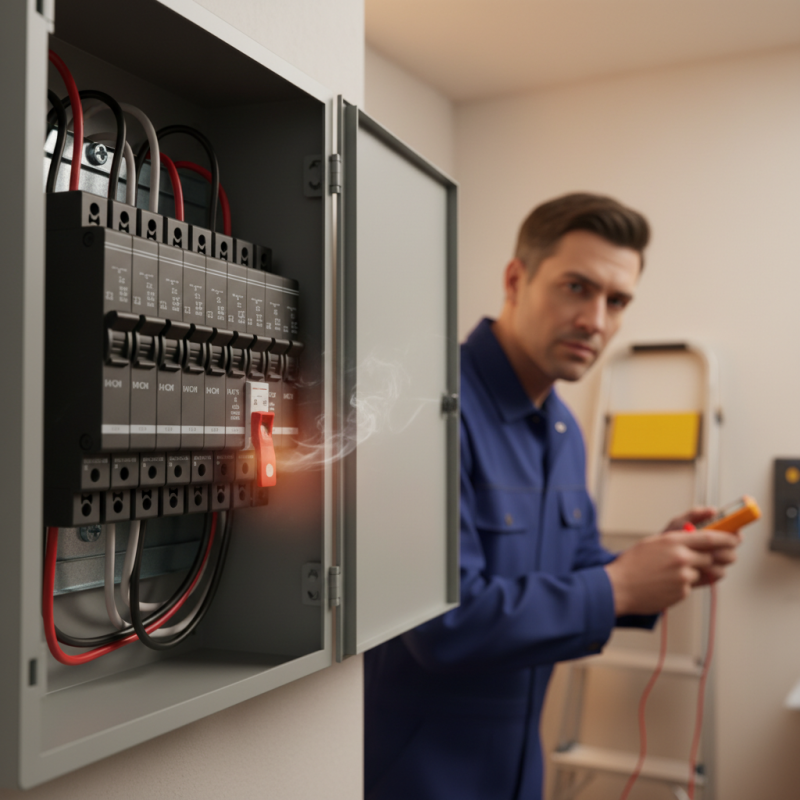
Understanding the Function of Circuit Breakers and Their Role in Safety
Circuit breakers are essential safety devices in every electrical system. Their primary function is to prevent electrical overloads and short circuits, which can lead to fires or equipment damage. According to the Electrical Safety Foundation International (ESFI), faulty wiring and equipment cause over 25,000 home fires annually in the U.S. Understanding how circuit breakers work can help prevent these dangerous situations.
Regular maintenance is crucial. Inspect your circuit breakers periodically for signs of wear or damage. A tripped circuit breaker may indicate an overloaded circuit or faulty appliance. Avoid plugging too many devices into a single outlet. Limit the usage of extension cords and power strips, which can contribute to overheating.
One effective tip involves upgrading your electrical system. If your home is older, it may not meet current electrical demands. Consider consulting a licensed electrician to evaluate whether your circuit panel is adequate. Improper electrical setups can lead to frequent tripping, leaving your home vulnerable. Proper electrical load management ensures a safer environment.
Common Causes of Circuit Breaker Tripping and How to Identify Them
Circuit breakers play a critical role in home safety by preventing electrical overloads. However, when a circuit breaker trips frequently, it signals underlying issues. Identifying the root cause is crucial. Common reasons for tripping include overloads, ground faults, and short circuits. Overloads occur when too many devices draw power from one circuit. For instance, plugging in multiple appliances can easily lead to this situation.
Another common cause is a ground fault. This happens when a hot wire touches a grounded surface, resulting in a sudden spike in current. Look for damaged cords or faulty appliances in your home. Short circuits occur due to faulty wiring or connections. This not only causes the breaker to trip but can also present fire hazards.
Inspecting your circuit breaker can reveal clues about persistent issues. If the breaker feels warm or makes buzzing noises, it may be time for a professional evaluation. Regularly check your outlets and appliances for wear. Sometimes, a simple reset may not be enough. Reflect on your habits and power consumption. Adjusting usage could reduce the frequency of tripping incidents.
Evaluating Your Electrical Load: Tips for Balancing Circuit Usage
When evaluating your electrical load, it's crucial to assess how devices share the same circuit. Overloading can lead to frequent breaker trips. A single circuit serves a limited capacity. When this capacity is exceeded, the breaker acts as a safety feature. This mechanism protects your home from potential hazards.
One effective tip is to distribute high-wattage appliances across different circuits. For example, avoid placing a refrigerator and a microwave on the same line. This simple step can drastically reduce tripping incidents. Another strategy is to unplug devices when not in use, especially those that draw significant power, like space heaters or gaming consoles. Reducing the overall load lightens the demand on your circuits.
Consider evaluating your circuit layout. Sometimes, circuits are poorly designed. You might find multiple outlets connected improperly. If you suspect a problem, consulting an electrician is wise. Their expertise can help ensure each circuit operates within safe limits. Balancing your electrical load is essential for a safe and efficient home. Taking these steps can lead to better stability in your electrical system.
Electrical Load Evaluation: Understanding Circuit Usage
This bar chart displays the average electrical load across different household circuits, helping to identify which circuits may be overloaded and potentially lead to tripping circuit breakers.
Practical Steps for Addressing Ground Faults and Short Circuits
Ground faults and short circuits are common culprits behind frequently tripping circuit breakers. Ground faults occur when electrical current escapes its intended path and flows to the ground. Short circuits arise when current travels along an unintended route, typically resulting in high current flow. Reports indicate that improperly wired circuits contribute to approximately 30% of electrical failures in residential properties.
To address these issues, inspect your wiring for visible damage or loose connections. This simple step helps identify potential problems early. Keep circuits from becoming overloaded. Many homeowners underestimate the total load on a circuit, leading to frequent trips.
Consider installing ground fault circuit interrupters (GFCIs) in areas prone to moisture, like kitchens and bathrooms. These devices detect imbalances in electrical flow, reducing the risk of electric shock. Always consult a licensed electrician when installing or replacing breakers. Their expertise can prevent recurring problems and ensure compliance with safety standards. Remember, electrical safety requires diligence and attention to detail.
When to Seek Professional Help for Persistent Breaker Issues
When dealing with persistent circuit breaker issues, knowing when to seek professional help is crucial. If your breaker frequently trips, it may signal deeper electrical problems. For instance, overloaded circuits can lead to repeated tripping. A qualified electrician can assess the situation and recommend the best course of action.
Sometimes, a faulty circuit breaker may be the real issue. These devices can wear out over time. If a breaker is old or shows signs of damage, replacing it may be essential. An experienced technician can evaluate the breaker’s condition and ensure it meets your home's needs. Trusting someone with expertise is vital here.
Additionally, electrical systems are complex. DIY attempts can often exacerbate the problem. Misdiagnosis can lead to safety hazards. It’s important to recognize your limits. If troubleshooting fails to solve the issue, don’t hesitate to reach out to a professional. Their insight can make a significant difference. Always prioritize safety and reliability in your home’s electrical systems.
5 Tips to Stop Your Circuit Breaker Tripping Constantly
| Tip Number |
Tip Description |
When to Seek Help |
| 1 |
Identify Overloaded Circuits |
If you have to unplug devices frequently. |
| 2 |
Check for Short Circuits |
If you smell burning or notice heat in outlets. |
| 3 |
Replace Old Circuit Breakers |
If breakers are more than 10 years old and malfunctioning. |
| 4 |
Limit high-wattage Appliances |
If circuits regularly trip while using heavy appliances. |
| 5 |
Schedule Regular Electrical Inspections |
If issues persist despite troubleshooting. |
Conclusion
Circuit breakers play a crucial role in electrical safety by interrupting power flow in the event of an overload or fault. Understanding why is my circuit breaker tripping constantly without overload can help homeowners identify common issues. Factors such as ground faults, short circuits, and an unbalanced electrical load often lead to frequent tripping. Evaluating circuit usage and ensuring that appliances do not exceed capacity can mitigate these problems.
To address ground faults and short circuits effectively, it’s essential to implement practical steps like inspecting wiring and using GFCI devices. If tripping persists despite these measures, seeking professional help is advisable. Professional electricians can diagnose and resolve persistent breaker issues, ensuring a safe and functional electrical system.

 Sowest Electric