Why Does My Circuit Breaker Keep Tripping Without Overload?

Time:2026-10-24 Author:Sienna
0%

A circuit breaker should trip when it detects unsafe current, but overload is not the only possible cause. If you keep resetting the same breaker, the problem may involve a ground fault, short circuit, loose connection, damaged wiring, or a failing breaker. This guide explains why is my circuit breaker tripping constantly without overload and what the warning may indicate.

Pay attention to the moment it trips. Does it happen when a refrigerator starts, when a bathroom fan runs, or during rain? A warm outlet, buzzing panel, burning smell, or flickering lights deserves immediate attention. Do not repeatedly reset the breaker. That habit can hide a developing electrical fault and may increase fire risk.

Some causes are easy to overlook. A circuit may seem lightly loaded while one appliance has an internal fault. Moisture can also reach outdoor receptacles, basement outlets, or extension cords. In older homes, loose terminals and worn insulation are realistic concerns. However, symptoms alone cannot confirm the diagnosis. I have seen apparently random trips change after one appliance was unplugged, but that result was not proof of the root cause.

This article will outline safe checks, common technical explanations, and clear points for calling a qualified electrician. You can note which devices were operating, inspect for visible damage, and identify whether the breaker trips immediately or after several minutes. Never remove the panel cover or touch exposed conductors without proper training. Electrical systems can remain dangerous even when a breaker appears off. A careful diagnosis matters more than a quick reset.
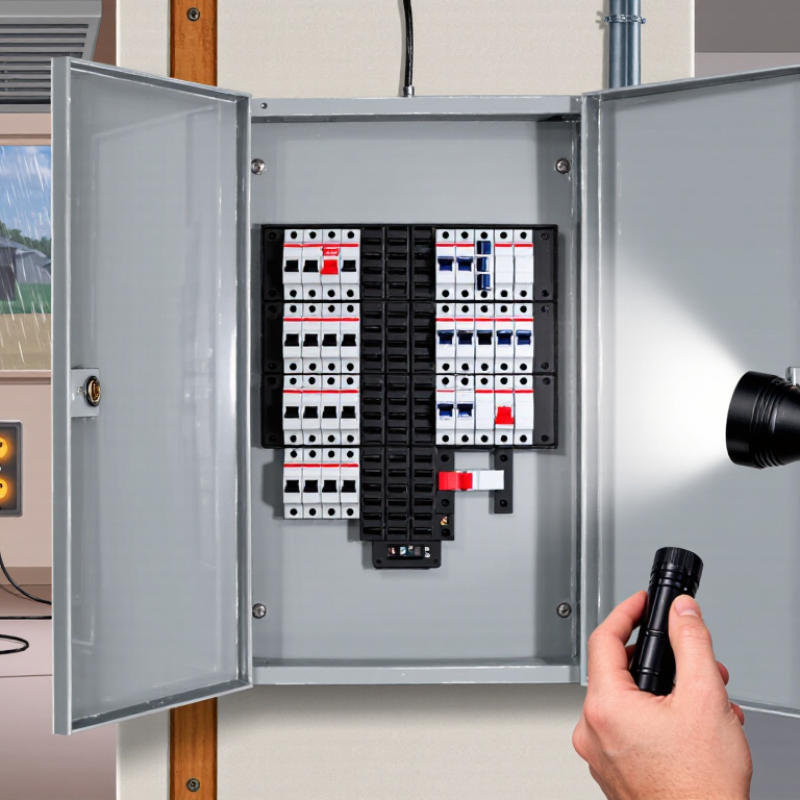
Why Does My Circuit Breaker Keep Tripping Without Overload?

What a Circuit Breaker Does and Why It Trips

A circuit breaker is a protective switch, not a simple on-and-off device. It monitors current through a circuit and opens when heat or magnetic force indicates danger. Thermal protection responds to sustained overloads. Magnetic protection reacts almost instantly to short circuits. Some protective devices also detect arc faults or leakage, even when the circuit carries a normal load.

That explains why a breaker may trip without obvious overloading. A damaged cable, loose terminal, moisture, or failing appliance can create leakage or arcing. The panel may feel normal while the fault develops behind a wall outlet. The National Fire Protection Association reported about 24,200 U.S. home structure fires involving electrical distribution and lighting equipment each year from 2016 to 2020. Those fires caused approximately 295 deaths and 1,110 injuries annually. The numbers are not abstract. A warm receptacle or sharp plastic smell deserves attention.

A practical check starts with unplugging recent devices and resetting the breaker once. If it trips again, stop resetting it. Repeated trips can worsen a loose connection. Do not guess. A qualified electrician can test insulation, terminal torque, grounding, and appliance leakage with proper instruments. The Electrical Safety Foundation International continues to identify electrical hazards as a serious workplace safety issue through its fatality data reviews. One imperfect assumption causes trouble: “No overload means no fault.” It does not. A breaker may be doing exactly what it was designed to do.

Why Does My Circuit Breaker Keep Tripping Without Overload? - What a Circuit Breaker Does and Why It Trips

Possible Cause How It Can Trip the Breaker Typical Clues Safe Initial Check Recommended Action
Ground-fault leakage A ground-fault protective device can trip when current flows through an unintended path, even when the total load is below the circuit rating. Trips when equipment becomes damp, when a cord is damaged, or when a particular appliance is connected. Unplug appliances on the affected circuit and check for visible moisture or damaged cords without touching exposed conductors. Keep suspected equipment disconnected and arrange an electrical inspection if the trip continues.
Arc-fault detection An arc-fault protective device may trip after detecting an electrical arcing pattern, even without a conventional overload. The trip may occur when a cord is flexed, a plug is loose, or a device starts or stops. Inspect accessible plugs, cords, and receptacles for scorch marks, looseness, cracking, or heat damage. Stop using damaged equipment and have the circuit evaluated by a qualified electrician.
Short circuit A low-resistance connection between conductors creates a very high current, causing rapid magnetic or electronic tripping. The breaker trips immediately when a switch is turned on or a device is plugged in; there may be a flash, buzzing, or burning smell. Do not repeatedly reset the breaker. Disconnect the suspected device only if it can be done safely without contact with damaged parts. Leave the circuit off and obtain professional service, especially if there is smoke, heat, or a burning odor.
Loose or damaged connection A loose connection can create heat, intermittent arcing, or unstable current that triggers protective devices. Flickering lights, warm receptacles, discoloration, buzzing, or trips that occur intermittently. Look only at accessible covers and outlets for visible damage; do not remove panels or tighten wiring. Turn off the affected circuit if overheating or damage is suspected and request an inspection.
Aging or defective breaker Internal components can wear or become heat-sensitive, causing trips at normal circuit demand. The breaker trips with different appliances, feels unusually warm, or will not remain reset after other loads are removed. Record when the trip occurs and which devices are connected; do not test or replace the breaker yourself. Have a qualified electrician test the breaker and the circuit before replacement.
Motor or compressor startup Motors and compressors can draw a brief starting current that is much higher than their running current. The breaker trips when a pump, refrigerator, air conditioner, or power tool starts. Disconnect other loads and observe whether the same appliance consistently causes the trip. Have the appliance and circuit checked; do not install a larger breaker to prevent tripping.
Neutral or wiring fault A miswired, shared, or damaged neutral can cause current imbalance or unwanted current paths that activate protective equipment. Trips began after electrical work, remodeling, or the addition of a new receptacle or appliance. Note whether the problem started after recent work; avoid opening receptacles or the service panel. Request a wiring inspection and provide details about any recent electrical changes.
Safety note: A circuit breaker is designed to interrupt power when it detects excessive current, a fault condition, or—when equipped for it—ground-fault or arc-fault activity. Do not repeatedly reset a breaker, replace it with a higher-rated breaker, bypass protective devices, or remove the electrical panel cover. If there is smoke, burning odor, visible scorching, water near electrical equipment, or persistent tripping, switch off the affected circuit if safe and contact a qualified electrician.

Common Causes of Tripping Without an Apparent Overload

Why Does My Circuit Breaker Keep Tripping Without Overload?

A breaker can trip without a simple wattage overload. Common causes include a short circuit, ground fault, loose terminal, damaged insulation, or moisture inside a receptacle. An aging breaker may also trip below its rated current. Arc-fault and ground-fault protection can respond to dangerous leakage or arcing, even when the circuit load appears normal. The panel may feel completely cool.

Patterns provide useful clues. Does the breaker trip when one appliance starts, during rain, or after several hours? Unplug the connected loads and reset the breaker once. If it trips again, stop resetting it.

A warm outlet, buzzing sound, burning odor, or discoloration needs prompt professional inspection. A practical check can narrow the cause, but it cannot prove the wiring is safe. I sometimes find that the suspected appliance is innocent.

The risk deserves attention.

NFPA reported 32,280 U.S. home fires involving electrical distribution and lighting equipment from 2015 to 2019. These fires caused 470 deaths, 1,100 injuries, and about $1.3 billion in property damage. The U.S. Bureau of Labor Statistics recorded 126 fatal occupational injuries involving electricity in 2020. These figures do not mean every nuisance trip signals a fire, but they discourage casual guessing. A licensed electrician can test insulation, connections, fault current, and protective-device operation.

How to Check the Circuit Safely

A circuit breaker can trip without an obvious overload. A loose connection, damaged cable, moisture, or an aging breaker may create heat or leakage. I once underestimated a warm wall plate; it was a warning, not a minor inconvenience. Stop using the circuit if you notice heat, buzzing, burning smells, discoloration, or repeated trips.

Check it safely from the outside. Switch off and unplug appliances connected to the circuit. Look for crushed cords, wet outlets, scorch marks, or a faint crackle. Do not remove the panel cover or touch internal wiring.

Reset the breaker once, with dry hands and clear footing. If it trips immediately, leave it off. Never keep resetting it to “test” the problem. That habit can worsen hidden damage.

The National Fire Protection Association reported an annual average of 35,150 U.S. home fires involving electrical failure or malfunction from 2015 to 2019. Those fires caused about 470 deaths and $1.3 billion in property damage. The numbers justify caution, even when the breaker seems inconvenient.

A qualified electrician can isolate the circuit, test insulation and connections, and confirm whether the breaker itself is faulty. A plug-in tester may reveal some outlet problems, but it cannot prove the entire circuit is safe. I may be overly cautious here, yet guessing around energized wiring is not a useful experiment.

When Faulty Wiring or Devices Are to Blame

A breaker can trip even when the appliance load looks normal. Faulty wiring or one failing device may be responsible. A loose terminal can create heat and intermittent arcing inside a wall box. Moisture can also let current escape through a ground-fault path. These faults may draw little power before protection reacts. A normal meter reading does not prove the circuit is safe.

The National Fire Protection Association reported an annual average of 32,210 U.S. home fires involving electrical distribution and lighting equipment from 2015 to 2019. These fires caused about 470 deaths, 1,100 injuries, and 1.3 billion dollars in direct property damage. NFPA’s Home Structure Fires report also identified electrical distribution and lighting equipment in 13% of home fires. The numbers do not mean every trip signals a fire. They do make repeated resets a poor response.

Unplug devices one at a time, then check whether the breaker holds. Stop using anything with a hot plug, scorch mark, buzzing sound, or damaged cord. Do not remove the panel cover. An electrician can test insulation, grounding, connections, and arc-fault conditions with calibrated instruments. I have seen assumptions fail here. A “small” appliance may hide a failing motor or wet internal component. The breaker may be working correctly. The wiring may be the real problem.

When to Call a Qualified Electrician

Why Does My Circuit Breaker Keep Tripping Without Overload?

When to Call a Qualified Electrician

A breaker can trip even when only a few appliances are running. The cause may be a short circuit, a loose connection, damaged insulation, or moisture near an electrical point. Older breakers can also become sensitive and trip too early. The panel may feel normal. That does not prove the circuit is safe.

Notice the pattern carefully. Does the breaker trip when one light turns on? Does it happen during rain, at night, or after using a particular outlet? Unplug appliances, then reset the breaker once. If it trips again, stop resetting it. Repeated resets can worsen hidden damage. It is tempting to blame the breaker immediately, but that assumption can waste time.

Call a qualified electrician when the breaker trips repeatedly, becomes hot, or will not stay engaged. Arrange urgent help if you notice burning smells, buzzing, scorch marks, smoke, or sparks. Do not remove the panel cover or tighten internal wires yourself. Those parts may remain energized, even with the main switch off. A qualified professional can test the circuit, inspect connections, measure fault currents, and confirm whether the breaker or wiring needs replacement. Ask for a clear explanation of the fault and the recommended repair. Local electrical requirements may also affect the correct solution.

FAQS

Why can a circuit breaker trip without an obvious overload?

A short circuit, ground fault, loose terminal, moisture, or damaged insulation may cause tripping. The panel can still feel cool.

What pattern can help identify the problem?

Notice whether tripping follows one appliance, rain, nighttime use, or several hours of operation. Patterns offer clues, not proof.

What should I do before resetting the breaker?

Switch off and unplug appliances connected to the circuit. Check cords and outlets for moisture, crushing, scorch marks, or crackling sounds.

How many times should I reset a tripping breaker?

Reset it once, using dry hands and stable footing. If it trips again, leave it off and stop testing.

Can an old breaker trip below its rated current?

Yes. Aging breakers may become overly sensitive and trip under normal-looking loads. A qualified electrician should test the device.

Does a plug-in outlet tester prove the circuit is safe?

No. It may reveal certain outlet faults, but it cannot confirm safe wiring, insulation, connections, or protective-device operation.

When does a breaker problem require urgent professional attention?

Seek prompt help for heat, buzzing, burning odors, discoloration, smoke, sparks, or repeated trips. Do not wait for visible flames.

Can I remove the panel cover and tighten a loose wire?

No. Internal parts may remain energized, even when the main switch is off. A qualified electrician should inspect and repair them.

What information should I give the electrician?

Explain when tripping occurs, which outlets or appliances were involved, and whether rain changed the pattern. Mention every smell or sound.

Is the suspected appliance always the cause?

Not always. The appliance may be innocent, while the outlet, cable, moisture, or breaker causes the fault. I might blame the appliance too quickly.

Conclusion

A circuit breaker is designed to interrupt electrical power when it detects conditions that could cause overheating, equipment damage, or fire. However, it may trip even when the circuit does not appear overloaded. Common causes include short circuits, ground faults, moisture, loose connections, damaged cords, aging components, or a breaker that has become weak over time. If you are wondering, “why is my circuit breaker tripping constantly without overload,” the problem may be hidden inside the wiring or connected devices rather than caused by too many appliances running at once.

For safety, unplug devices on the affected circuit and reset the breaker only once. If it trips again, avoid repeatedly resetting it or opening the electrical panel. Check for visible damage, burning smells, warmth, or moisture, but do not touch exposed wiring. A faulty appliance, damaged cable, loose terminal, or deteriorated wiring may require professional testing. When the cause is unclear, or the breaker continues to trip, contact a qualified electrician to inspect and repair the circuit safely.

Sienna

Sienna

Sienna is a skilled marketing professional with a deep expertise in our company’s core products and services. With a passion for innovation and detail, she plays a pivotal role in crafting insightful blog posts that not only highlight the unique features of our offerings but also provide valuable......