How to Wire a Dual Input AC DC Power Panel Safely Tips and Tricks?

Time:2026-07-15 Author:Amelia
0%

Wiring a dual input AC DC power panel safely is crucial in today's electrical systems. A report from the National Fire Protection Association (NFPA) highlights that improper wiring is a leading cause of electrical fires, accounting for over 15,000 incidents annually. Understanding how to wire a dual input AC DC power panel safely can significantly reduce risks.

When dealing with dual input systems, safety is paramount. Properly managing both AC and DC inputs requires knowledge of distinct electrical characteristics. As per the Institute of Electrical and Electronics Engineers (IEEE), a comprehensive understanding of electrical standards and best practices is vital for ensuring system integrity and user safety. Mistakes can lead to equipment damage, personal injury, or worse.

It's essential to remain mindful of the details during the wiring process. Accurate color coding and clear labeling can prevent cross-connections. Small oversights, like using improper connectors, can have severe consequences. Every step in the wiring process deserves attention to ensure everything operates smoothly. By being diligent, you not only enhance safety but also extend the lifespan of your electrical system.
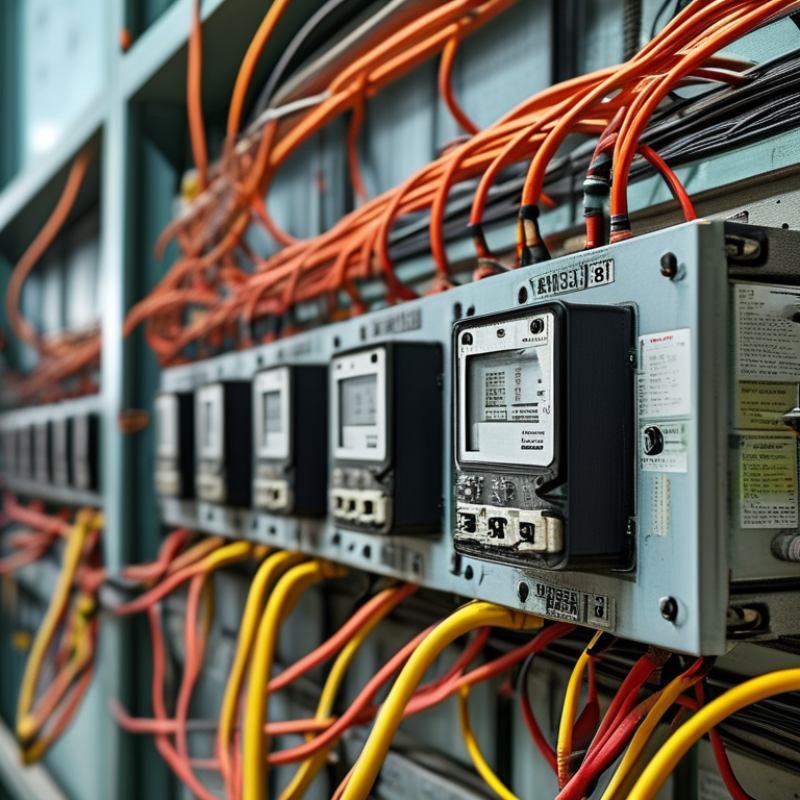
How to Wire a Dual Input AC DC Power Panel Safely Tips and Tricks?

Understanding Dual Input AC DC Power Panels and Their Applications

Dual input AC DC power panels are essential in various applications. These systems combine AC and DC power sources, making them versatile for industrial and residential uses. According to a recent industry report, over 45% of manufacturers now utilize dual input panels for enhanced efficiency and reliability in their processes.

These panels offer numerous benefits. They can streamline power distribution, which is crucial in settings that require both AC and DC outputs. For instance, renewable energy systems, such as solar power setups, often depend on these versatile panels to manage varying power sources. However, installation can pose challenges. Proper wiring practices are necessary to prevent safety hazards. An improperly wired panel may lead to equipment failure or even accidents.

While dual input panels excel in many scenarios, it is vital to understand their limitations. The complexity of wiring might overwhelm some installers. Ensuring proper grounding and component selection is crucial. Regular maintenance checks can help identify issues before they escalate. Remaining aware of the unique applications and potential pitfalls of dual input systems will enhance their effectiveness.

Essential Safety Standards and Regulations for Wiring Power Panels

When wiring a dual input AC/DC power panel, understanding safety standards is vital. Compliance with national and local electrical codes ensures safety. These codes govern aspects such as wire gauge, circuit breaker ratings, and grounding requirements. Abiding by these standards reduces the risk of electrical fires and equipment damage.

A thorough risk assessment is necessary before beginning any project. Consider the environment where the panel is installed. Is it susceptible to moisture or extreme temperatures? These factors influence your wiring methods. Use proper insulating materials and ensure connections are secure. Double-check your work to prevent future issues.

Using appropriate tools and following manufacturer guidelines is crucial. Referencing technical manuals can enhance your knowledge. Stay updated on the latest safety regulations. Workshops and training programs can provide valuable insights. Remember, the goal is not just to wire the panel but to ensure long-term reliability and safety in its operation. Mistakes happen. Reflecting on them can lead to better practices in future projects.

Step-by-Step Guide to Preparing for Wiring a Dual Input Power Panel

When preparing to wire a dual input AC DC power panel, safety is paramount. Start by ensuring that all power sources are disconnected. This simple step prevents accidental shocks. According to the National Fire Protection Association (NFPA), electrical failures contribute to approximately 21% of reported home fires. Proper preparation can dramatically mitigate this risk.

Next, gather all necessary tools and materials. You will need wire strippers, sockets, connectors, and a multimeter. Familiarize yourself with the wiring diagram specific to your setup. The International Electrotechnical Commission (IEC) states that 70% of electrical issues stem from improper wiring. Thus, understanding your panel layout is crucial for a successful installation.

Take time to visualize your workflow. Plan your connections ahead of time, and label your wires appropriately. Ensure that the gauges of your wires match the demands of your power requirements. Using a common rule in electrical engineering, derate your wiring based on the environment’s temperature and potential load. Neglecting these factors can lead to overheating and future failures. Engage in a meticulous inspection before completing the circuit to ensure everything is in order.

How to Wire a Dual Input AC DC Power Panel Safely Tips and Tricks? - Step-by-Step Guide to Preparing for Wiring a Dual Input Power Panel

Step Description Safety Tips Tools Needed
1 Gather all necessary materials and tools before starting. Ensure all tools are in good working condition. Wire cutters, screwdrivers, multimeter
2 Read the manufacturer's instructions carefully. Follow local codes and regulations. Instruction manual
3 Ensure power is turned off before starting wiring. Use a multimeter to verify power is off. Multimeter, safety gloves
4 Connect the AC and DC inputs to the panel as per the diagram. Double-check connections before powering on. Wire strippers, adjustable wrench
5 Secure all wires and cover the panel once done. Make sure no wires are exposed. Screwdriver, screws
6 Turn on the power and test the panel functionality. Stand clear while turning on the power. Multimeter, safety goggles

Key Techniques for Effective Wiring of AC and DC Sources

Wiring a dual input AC DC power panel requires precision and safety. When connecting AC and DC sources, understanding the differences in voltage and current is vital. According to the National Electrical Code (NEC), improper wiring can lead to significant hazards. An estimated 51,000 home electrical fires occur each year due to faulty installation and poor wiring practices.

Before getting started, ensure you have the right tools and safety equipment. Protect your workspace and use insulated tools. When wiring, consider color coding for wires. The NEC suggests using specific colors for AC and DC installations, aiding in identification and avoiding mistakes.

Tips: Always turn off the power before beginning any wiring. Labeling cables helps prevent confusion. Lastly, test connections with a multimeter to ensure accuracy. Even minor errors can lead to extensive damage or shock hazards.

Regular maintenance and inspections are crucial. Faulty wiring can deteriorate over time, leading to risks. The Electrical Safety Foundation International reports that regular checks can reduce the chance of electrical failures. Remember, attention to detail is vital in creating a safe environment for both AC and DC systems.

Best Practices for Testing and Maintaining Your Power Panel System

Testing and maintaining a dual input AC DC power panel is crucial for ensuring its efficiency and safety. Regular inspections are necessary to identify potential issues. Look for signs of wear, corrosion, or loose connections. These can lead to serious malfunctions if ignored. Create a checklist for routine maintenance. Checking voltage levels and ensuring proper grounding can prevent hazardous situations.

When testing your power panel, use appropriate tools. Multimeters and voltage testers are essential. Always wear protective gear during these tests. It is also wise to document your findings for future reference. This helps track changes over time. If something seems off, consult with a professional. Their expertise can help you identify problem areas.

Incorporating a maintenance schedule can enhance reliability. Set reminders for checks and replacements. Remember, even well-functioning panels might harbor unseen risks. Regular testing helps build a culture of safety. Encourage everyone in your workspace to stay informed and vigilant. Awareness breeds responsibility in maintaining power systems.

FAQS

: What are dual input

C DC power panels?

Why are these panels beneficial?

They streamline power distribution and enhance efficiency in industrial and residential settings.

What challenges arise during installation?

Proper wiring practices are essential to prevent safety hazards and equipment failures.

What should I consider before wiring a panel?

Assess the installation environment for moisture and temperature, and ensure proper insulation.

How can I ensure safe wiring practices?

Follow national codes, use appropriate tools, and stay updated on safety regulations.

Why is color coding important in wiring?

It aids in wire identification, helping to avoid mistakes during installation.

How can I prevent future wiring issues?

Regular maintenance checks and proper grounding can identify potential problems early.

What’s the impact of improper wiring?

It can lead to severe hazards, including electrical fires and equipment damage.

Why should I test connections with a multimeter?

Testing ensures accuracy; minor errors can result in significant damage or risks.

How can workshops help with wiring knowledge?

They provide valuable insights and updates on best practices and safety standards.

Conclusion

This article, "How to Wire a Dual Input AC DC Power Panel Safely Tips and Tricks," provides a comprehensive overview of the essential knowledge and practices needed for safely wiring these complex power systems. It begins with an explanation of dual input AC and DC power panels, highlighting their various applications across different industries. Following this, the article emphasizes the importance of adhering to essential safety standards and regulations when working with electrical systems, ensuring both safety and compliance.

The core of the article is a step-by-step guide that prepares users for the wiring process, detailing key techniques for effectively connecting AC and DC sources. It also outlines best practices for testing and maintaining the power panel system, ensuring long-term reliability and safety. Ultimately, readers will gain a clear understanding of how to wire a dual input AC DC power panel safely, equipping them with the necessary skills and confidence to tackle their projects effectively.

Amelia

Amelia

Amelia is a seasoned marketing professional with a wealth of expertise in our company’s core offerings. With an unwavering passion for driving growth and innovation, she plays a pivotal role in shaping our marketing strategies and enhancing brand visibility. A key aspect of her responsibilities......