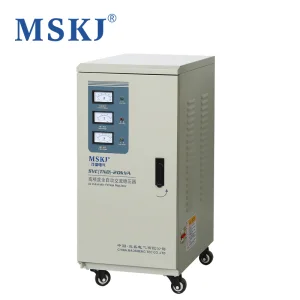
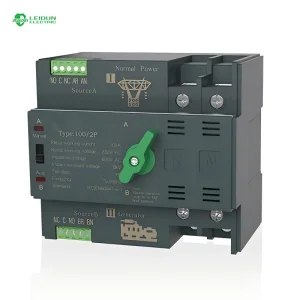
High-performance distribution units, voltage regulators, and power system protection hardware
The global energy transition, characterized by the integration of high-density renewable energy resources, microgrids, and massive commercial datacenters, has structurally changed modern power networks. As localized power generation increases, the complexity of distribution grids rises proportionally. This structural shift introduces a critical engineering challenge: rapidly rising fault current levels. When a short-circuit fault occurs within a power network, the peak current can exceed the original design capacity of installed circuit breakers, transformers, and busbars. Without intervention, these extreme electrodynamic forces and thermal stresses lead to catastrophic equipment failure, prolonged grid downtime, and severe capital loss.
Traditionally, grid operators resolved this issue by upgrading downstream substation circuit breakers or introducing heavy, high-impedance transformers. However, these methods require significant capital expenditures (CAPEX) and lead to permanent operational system inefficiencies, such as excessive reactive power consumption and system voltage drops. Modern utility networks require a smart, sub-cycle alternative: a dedicated Current Limiting Device (CLD), also known as a Fault Current Limiter (FCL).
A Current Limiting Device functions by monitoring line current and rapidly introducing a limiting impedance into the circuit during the onset of a fault. This occurs within a fraction of a millisecond, effectively clipping the first peak of the short-circuit current before it reaches its destructive maximum. By limiting the peak fault current to a manageable value, downstream protection systems can safely isolate the faulted line segment without experiencing thermal degradation or mechanical deformation.
Operates in less than 1-2 milliseconds, mitigating transient peak currents before they cause dynamic stress on transformer windings and switchgear assemblies.
Eliminates the immediate requirement to upgrade existing circuit breakers and auxiliary hardware, extending substation operational lifespan.
Prevents severe localized voltage sags during faults, maintaining power quality compliance standards and protecting nearby sensitive industrial processes.
The commercial adoption of Current Limiting Devices spans several key industrial sectors worldwide. In mature markets like North America and Western Europe, the primary driver is the modernization of aging infrastructure. Grids that were designed several decades ago are now interfacing with multi-megawatt solar arrays, wind generation facilities, and battery energy storage systems (BESS). These integrations increase system fault level limits, making traditional protection schemes obsolete.
In rapidly developing industrial hubs, particularly in the Asia-Pacific region, the expansion of high-load processing plants—such as chemical refineries, steel mills, and semiconductor fabrication facilities—requires absolute power supply reliability. In these setups, even a transient voltage dip of 100 milliseconds can disrupt process automation systems, costing operators millions in lost production cycles. By sourcing high-quality current limiting devices wholesale from established manufacturers in China, international buyers achieve optimized cost structures alongside reliable industrial protection.
| Industrial Sector | Specific Fault Risk Profile | Current Limiting Application Benefit |
|---|---|---|
| Hyperscale Data Centers | Multiple parallel backup generator connections increasing fault current capacity. | Protects bus ducts and ATS equipment from mechanical failure during faults. |
| Offshore Wind Farms | Cable capacitance and highly dynamic fault contributions from electronic inverters. | Caps transient energy spikes and limits stress on subsea cabling and marine switches. |
| Petrochemical Refineries | Large inductive motor starts creating voltage sags and potential short circuits. | Maintains voltage stability at adjacent system buses, avoiding total plant shutdowns. |
| Urban Substations | Densely linked utility lines exceeding nominal rated breaking currents. | Avoids high-cost switchgear replacements and ensures localized regulatory safety compliance. |
The field of current limiting technology encompasses several technical paths, each suited to specific system requirements:
Utilizing high-power semiconductors (such as IGBTs, IGCTs, or wide-bandgap SiC devices), solid-state limiters offer rapid switching times in microseconds. These systems provide immediate, repeatable operation with zero mechanical wear, making them ideal for high-cycling industrial sites and critical microgrid connections.
Operating based on the quenching properties of high-temperature superconducting materials, SFCLs act as invisible elements during normal operations with near-zero impedance. Upon encountering a fault current, the material transitions to a resistive state, naturally limiting the current flow.
Using ultra-fast explosive charges or chemical propellants alongside bypass copper bars, these limiters detect faults and trigger a physical separation of the contacts in microseconds. The fault current is then diverted to a high-impedance parallel fuse element for extinction.
The future of current limiting technology is closely tied to smart grid evolution. Modern installations incorporate IoT-based predictive sensing, fiber-optic telemetry, and edge-computing fault classification. Rather than acting as isolated hardware protection blocks, next-generation Current Limiting Devices report real-time system health, monitor degradation trends, and communicate directly with primary substation SCADA systems. By choosing an experienced wholesale manufacturer like Sowest Electric, engineering teams can configure tailored communication protocols (such as Modbus TCP/IP, IEC 61850, or Profinet) directly into their power distribution cabinets.
Zhejiang Sowest Electric Co., Ltd. is a modern and innovative enterprise specializing in the research, development, manufacturing, and sales of power supply and electrical distribution equipment. With a strong commitment to technological innovation, product quality, and customer satisfaction, the company has established itself as a reliable partner for power generation, transmission, distribution, industrial automation, transportation, petrochemical, telecommunications, and infrastructure projects worldwide.
Our core product portfolio includes AC/DC Power Supply Panels, DC Power Systems, UPS (Uninterruptible Power Supply) Systems, Battery Chargers, DC Distribution Panels, AC Distribution Panels, Central Signal Panels, Power Monitoring Systems, Circuit Breakers, Power Feeding Panels, and other integrated power supply solutions. These products are widely applied in substations, power plants, industrial facilities, data centers, rail transit systems, and renewable energy projects.
The company is supported by a highly qualified team of engineers, technicians, and industry experts with extensive experience in power electronics and electrical engineering. Equipped with advanced manufacturing facilities, modern production lines, and comprehensive testing equipment, Sowest Electric ensures that every product meets stringent quality standards and international performance requirements.
Guided by the principles of integrity, professionalism, innovation, and mutual growth, Zhejiang Sowest Electric continuously invests in research and development to deliver efficient, intelligent, and reliable power solutions. The company has established a complete quality management system and adheres to strict production and inspection processes to guarantee product safety, stability, and long-term reliability.
Our corporate philosophy is centered on excellence, customer value, and sustainable development. We are dedicated to creating value for customers, opportunities for employees, returns for stakeholders, and positive contributions to society. Through continuous technological advancement and service improvement, we strive to help our customers achieve greater operational efficiency and energy reliability.
In the era of global economic integration, Zhejiang Sowest Electric remains focused on its strategic vision of professional R&D, intelligent manufacturing, and global marketing. By leveraging innovation, quality, and international cooperation, the company is steadily advancing toward its goal of becoming a globally recognized brand in the power supply and electrical equipment industry.
Zhejiang Sowest Electric Co., Ltd. – Powering Reliability, Driving Innovation.
Tour our manufacturing facility in Zhejiang, China, showcasing our advanced engineering and machining capabilities
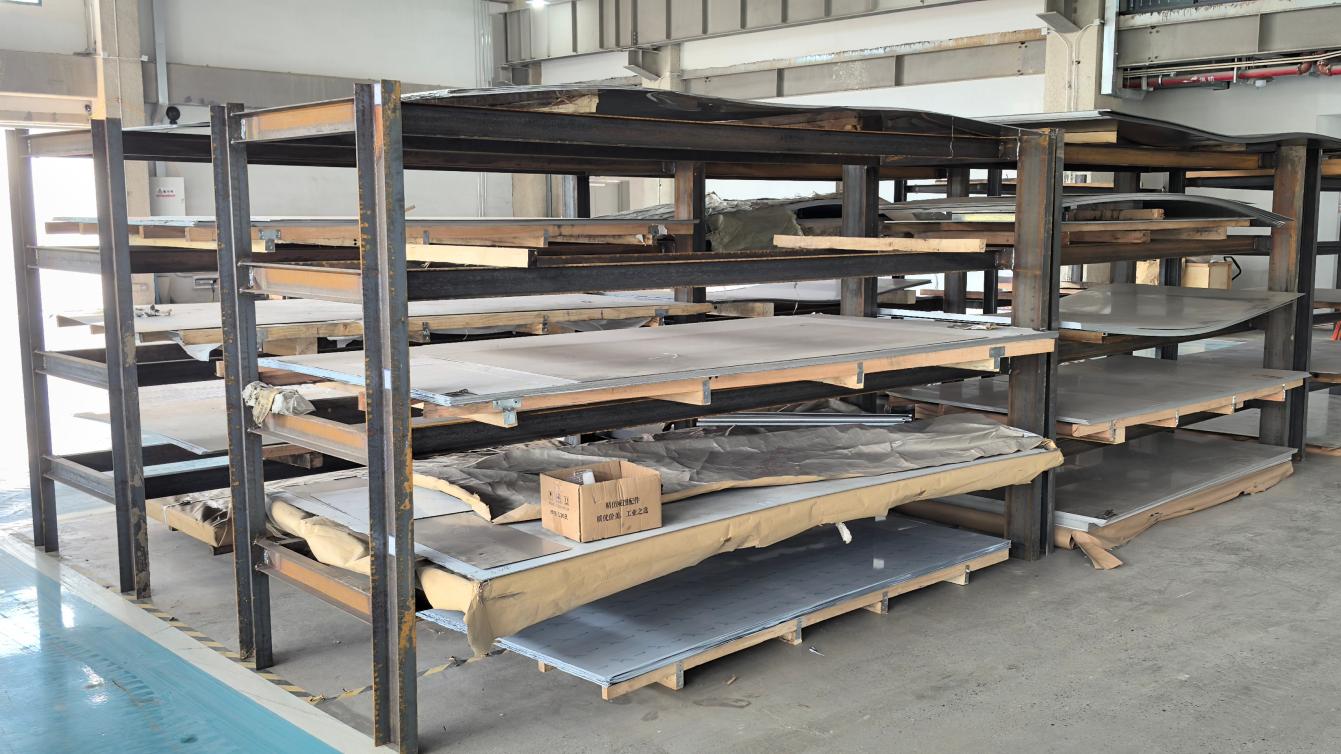
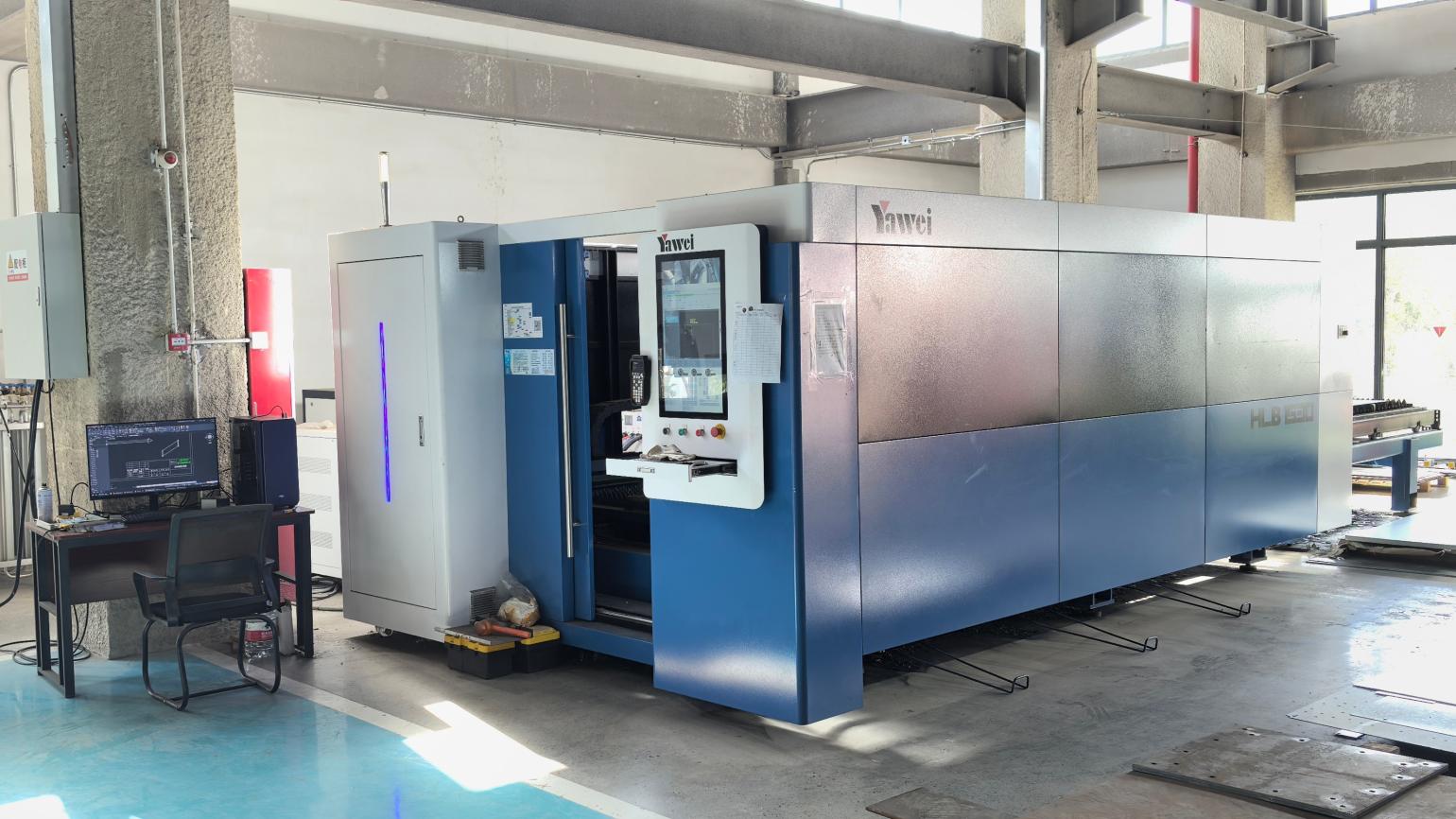
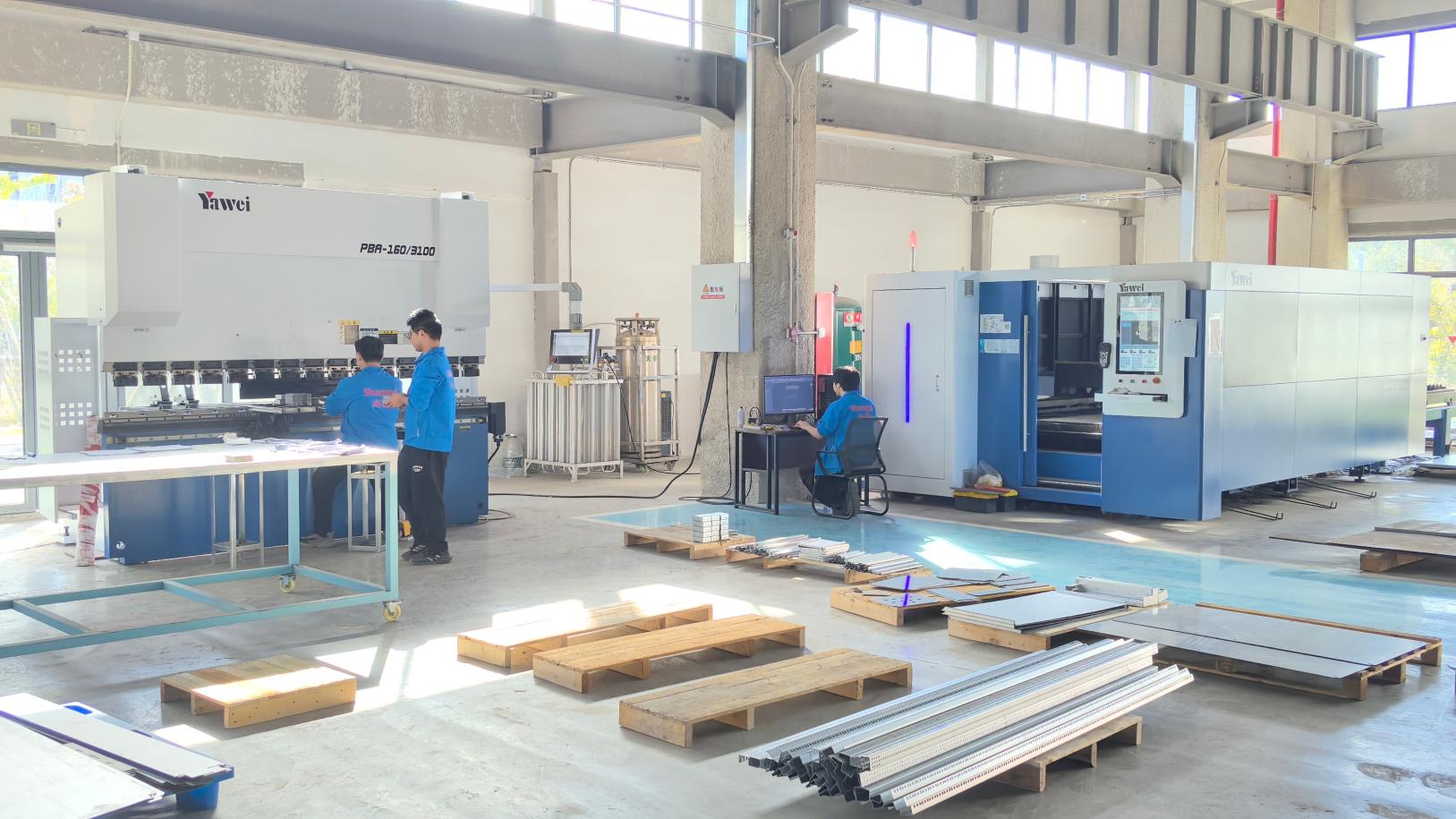
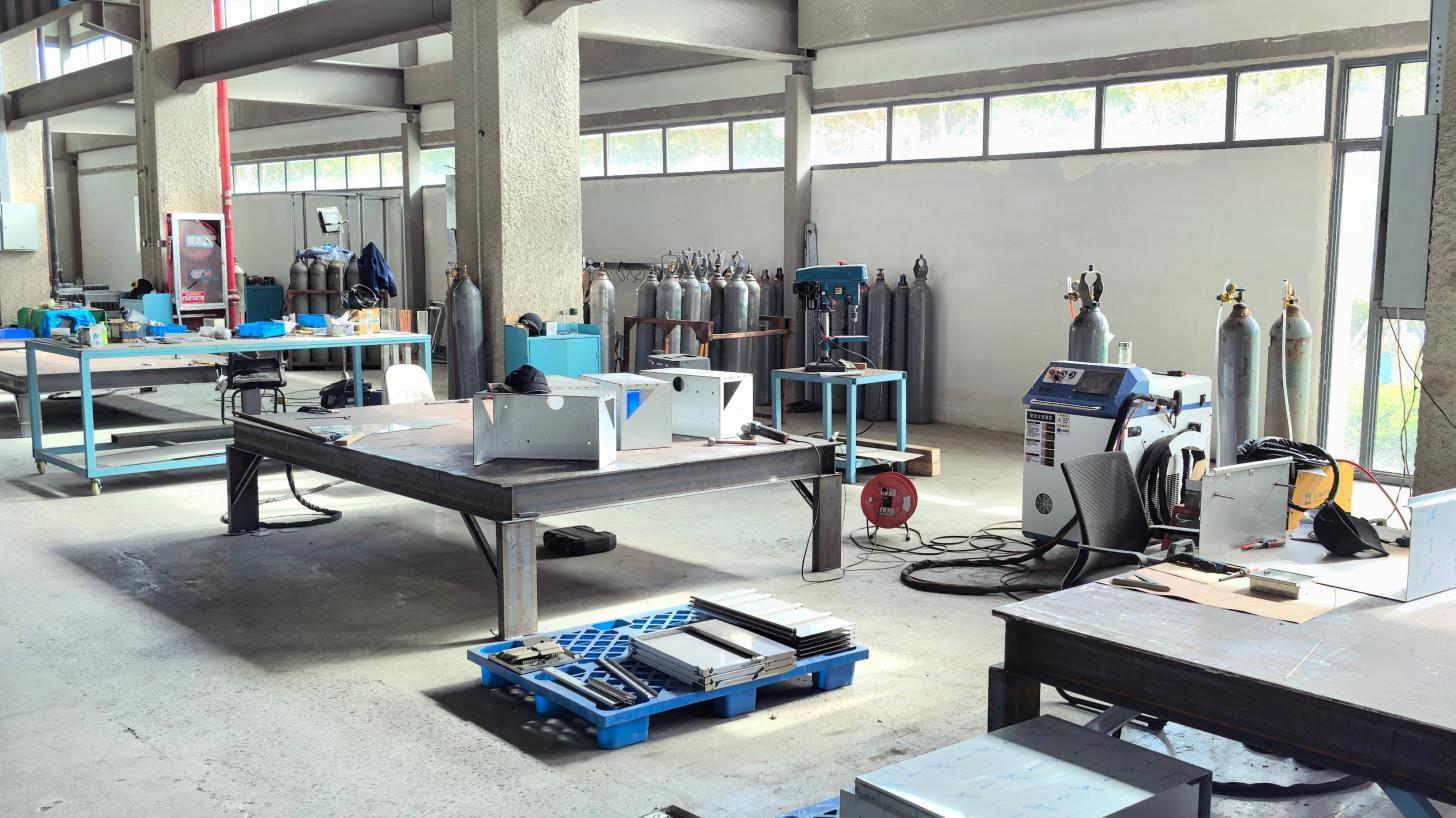
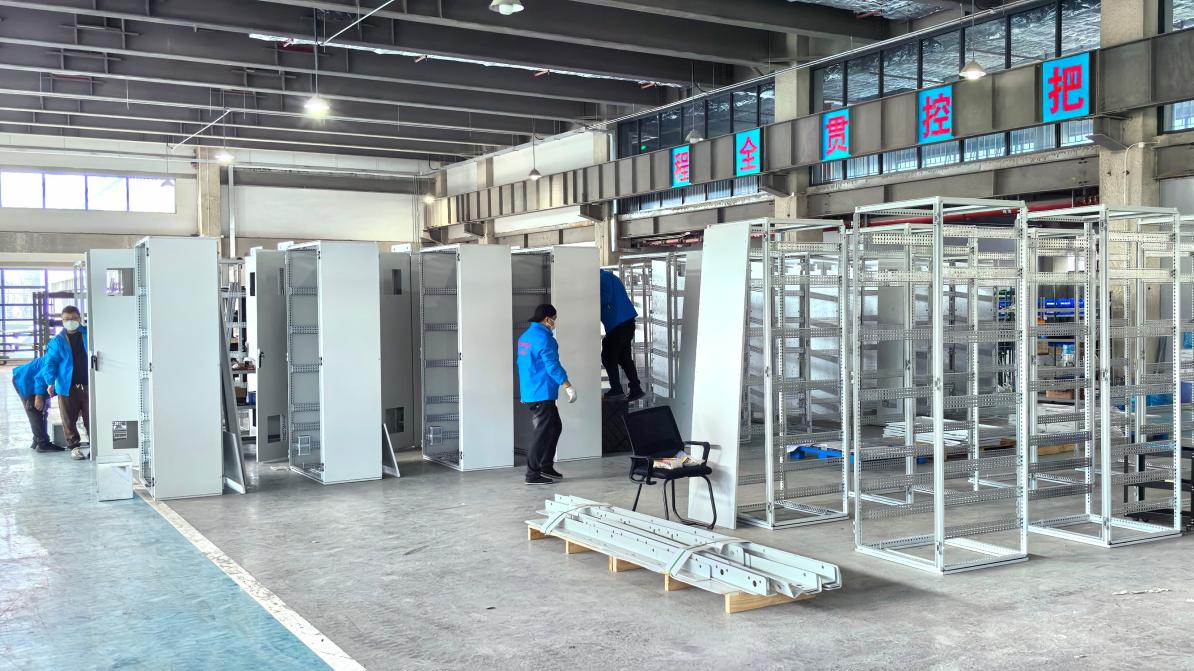
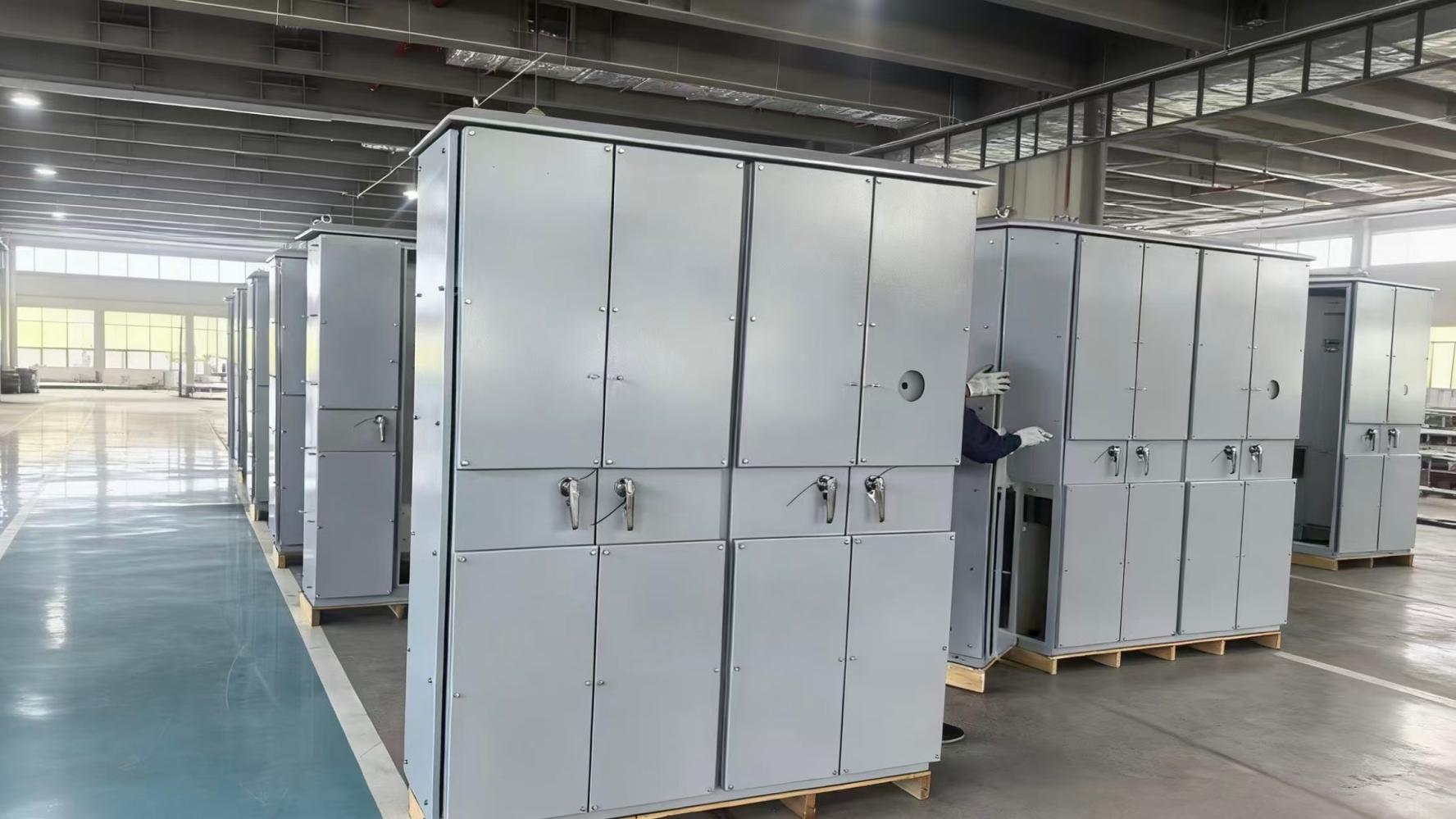
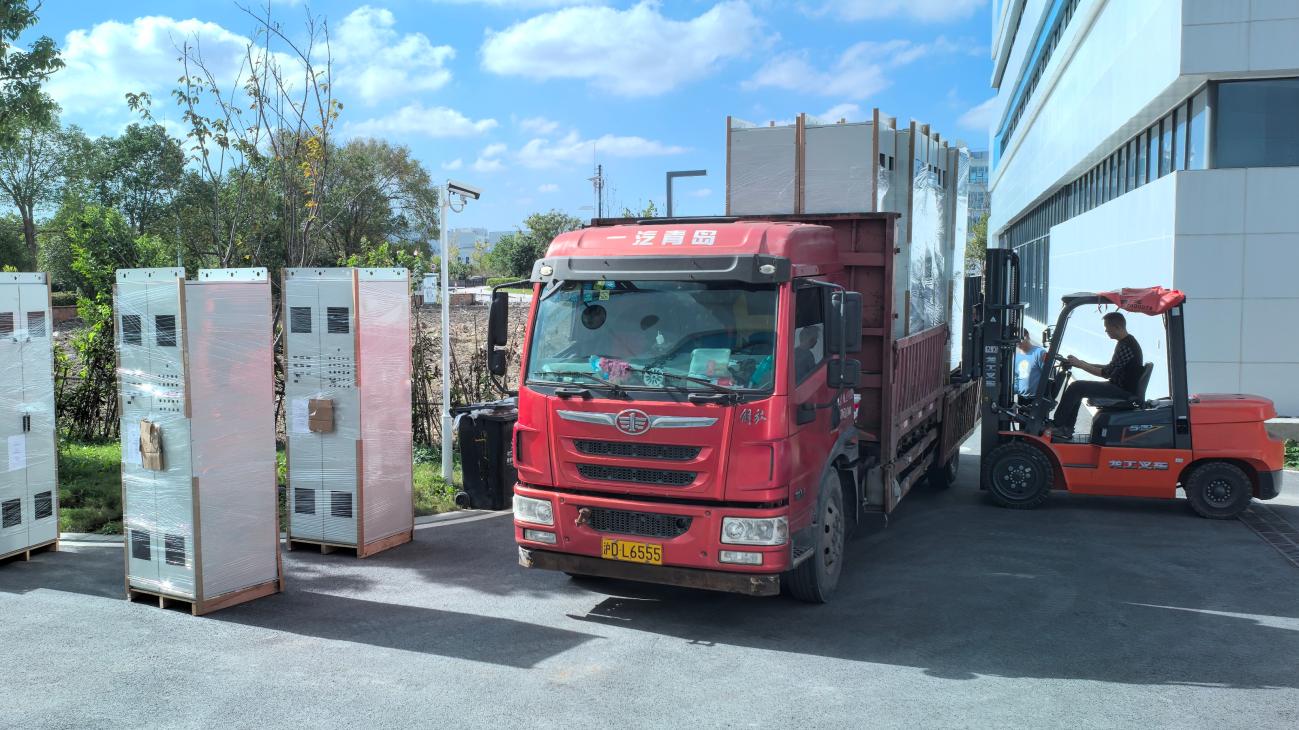
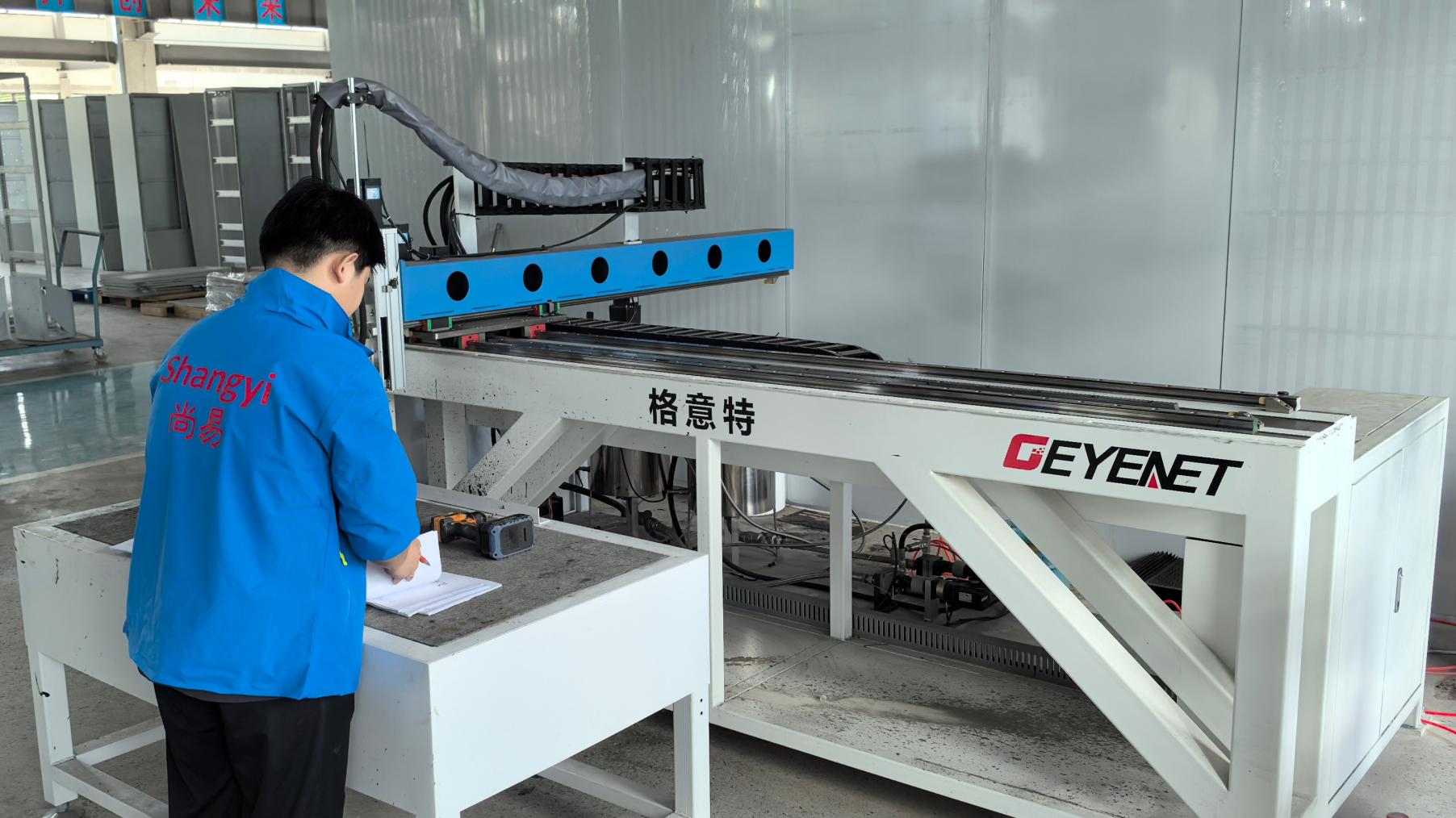
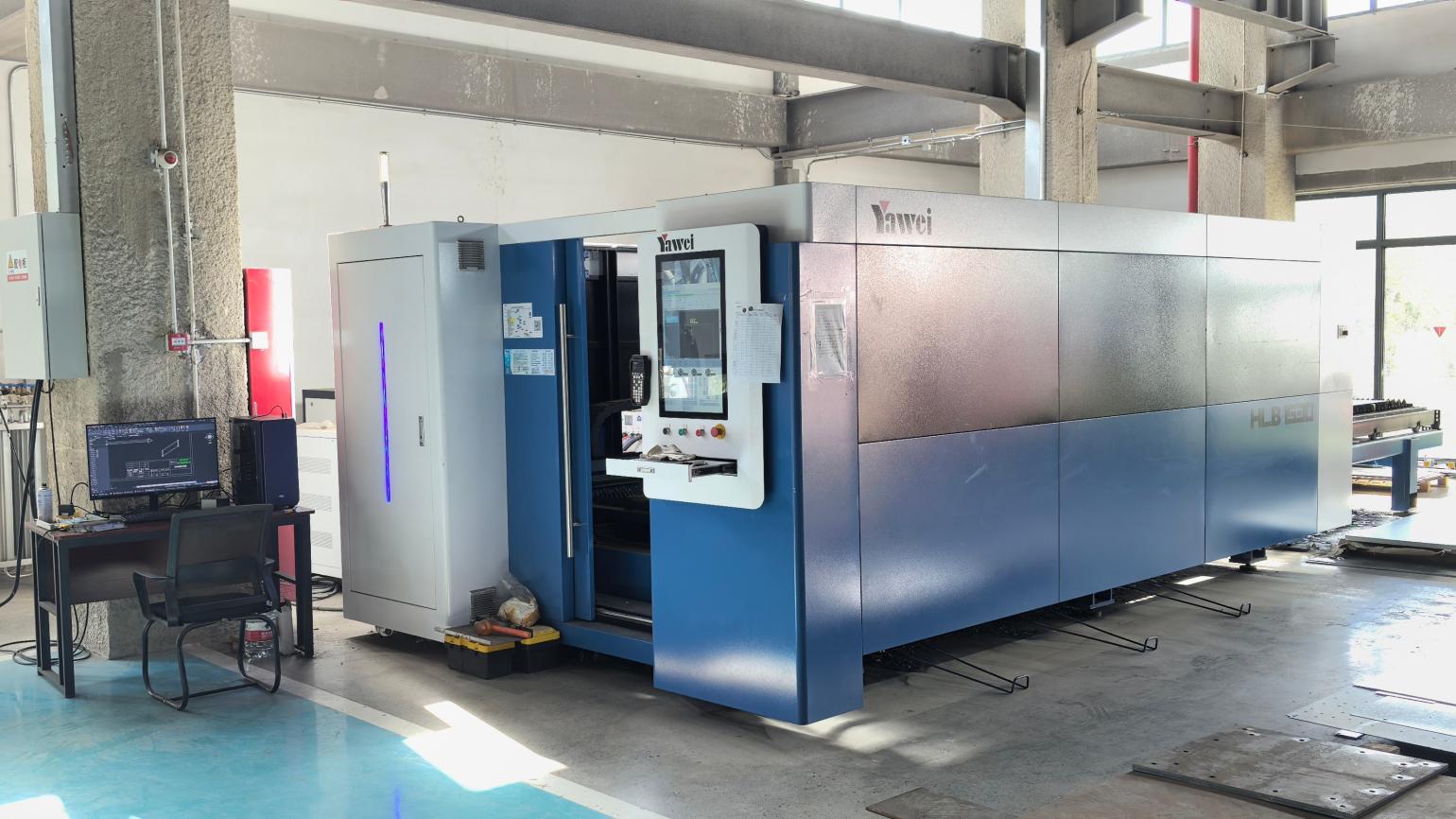
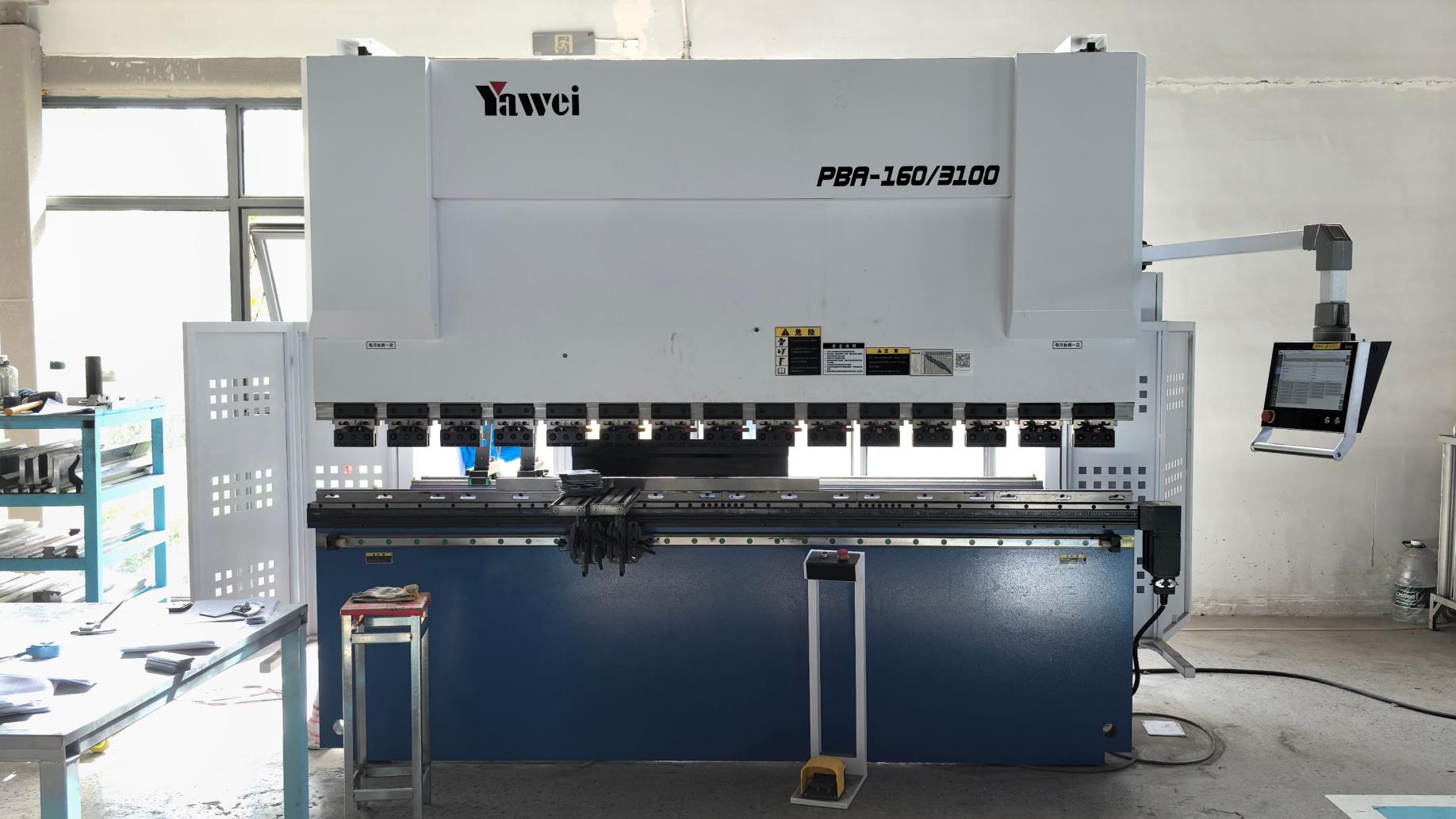
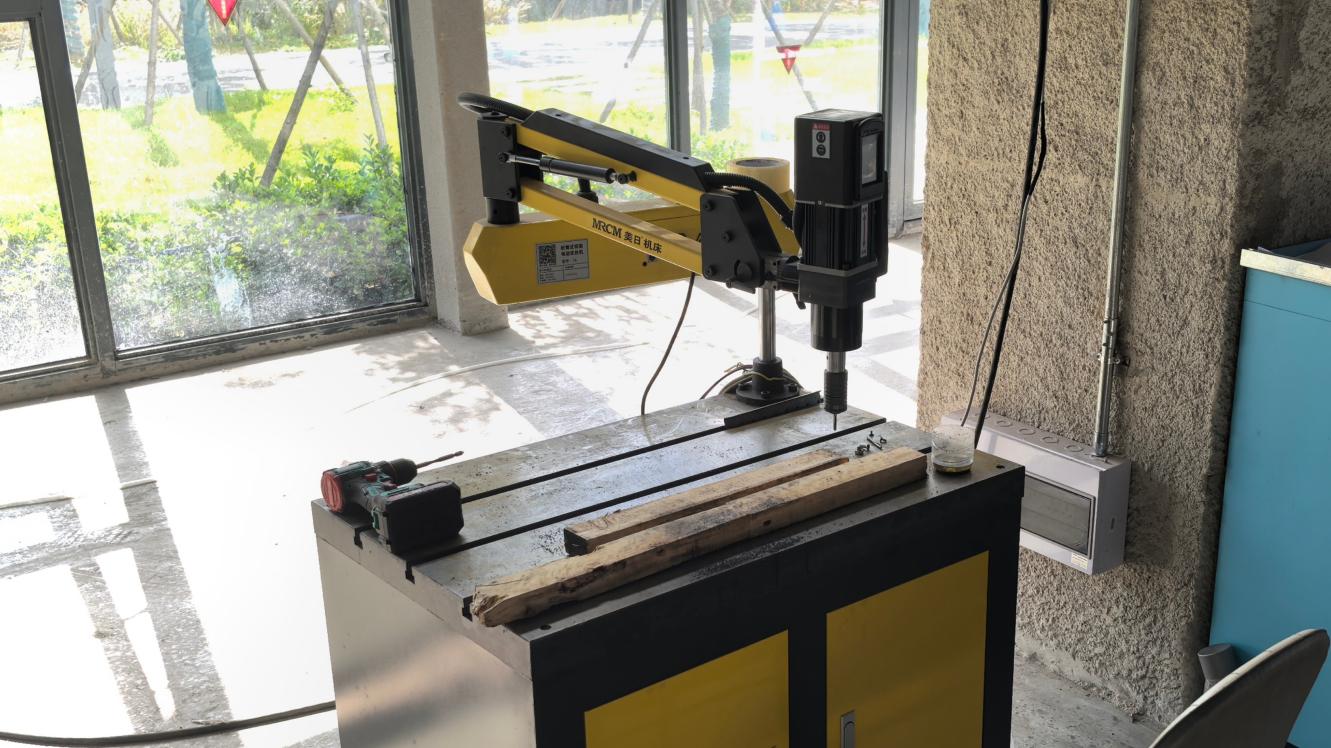
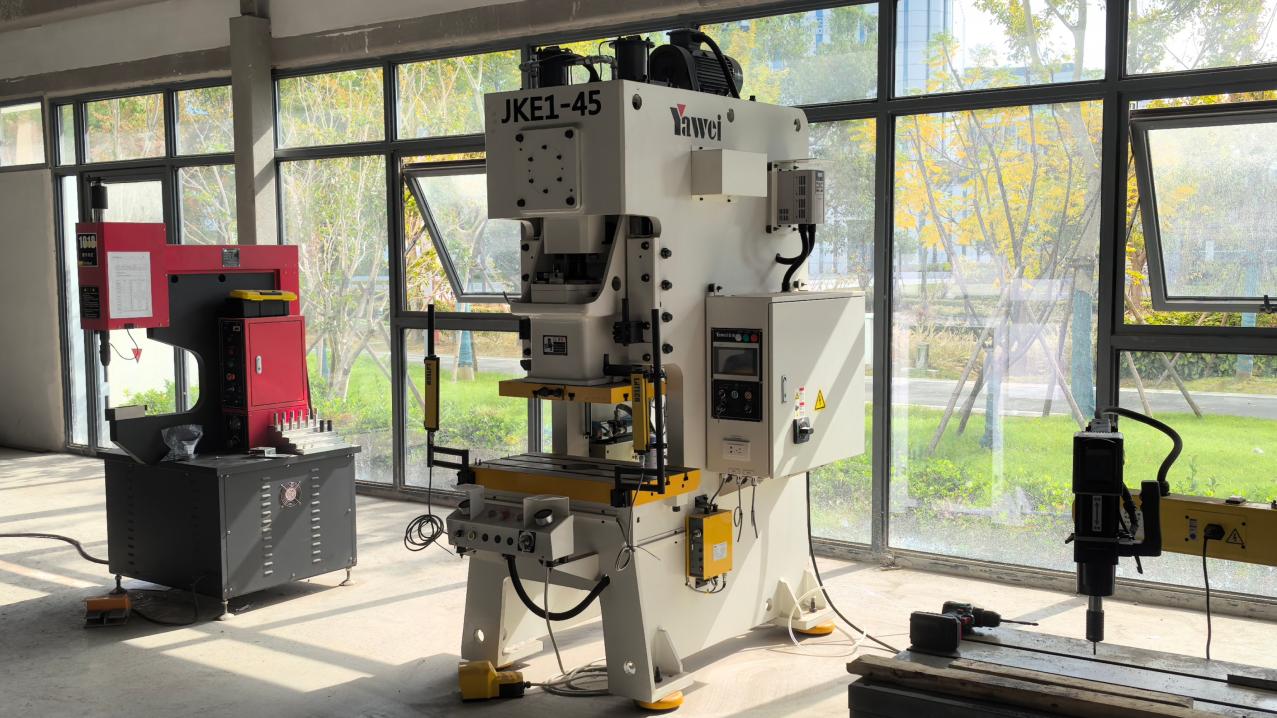
Exporting high-voltage and medium-voltage power distribution equipment requires strict adherence to international safety and quality standards. As a leading exporter of current limiting systems and electrical power modules in China, Zhejiang Sowest Electric Co., Ltd. ensures that all manufactured components are rigorously tested in certified laboratories.
Our entire product catalog conforms to standard benchmarks such as IEC 60076 for power transformers, IEC 61439 for low-voltage switchgear assemblies, and local requirements such as the European CE mark and the RoHS directive. Furthermore, our design engineers cooperate directly with regional engineering consultants to ensure that every wholesale order meets specific localized grid codes and environmental classifications (e.g., NEMA enclosures for North America, IP protection standards for maritime or humid tropical environments).
We recognize that physical hardware is only one half of the engineering solution. Sowest Electric provides global technical support services, including remote installation guidance, fault calculations, and commissioning support. Our team works with local EPC contractors to ensure our systems integrate smoothly with existing equipment, providing reliability for critical networks.
Expert engineering perspectives on implementing current limiting systems
Conventional circuit breakers detect a fault and open their contacts to extinguish the resulting arc, which typically takes between 3 to 5 cycles (approx. 50 to 80 milliseconds). During this time, the downstream equipment experiences the full peak short-circuit current. In contrast, a Current Limiting Device detects the transient fault current and inserts limiting impedance in less than 1 to 2 milliseconds, mitigating the initial destructive peak of the fault wave before it reaches its peak value.
When power grids grow and new generators are added, the prospective fault current levels can exceed the breaking capacity of existing switchgear. Upgrading all breakers across multiple substations is extremely expensive and complex. Installing a Current Limiting Device at a strategic coupling point limits the fault contribution from the rest of the grid, allowing the existing breakers to remain in service.
Solid-state limiters use high-power semiconductor valves (IGBT/IGCT) to switch or limit currents. They operate quickly, feature adjustable settings, and can reset automatically after a fault clearance with zero consumables. Pyrotechnic systems use explosive charges to separate physical conductors, which requires replacing the cartridge after every trip. However, pyrotechnics offer near-zero losses during normal operation.
Yes. Our engineering division in Zhejiang designs and manufactures custom cabinets. For offshore, maritime, or corrosive petrochemical environments, we provide IP56 or IP65 rated enclosures constructed from 316L stainless steel, along with specialized anti-vibration mountings, conformally coated circuit boards, and anti-corrosion treatments.
High-capacity active filters, static var generators, and voltage stabilizers manufactured to international quality standards
 Sowest Electric