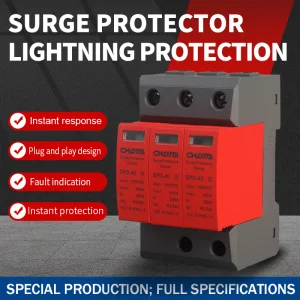
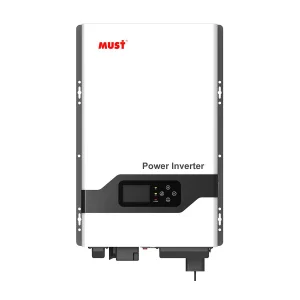
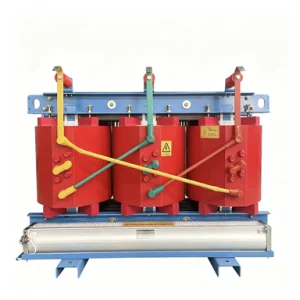
Explore our advanced catalog of power distribution, lightning protection, and conversion components engineered for continuous operation.
Understanding how state-of-the-art motor protection systems mitigate thermal, mechanical, and electrical failures.
In modern industrial facilities, electric motors serve as the workhorses behind manufacturing lines, pumping stations, cooling towers, and heavy conveyors. However, these motors are continuously exposed to operational hazards, including sustained overcurrents, phase imbalances, phase loss, and locked rotor conditions. Without robust protective systems, such anomalies lead to insulation failure, winding breakdown, and catastrophic motor destruction. This is where high-quality overload relays act as the primary line of defense.
An overload relay is designed to monitor the current flowing through a motor circuit. By tracking thermal or electronic behaviors, the device automatically trips the contactor when current levels exceed safe operating limits over a designated timeframe. This preventatively isolates the motor from the grid, ensuring maximum operational uptime while reducing maintenance cycles and costly production halts.
Utilizes precision bimetallic strips that bend proportionally to heat generation, providing reliable inverse-time characteristics matched to motor heat thresholds.
Detects phase imbalances or complete phase losses rapidly, triggering a trip sequence within milliseconds to prevent unbalanced winding overheating.
Internal mechanical compensation strips neutralize changes in external enclosure temperatures, ensuring consistent tripping accuracy from -20°C to +60°C.
Evaluating the technical mechanics, benefits, and applications of bimetallic and electronic sensing topologies.
Choosing the correct overload protection device requires a detailed analysis of the load profiles, environment, and startup requirements. Thermal (bimetallic) relays represent the traditional standard, leveraging the difference in thermal expansion rates of two bonded metals. When excessive current heats the metals, the strip bends to actuate an auxiliary switch.
Conversely, Solid-State Overload Relays (SSOLRs) utilize internal current transformers (CTs) to measure active line currents continuously. Microcontrollers process these values to calculate a digital thermal profile of the motor windings. SSOLRs provide higher accuracy, wider adjustment ranges (often 5:1 or greater), and integrated diagnostic protocols, though they require consideration of electromagnetic compatibility (EMC).
| Feature | Bimetallic Thermal Overload Relays | Solid-State Electronic Overload Relays | Application Suitability |
|---|---|---|---|
| Sensing Method | Direct heating of bimetallic strips | Internal CTs with microprocessor control | Both protect against standard overload conditions |
| Tripping Accuracy | ±10% to ±15% of set current | ±2% to ±5% of set current | Electronic is critical for precise load matching |
| Current Settings Range | Narrow (typically 1.5:1 ratio) | Wide (up to 5:1 or 10:1 ratio) | Electronic simplifies stock keeping unit (SKU) profiles |
| Power Consumption | Generates internal heat (voltage drop) | Negligible internal power loss | Electronic increases cabinet energy efficiency |
| Trip Classes | Usually fixed at Class 10 or Class 20 | Selectable (Class 10A, 10, 20, 30) | Electronic supports variable, high-inertia loads |
| Phase Loss Sensitivity | Requires differential slider mechanisms | Instantaneous electronic detection | Electronic reacts faster to prevent single-phasing |
Analyzing how global procurement officers and system integrators balance cost, lead times, and international standards.
Global procurement teams face challenges when sourcing high-quality motor control components. Long lead times, sudden raw material inflation, and varying safety standard certifications (such as IEC, NEMA, UL, and CE) can impact manufacturing schedules and international compliance.
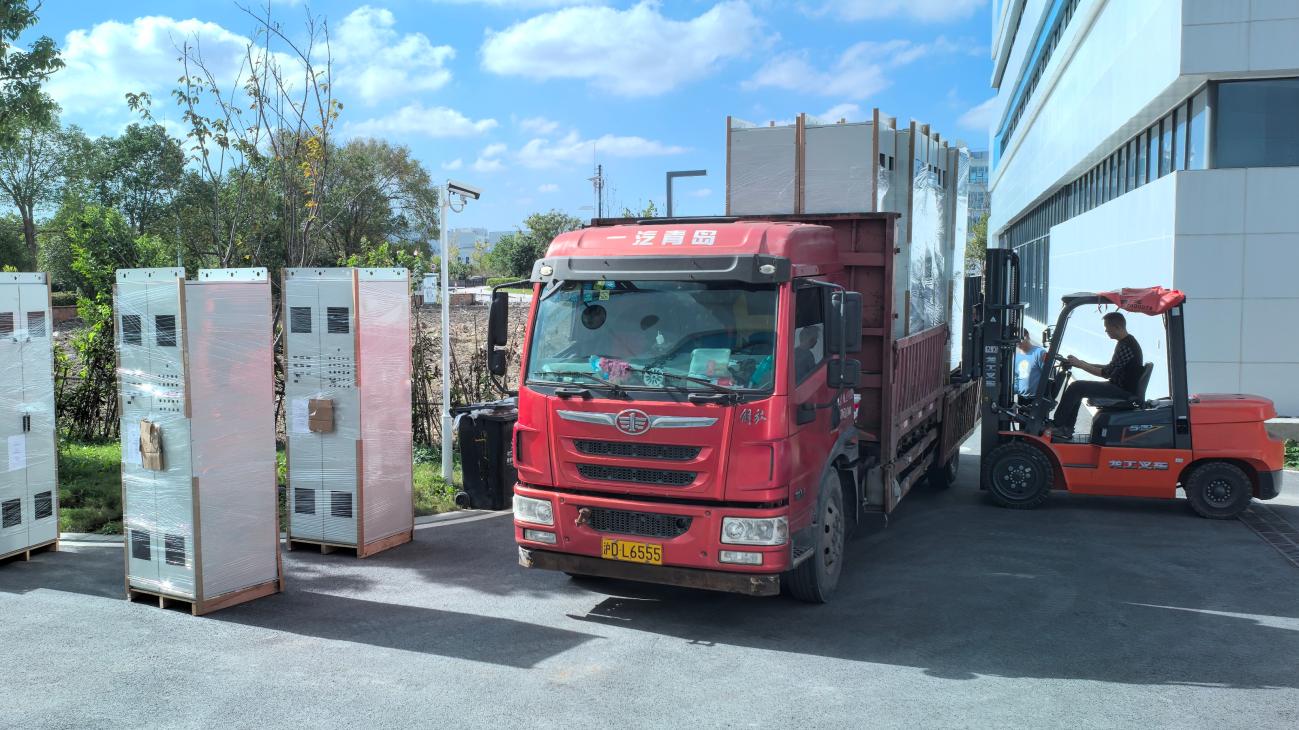
To mitigate these risks, leading engineering firms and original equipment manufacturers (OEMs) are shifting toward a dual-sourcing model. By partnering directly with advanced manufacturing facilities like Zhejiang Sowest Electric Co., Ltd., enterprises secure direct factory access, customization capabilities, and pricing stability. High-volume component sourcing requires manufacturers to operate with strict quality management systems (ISO 9001:2015) and provide full traceability of raw materials from incoming inspection to finished dispatch.
Our products are designed to meet diverse grid environments, providing reliable integration for distribution systems worldwide.
Powering Reliability, Driving Innovation through Advanced Electrical Distribution & Power Supply Systems.
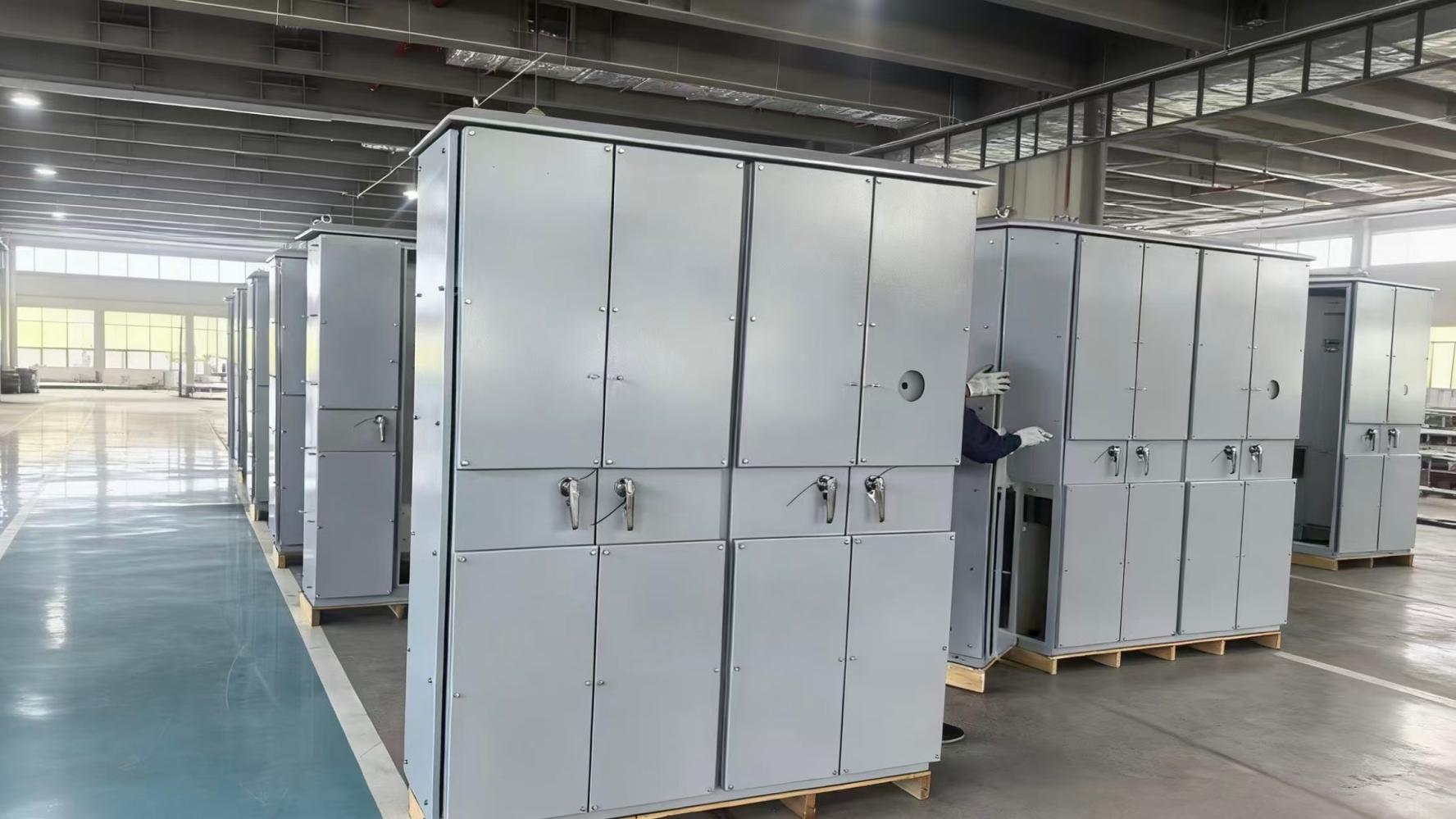
Zhejiang Sowest Electric Co., Ltd. is an innovative enterprise specializing in the research, development, manufacturing, and sales of power supply and electrical distribution equipment. With a strong commitment to technological innovation, product quality, and customer satisfaction, the company has established itself as a reliable partner for power generation, transmission, distribution, industrial automation, transportation, petrochemical, telecommunications, and infrastructure projects worldwide.
Our core product portfolio includes AC/DC Power Supply Panels, DC Power Systems, UPS (Uninterruptible Power Supply) Systems, Battery Chargers, DC Distribution Panels, AC Distribution Panels, Central Signal Panels, Power Monitoring Systems, Circuit Breakers, Power Feeding Panels, and other integrated power supply solutions. These products are widely applied in substations, power plants, industrial facilities, data centers, rail transit systems, and renewable energy projects.
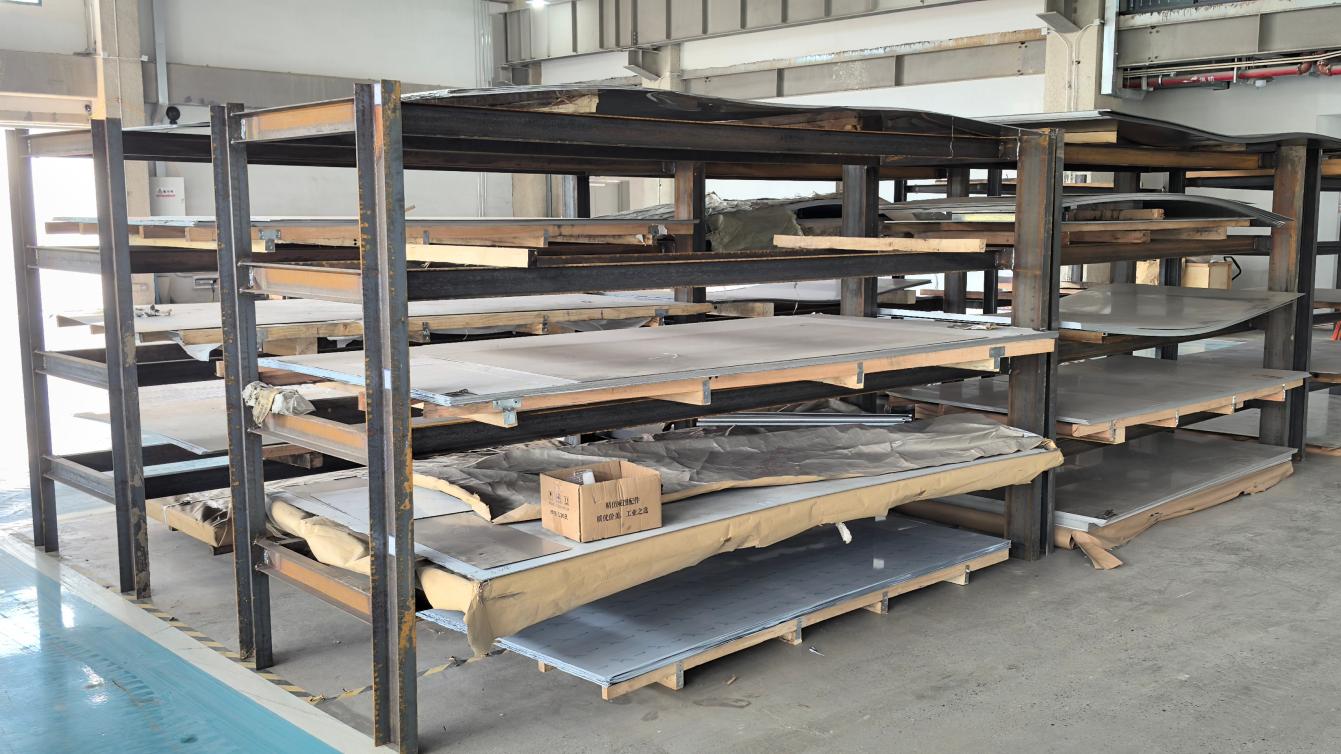
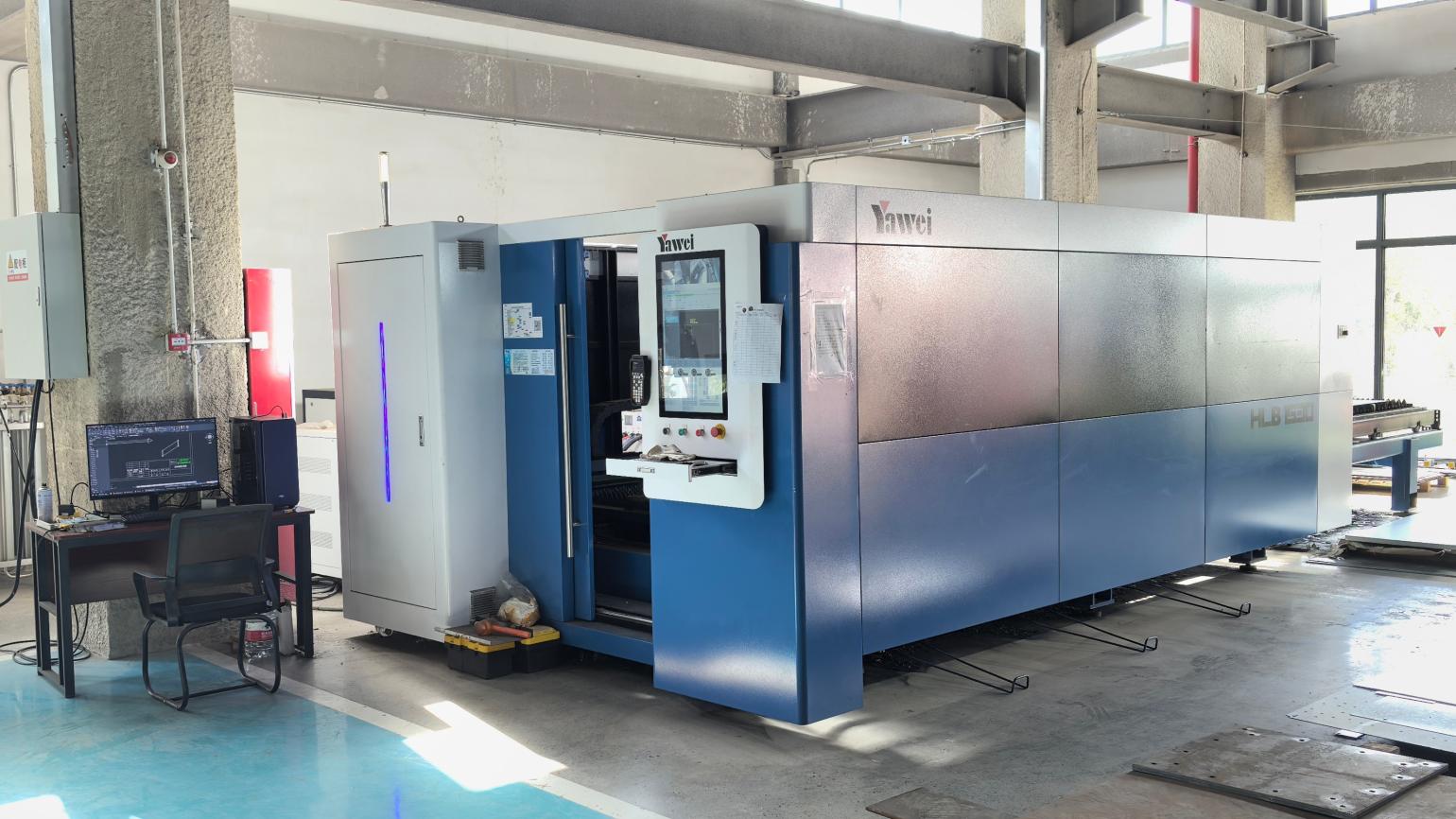
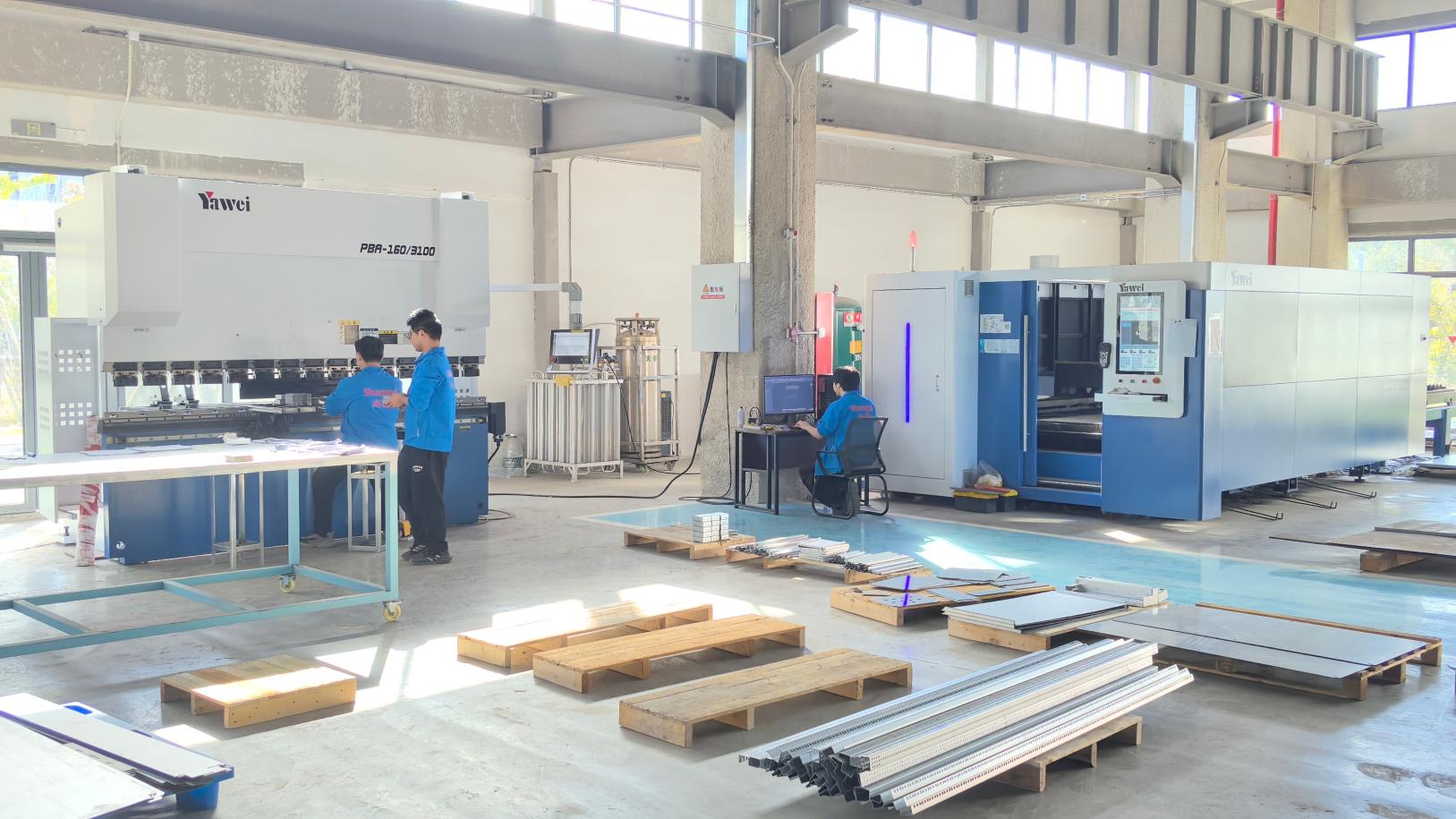
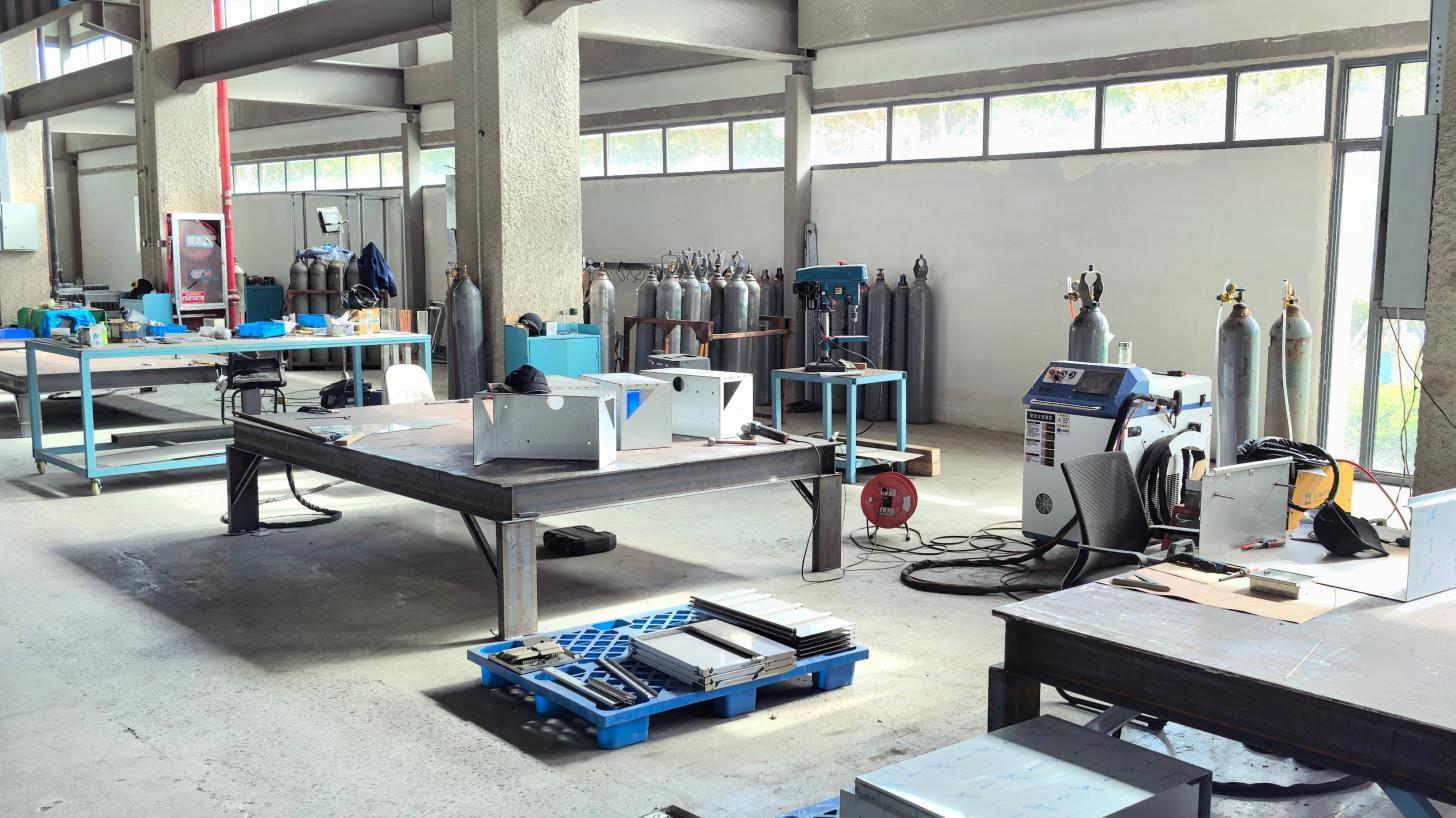
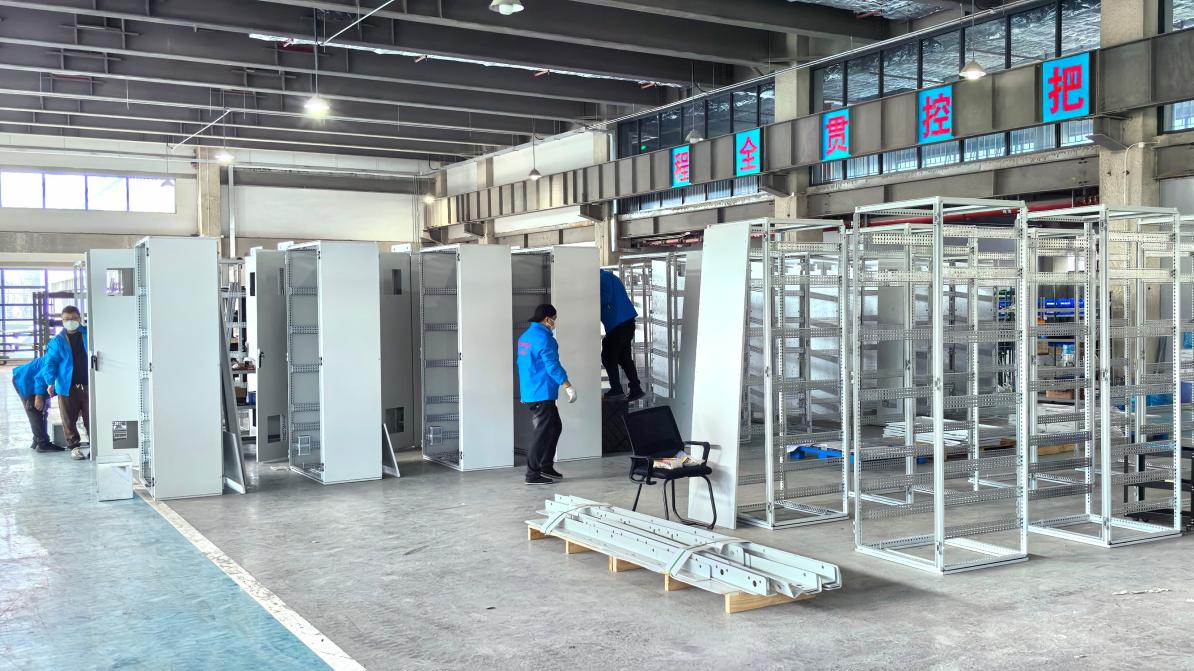
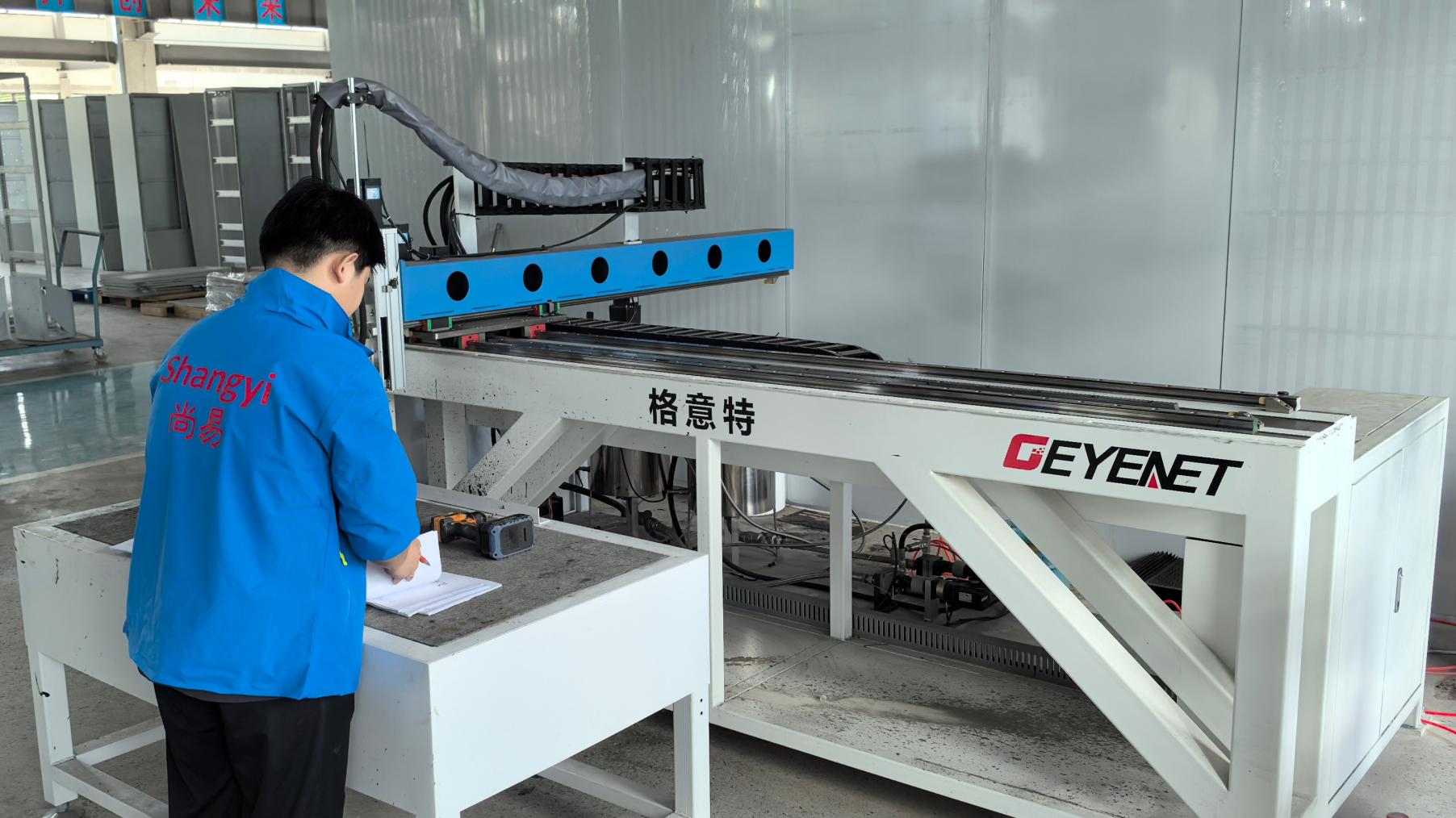
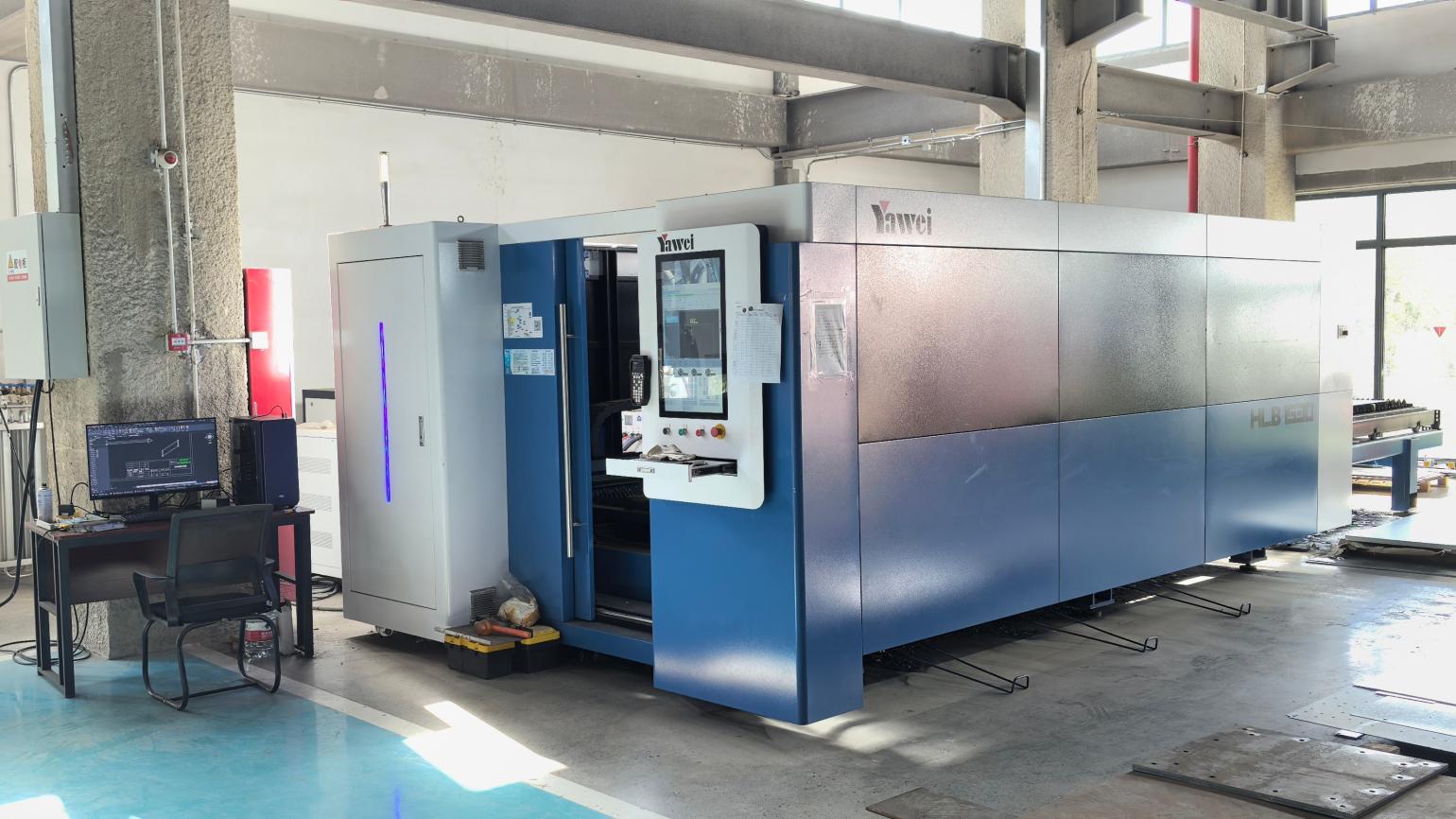
The company is supported by a highly qualified team of engineers, technicians, and industry experts with extensive experience in power electronics and electrical engineering. Equipped with advanced manufacturing facilities, modern production lines, and comprehensive testing equipment, Sowest Electric ensures that every product meets stringent quality standards and international performance requirements.
A technical analysis of Industrial IoT, predictive diagnostics, and smart communication protocols.
Next-generation relays feature integrated Ethernet/IP, Modbus TCP, and PROFINET communication blocks. This enables thermal capacity data, phase current balances, and historic event logs to be transmitted directly to central SCADA systems or cloud monitoring tools.
By analyzing small shifts in phase balance and start-up peak duration trends, microcontrollers can identify early-stage stator breakdown, bearing wear, and mechanical degradation before a thermal trip occurs.
Integrated measurement capabilities track voltage levels, power factor (cos φ), and total reactive energy usage. This transforms the protection relay into a sub-metering point, supporting factory-wide efficiency initiatives.
Reliable motor protection requires components to meet international design standards and undergo rigorous testing. To verify compliance, manufacturers test relays under high-humidity, high-shock, and wide ambient temperature conditions.
Every batch of overload relays at Sowest Electric undergoes full electrical verification on our calibrated testing fixtures. We verify the time-current tripping curve (I²t) for both cold states and hot running conditions. Testing ensures the relay functions correctly during phase imbalances, meeting the requirements of IEC/EN 60947-4-1 and IEC/EN 60947-5-1. This consistency is essential for projects demanding reliable performance across global operating grids.
Critical answers to questions regarding motor protection, sizing, installation, and troubleshooting.
A circuit breaker is designed to protect the system's wiring infrastructure from high-current faults, such as short circuits, and features high interrupting ratings. An overload relay is engineered specifically to protect the motor itself from prolonged, moderate overcurrent conditions. It monitors the motor's operating current and trips the control contactor when current levels exceed safe parameters over time.
The trip class defines the relay's response time during startup under locked-rotor conditions. Class 10 is standard, tripping in 10 seconds or less at 600% of maximum rating, and is suitable for most general industrial applications. Class 20 allows up to 20 seconds, suitable for higher inertia loads like fans, while Class 30 is designed for heavy-duty industrial systems like crushers or large conveyors that take up to 30 seconds to reach full speed.
Nuisance tripping can be caused by incorrect current dial calibration, high ambient temperatures within the electrical enclosure, rapid cycling, or harmonic distortions in the power feed. Ensuring the relay includes ambient temperature compensation and matches the motor's actual full-load current (FLA) minimizes these issues.
In bimetallic thermal relays, a differential slide mechanism compares the deflection of all three bimetallic strips. If one phase drops, its strip cools and bends back. The resulting physical displacement trips the auxiliary contacts faster than a standard three-phase overload. In electronic units, current sensors detect the missing phase directly and trip the circuit.
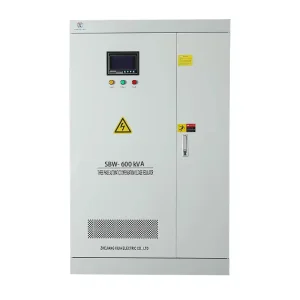
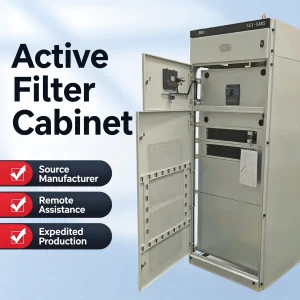
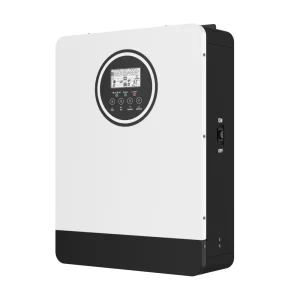
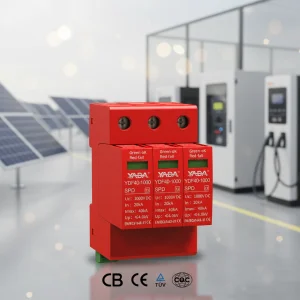
High-performance voltage stabilization, dynamic power factor compensation, and solar protection systems.
 Sowest Electric