Deploy industry-leading low-to-medium voltage switchgears, automatic transfer systems, voltage regulators, and surge protection modules designed to guarantee uninterrupted power transmission.
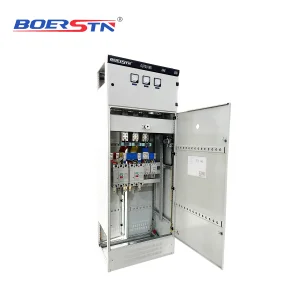
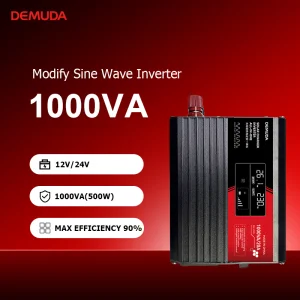
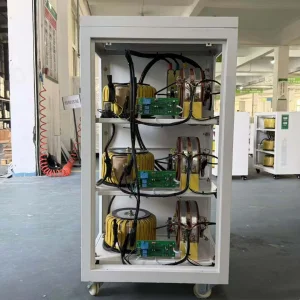
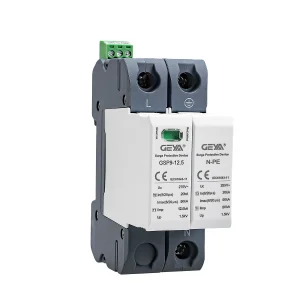
The accelerating shift from centralized fossil-fuel power architectures to distributed, digitalized renewable energy systems requires a complete reconfiguration of the physical grid. Within this landscape, China has transitioned from a high-volume component exporter to the premier designer and manufacturer of highly integrated, system-level renewable energy solutions. Crucially, Chinese suppliers are driving innovations that enhance grid resiliency, optimize power factor, control total harmonic distortion (THD), and secure uninterrupted power delivery.
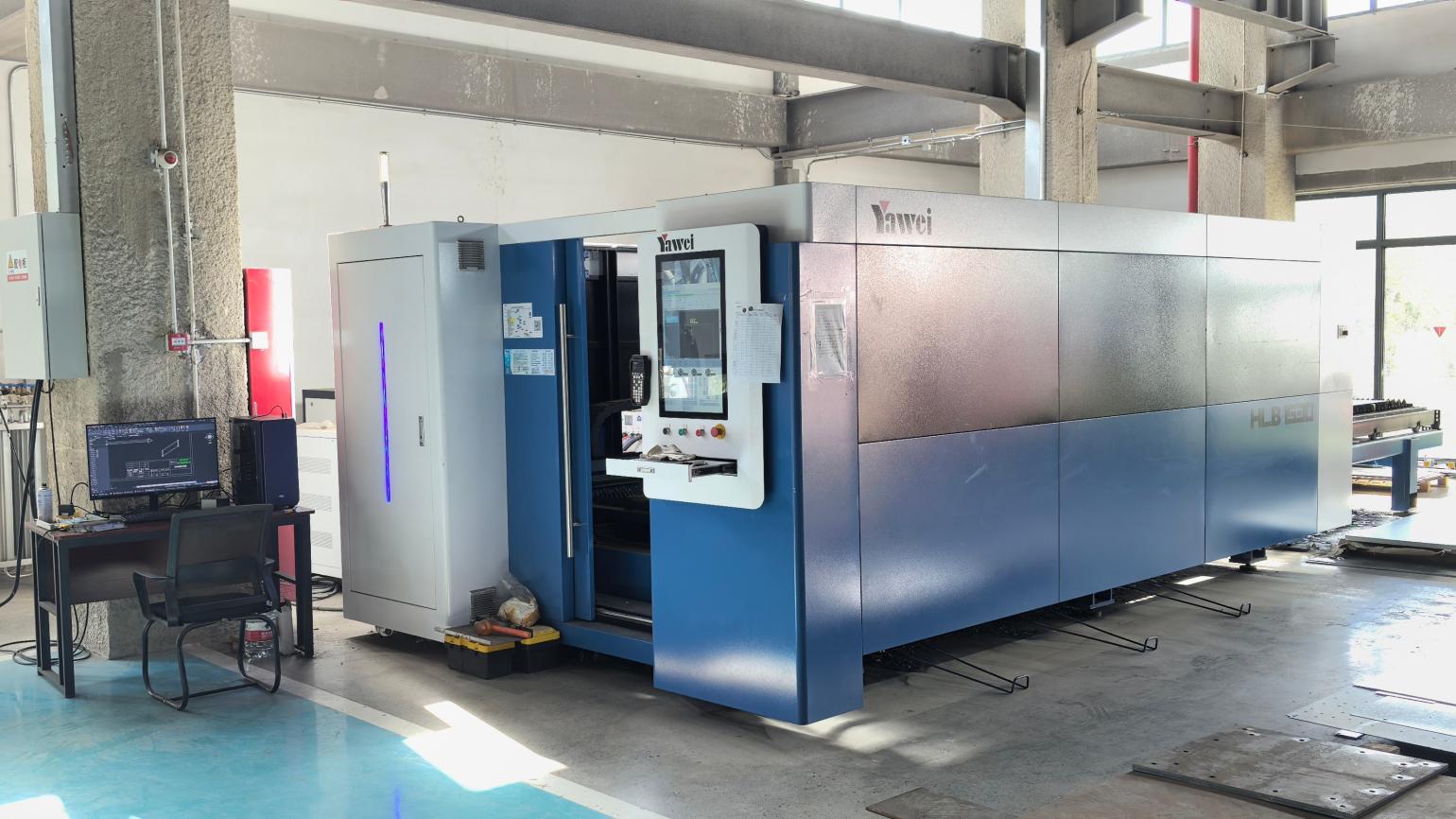
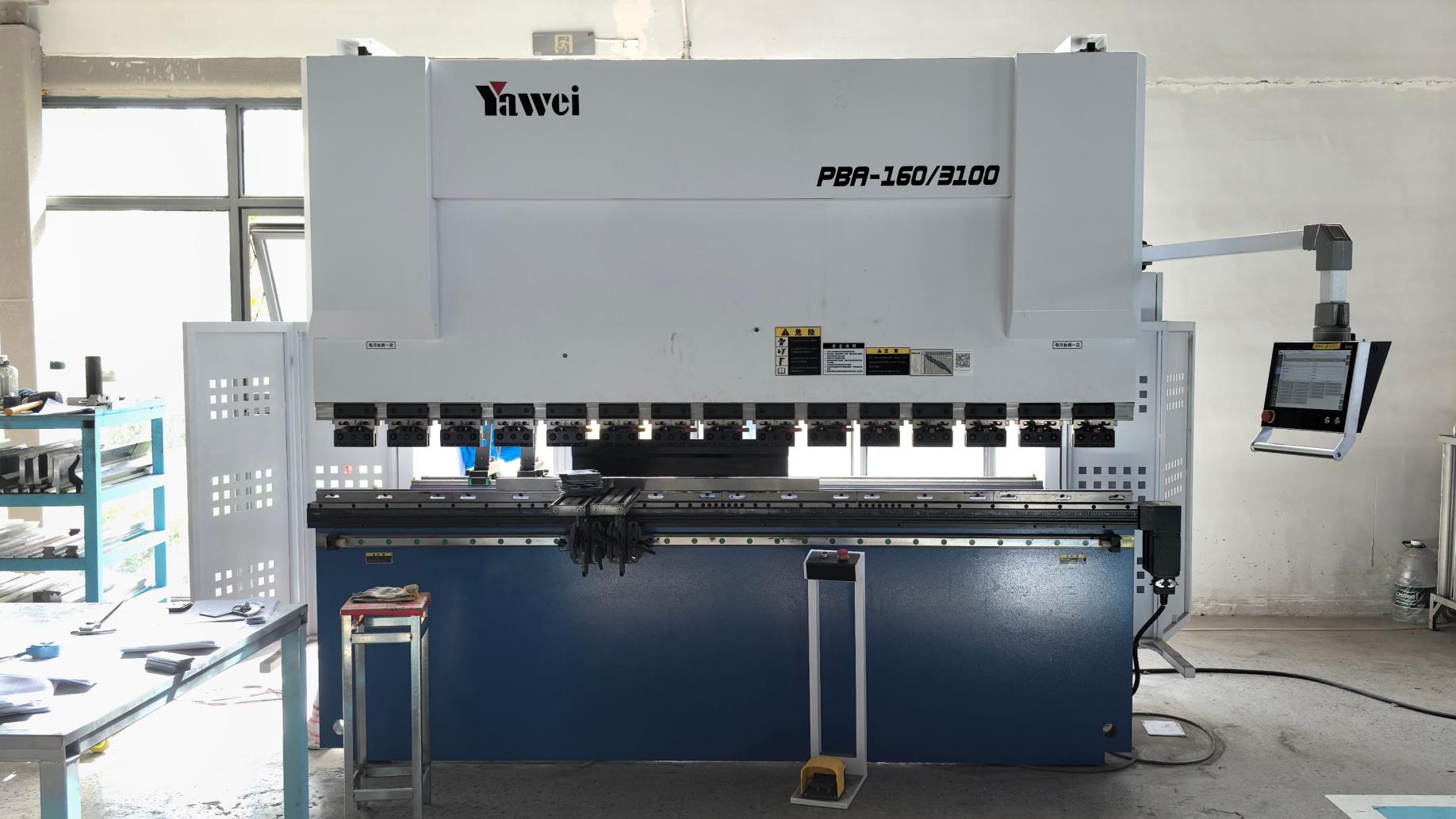
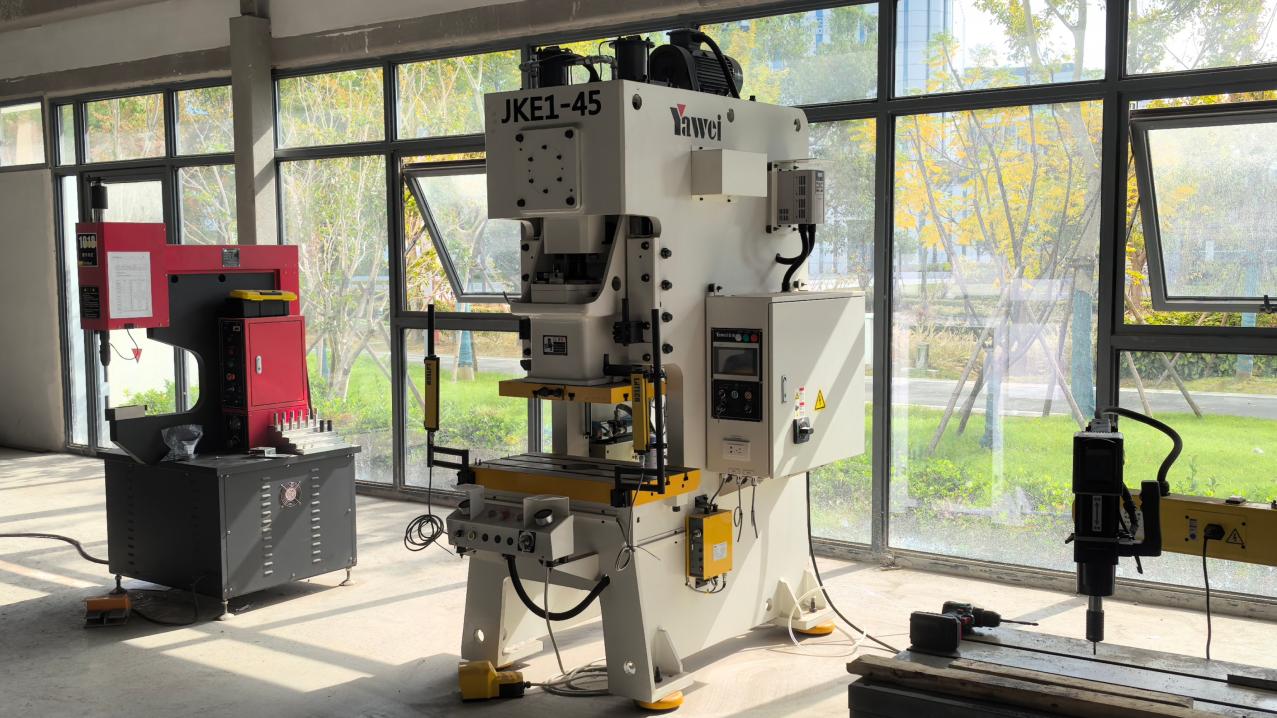
By localizing all processing steps—from raw copper purification and precision structural CNC fabrication to complex micro-controller programming—Chinese manufacturers dramatically compress engineering feedback loops. This tightly integrated supply chain allows companies like Zhejiang Sowest Electric Co., Ltd. to construct customized, highly specialized electrical distribution assets (such as intelligent 12kV low/medium voltage switchgears or custom static var generators) at velocities and price points that western counterparties cannot match.
At the epicenter of this industrial capacity is the deployment of raw engineering horsepower and industrial automation. Western procurement departments are no longer looking for transactional component supply; instead, they seek engineering-led manufacturing organizations capable of tailoring system-level parameters. Through this synergy, Chinese factories are uniquely positioned to offer high product reliability, comprehensive certifications (such as SAA, CE, FCC, KC, and PSE), and sophisticated, embedded power electronics that bridge the gap between volatile clean generation sources and critical municipal or industrial grids.
Switchgear Operational Reliability
ATS Switching Velocity
Global Standard Compliance
Exporting Destination Countries
Zhejiang Sowest Electric Co., Ltd. is a modern, innovative enterprise specializing in the research, development, manufacturing, and global sales of power supply systems and electrical distribution infrastructure. Backed by a relentless commitment to technological innovation, rigorous product quality assurance, and user-centric engineering, the company has established itself as an indispensable partner for complex power generation, transmission, industrial automation, and transport networks worldwide.
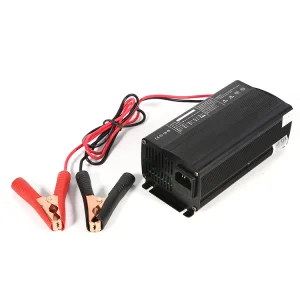
The core product portfolio highlights the company’s engineering depth: from AC/DC Power Supply Panels, DC Power Systems, and Uninterruptible Power Supply (UPS) Systems to high-precision Battery Chargers, DC/AC Distribution Panels, Central Signal Panels, Power Monitoring Systems, and custom high/low-voltage switchgears. These mission-critical systems are extensively deployed in municipal substations, megawatt-scale solar farms, enterprise data centers, rapid rail transit systems, and marine petrochemical facilities.
Guided by the core principles of integrity, professionalism, and mutual growth, Sowest Electric actively invests a substantial portion of its annual revenue in next-generation R&D. The company operates a comprehensive quality management system that ensures every product adheres to strict production and inspection regimes, guaranteeing long-term field stability and environmental resilience in the most demanding conditions.
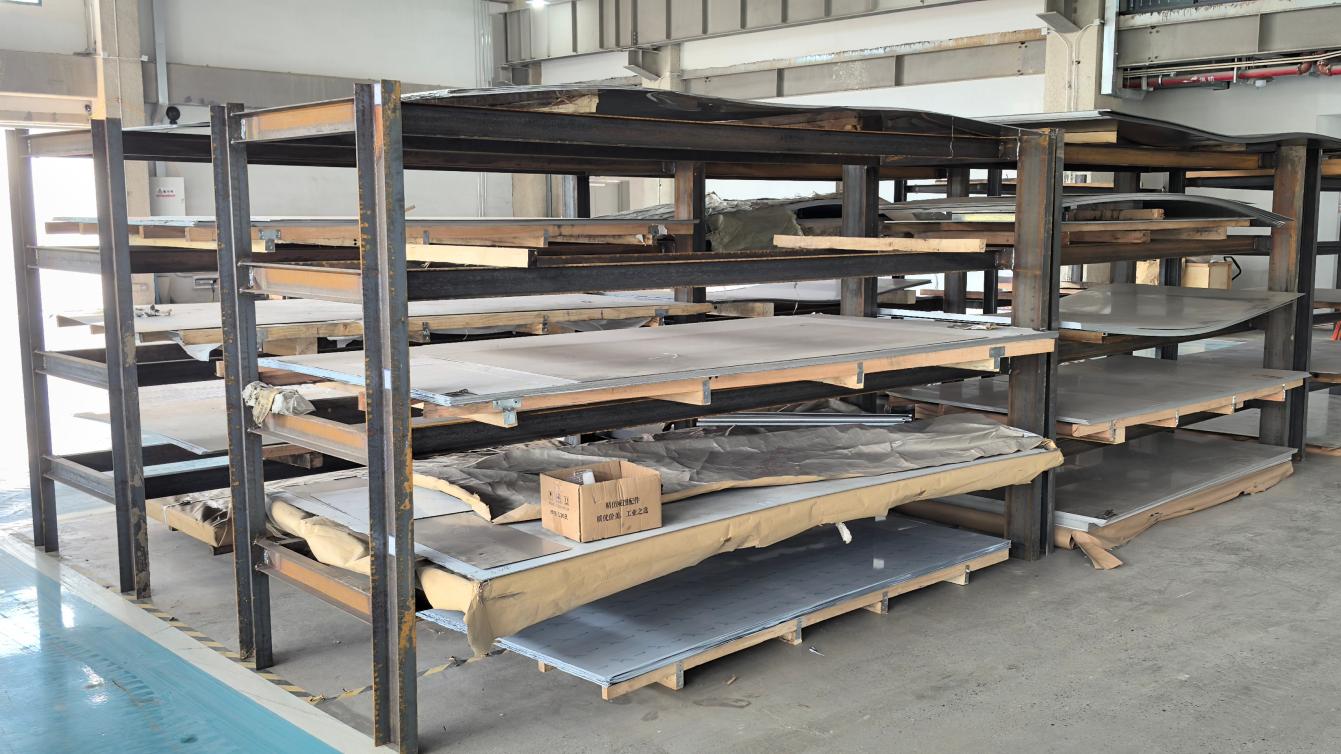
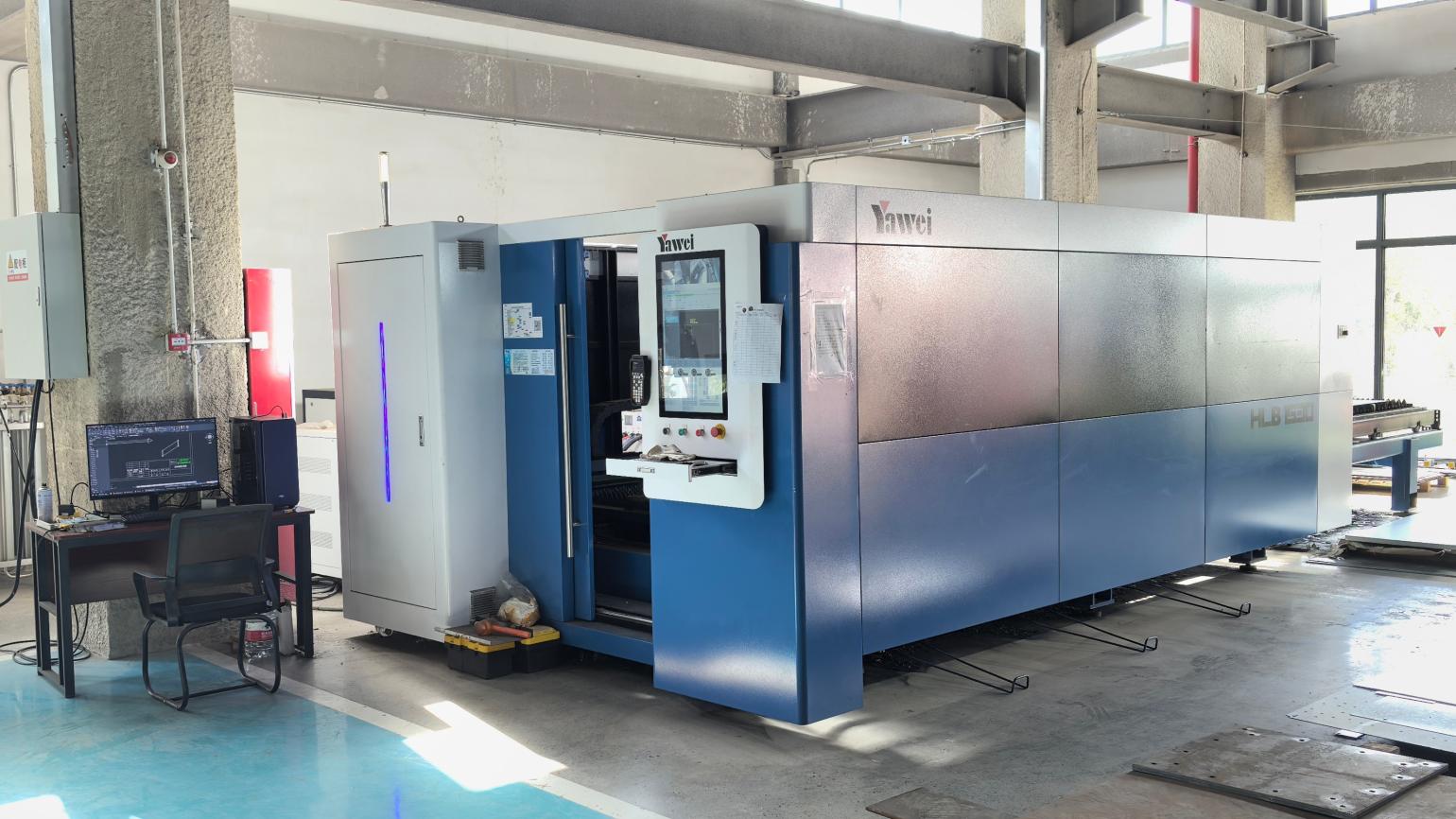
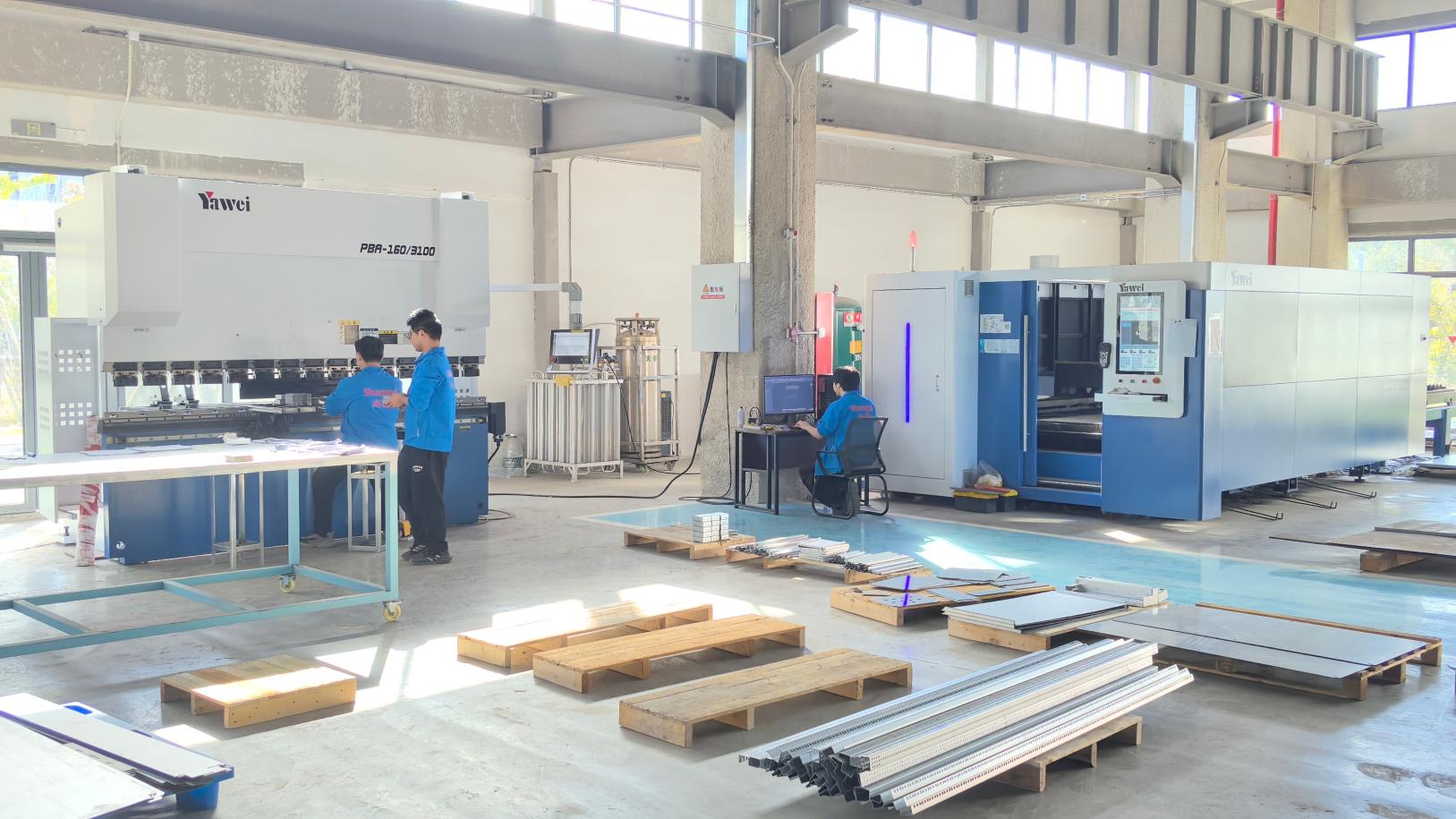
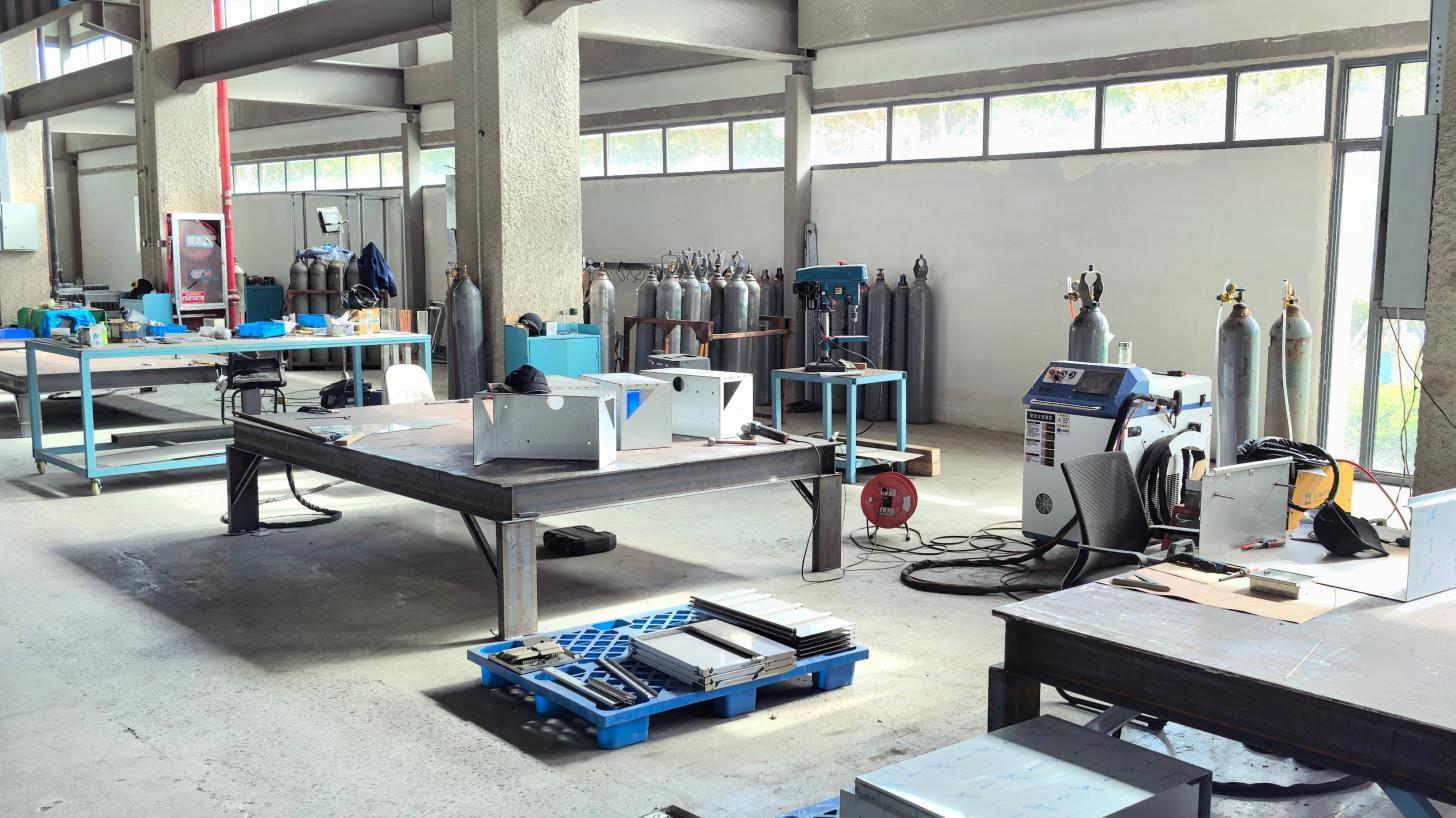
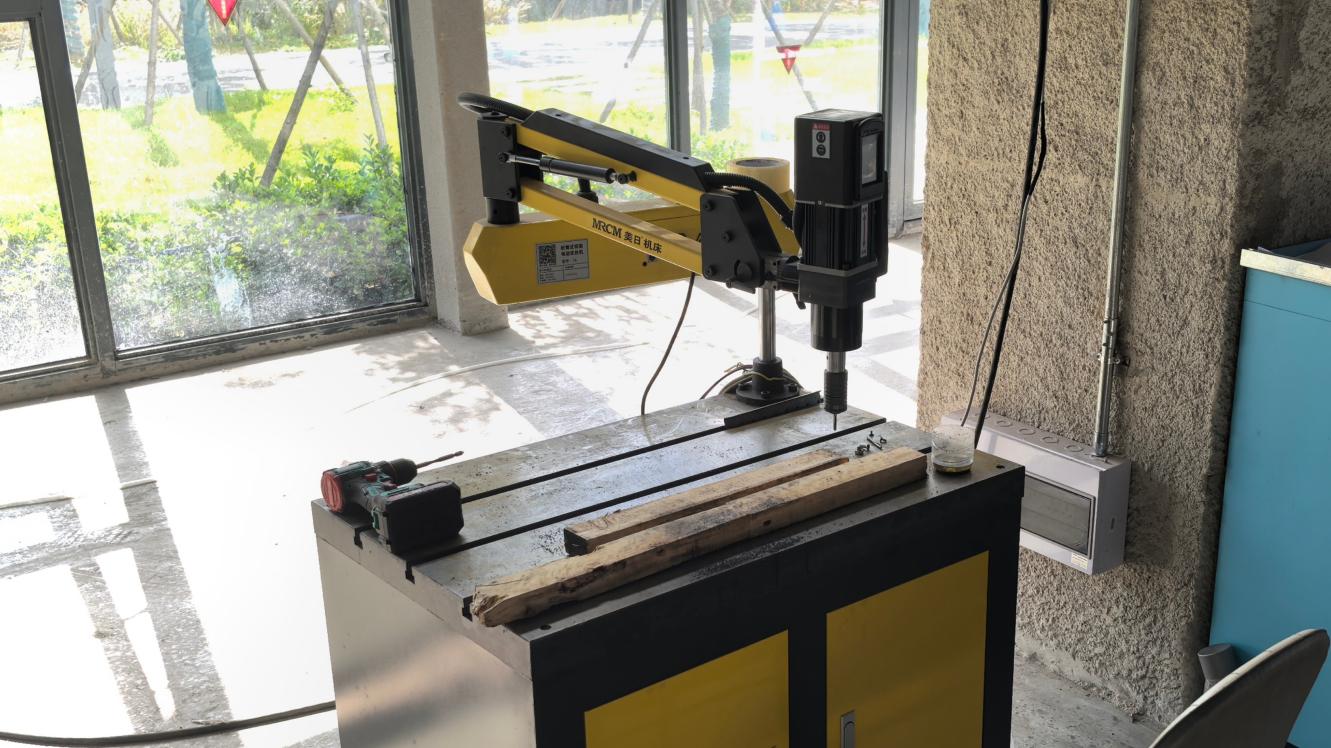
Step-by-step transparency of our integrated factory floor in Zhejiang. We control every phase of production—from raw materials processing to advanced automated assembly and shipping.
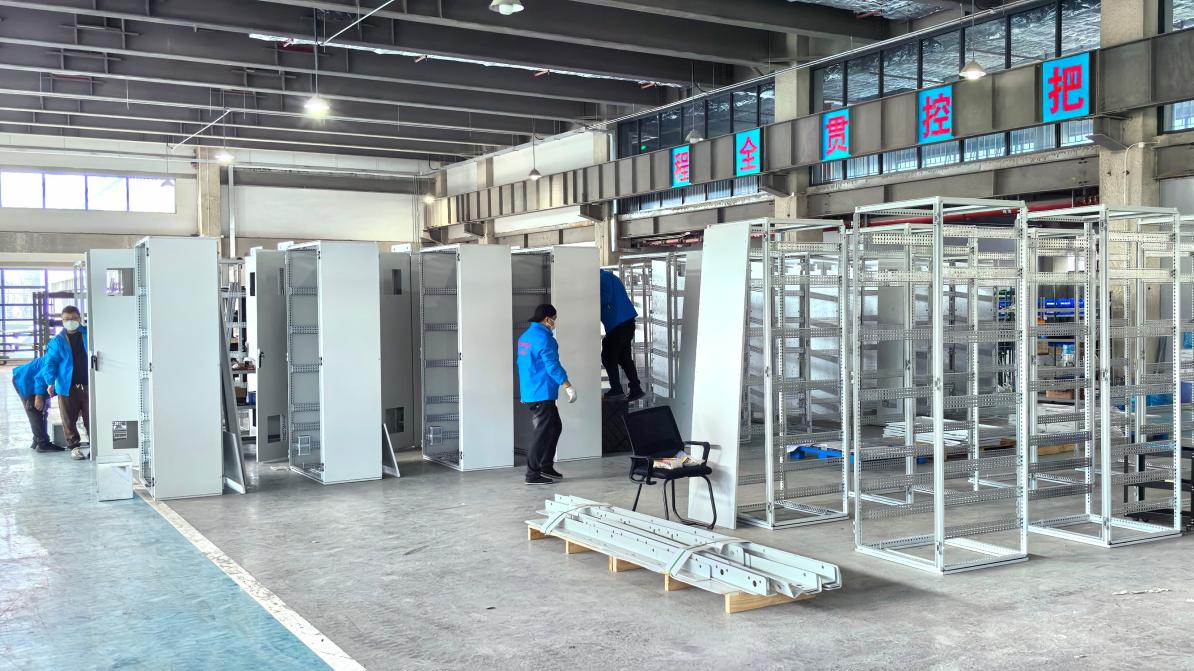
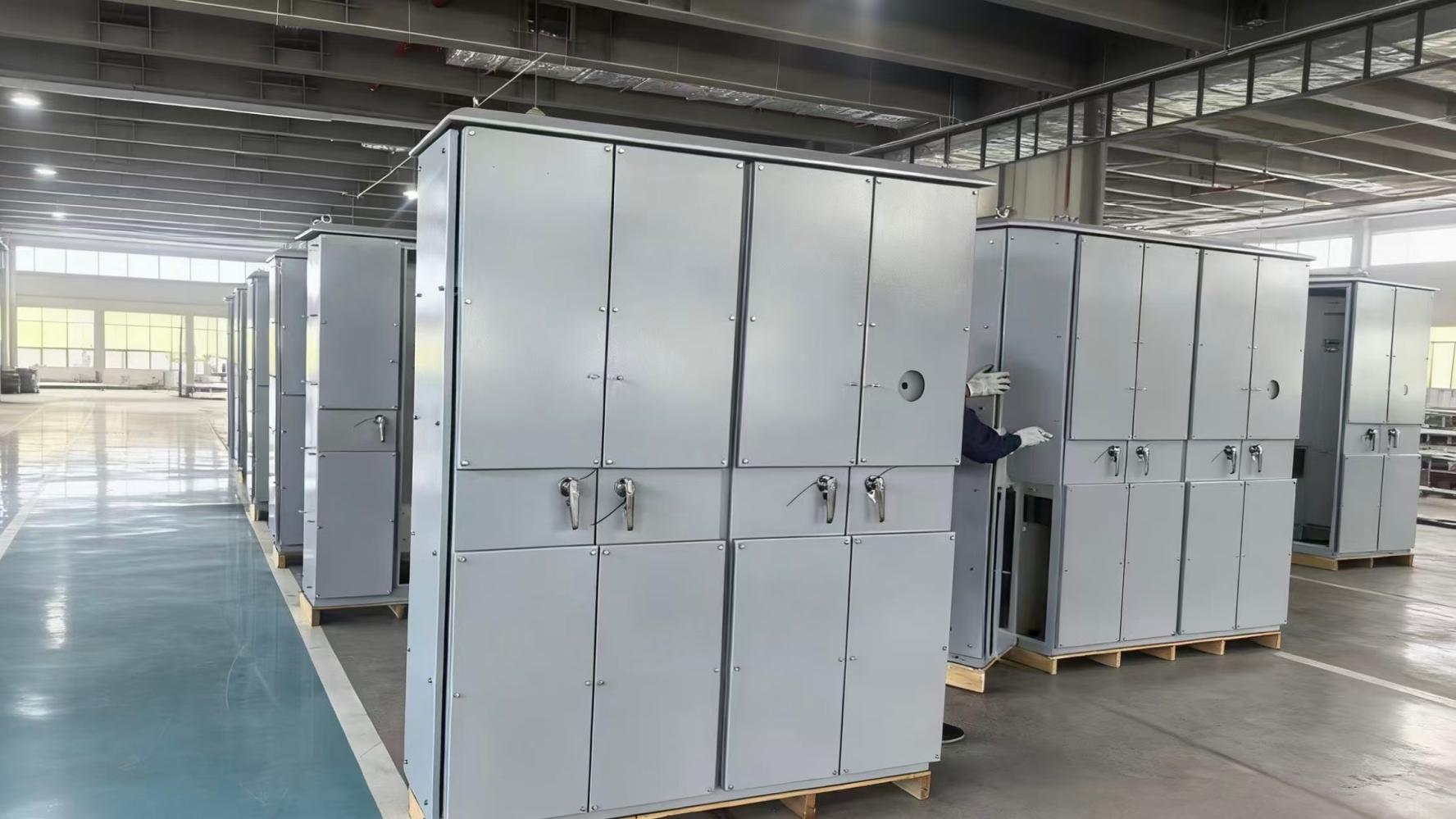
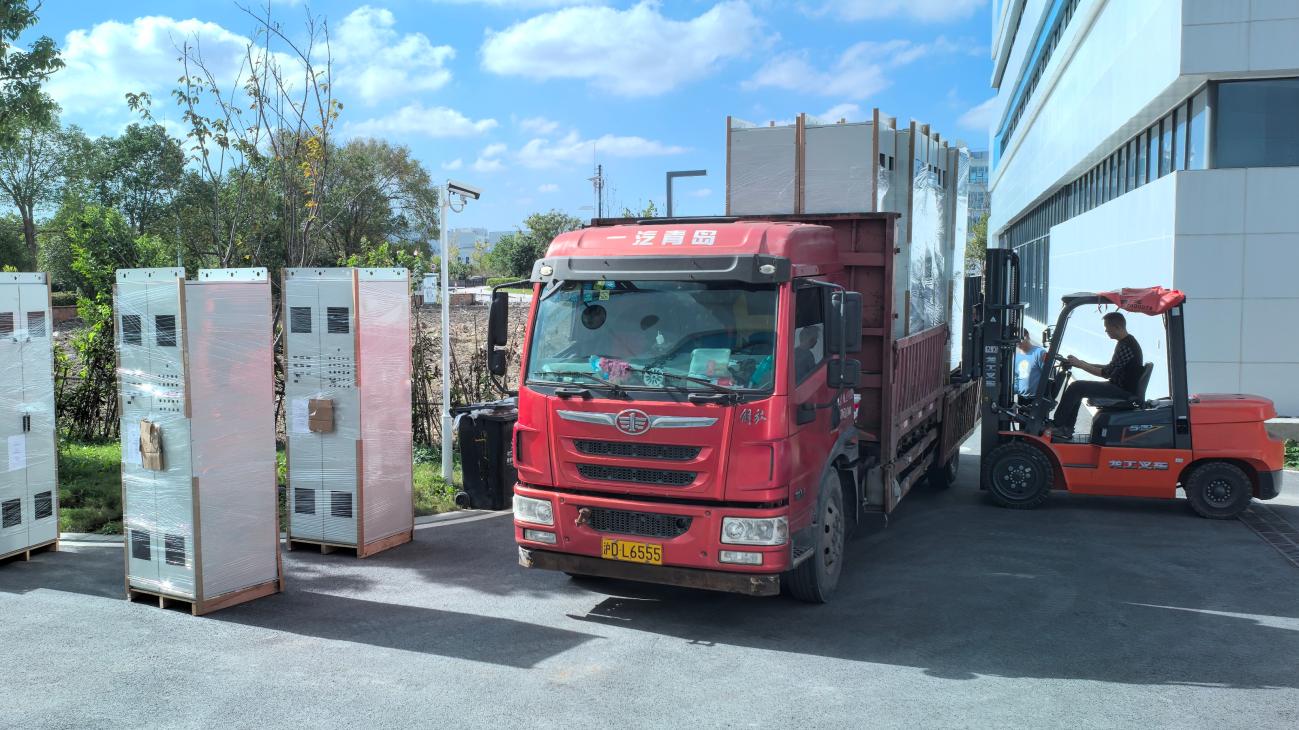
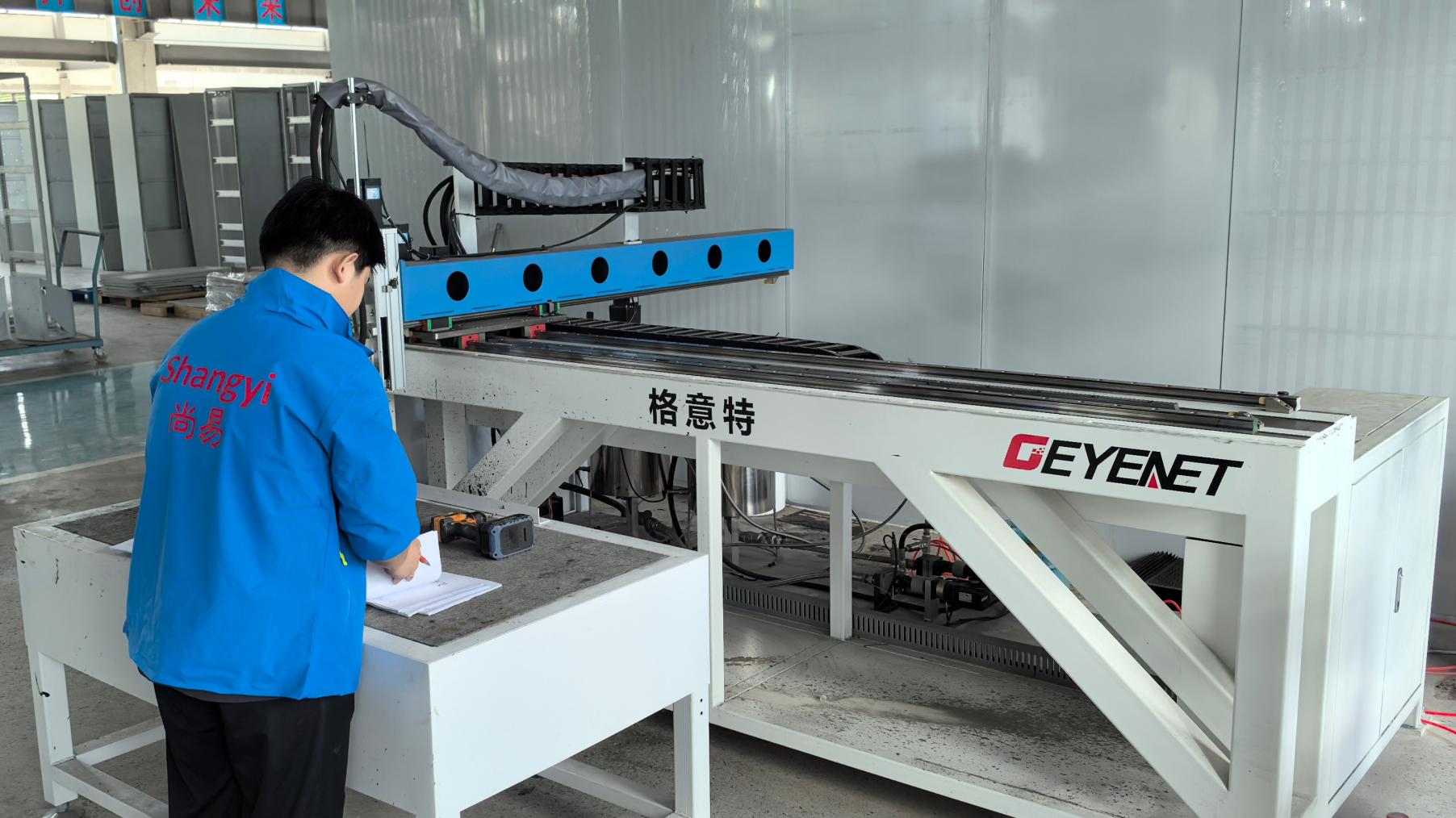
Modern distribution systems face unprecedented power quality challenges. The injection of distributed generation sources (such as rooftop photovoltaic systems and commercial wind turbines) introduces bi-directional power flows, steep transient overvoltages, and harmonic contamination. Grid operators no longer tolerate the raw, unconditioned feed of renewable energy. This strict regulatory climate drives several critical macro-trends:
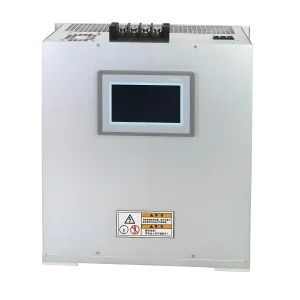
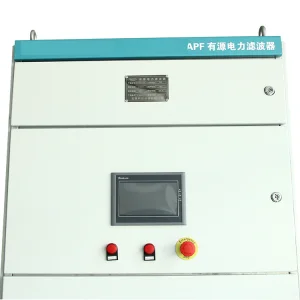
The introduction of non-linear loads (such as variable frequency drives, EV charging stations, and massive server farms) combined with inverter-based generation leads to severe harmonic distortion. This degrades transformer lifespans and causes control-loop instability. To combat this, advanced grids require high-speed, active mitigation devices like Active Power Filters (APF) and Static Var Generators (SVG). Unlike traditional passive capacitor banks, these systems utilize digital signal processors (DSPs) to analyze network harmonics in real-time, injecting equal and opposite phase currents to neutralize harmonic content and maintain near-unity power factor.
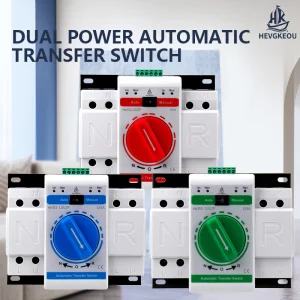
Modern campuses, critical facilities, and industrial complexes are transitioning to microgrids that operate both in grid-connected and islanded modes. This makes the Automatic Transfer Switch (ATS) a fundamental point of control. High-voltage and low-voltage ATS solutions must execute transfers in milliseconds to prevent voltage dips that could reset industrial automation equipment or crash sensitive data center operations.
Electric Vehicles (EVs) are no longer passive loads; they represent highly distributed, mobile energy storage arrays. Vehicle-to-Home (V2H) and Vehicle-to-Grid (V2G) technologies convert electric vehicle batteries into emergency backup supplies for residential and commercial sites. This transition demands sophisticated bi-directional inverters, robust DC-DC buck/boost converters, and highly reliable protective relay panels.
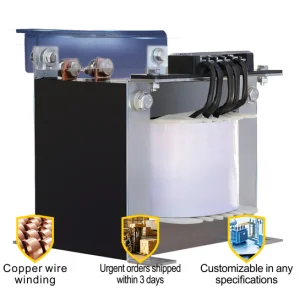
A typical utility-scale solar PV plant requires a multi-tiered electrical protection strategy: low-voltage DC arrays feed into centralized or string inverters, which are stabilized by Static Var Generators (SVGs). The AC output is stepped up by single-phase or three-phase dry-type transformers, monitored by intelligent switchgears, and secured via lightning-fast surge protective devices (SPDs) and automatic transfer systems.
Implementing power distribution systems requires careful adaptation to localized environmental conditions, load demands, and local grid codes. Below are four primary deployment scenarios where Zhejiang Sowest Electric's equipment excels:
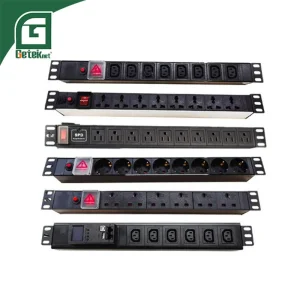
Modern data centers demand continuous uptime and exceptional power quality. A single microsecond drop in utility power can lead to catastrophic data loss. Solution Blueprint: The primary utility feed is monitored by custom 12kV switchgear. Critical loads are backed up by double-conversion online UPS systems. The transition between primary grid supply and standby diesel generators is managed by high-reliability automatic transfer switches (ATS). Within the server halls, 19-inch vertical intelligent PDUs manage power distribution at the rack level, providing real-time current draw telemetry to remote network operation centers.
Inverter-based renewable plants often struggle with voltage instability and low power factor at the point of common coupling (PCC). Solution Blueprint: Heavy-duty Static Var Generators (SVGs) and Active Power Filters (APFs) are installed in parallel with the main substation bus. These systems dynamically inject reactive power to counter voltage sags and swells, while dry-type single-phase transformers step up voltage levels without the environmental risks associated with oil-filled outdoor units.
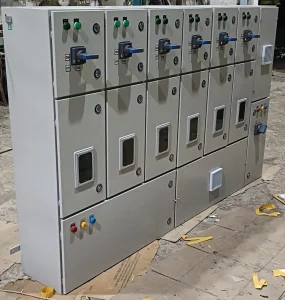
Heavy inductive loads (e.g., arc furnaces, large motors) cause rapid voltage fluctuations and high reactive power draws, resulting in utility penalties. Solution Blueprint: Automatic Voltage Regulator (AVR) systems stabilizes incoming 3-phase AC feeds. Simultaneously, heavy-duty switchgear cabinets equipped with vacuum circuit breakers (VCBs) protect the plant from high-energy short-circuit faults, while localized surge protective devices (SPDs) shield CNC machines and PLC controllers from induced transients.
EV charging stations draw massive, highly volatile loads from municipal distribution grids. Solution Blueprint: High-efficiency DC-DC buck converters step down distribution bus voltage to charge vehicle battery packs safely. For residential applications, bi-directional V2H inverters allow homeowners to draw power from their EV batteries during peak tariff hours, shifting load away from the municipal grid and maximizing self-consumption of rooftop solar power.
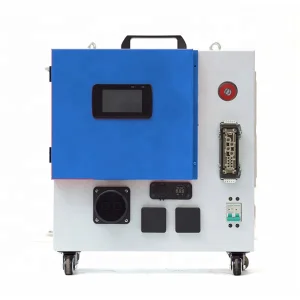
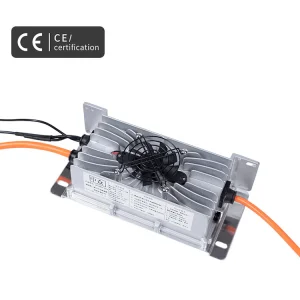
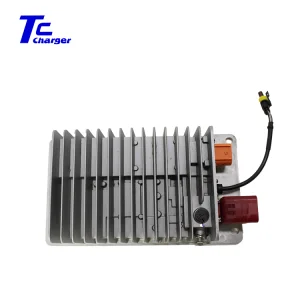
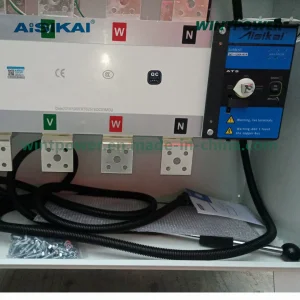
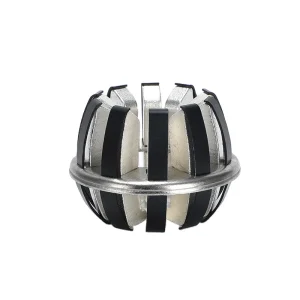
Explore our state-of-the-art power conversion, voltage regulation, harmonic mitigation, and electrical safety components for global industrial projects.
Procurement of utility-scale power supply and distribution equipment is subject to strict regulatory compliance, quality verification, and risk management. To ensure project success, international engineering firms, EPC contractors, and distributors should evaluate the following procurement criteria:
Different target markets demand specific certification pathways. For instance, European deployments require CE marking, North American projects require UL standards, Australia requires SAA certification, Korea requires KC validation, and Japan requires the PSE mark. Sourcing products without these credentials exposes buyers to severe legal liabilities and potential grid connection failures. Ensure your manufacturer provides third-party verified test reports for every product batch.
Power conversion systems, particularly DC-DC converters and active harmonic filters, generate substantial heat during peak operation. Verify that the supplier employs advanced thermal modeling (such as finite element analysis) and uses high-grade components. This includes high-temperature rated copper coils, military-grade capacitors, and robust Over-Temperature Protection (OTP) and Over-Voltage Protection (OVP) circuits.
Standard off-the-shelf equipment rarely integrates seamlessly into complex existing grids or custom enclosures. Global procurement managers should choose partners with proven engineering capabilities in cabinet customization, structural stamping, busbar configurations, and control software integration.
By partnering with Zhejiang Sowest Electric Co., Ltd., global enterprises gain access to a vertically integrated, certified manufacturer. This partnership mitigates technical and logistical risks, enabling smooth grid integrations and long-term operating reliability.
Review detailed answers to technical questions about power factor correction, harmonic mitigation, automatic transfer switching, and EV infrastructure design.
 Sowest Electric