Optimize system reliability and grid compatibility with our high-end power distribution units, automatic transfer switches, and active power filters engineered for demanding renewable energy infrastructures.
The global transition toward clean, sustainable energy has positioned photovoltaic (PV) systems at the very core of modern power generation grids. As the brain of any PV system, solar inverters are responsible not only for converting direct current (DC) produced by solar panels into grid-compatible alternating current (AC) but also for managing grid stability, optimizing power output through Maximum Power Point Tracking (MPPT), and ensuring overall electrical safety. For global procurement officers, engineering, procurement, and construction (EPC) contractors, and industrial developers, sourcing from top-tier Chinese solar inverter manufacturers has become the strategic standard to achieve scalability, cost efficiency, and advanced technological reliability.
EEAT Insight: In modern grid integration, the choice of an inverter is not merely a component purchase—it is a critical decision that influences system lifetime performance, grid compliance, and system-wide protection strategy. Companies like Zhejiang Sowest Electric Co., Ltd. are bridging the gap by delivering integrated solutions that merge advanced inverters with high-reliability power distribution and dynamic power quality control systems.
China is home to the world’s most integrated power electronics supply chain, controlling over 80% of global manufacturing capacity for key solar components. This technological concentration provides a dual advantage: immediate access to state-of-the-art semiconductor topologies, such as Silicon Carbide (SiC) and Gallium Nitride (GaN) components, alongside optimized raw material sourcing. However, to maximize project return on investment (ROI), global buyers must evaluate manufacturers based on far more than just nominal prices. They must analyze hardware durability, grid-compliance capabilities, reactive power compensation integration, and localization support mechanisms.
How geographical synergy, precision automation, and scale economies drive technical innovation and structural cost advantages in Chinese factories.
The preeminence of China in the global solar inverter manufacturing market is sustained by several critical industrial factors. In regions like Zhejiang and Jiangsu, a complete industrial cluster exists within a two-hour logistics circle. This encompasses high-frequency transformer suppliers, magnetic core manufacturers, copper winding processors, sheet metal fabrication centers, and leading semiconductor packaging facilities. This logistical integration eliminates international transport delays for raw sub-assemblies, minimizes inventory holding costs, and permits rapid engineering changes during prototype development.
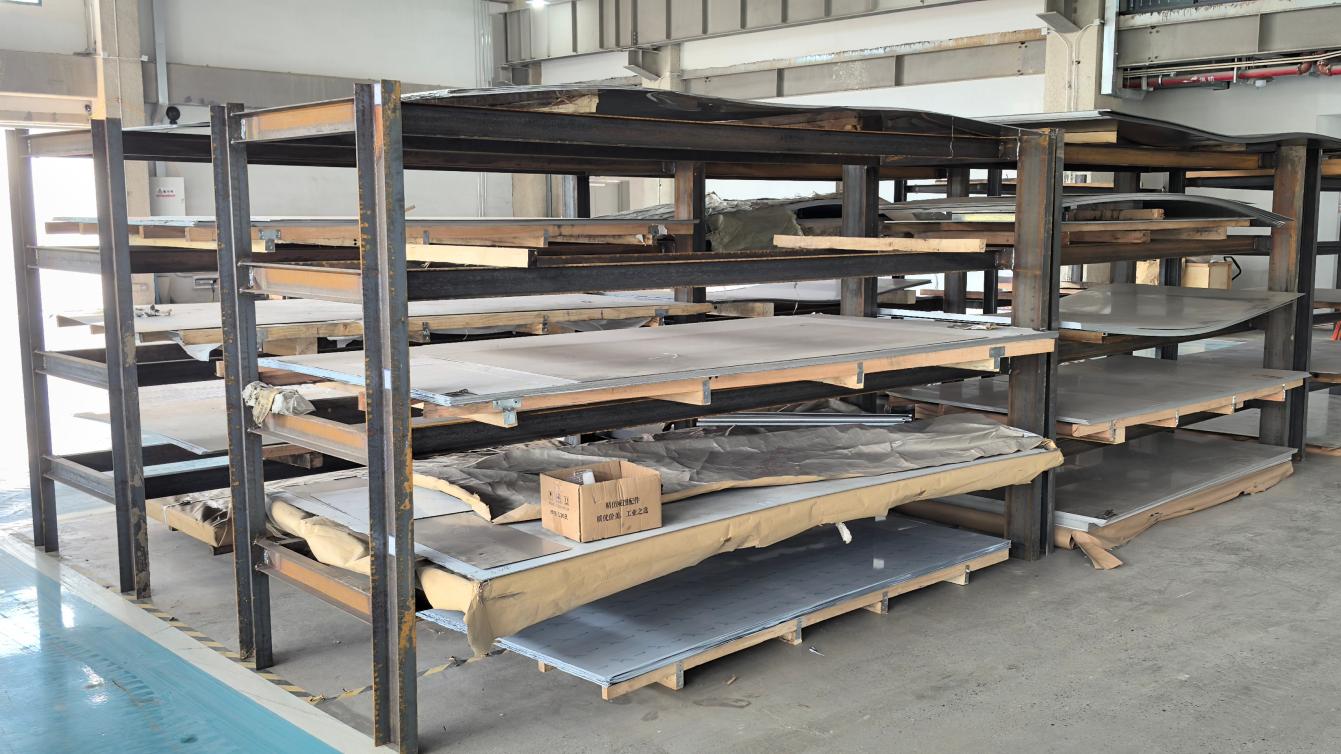
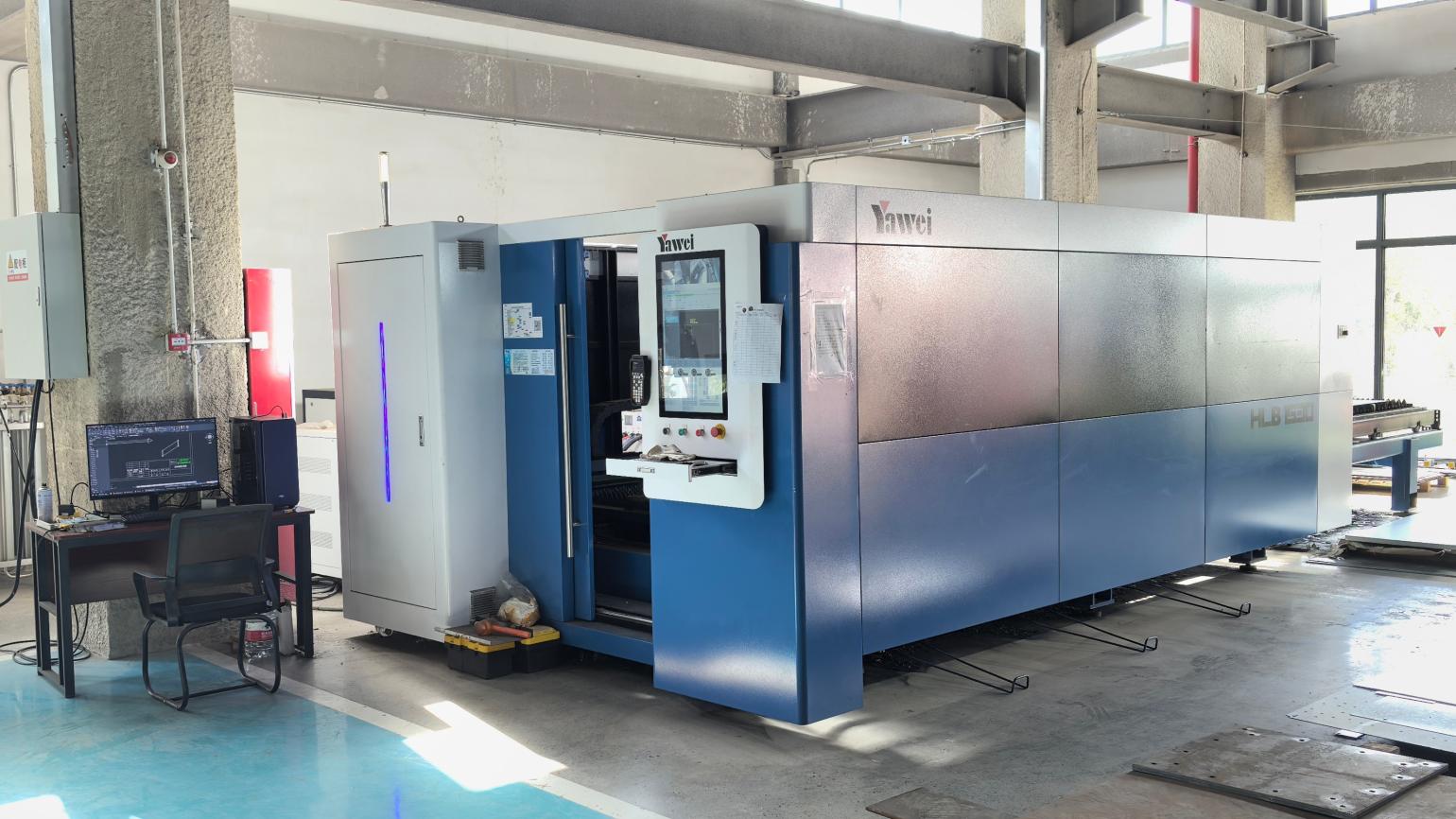
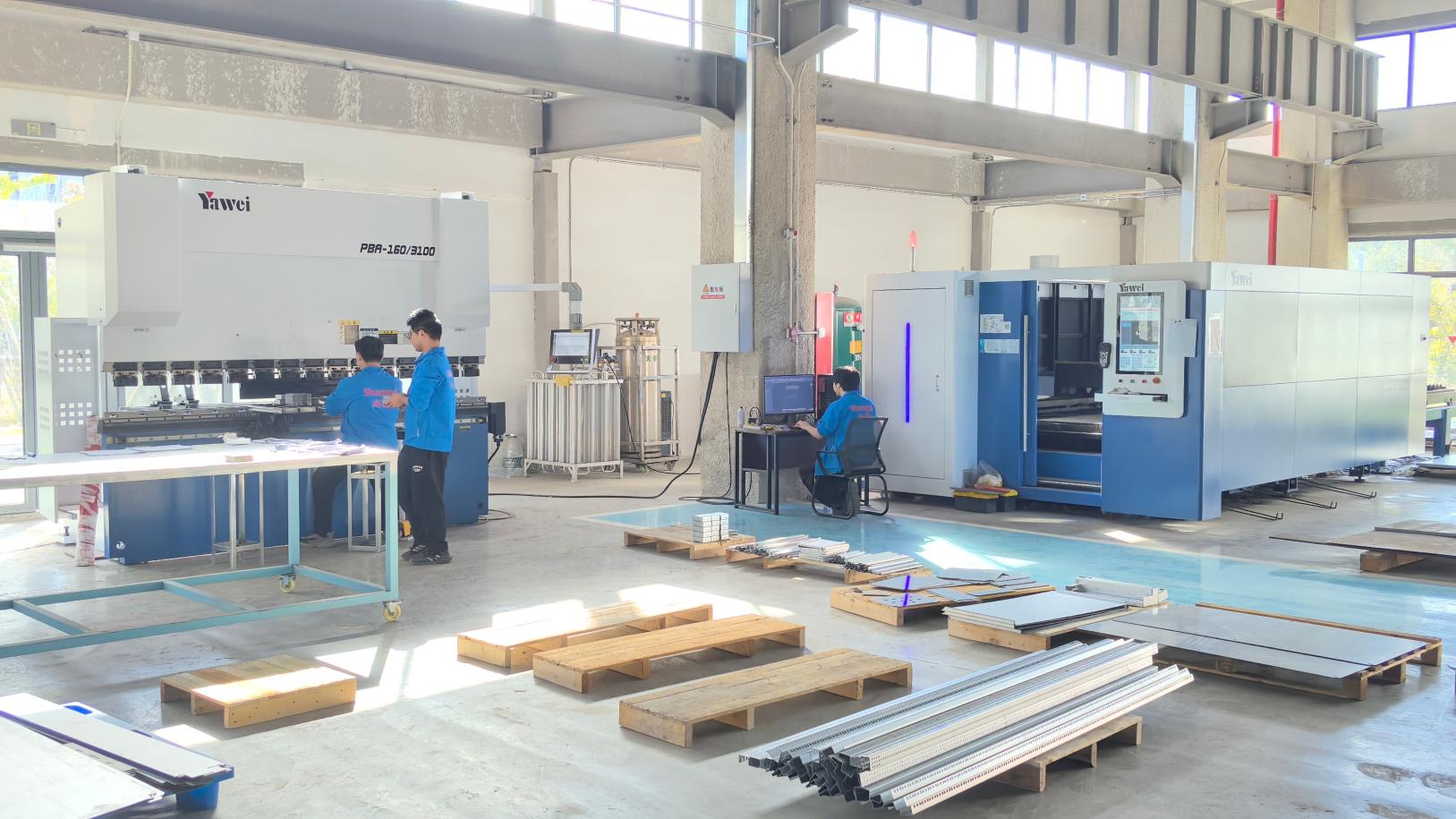
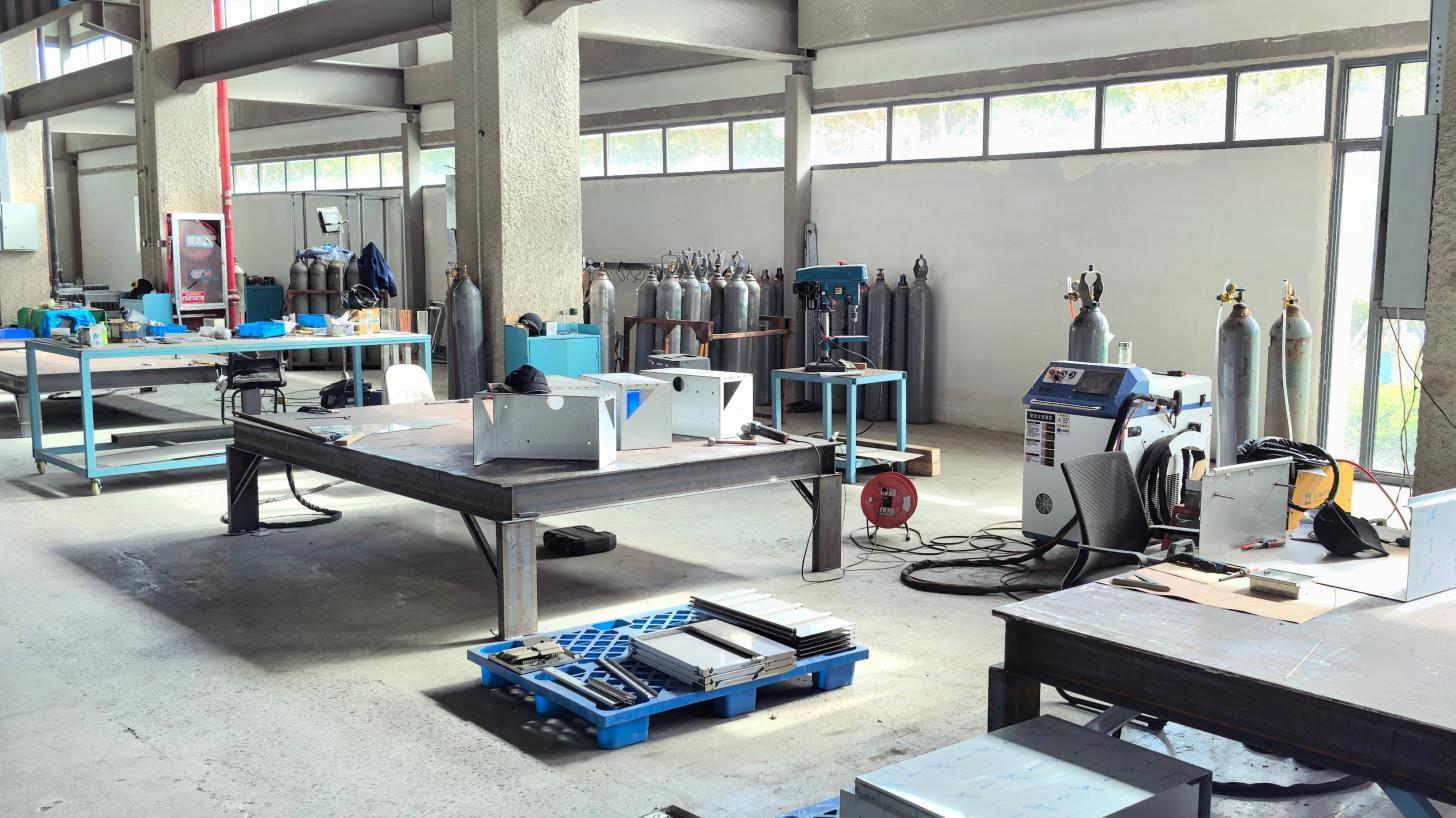
Furthermore, leading enterprises such as Zhejiang Sowest Electric Co., Ltd. have invested heavily in high-precision automated machinery. The assembly lines utilize advanced CNC laser cutters, automatic dispensing machines for environmental sealing (essential for IP65/IP66 outdoor inverters), multi-axis punching presses, and automated testing rigs. This automation ensures high geometric tolerance consistency and repeatable soldering quality, directly minimizing the risk of thermal runaway in high-power converter circuits.
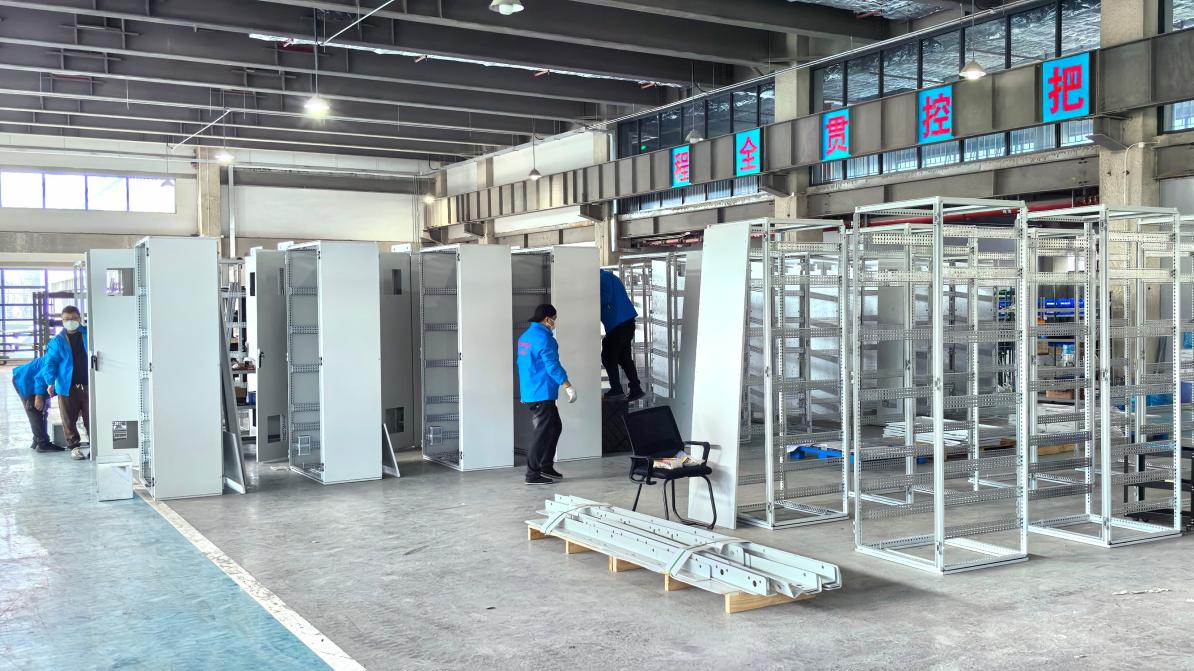
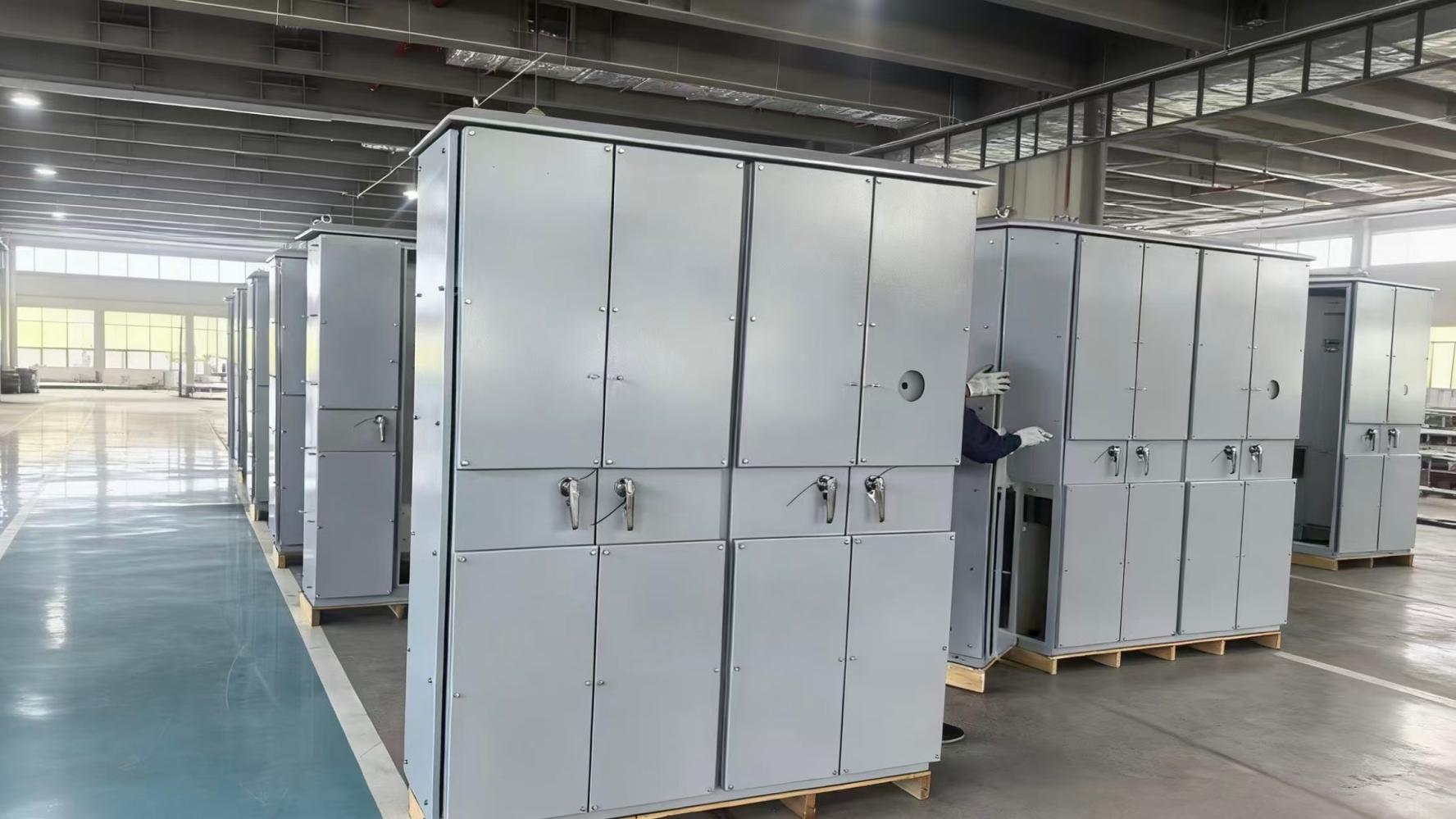
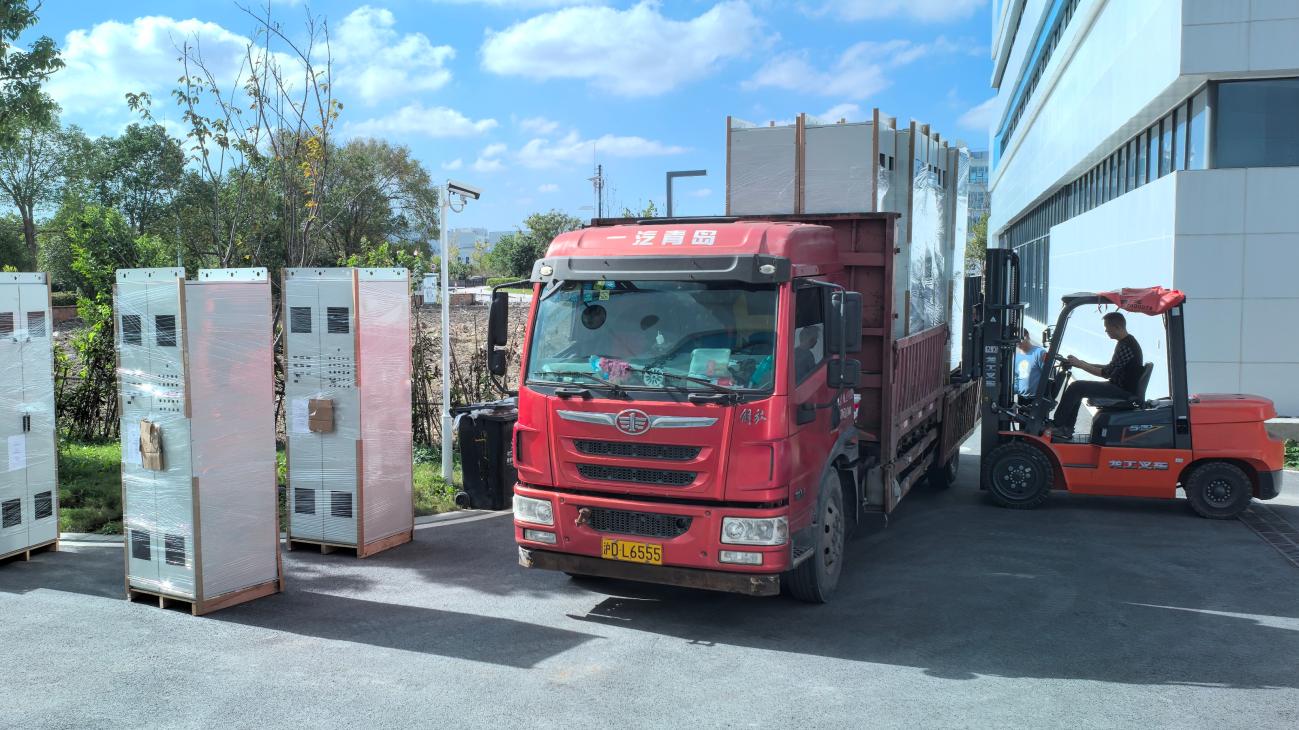
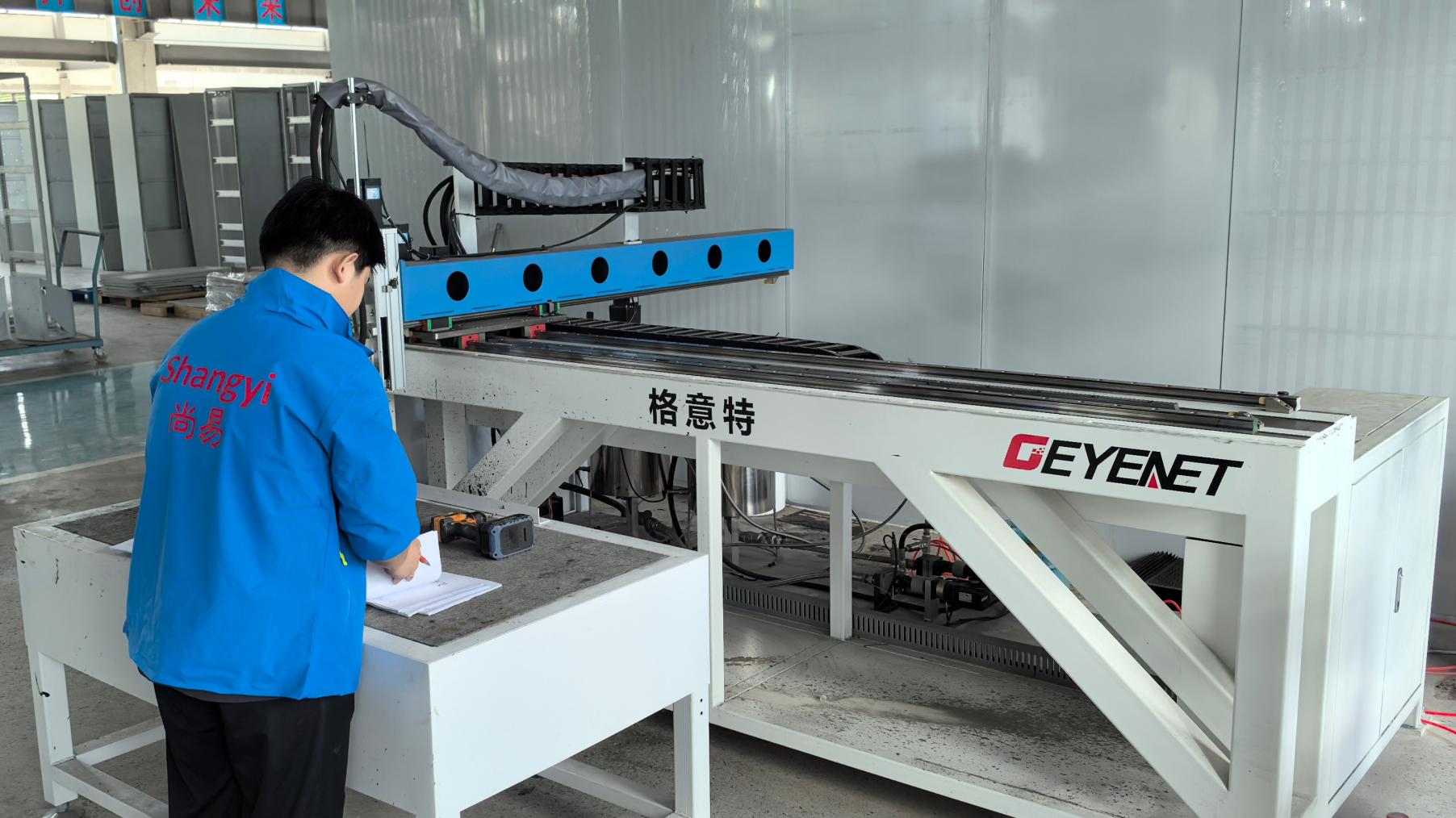
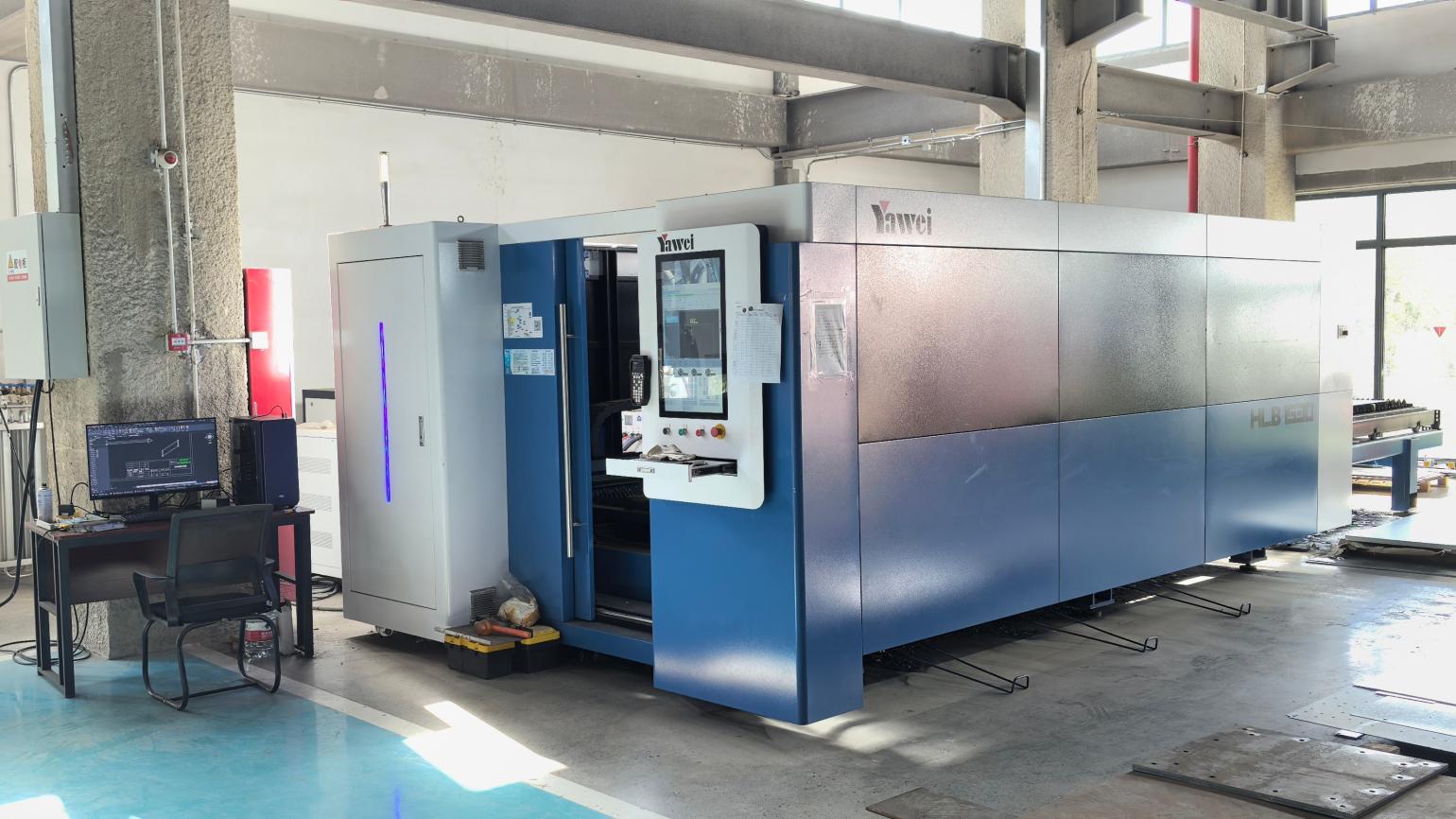
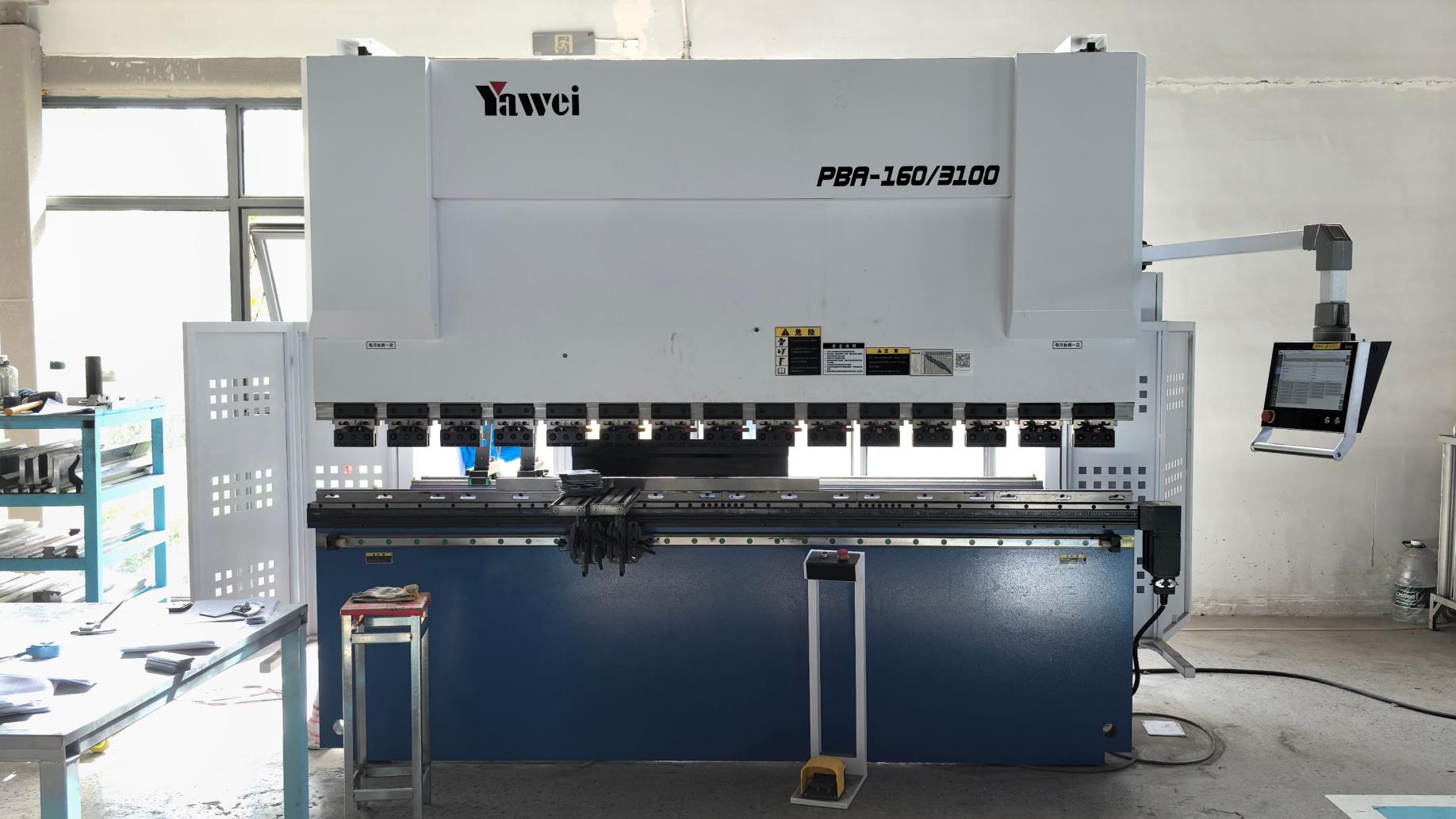
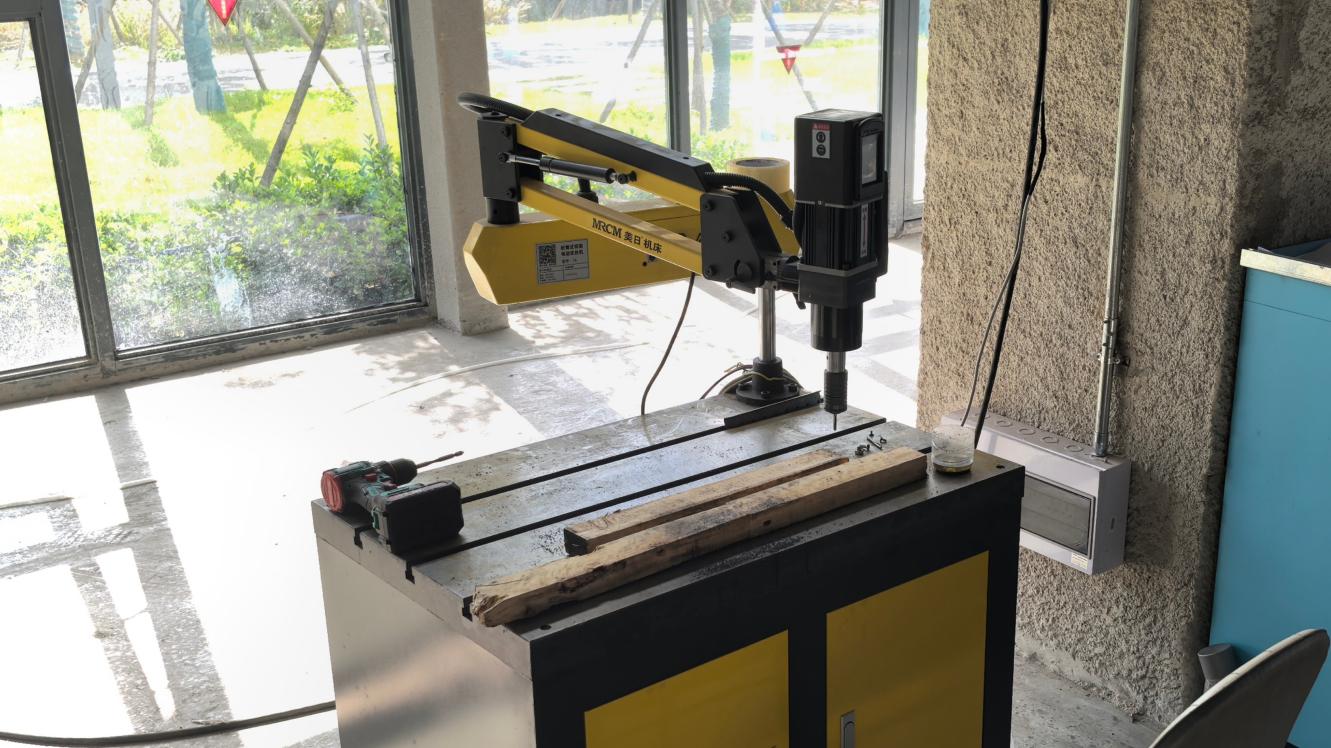
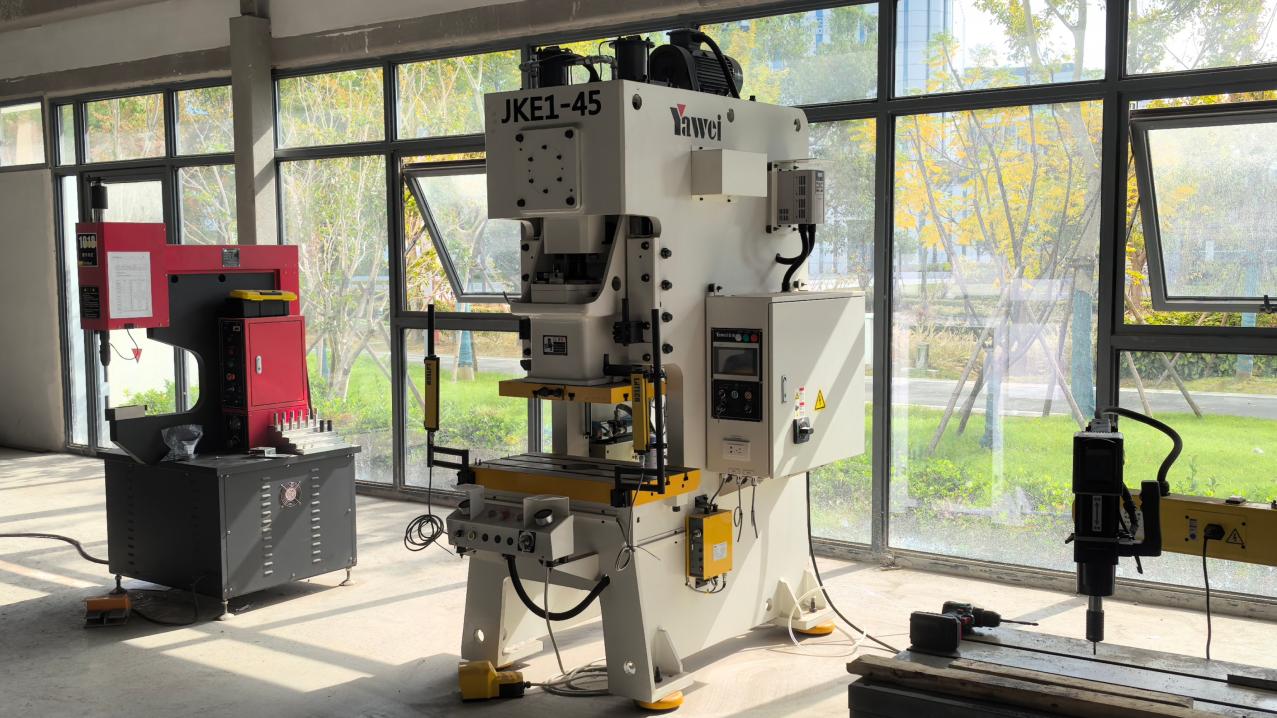
Solar installation is not isolated; it requires robust power quality mitigation, voltage regulation, and transient protection systems to survive harsh electrical environments.
A persistent challenge faced by solar EPC contractors is the presence of high Total Harmonic Distortion (THD) and low power factor at the point of common coupling (PCC). When solar inverters feed power into industrial plants with heavy non-linear loads (such as variable frequency drives or welding machinery), harmonic frequencies can distort voltage waves, leading to premature aging of capacitors, transformer overheating, and random tripping of protective relays.
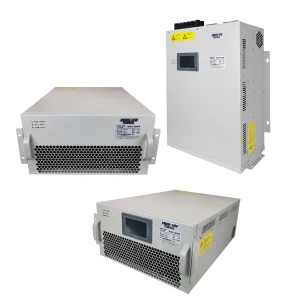
To address this, comprehensive manufacturers recommend deploying parallel active power management architectures. By integrating Active Power Filters (APF) and Static Var Generators (SVG) into the distribution panels, systems can achieve dynamic, real-time harmonic mitigation up to the 50th order and step-less reactive power compensation. This integration maintains a near-unity power factor (>0.99) and keeps voltage THD well below the 5% threshold defined by IEEE 519 standards.
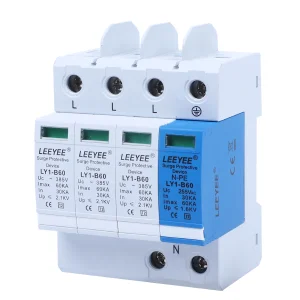
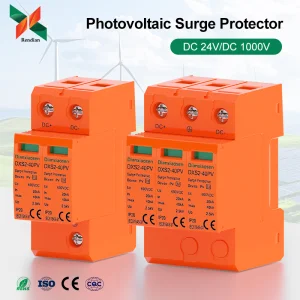
Furthermore, transient overvoltages triggered by lightning strikes or high-power switching events pose a catastrophic risk to solar string inverters. Protecting both the DC inputs (PV arrays) and AC outputs is mandatory. Utilizing specialized 2P Solar Photovoltaic SPDs (Surge Protective Devices) rated up to 1000V DC and Type 2 AC SPDs in the main changeover cabinets ensures transient currents are safely shunted to the ground, shielding expensive inverter control boards from dielectric breakdown.
Deploying solar equipment globally demands strict adherence to localized grid codes, safety directives, and comprehensive communication interoperability.
Every localized energy market is defined by its regulatory framework. In North America, equipment must satisfy UL 1741 (including smart inverter function requirements under IEEE 1547-2018) and NEC rapid shutdown rules. In Europe, CE marking, EN 50549, and local national standards like VDE-AR-N 4105 (Germany) dictate grid reconnection behavior, anti-islanding parameters, and low-voltage ride-through (LVRT) capabilities. Australia enforces AS/NZS 4777.2 compliance, which mandates sophisticated active power response modes.
A reliable Chinese manufacturer must offer localized firmware versions pre-configured for these regional grid profiles. This local adaptability extends to data communication: inverters must seamlessly integrate with local SCADA systems via Modbus RTU, Modbus TCP, or DNP3 protocols. Moreover, remote communication capabilities enable real-time parameter tuning, power curtailment commands from grid operators, and proactive diagnostic scanning (such as remote IV-curve tracing) without requiring physical on-site maintenance crews.
From complex industrial microgrids to unstable rural utility connections, our components are designed to withstand extreme environments and deliver uninterrupted power.
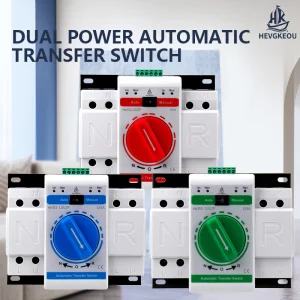
C&I installations often combine solar arrays, battery storage, and emergency diesel generators. During utility grid outages, the system relies on high-capacity Automatic Transfer Switches (ATS) to transition critical loads in milliseconds, preventing data loss or process disruption while maintaining strict synchronization between the inverter and the generator backup.
Heavy machinery operation triggers severe voltage sags and harmonics. Deploying a centralized Active Harmonic Filter (AHF) and Static Var Generator (SVG) cabinet at the plant's main service entrance shields the solar inverter from line-side distortion, optimizing thermal performance and extending the service life of internal switching transistors.
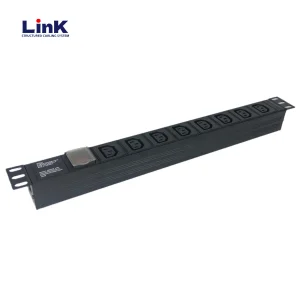
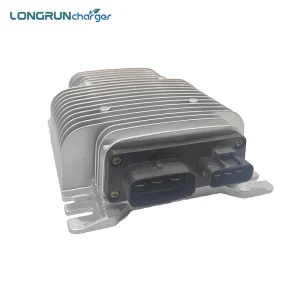
Remote telecom base stations require extreme DC voltage stability. Our DC-DC Buck Converters and custom Power Distribution Units (PDUs) step down high-voltage battery banks or solar arrays to stable 12V/24V levels, maintaining clean power paths for radio transmitters under diverse meteorological conditions.
Discover the technical shifts redefining solar energy generation, battery integration, and grid support mechanisms over the next decade.
The global solar market is rapidly shifting from pure grid-tied systems to dynamic energy storage configurations. Hybrid inverters (inverter chargers) capable of bi-directional power conversion are becoming the standard for C&I and residential projects alike. These systems incorporate advanced MPPT tracking alongside lithium-battery management systems (BMS), ensuring smooth transition between grid, PV, and battery power assets.
Simultaneously, grid operators are demanding active participation from solar assets. Virtual Power Plant (VPP) compatibility, dynamic frequency response, and active black-start capabilities are shifting from premium features to baseline regulatory demands. Sourcing components that support high-resolution telemetry, such as smart PDUs, isolation transformers with low-saturation designs, and intelligent ATS systems, ensures that PV installations remain future-proof against tightening grid requirements.
Expert answers to common engineering and sourcing questions regarding Chinese solar inverters and distribution hardware.
Active Power Filters monitor the load current in real time, generate a compensation current of the exact opposite phase to any detected harmonics, and inject it back into the system. This mitigates current harmonics (THDi) and stabilizes the voltage wave. As a result, the solar inverter operates in a clean electrical environment, avoiding premature shutdowns, overheating, and capacitor degradation caused by harmonic distortions.
Traditional capacitor banks provide stepped reactive power compensation and are prone to resonance issues under harmonic conditions. An SVG uses power semiconductor switches (such as IGBTs) to dynamically generate or absorb reactive power. It provides continuous, step-less compensation in milliseconds, handles unbalanced three-phase loads, and will not cause resonance or harmonic amplification.
Isolation transformers create complete electrical isolation between the solar inverter output and the utility grid. This isolates DC bias, blocks common-mode noise, limits short-circuit fault currents, and protects the sensitive inverter switching circuits from high-voltage surges coming from the grid side.
Enterprises like Sowest Electric apply rigorous testing protocols, including high-temperature burn-in tests, cyclic thermal chambers, salt spray tests for coastal corrosion resistance, vibration testing for transport safety, and full load simulation with regenerative grid emulators. These tests guarantee that each finished assembly meets strict international standards (CE, ISO, IEC) before shipment.
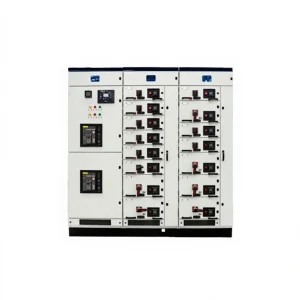
Discover our complete range of medium-to-low voltage integration equipment designed to optimize grid connection efficiency, distribution stability, and lightning protection.
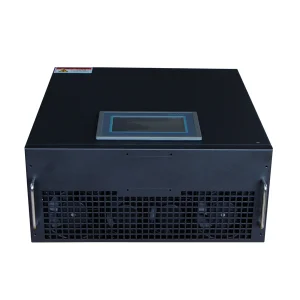
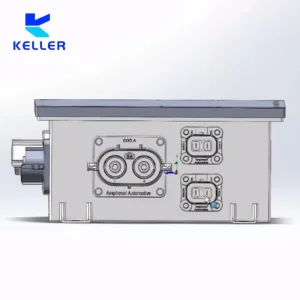
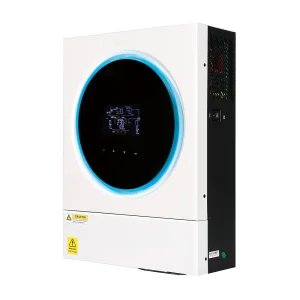
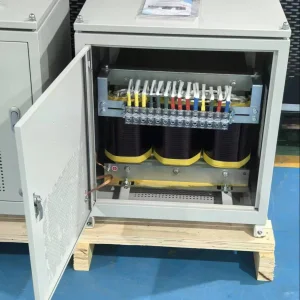
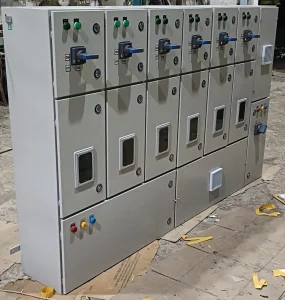
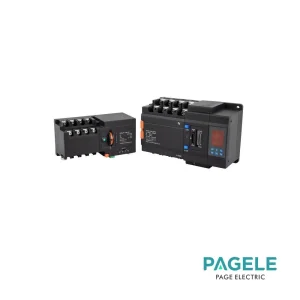
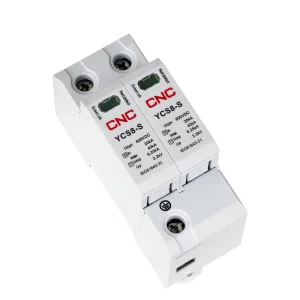
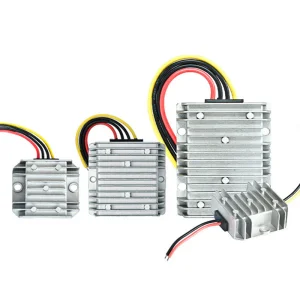
Engineering excellence and manufacturing robust, intelligent power equipment for global industrial, commercial, and utility applications.
Zhejiang Sowest Electric Co., Ltd. is a modern and innovative enterprise specializing in the research, development, manufacturing, and sales of power supply and electrical distribution equipment. With a strong commitment to technological innovation, product quality, and customer satisfaction, the company has established itself as a reliable partner for power generation, transmission, distribution, industrial automation, transportation, petrochemical, telecommunications, and infrastructure projects worldwide.
Our core product portfolio includes AC/DC Power Supply Panels, DC Power Systems, UPS (Uninterruptible Power Supply) Systems, Battery Chargers, DC Distribution Panels, AC Distribution Panels, Central Signal Panels, Power Monitoring Systems, Circuit Breakers, Power Feeding Panels, and other integrated power supply solutions. These products are widely applied in substations, power plants, industrial facilities, data centers, rail transit systems, and renewable energy projects.
The company is supported by a highly qualified team of engineers, technicians, and industry experts with extensive experience in power electronics and electrical engineering. Equipped with advanced manufacturing facilities, modern production lines, and comprehensive testing equipment, Sowest Electric ensures that every product meets stringent quality standards and international performance requirements.
Guided by the principles of integrity, professionalism, innovation, and mutual growth, Zhejiang Sowest Electric continuously invests in research and development to deliver efficient, intelligent, and reliable power solutions. The company has established a complete quality management system and adheres to strict production and inspection processes to guarantee product safety, stability, and long-term reliability.
Our corporate philosophy is centered on excellence, customer value, and sustainable development. We are dedicated to creating value for customers, opportunities for employees, returns for stakeholders, and positive contributions to society. Through continuous technological advancement and service improvement, we strive to help our customers achieve greater operational efficiency and energy reliability.
In the era of global economic integration, Zhejiang Sowest Electric remains focused on its strategic vision of professional R&D, intelligent manufacturing, and global marketing. By leveraging innovation, quality, and international cooperation, the company is steadily advancing toward its goal of becoming a globally recognized brand in the power supply and electrical equipment industry.
Zhejiang Sowest Electric Co., Ltd. – Powering Reliability, Driving Innovation.
 Sowest Electric