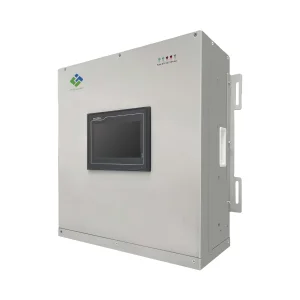
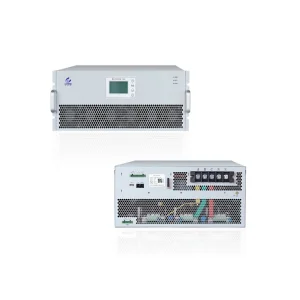
Pre-engineered compensation modules and dynamic cabinets designed to match utility requirements under extreme operating conditions.
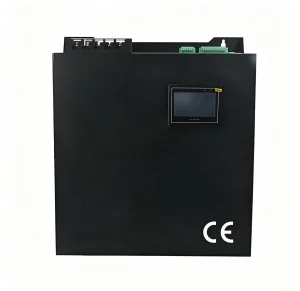
Brazil boasts one of the greenest electrical grids globally, yet its transition to renewable energy sources introduces unique stability risks. Wind farms in the Northeast (Nordeste region) and large-scale utility solar installations in states like Minas Gerais and Bahia feed volatile power into the National Interconnected System (SIN - Sistema Interligado Nacional). This decentralization triggers severe local voltage fluctuations, transient instability, and grid congestion.
Additionally, Brazil's heavy industries—ranging from massive iron ore mining operations in Pará and steel processing plants to automotive hubs in São Paulo—demand massive, rapid inductive load currents. Conventional capacitor banks cannot keep pace with these high-speed dynamic shifts. When industrial power factors fall below the regulatory threshold of 0.92, factories face severe economic penalties from energy utilities under the ANEEL (Agência Nacional de Energia Elétrica) Normative Resolution 1.000.
To secure transmission capacity and avoid heavy monthly utility penalties, importing reliable, fast-response Static Var Generators (SVG) has transitioned from an operational upgrade to a regulatory necessity for Brazilian commercial and industrial operations.
A comparative look at dynamic response times, capacity maintenance, and active grid support features under fluctuating voltage.
| Performance Feature | Traditional Capacitor Banks | Static Var Compensator (SVC - TCR/TSC) | Zhejiang Sowest Static Var Generator (SVG) |
|---|---|---|---|
| Response Time | 20 seconds to several minutes | 20ms to 40ms | < 5ms (dynamic instantaneous correction) |
| Reactive Output Characteristics | Fixed steps, prone to over/under compensation | Continuous step-less adjustment, slow tracking | Bidirectional, step-less reactive current injection (-1 to +1) |
| Low Voltage Performance | Output drops quadratically with voltage ($Q \propto V^2$) | Output drops quadratically with voltage ($Q \propto V^2$) | Maintains nominal current output even at highly depressed voltages |
| Harmonic Mitigation | Resonance risks with system harmonics | Requires extra passive harmonic filters | Cleans harmonics concurrently (up to 50th order) |
| Physical Footprint | Extremely large space requirements | Large, requires custom reactor rooms | Ultra-compact modular design, up to 70% space saving |
Utilizing high-frequency Insulated Gate Bipolar Transistors (IGBTs) switching at kHz rates, our SVGs simulate a variable current source to cancel reactive currents instantly.
Unlike passive LC filters or standard capacitors, the SVG is active and acts as a dynamic current injector, rendering it immune to parallel and series grid resonance.
Our SVG seamlessly shifts from generating capacitive reactive power (leading PF) during high-load periods to absorbing inductive reactive power (lagging PF) during light load cycles.
Our commitment to engineering precision and global power electronics standards verified by local field performance.
Custom-tailored active reactive power compensations engineered for specific operating constraints.
States: Minas Gerais, Pará
Heavy duty ball mills, crushers, and arc furnaces inject violent reactive swings and cause voltage flicker. Our high-voltage SVGs restore local bus voltages, ensuring uninterrupted machinery operation and compliance with ONS grid standards.
States: São Paulo, Paraná
Extensive biomass co-generation systems require fast, precise excitation management. By deploying modular active compensators, mills stabilize their grid interconnection points, protecting delicate variable speed motor controllers from tripping.
States: Bahia, Ceará, Rio Grande do Norte
Variable cloud cover and wind speed drops cause unpredictable voltage ramping. Our medium-voltage SVG systems provide continuous dynamic voltage control to comply with the stringent Low-Voltage Ride-Through (LVRT) grid codes.
As a modern, innovative enterprise specializing in power distribution and electrical transmission solutions, Zhejiang Sowest Electric Co., Ltd. is a globally trusted brand. We partner with industrial operators, engineering contractors, and utilities across Europe, Asia, and the Americas to supply advanced power quality solutions.
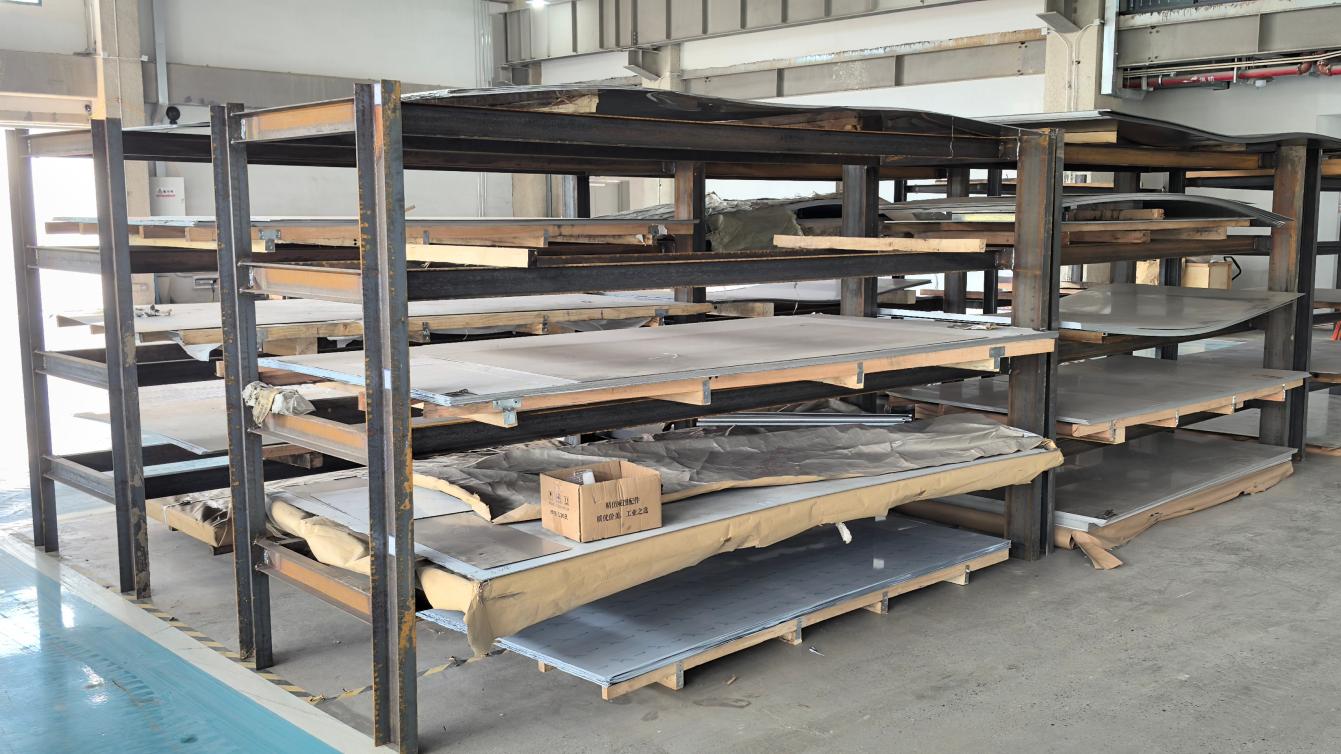
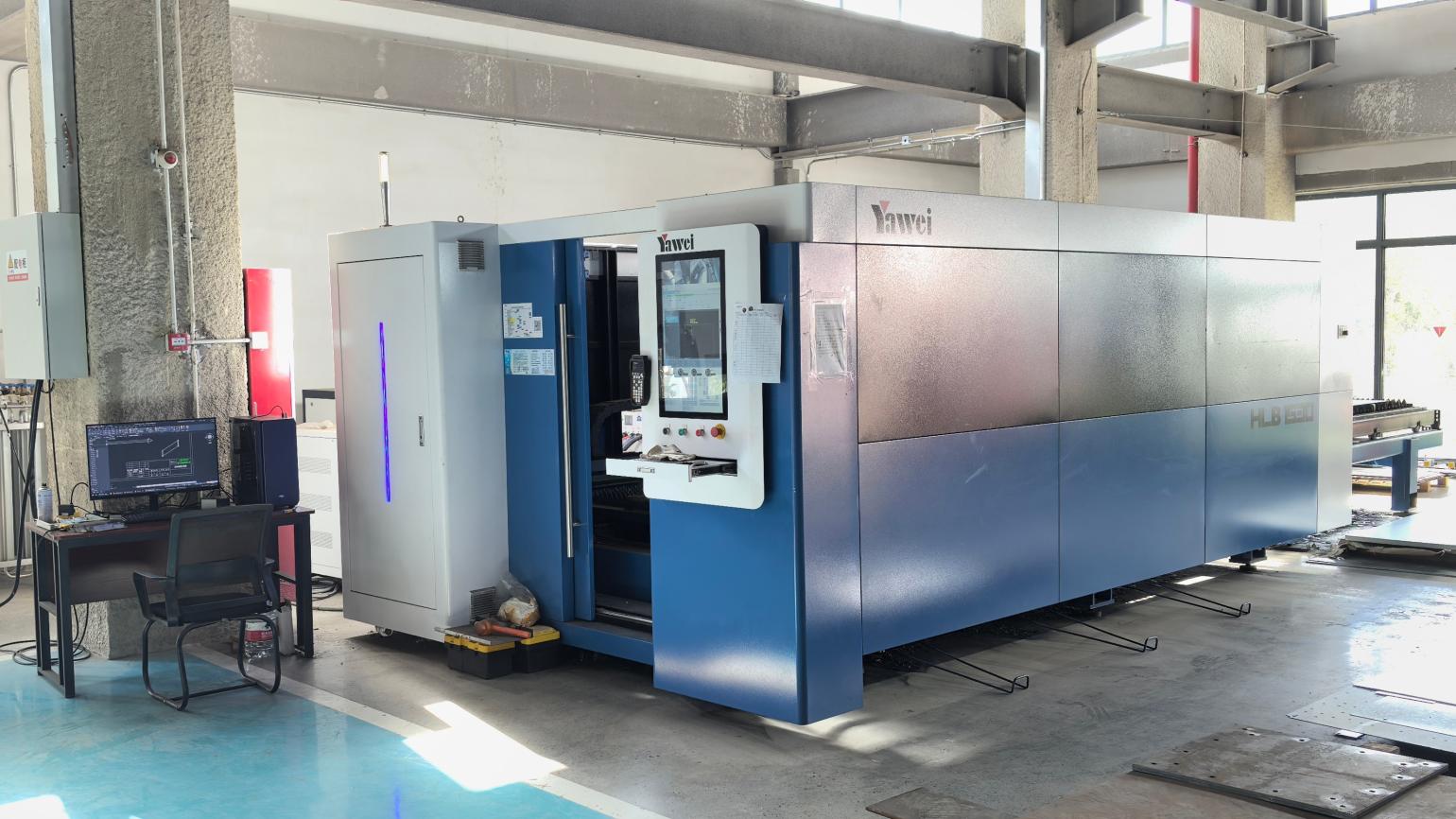
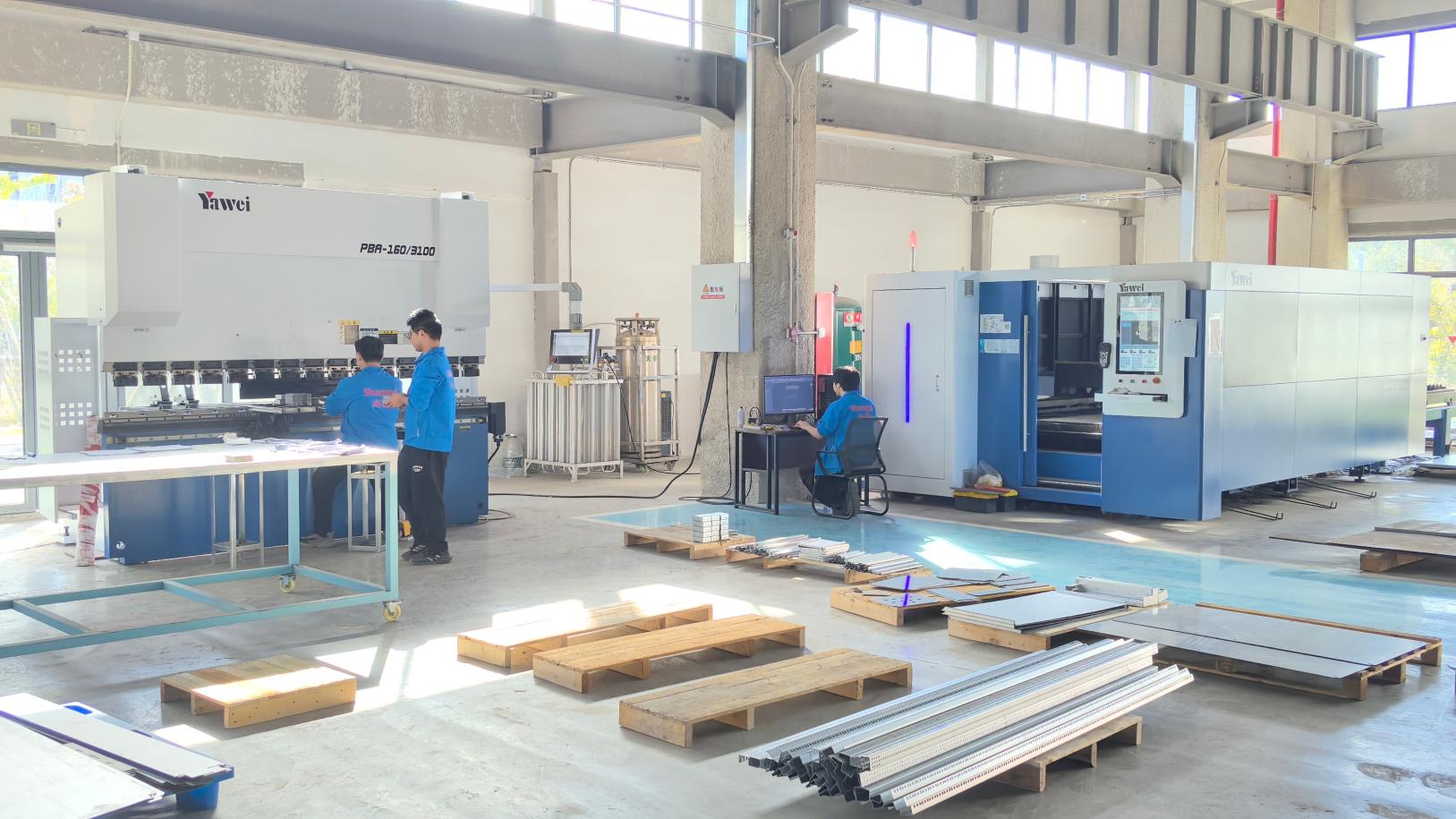
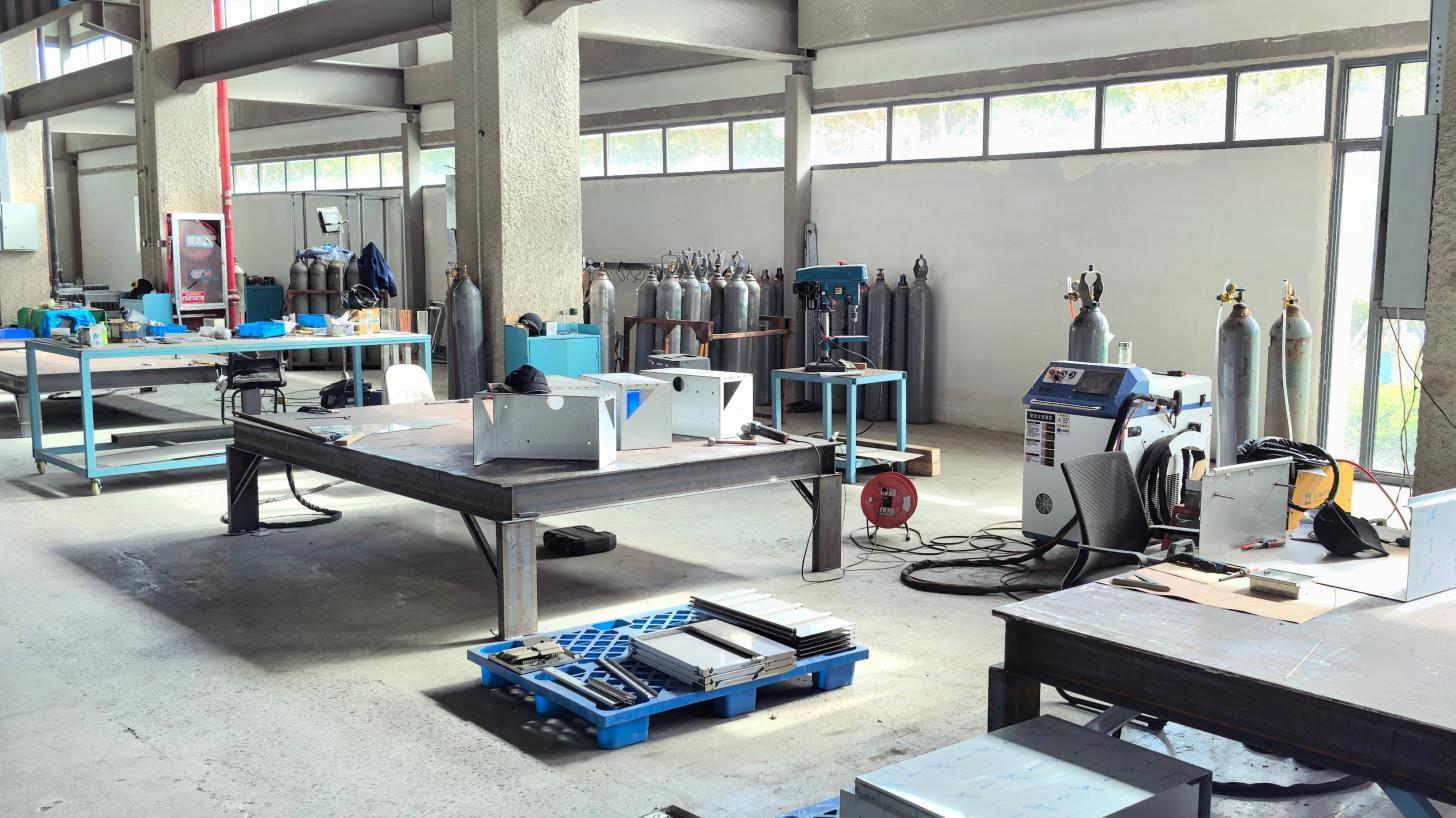
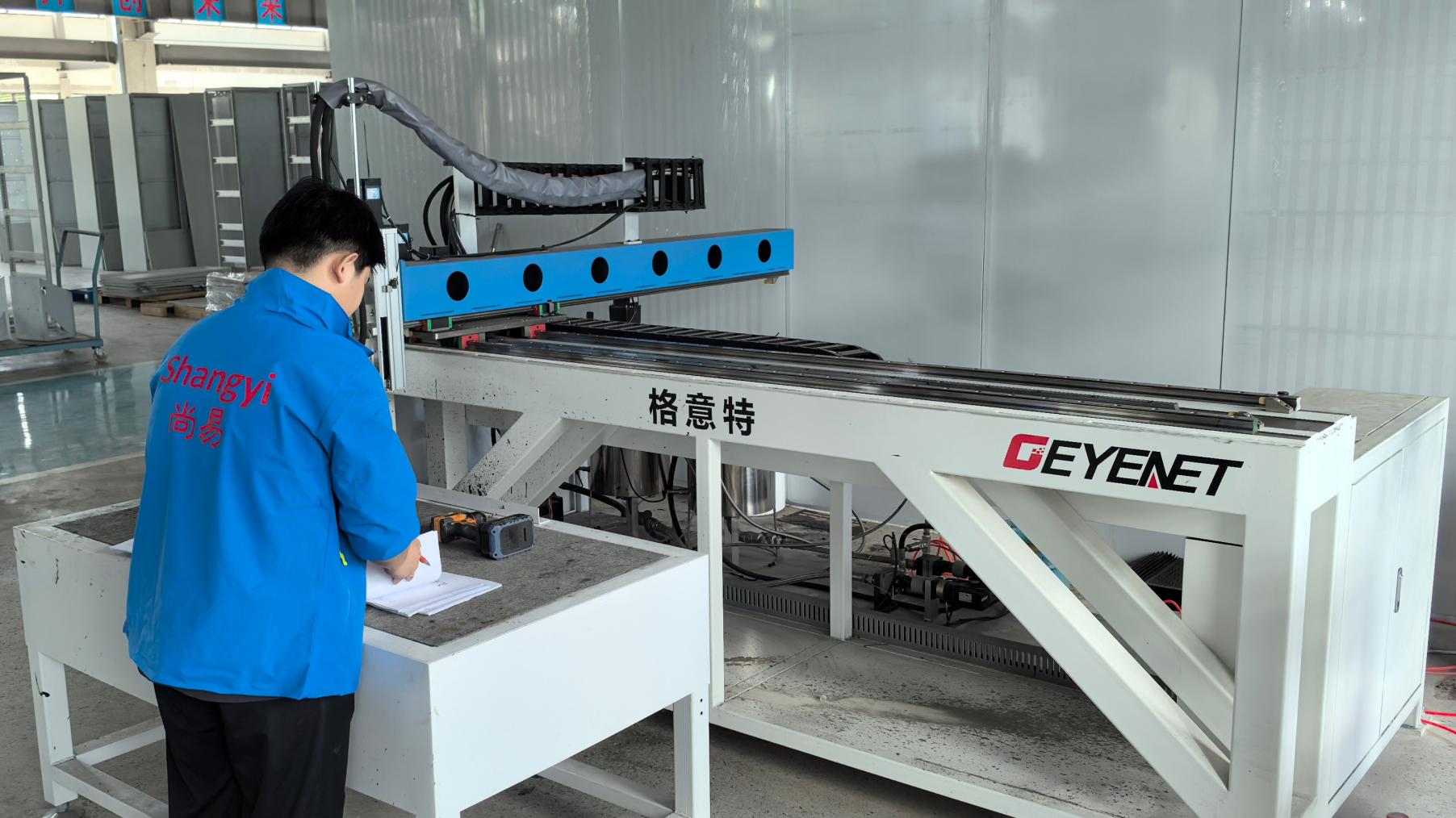
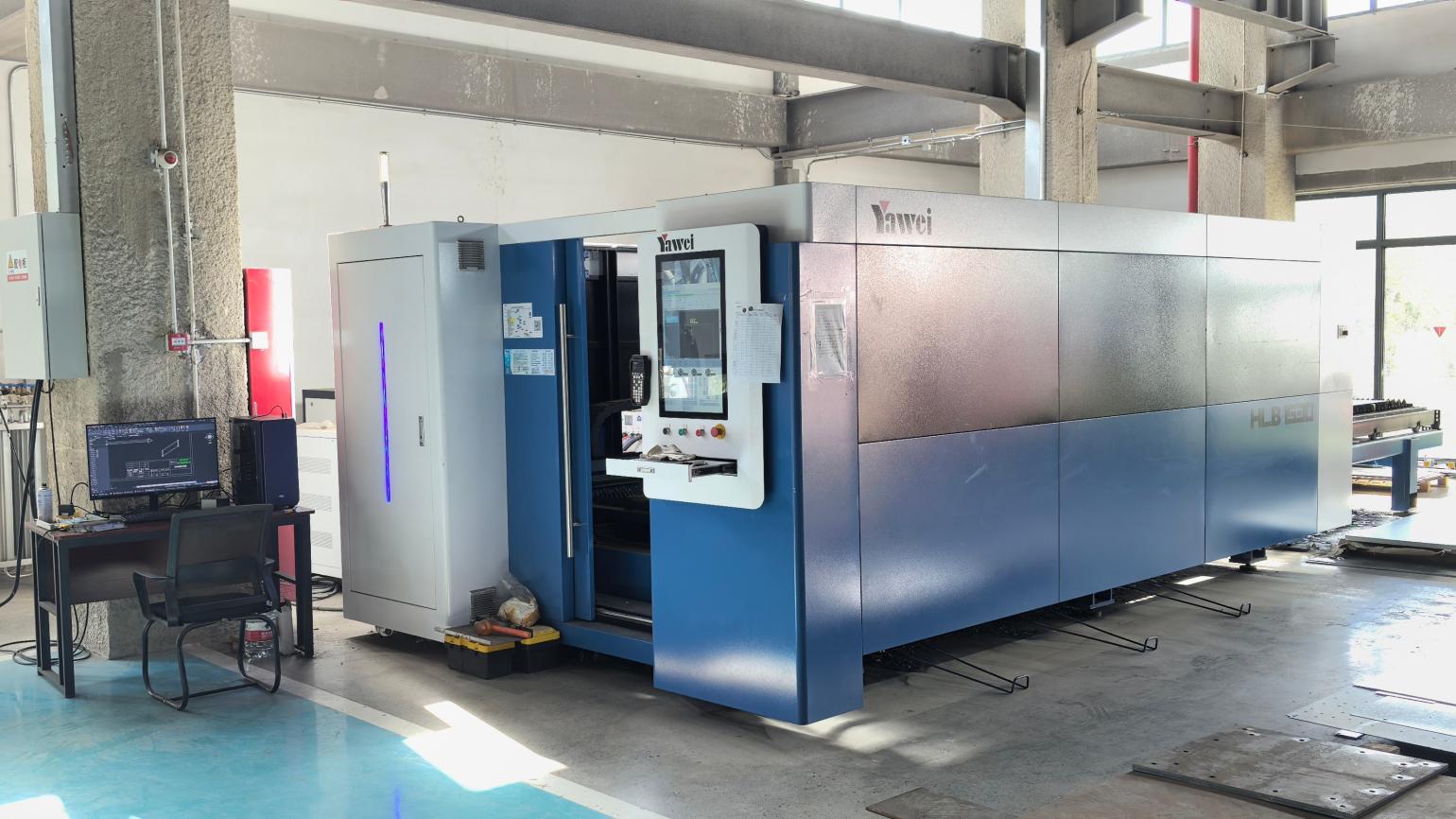
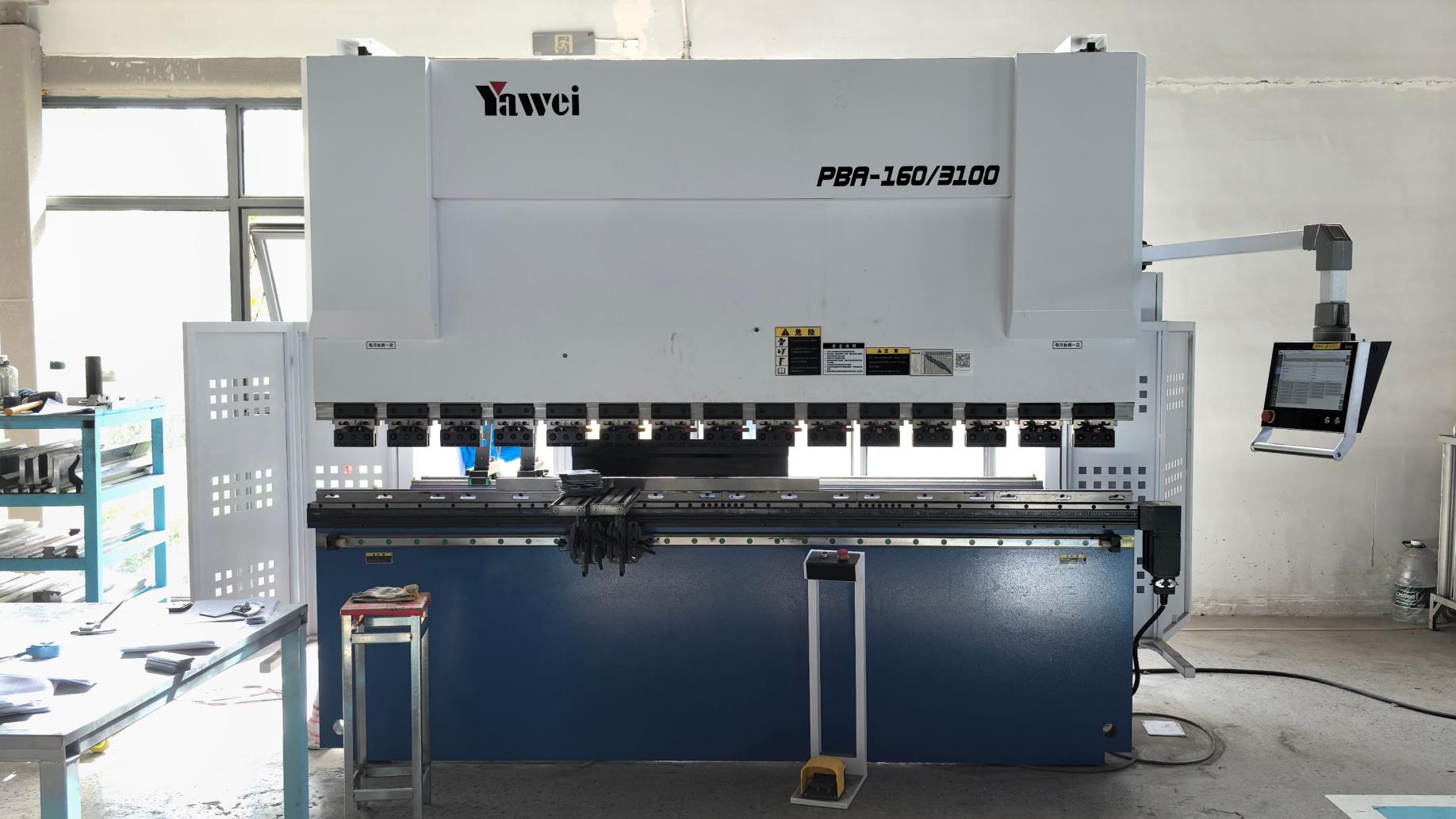
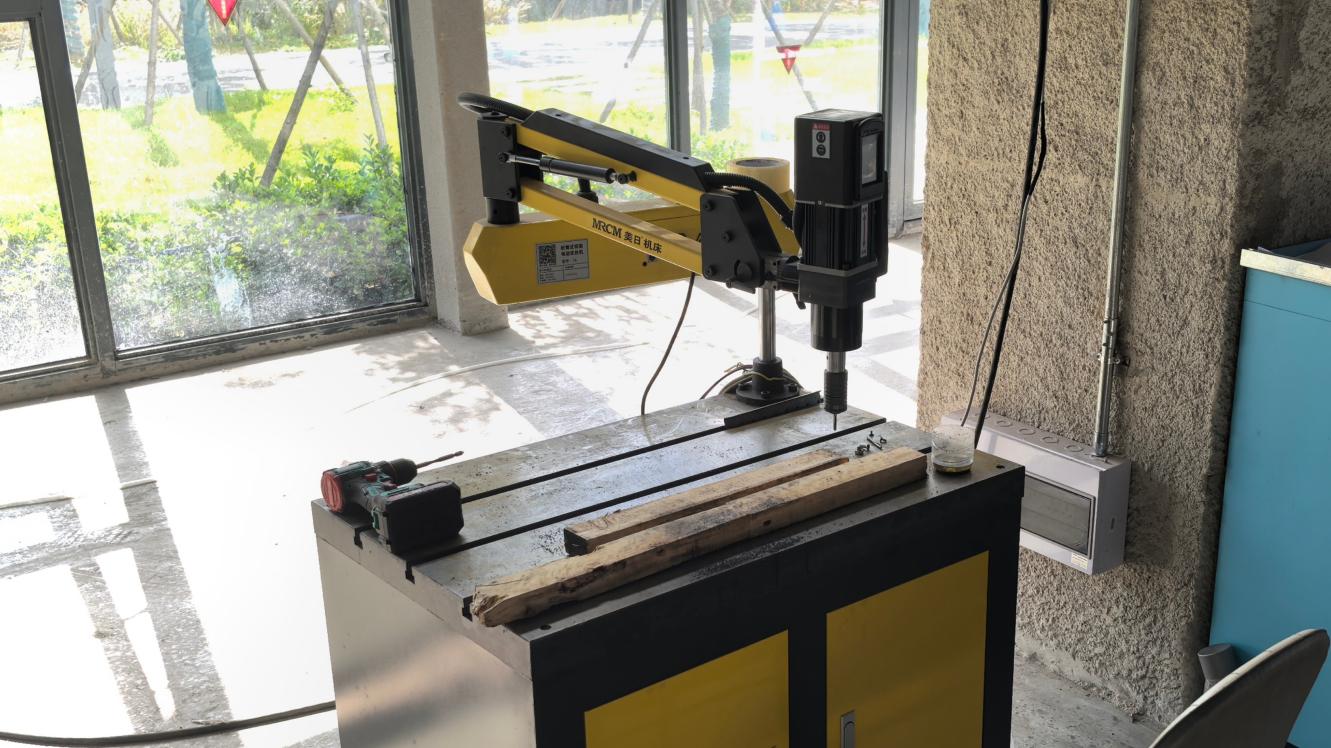
Our manufacturing complex is outfitted with state-of-the-art sheet metal production machinery, cleanroom assembly lines, and high-voltage testing bays. Our operations are certified under ISO 9001, ISO 14001, and ISO 45001 management systems, guaranteeing that every SVG module leaving our facility complies with international IEC standards and local Brazilian NBR requirements.
With an engineering team dedicated to power electronics research, we continuously pioneer innovations in IGBT thermal management, digital signal processing algorithms, and structural enclosure protection.
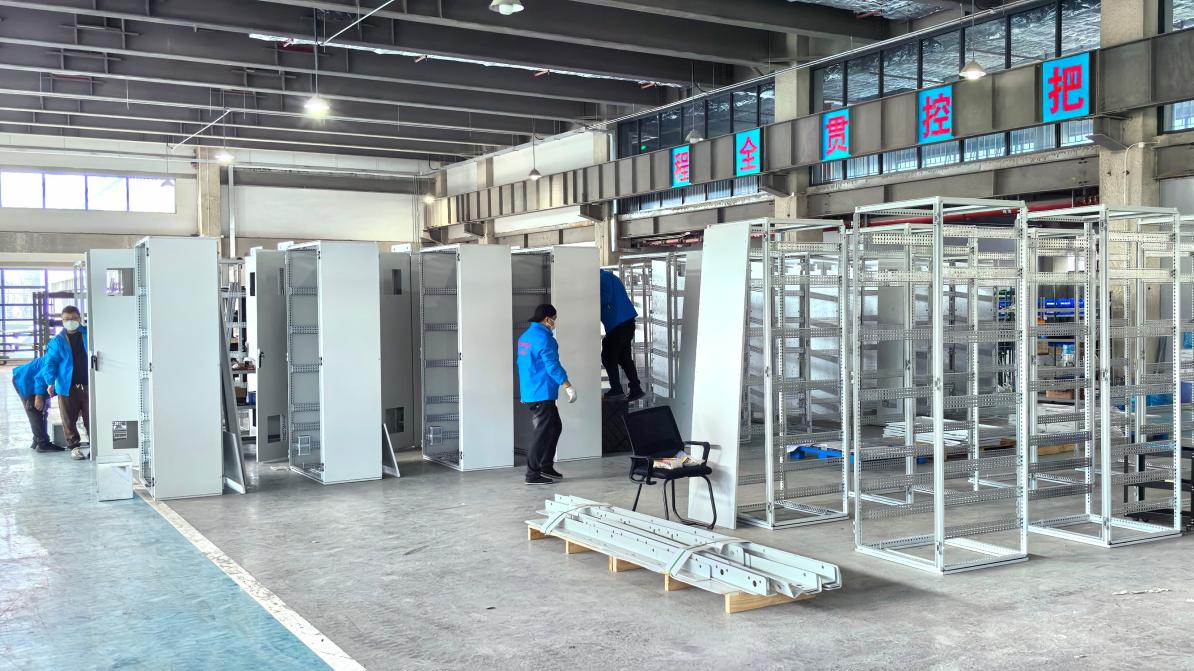
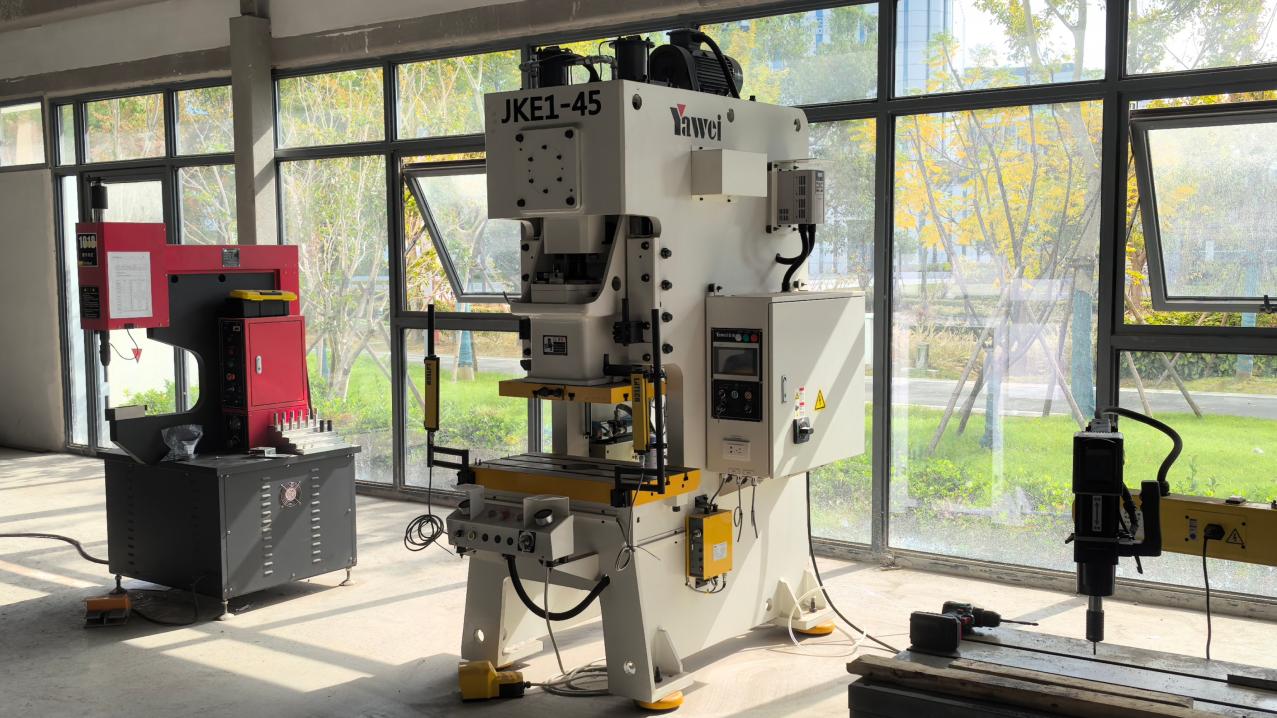
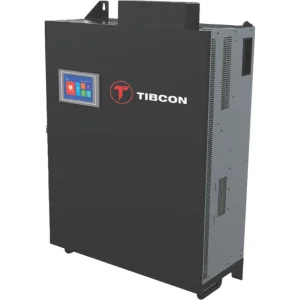
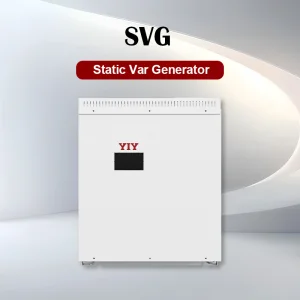
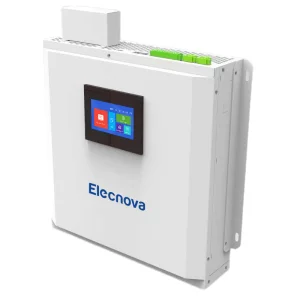
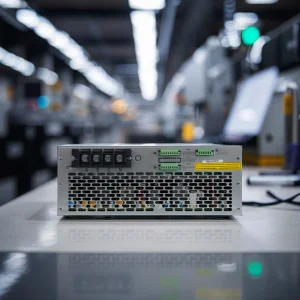
Browse our selection of active harmonic filters, modular SVGs, high-voltage compensators, and auxiliary industrial charge-neutralization tools.
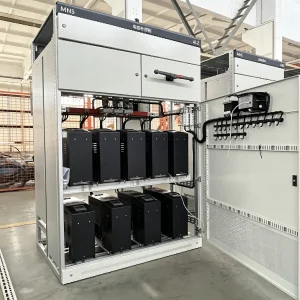
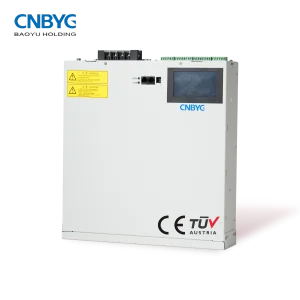
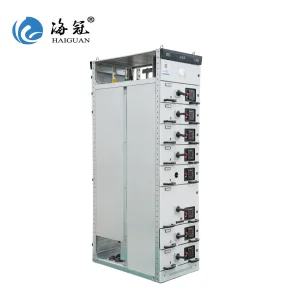
Need customized engineering layout designs or direct container shipping quotes to Brazilian ports (Santos, Paranaguá, Rio Grande)?
Contact Our Engineering Office NowOvercoming the complexities of the Brazilian customs environment (Desembaraço Aduaneiro) and grid standard alignment.
We supply accurate Harmonized System codes (NCM - Nomenclatura Comum do Mercosul), formal factory test reports, and raw material certificates to minimize import processing time.
All units are designed and tested according to international standard IEC 61000-4-30 and local Brazilian safety standards, ensuring trouble-free authorization by localized utility engineers.
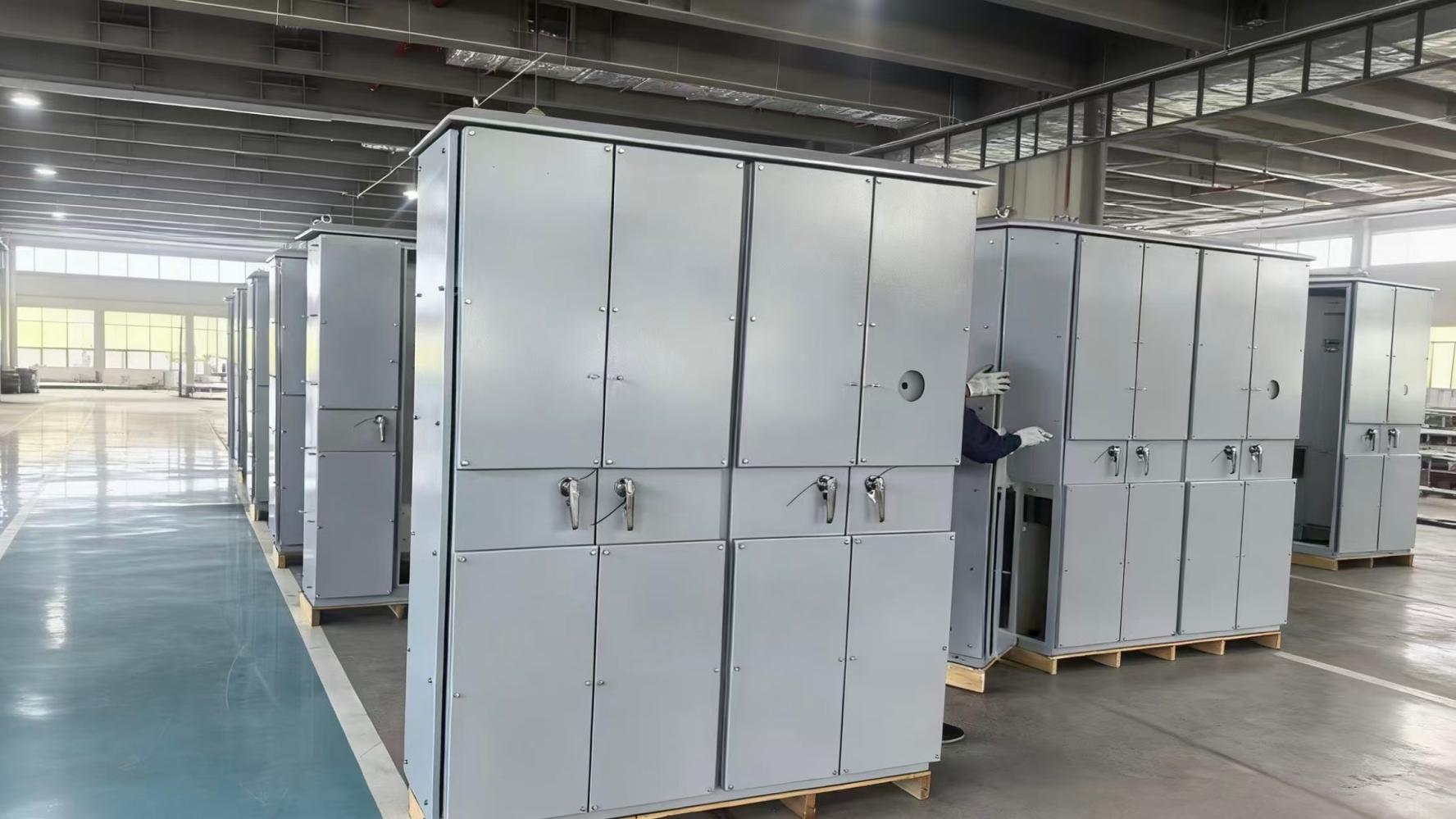
Our enclosures feature internal anti-condensation heating elements, IP54 ingress protection, and optimized fan-forced cooling layouts to ensure stability in tropical climates.
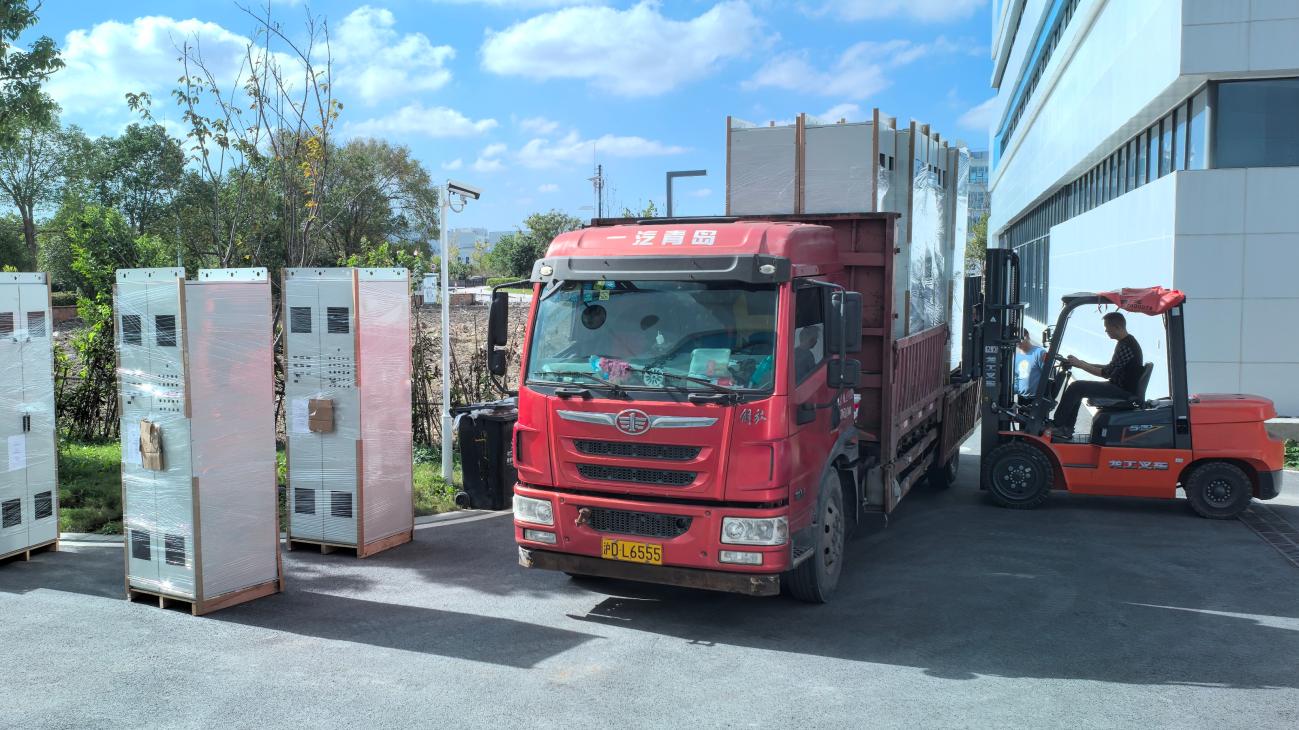
Importing capital-grade electrical infrastructure into Brazil requires meticulous coordination. Our logistics department coordinates closely with Brazilian freight forwarders to facilitate smooth customs transit. We arrange optimal container packing patterns to protect high-frequency semiconductor components from maritime humidity.
Whether you require FOB from Ningbo/Shanghai or complete CIF/CIP delivery options to your project sites in Rio de Janeiro or São Paulo, our export team coordinates all technical specifications and compliance protocols prior to dispatch, eliminating potential project delays.
The evolutionary trajectory of smart compensation systems designed to meet future smart-grid infrastructure expectations.
Transitioning from silicon-based IGBTs to SiC MOSFET switch elements to reduce operational switching losses by up to 40% and increase overall energy density.
Implementing embedded predictive learning algorithms to analyze local industrial load patterns, dynamically adjusting compensation before transients occur.
Deploying cellular and Ethernet interface gateways to stream system parameter data to central control panels, facilitating predictive maintenance.
Combining dynamic SVG modules with classic capacitor steps in integrated enclosures, delivering high-speed dynamic tracking at lower total capital costs.
Common questions from design consultants, substation project managers, and industrial procurement agents regarding SVG deployment.
A capacitor bank's reactive power output decreases quadratically if the grid voltage drops ($Q \propto V^2$). Consequently, when the grid needs compensation most, the capacitor's output is at its lowest. An SVG functions as a controlled current source, injecting rated reactive current even if the terminal voltage drops significantly, providing critical support during low-voltage ride-through events.
ANEEL Resolution 1.000 demands that industrial users keep their power factor (PF) between 0.92 inductive and 0.92 capacitive, measured hourly. Traditional systems adjust in coarse steps, risking over-compensation (capacitive penalties) or under-compensation. An SVG provides smooth, step-less reactive adjustments, continuously maintaining a targeted 0.99 power factor under fast-changing loads.
Yes. Our SVGs feature co-existence control schemes. The existing capacitor banks provide baseline static compensation, while the SVG dynamically adjusts for fast load changes and cancels harmonics, protecting the capacitor banks from harmonic overload and resonance issues.
Our Active Power Filter (APF) and Advanced SVG (ASVG) models can filter out harmonic currents from the 2nd up to the 50th order, including the 3rd, 5th, 7th, 11th, and 13th harmonics, which are common in grids using VFDs, large UPS systems, and solar inverters.
Yes. We offer standard NEMA 1/12 and IP31 configurations, as well as outdoor IP54 and IP55 options. These enclosures include anti-condensation heating elements, tropicalized circuit boards, and specialized air filters to prevent internal damage in coastal and high-humidity areas.
To design an SVG system, we require details on the local grid voltage (e.g., 380V, 440V, 480V, 4.16kV, 13.8kV), the target load profile, active harmonic trends (if available via energy loggers), current transformer ratio location, and environmental protection requirements.
Our products are designed and certified to meet key international standards, including CE marking, IEC 61000-4-30 (power quality measurement), IEC 62040, and associated IEEE 519 criteria, facilitating integration into Brazilian industrial grids.
Standard modules are manufactured within 3 to 4 weeks. Custom high-voltage configurations require 6 to 8 weeks for assembly, testing, and tropicalization, followed by maritime shipping (approximately 35 to 45 days) to major Brazilian ports like Santos or Paranaguá.
 Sowest Electric