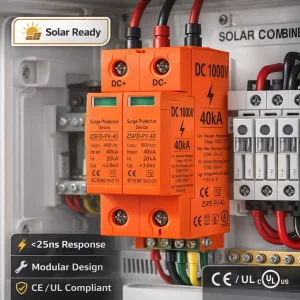
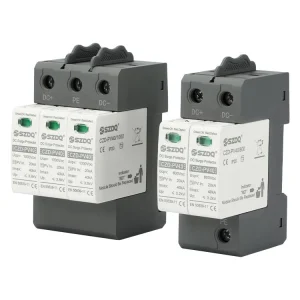
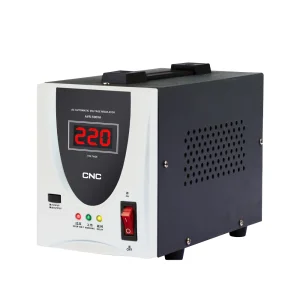
Explore our top-tier active power factor correction, harmonic filters, solar surge protection, and voltage stabilization components manufactured under strict global standards.
In the rapidly changing landscape of global electricity distribution, energy systems require far more than conventional cabling. Busbars—solid metal bars that conduct high levels of electrical current within switchgears, distribution panels, and power plants—represent the foundational backbone of reliable power networks. As micro-grids grow more complex, renewable energy penetrations rise, and data centers consume unprecedented volumes of energy, China's manufacturing sector has risen to meet the demand. Custom busbar engineering, characterized by high-grade material selection, precise CNC forming, and state-of-the-art insulation processes, is paramount to maintaining safe operational parameters and avoiding thermal runaway.
Zhejiang Sowest Electric Co., Ltd. stands at the intersection of this industrial evolution. As a premier manufacturer and exporter, we specialize in high-current distribution equipment, engineered custom busbar networks, power conditioning equipment, and dynamic voltage regulators. Our core design ethos addresses critical engineering bottlenecks, including skin effect mitigations, electrical clearance optimization, short-circuit mechanical endurance, and high-degree environmental protection. Our capabilities encompass everything from basic solid-copper configurations to highly specialized laminated, sandwich-type, and flexible busbar lines that meet the strict requirements of UL 891 and IEC 61439-1 standards.
Choosing the correct conductor material is vital to building an efficient power system. Traditionally, standard ETP (Electrolytic Tough Pitch) Copper (UNS C11000) has been the default material because of its 101% IACS electrical conductivity and resistance to ambient corrosion. However, weight constraints and budget limitations in EV busbar designs or large utility-scale solar farms have prompted engineers to consider high-grade electrical Aluminum (Grade 6101/1350). While aluminum has approximately 61% of copper's conductivity, it weighs 70% less, offering significant structural advantages. Our factory engineers evaluate structural mechanical stress under short-circuit currents (Icw), thermal dissipation capacities, and cost constraints to help clients choose between copper and aluminum configurations.
| Performance Characteristic | Copper (ETP UNS C11000) | Aluminum (EC Grade 1350 / 6101) | Engineering Impact & Best Applications |
|---|---|---|---|
| Electrical Conductivity | 101% IACS (58 MS/m) | 61% IACS (35.5 MS/m) | Copper minimizes cross-sectional area requirements. Highly crucial for dense data center racks. |
| Thermal Expansion Coeff. | 16.5 x 10^-6 / K | 23.1 x 10^-6 / K | Aluminum exhibits larger expansion loops; requires flexible expansion joints in long structural runs. |
| Tensile Yield Strength | 200–260 MPa | 80–120 MPa | Copper withstands higher mechanical shear stress during short-circuit conditions (high Ipk). |
| Oxidation Layer Behavior | Conductive tarnish layer | Highly resistive Al2O3 layer | Aluminum joints require specialized surface plating (silver/tin) and bi-metallic connectors to prevent galvanic corrosion. |
Our engineering expertise scales from heavy-duty power grids to highly compact, high-frequency digital system architectures across the globe.
Providing low-impedance laminated busbar trunking systems for high-density server racks. Prevents signal distortion, lowers voltage drop, and interfaces perfectly with intelligent PDUs, UPS units, and active harmonic filters.
Designing multi-layer laminated busbar systems with low stray inductance (<5 nH) for wide-bandgap (SiC/GaN) traction converters. Reduces EMI spikes and maximizes high-voltage EV battery efficiency.
Enabling wind power generator nacelles and solar photovoltaic utility-scale combiners to withstand extreme temperature ranges and rapid power fluctuations with custom insulated busbars.
In high-frequency power electronics, standard solid copper bars can generate parasitic inductance. This inductance leads to voltage spikes that can damage costly IGBT or SiC power switches during turn-off phases. The solution lies in laminated busbar designs, where thin, conductive layers are pressed together with high-temperature dielectric films (such as Nomex or Kapton). This layered construction ensures overlapping current paths, which encourages magnetic field cancellation and minimizes overall circuit inductance. Sowest Electric uses advanced hot-press machines to bond these layers, ensuring zero delamination even under thermal cycling up to 125°C.
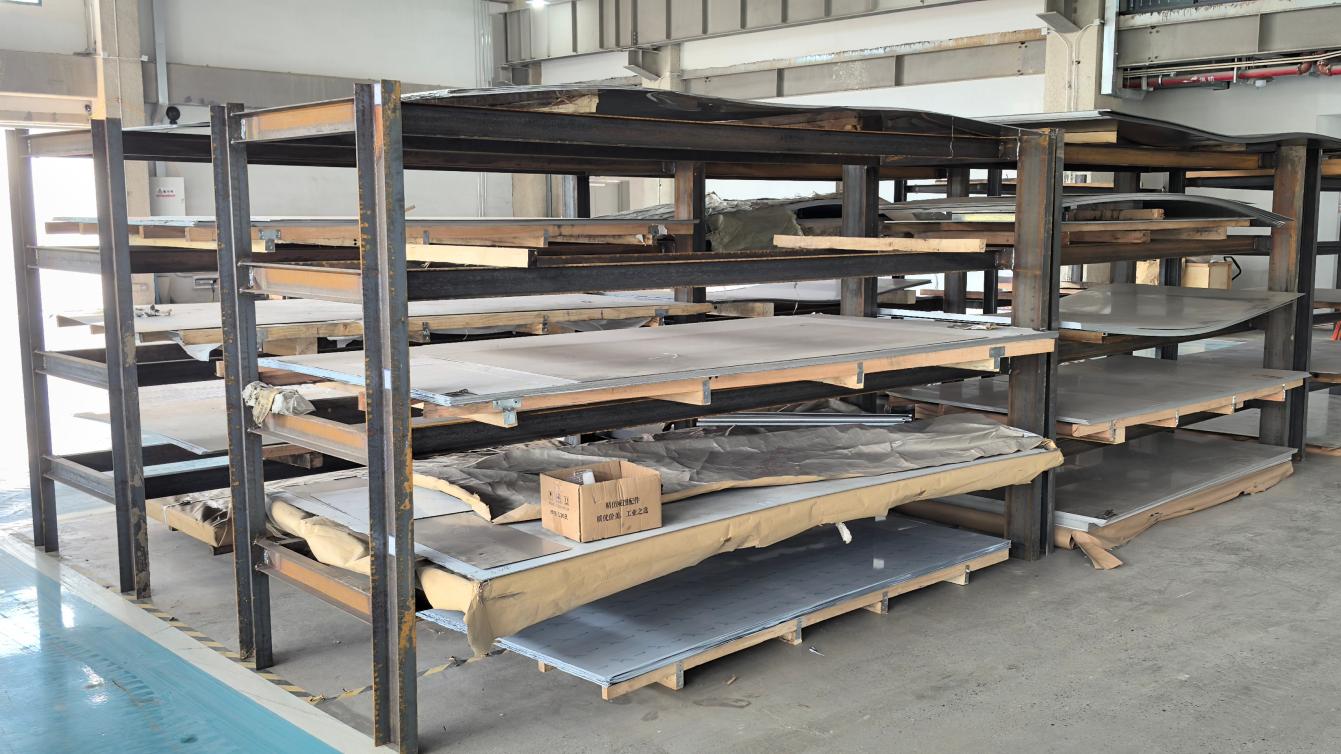
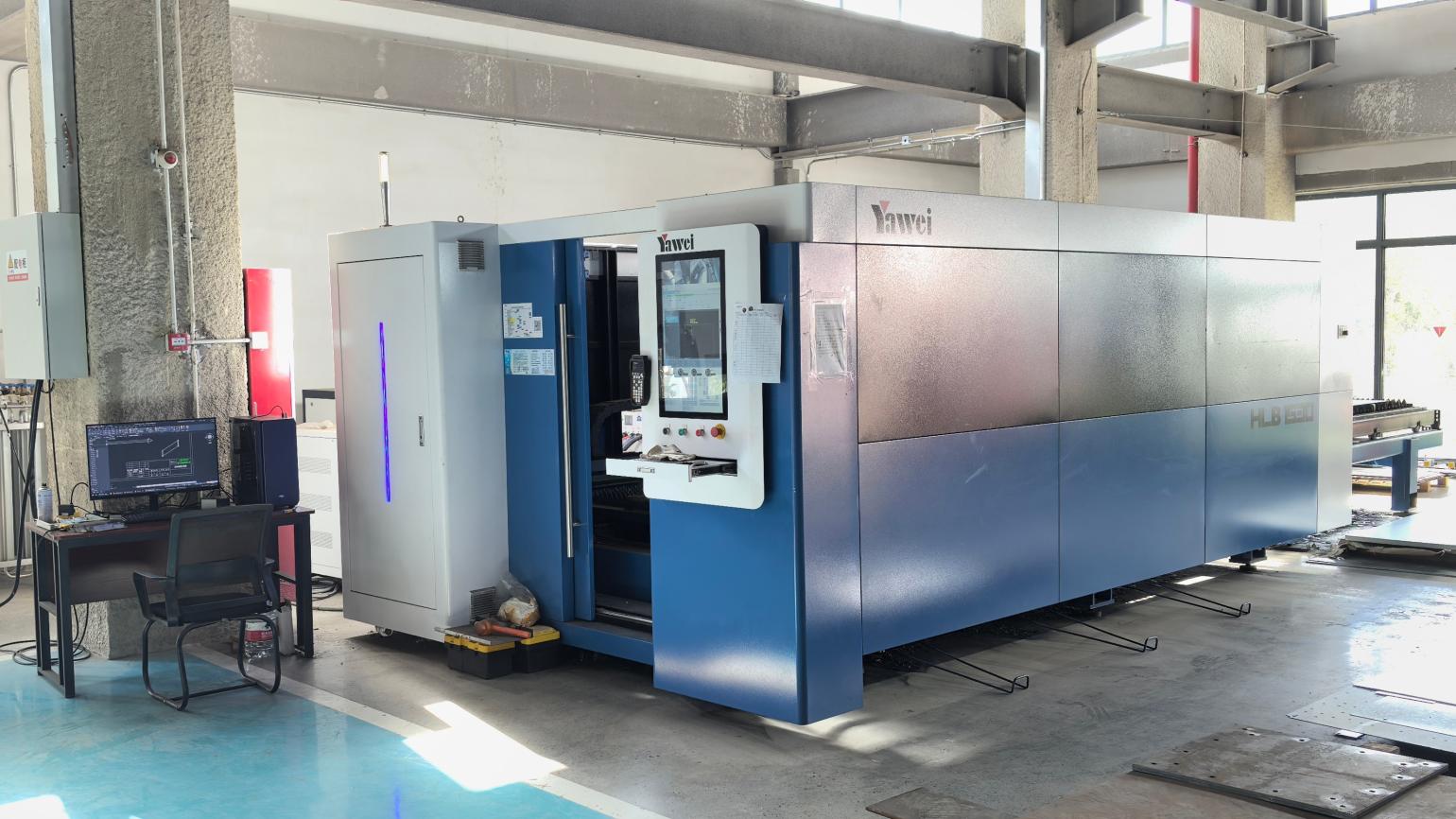
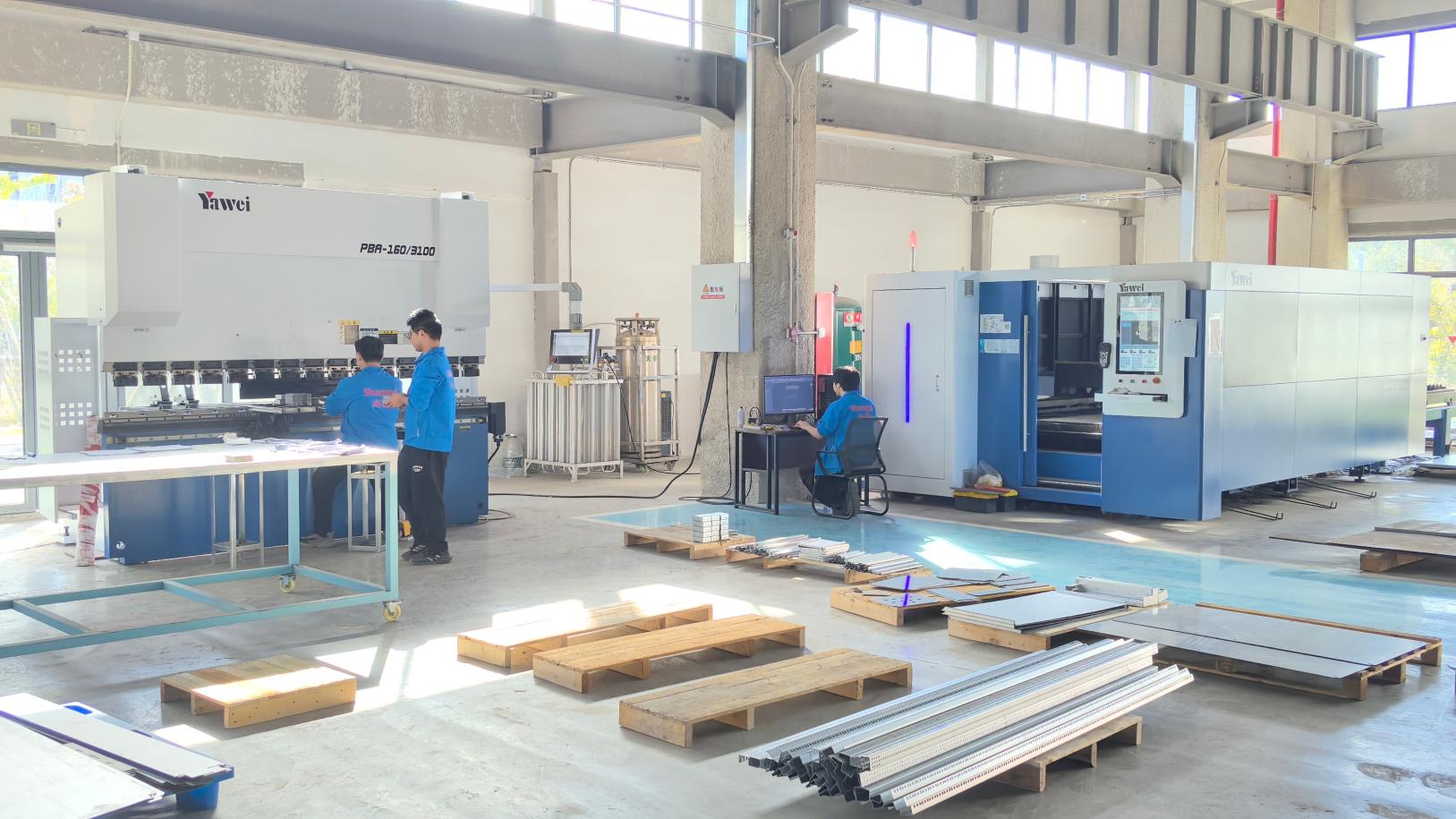
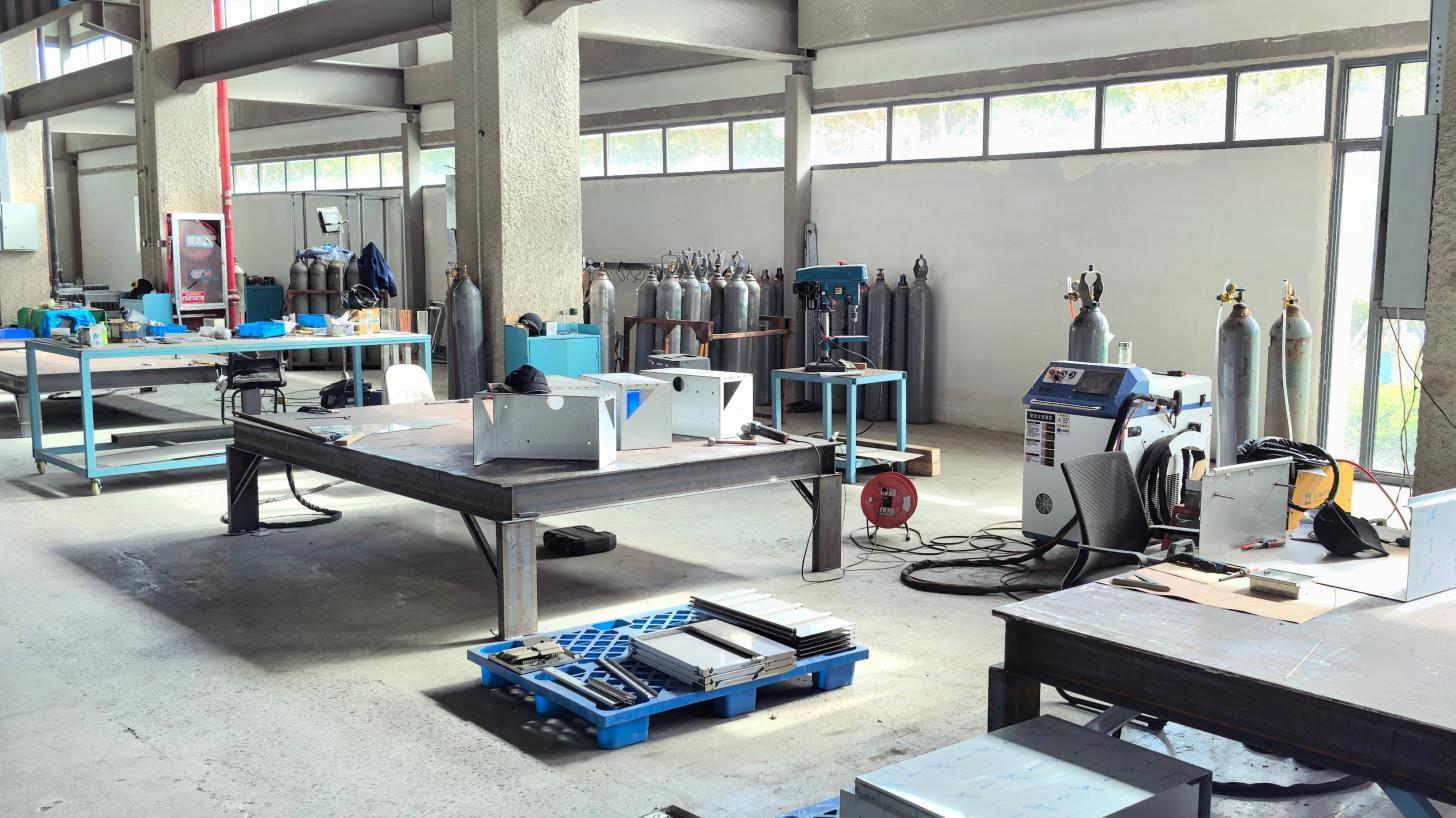
From raw material selection to automated machining, laser cutting, and final logistics, explore our state-of-the-art facility in Zhejiang, China.
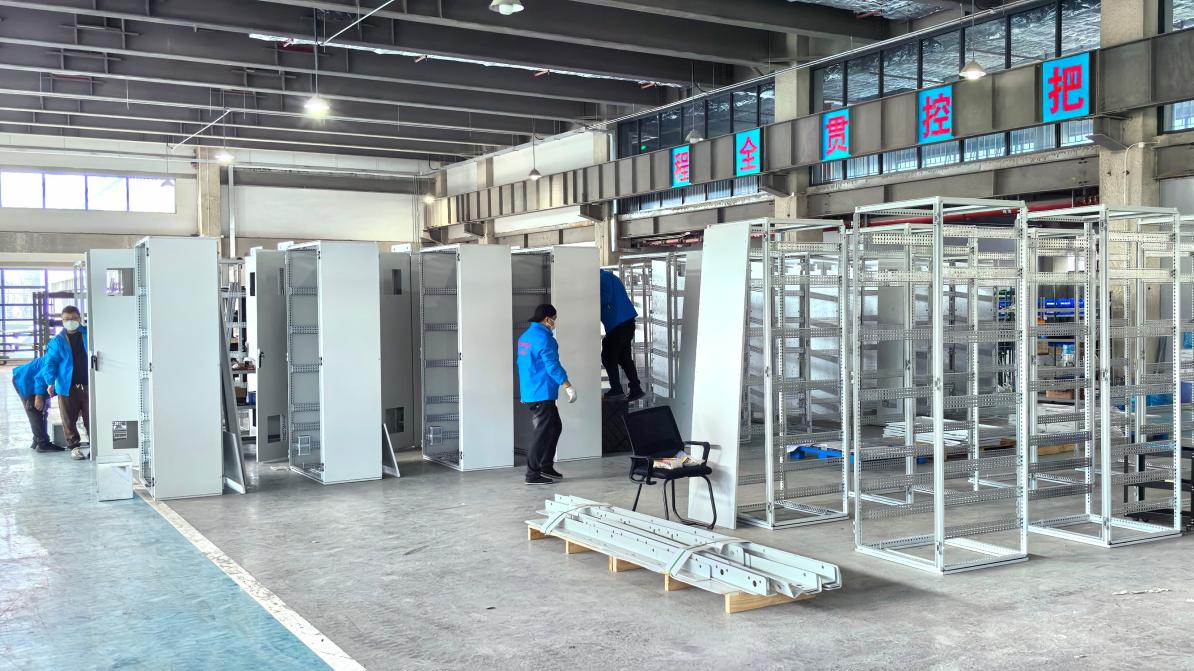
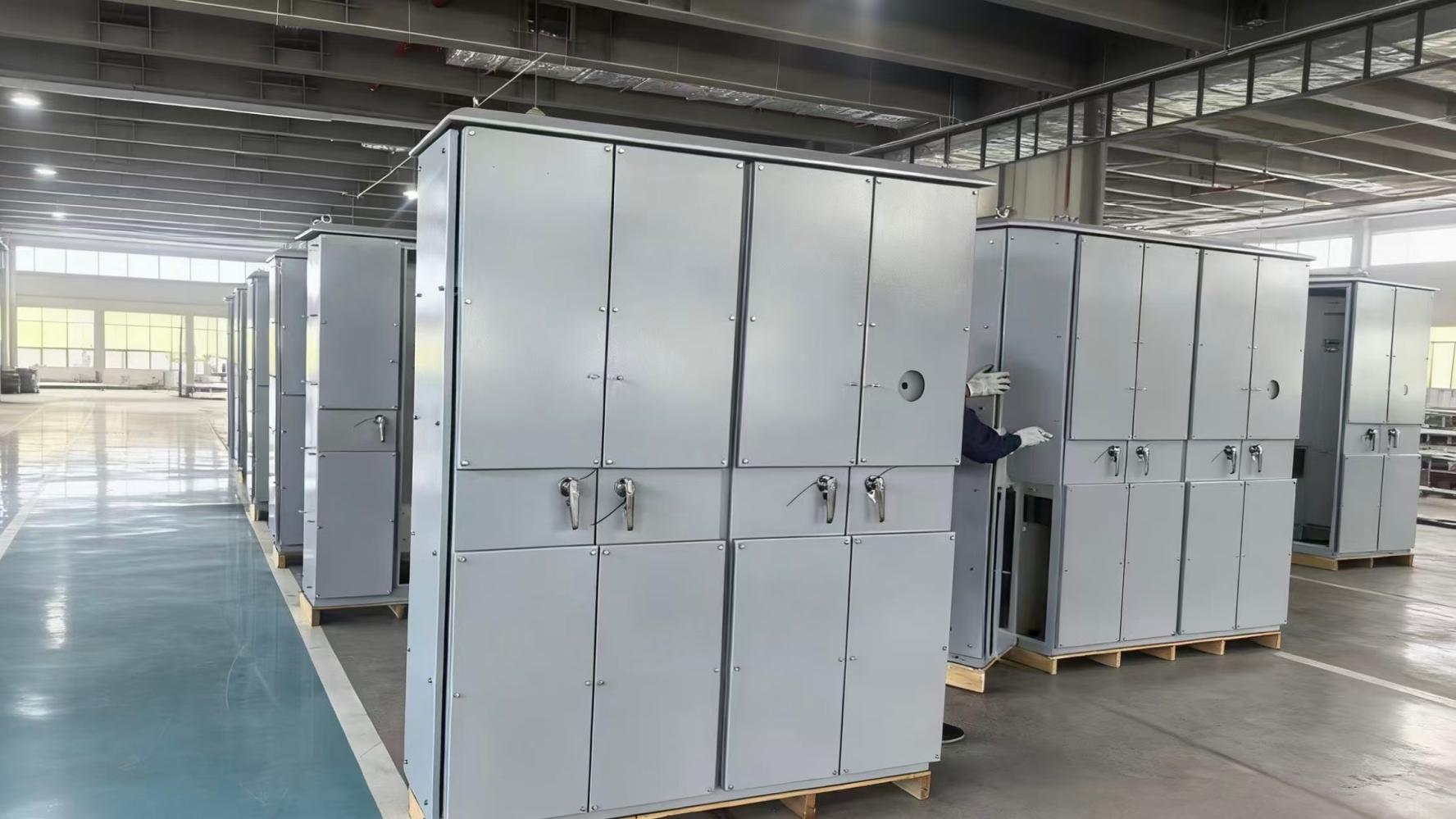
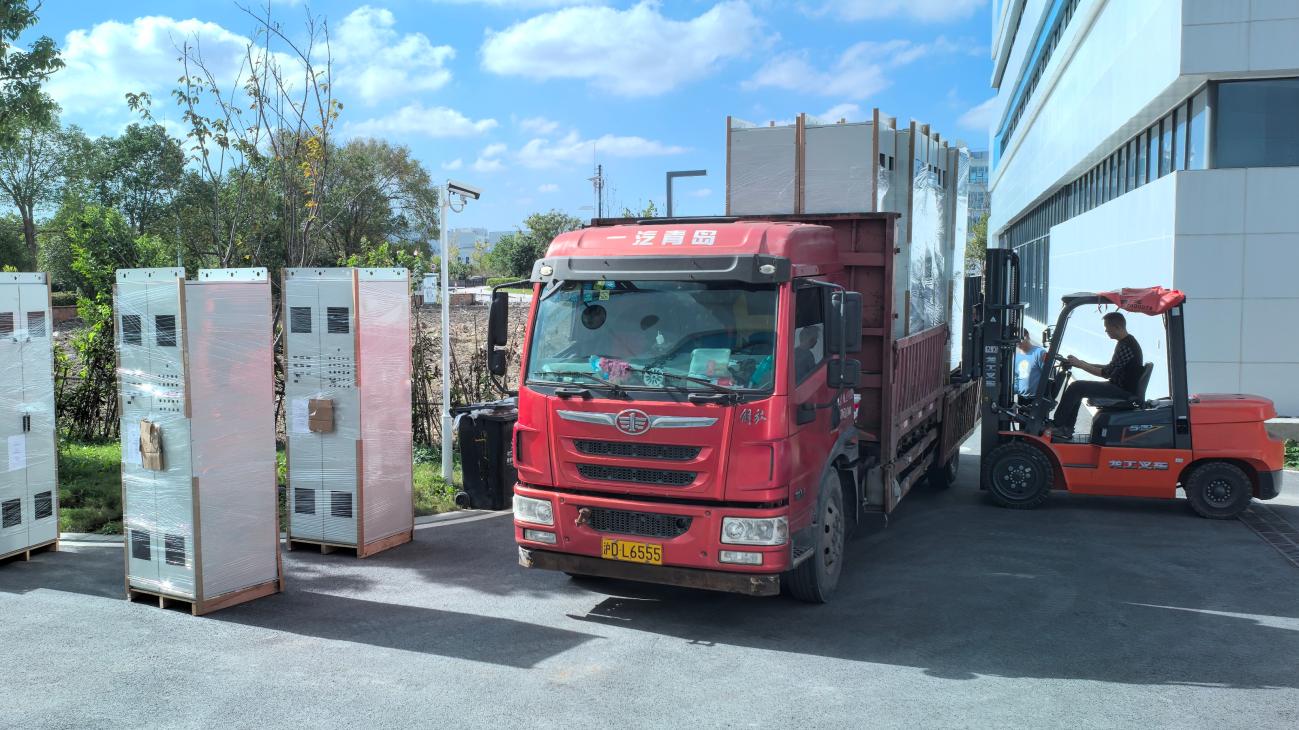
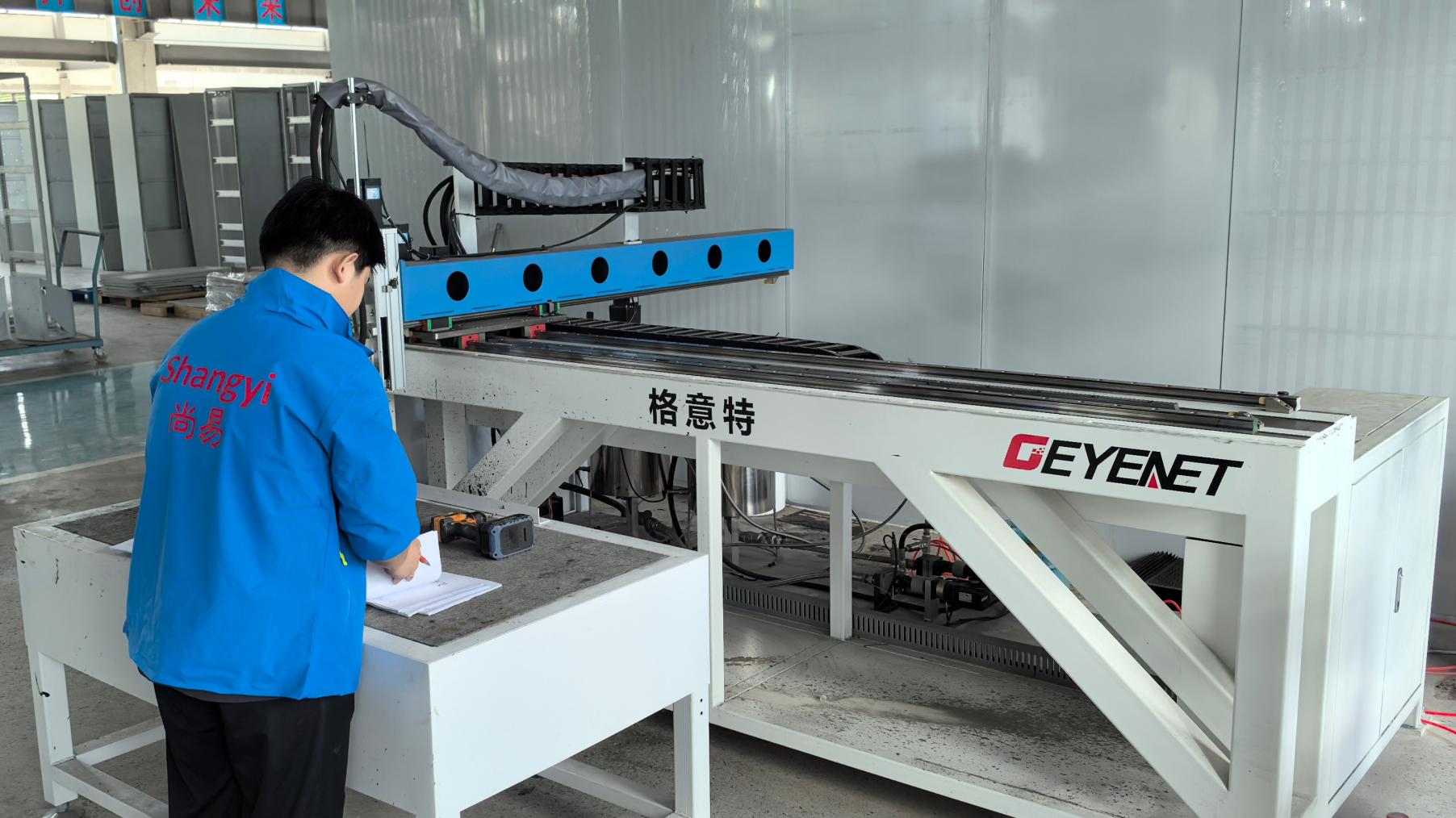
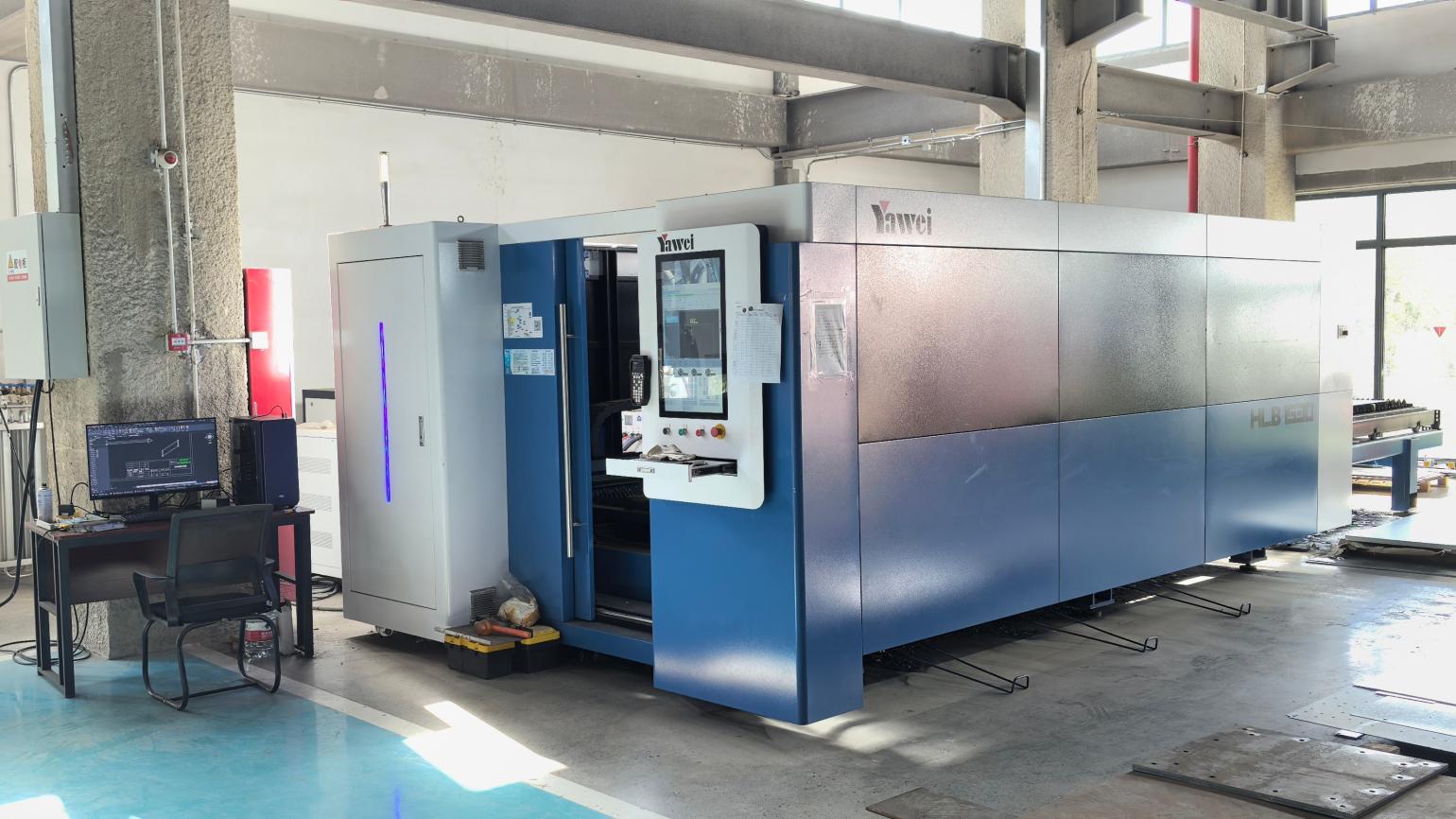


Deploying electrical equipment globally requires strict adherence to international standards. At Zhejiang Sowest Electric Co., Ltd., our engineering departments perform extensive validation trials, including insulation resistance mapping, high-potential dielectric testing (HIPOT), copper surface profiling, and micro-ohm contact resistance tests. We coordinate with third-party verification agencies to ensure our systems comply with UL 891, IEC 61439-1/-2, CE markings, and regional regulations.
Our commitment extends beyond manufacturing to encompass full life-cycle customer service. We understand that global partners face complex supply chain dynamics. Consequently, we provide comprehensive localized engineering services, offering direct CAD designs, 3D simulation analysis (ANSYS, SolidWorks Electrical), custom material formulations, and logistical support. These capabilities guarantee smooth installation and long-term reliability for electrical projects in North America, Europe, Asia, and the Middle East.
As the electrical industry embraces digital integration, we are developing intelligent busbar systems. The next generation of power trunking will integrate real-time temperature, current, and insulation monitoring sensors directly into the busbar structure. These smart components transmit telemetry via Modbus, BACnet, or wireless IoT protocols. This allows operators to identify hot joints or dielectric breakdown before failures occur, shifting maintenance programs from reactive to predictive.
Deploying halogen-free, non-toxic epoxy resins and thermal plastics that minimize carbon footprint while improving dielectric breakdown thresholds up to 25 kV/mm.
Integrating flexible fiber Bragg grating (FBG) optical sensors alongside busbar pathways to monitor thermal loading in utility-scale installations.
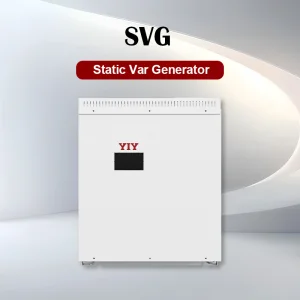
Developing self-healing micro-grid switchgear systems that automatically adjust power factor and compensate for load shifting using Sowest Static Var Generators (SVG).
Get professional technical answers regarding engineering design parameters, material grades, and supply chain logistics.
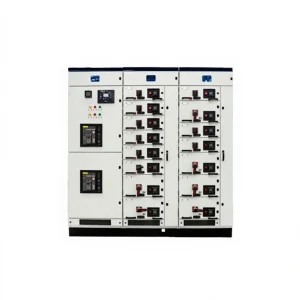
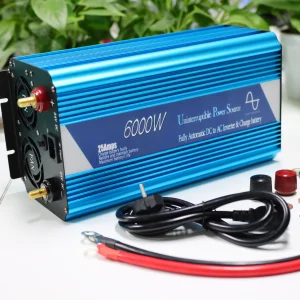
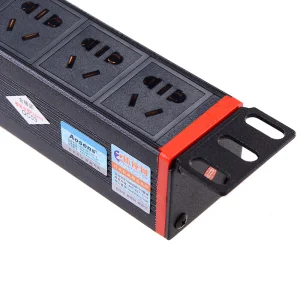
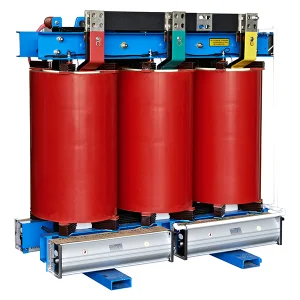
Complete your electrical architectures with our advanced dry-type isolation transformers, rack PDUs, smart grid generators, and inverter charging packages.
 Sowest Electric