High-performance custom voltage stabilizers, smart high/medium-voltage distribution units, and dynamic load balancing equipment designed for robust operating environments.
As global industries migrate rapidly toward decentralized renewable energy grids, high-density data processing, and hyper-automated manufacturing pipelines, the reliance on basic power distribution hardware has transitioned into a need for Software-Defined Power (SDP) infrastructure. Standard electrical panels and isolated inverters are no longer sufficient to secure operations against transient anomalies, reactive power losses, and dynamic load swings.
Modern operations mandate an active feedback loop where electrical distribution systems operate in unison with real-time analytics platforms. By embedding advanced digital signaling, IoT telemetry, and complex edge-compute models within units like Active Harmonic Filters (AHF) and high-voltage switchgears, operators can optimize energy utilization patterns, execute automated safety overrides, and achieve unparalleled uptime. This synthesis of hardware reliability and control software defines the next generation of power engineering.
Procuring entities often face a divide: electrical component manufacturers rarely build robust integrated control software, while software designers lack a deep understanding of heavy power physics. Our mission bridges this divide by providing fully integrated, co-designed OEM/ODM systems.
Driving Global Power Reliability & Leading Digital Hardware Integration
Zhejiang Sowest Electric Co., Ltd. is a modern, innovative enterprise specializing in the research, development, manufacturing, and global sales of premium power supply and electrical distribution equipment. Operating at the intersection of electrical engineering and industrial digitization, the company has established itself as an indispensable partner for heavy industries, including power generation, transmission, industrial automation, telecommunications, petrochemicals, and massive public transit systems.
Our core product portfolio encompasses AC/DC Power Supply Panels, DC Power Systems, UPS (Uninterruptible Power Supply) Systems, Battery Chargers, DC Distribution Panels, AC Distribution Panels, Central Signal Panels, Power Monitoring Systems, Circuit Breakers, Power Feeding Panels, and other fully customized power supply configurations. Engineered to operate flawlessly in substations, data centers, and renewable energy grids, our solutions safeguard industrial operations from expensive power quality events.
Backed by an elite team of engineers, power systems analysts, and software developers, Sowest Electric operates high-efficiency manufacturing facilities equipped with automated laser cutting, precise tapping, and comprehensive high-voltage insulation testing rigs. Underpinned by principles of integrity and technical excellence, we conform strictly to international standards, building products that provide sustainable efficiency and long-term operating safety.
Unlocking competitive advantages through advanced robotics, rapid customization, and vertically integrated components.
By establishing direct networks with copper refineries, magnetic core producers, and semiconductor fabricators in Zhejiang's technology industrial zone, we eliminate multi-tier markup margins and logistics delays, accelerating typical lead times by 35%.
Leveraging rapid tooling configurations and automated PCB printing services in China allows us to design, prototype, and manufacture custom software-hardware setups (such as specialized Active Harmonic Filters) at a fraction of Western production costs.
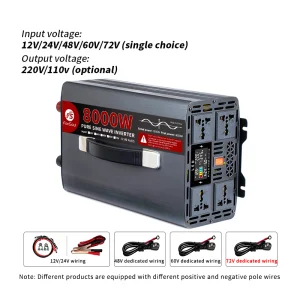
Every output—from compact 12V DC inverters to 36kV metal-clad switchgear cabinets—undergoes automated dielectric withstand testing, thermal imaging profiling, and software emulation loops to verify stability under overload stresses.
How IoT telemetry, AI algorithms, and edge systems are transforming traditional electrical hardware grids.
Modern power management software continuously monitors localized parameters (such as harmonic distortions, winding heat, and load variations). Machine learning algorithms parse this raw telemetry to forecast dielectric breakdown or component failures weeks before an unscheduled outage occurs.
With the expansion of grid-scale solar and industrial battery storage installations, control software must intelligently direct power flow. Real-time software algorithms actively balance output variables across dynamic loads, storage modules, and central utilities.
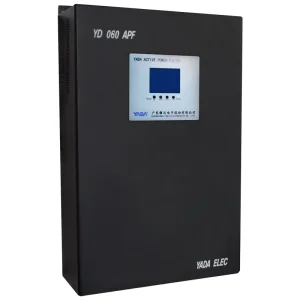
Rather than using old passive line filters, modern facilities rely on Active Power Filters (APFs) driven by digital signal processors (DSPs). This software calculates the precise inverse harmonic waveform in real time to neutralize electrical pollution instantly.
Deploying software-integrated hardware to secure critical operations in diverse sectors.
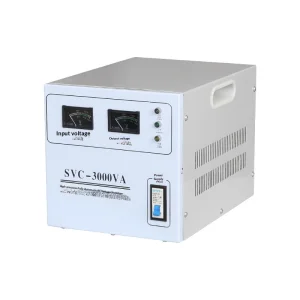
Hyperscale data platforms require pristine, continuous voltage supplies. Even a millisecond voltage drop can disrupt critical database clusters. Integrating high-performance UPS platforms, automated transfer switches, and fast-acting voltage stabilizers with specialized SNMP and Modbus monitoring software ensures immediate response to grid dropouts.
Furthermore, real-time cooling optimizations sync with thermal tracking maps built into our power distribution cabinets, allowing operators to prevent localized hot spots, lower Power Usage Effectiveness (PUE) ratings, and ensure cooling infrastructure tracks dynamic server power consumption.
Heavy machinery, chemical compressors, and automated production systems introduce massive electrical noise and inductive loads. Unchecked harmonics can cause motor overheating, trigger premature circuit protection activations, and waste energy as reactive heat.
Using Active Harmonic Filters (AHF) equipped with dynamic power-factor compensation software corrects these anomalies directly at the machine interface. In addition, centralized power feeding systems log raw load trends, enabling facility managers to manage peak demand charges and reduce total energy expenditures.
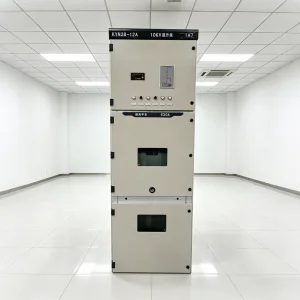
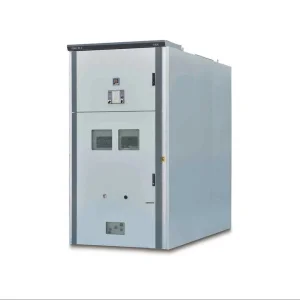
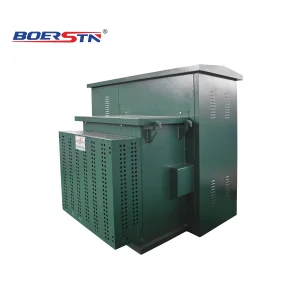
Electrical transit grids and high-voltage transmission lines require highly reliable equipment. Metal-clad switchgear assemblies (like KYN28 and 36kV options) isolate transmission faults to prevent cascading grid blackouts.
Integrating embedded microprocessors within our switchgear assemblies allows control systems to connect with SCADA frameworks. This provides network dispatchers with immediate access to relay parameters, break histories, and gas pressure indicators, eliminating the need for routine on-site inspection visits.
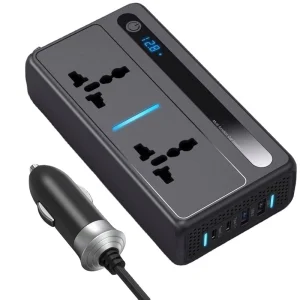
Electric vehicle (EV) charging stations and commercial vehicle power conversions present a complex mix of high DC voltages and rapid load changes. Designing vehicle-mounted conversion units, battery-charger configurations, and high-efficiency boost converters demands precise DSP control.
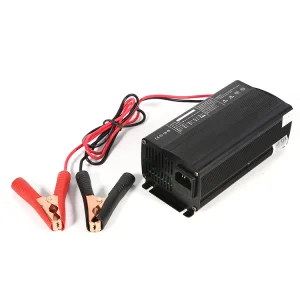
Our onboard charging systems use optimized software charge curves to extend lithium (LiFePO4) cell lifetimes. Real-time temperature monitoring and protection algorithms (OVP/OTP) run concurrently on the controller to prevent thermal hazards, providing stable operations in logistics vehicles and specialized mobile equipment.
Integrating components, telemetry layers, and analytics platforms into a unified system.
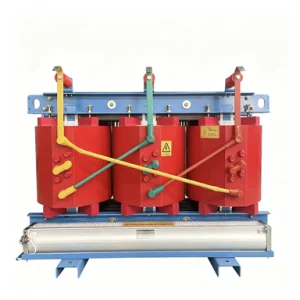
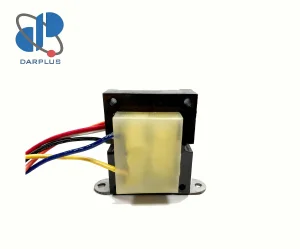
A complete power management architecture is built on three essential layers. First is the Physical Power Layer, consisting of rugged primary hardware such as high-voltage switchgear assemblies, dry-type isolation transformers, and automated stabilizers. These components are designed to withstand high thermal and physical stresses.
Second is the Telemetry and Control Layer. By embedding current sensors, potential transformers, dynamic DSPs, and smart relays directly inside physical enclosures, hardware units transition from passive equipment into active network nodes. These nodes capture transient waveforms and power factor metrics at high sample rates.
Third is the Analytics and Supervisory Layer. Utilizing Modbus TCP/IP or IEC 61850 protocols, data feeds directly into local HMIs or cloud-native SCADA software. This software organizes operational information, displays performance metrics, suggests phase-balancing adjustments, and coordinates protection limits to isolate system anomalies.
Every component is engineered, manufactured, and validated in our state-of-the-art production facility.
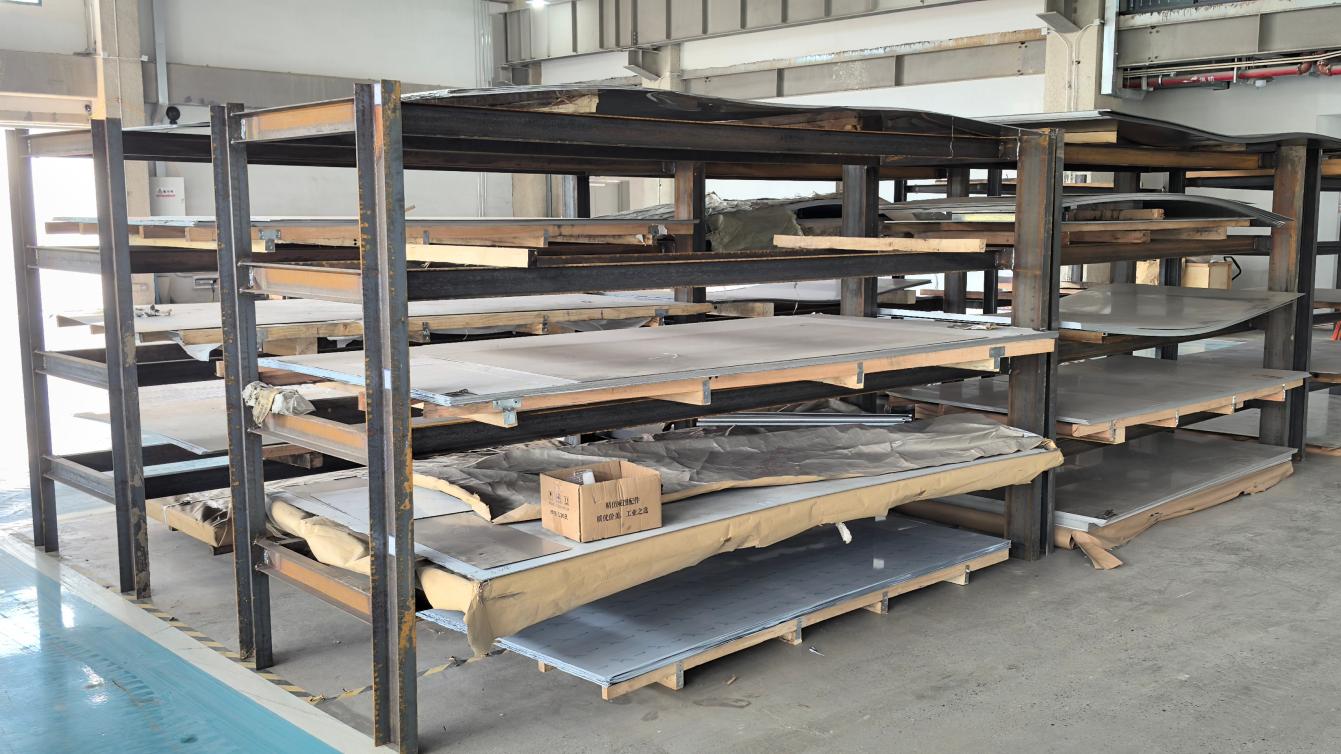
Materials Purchasing
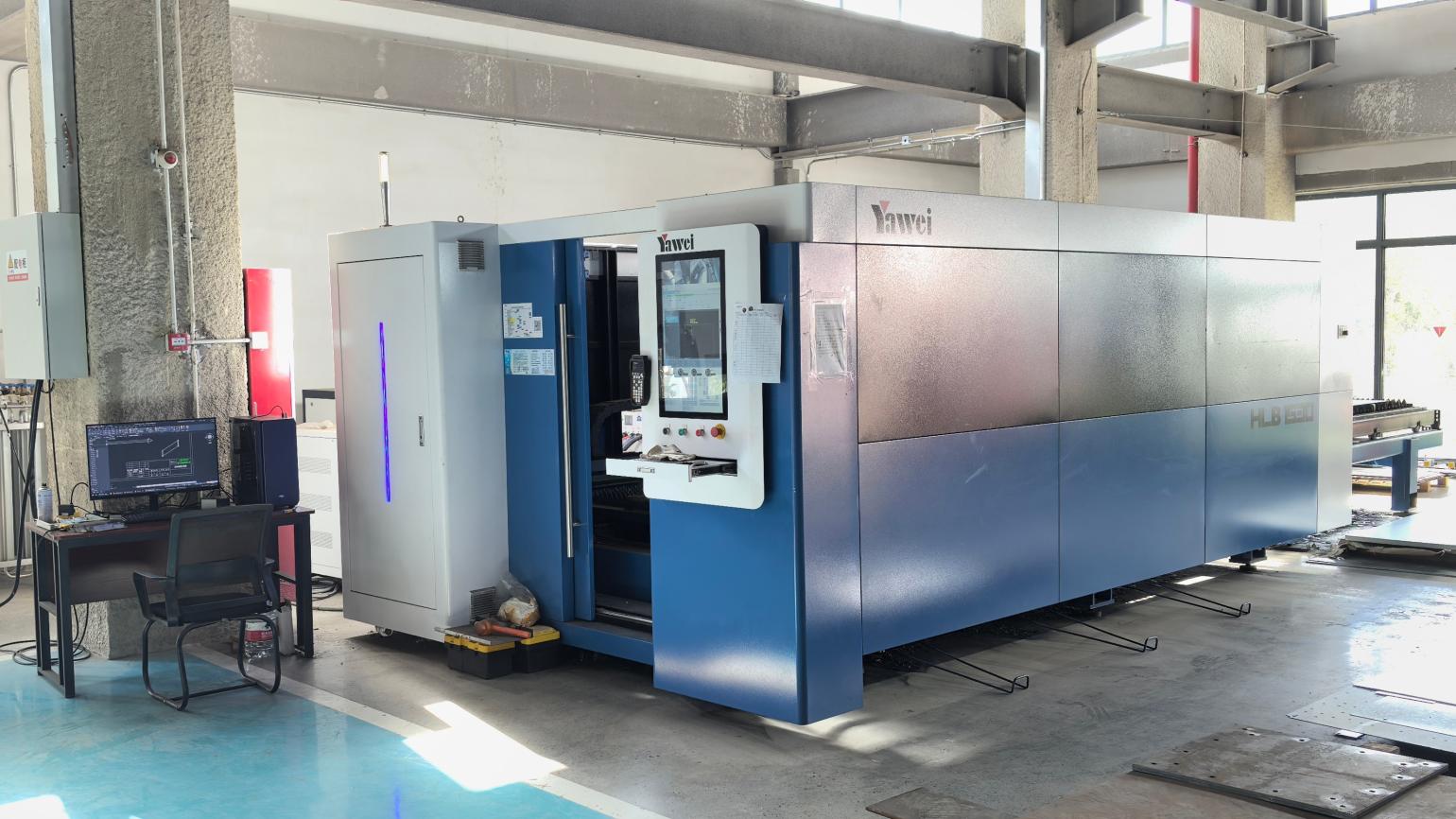
Materials Processing
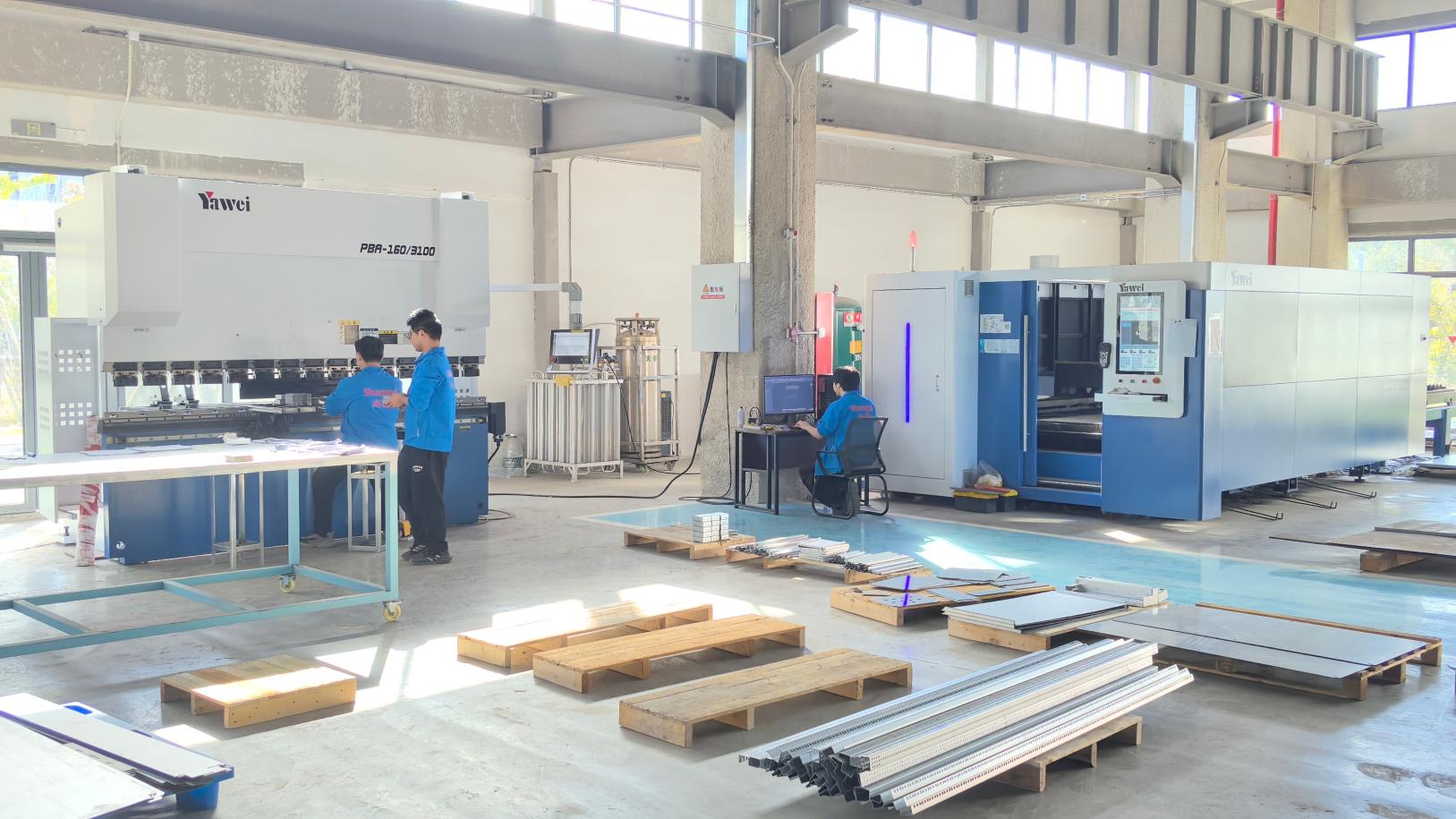
Machining
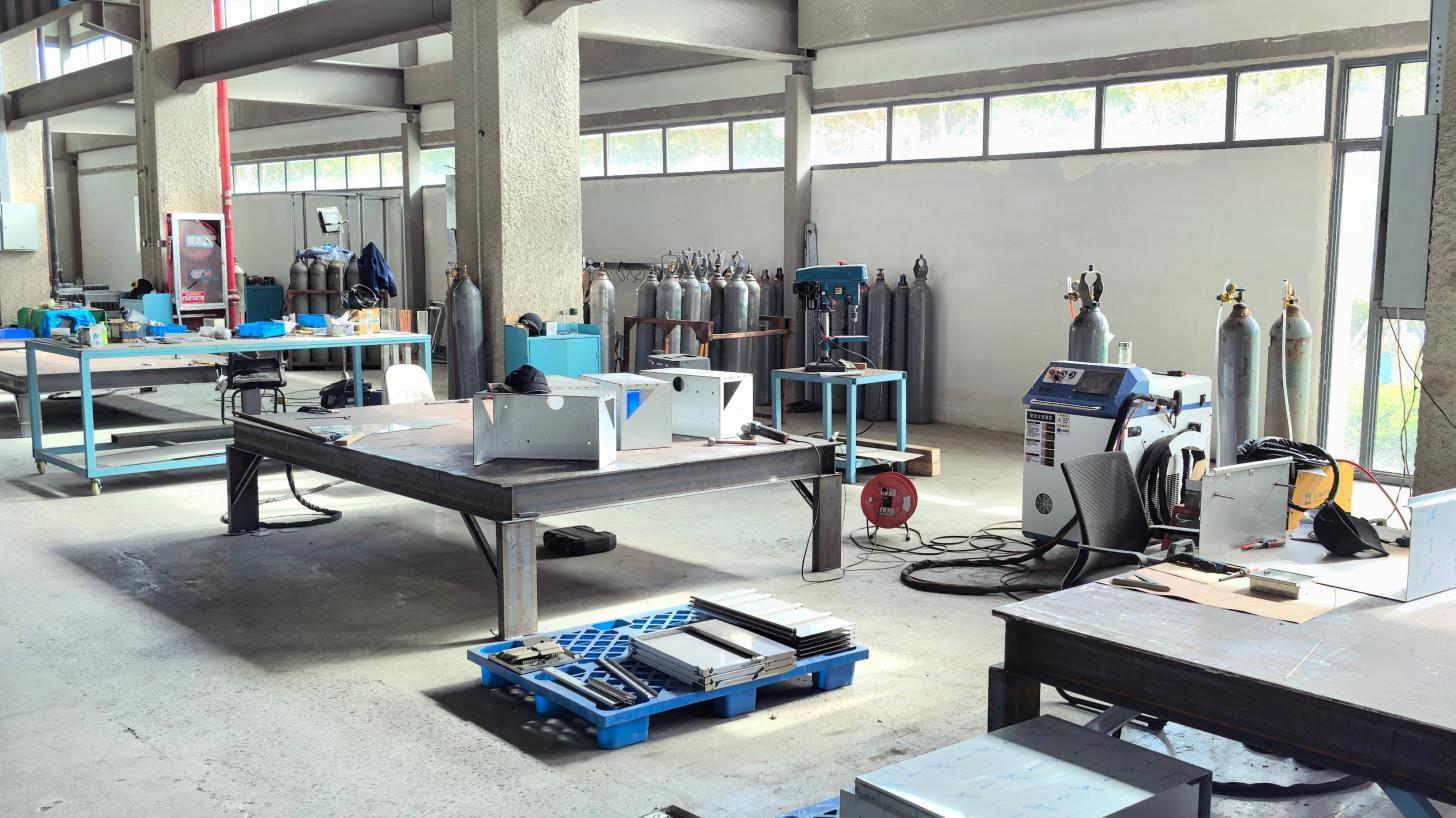
Welding & Polishing
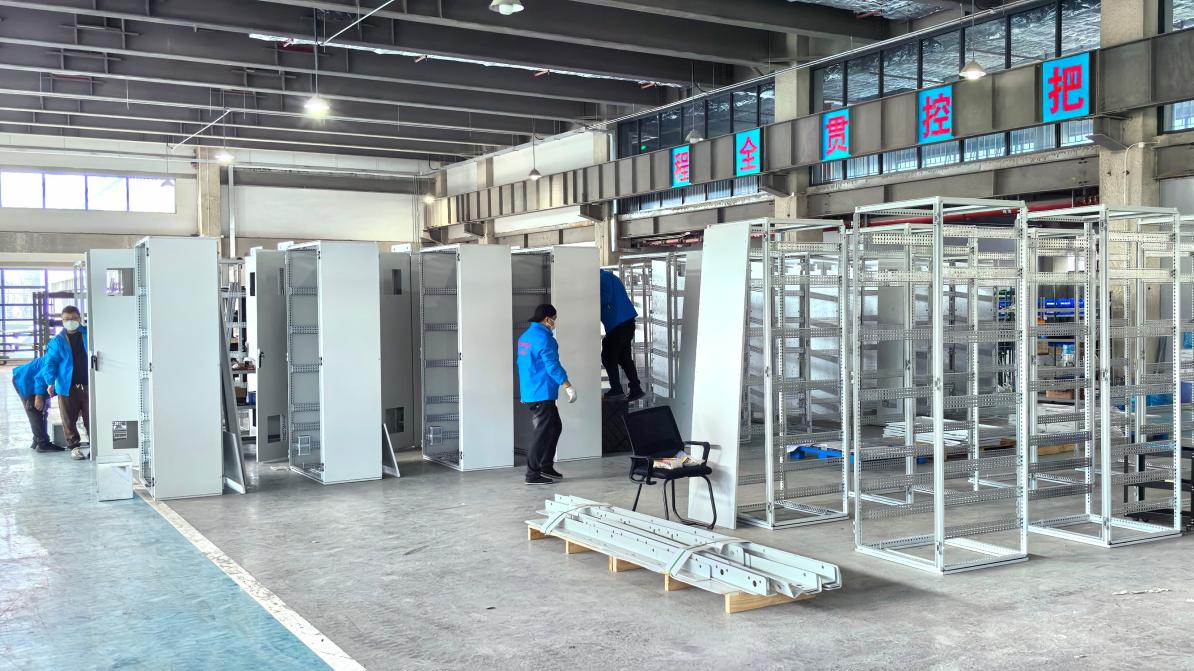
Assembly
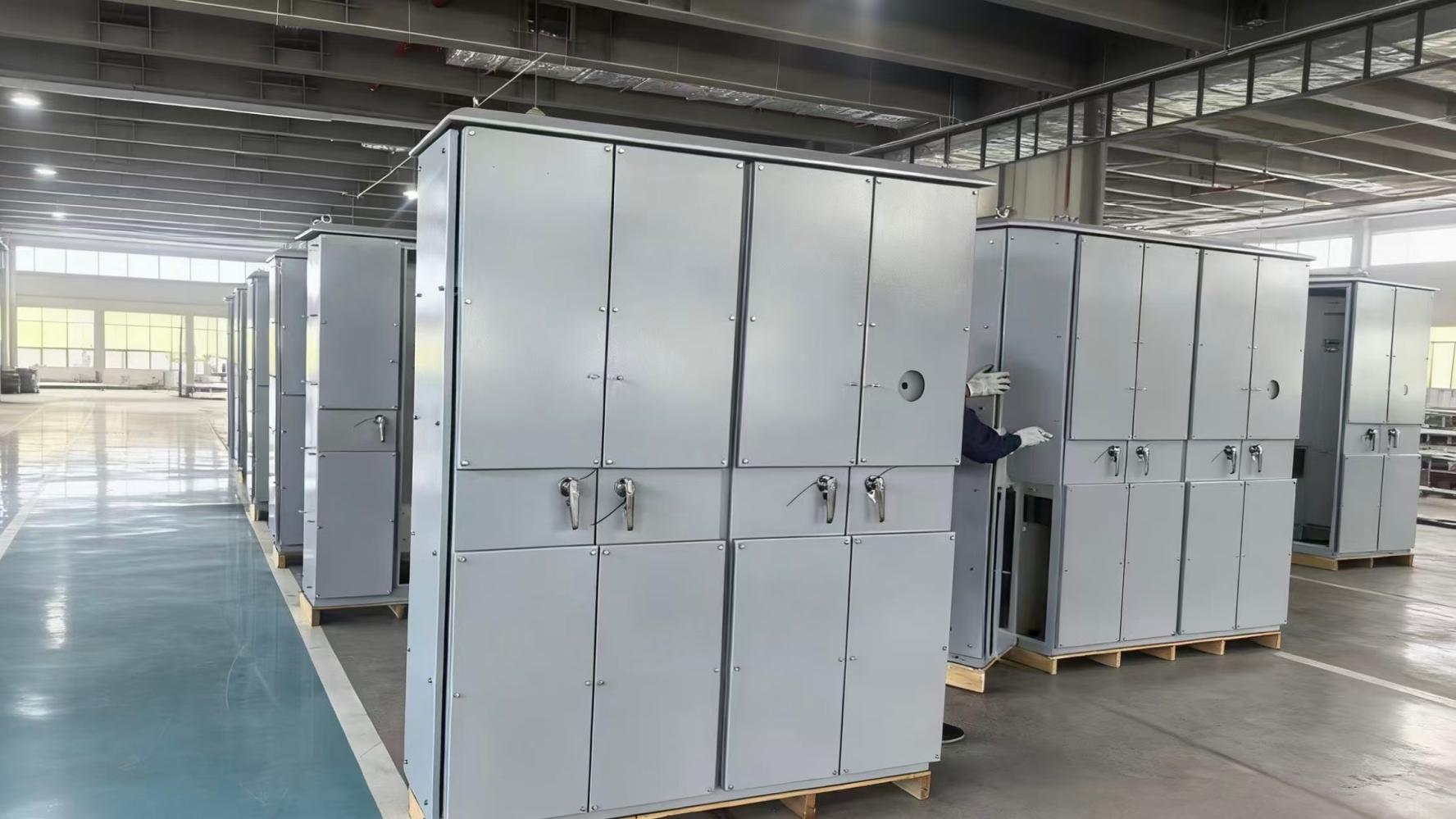
Finished Products
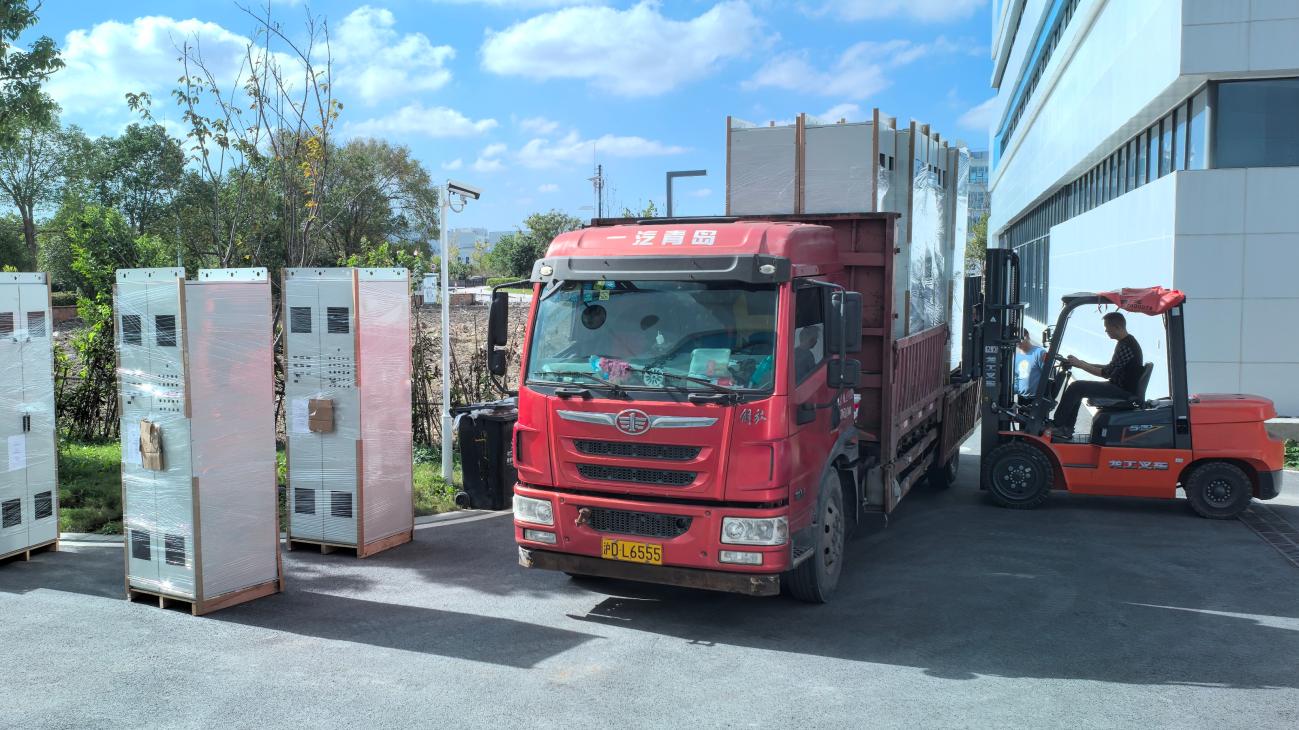
Shipping
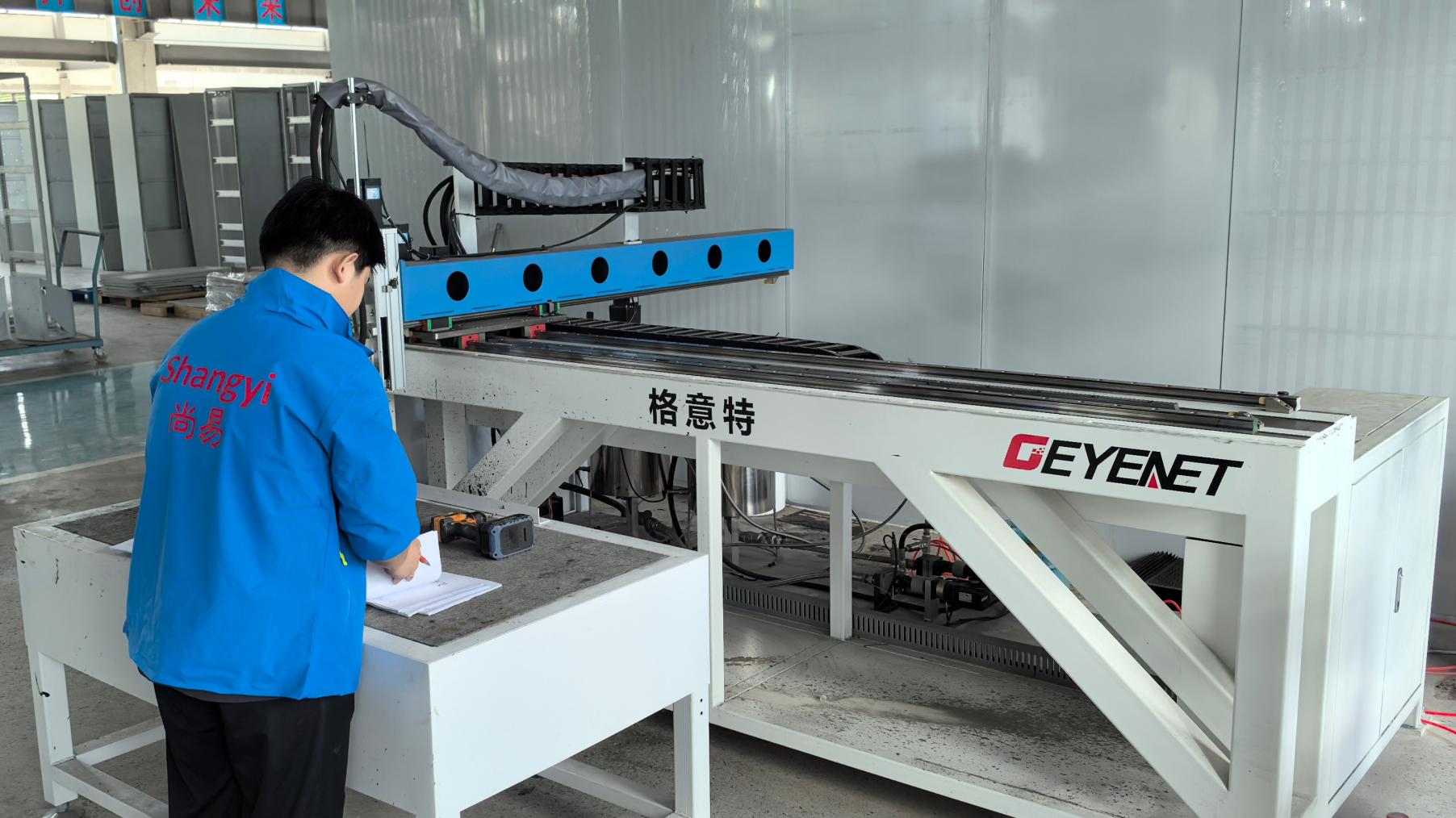
Dispensing Machine
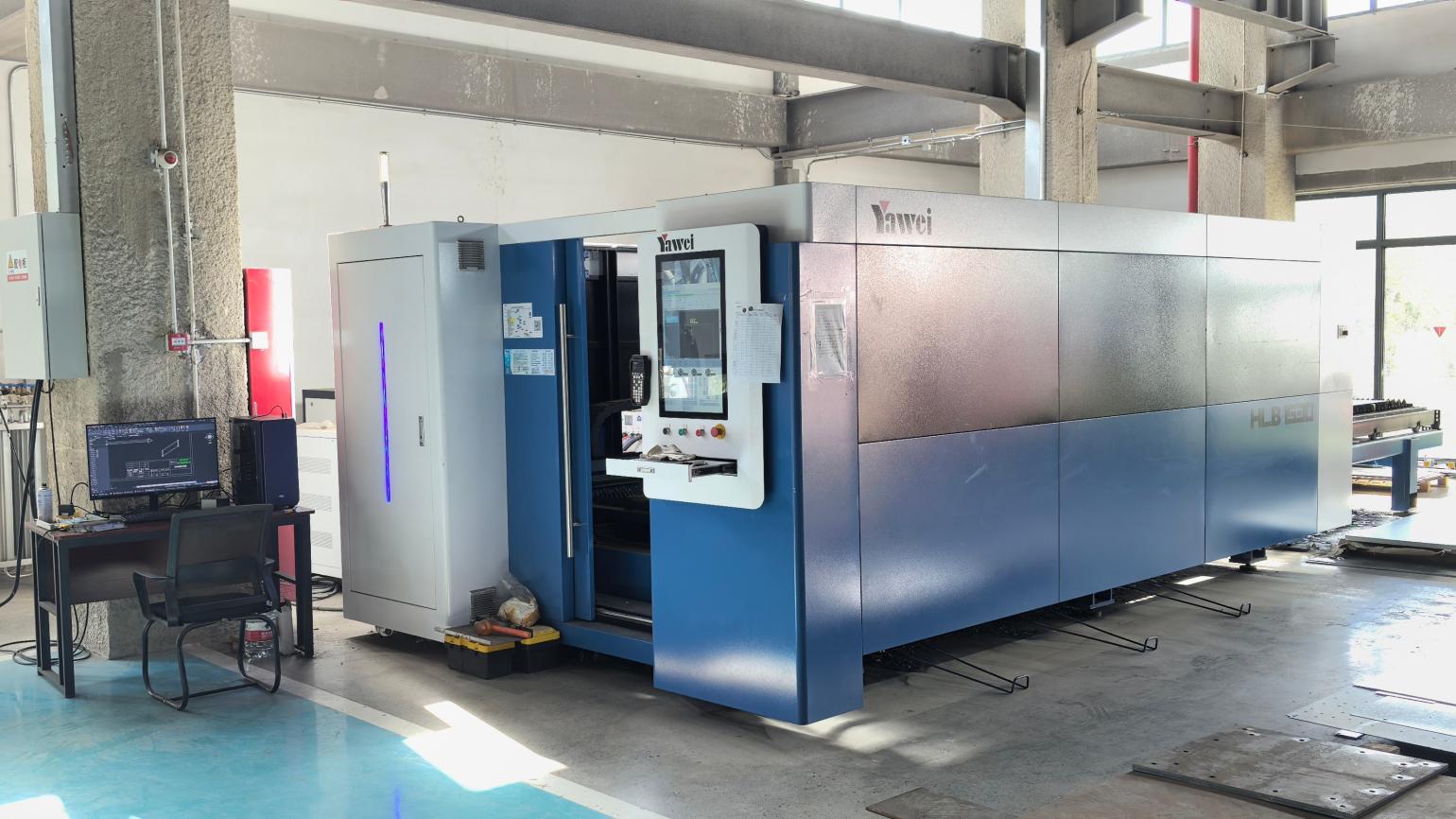
Laser Cutting Machine
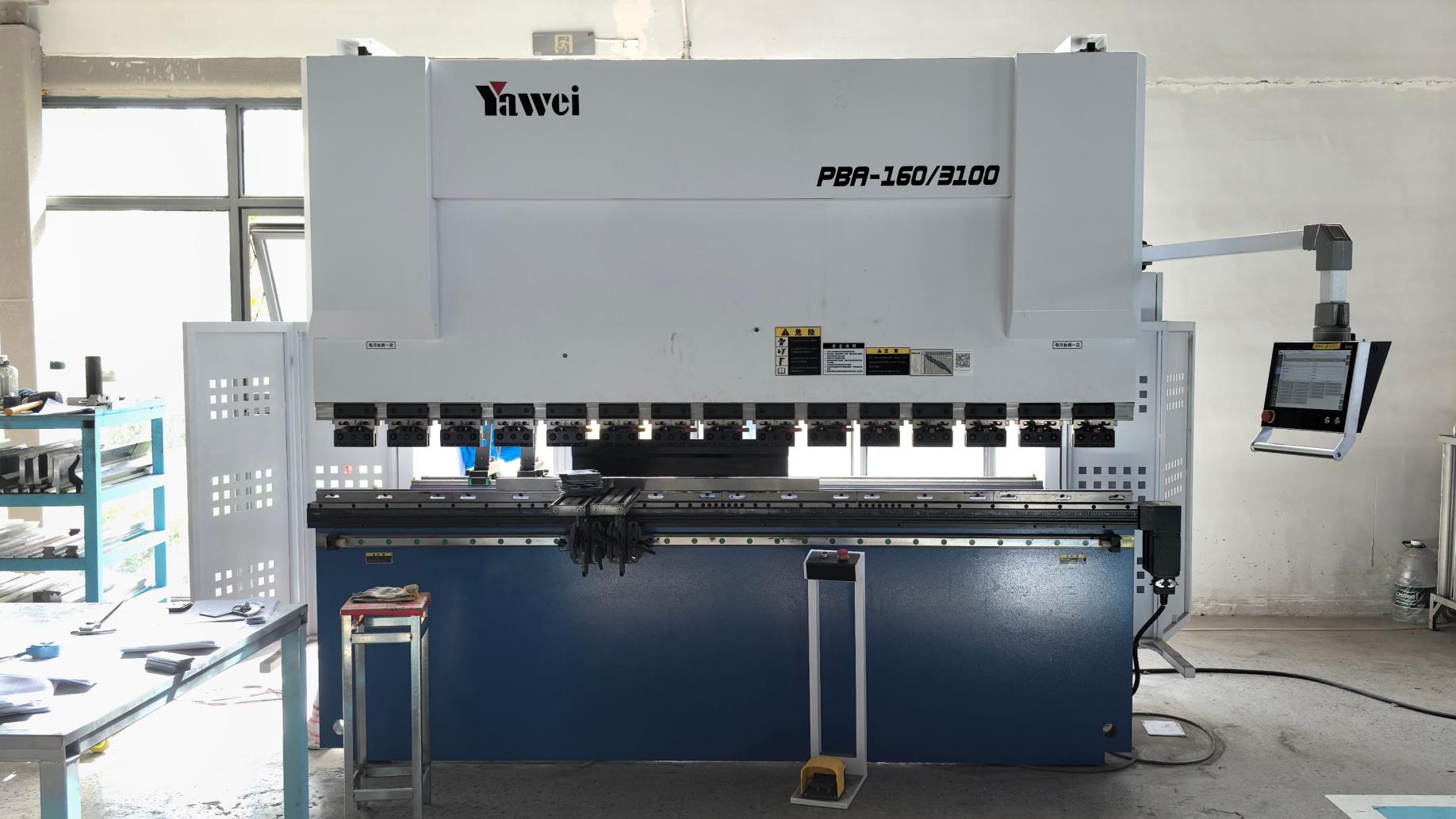
Shearing Machine
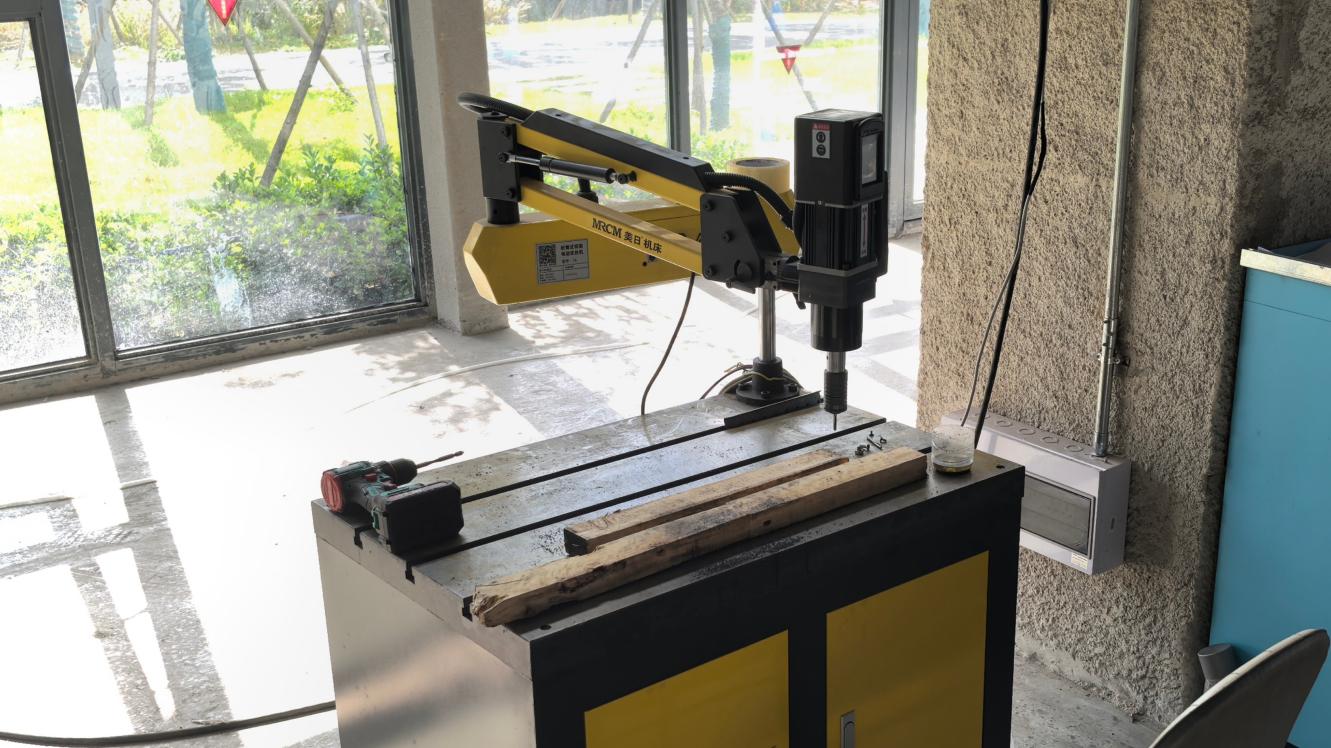
Tapping Machine
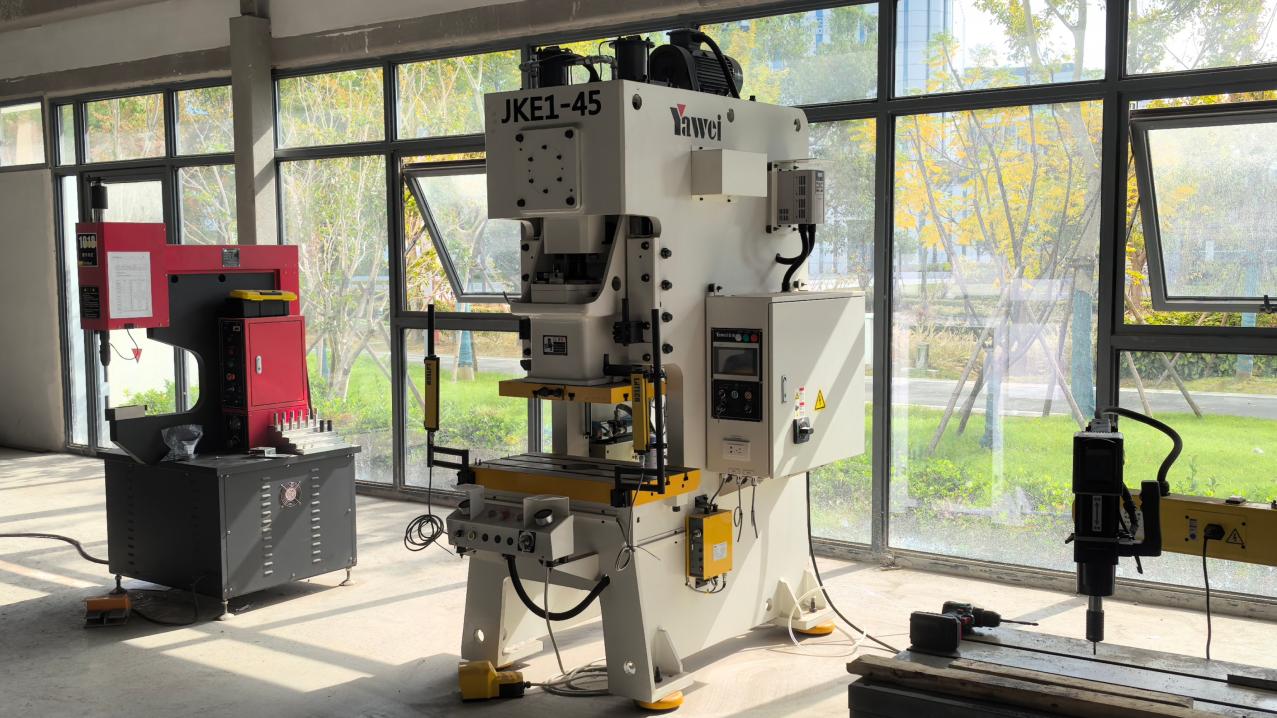
Punch Press
Aligning high-performance engineering with international standards and security protocols.
We manufacture hardware in compliance with leading international guidelines (including IEC, IEEE, CE, FCC, SAA, and KC). This guarantees trouble-free installation and smooth local utility approvals for every deployment.
Our software systems are built to integrate easily into existing enterprise frameworks. We provide complete APIs and support industrial data models, allowing you to monitor Sowest Electric equipment via your preferred central software platform.
We design custom configurations tailored to your specific facility layouts. Whether adapting connections for tight cabinet configurations or scaling up busbar volumes, our engineers adapt the physical designs to match your environmental limits.
Answers to common engineering and deployment questions regarding our OEM/ODM capabilities.
We run co-simulation workflows where physical circuit configurations (like power factor corrections or high-voltage lines) are modeled alongside their digital controls. By validating control code against physical properties prior to factory assembly, we eliminate signal lag and hardware performance issues.
Our systems natively support Modbus RTU/TCP, IEC 61850, DNP3, and SNMP. This allows seamless integration of our monitoring networks with third-party SCADA systems, building management systems (BMS), and cloud analytics services.
Yes, we design configurations for demanding conditions, offering customized enclosure options ranging from IP20 up to IP65. We also apply conformal coatings to control boards and integrate active heating or cooling loops to support stable operation from -25°C to +55°C.
Standard custom orders are generally produced within 4 to 6 weeks, which includes prototype confirmation, sheet metal work, wiring, software installation, and final testing. Complex, high-voltage configurations may require 8 weeks depending on exact specifications.
Partner with Zhejiang Sowest Electric to build custom power management solutions. Contact our engineering team today to review your project specifications.
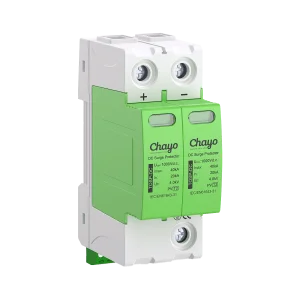
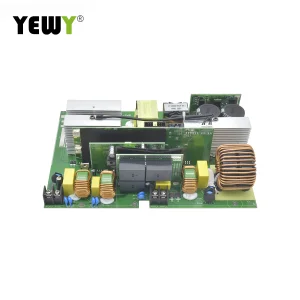
Request Technical ConsultationExplore our dry-type isolation transformers, surge protective devices, high-power DC converters, and smart battery chargers designed for demanding commercial environments.
 Sowest Electric