In an era characterized by intense smart grid modernization, rapid electrification of transit systems, and massive industrial expansion across developing economies, safe and robust electrical protection systems are more critical than ever. Circuit breakers stand at the absolute center of this structural shift, functioning as the vital line of defense against overload, short-circuits, transient surges, and power quality anomalies.
This comprehensive whitepaper acts as an expert sourcing framework. We unpack the Top 10 circuit breaker manufacturing indicators, industrial applications, regional manufacturing advantages (specifically within China's optimized electrical clusters), and how premium system integrators like Zhejiang Sowest Electric Co., Ltd. configure modern power infrastructure components to align with stringent international quality codes (IEC, UL, and CE).
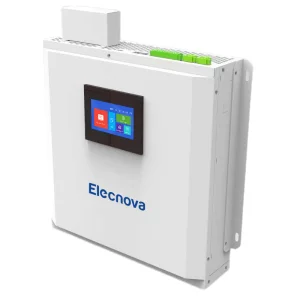
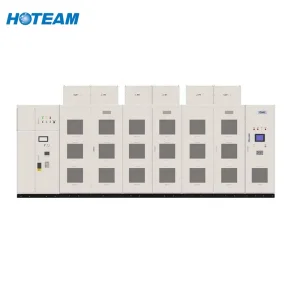
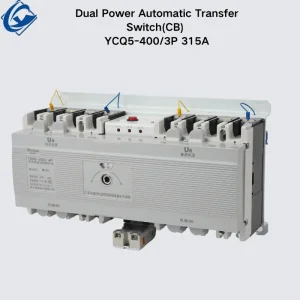
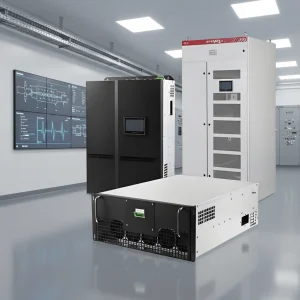
High-performance reactive compensation systems, dual-power automatic transfer mechanisms, and distribution units designed for critical cloud, energy, and telecom operations.
The worldwide demand for high-capacity low-voltage and medium-voltage circuit breakers is heavily driven by three core pillars: renewable energy deployment (chiefly solar and wind platforms operating high-voltage DC arrays), datacenters scaling infrastructure to support massive machine learning architectures, and the comprehensive rebuilding of obsolete power grids in Europe and North America.
Historically, standard thermal-magnetic circuit breakers sufficed for distribution grids running linear loads. However, the surge in non-linear loads—introduced by high-voltage static var generators, modular active power filters, and electronic power conversion systems—has led to harmonic distortion, overheating, and sudden trips. Procurement managers must now demand switchgear that integrates microprocessor-controlled electronic trip units (ETUs). These systems execute true RMS current sensing and support communication protocols like Modbus TCP/IP and IEC 61850.
Sourcing from integrated industrial hubs like Wenzhou and Yueqing in Zhejiang Province, China, offers a major advantage. These regions bring together complete component supply chains within a 50-kilometer radius. From raw precision copper stamping and custom injection-molded DMC/BMC resin structures to automated primary current injection systems, these clusters enable factories to compress lead times and adapt designs quickly. This localized network lets manufacturers engineer robust, highly tailored solutions at competitive prices.
Under the E-E-A-T guidelines established by Google’s Quality Raters, true industry authority must be demonstrated through specific, technical insights rather than generic marketing claims. When auditing a switchgear or circuit breaker factory, design engineers look at critical criteria to verify technical capability.
Assess the Ultimate Short-Circuit Breaking Capacity (Icu) alongside the Rated Service Short-Circuit Breaking Capacity (Ics). A reliable manufacturer aims for Ics = 100% Icu, verifying that the breaker can withstand repeated high-energy fault interruptions without requiring immediate replacement.
Ensure the factory provides accredited test laboratory reports (such as KEMA, ASTA, or TÜV) certifying at least 20,000 mechanical operations and 10,000 electrical operations at rated loads, especially under harsh environmental limits (-25°C to +70°C).
Premium manufacturers utilize silver-alloy contacts (like AgW or AgC) that are vacuum-brazed onto precision-stamped copper blades. This minimizes contact resistance, controls temperature rise, and stops contact welding during high peak-withstand current events.
Zhejiang Sowest Electric Co., Ltd. is an innovative enterprise specializing in the research, development, manufacturing, and sales of power supply and electrical distribution equipment. With a strong commitment to technological innovation, product quality, and customer satisfaction, the company has established itself as a reliable partner for power generation, transmission, distribution, industrial automation, transportation, petrochemical, telecommunications, and infrastructure projects worldwide.
Our core product portfolio includes AC/DC Power Supply Panels, DC Power Systems, UPS (Uninterruptible Power Supply) Systems, Battery Chargers, DC Distribution Panels, AC Distribution Panels, Central Signal Panels, Power Monitoring Systems, Circuit Breakers, Power Feeding Panels, and other integrated power supply solutions. These products are widely applied in substations, power plants, industrial facilities, data centers, rail transit systems, and renewable energy projects.
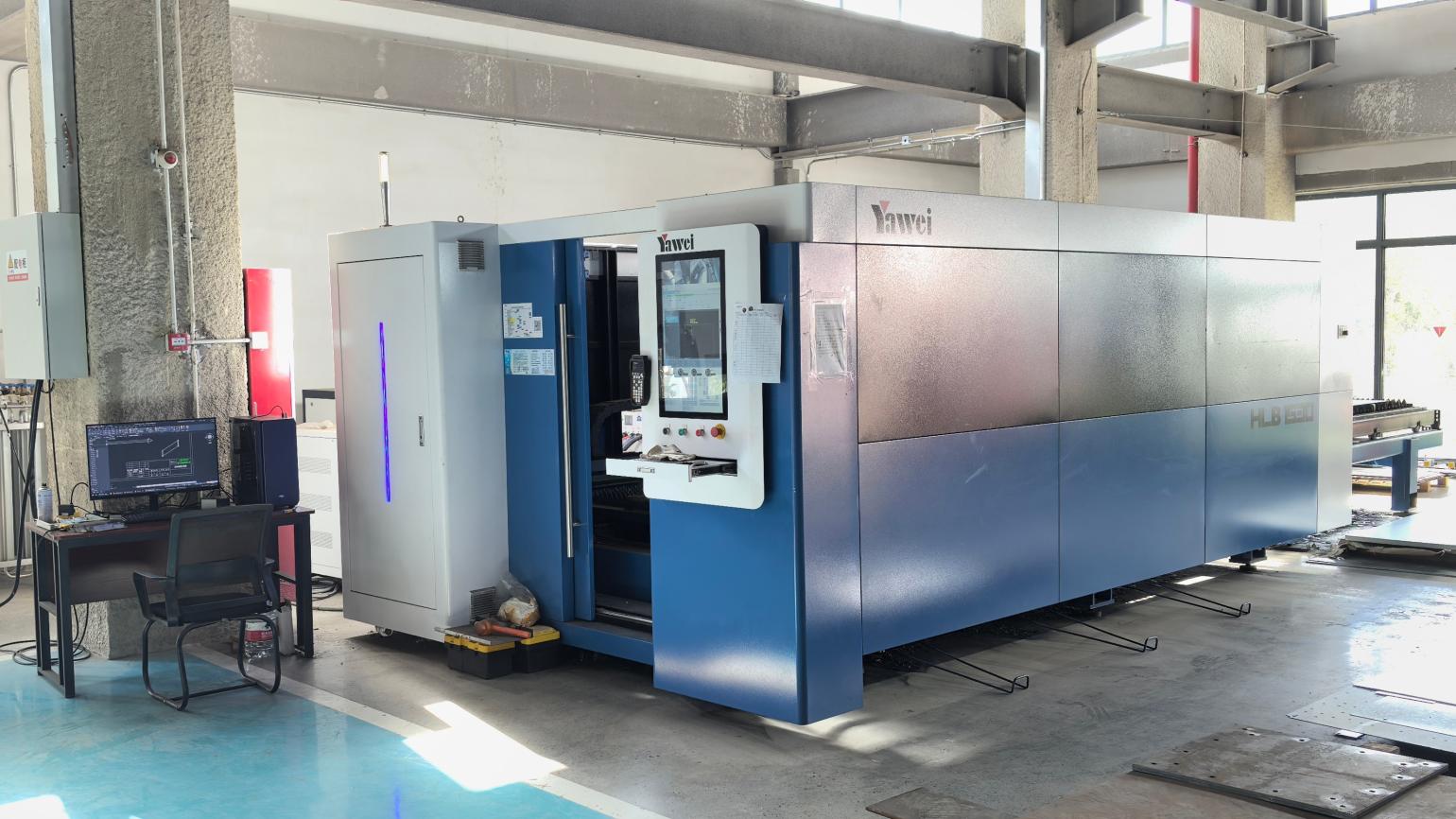
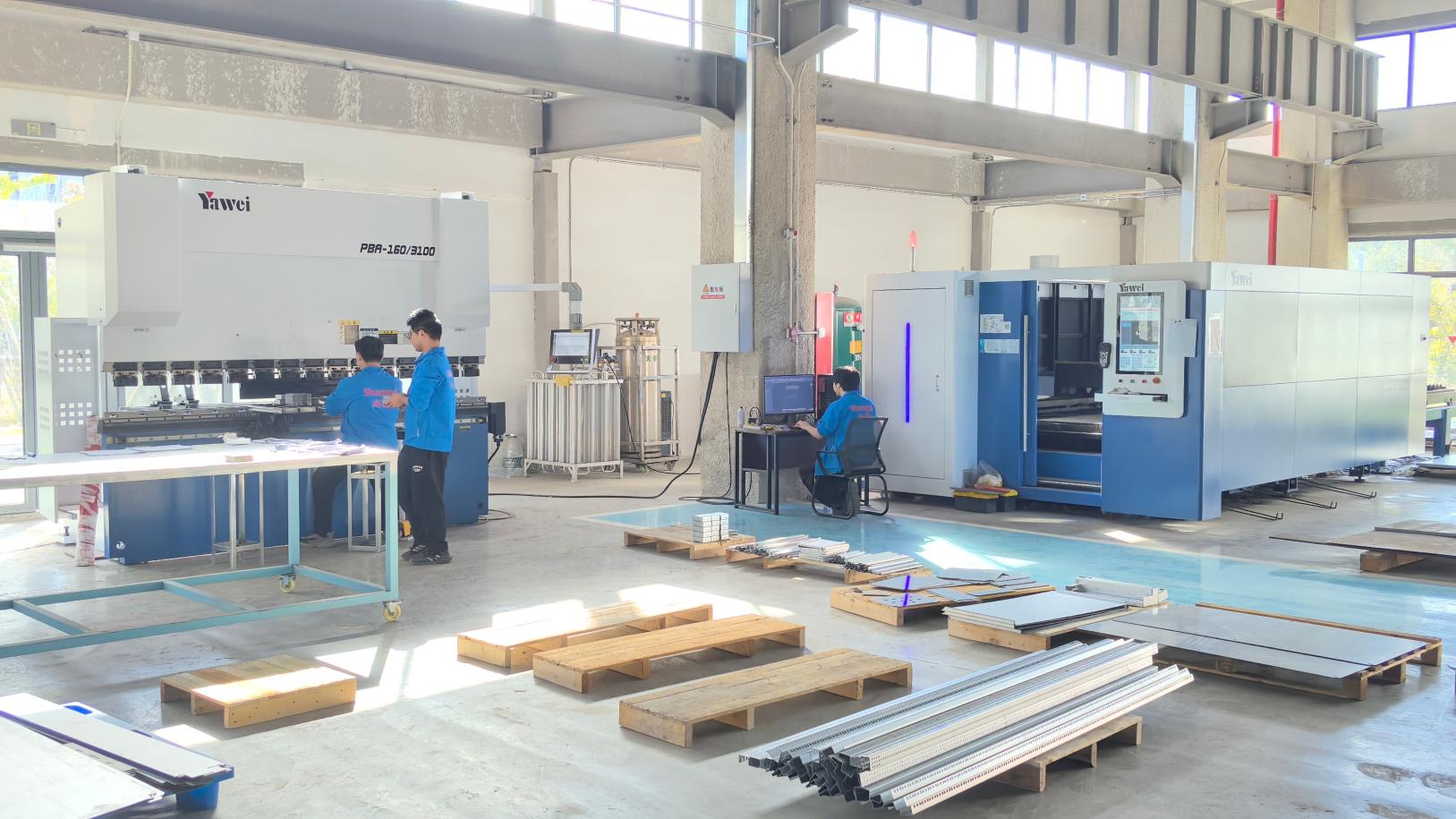
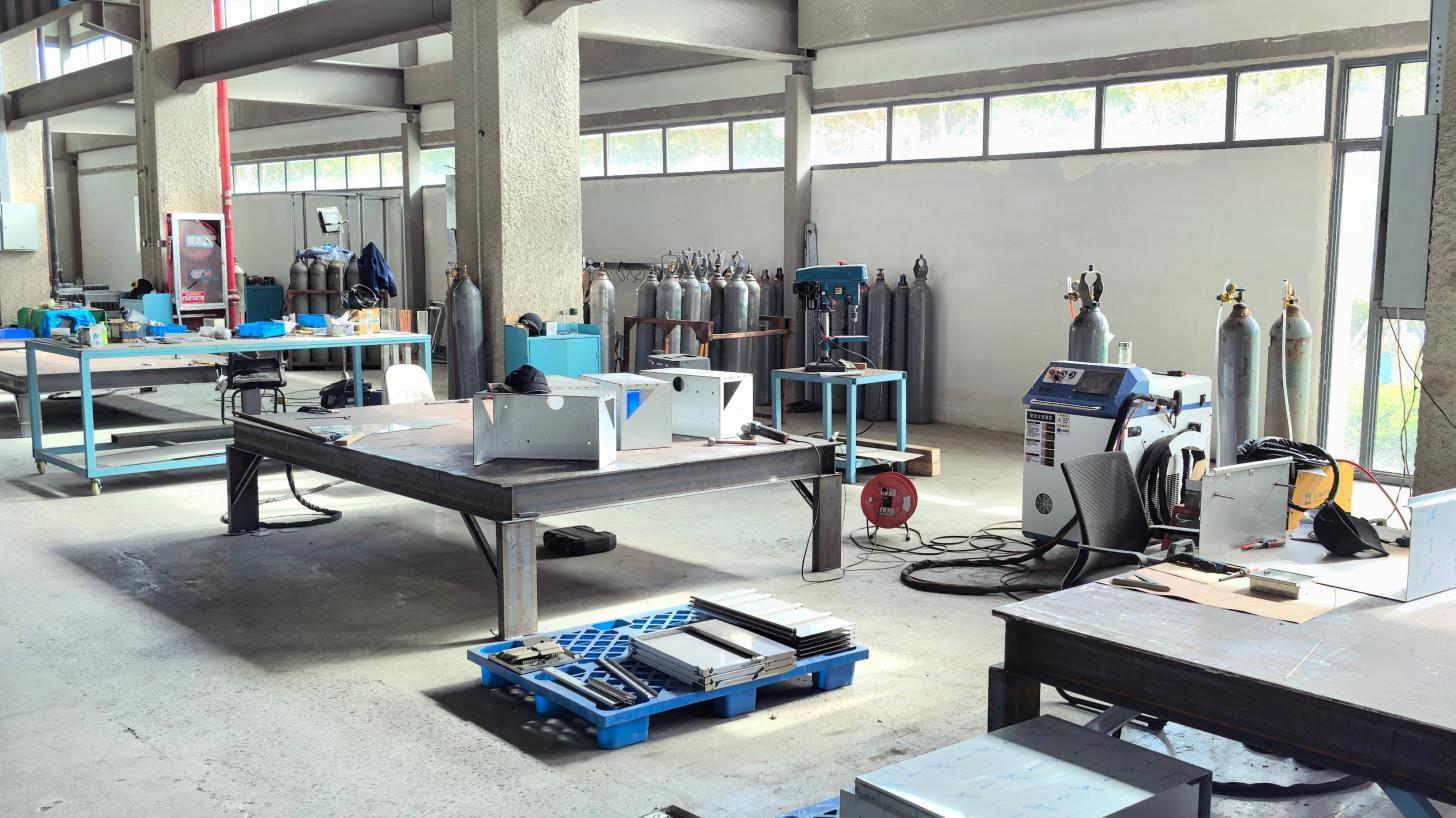
The company is supported by a highly qualified team of engineers, technicians, and industry experts with extensive experience in power electronics and electrical engineering. Equipped with advanced manufacturing facilities, modern production lines, and comprehensive testing equipment, Sowest Electric ensures that every product meets stringent quality standards and international performance requirements.
Guided by the principles of integrity, professionalism, innovation, and mutual growth, Zhejiang Sowest Electric continuously invests in research and development to deliver efficient, intelligent, and reliable power solutions. The company has established a complete quality management system and adheres to strict production and inspection processes to guarantee product safety, stability, and long-term reliability.
Our corporate philosophy is centered on excellence, customer value, and sustainable development. We are dedicated to creating value for customers, opportunities for employees, returns for stakeholders, and positive contributions to society. Through continuous technological advancement and service improvement, we strive to help our customers achieve greater operational efficiency and energy reliability.
In the era of global economic integration, Zhejiang Sowest Electric remains focused on its strategic vision of professional R&D, intelligent manufacturing, and global marketing. By leveraging innovation, quality, and international cooperation, the company is steadily advancing toward its goal of becoming a globally recognized brand in the power supply and electrical equipment industry.
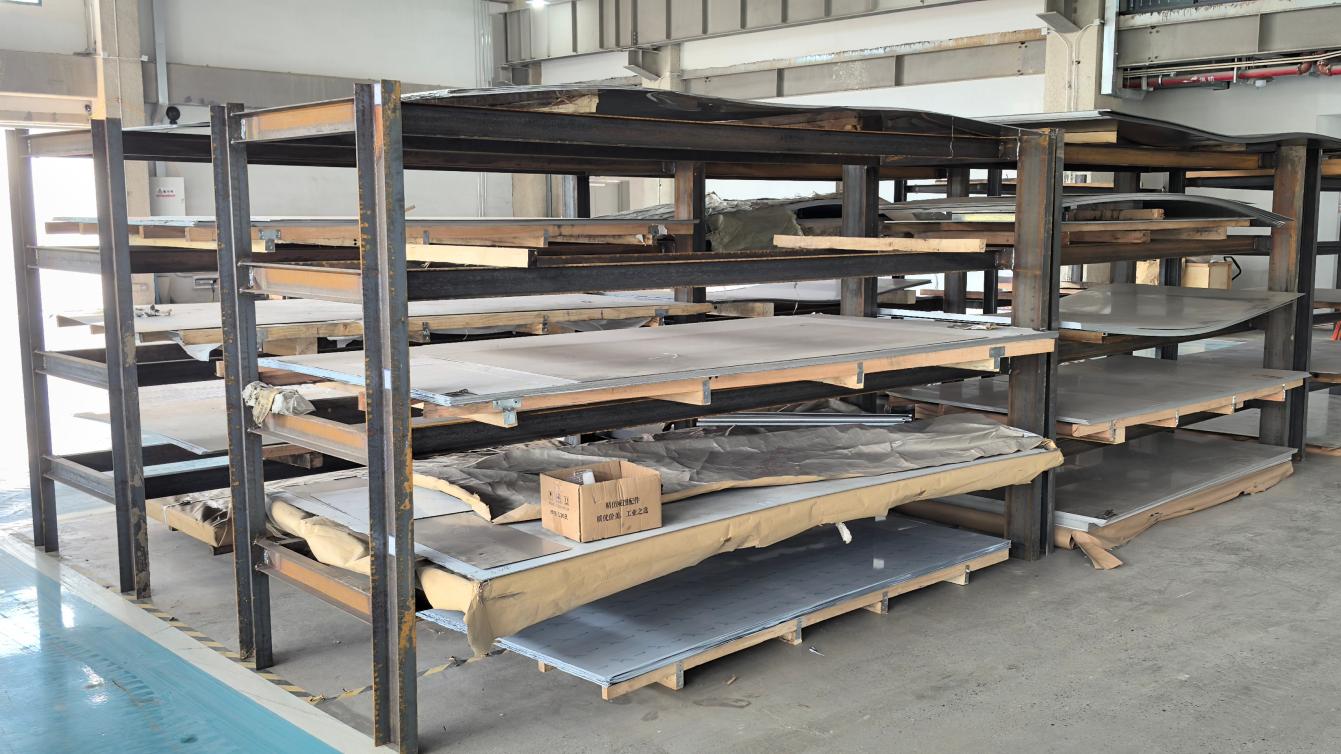
Through advanced CNC systems, robotic welding cells, and automated functional testing lines, Sowest Electric maintains a zero-defect manufacturing standard.
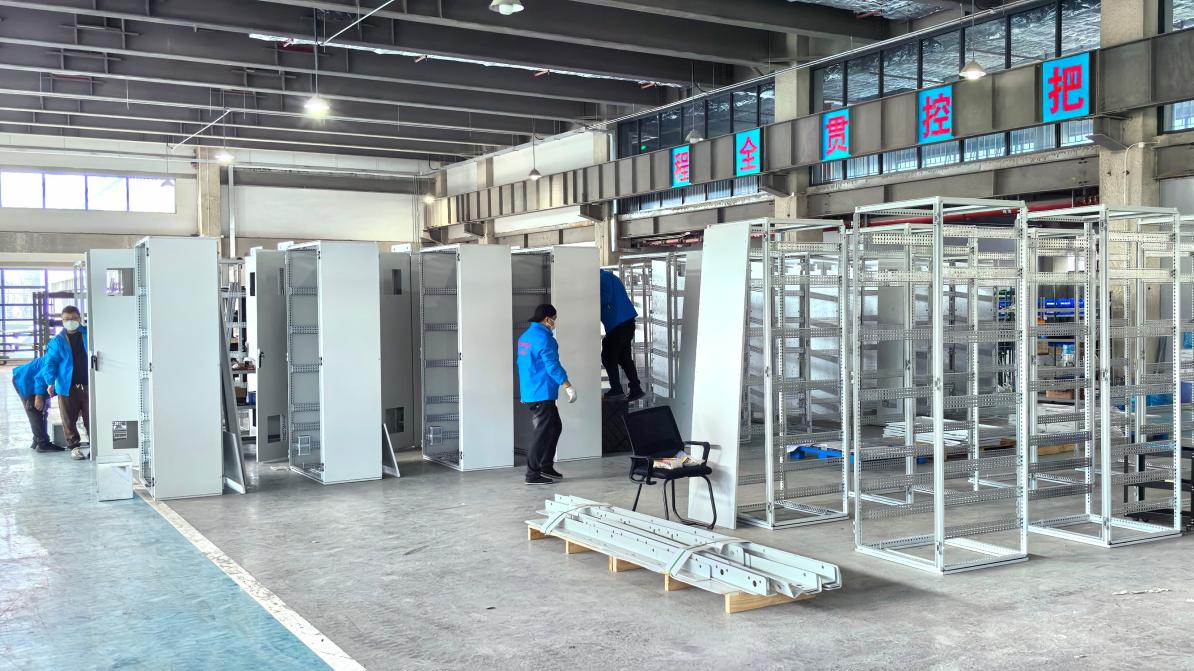
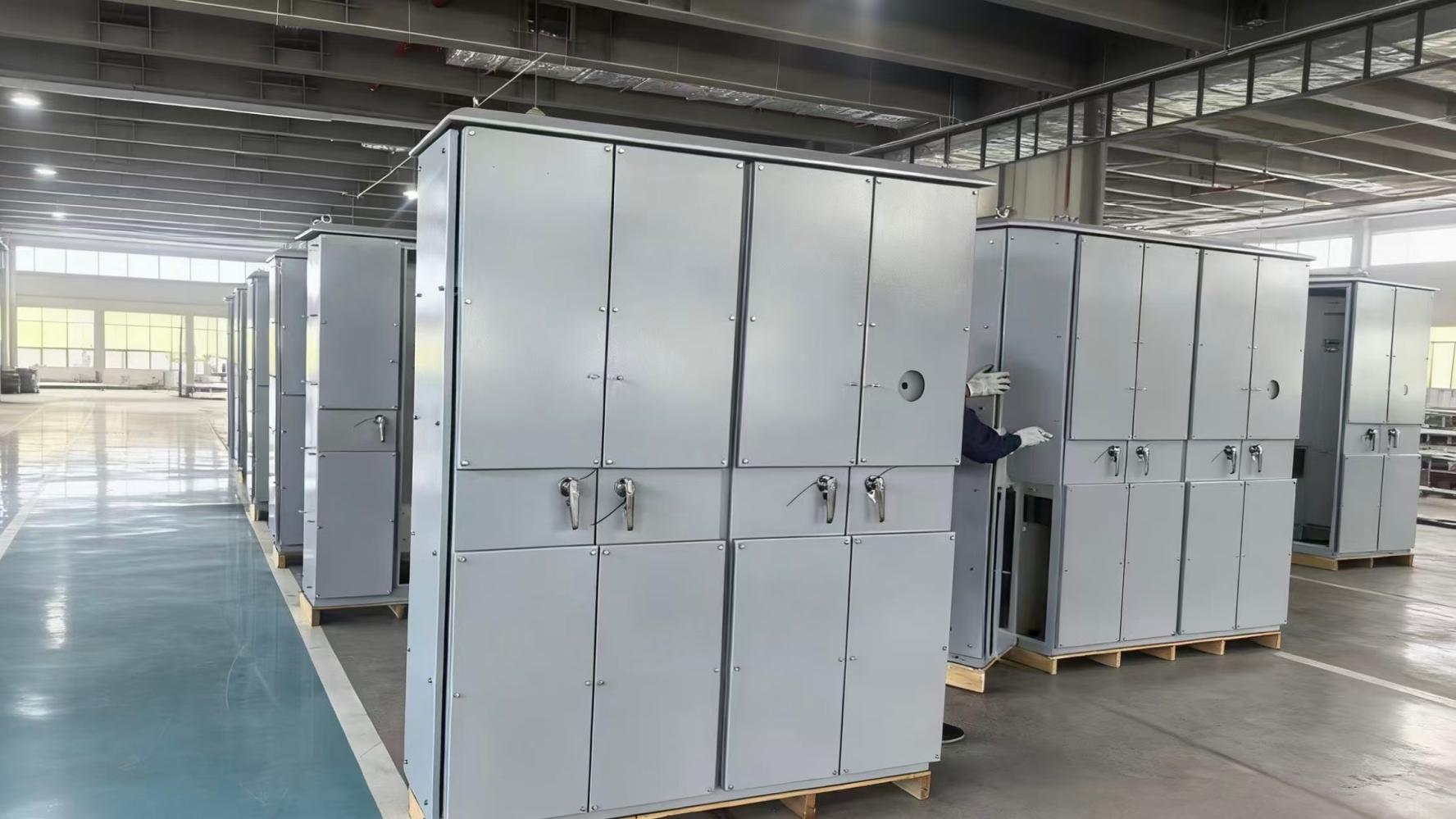
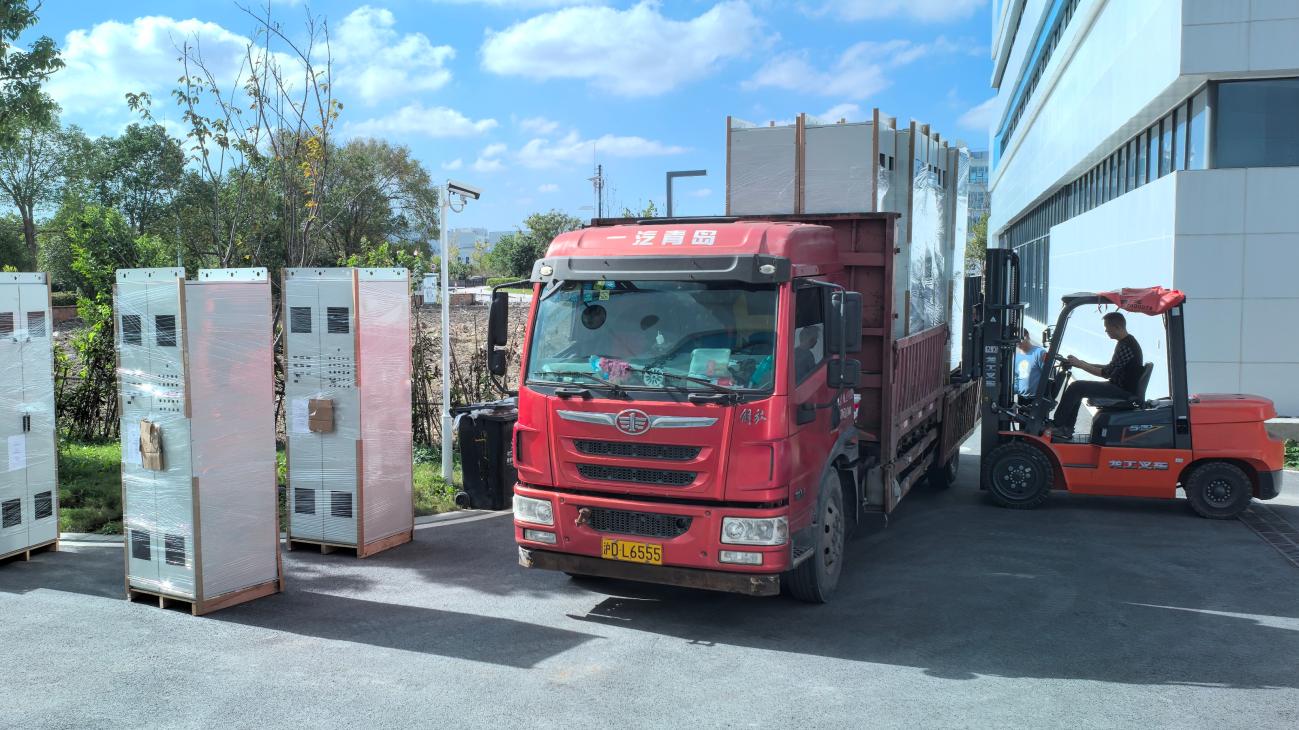
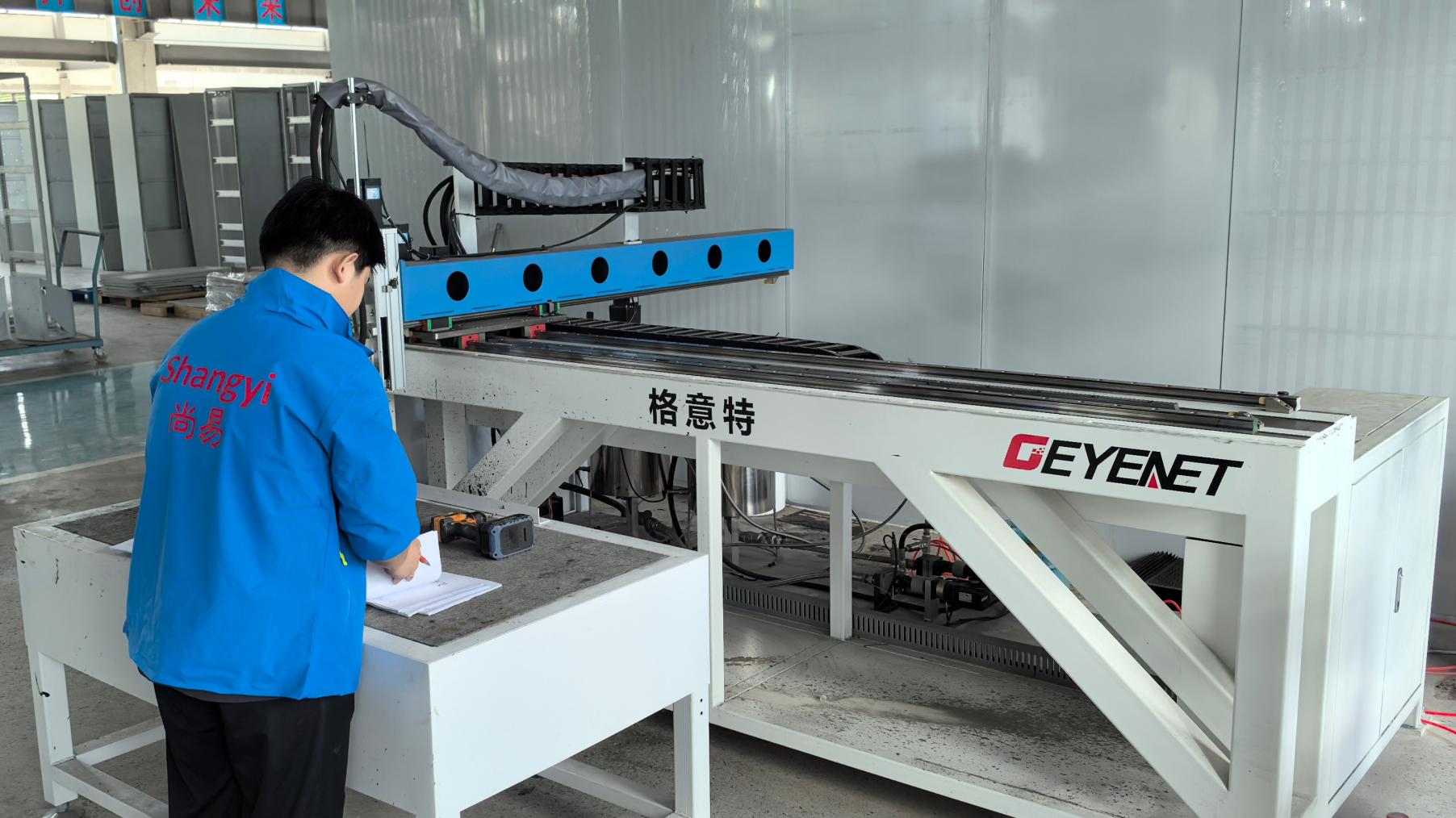
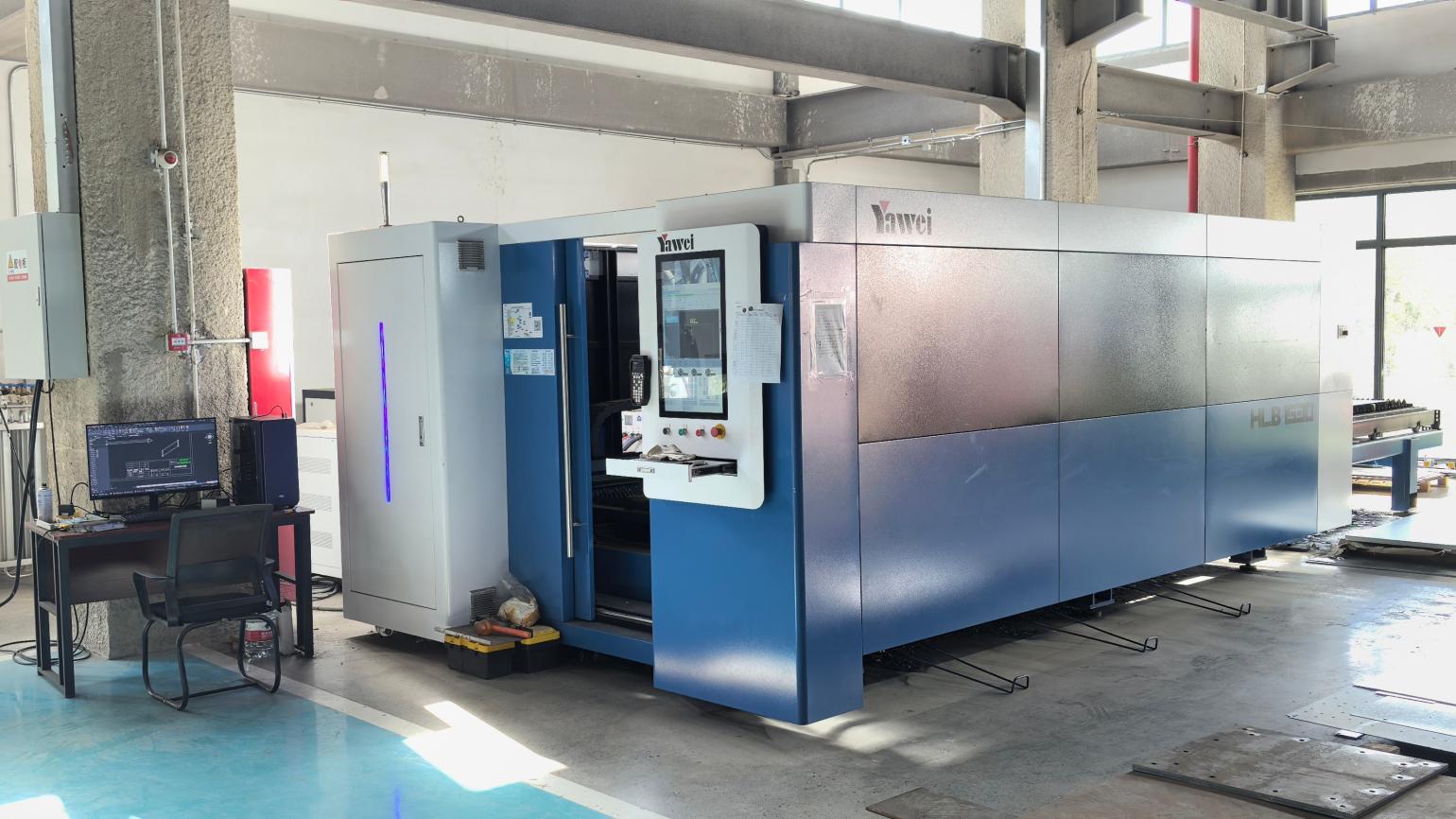
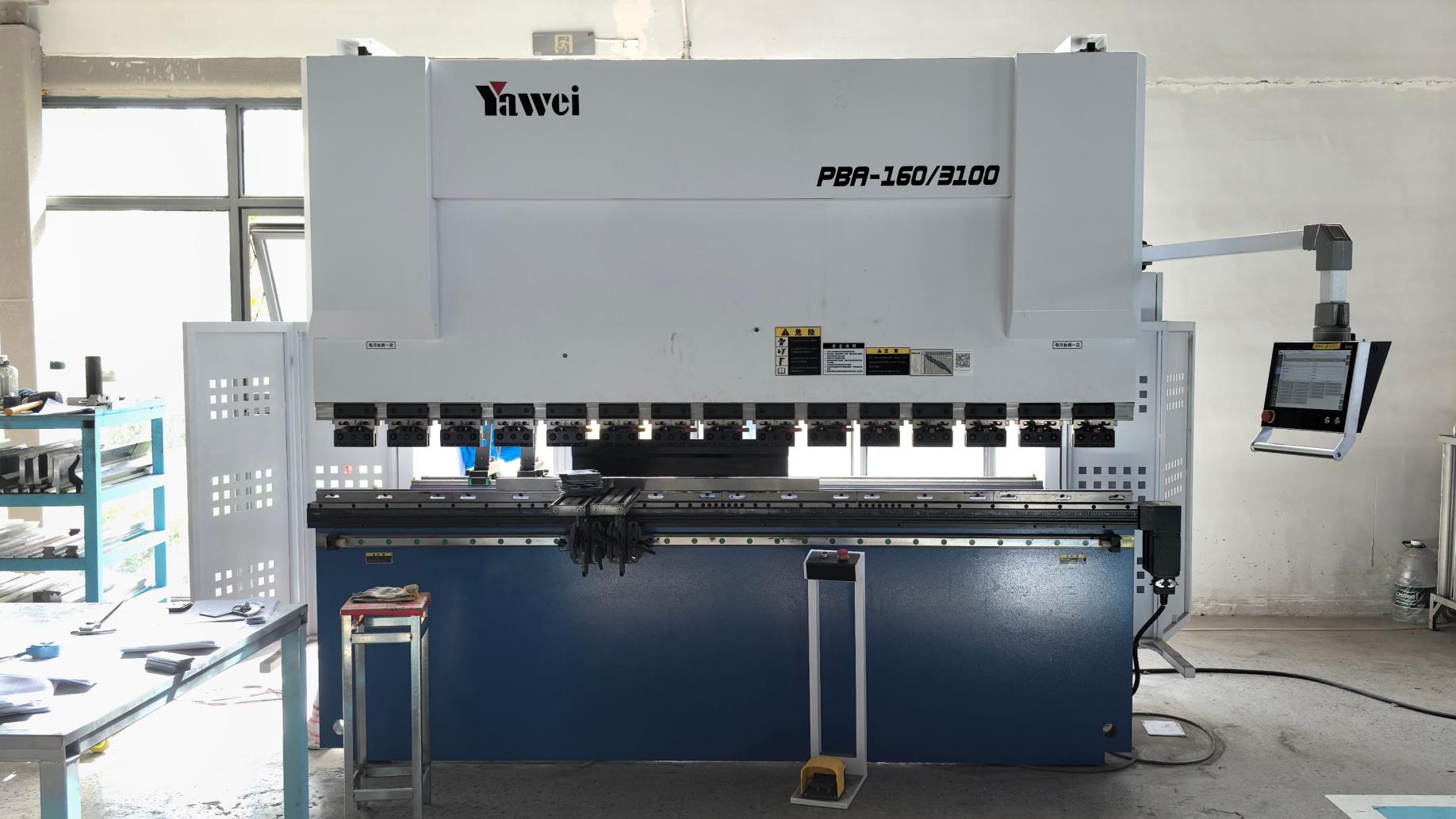
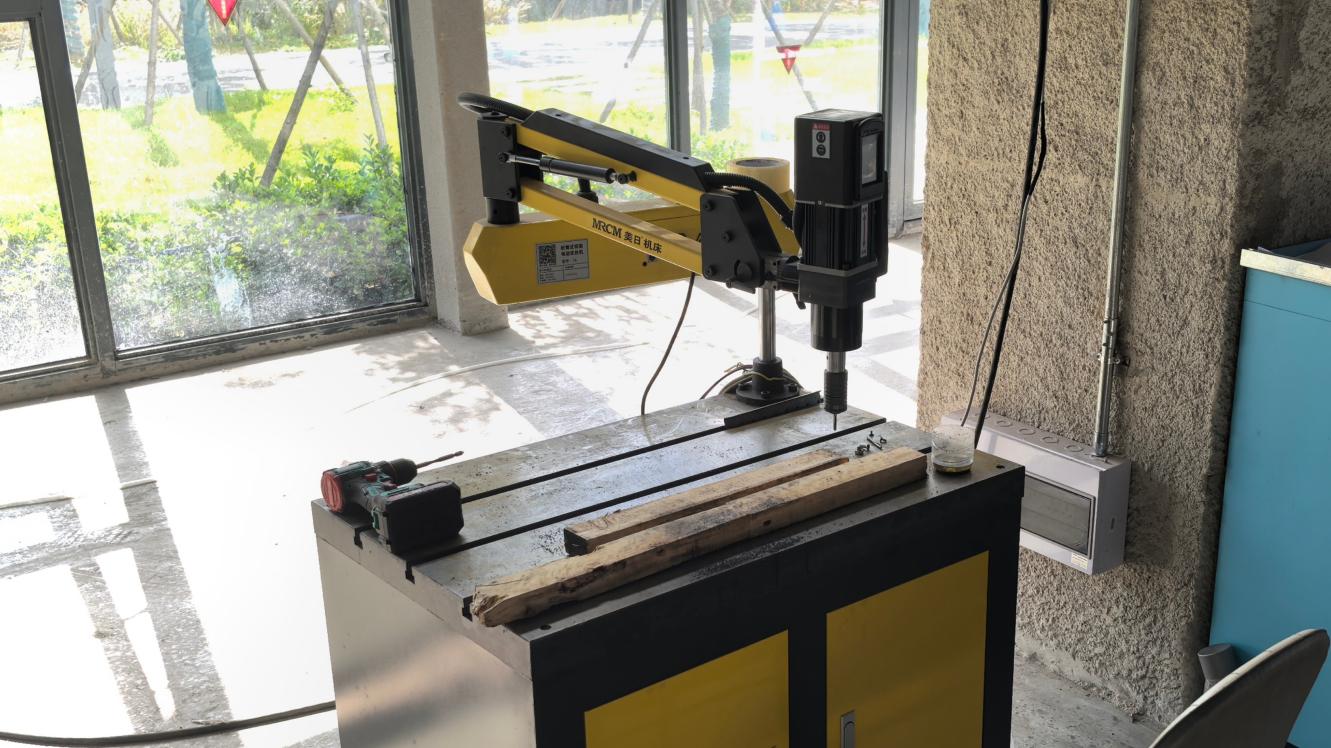
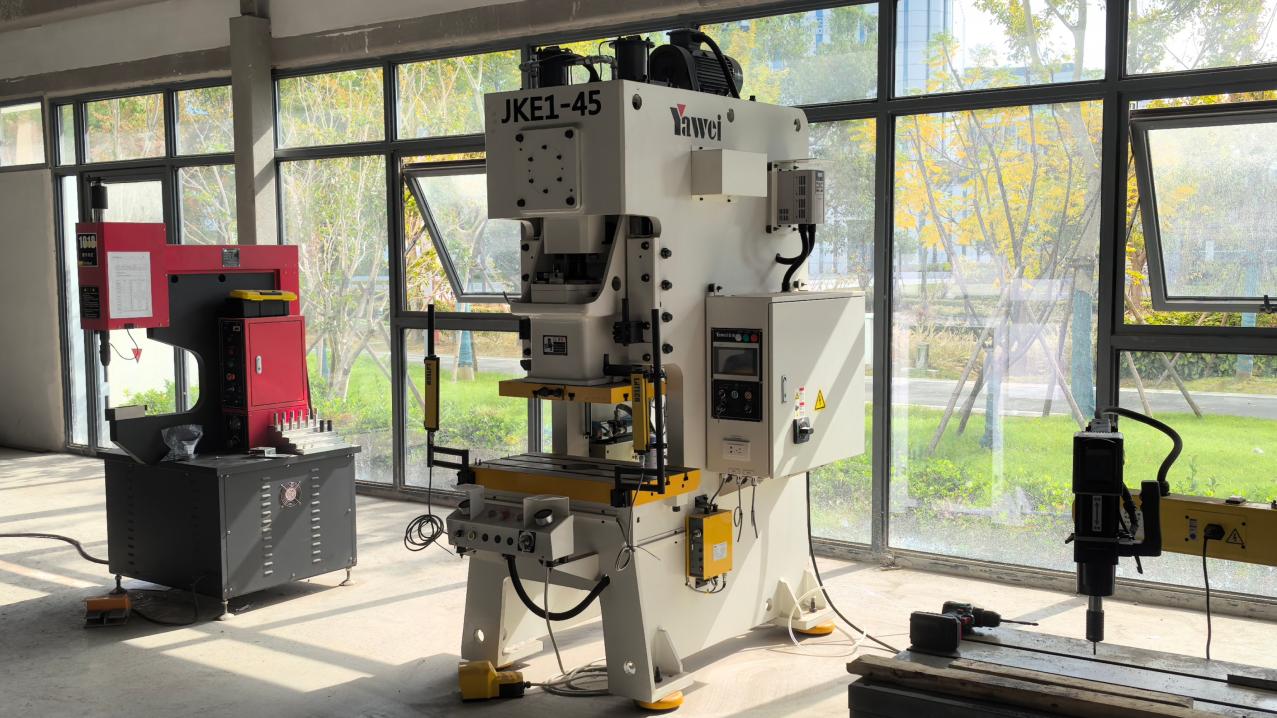
Circuit breakers do not operate in isolation. Depending on the installation environment, their thermal curves, protection ratings, and transient response capabilities must be customized to prevent unexpected outages.
Inductive motor loads generate high starting currents. Sourcing agents choose Curve D miniature circuit breakers or adjustable electronic MCCBs to handle these inrush currents, avoiding nuisance trips while keeping motors, drives, and control systems safe.
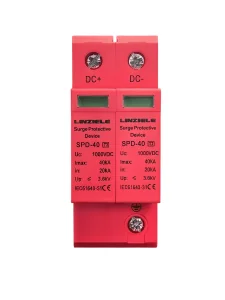
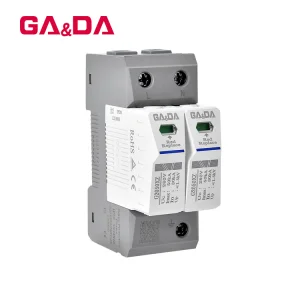
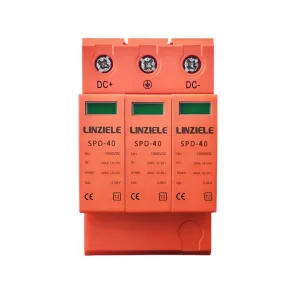
Solar installations run at high DC voltages, reaching up to 1000V or 1500V. Conventional AC breakers cannot break DC arcs, which don't have a zero-crossing point. To safely clear faults in these arrays, specialized DC SPDs and heavy-duty DC molded case breakers are required.
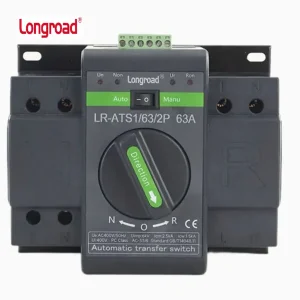
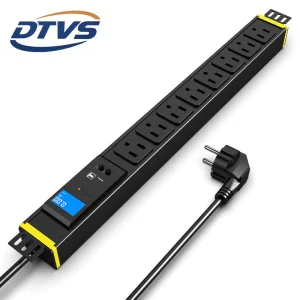
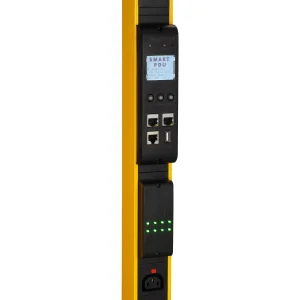
For continuous digital operations, power supply systems use automatic transfer switches (ATS) along with intelligent power distribution units (PDUs). These setups provide zero-delay line switching and support remote web-based load monitoring.
Enterprise procurement involves balance. High-reliability infrastructure demands components that minimize total cost of ownership (TCO) over a 20-year operational window. Engineering departments and procurement divisions should prioritize four critical check-points during vendor qualification:
Verify that your chosen factory operates strict incoming quality control (IQC) protocols. Premium manufacturers track the purity of copper conductor rails, use high-strength fiberglass-reinforced polyester housings for superior arc resistance, and procure high-quality silicon steel sheets for magnetic trip coils.
As switchgear transitions into digital smart-grid infrastructure, verify that breakers can interface directly with SCADA systems. Advanced configurations should offer Modbus, Profibus, or Ethernet connections to transmit real-time telemetry like voltage, current, power factor, and harmonic distortion.
Verify that the supplier provides clear, certified coordination tables. This ensures selective coordination, where only the breaker closest to the fault opens, keeping the rest of the electrical system online and minimizing downtime.
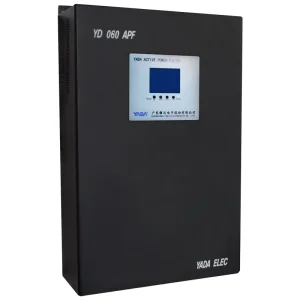
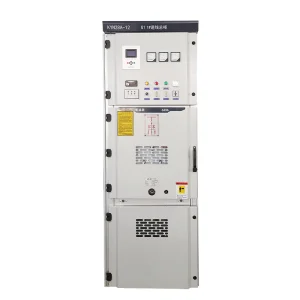
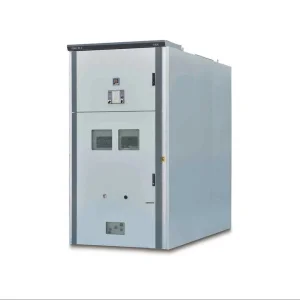
Explore our secondary catalog featuring metal-clad switchgear, active harmonic filters, high-voltage static var generators, and surge protective devices.
Essential technical questions answered by our engineering and product design specialists to assist with your purchasing and system integration needs.
 Sowest Electric