Premium electrical conversion, grid filtering, voltage regulation, and automated switchgear systems engineered for global safety and power stability.
A detailed analysis of high-voltage safety engineering, supplier dynamics, and standard compliance protocols.
Non-Contact Voltage Testers (NCVTs) serve as the first line of defense for electrical engineers, utility technicians, and industrial operators globally. Unlike traditional contact-based multimeters, an NCVD operates by sensing the electrostatic field generated by alternating current (AC) voltage through capacitive coupling. This eliminates the necessity of physical exposure to live conductors, dramatically mitigating the risk of arc flash incidents and accidental electrocution.
Modern industrial sites demand testers rated up to CAT IV 1000V, allowing technicians to safely assess high-risk outdoor utilities, switchgear bays, and incoming service lines. When evaluating suppliers, global procurement units must prioritize companies that utilize premium components, calibrated integrated circuits (ICs), and flame-retardant thermoplastics (e.g., Polycarbonate/ABS blends) capable of withstanding extreme workplace hazards.
For strategic procurement directors, sourcing high-reliability NCVD devices requires auditing a manufacturer's core capabilities across five main disciplines: dielectric integrity validation, calibration repeatability, EMI/RFI shielding effectiveness, IP ingress protection, and lifecycle testing under extreme thermal variance.
Cheap, uncertified testers often lack sufficient internal shielding. When operated near high-frequency variable frequency drives (VFDs) or switchgear configurations, these poor-quality testers are susceptible to electromagnetic interference, resulting in false negatives that endanger maintenance crews. A premium manufacturing facility utilizes specialized automated testing apparatuses to calibrate each tester's sensor antenna, ensuring tight tolerance bands for voltage detection thresholds.
The global demand for non-contact testing tools is accelerating, fueled by massive investments in smart grids, data center infrastructure, and renewable energy plants. Utilities and heavy industries are shifting from reactive maintenance protocols to preventative safety regimens. This structural transition has driven the requirements for testers from basic "live/dead" indicators to smart devices featuring dual-range detection, digital LCD signal indicators, and high-intensity worklights.
To support large-scale deployment across multiple operational territories, major electrical distributors require suppliers capable of providing multi-regional certifications. The supply chain has shifted toward manufacturers that maintain strict traceability from raw copper, component sourcing, PCB assembly (PCBA), to final unit calibration.
Leading enterprises seek OEM/ODM partners capable of integrating customized voltage sensitivity curves tailored to specific localized environments—such as marine offshore drilling rigs or high-altitude solar substations.
An industry leader in the development, manufacturing, and distribution of comprehensive power supply solutions and heavy-duty electrical equipment.
Zhejiang Sowest Electric Co., Ltd. is a modern and innovative enterprise specializing in the research, development, manufacturing, and sales of power supply and electrical distribution equipment. With a strong commitment to technological innovation, product quality, and customer satisfaction, the company has established itself as a reliable partner for power generation, transmission, distribution, industrial automation, transportation, petrochemical, telecommunications, and infrastructure projects worldwide.
Our core product portfolio includes AC/DC Power Supply Panels, DC Power Systems, UPS (Uninterruptible Power Supply) Systems, Battery Chargers, DC Distribution Panels, AC Distribution Panels, Central Signal Panels, Power Monitoring Systems, Circuit Breakers, Power Feeding Panels, and other integrated power supply solutions. These products are widely applied in substations, power plants, industrial facilities, data centers, rail transit systems, and renewable energy projects.
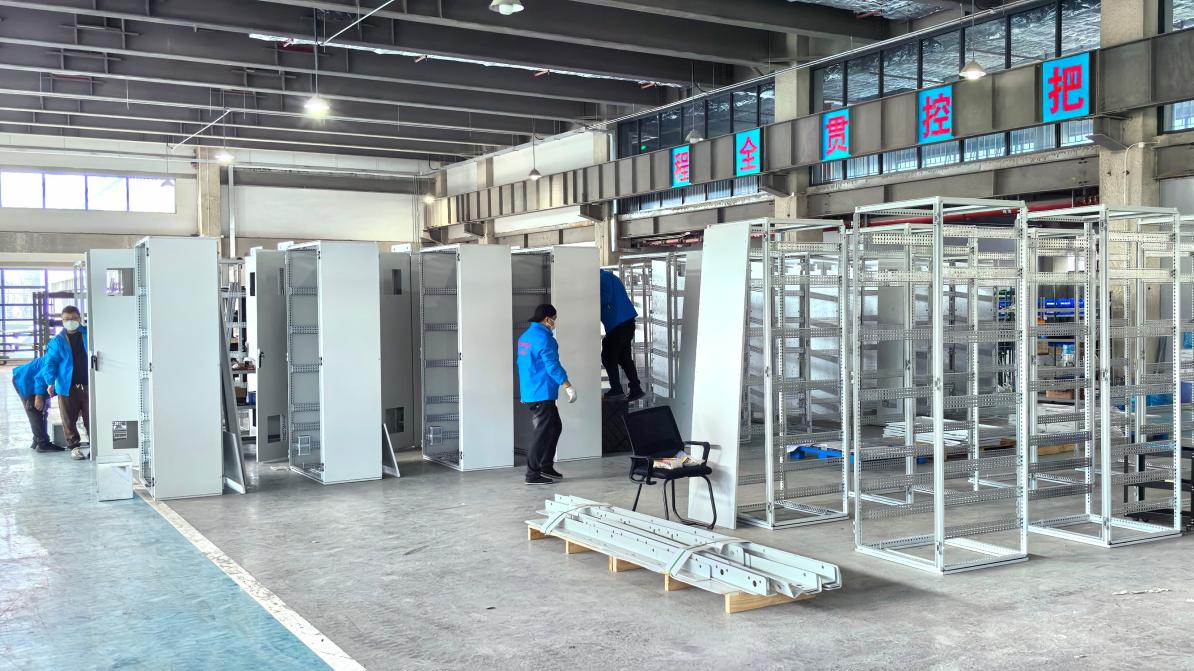
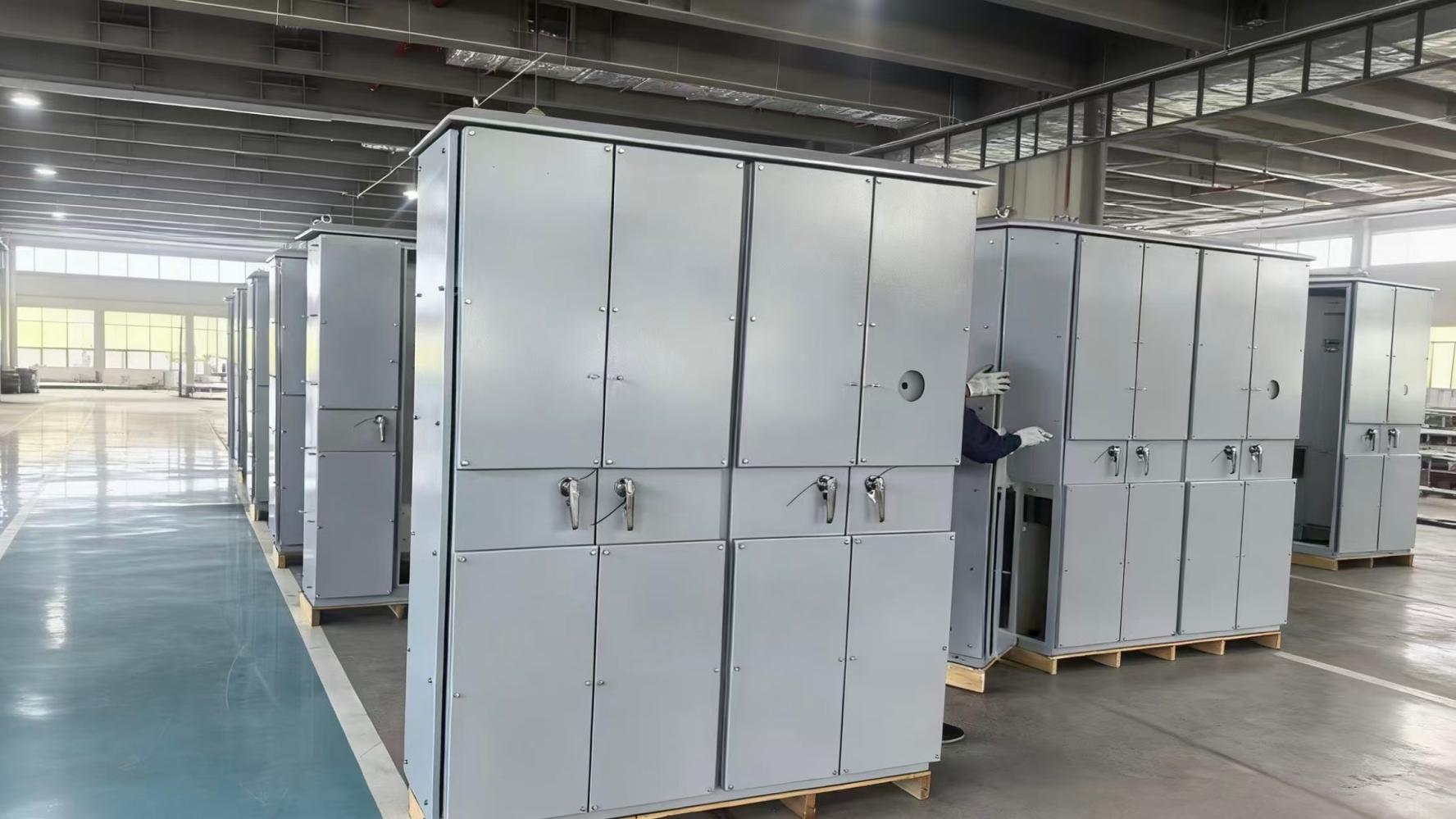
The company is supported by a highly qualified team of engineers, technicians, and industry experts with extensive experience in power electronics and electrical engineering. Equipped with advanced manufacturing facilities, modern production lines, and comprehensive testing equipment, Sowest Electric ensures that every product meets stringent quality standards and international performance requirements.
Guided by the principles of integrity, professionalism, innovation, and mutual growth, Zhejiang Sowest Electric continuously invests in research and development to deliver efficient, intelligent, and reliable power solutions. The company has established a complete quality management system and adheres to strict production and inspection processes to guarantee product safety, stability, and long-term reliability.
Our corporate philosophy is centered on excellence, customer value, and sustainable development. We are dedicated to creating value for customers, opportunities for employees, returns for stakeholders, and positive contributions to society. Through continuous technological advancement and service improvement, we strive to help our customers achieve greater operational efficiency and energy reliability.
In the era of global economic integration, Zhejiang Sowest Electric remains focused on its strategic vision of professional R&D, intelligent manufacturing, and global marketing. By leveraging innovation, quality, and international cooperation, the company is steadily advancing toward its goal of becoming a globally recognized brand in the power supply and electrical equipment industry.
Zhejiang Sowest Electric Co., Ltd. – Powering Reliability, Driving Innovation.
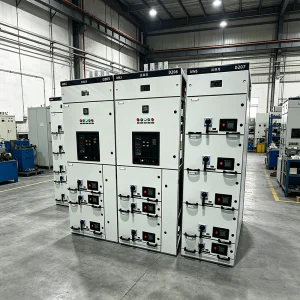
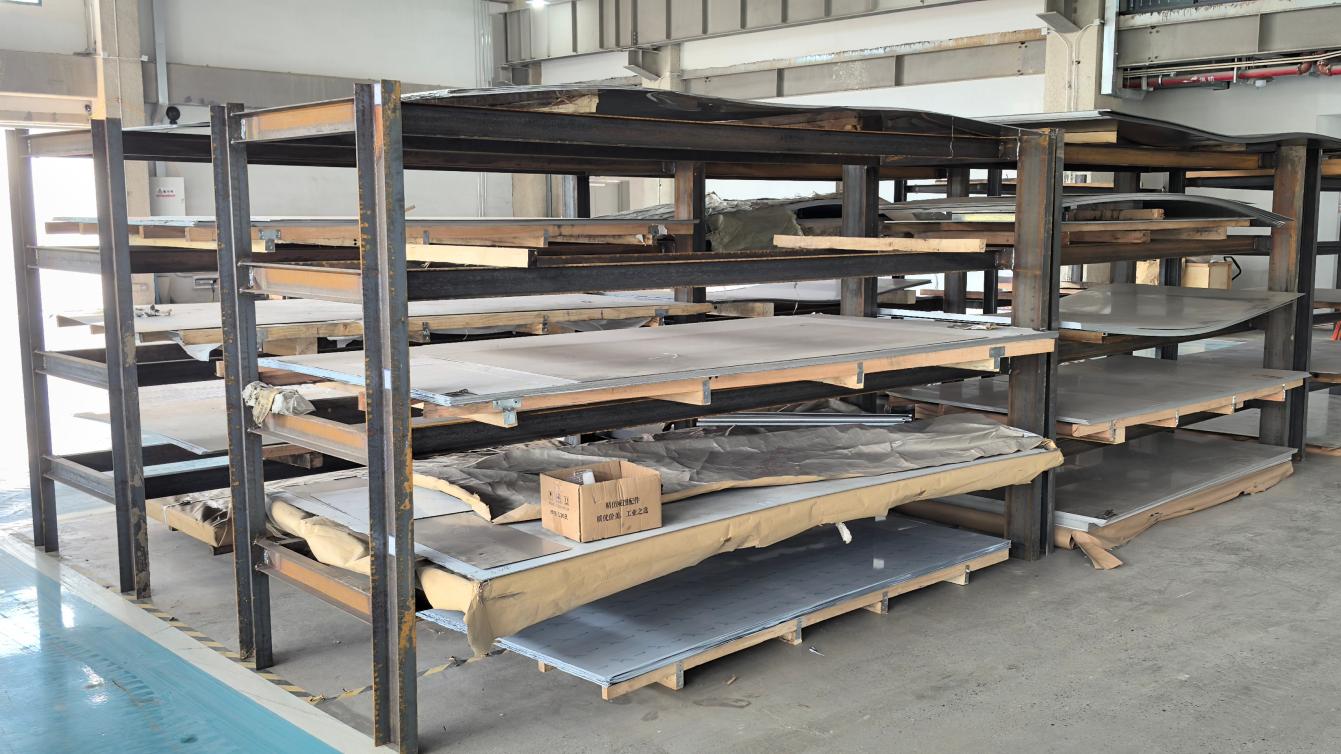
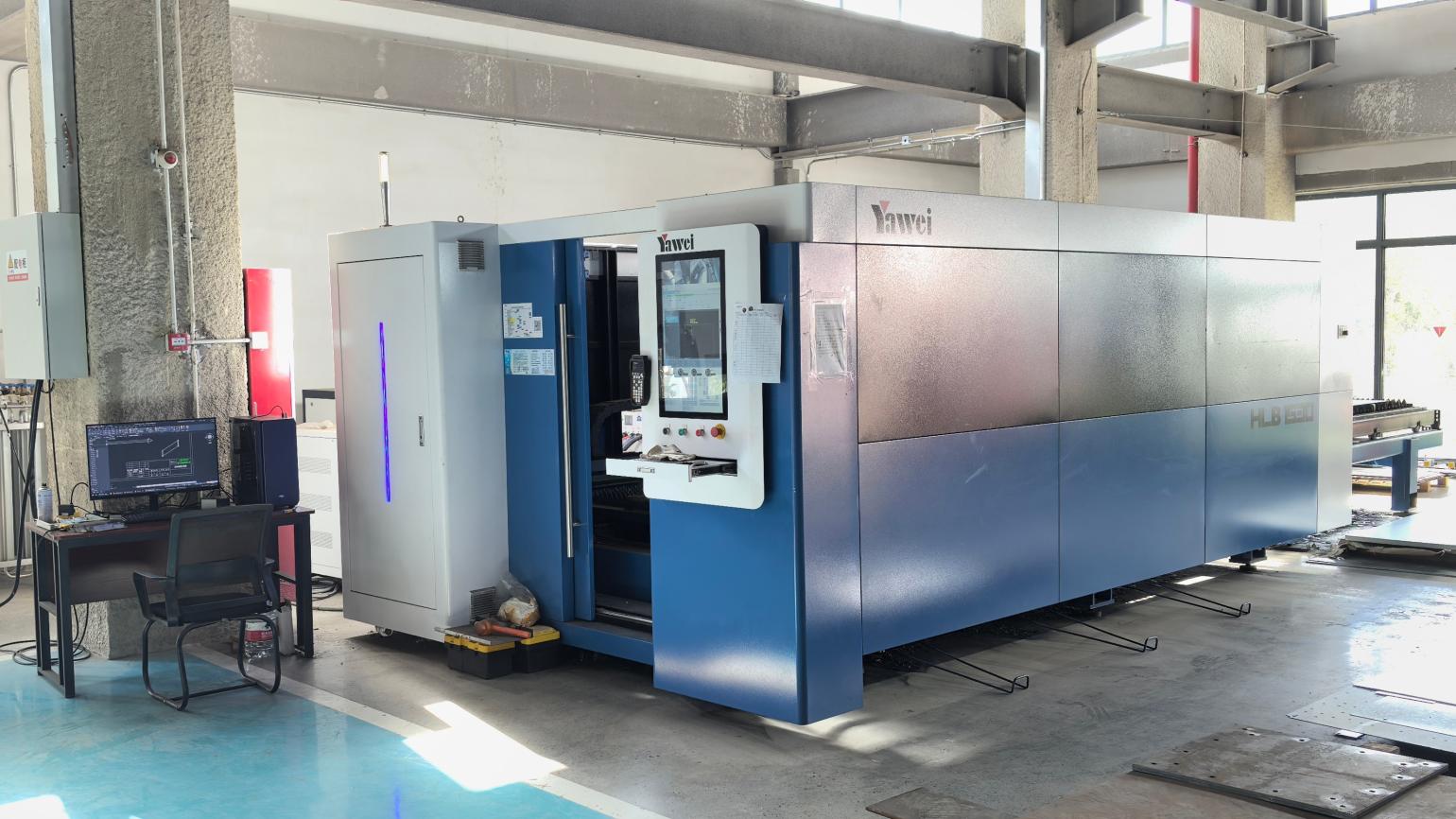
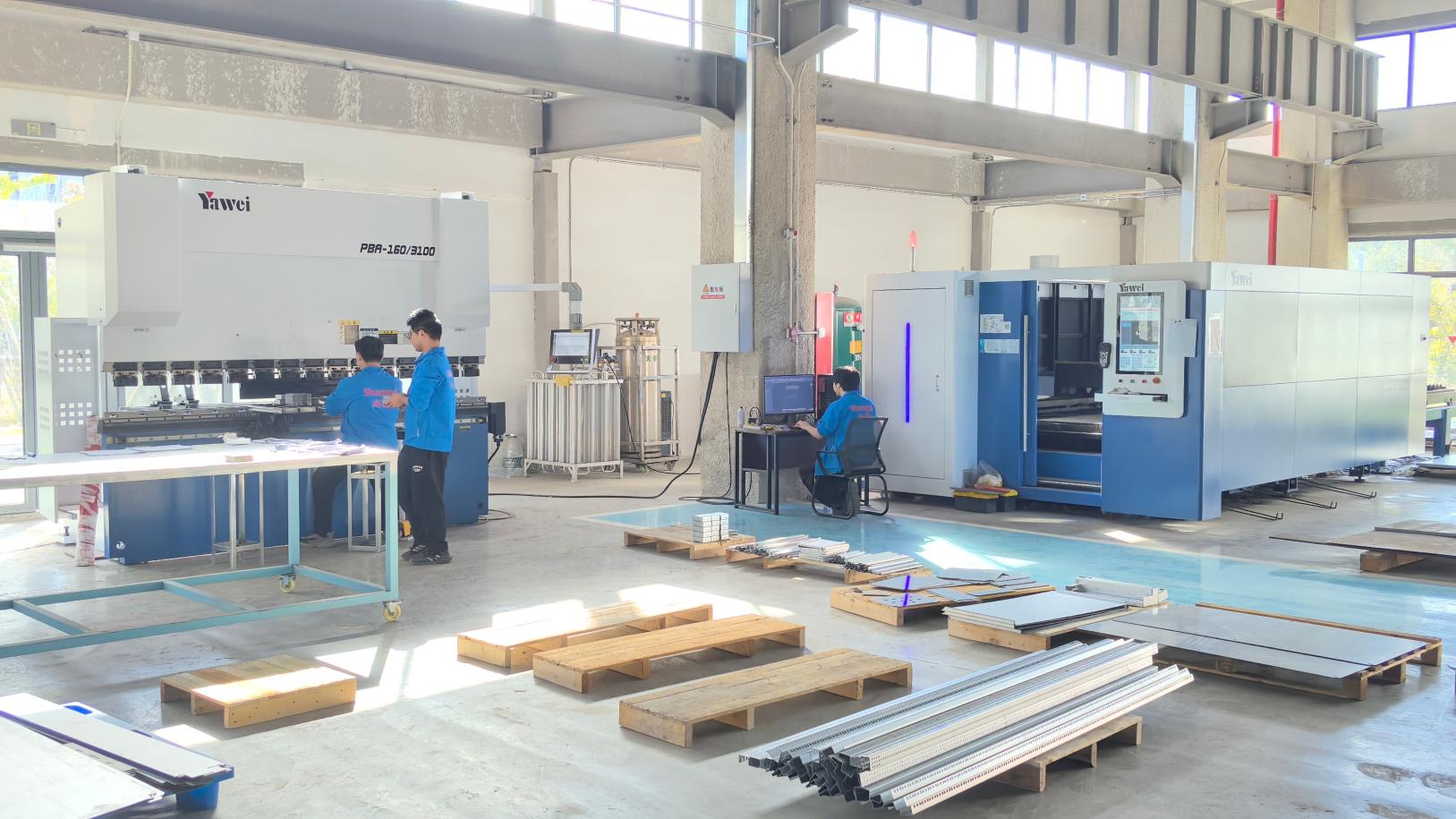
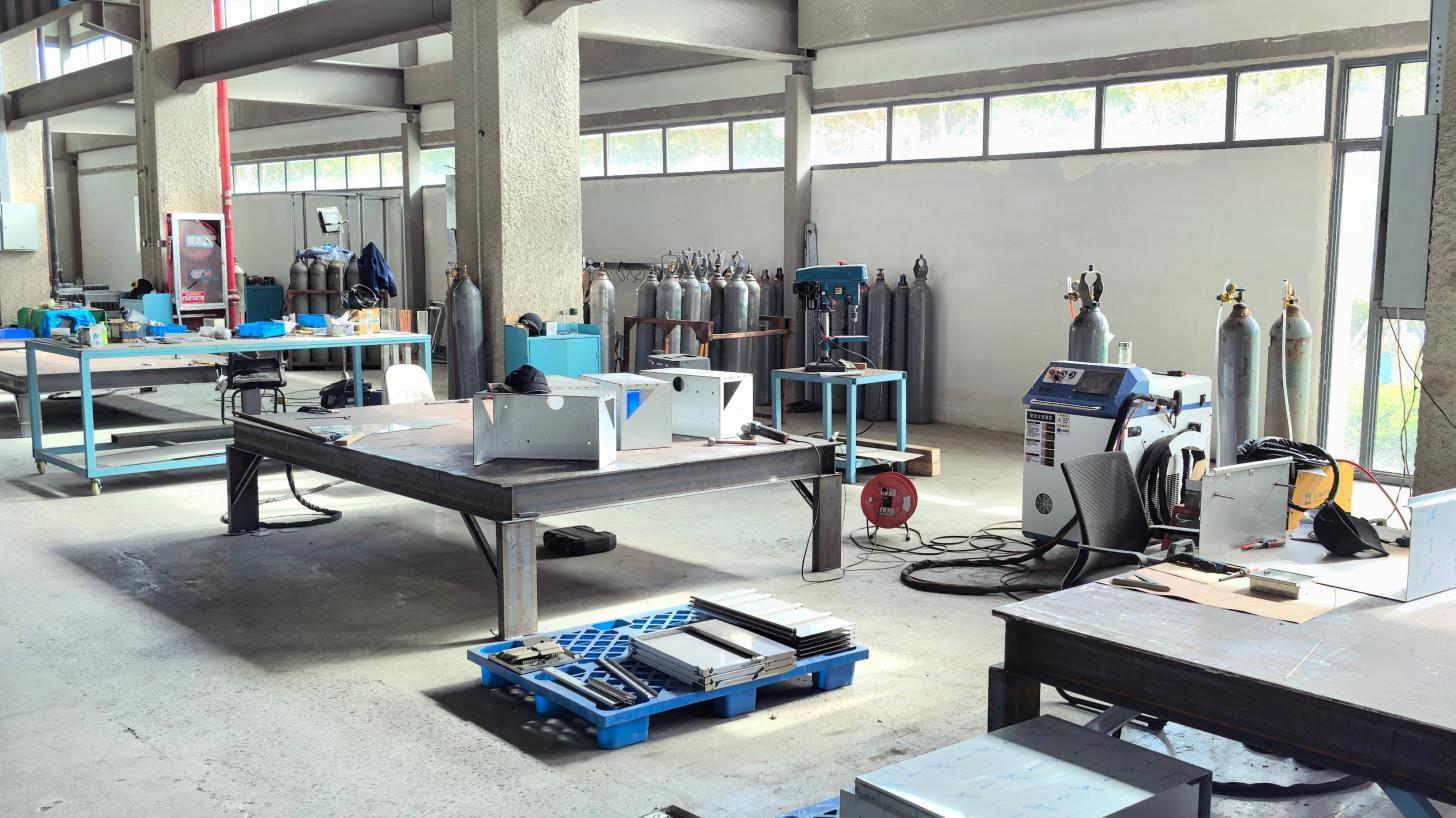
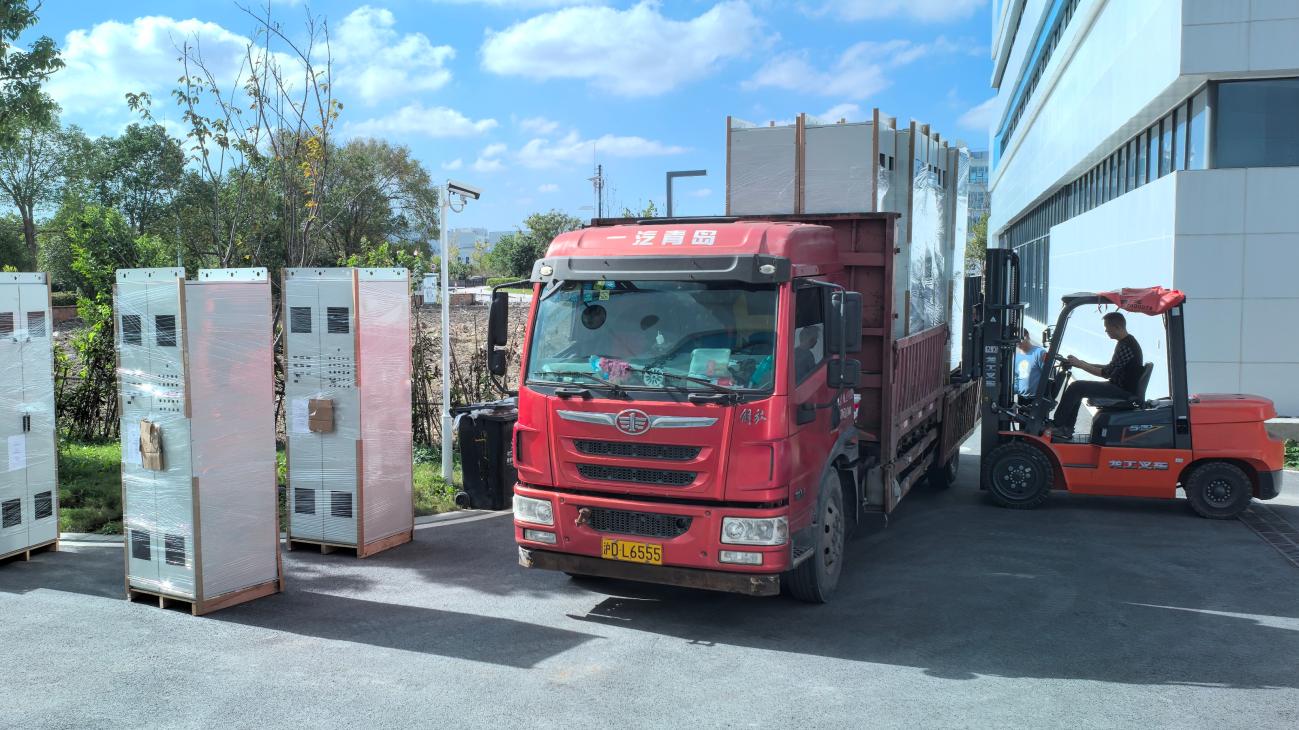
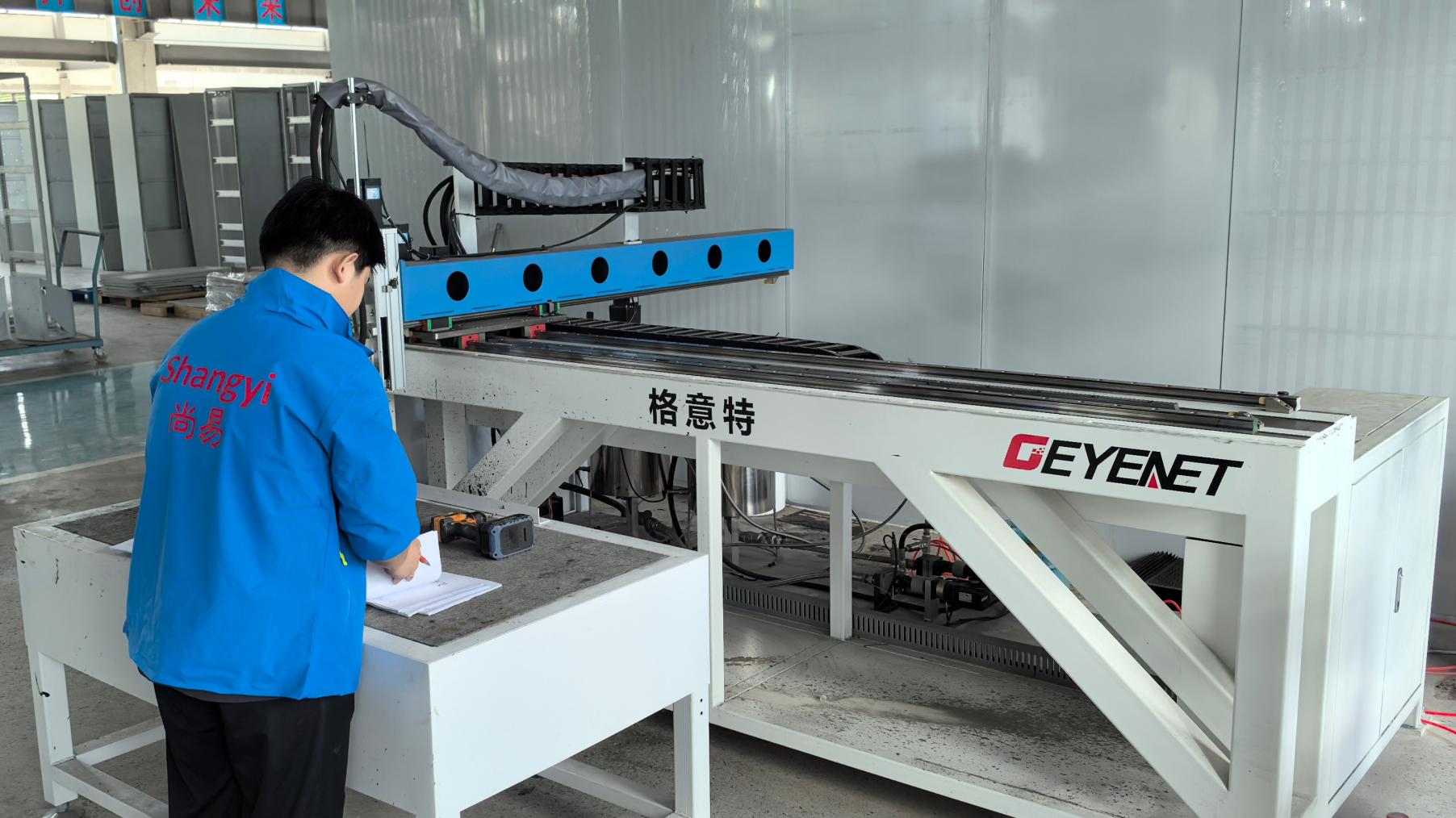
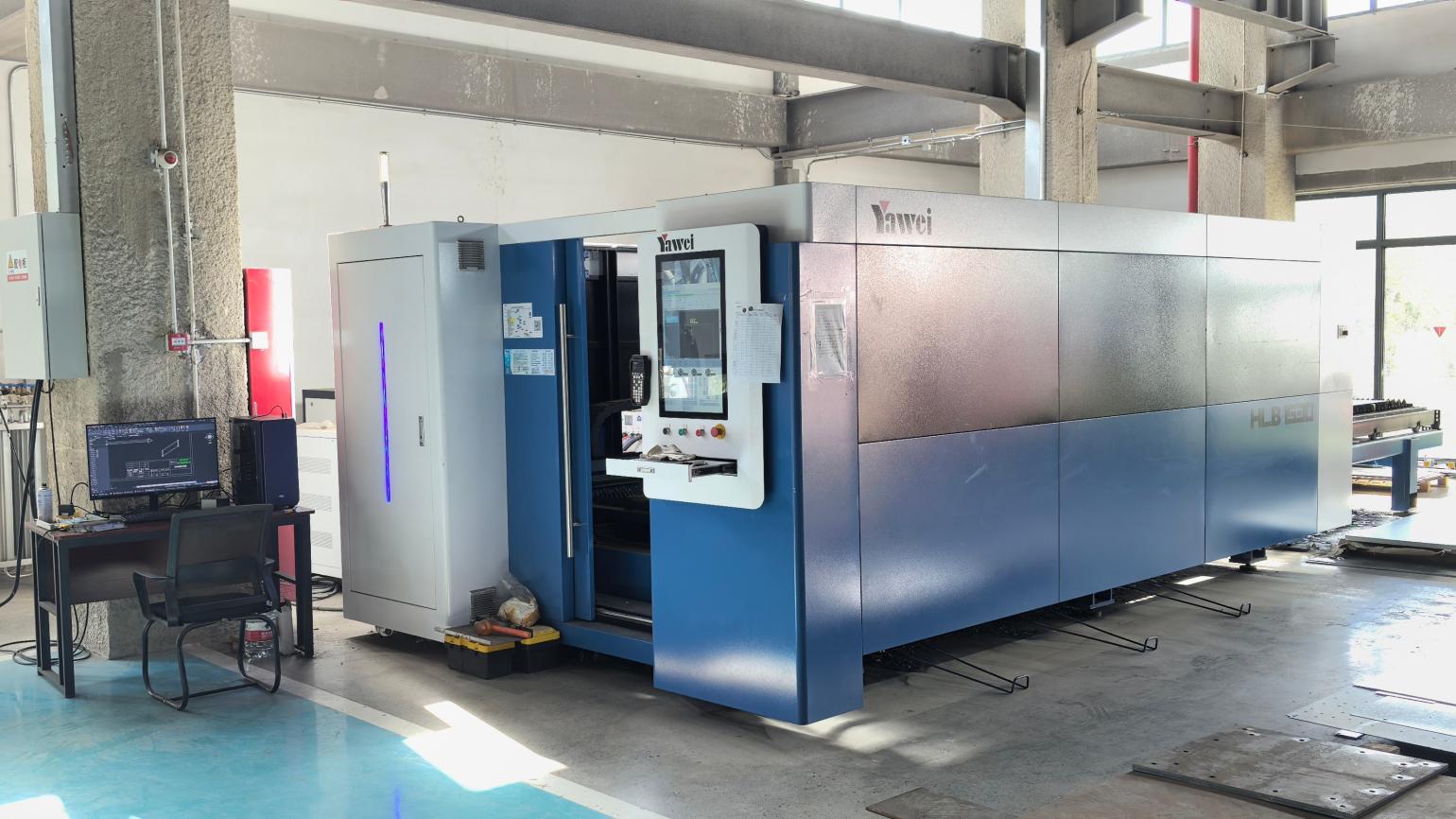
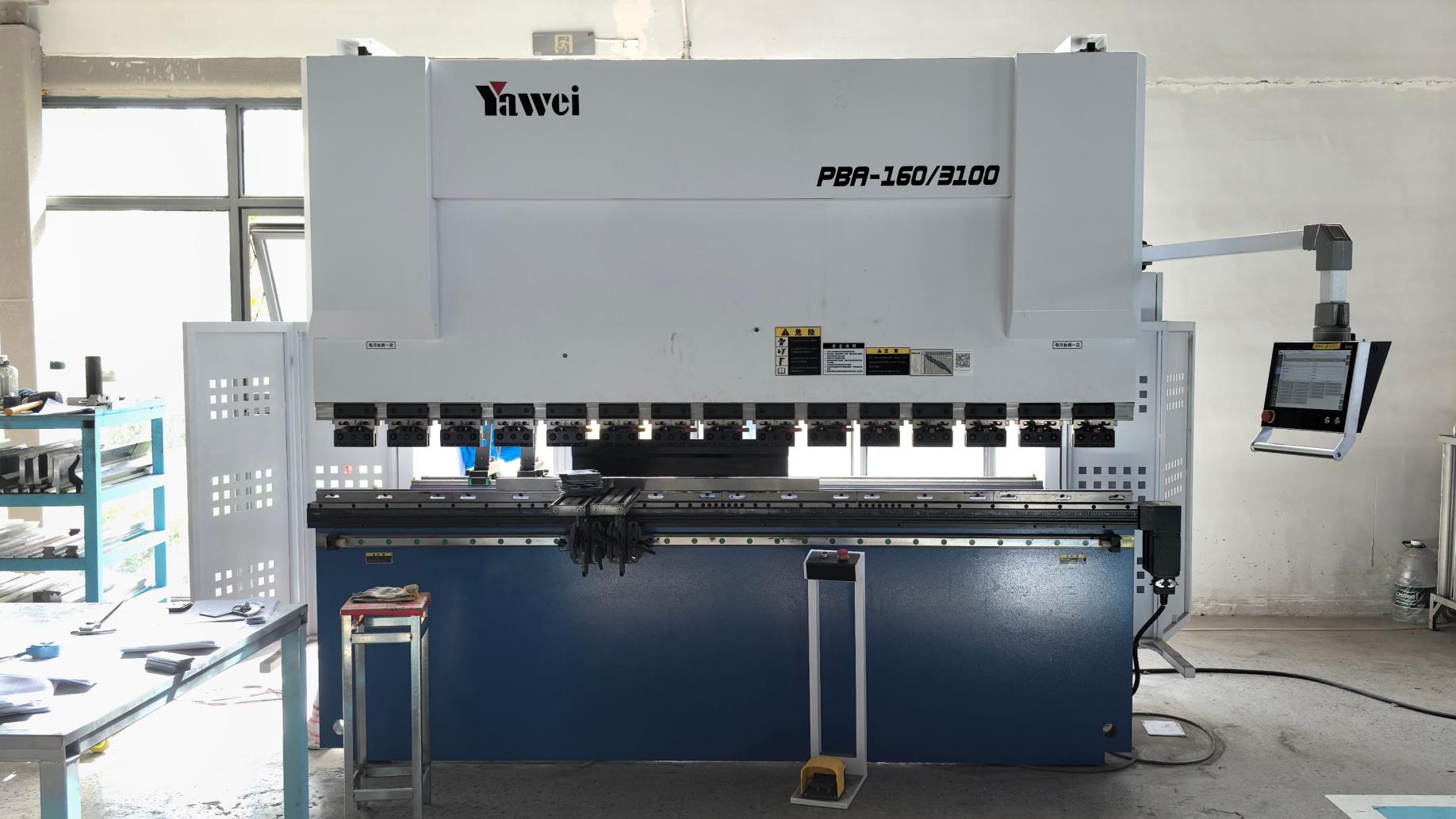
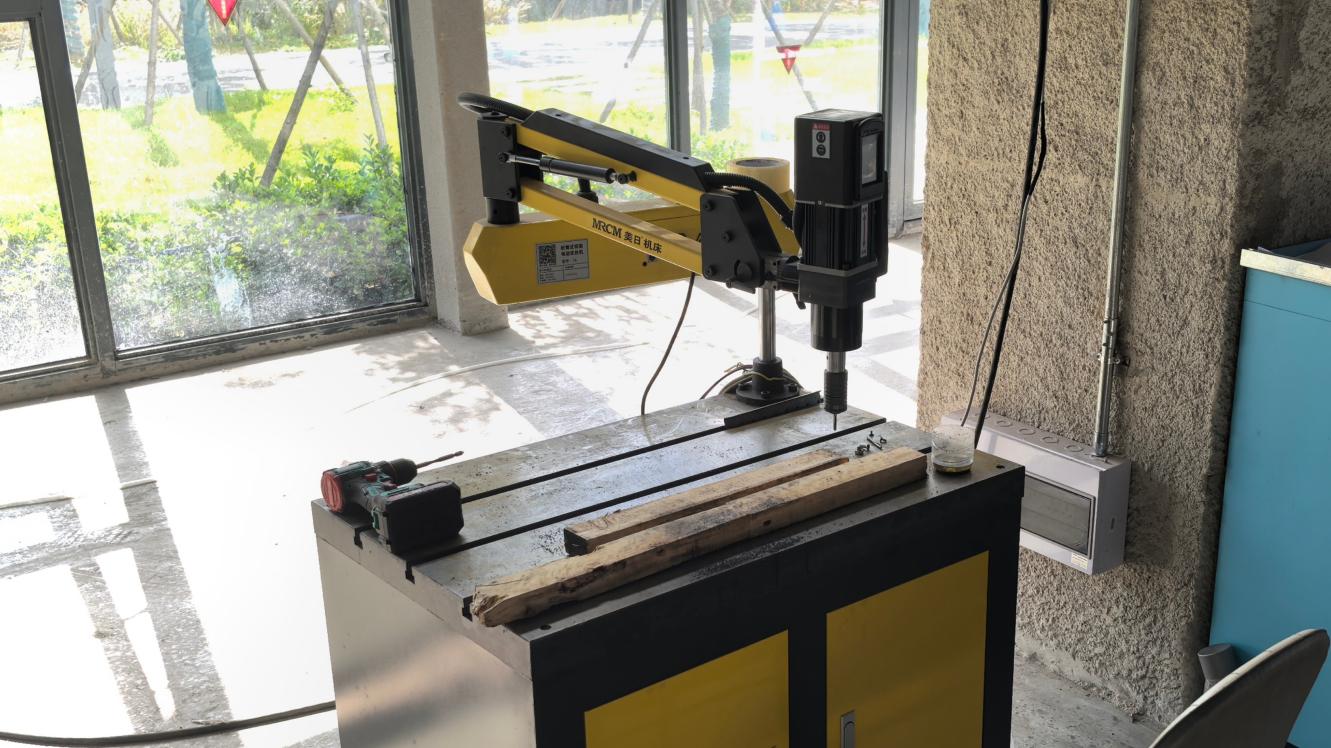
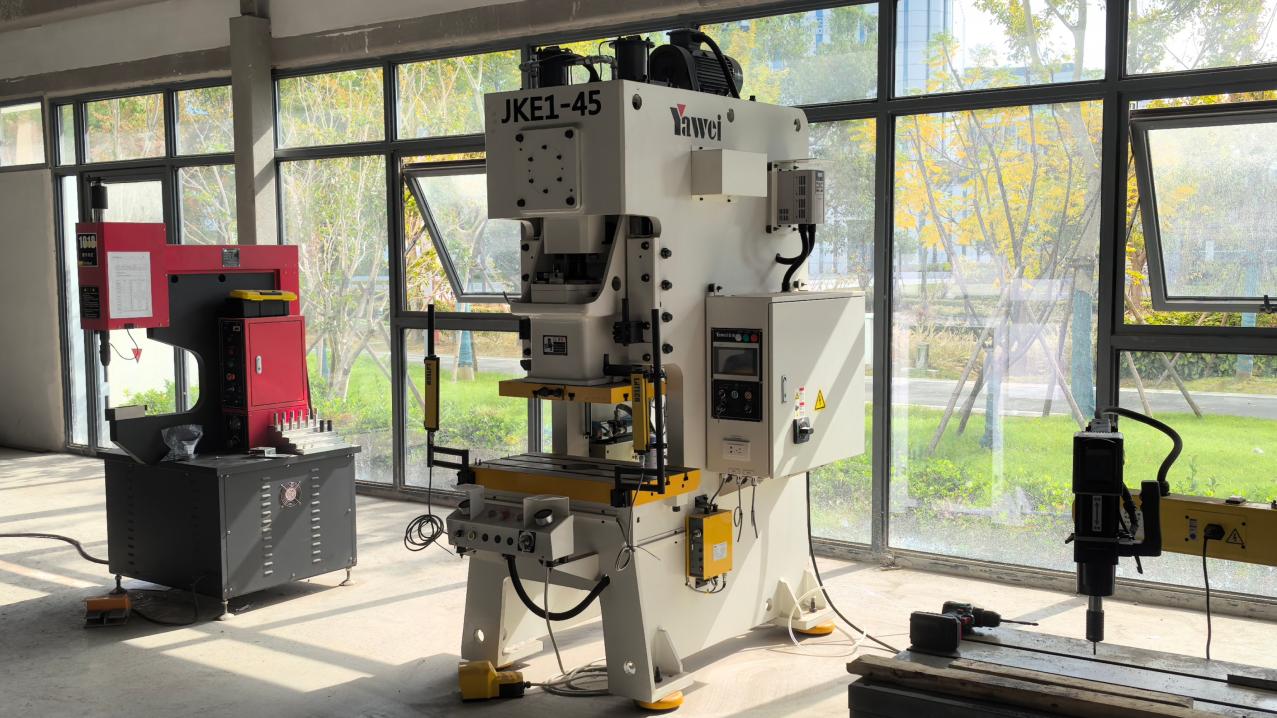
Direct transparency into our manufacturing ecosystem, showcasing precision machinery and rigorous testing lines.
An authoritative view on the engineering future of non-contact testing equipment and real-world deployment challenges.
The transition toward Industry 4.0 has integrated low-power Bluetooth and ZigBee modules into NCVTs. Technicians can now stream instant voltage measurements directly to cloud-based hazard assessment systems, automating compliance logging and work order validation.
Next-generation sensors automatically adjust detection ranges from 12V to 1000V based on ambient electrostatic noise. This system allows seamless transitions between low-voltage electronics maintenance and utility-scale transformer diagnostics.
Enclosures are switching to overmolded elastomer shells rated for 3-meter drop survival. Ingress protection ratings are advancing to IP67, ensuring the internal sensing PCBs remain completely dry even in harsh marine or monsoon environments.
Applying NCVT devices varies significantly across global jurisdictions. In North America, the widespread adoption of 480V three-phase commercial distribution panels means NCVTs must feature explicit phase indicators to aid troubleshooting. In contrast, European manufacturing plants—often characterized by dense, complex DIN-rail automation layouts—require ultra-slim pen probes capable of isolating magnetic fields in tight wire channels.
In heavy industrial contexts like petrochemical plants, chemical vapor safety requires testers to carry Class I Division 1 intrinsically safe certifications. Normal testers can produce tiny internal capacitive sparks upon battery connection; intrinsically safe testers prevent any possibility of thermal or electrical spark generation, ensuring safety in explosive environments.
A major pain point for global procurement officers is navigating international compliance. Zhejiang Sowest Electric Co., Ltd. addresses this through extensive design alignments with major accreditation entities. Our products are designed to meet standard parameters outlined by UL 61010-1 and CAN/CSA-C22.2, while adhering strictly to CE LVD (Low Voltage Directive) and EMC directives for European distribution. Global compliance is backed by localized service centers and localized FAE (Field Application Engineer) groups who provide prompt technical support, calibration certifications, and warranty operations.
Resolving the most complex procurement and application questions faced by electrical engineers and supply chain managers.
During a factory audit, check if the supplier has automated calibration lines. Each NCVT sensor tip requires precise calibration to verify its activation threshold matches its rated voltage (e.g., triggering reliably at 90V but not at 24V in low-sensitivity mode). Ask for the factory's dielectric test reports, EMC chamber capabilities, and drop-testing rigs. Zhejiang Sowest Electric Co., Ltd. features comprehensive automated testing machines to ensure that all units leaving the production line perform reliably.
Capacitive coupling is used to detect electrostatic AC fields. The metal sensor in the tip of the tester acts as one plate of a capacitor, while the hot conductor acts as the other. When a technician holds the tester, their body acts as the ground reference path, completing a micro-circuit that triggers the warning light or buzzer. Inductive sensing, on the other hand, detects magnetic fields generated by current flow, which is typically used in clamp meters rather than standard non-contact voltage detectors.
Measurement categories (CAT ratings) define the device's capability to withstand transient voltage spikes (surges). A CAT IV 600V tester is designed to handle high energy transients at the source of the utility connection. Using a lower-rated tester (like CAT II) on industrial panels can lead to catastrophic component failure, resulting in an explosive short circuit (arc flash) that endangers the operator.
China's industrial clusters (particularly in Zhejiang province) co-locate raw material refineries, semiconductor packaging, precision metal stamping, injection molding, and assembly plants within close proximity. This localized ecosystem significantly reduces transit times and transport costs. Advanced tooling machines—such as laser cutters, dispensing systems, and punch presses—further optimize yield rates and keep lead times short for large-scale international orders.
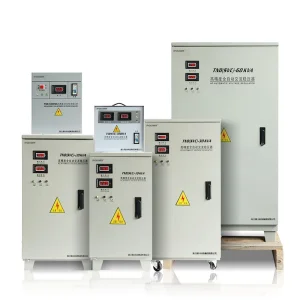
Industrial power conditioning devices, automated servo voltage regulators, static var generators, and surge protection modules.
 Sowest Electric