Global Engineering Experts
Maximum Ingress Protection
High-Voltage Capabilities
ISO Certified Compliance
Explore our premium grade power distribution, isolation, and grid compensation machinery engineered for heavy-duty industrial applications.
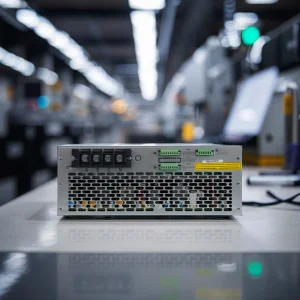
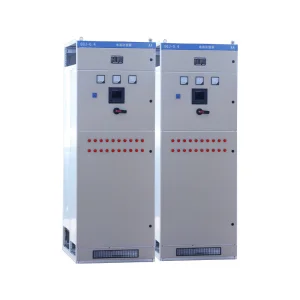
As the global energy transition accelerates, modernizing power grids and infrastructure networks is no longer a future initiative—it is an immediate operational requirement. At the center of this transition lies the Power Distribution Board (PDB), the foundational highway controlling voltage, current load, and circuit protection across commercial, industrial, and utility installations. Selecting the right Power Distribution Board factory and exporter requires a comprehensive evaluation of engineering depth, testing capabilities, raw material control, and international certification compliance.
This industry analysis provides EPC (Engineering, Procurement, and Construction) contractors, grid operators, datacenter infrastructure managers, and industrial procurement professionals with a rigorous technical framework. With supply chain complexities rising, evaluating manufacturers against criteria such as E-E-A-T (Experience, Expertise, Authoritativeness, and Trustworthiness) ensures long-term operational resilience and avoids costly electrical system failures.
"In heavy industrial systems and modern hyper-scale datacenters, a 1% deviation in power quality can lead to millions of dollars in unscheduled downtime. Selecting a certified manufacturer who manages the process from raw sheet metal fabrication to active system testing is the ultimate risk mitigation strategy."
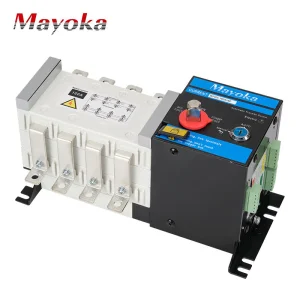
Historically, power distribution was passive. Boards contained busbars, switches, and fuses. Today, the integration of active elements such as Active Harmonic Filters (AHF), Static Var Generators (SVG), and Automatic Transfer Switches (ATS) inside switchgear cabinets is standard practice. Modern factories must possess dual competencies: structural sheet-metal fabrication and complex power-electronics assembly. Zhejiang Sowest Electric Co., Ltd. represents this new wave of integrated manufacturers, combining advanced physical cabinets with smart power monitoring and power quality adjustment equipment.
The transition from analog, passive switchgears to smart, IoT-enabled power distribution frameworks.
Integration of temperature sensors on critical busbar joints, transmitting real-time data via Modbus/TCP or IEC 61850 protocol to prevent thermal runaway before failure occurs.
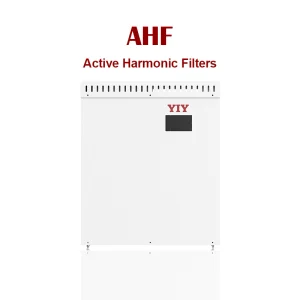
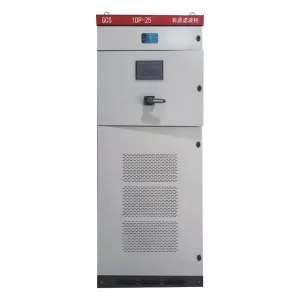
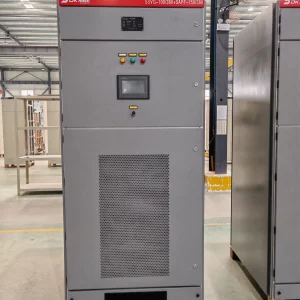
Direct integration of Static Var Generators (SVG) and Active Harmonic Filters (AHF) inside the low-voltage distribution board to maintain a power factor above 0.99 dynamically.
Developing switchgear with environment-friendly insulation gases or dry-air technology, reducing the carbon footprint of electrical utility substations globally.
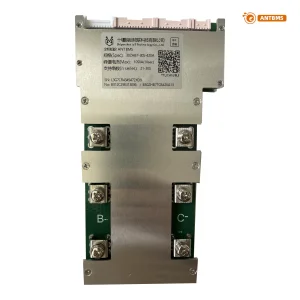
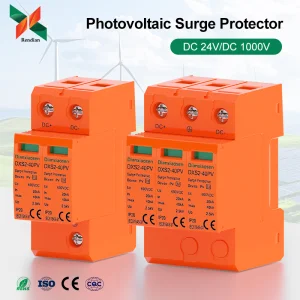
With solar photovoltaic (PV) generation and battery storage systems connecting directly to commercial buildings and microgrids, distribution panels must handle bidirectional power flows. Modern boards now regularly incorporate specialized DC components, such as high-voltage DC surge protection devices (SPD) up to 1000V, solar-rated isolation transformers, and advanced Battery Management Systems (BMS) like the Ant BMS series to monitor energy balancing cells. This shifting technological roadmap demands that factories maintain strict engineering divisions for both AC and DC design frameworks.
Zhejiang Sowest Electric Co., Ltd. is a modern and innovative enterprise specializing in the research, development, manufacturing, and sales of power supply and electrical distribution equipment. With a strong commitment to technological innovation, product quality, and customer satisfaction, the company has established itself as a reliable partner for power generation, transmission, distribution, industrial automation, transportation, petrochemical, telecommunications, and infrastructure projects worldwide.
Our core product portfolio includes AC/DC Power Supply Panels, DC Power Systems, UPS (Uninterruptible Power Supply) Systems, Battery Chargers, DC Distribution Panels, AC Distribution Panels, Central Signal Panels, Power Monitoring Systems, Circuit Breakers, Power Feeding Panels, and other integrated power supply solutions. These products are widely applied in substations, power plants, industrial facilities, data centers, rail transit systems, and renewable energy projects.
The company is supported by a highly qualified team of engineers, technicians, and industry experts with extensive experience in power electronics and electrical engineering. Equipped with advanced manufacturing facilities, modern production lines, and comprehensive testing equipment, Sowest Electric ensures that every product meets stringent quality standards and international performance requirements.
Guided by the principles of integrity, professionalism, innovation, and mutual growth, Zhejiang Sowest Electric continuously invests in research and development to deliver efficient, intelligent, and reliable power solutions. The company has established a complete quality management system and adheres to strict production and inspection processes to guarantee product safety, stability, and long-term reliability.
Our corporate philosophy is centered on excellence, customer value, and sustainable development. We are dedicated to creating value for customers, opportunities for employees, returns for stakeholders, and positive contributions to society. Through continuous technological advancement and service improvement, we strive to help our customers achieve greater operational efficiency and energy reliability.
In the era of global economic integration, Zhejiang Sowest Electric remains focused on its strategic vision of professional R&D, intelligent manufacturing, and global marketing. By leveraging innovation, quality, and international cooperation, the company is steadily advancing toward its goal of becoming a globally recognized brand in the power supply and electrical equipment industry.
Zhejiang Sowest Electric Co., Ltd. – Powering Reliability, Driving Innovation.
A transparent look inside our ISO-certified production lines showing step-by-step processing from raw materials to final shipping validation.
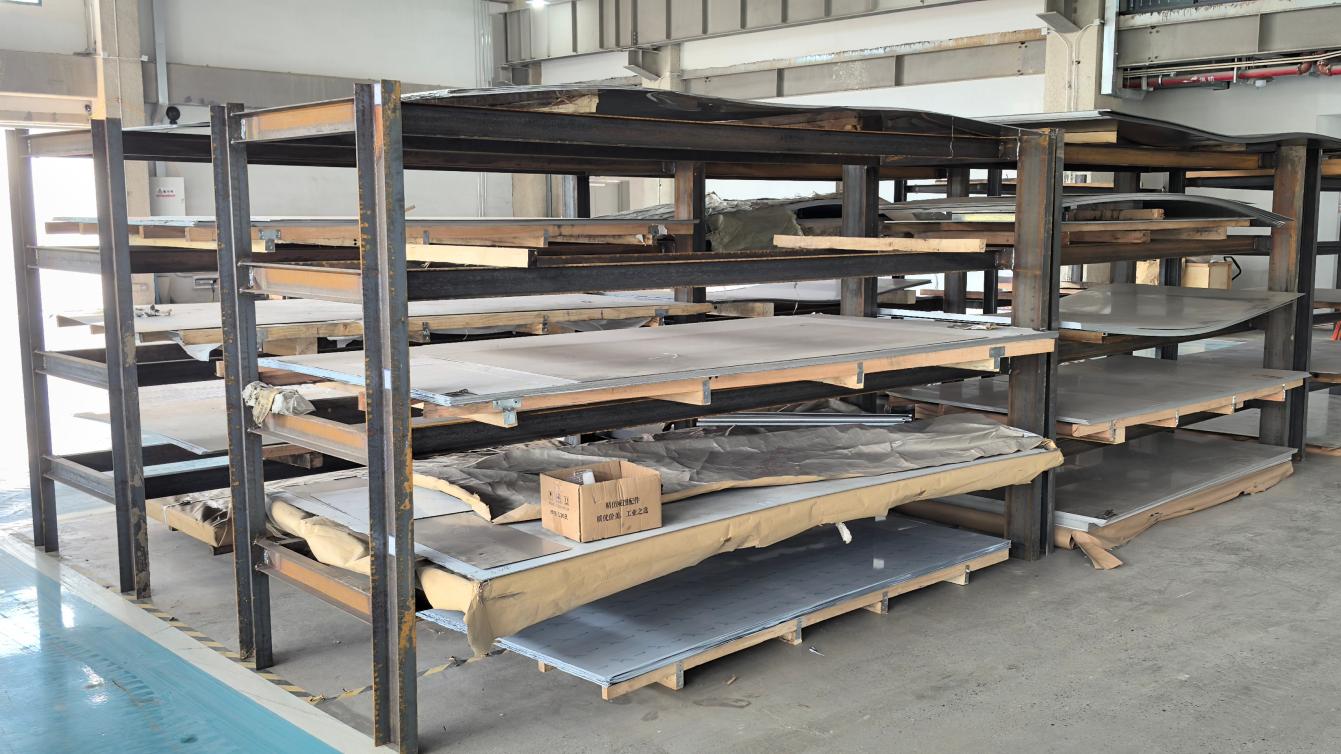
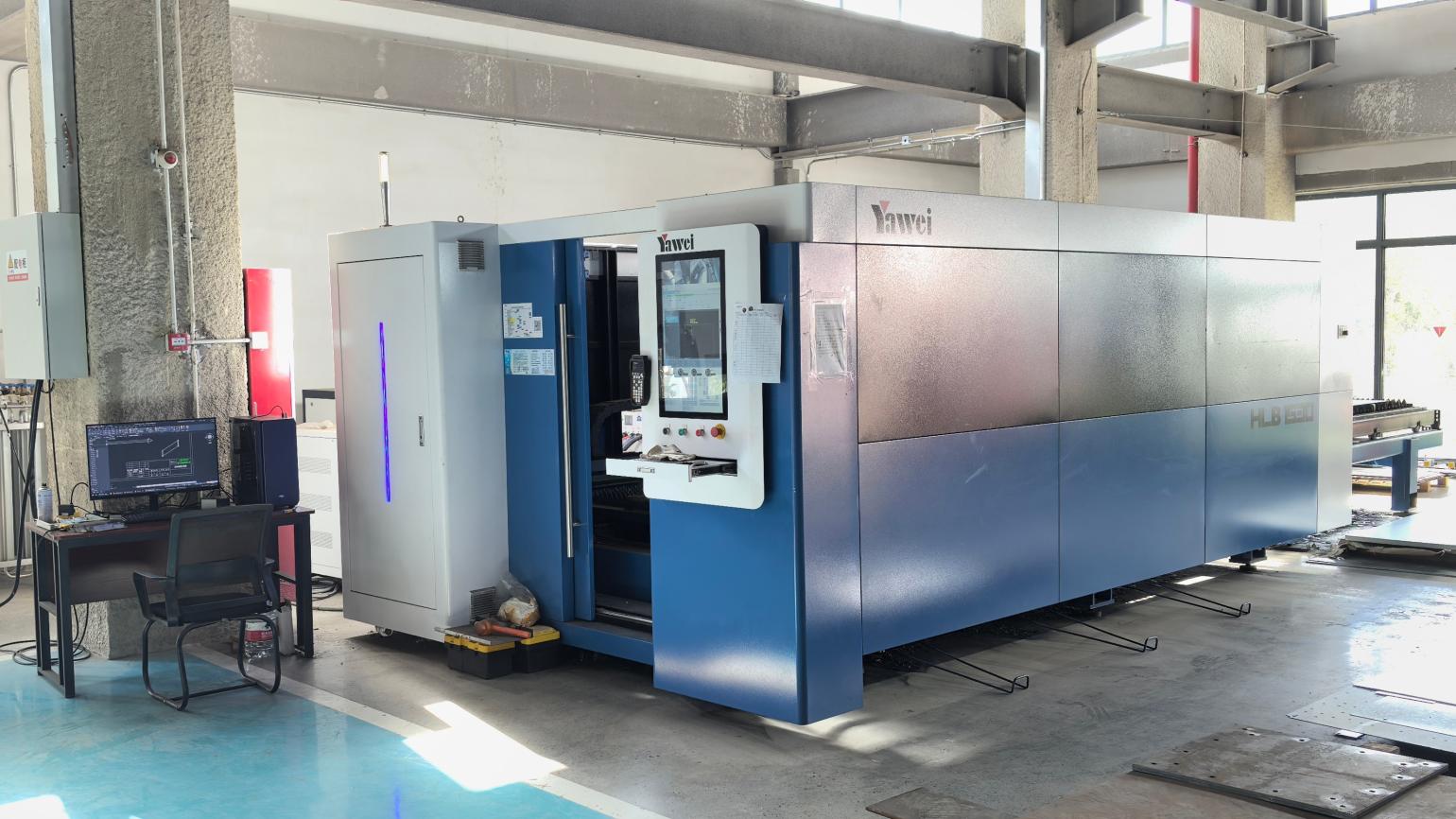
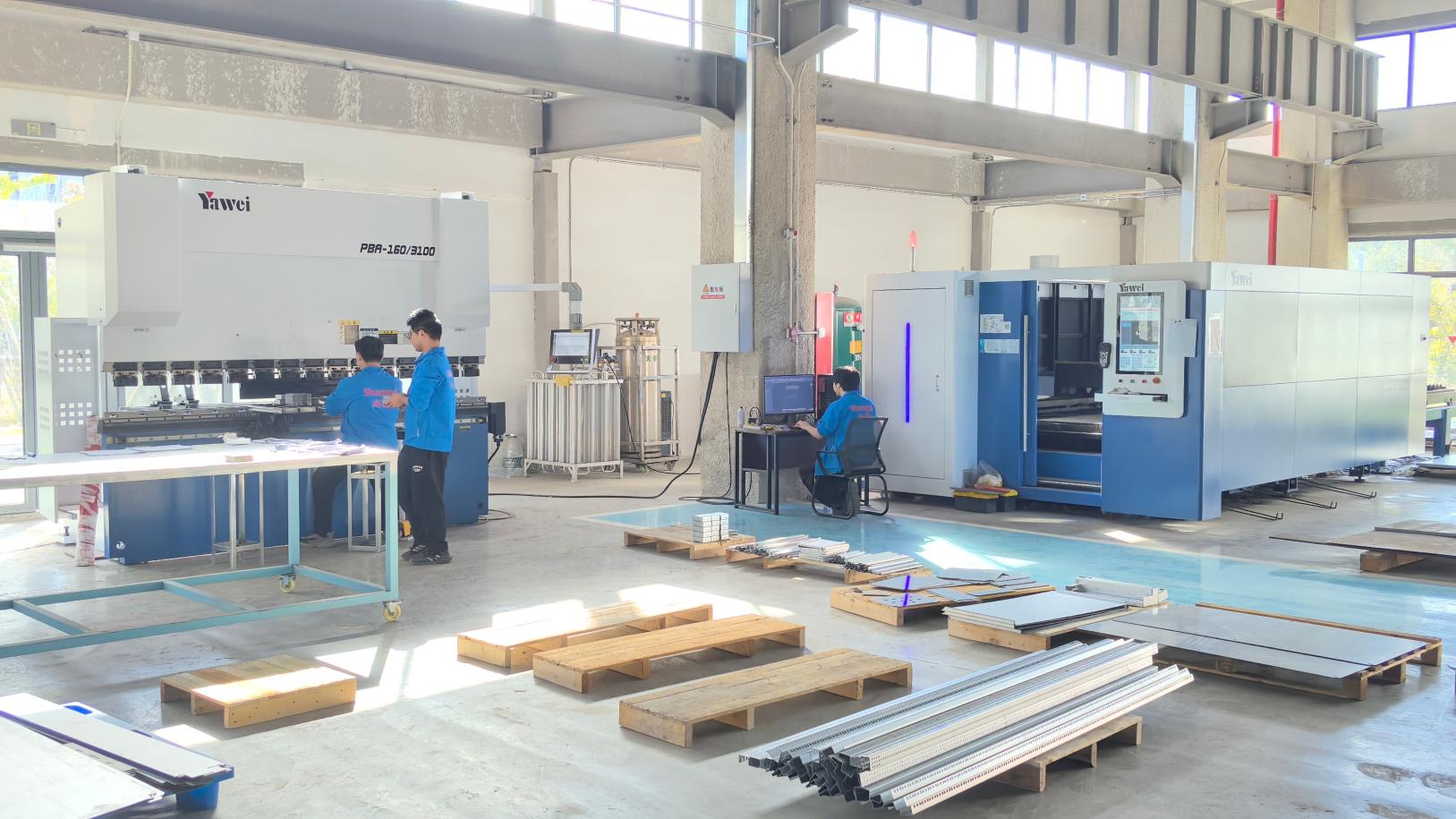
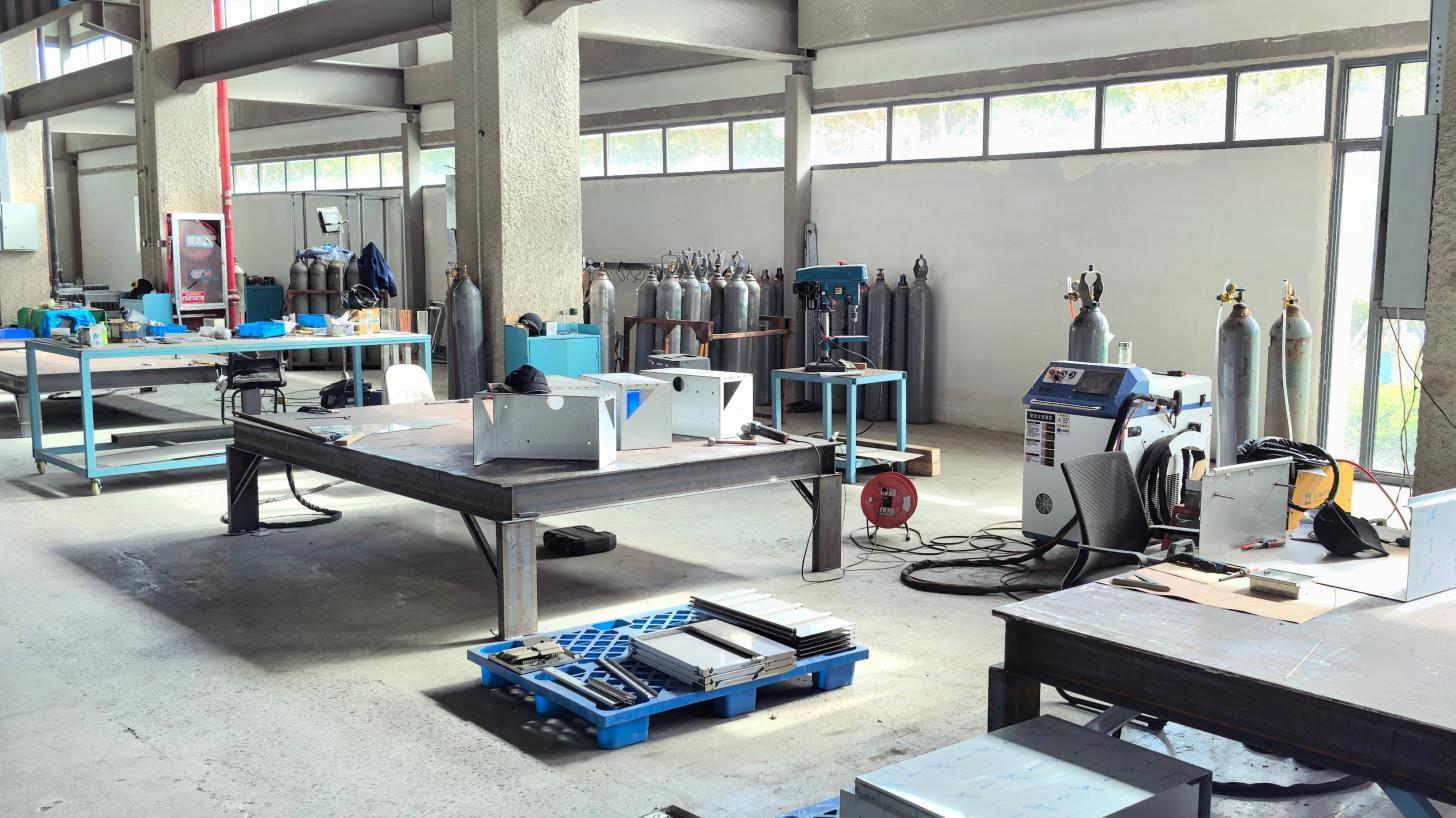
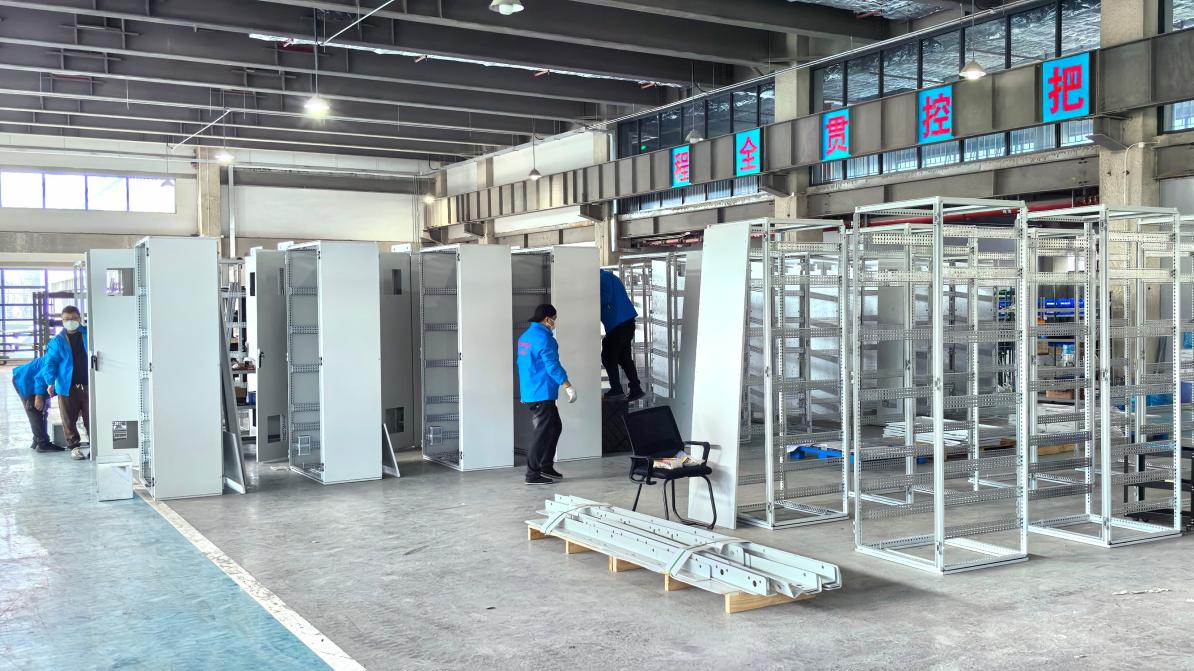
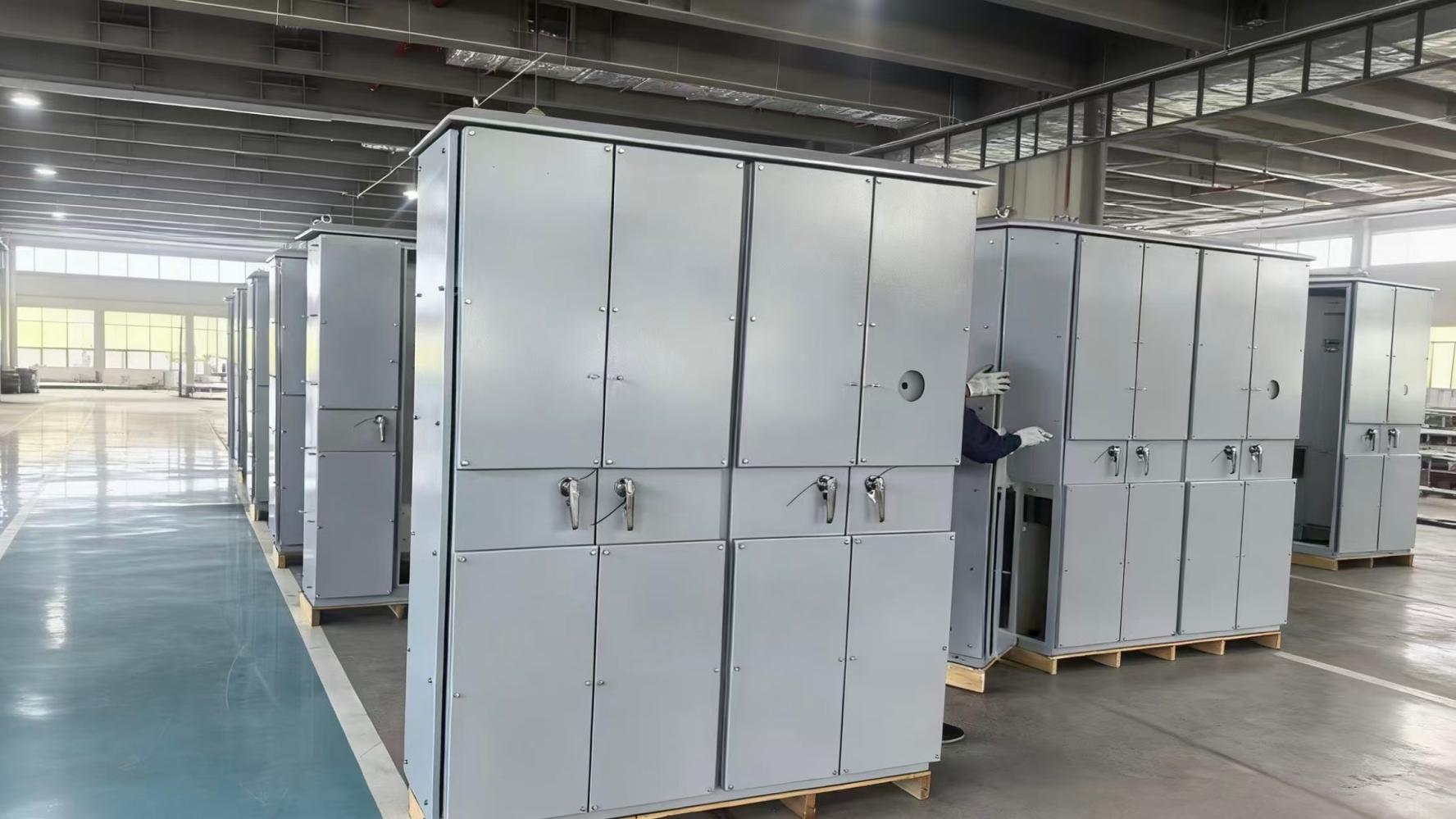
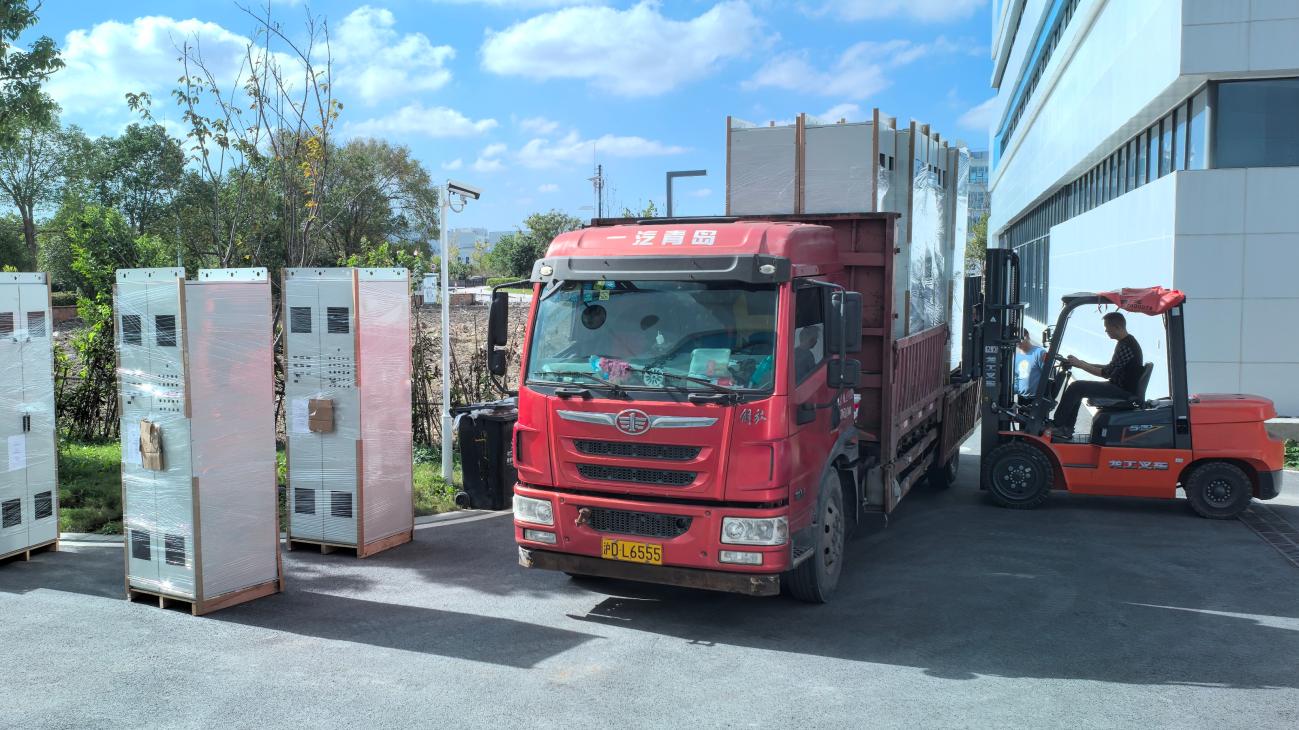
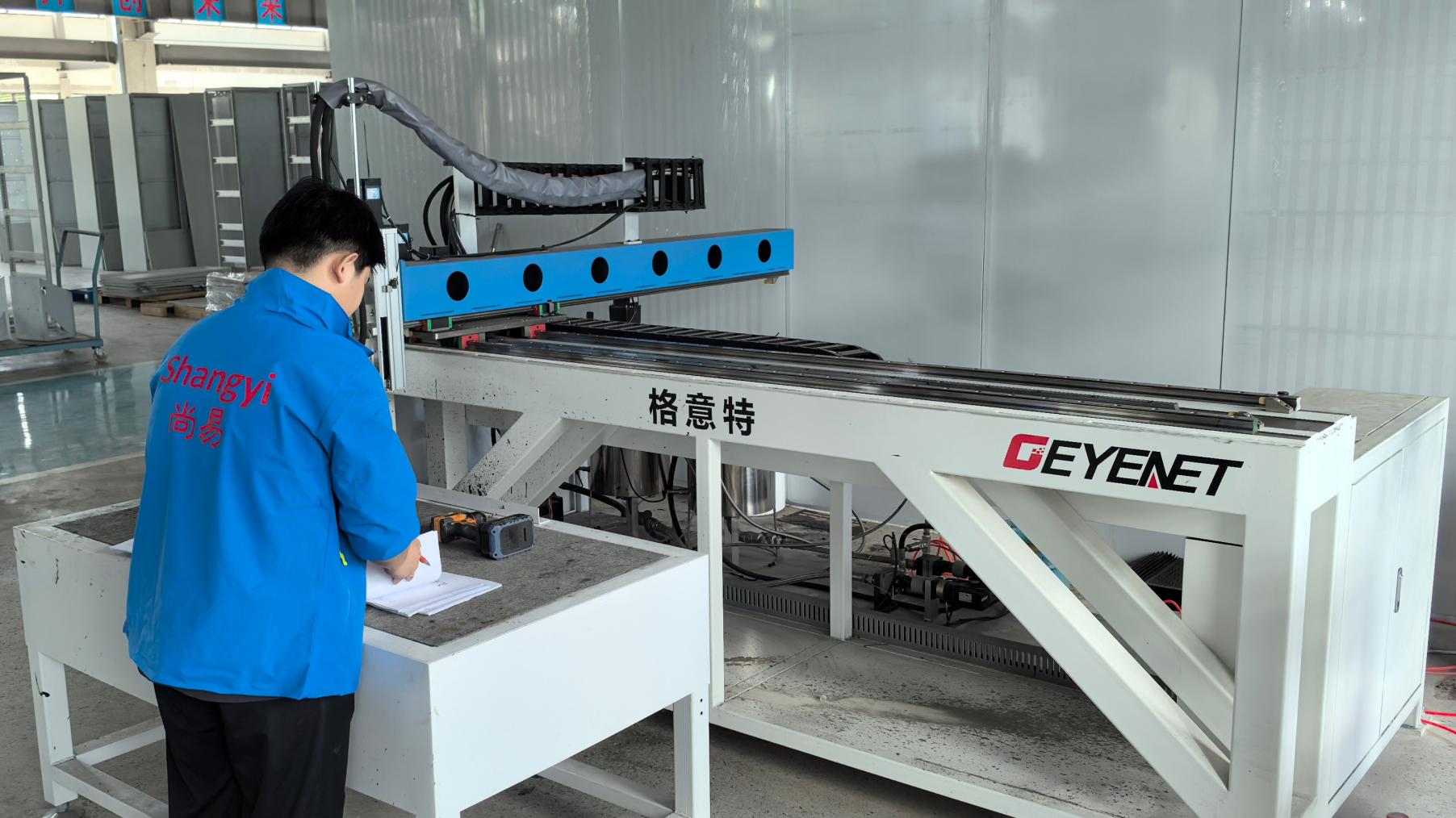
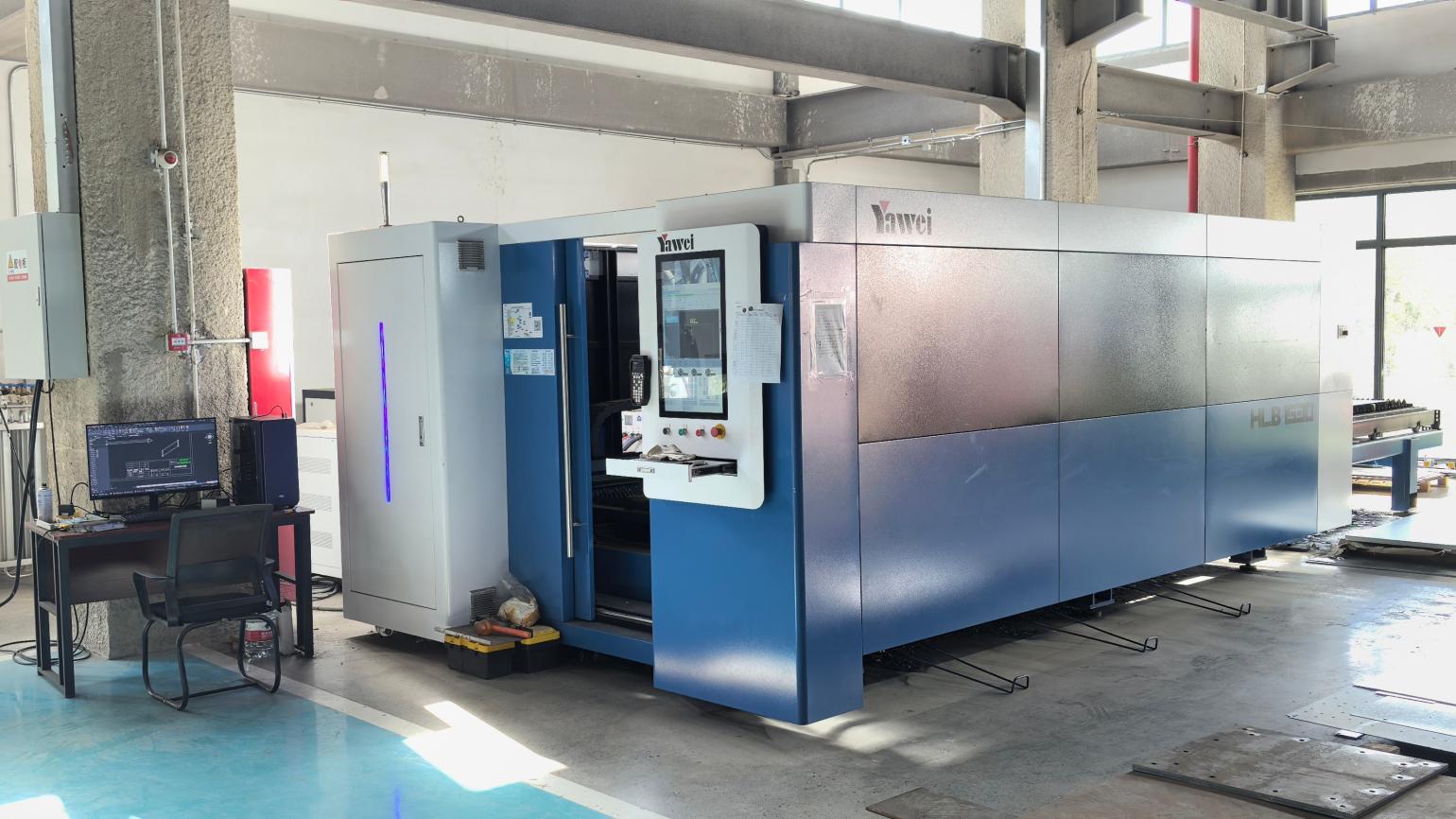
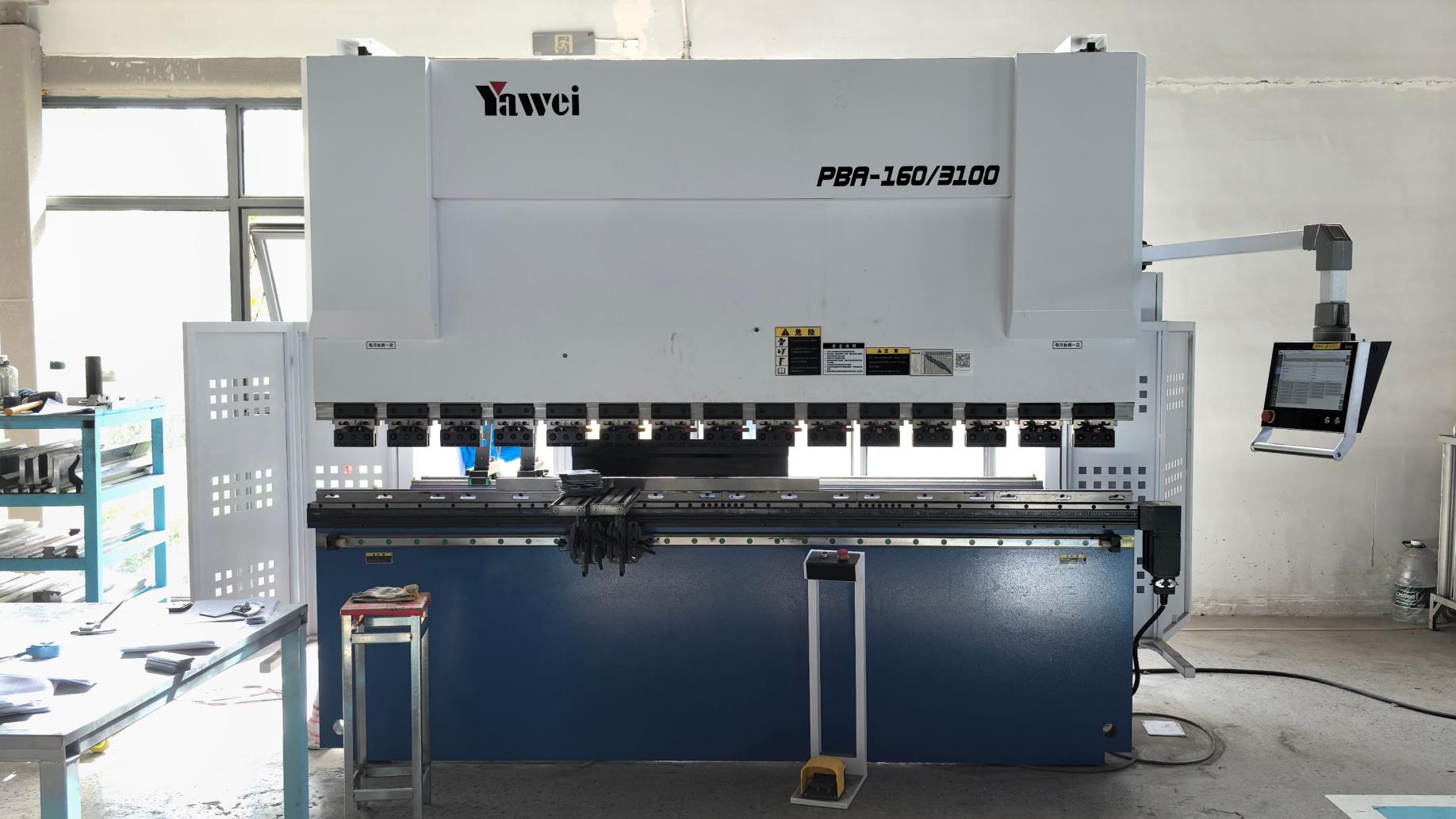
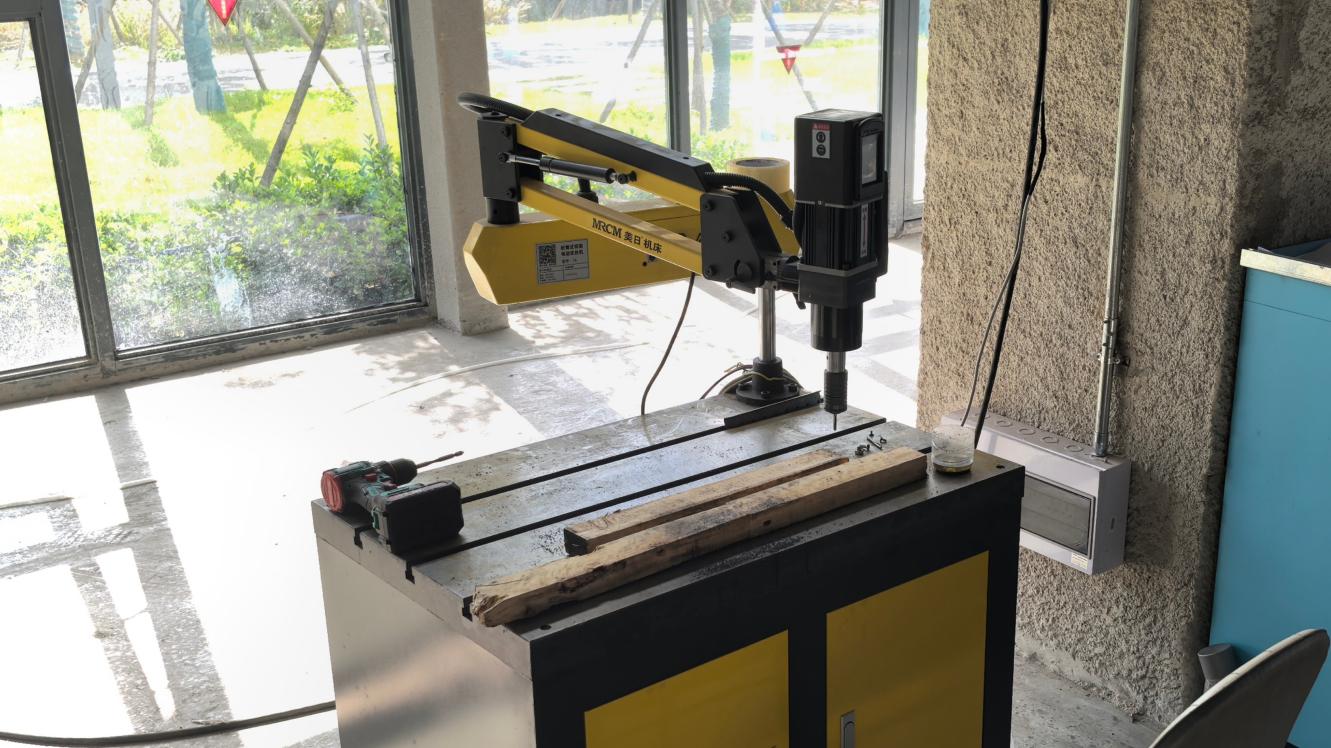
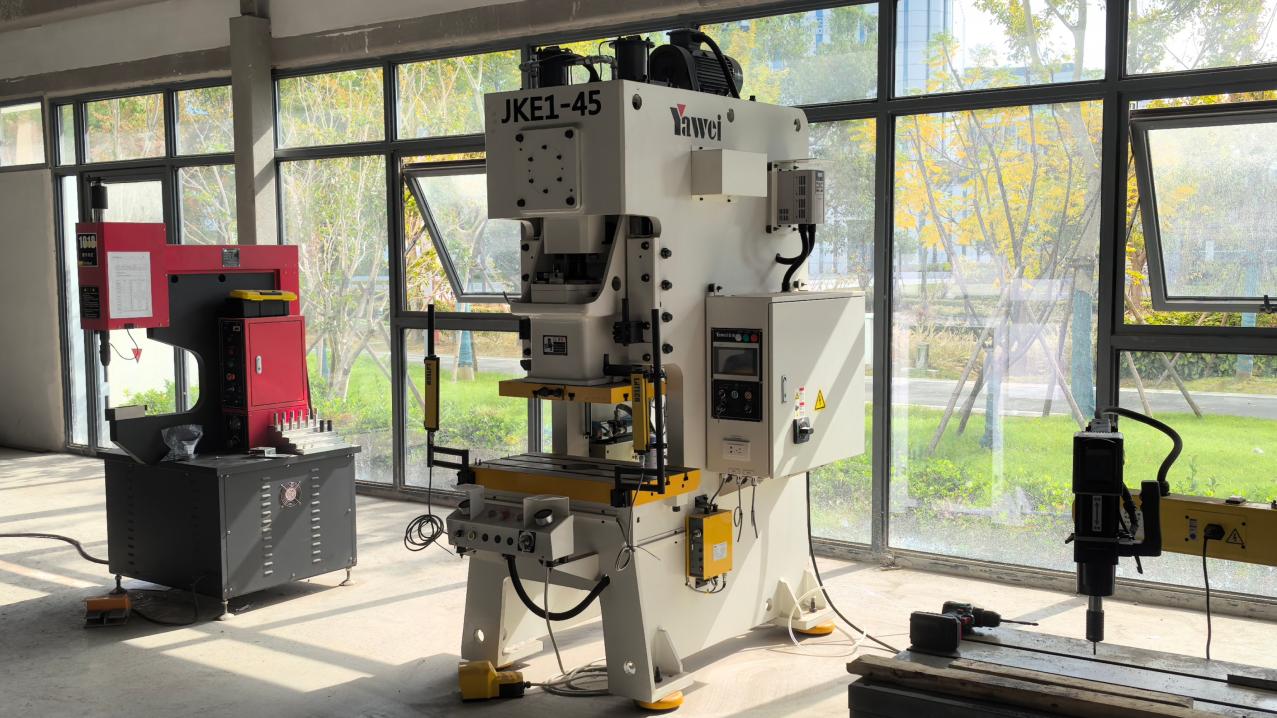
The manufacturing landscape for power distribution boards is shifting rapidly toward digital integration. Top factories in China, particularly in Zhejiang's advanced industrial manufacturing corridors, have incorporated Industry 4.0 concepts into sheet-metal processing and electrical assembly. Through CNC laser cutting, automatic foaming dispensing machines for IP66-grade sealing, and automated tapping/punch operations, precision is maintained at micro-millimeter levels. This high degree of automation ensures structural cabinet repeatability, eliminating structural anomalies that cause phase-to-phase short circuits under high mechanical stresses.
Furthermore, China's supply chain ecosystem represents a formidable advantage. A local supply of oxygen-free copper busbars, flame-retardant SMC supports, specialized epoxy coatings, and standardized micro-circuit breakers means lead times are reduced by up to 45% compared to Western manufacturers. For global EPC projects, this localized supply chain density guarantees that customizable modifications—such as swapping a standard switchgear configuration from 630A to 1000A or adapting to stainless steel SS304/SS316 marine-grade cabinets—can be executed without adding months to delivery schedules.
Procuring power distribution equipment involves matching factory output with the specific requirements of the application site. Different industries present highly distinct power quality problems, loading curves, and environmental factors:
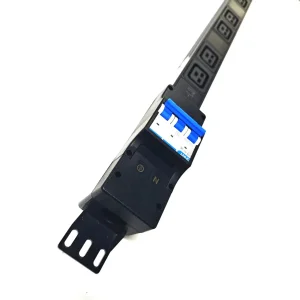
Modern data centers demand continuous uptime. High-density server racks create complex harmonic footprints due to non-linear switch-mode power supplies. A standard distribution board is insufficient; it must be coupled with a Server Rack Power Distribution Unit (PDU) featuring high-speed Static Transfer Switches (STS) or integrated Active Harmonic Filters (AHF). These filters reduce Total Harmonic Distortion (THD) to below 3%, maintaining server power supply unit longevity and preventing neutral line overheating.
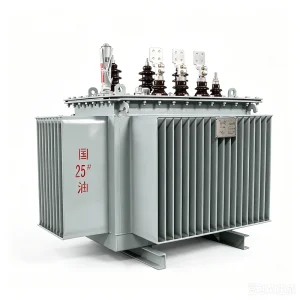
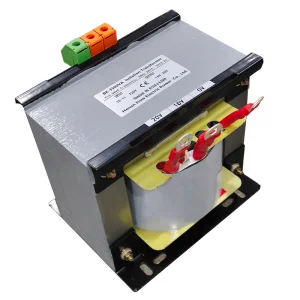
Solar arrays and battery storage containers generate variable DC currents that must be inverted and stabilized. In these setups, isolation transformers (such as three-phase oil-immersed or dry-type isolation transformers) isolate the grid from DC injection and harmonics. Overvoltage protection must be implemented at the main board using solar-rated lightning arresters and surge protection devices (SPDs) to shield equipment from atmospheric surges.
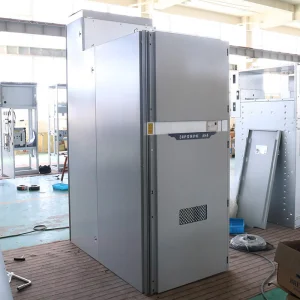
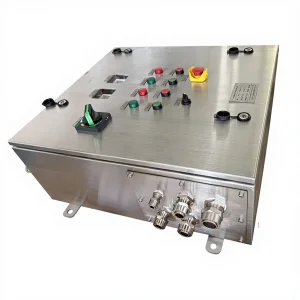
Industrial motors, compressors, and pump systems generate highly inductive loads that degrade the power factor. Low power factors draw higher currents and lead to utility penalties. Incorporating APFC (Automatic Power Factor Correction) Capacitor Cabinets or dynamic Static Var Generators (SVG) inside low-voltage switchgears helps stabilize voltage drops and optimize system capacity. Because these environments contain explosive dust or corrosive vapors, switchgear cabinets are constructed of heavy-duty stainless steel with a high IP66 rating to protect interior control components.
Global projects require adherence to international standards. When selecting a power distribution board exporter, compliance with IEC, UL, IEEE, and CE frameworks is mandatory. Top exporters invest heavily in type testing reports at accredited third-party laboratories (such as KEMA, TÜV, or ASTA) to verify the performance of their electrical panels under short-circuit conditions, seismic stresses, and extreme temperatures.
Beyond certifications, the critical differentiator is the exporter's capacity for localized support. Power distribution boards are complex systems that require commissioning, parameter calibration (especially for APF, AHF, and SVG modules), and local troubleshooting. A trustworthy partner provides complete electrical schematics, step-by-step installation guides, and remote video engineering support to assist local electrical contractors during onsite integration.
Addressing the common design, operational, and engineering questions asked by project managers and procurement specialists.
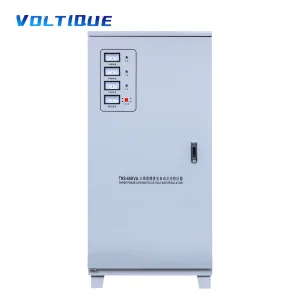
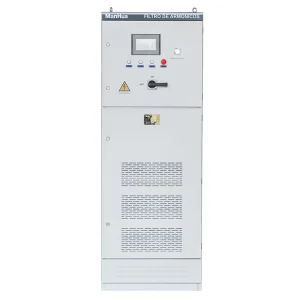
Advanced harmonic filtering, voltage stabilization, automatic transfer switches, and surge protective electronics for grid reliability.
 Sowest Electric