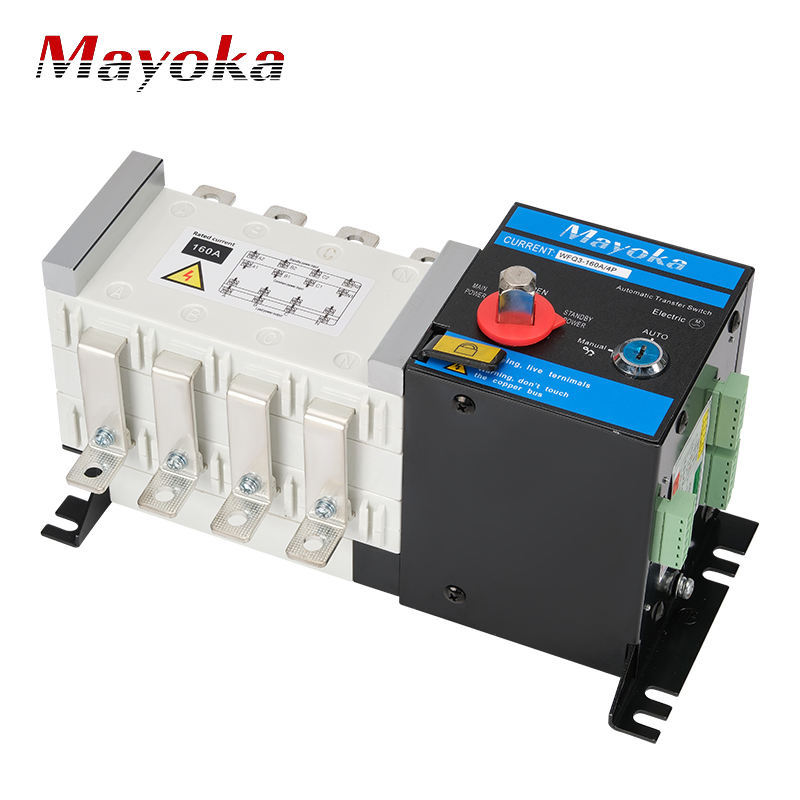
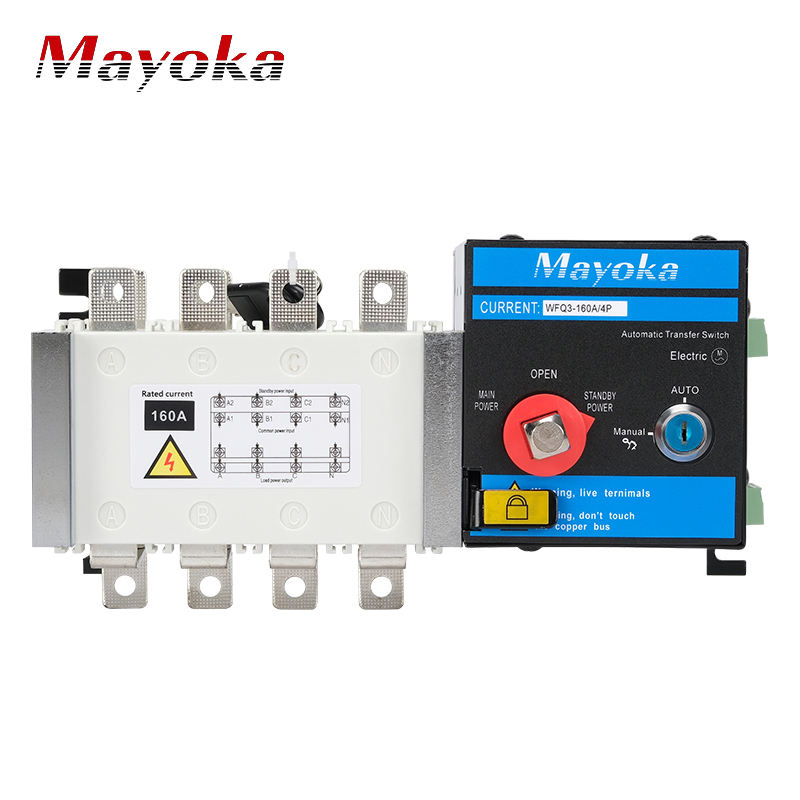
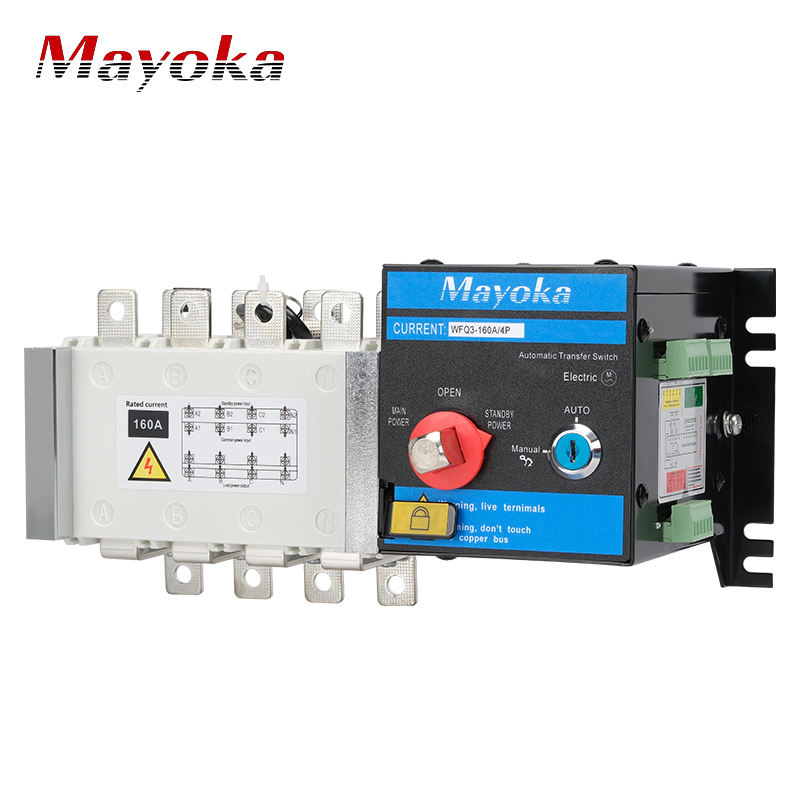
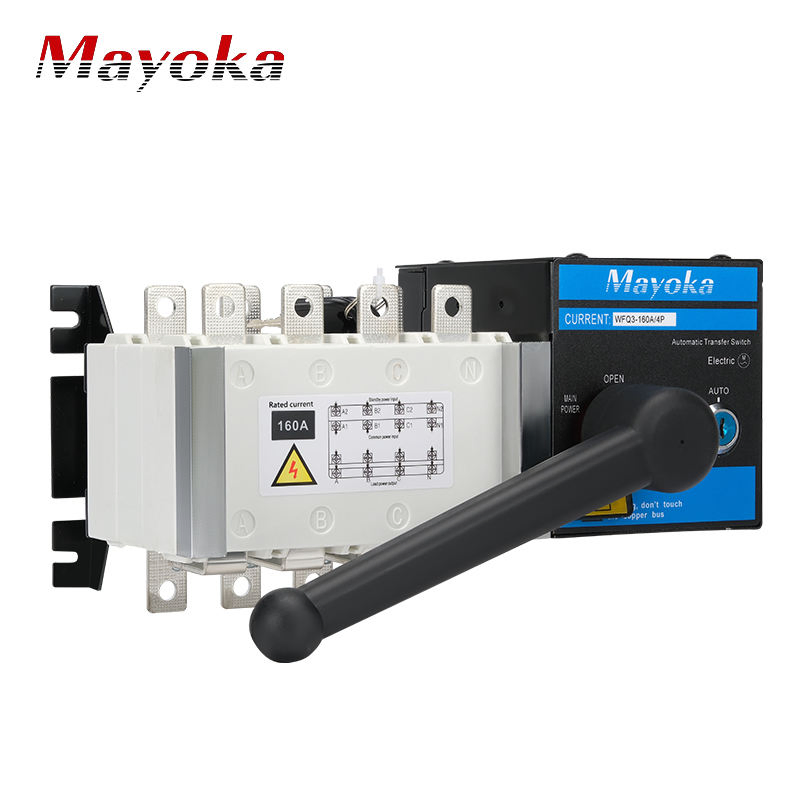
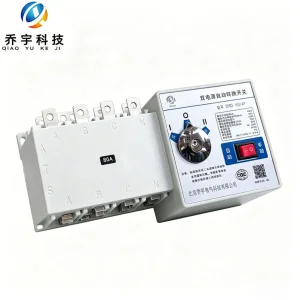
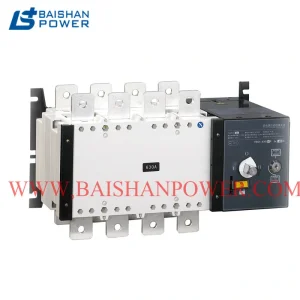
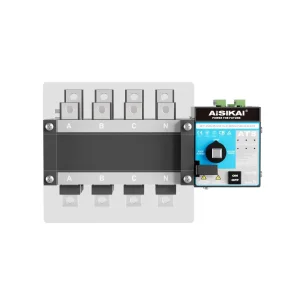
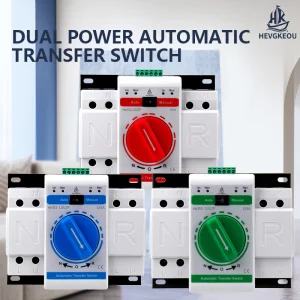
Q: What is an Automatic Transfer Switch (ATS) and how does it work?
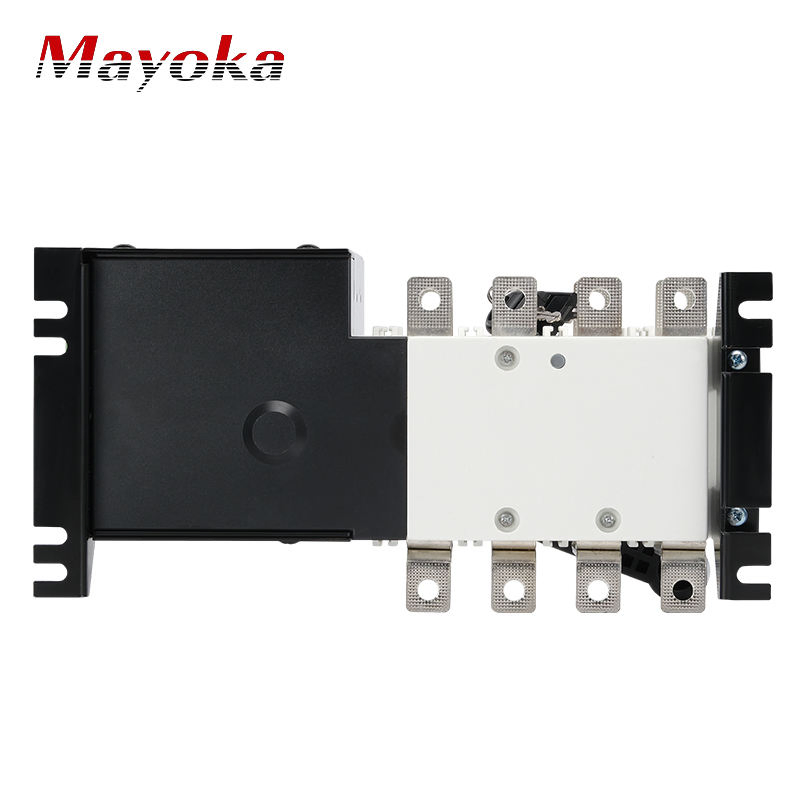
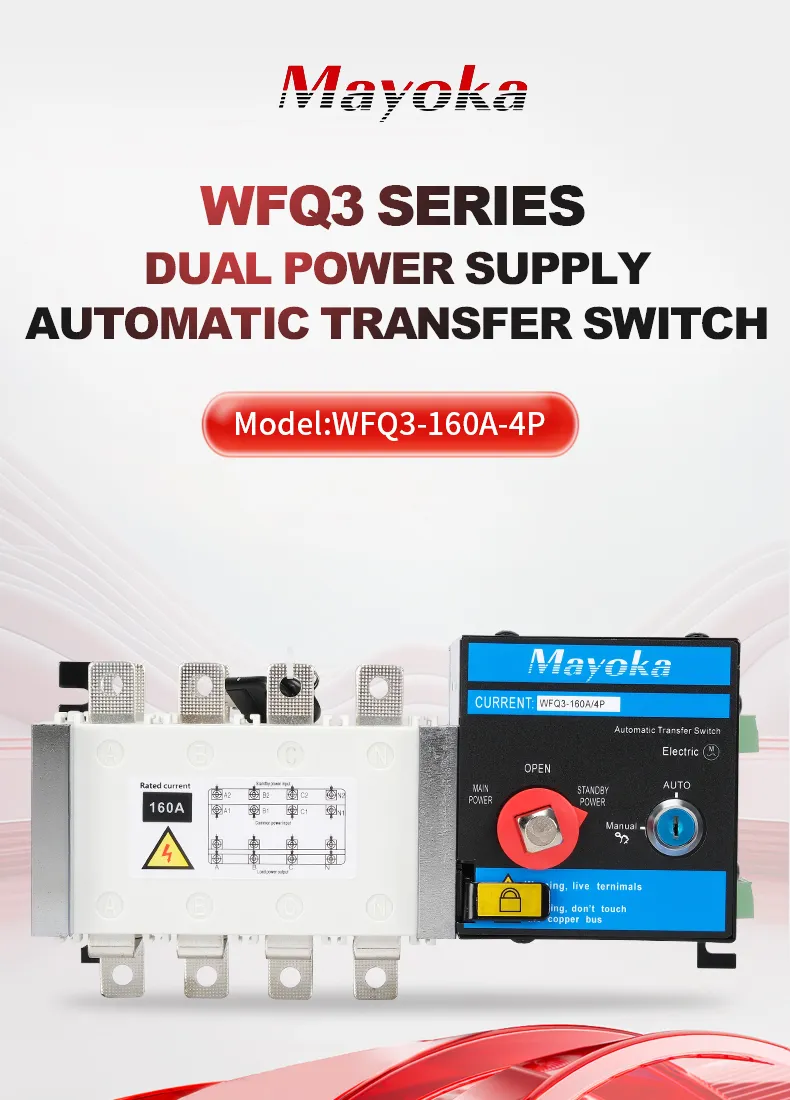
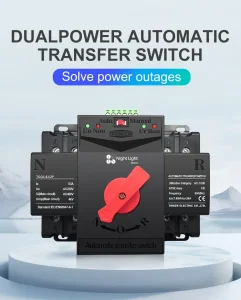
An ATS is a device that automatically transfers the load between two power sources, such as the main utility power and a backup generator, to ensure continuous power supply when one source fails. The ATS continuously monitors both power sources. When the main power fails or becomes unstable, it automatically switches the load to the backup power source, and transfers it back once main power is restored.
Q: What are the main components and common types of ATS?
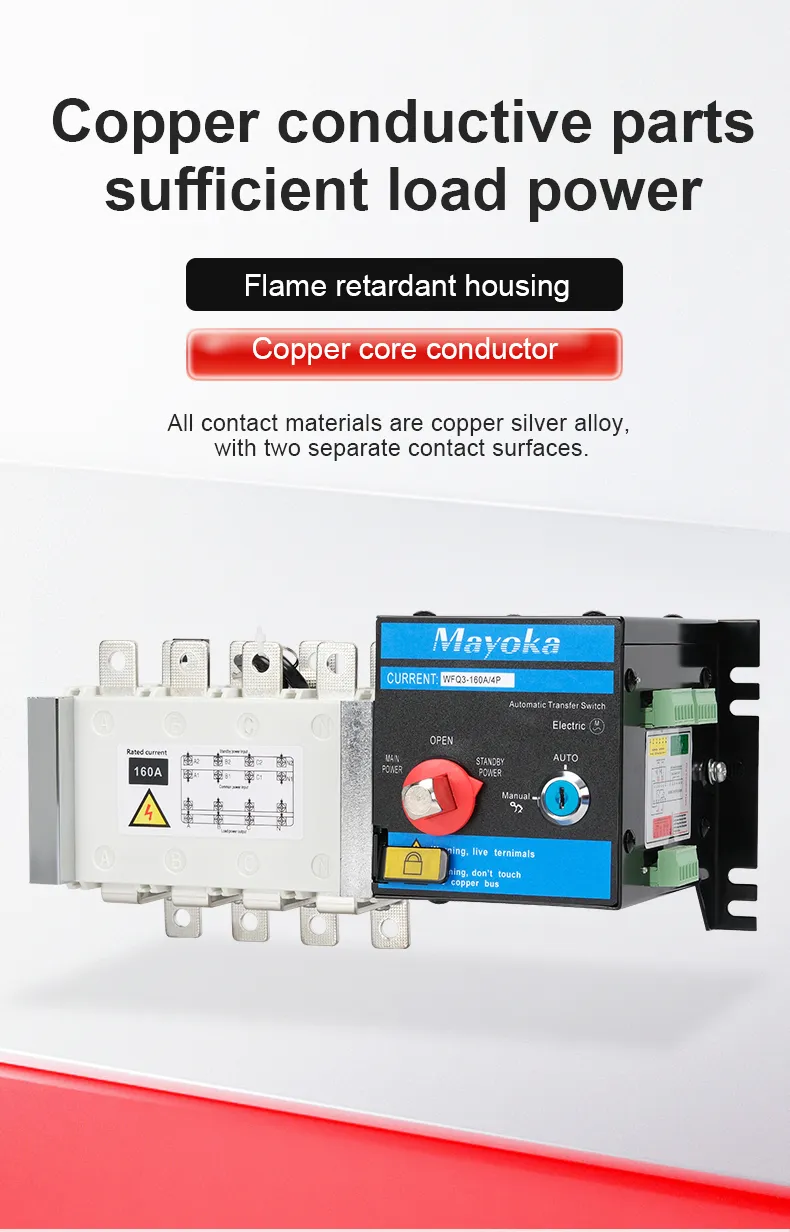
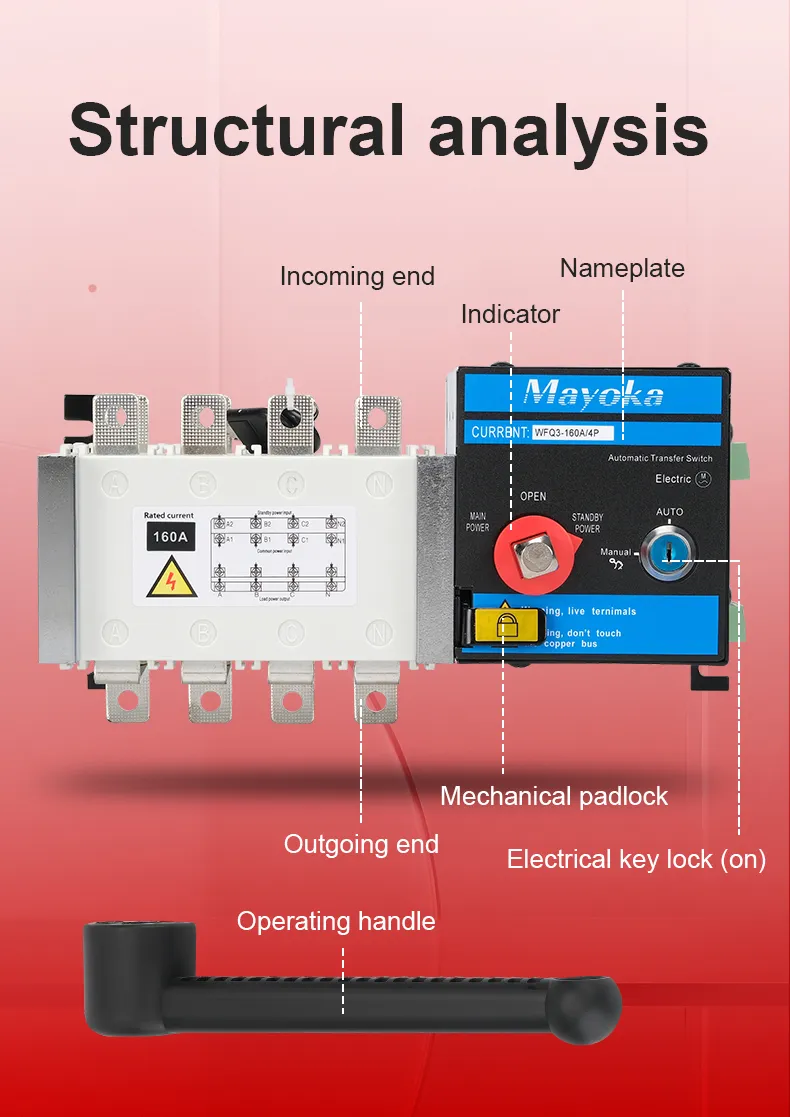
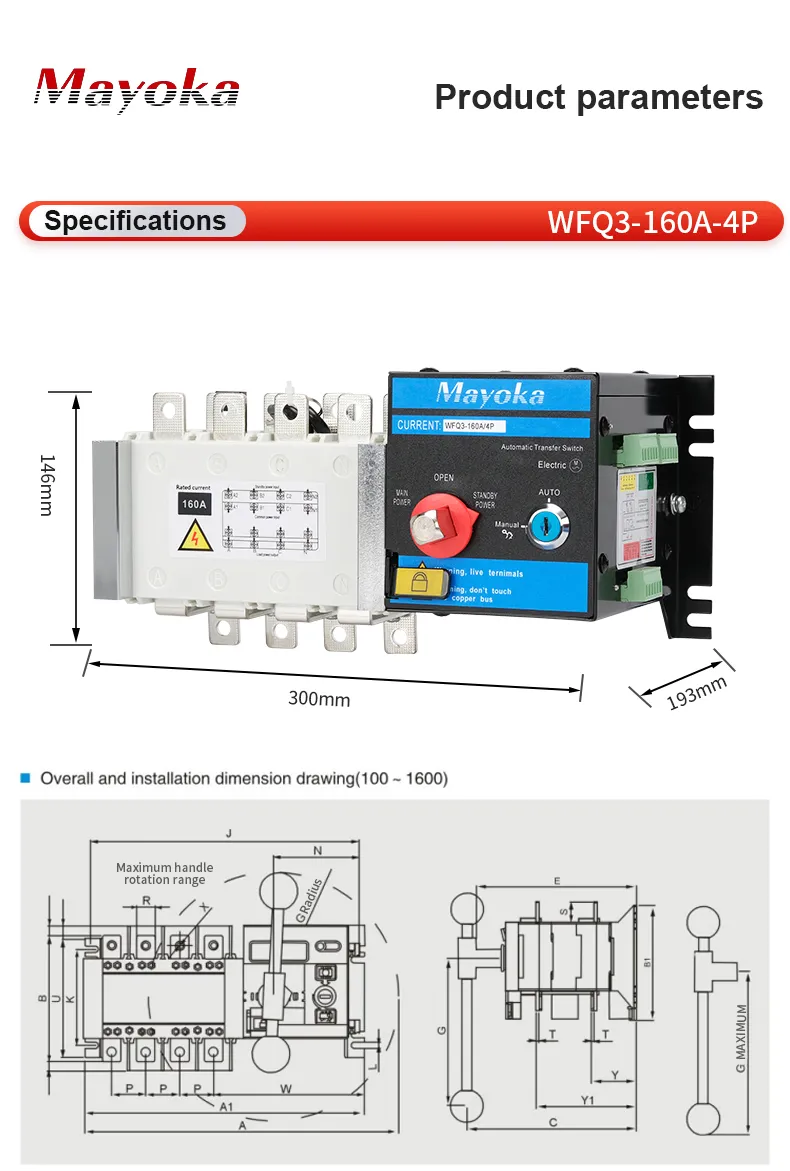
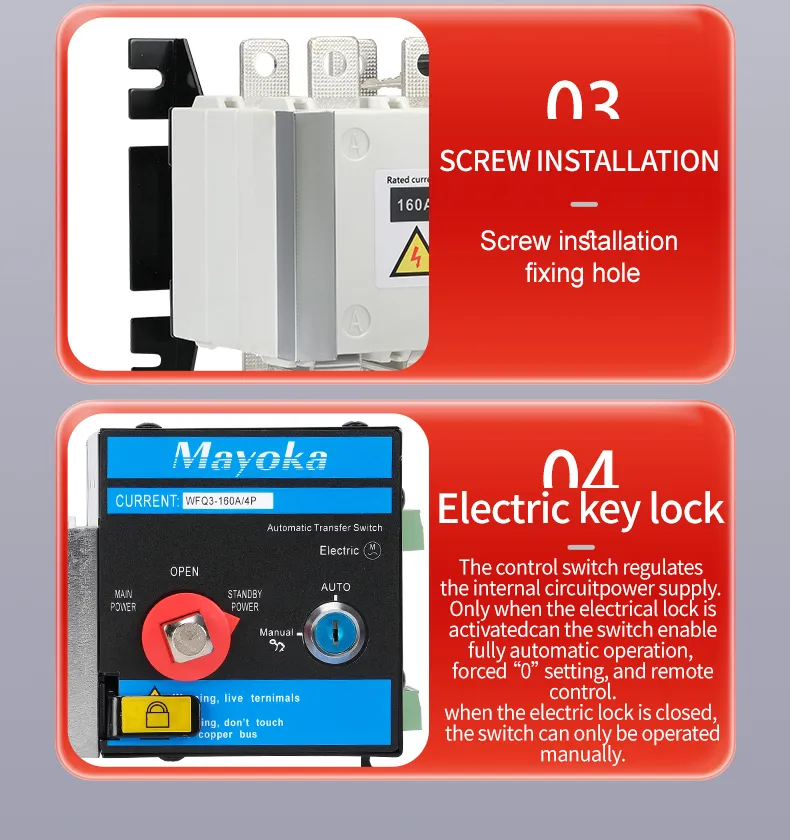
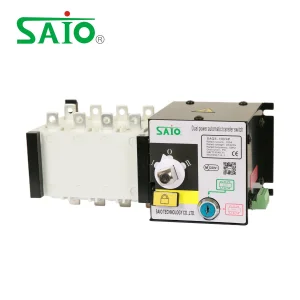
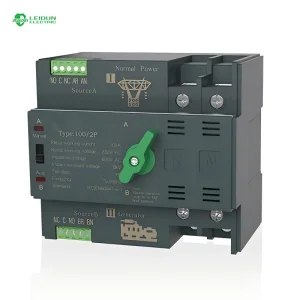
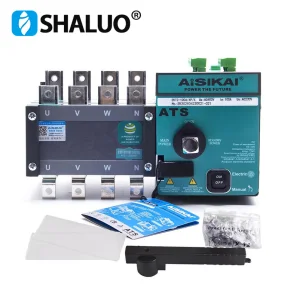
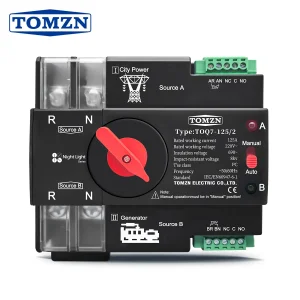
The main components include the controller (monitors voltage and frequency), switching mechanism, mechanical interlock (prevents simultaneous source connection), and status indicators. Common types are Automatic Type, Manual Type, CB Type (Circuit Breaker Type with short-circuit protection), and PC Type (Power Contactor Type without short-circuit protection).
Q: Where is an ATS commonly used and what are the benefits?
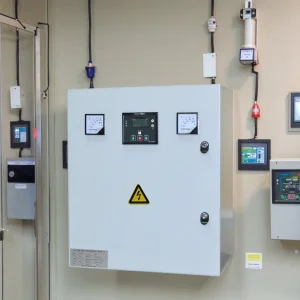
ATS units are widely used in hospitals, data centers, telecommunication systems, security systems, industrial automation, commercial and residential buildings, emergency lighting, and fire control systems. Benefits include ensuring continuous power supply, improving system reliability and safety, reducing downtime, and allowing automatic control without human intervention.
Q: What is the difference between "PC type" and "CB type" ATS?
| Type |
Description |
Application |
| PC Type |
Uses contactors for switching; cannot break short-circuit current. |
General load control. |
| CB Type |
Uses circuit breakers; has protection and isolation functions. |
Critical or high-power systems. |
Q: Can the ATS be customized and does it require regular maintenance?
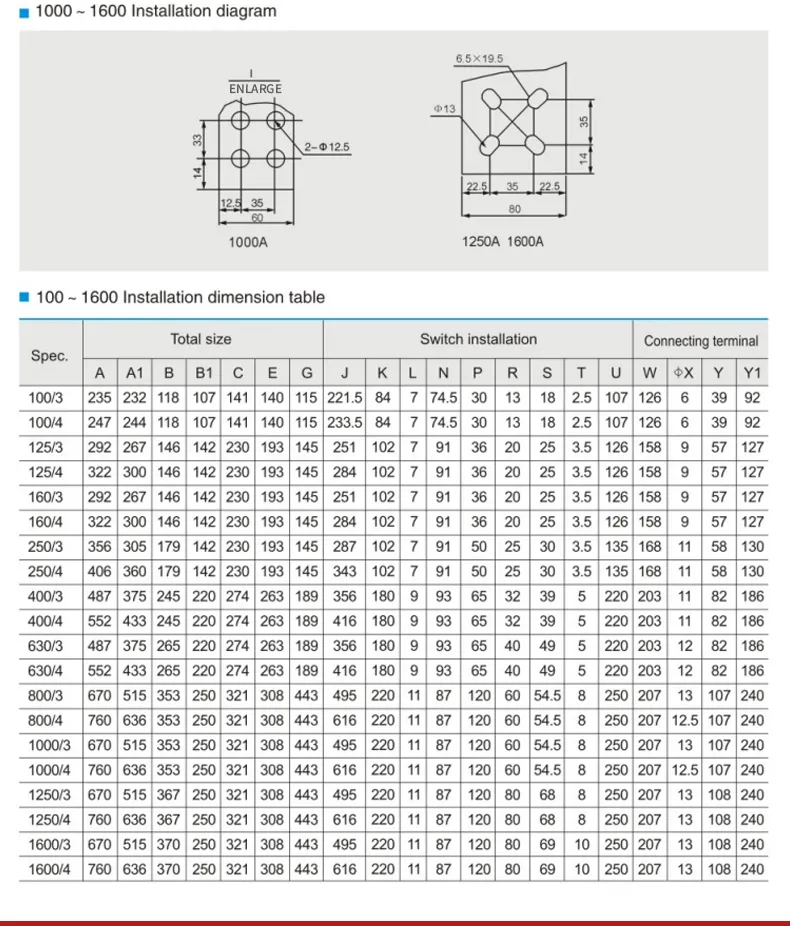
Yes. Voltage rating, current capacity, transfer delay, and control logic can be customized to meet different application requirements. For maintenance, regular inspection is recommended to ensure reliable performance—check connections, clean contacts, and test switching operation periodically.
 Sowest Electric