Premium high-voltage, low-voltage control assemblies and energy stabilizers engineered for strict reliability standards
As the global energy shift accelerates, the demand for robust control over electrical transmission, storage, and utility-scale grids has reached unprecedented levels. High Voltage Relays (HVRs) stand at the core of this transition. Operating as heavy-duty electrically controlled switches, these critical components isolate circuits, handle dangerous transient spikes, and manage safety disconnect systems under high voltage loads.
A high-quality high voltage relay prevents catastrophic system overloads, manages battery disconnect sequences, and isolates sensitive control circuits from heavy grid power. Choosing a reliable manufacturer is not merely a purchasing decision; it is a vital step toward safeguarding capital infrastructure, reducing operating expenses, and maintaining global compliance.
SEO Insight: High-voltage control components operate under severe mechanical and thermal stress. The engineering of reliable contact interfaces and arc-extinguishing chambers forms the boundary between standard operations and system failure.
At Zhejiang Sowest Electric Co., Ltd., we understand that electrical distribution and power electronics are the lifeblood of industrial development. Our experience in low and high-voltage switchgear cabinet design, power distribution assemblies, and power quality control systems gives us a comprehensive overview of how isolation components function under real-world pressure.
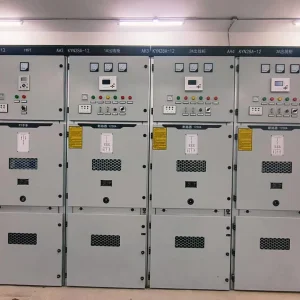
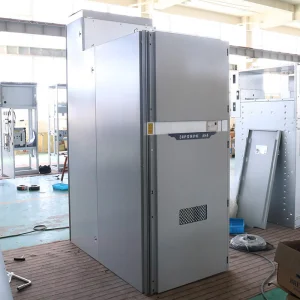
By designing and integrating components within comprehensive switchgear configurations (such as the ZTE KYN-28 12KV 630A steel panels), we possess unique insights into thermal profiles, insulation ratings, and switching behavior. Our systems are engineered to prevent flashovers, handle extreme switching surges, and operate reliably across decades of grid service.
Analyzing key structural shifts driving the need for robust contactors and high-voltage circuit control components
Global power grids are experiencing a transition from AC to High Voltage Direct Current (HVDC) transmission to reduce transport loss over long distances. High-voltage DC relays are critical in this sector. Direct current lacks a zero-crossing point, making electrical arcs notoriously difficult to quench. Modern industrial facilities rely on heavy-duty DC contactors to safely break DC loops under loads up to 1500V and higher.
Utility-scale energy storage projects demand dense battery configurations connected in series to achieve megawatt-level outputs. These architectures rely on high-voltage relays to act as emergency disconnect systems within Battery Management Systems (BMS). Under faults or short-circuits, these relays must quickly isolate battery packs from the main inverter line to prevent thermal runaway.
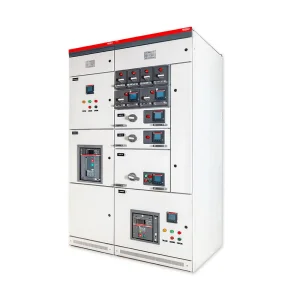
Modern manufacturing facilities, heavy mining equipment, and petrochemical plants require automated, high-duty switching components to operate under continuous cycles. Our modular drawer-type MNS switchgear systems house these relays, ensuring that localized electrical faults can be isolated without disrupting wider operations.
From extreme climate PV fields to high-frequency urban EV charging networks
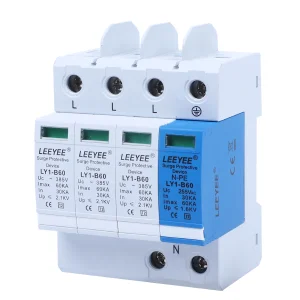
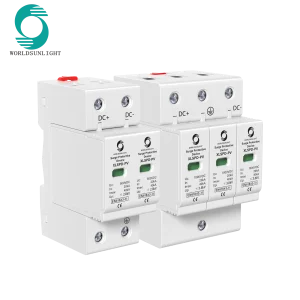
Modern utility-scale solar farms are shifting from 1000V DC operating ranges to 1500V DC standards. This reduces the number of combiner boxes and wiring costs, but places massive isolation demands on switching components. Our specialized solar DC surge protective devices (XLSPD-PV) work alongside high-voltage relays to safeguard solar invertors and array panels against atmospheric lightning events and grid transients.
High-power supercharging stations (ranging from 150kW to 350kW) utilize high-voltage DC distribution to fill vehicle batteries rapidly. Safe connection and disconnection of high-power charging cables require relays that can withstand thousands of cycle contacts under load. They must operate with minimal contact resistance to prevent heat buildup within the charger cabinet.
Urban subways and high-speed rail systems run on overhead pantographs or third rails carrying high voltages. Rolling stock power distribution boxes require ruggedized high-voltage relays to control heating, ventilation, and auxiliary traction systems. These components must withstand continuous shocks, mechanical vibrations, and wide operating temperature ranges.
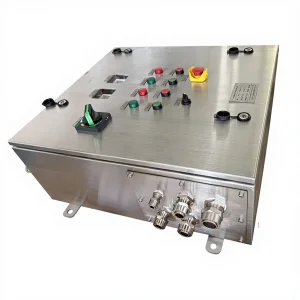
Oil refineries and chemical storage complexes require electrical equipment isolated from ambient atmospheres. High voltage relays utilized in these zones are hermetically sealed (often utilizing ceramic brazing and gas pressurization) to prevent any internal arc sparks from igniting external hazardous gases. This matches the protective design of our SS304 IP66 rated stainless steel cabinets.
Innovations in gas-filled chambers, contact metallurgy, and real-time state diagnostics
Historically, epoxy sealing was standard. The industry is moving to high-purity ceramic brazing. This permits the containment of highly pressurized gas mixtures (primarily hydrogen and nitrogen). Hydrogen's high thermal conductivity helps rapidly cool and extinguish the electric arc generated when contacts open under load, increasing the relay's service life.
To prevent contact welding (a phenomenon where high currents melt the contact surfaces together), manufacturers utilize specialized silver alloy compositions, such as Silver-Tin-Oxide (AgSnO2) or Silver-Nickel (AgNi). These alloys provide high electrical conductivity, excellent resistance to contact wear, and prevent oxidation inside hermetic chambers.
As systems rely on smart automation, modern relays integrate auxiliary contact lines or hall-effect sensors to feedback real-time contact positioning. This data is fed into central power monitoring networks, allowing operators to run predictive maintenance protocols and detect contact wearing or welding issues before they cause system downtime.
Experience, technical capacity, and rigorous step-by-step control behind our manufacturing operations
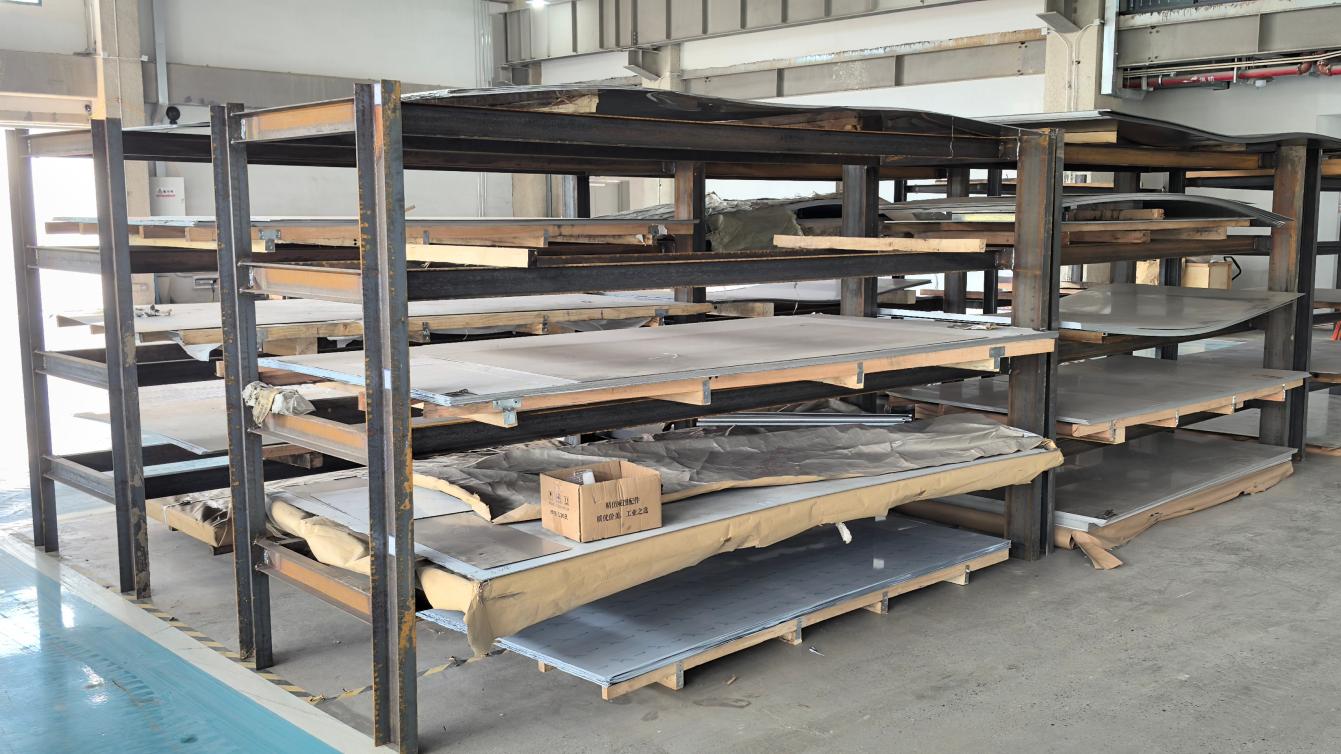
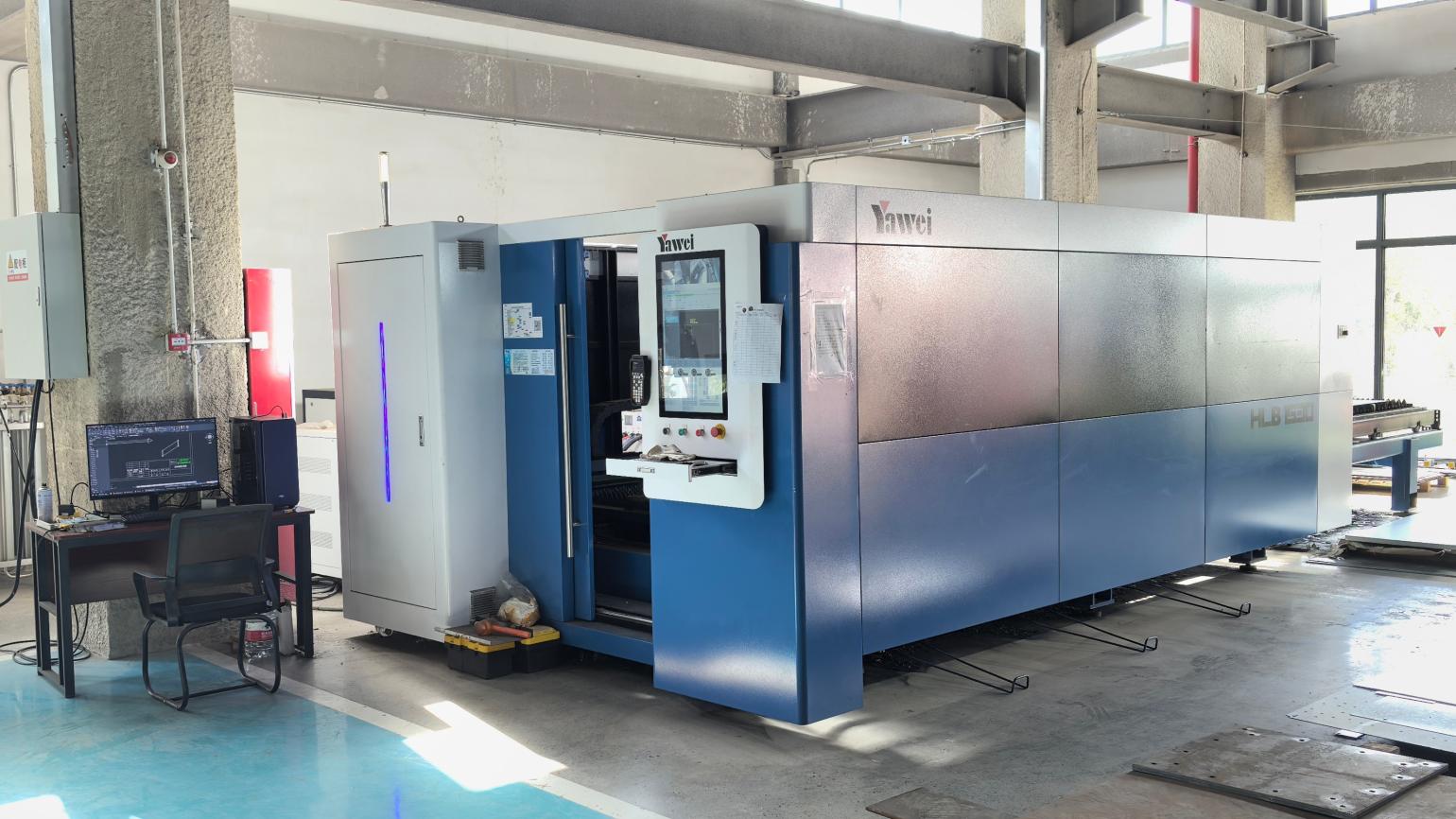
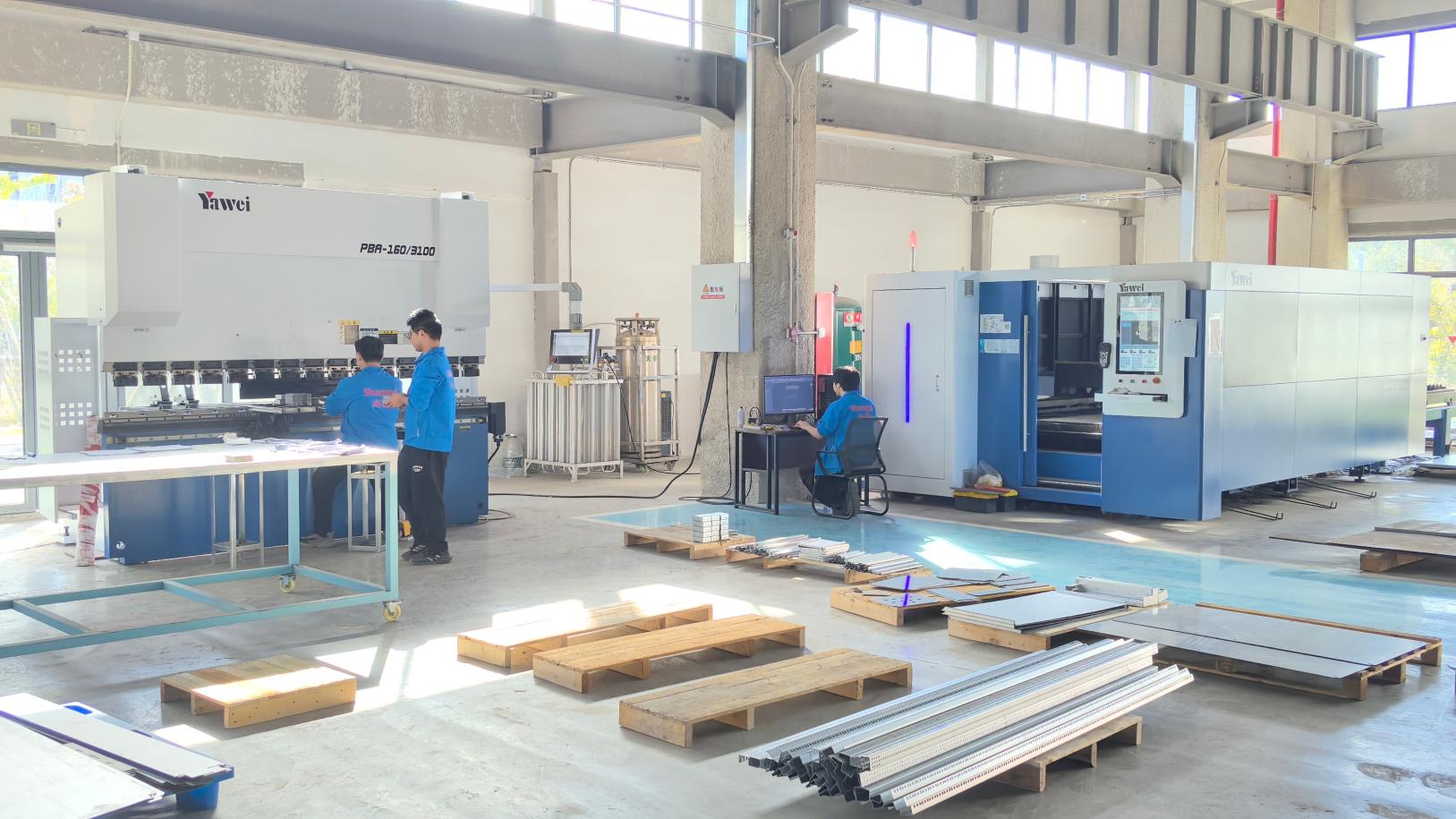
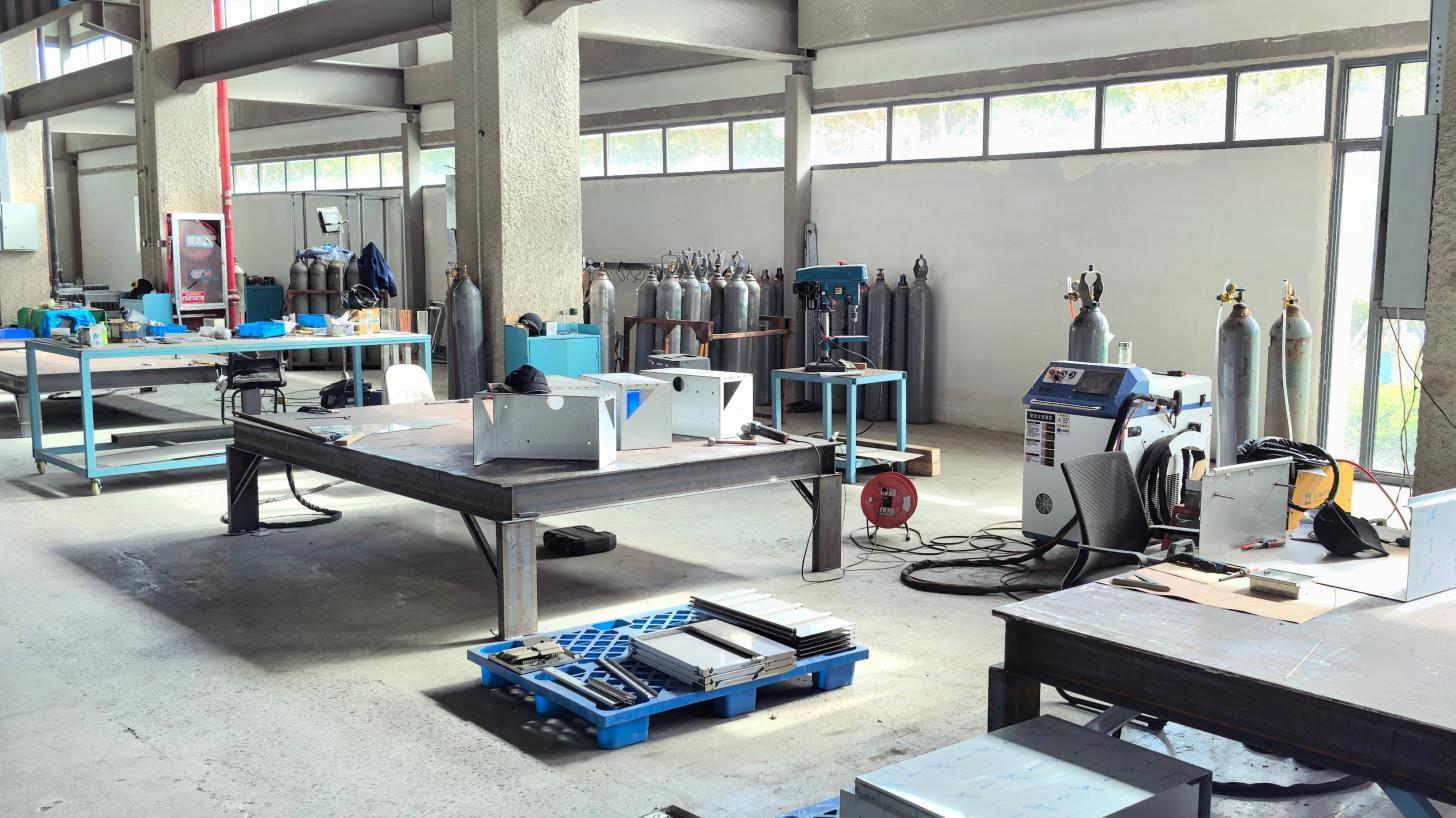
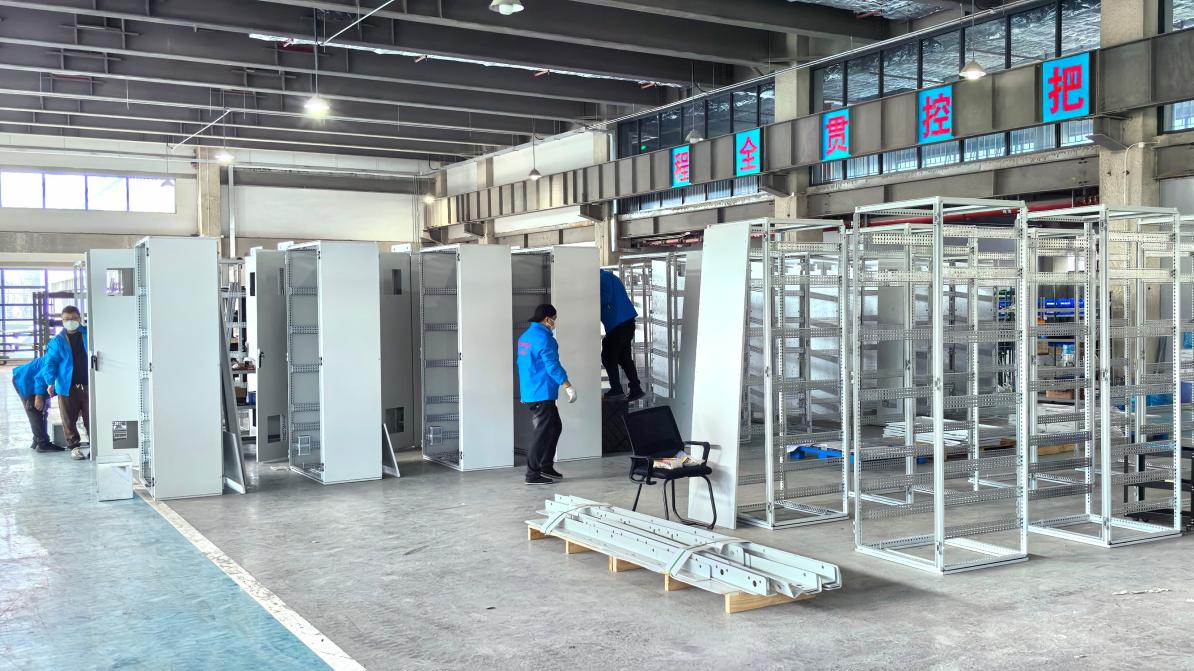
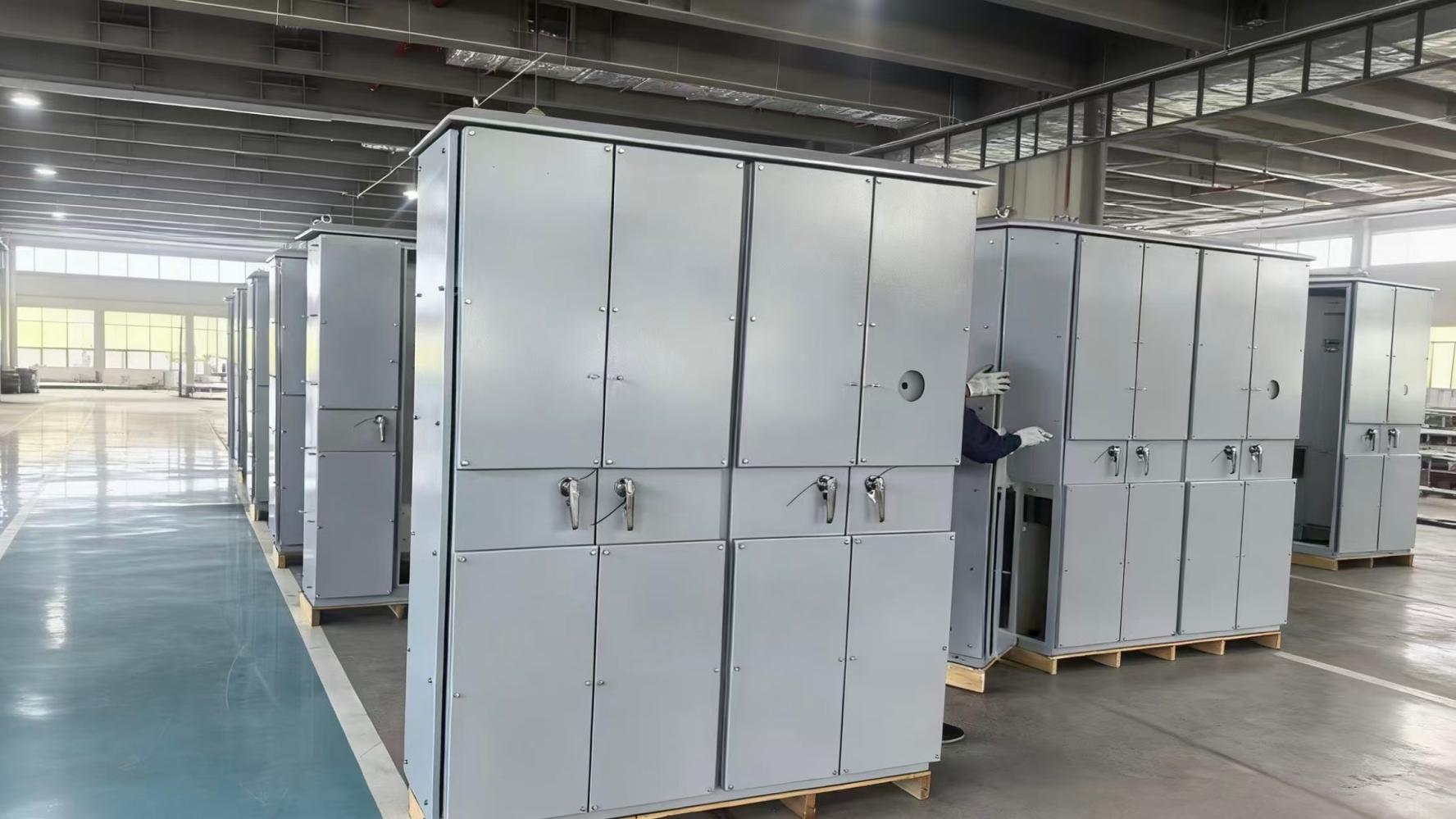
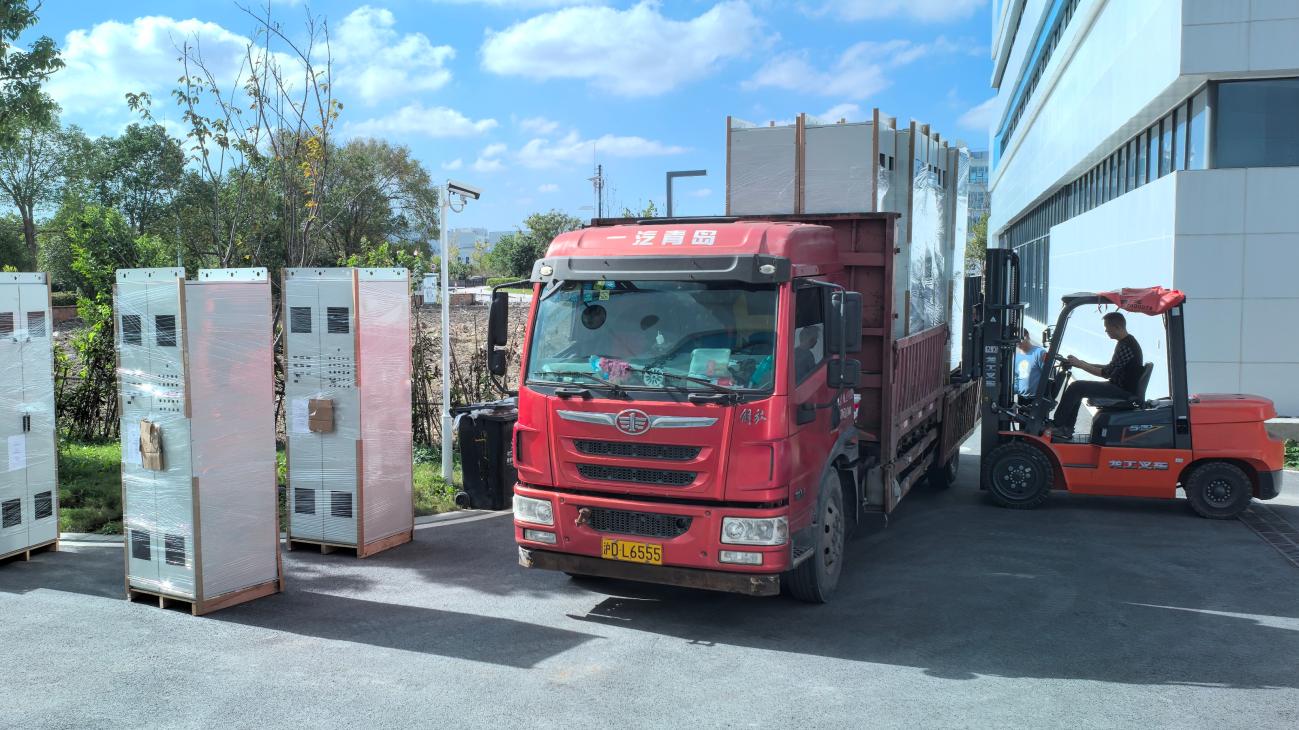
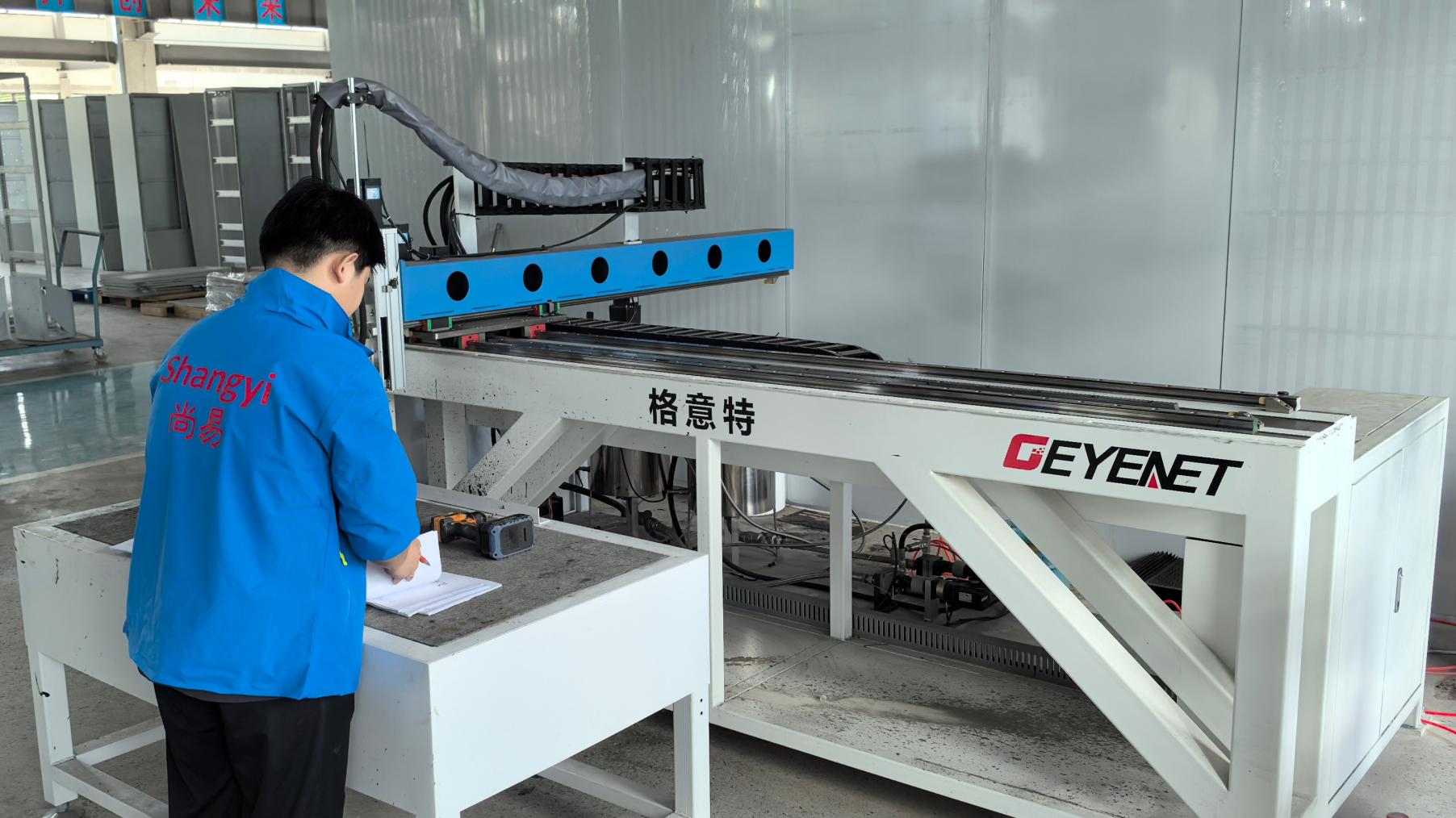
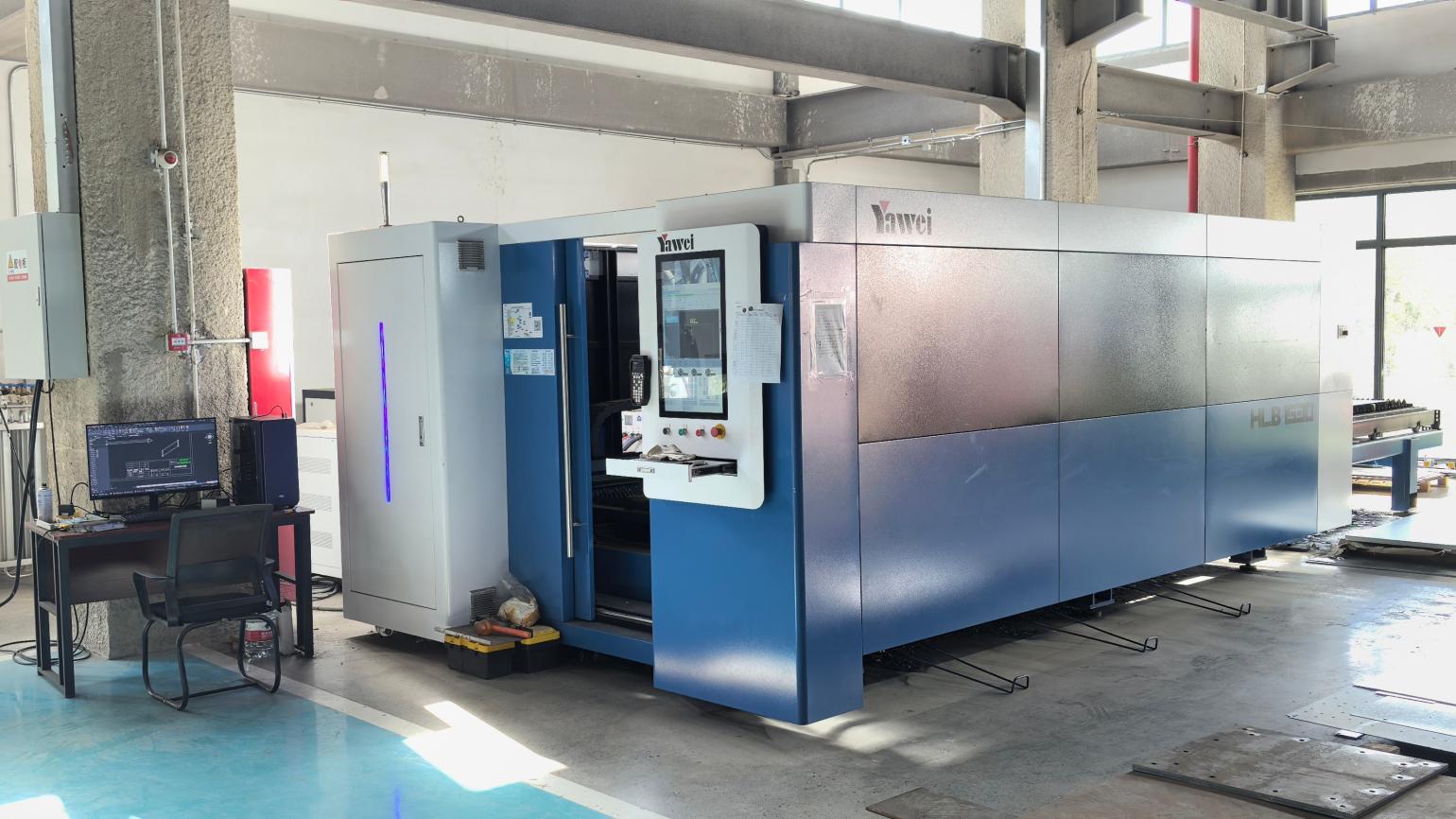
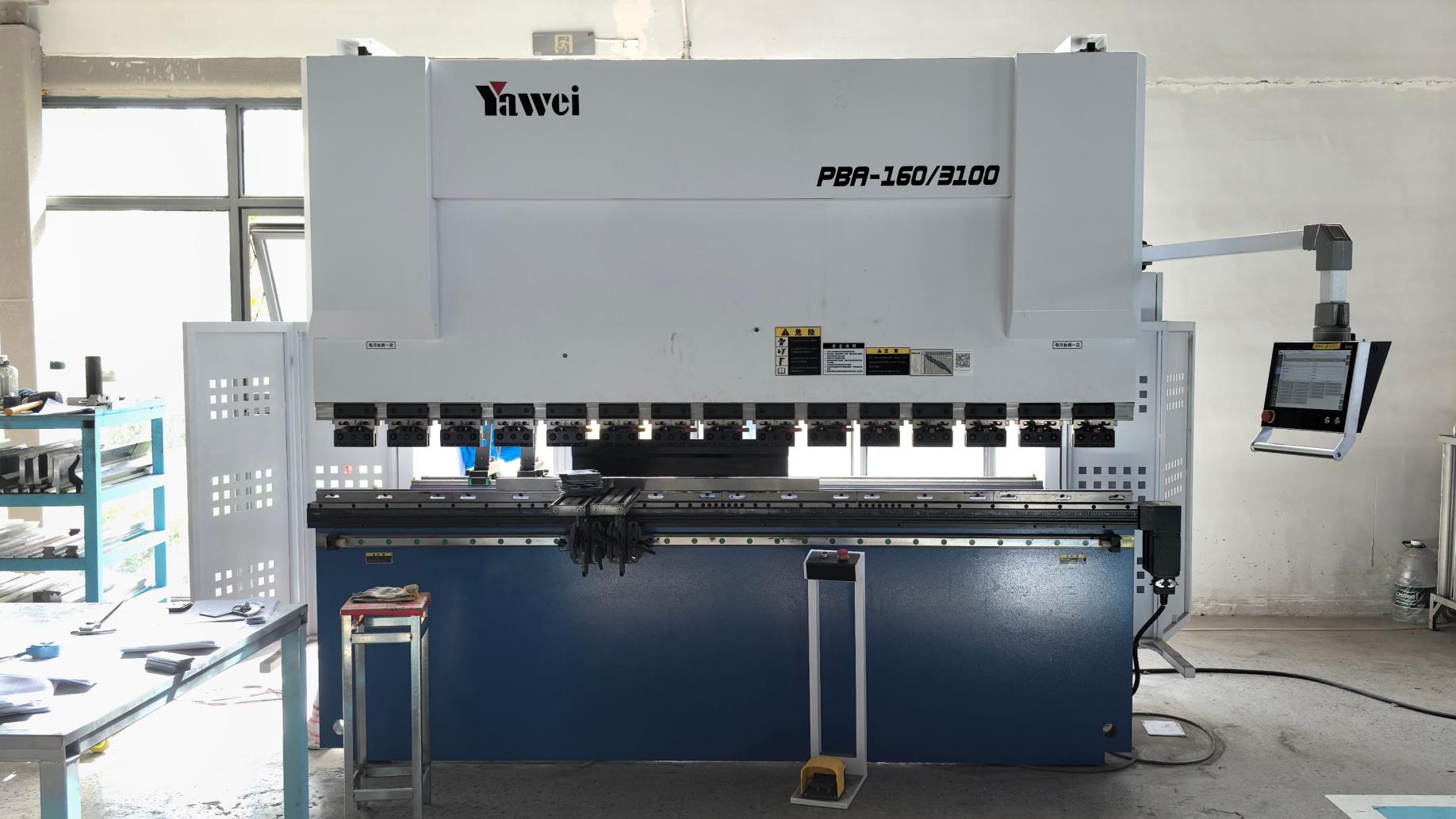
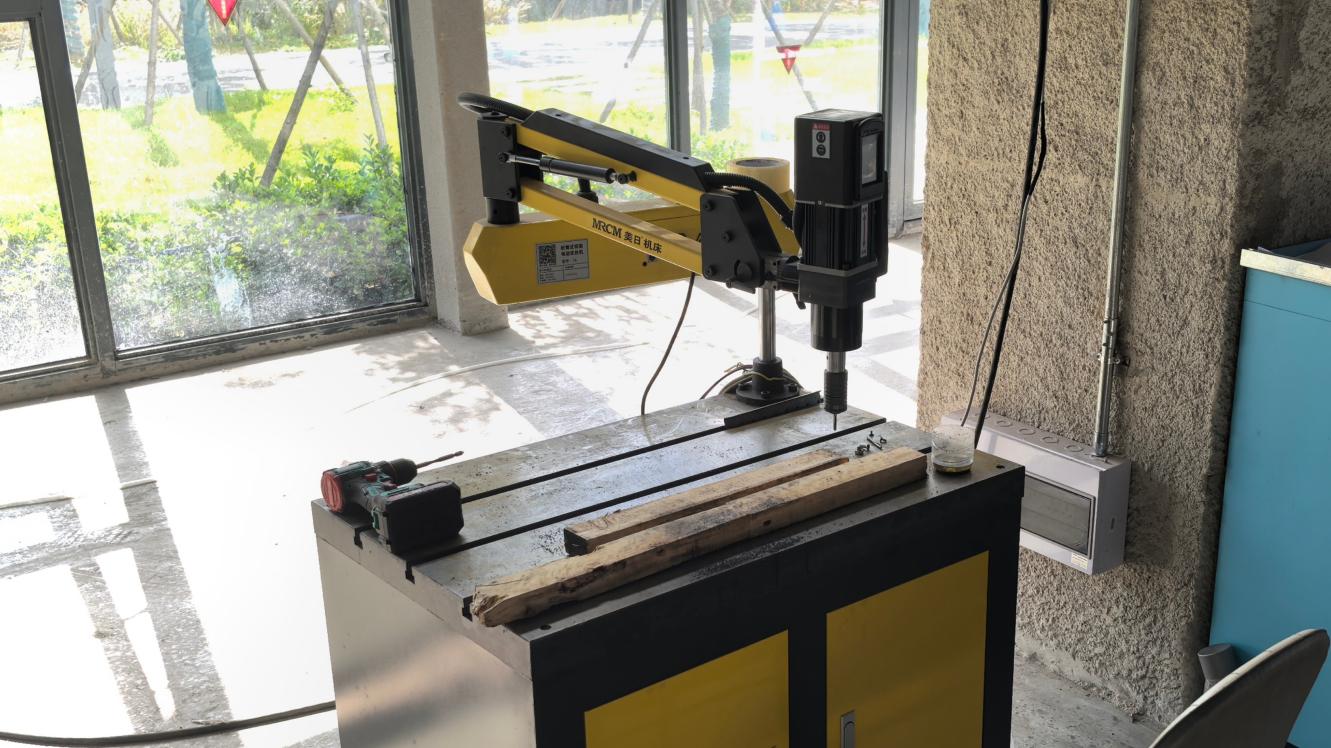
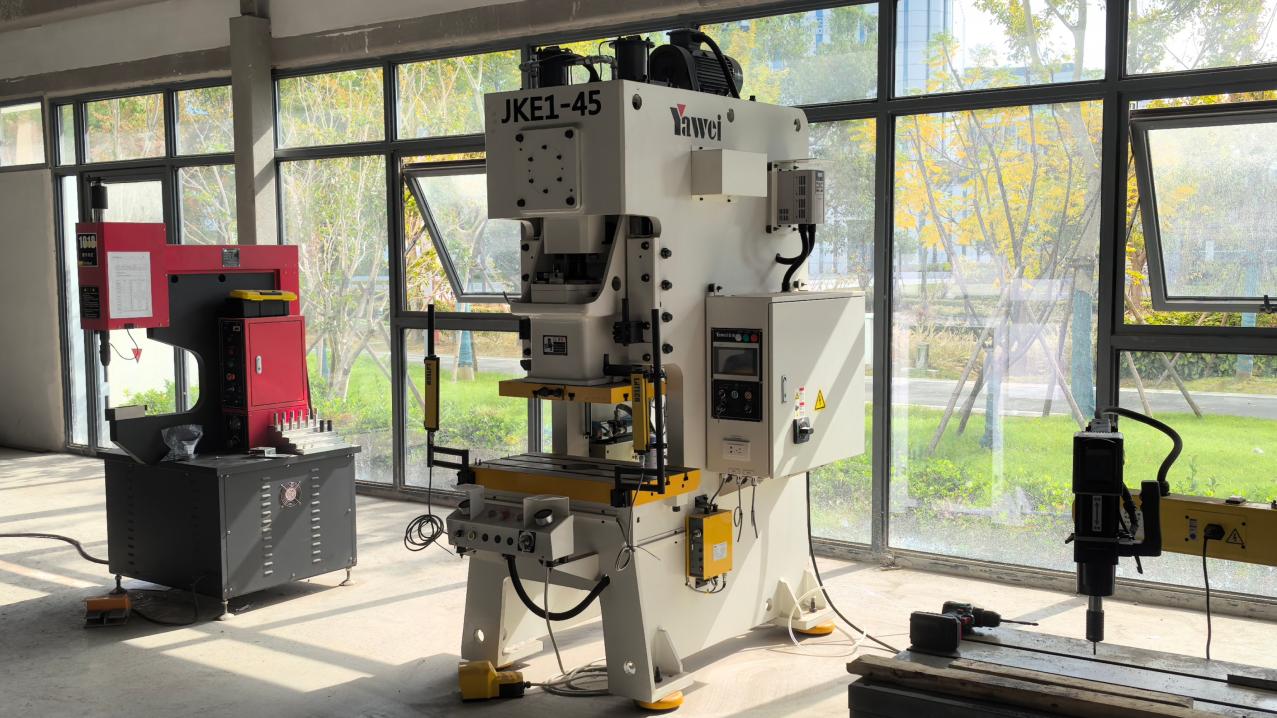
The efficiency of our industrial production stems from our fully integrated manufacturing line in Zhejiang. Operating in China's premier electrical industrial cluster allows us to source raw materials, conduct precision machining, perform advanced surface treatments, and assemble systems under one unified quality management standard. Through optimized material flow, automated precision tooling, and rigorous testing protocols, we guarantee the structural integrity and long-term reliability of our high-voltage switchgear and distribution cabinet lines.
When deploying high-voltage devices internationally, compliance with local regulatory frameworks is crucial. Zhejiang Sowest Electric Co., Ltd. ensures that our systems conform to global standards, enabling export compliance and seamless integration in target markets.
Whether meeting the strict European CE directives, TUV safety certifications, or international IEC standards, our equipment is designed for high-stress industrial applications. This includes testing for vibration resilience, climatic insulation degradation, and IP rating requirements (ranging from basic IP30 indoor switchgears to robust IP66 stainless steel cabinets for marine or industrial field use).
Technical answers to common engineer questions regarding selection, operation, and application safety
The primary difference lies in the dielectric strength, arc suppression methods, and contact spacing. High voltage relays (operating in hundreds of volts to kilovolts) must manage electrical arcing. They require larger contact gaps, specialized contact alloys, and hermetically sealed chambers filled with insulating gas (like hydrogen or vacuum) to safely extinguish arcs. Low voltage relays, conversely, focus on low contact resistance and cost efficiency without needing advanced arc-quenching technologies.
Contact welding occurs when transient inrush currents generate excessive localized heat, melting the contact surfaces and causing them to fuse together upon cooling. This is prevented by using silver-alloy contact materials (such as Silver-Tin-Oxide) that have high melting points and anti-welding properties. Additionally, optimization of contact pressure, drive coil speed, and the integration of surge protection devices (like our T2 SPD systems) help mitigate high-current transients.
A vacuum offers high dielectric strength (isolation capacity per unit gap). When contacts open in a vacuum, the metal vapor arc is quickly dispersed to the walls of the contact chamber, extinguishing the current flow at the first zero-crossing point. This allows vacuum-based high-voltage switchgears (such as the KYN-28 12KV) to achieve compact form factors and high operating cycles without gas leakage risks.
The Ingress Protection (IP) rating defines the enclosure's sealing efficiency against dust and moisture. Under high voltage, moisture and fine conductive dust particles can cause surface tracking, insulation breakdown, and phase-to-ground short circuits. Enclosures like our CFD SS304 IP66 cabinets provide complete protection against dust ingress and high-pressure water jets, ensuring stable relay and busbar operation in marine, petrochemical, or outdoor settings.
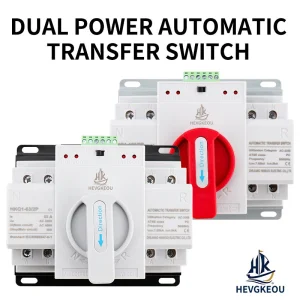
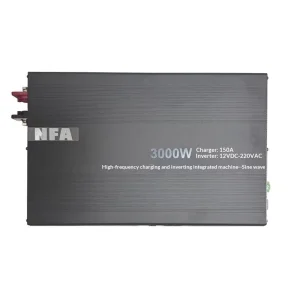
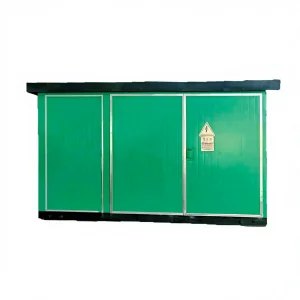
Complete your electrical architecture with our industry-certified inverters, transformers, filters, and smart transfer switches
 Sowest Electric