Pre-engineered power electronics optimized for Portuguese grid standards and utility-scale application requirements.
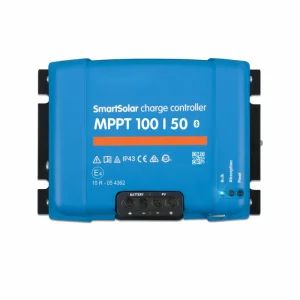
Portugal is globally recognized for its aggressive decarbonization strategies, with Lisbon acting as the focal point for urban clean energy trials, massive solar integration schemes, and the deployment of advanced EV (Electric Vehicle) infrastructure. As the city adapts its historical grid systems to accommodate high percentages of variable photovoltaic (PV) generation and localized wind power, the demand for high-reliability Battery Management Systems (BMS) has reached unprecedented levels.
Within Lisbon’s commercial zones—spanning from the tech hubs in Parque das Nações to the industrial corridors near Palmela and Setúbal—BMS hardware plays a vital role. In modern energy networks, the BMS serves as the brain, protecting lithium-ion chemistries (such as LiFePO4 and NMC) from catastrophic thermal events while optimizing cell longevity, charge-discharge curves, and system safety. Without advanced balancing, grid-connected storage assets remain susceptible to premature aging and capacity imbalances.
“Lisbon’s municipal energy strategies require energy storage systems to be equipped with double-layer circuit insulation, sub-millisecond balancing control loops, and direct API telemetry to central SCADA systems—technologies that define Zhejiang Sowest Electric’s engineering mission.”
Exploring the engineering requirements shaping modern BMS platforms in European infrastructures.
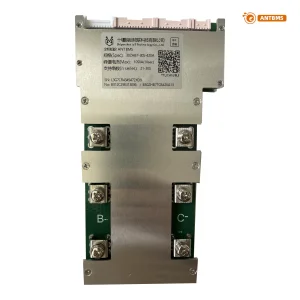
A primary bottleneck in grid-scale battery arrays is the weakest-link phenomenon: the overall capacity of a series battery pack is limited by the cell with the lowest capacity. Traditional passive balancing dissipates excess energy as heat through resistors, which is inefficient and generates unwanted thermal loads. Sowest Electric’s high-capacity balancing controllers, like the Ant BMS 30S 420A, employ dynamic charge redistribution (active balancing), transferring energy from higher-voltage cells to lower-voltage cells. This not only preserves energy but also lowers the thermal profile of the battery box, mitigating the risk of thermal runaway.
Predicting the internal state of a cell requires complex mathematical modeling. Modern systems utilize advanced estimators such as the Extended Kalman Filter (EKF) and artificial neural networks (ANN) running on real-time microcontrollers. By constantly monitoring voltage, current, and temperature, the BMS calculates SOC and SOH with errors below 2%, preventing over-charging and deep-discharging. This level of precision is necessary for grid operators in Lisbon to confidently participate in ancillary services market systems (FCR - Frequency Containment Reserve).
For installations in the Lisbon municipality, compliance with international standards is mandatory. To pass local safety inspections and secure project insurance, BMS platforms must comply with:
Providing a scalable trajectory for industrial energy transition and microgrid stabilization.
By using multi-channel high-voltage AFE chips with integrated diagnostics, our systems capture micro-volt variations across cells. This localized sensing prevents local hot spots and balances the state-of-health of the entire string.
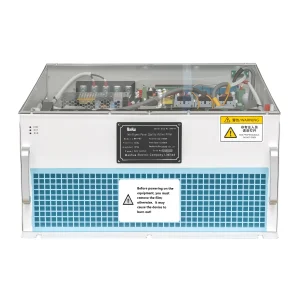
Integrating Static Var Generators (SVG) and Active Harmonic Filters (AHF) at the battery inverter connection point. This addresses power factor degradation and harmonic distortion caused by high-power EV charging stations in Lisbon's central network.
Deploying edge gateways to run battery degradation algorithms. Critical telemetry is securely pushed to web interfaces, allowing Lisbon facility managers to optimize charging schedules based on real-time electricity tariff structures.
A modern and innovative manufacturer specializing in power supply and electrical distribution equipment.
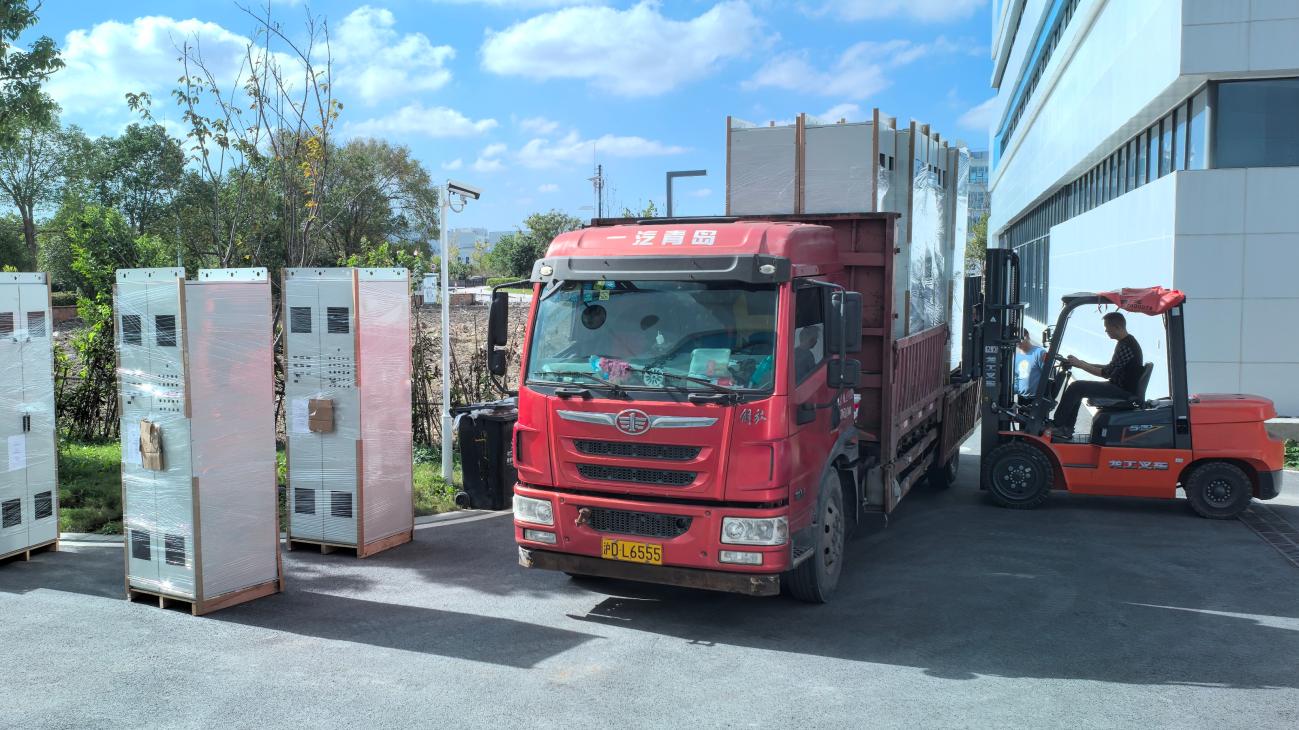
Zhejiang Sowest Electric Co., Ltd. is a modern and innovative enterprise specializing in the research, development, manufacturing, and sales of power supply and electrical distribution equipment. With a strong commitment to technological innovation, product quality, and customer satisfaction, the company has established itself as a reliable partner for power generation, transmission, distribution, industrial automation, transportation, petrochemical, telecommunications, and infrastructure projects worldwide.
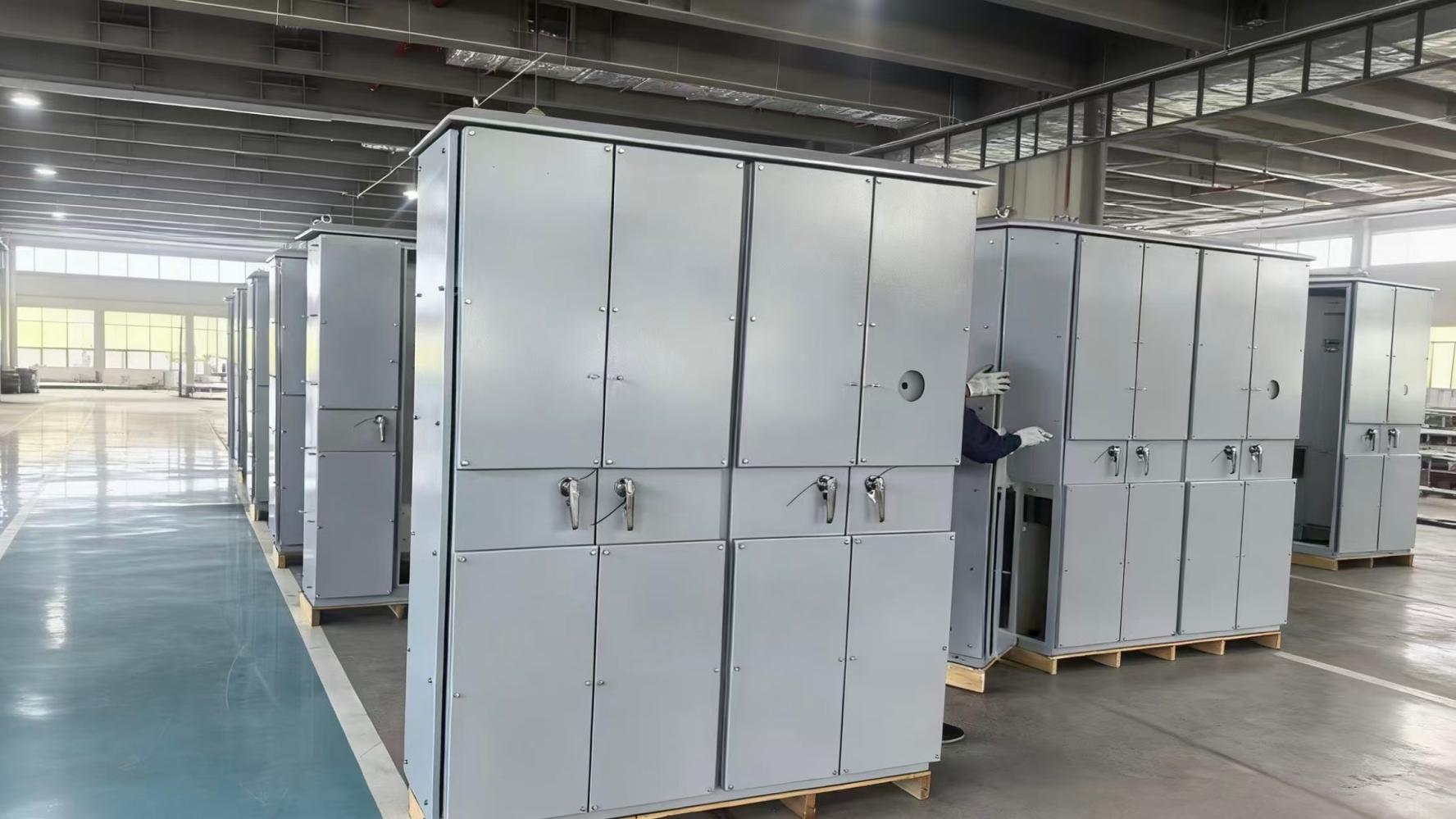
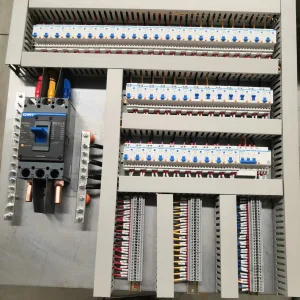
Our core product portfolio includes AC/DC Power Supply Panels, DC Power Systems, UPS (Uninterruptible Power Supply) Systems, Battery Chargers, DC Distribution Panels, AC Distribution Panels, Central Signal Panels, Power Monitoring Systems, Circuit Breakers, Power Feeding Panels, and other integrated power supply solutions. These products are widely applied in substations, power plants, industrial facilities, data centers, rail transit systems, and renewable energy projects.
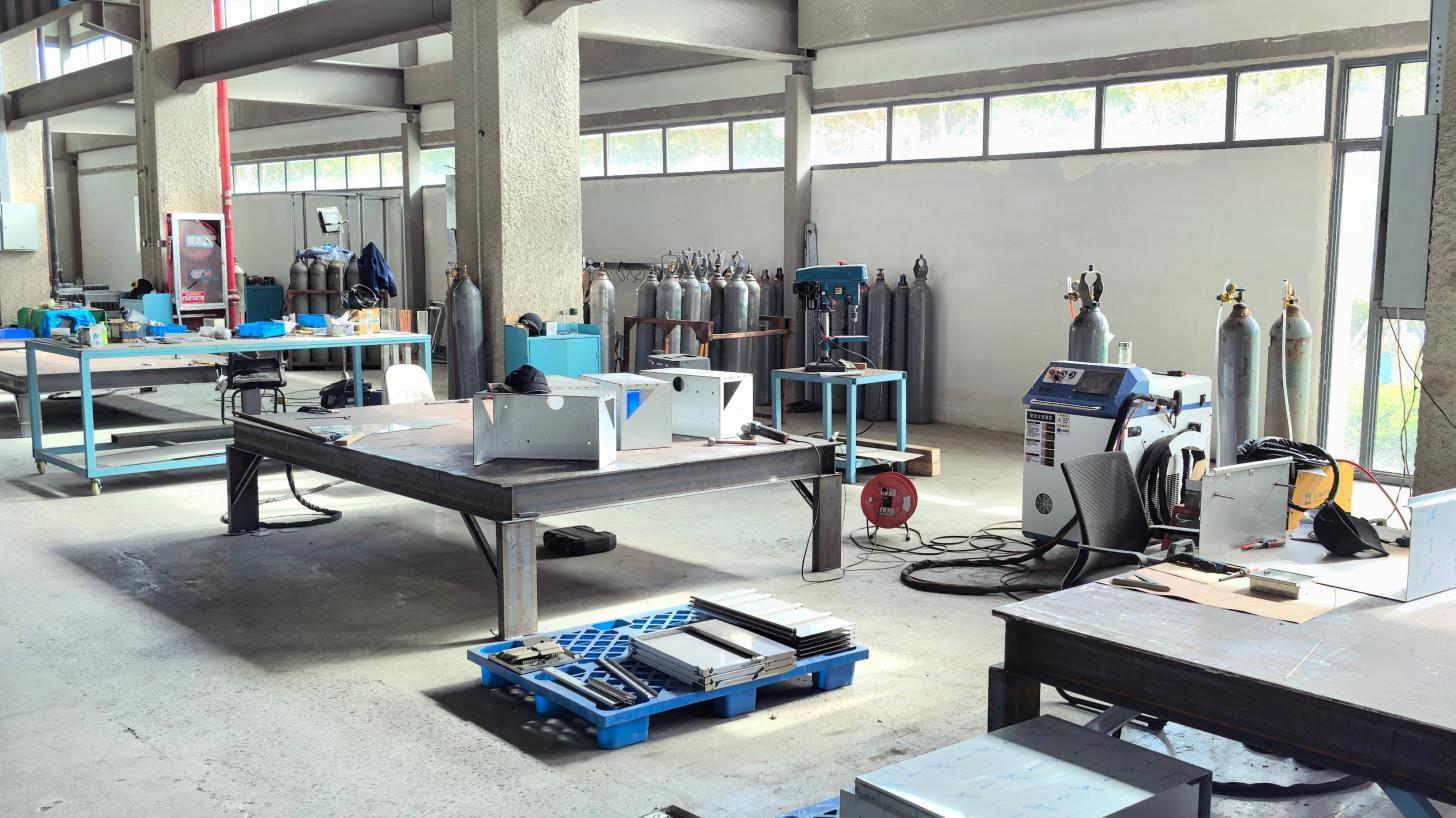
The company is supported by a highly qualified team of engineers, technicians, and industry experts with extensive experience in power electronics and electrical engineering. Equipped with advanced manufacturing facilities, modern production lines, and comprehensive testing equipment, Sowest Electric ensures that every product meets stringent quality standards and international performance requirements.
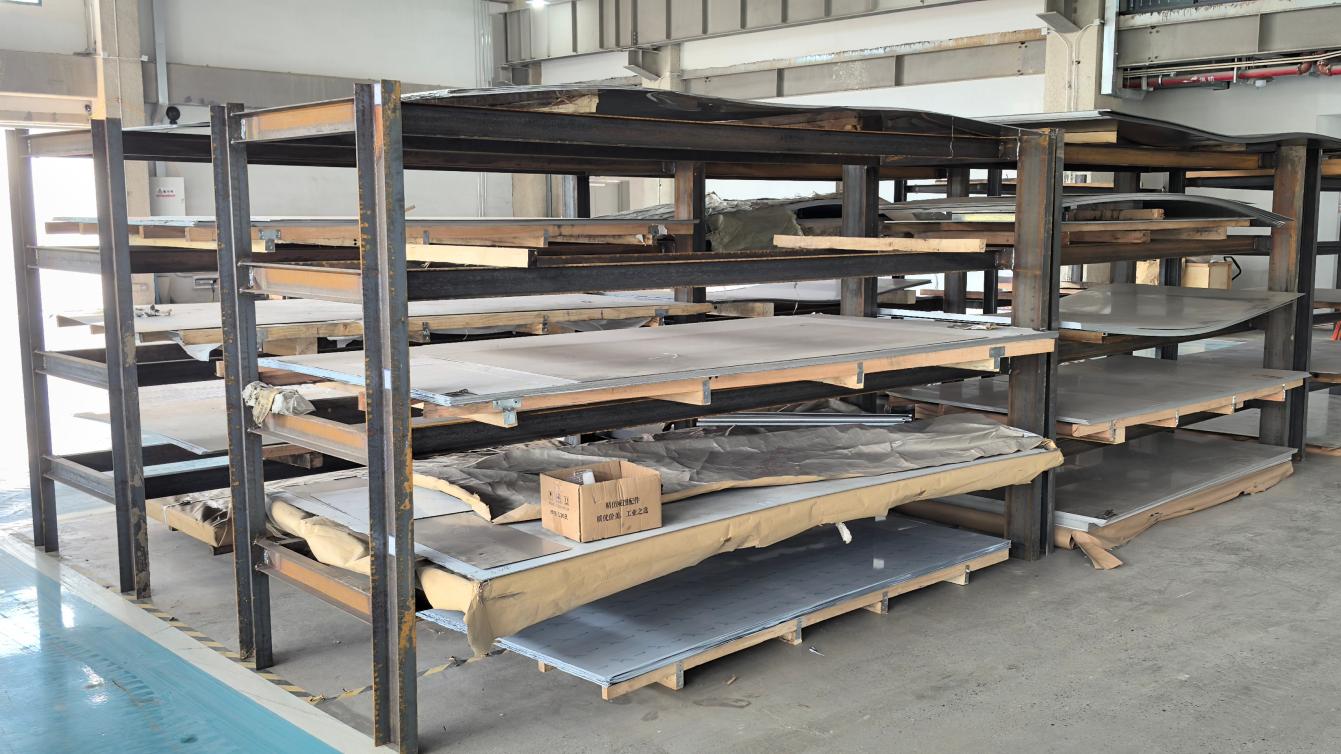
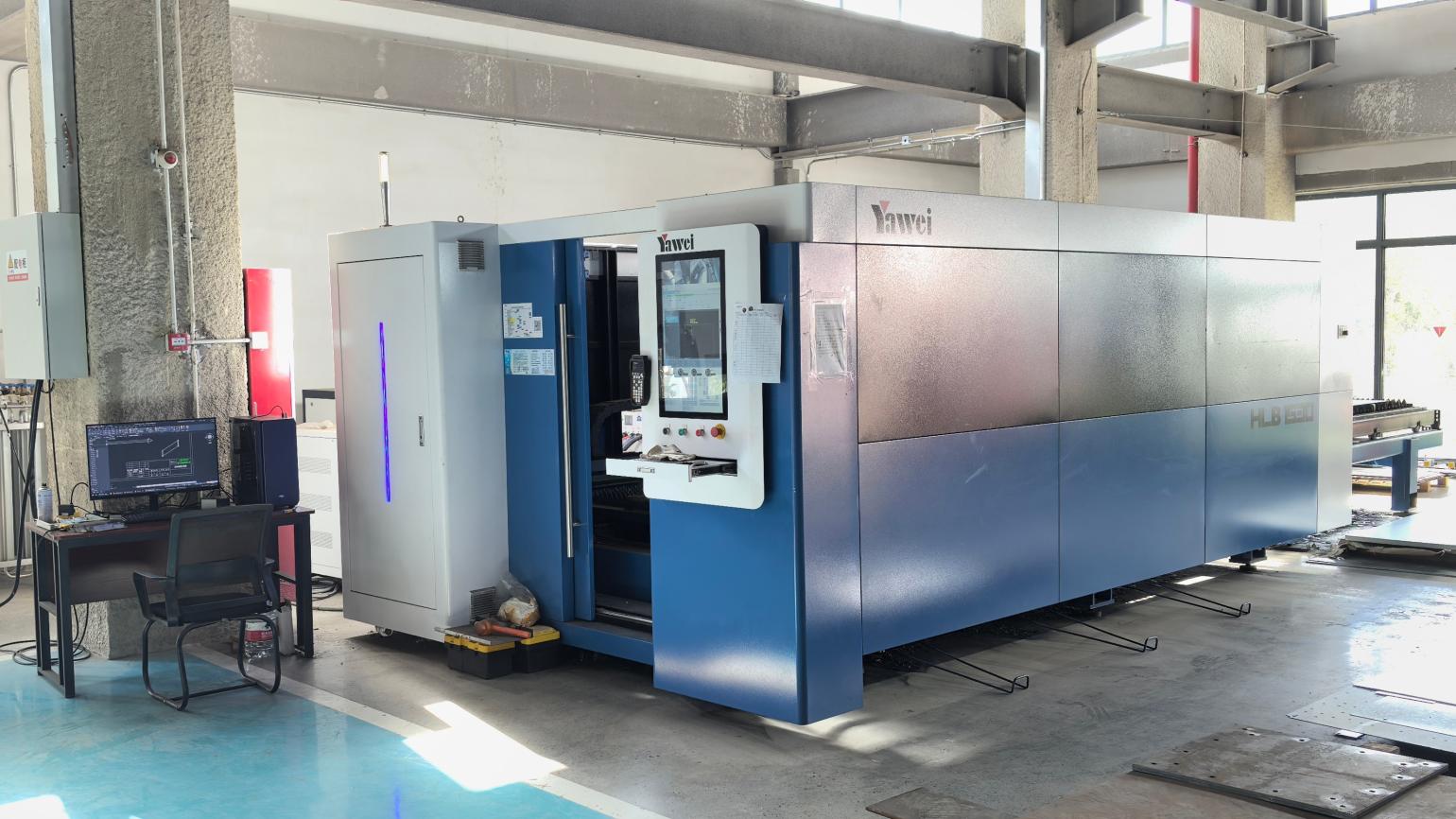
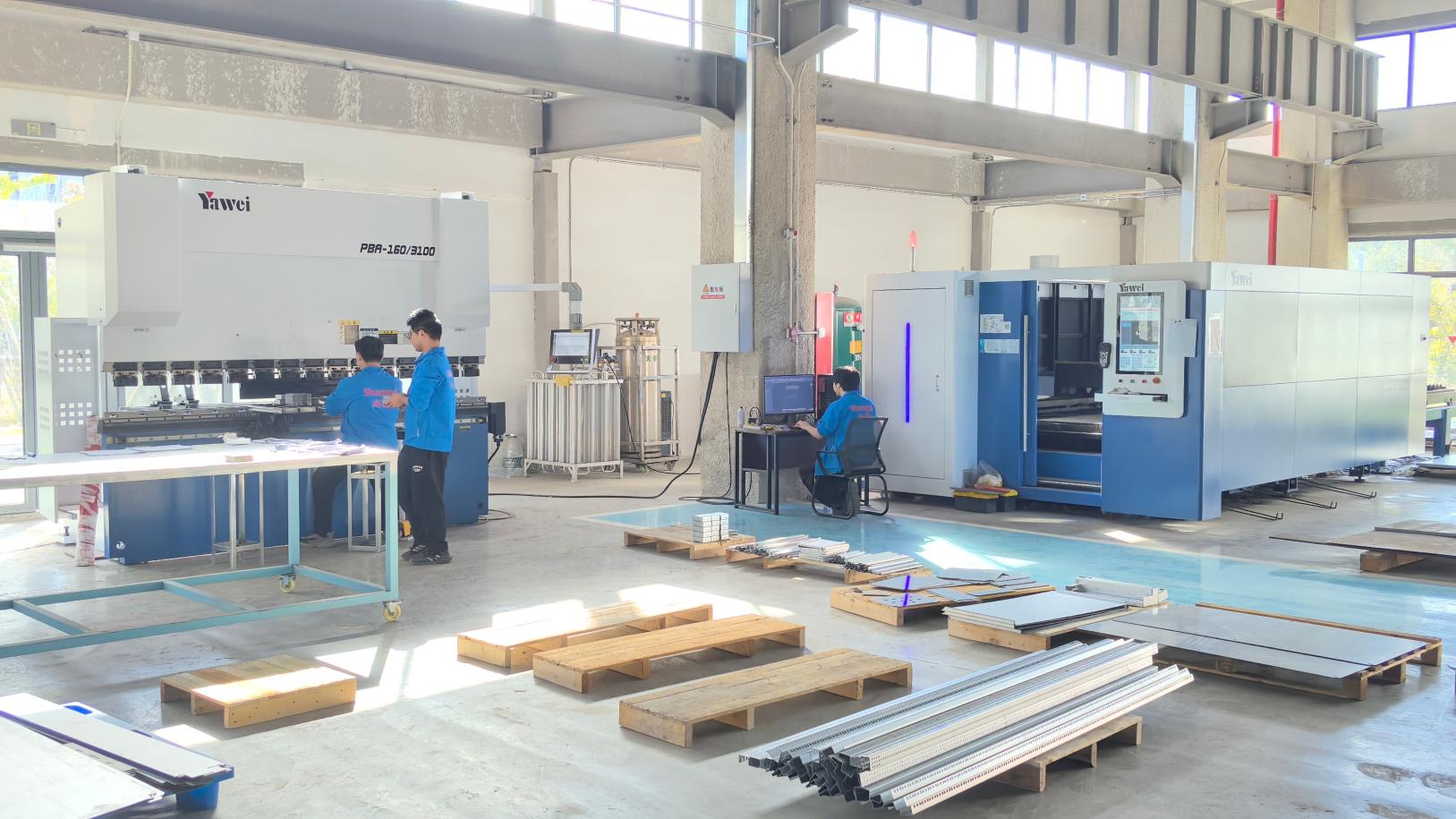
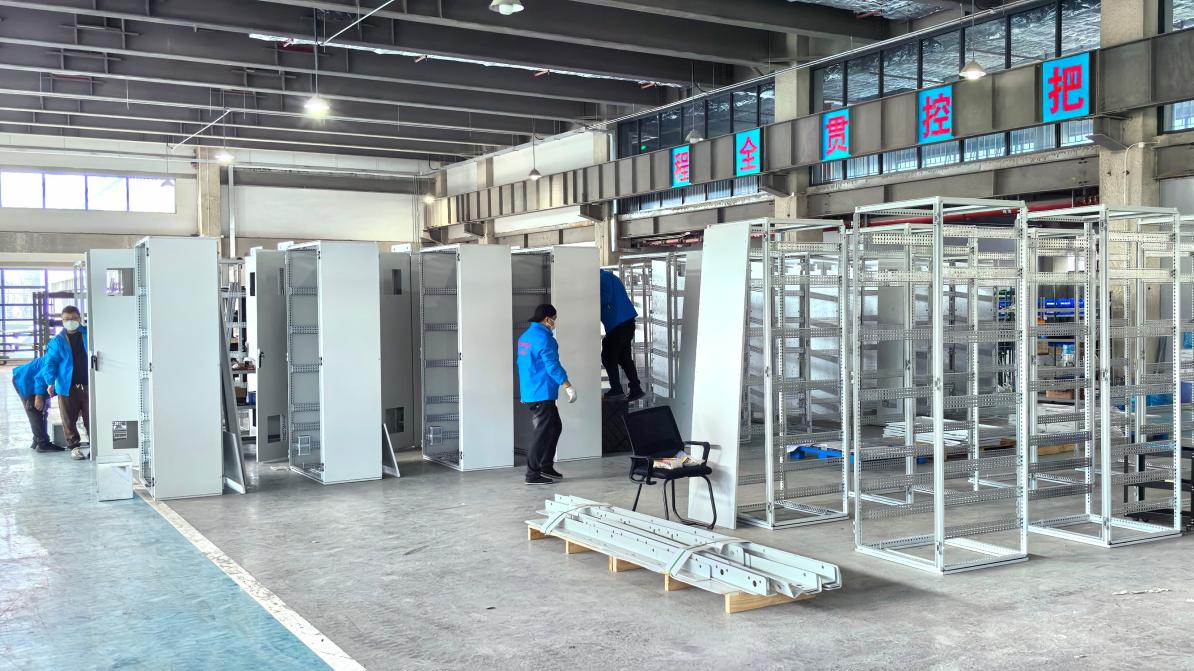
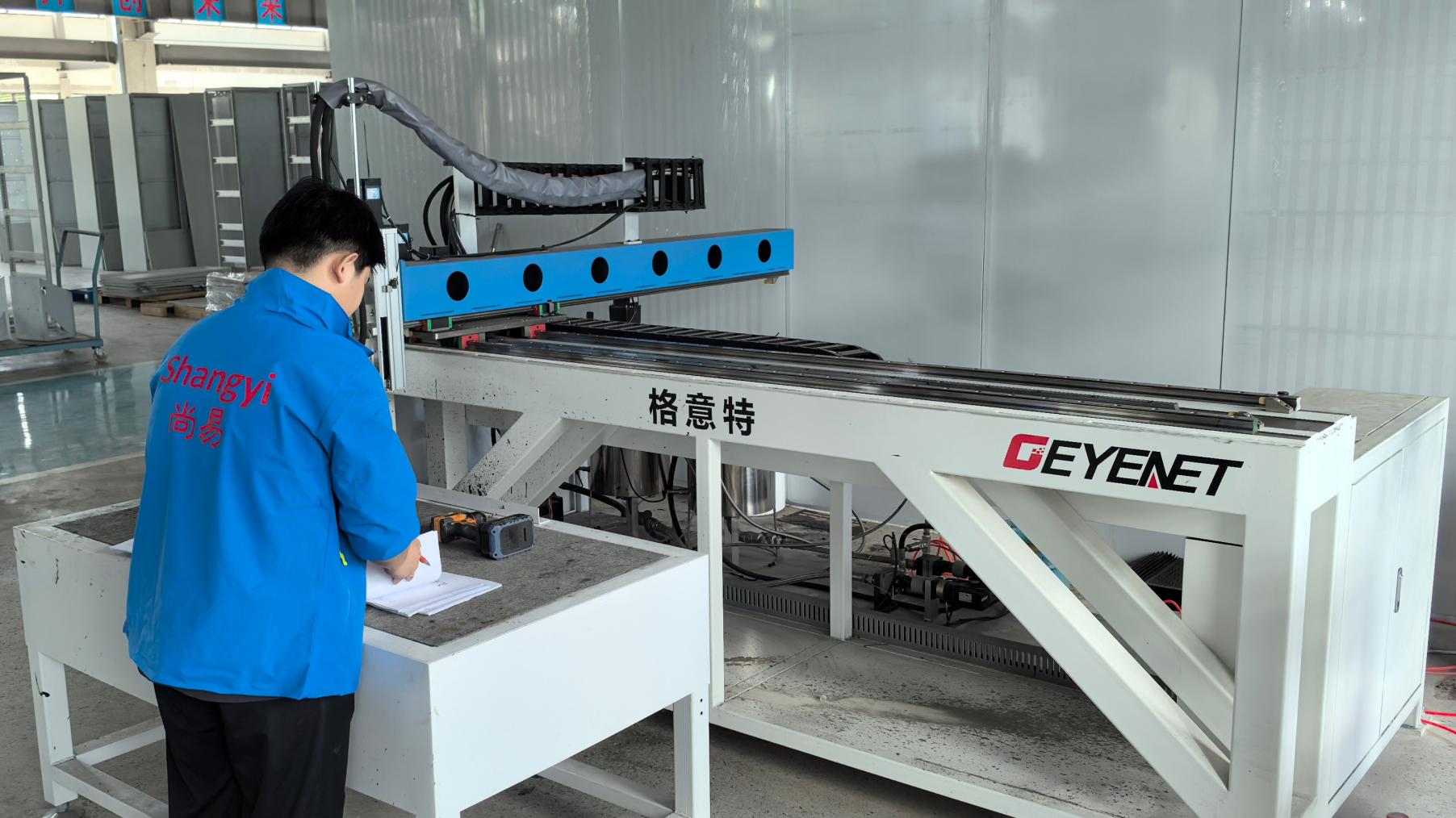
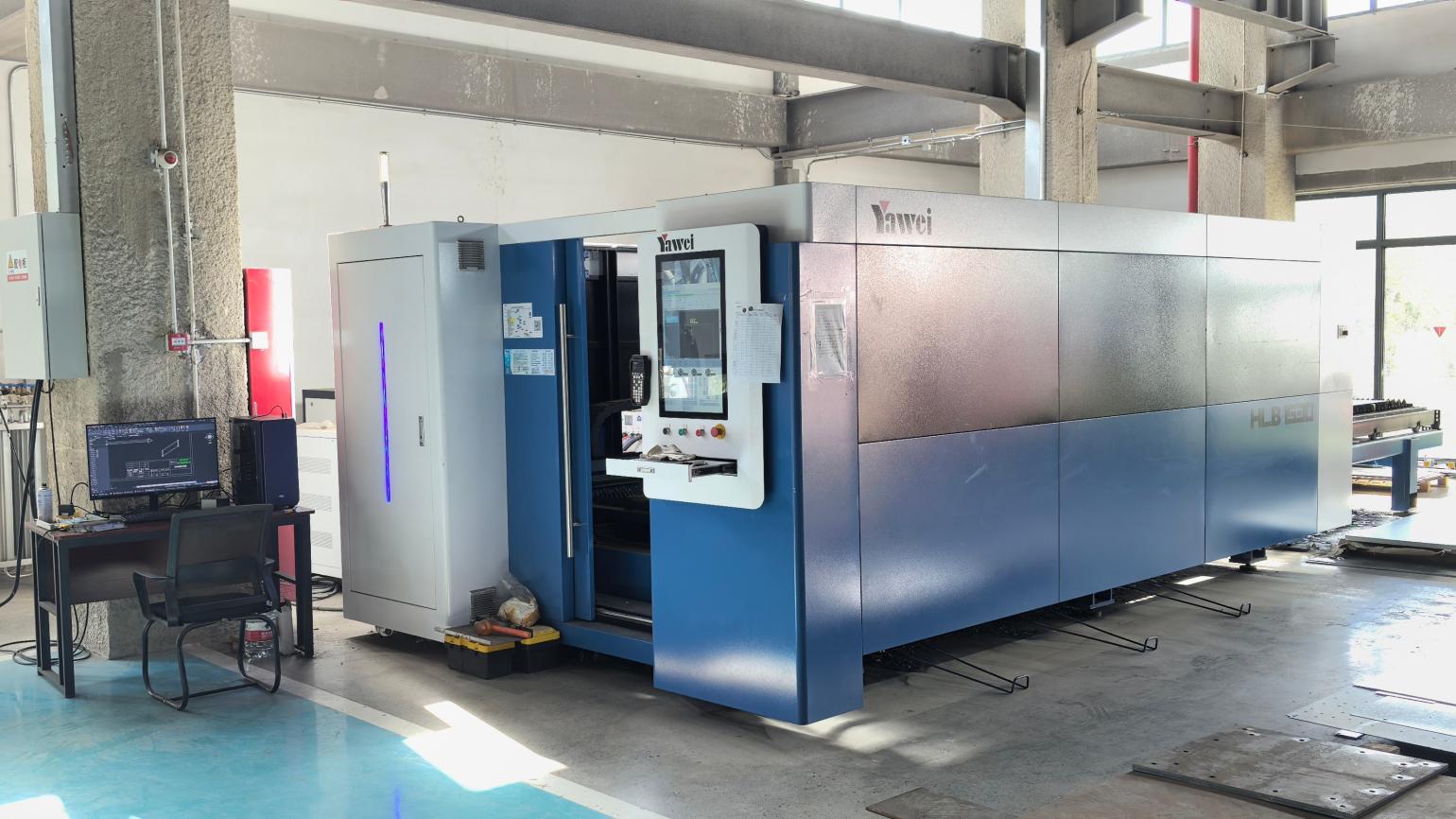
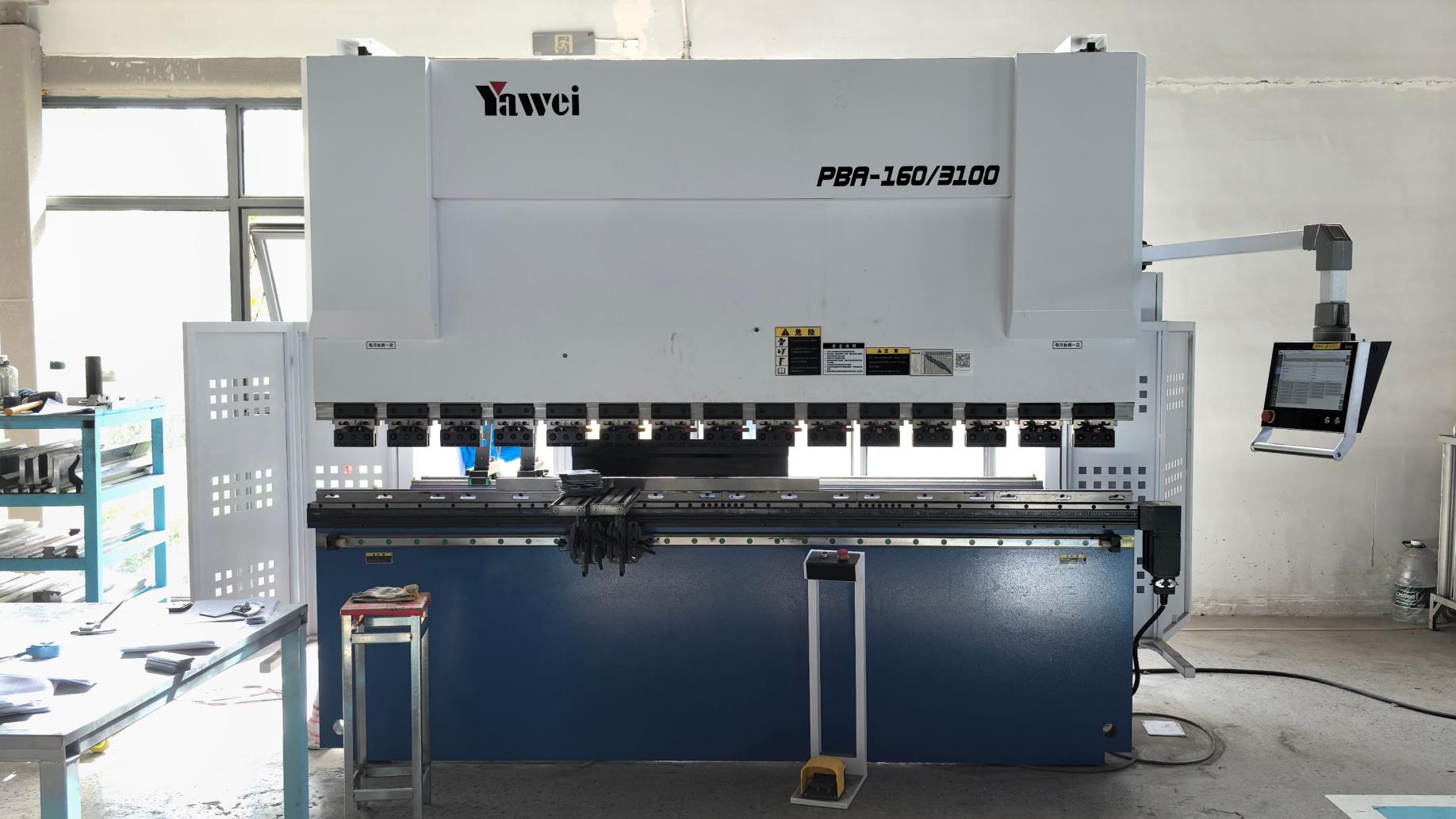
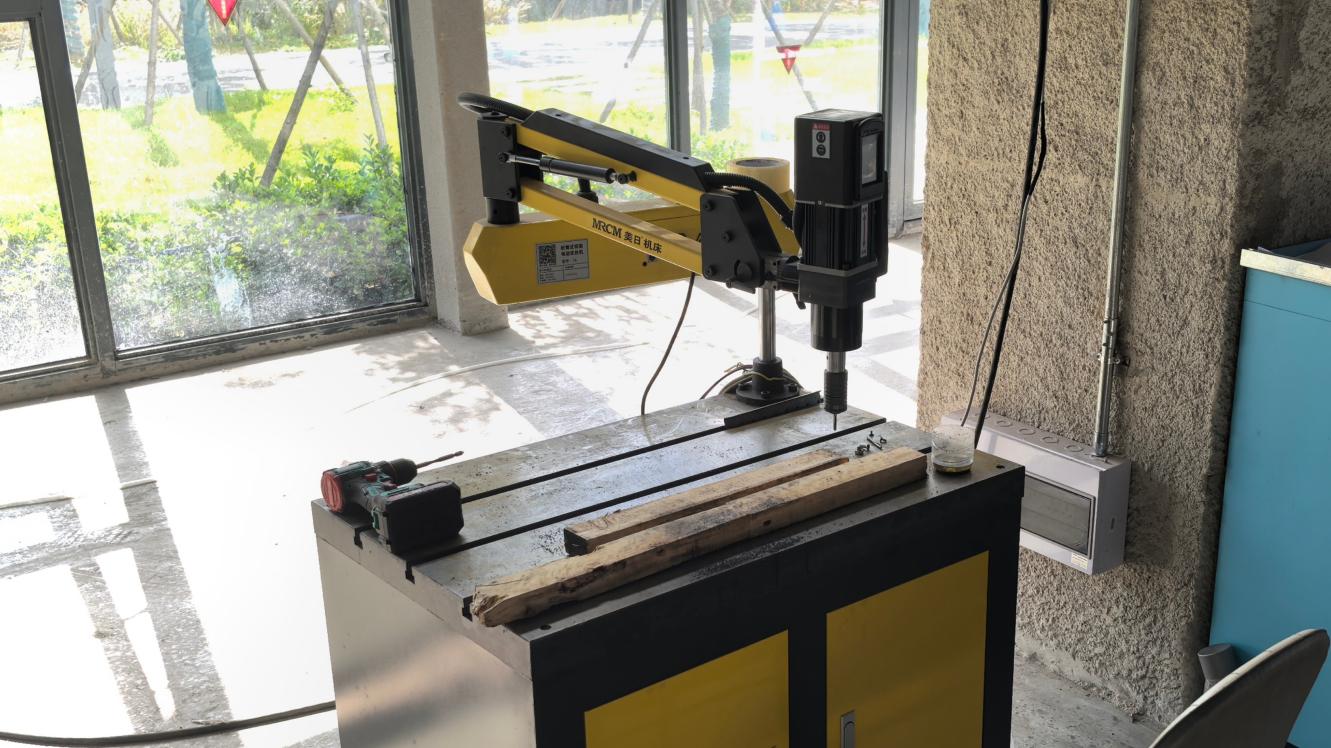
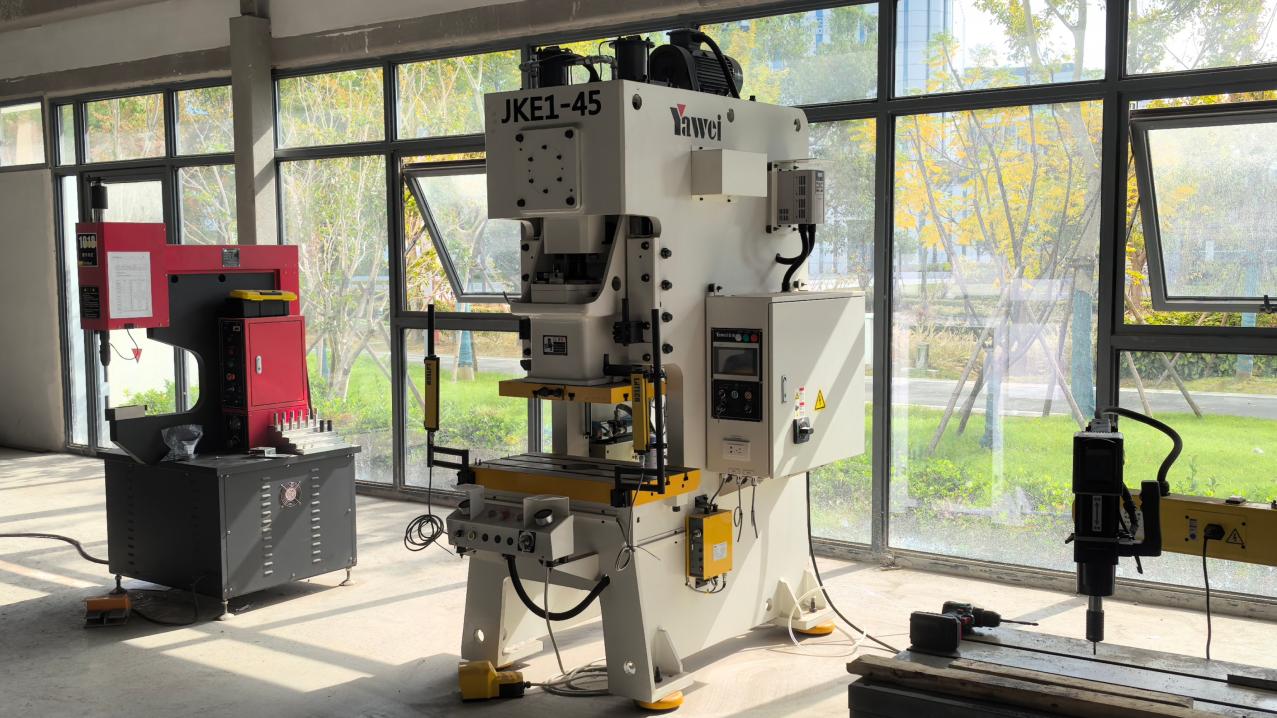
Guided by the principles of integrity, professionalism, innovation, and mutual growth, Zhejiang Sowest Electric continuously invests in research and development to deliver efficient, intelligent, and reliable power solutions. The company has established a complete quality management system and adheres to strict production and inspection processes to guarantee product safety, stability, and long-term reliability.
Our corporate philosophy is centered on excellence, customer value, and sustainable development. We are dedicated to creating value for customers, opportunities for employees, returns for stakeholders, and positive contributions to society. Through continuous technological advancement and service improvement, we strive to help our customers achieve greater operational efficiency and energy reliability.
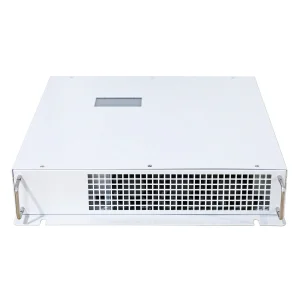
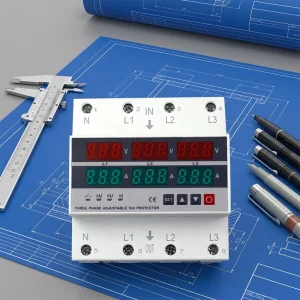
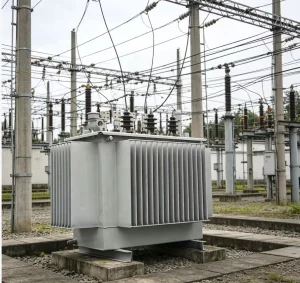
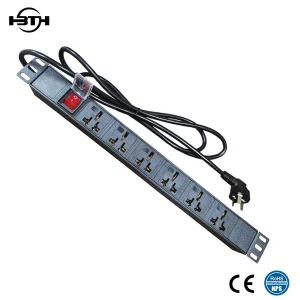
High-voltage management, isolation, and protection components for industrial networks in Portugal.
Direct technical explanations addressing the primary deployment challenges in Lisbon.
 Sowest Electric