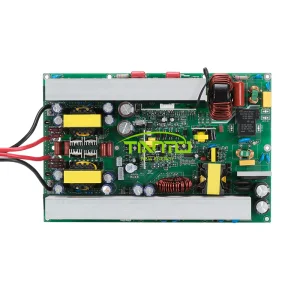
Engineered to deliver seamless pure sine wave conversion, rapid automatic UPS transfers, and high-efficiency MPPT solar tracking for local conditions.
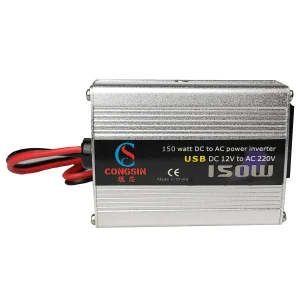
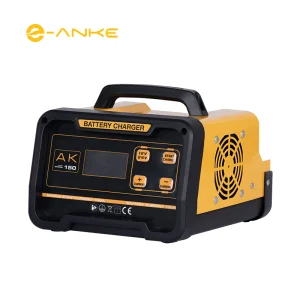
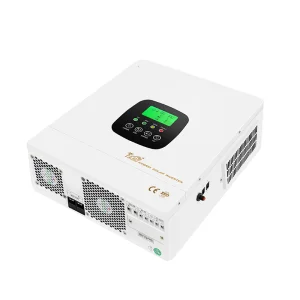
Australia is experiencing one of the most rapid and geographically complex energy transitions in the world. Driven by the dynamic integration of Distributed Energy Resources (DER), remote utility networks, and massive commercial off-grid developments, the demand for highly resilient inverter chargers has grown exponentially. Specifically, the Australian National Electricity Market (NEM) faces unprecedented challenges in grid stabilization, creating a profound need for localized, industrial-grade hybrid uninterruptible power supply (UPS) systems and off-grid power conversion topologies.
From the resource-rich mining corridors of the Pilbara in Western Australia to agricultural stations in the dry expanses of the Northern Territory, electrical machinery operates in some of the harshest environments on Earth. Inverter chargers deployed in these regions must withstand elevated ambient operating temperatures often exceeding 50°C, high dust concentrations, and persistent structural vibration. Under these circumstances, off-the-shelf residential-grade units fail. Modern industrial specifications demand intelligent thermal management, high galvanic isolation, and broad compatibility with complex battery chemistry systems, particularly Lithium Iron Phosphate (LiFePO4).
In regional Australia, utilities like Western Power and Horizon Power increasingly deploy Stand-Alone Power Systems (SAPS) to replace long, vulnerable overhead distribution lines. These setups rely heavily on industrial-grade inverter chargers. They combine photovoltaic arrays, diesel generation, and battery storage to provide continuous, high-fidelity AC power to homesteads, rural communication poles, and water pumping stations.
Mining operations require robust backup systems for remote processing machinery, telemetry links, and temporary accommodations. A heavy-duty, high-amperage charger-inverter ensures that critical control panels, emergency lighting, and satellite uplinks remain functional during transient grid dropouts or diesel generator maintenance intervals.
Service vehicles, emergency response units, and customized utility caravans require stable onboard 240V AC power generated from a 12V or 24V DC battery bank. Integrating high-surge pure sine wave inverters with smart multi-stage battery charging algorithms protects sensitive instrumentation, analytical equipment, and field computers from voltage spikes.
The global trajectory of power electronics is centered on maximizing efficiency, power density, and cloud connectivity. Over the next decade, the industry will witness key transitions in topology design, device integration, and grid interactivity.
The shift from silicon-based MOSFETs to Gallium Nitride (GaN) and Silicon Carbide (SiC) switches allows for elevated switching frequencies, greatly reducing the weight of magnetics while pushing efficiency beyond 98.5%.
Future Australian solar installations must comply with strict utility control standards. Integrated communications protocols allow inverter chargers to function as active components of Virtual Power Plants (VPPs).
Bidirectional DC-to-AC topologies are merging residential and mobile batteries with home infrastructure, allowing vehicles to power off-grid camps, homes, or feed power back to the distribution grid.
In addition, advanced digital signal processors (DSPs) now manage real-time power routing, prioritizing solar input, blending utility or generator output when needed, and dynamically adjusting multi-stage charging parameters based on battery pack BMS communications. This intelligence reduces stress on batteries, extending their useful operational lifetime in deep-cycle applications.
Zhejiang Sowest Electric Co., Ltd. is a modern and innovative enterprise specializing in the research, development, manufacturing, and sales of power supply and electrical distribution equipment. With a strong commitment to technological innovation, product quality, and customer satisfaction, the company has established itself as a reliable partner for power generation, transmission, distribution, industrial automation, transportation, petrochemical, telecommunications, and infrastructure projects worldwide.
Our core product portfolio includes AC/DC Power Supply Panels, DC Power Systems, UPS (Uninterruptible Power Supply) Systems, Battery Chargers, DC Distribution Panels, AC Distribution Panels, Central Signal Panels, Power Monitoring Systems, Circuit Breakers, Power Feeding Panels, and other integrated power supply solutions. These products are widely applied in substations, power plants, industrial facilities, data centers, rail transit systems, and renewable energy projects.
The company is supported by a highly qualified team of engineers, technicians, and industry experts with extensive experience in power electronics and electrical engineering. Equipped with advanced manufacturing facilities, modern production lines, and comprehensive testing equipment, Sowest Electric ensures that every product meets stringent quality standards and international performance requirements.
Guided by the principles of integrity, professionalism, innovation, and mutual growth, Zhejiang Sowest Electric continuously invests in research and development to deliver efficient, intelligent, and reliable power solutions. The company has established a complete quality management system and adheres to strict production and inspection processes to guarantee product safety, stability, and long-term reliability.
Our corporate philosophy is centered on excellence, customer value, and sustainable development. We are dedicated to creating value for customers, opportunities for employees, returns for stakeholders, and positive contributions to society. Through continuous technological advancement and service improvement, we strive to help our customers achieve greater operational efficiency and energy reliability.
In the era of global economic integration, Zhejiang Sowest Electric remains focused on its strategic vision of professional R&D, intelligent manufacturing, and global marketing. By leveraging innovation, quality, and international cooperation, the company is steadily advancing toward its goal of becoming a globally recognized brand in the power supply and electrical equipment industry.
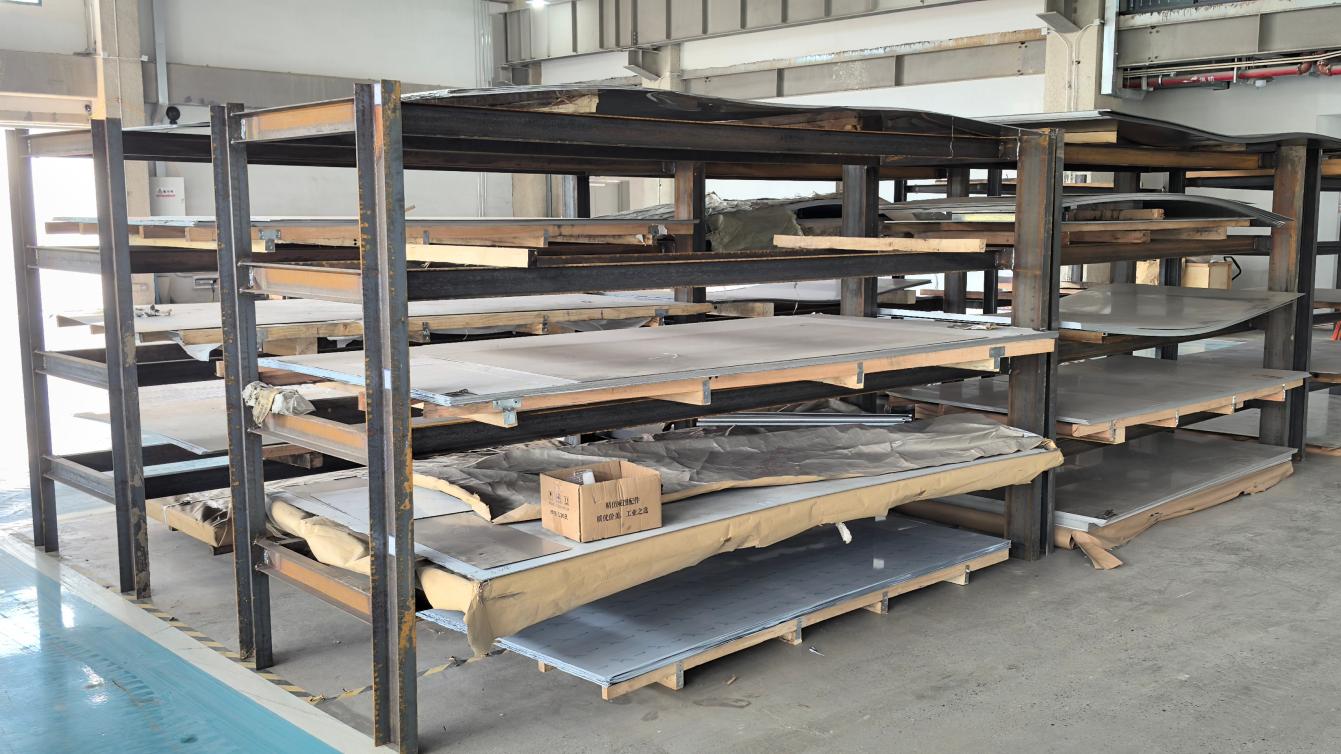
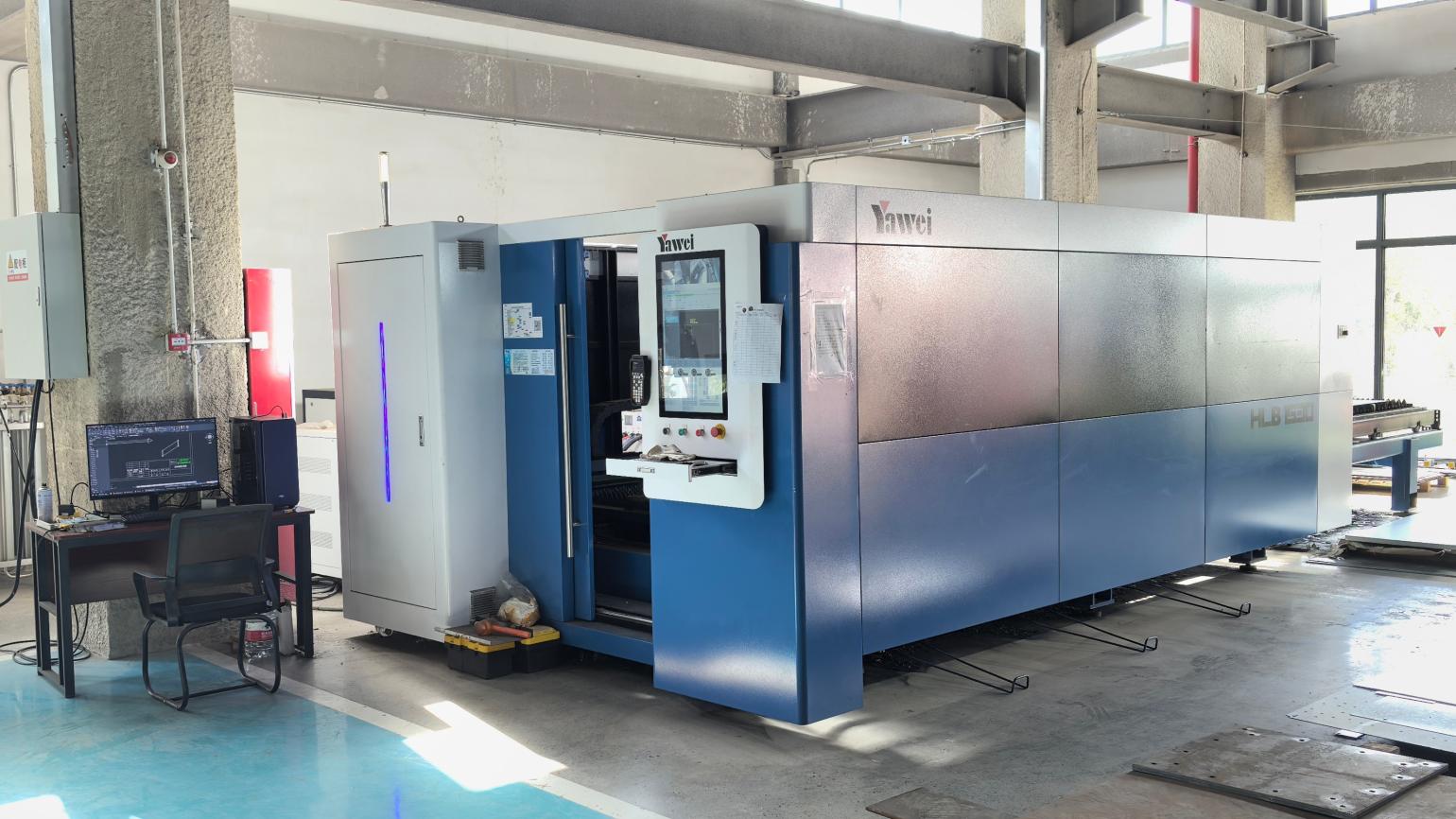
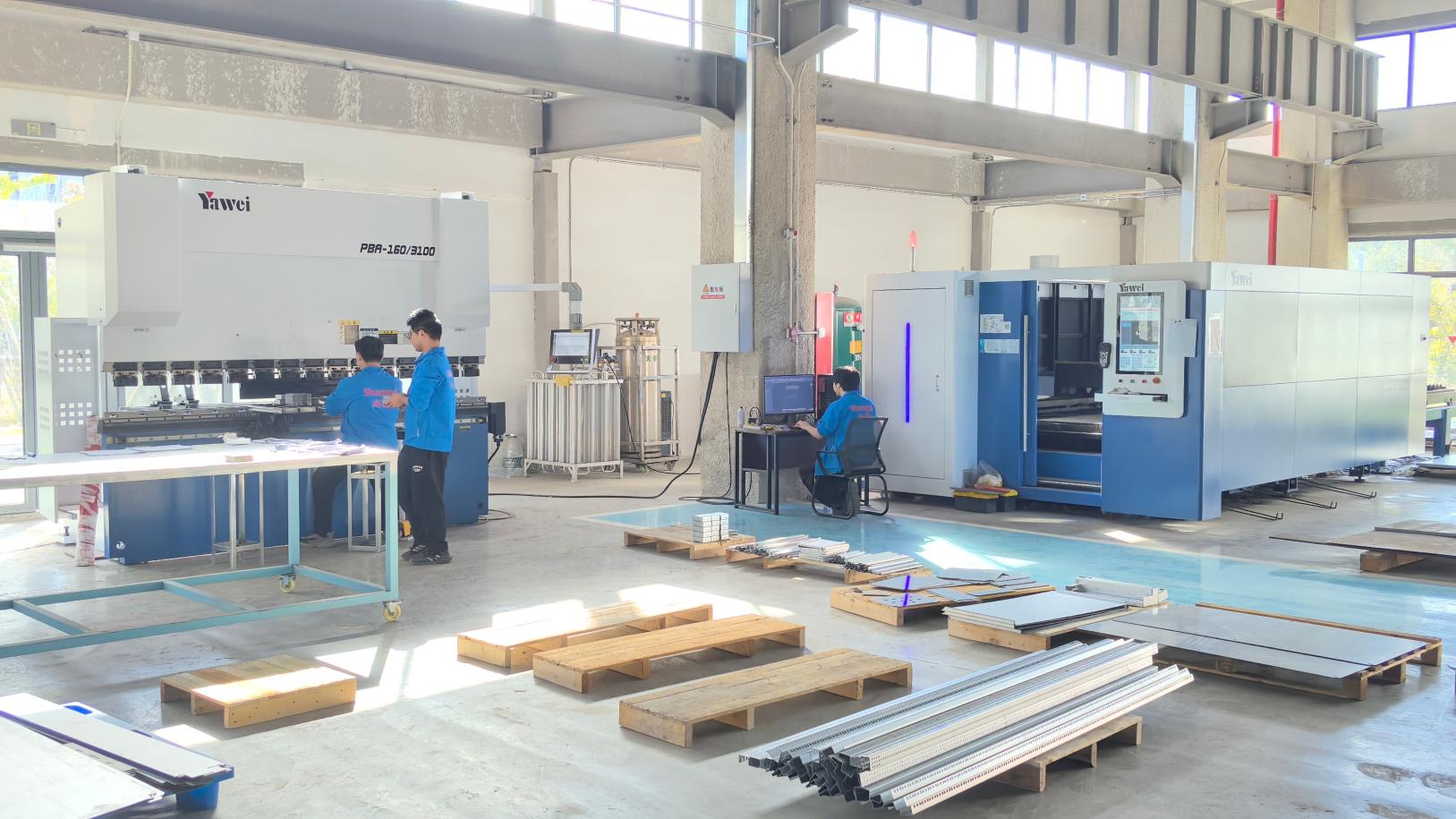
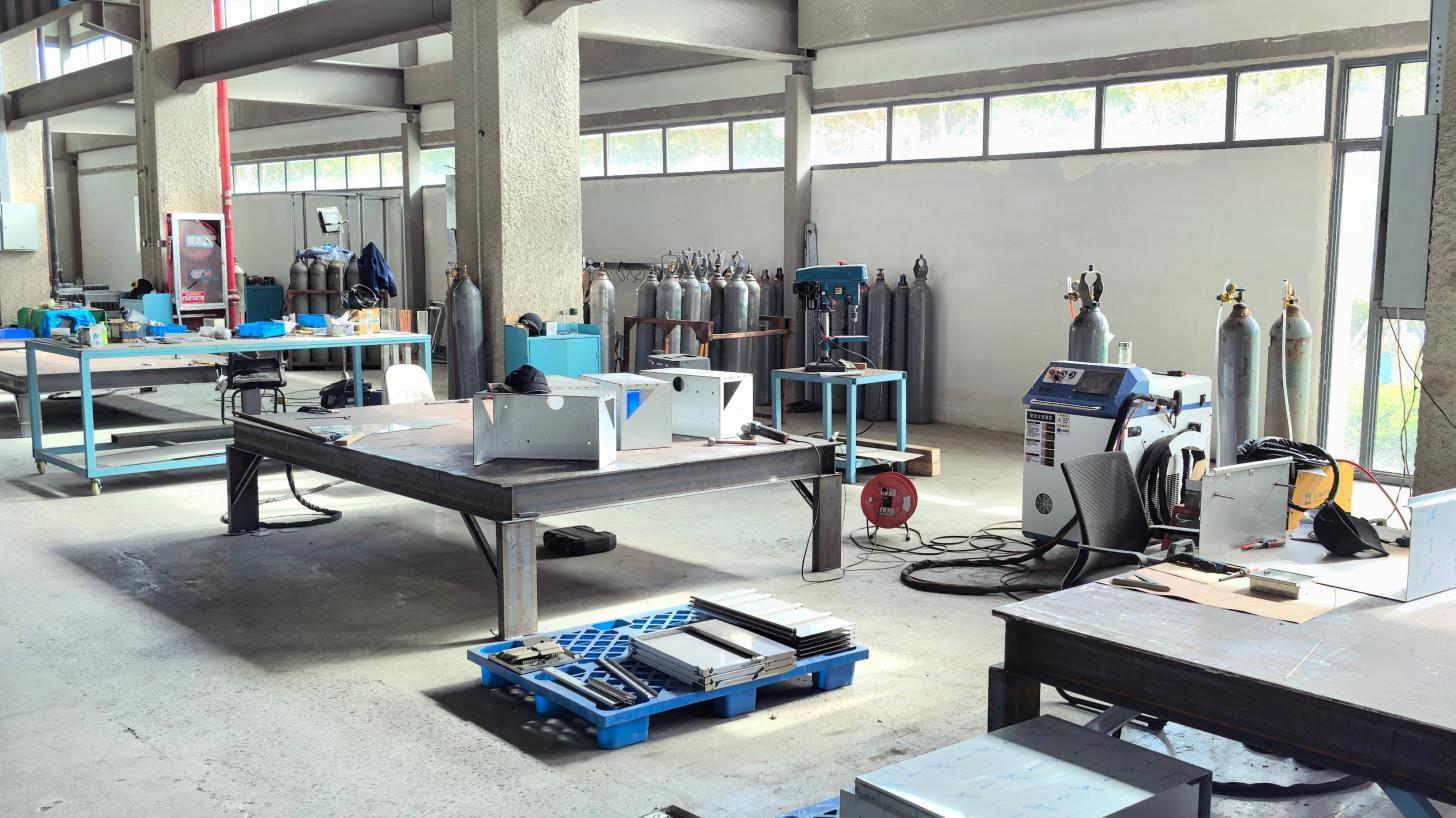
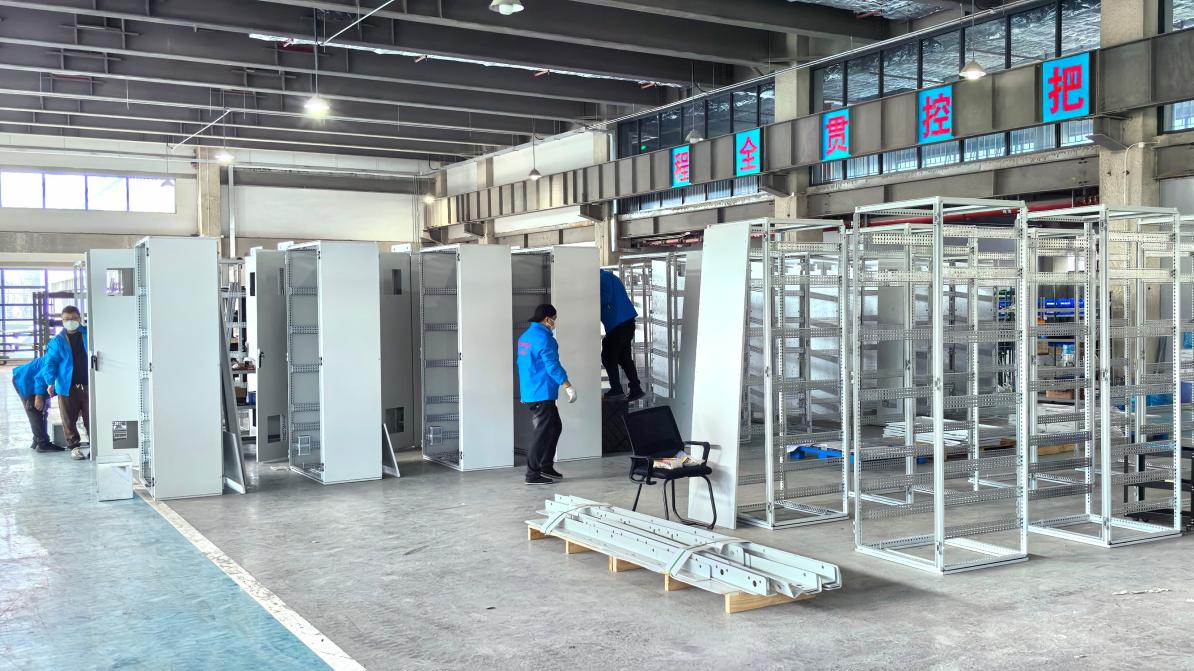
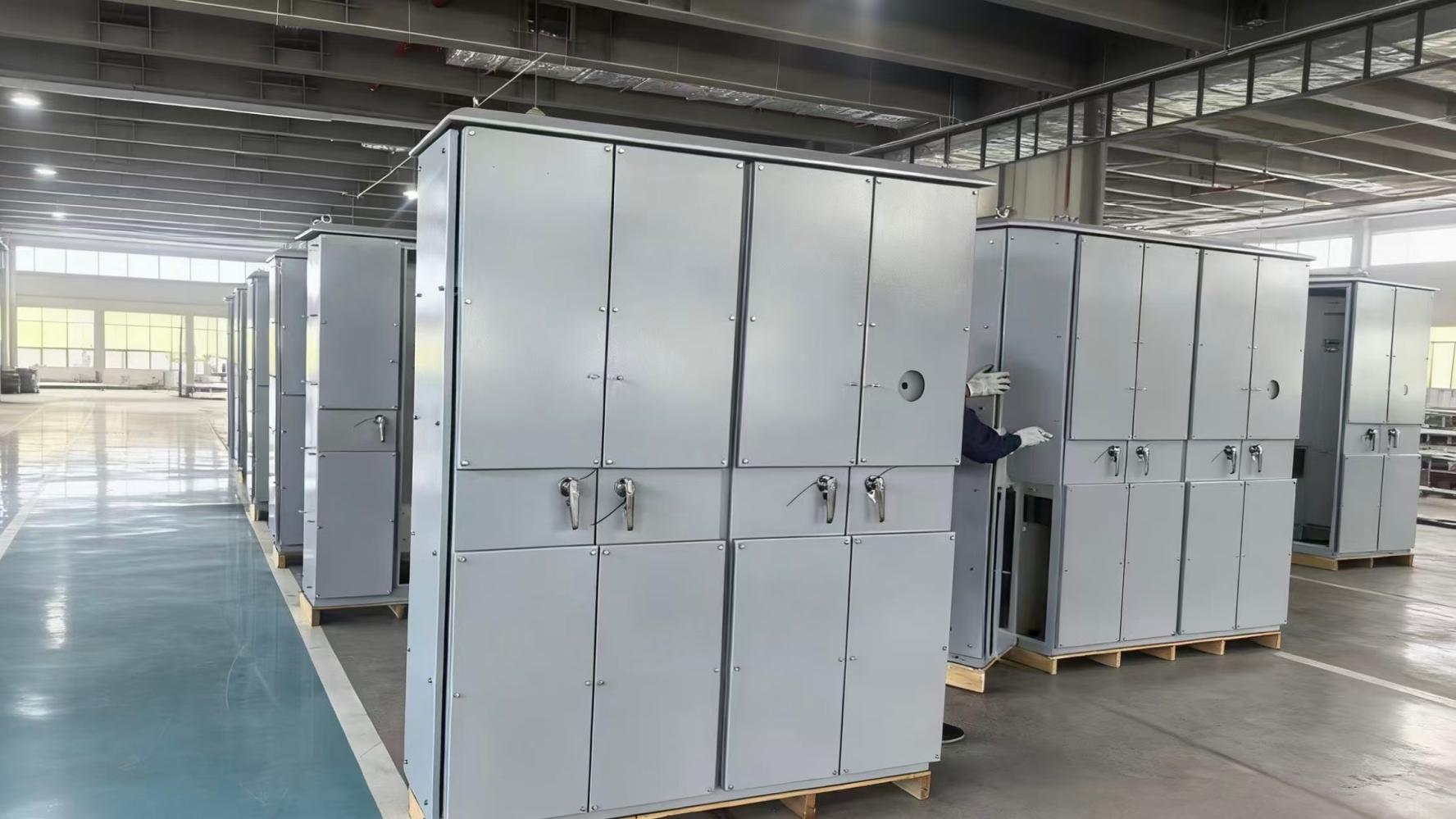
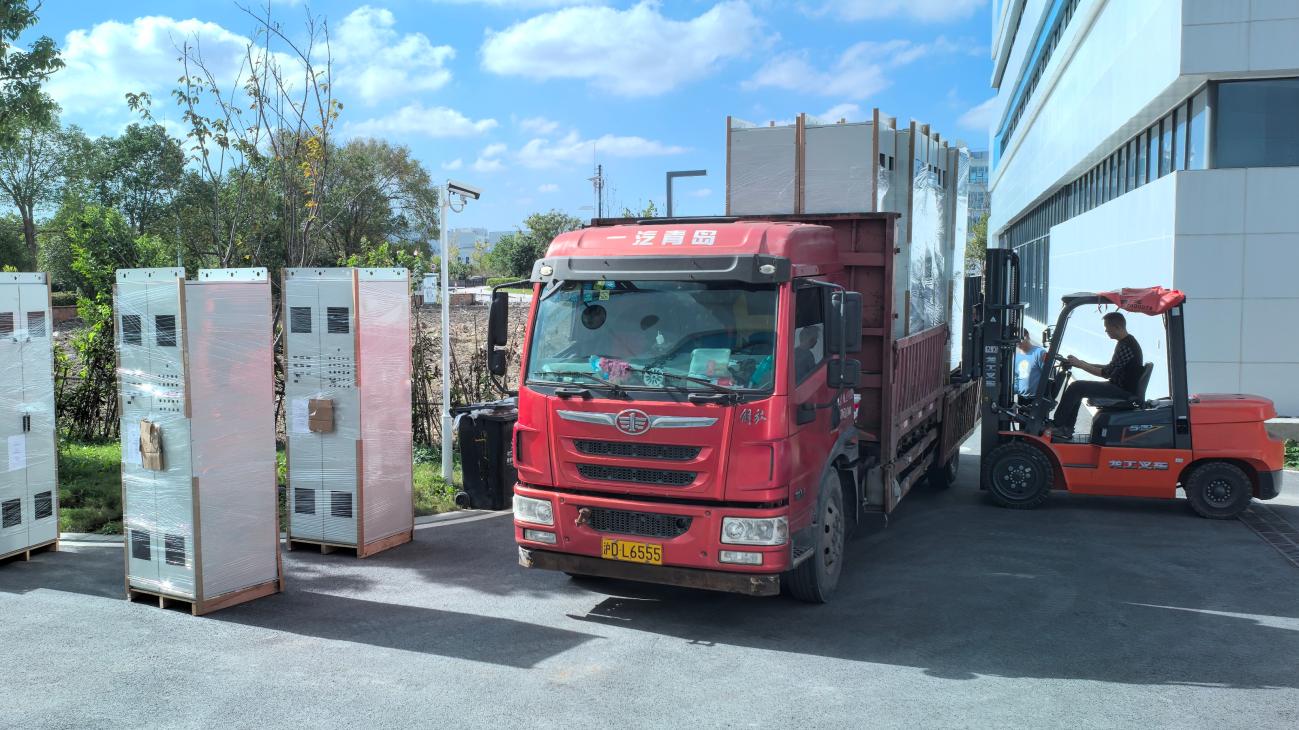
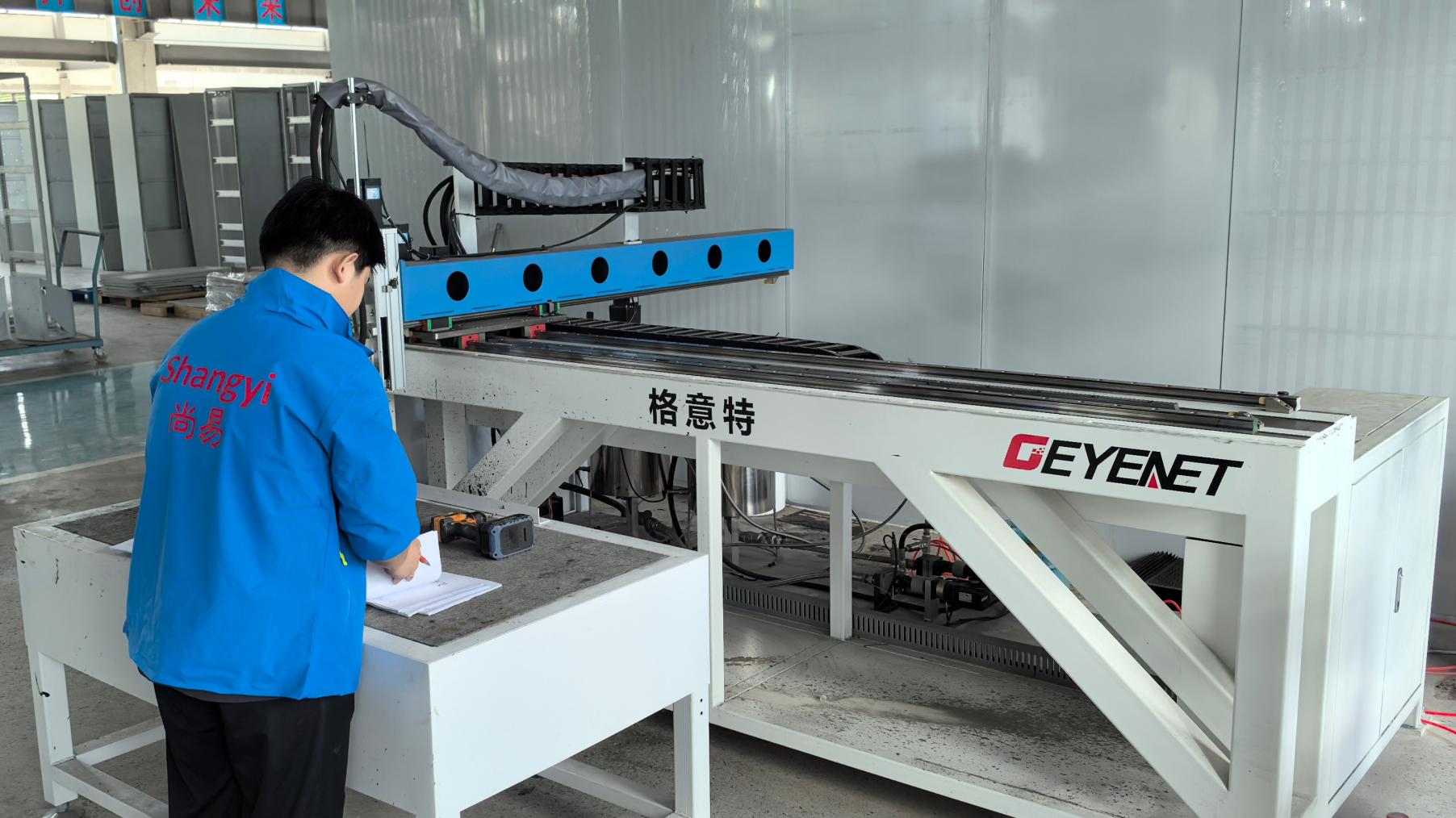
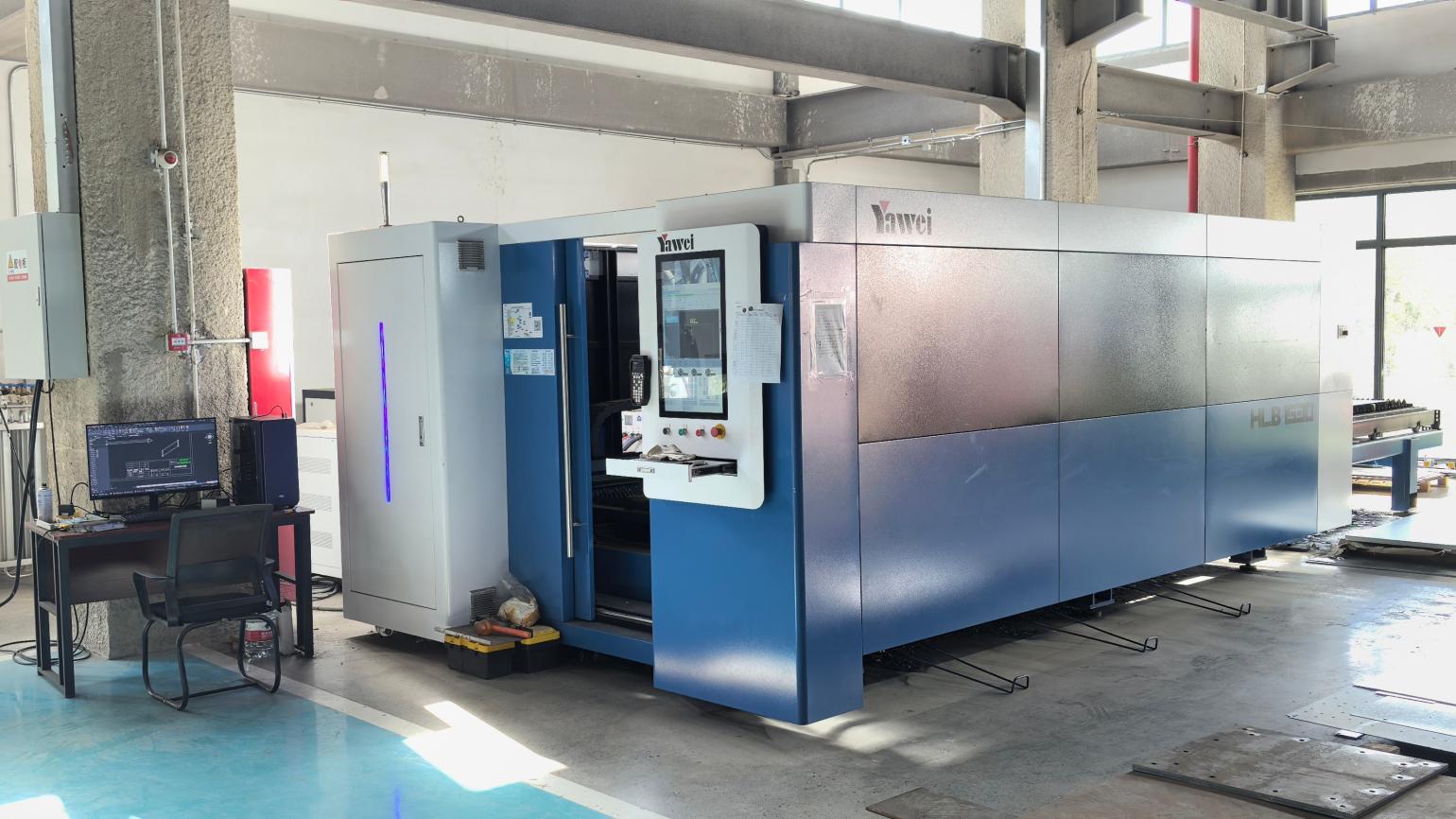
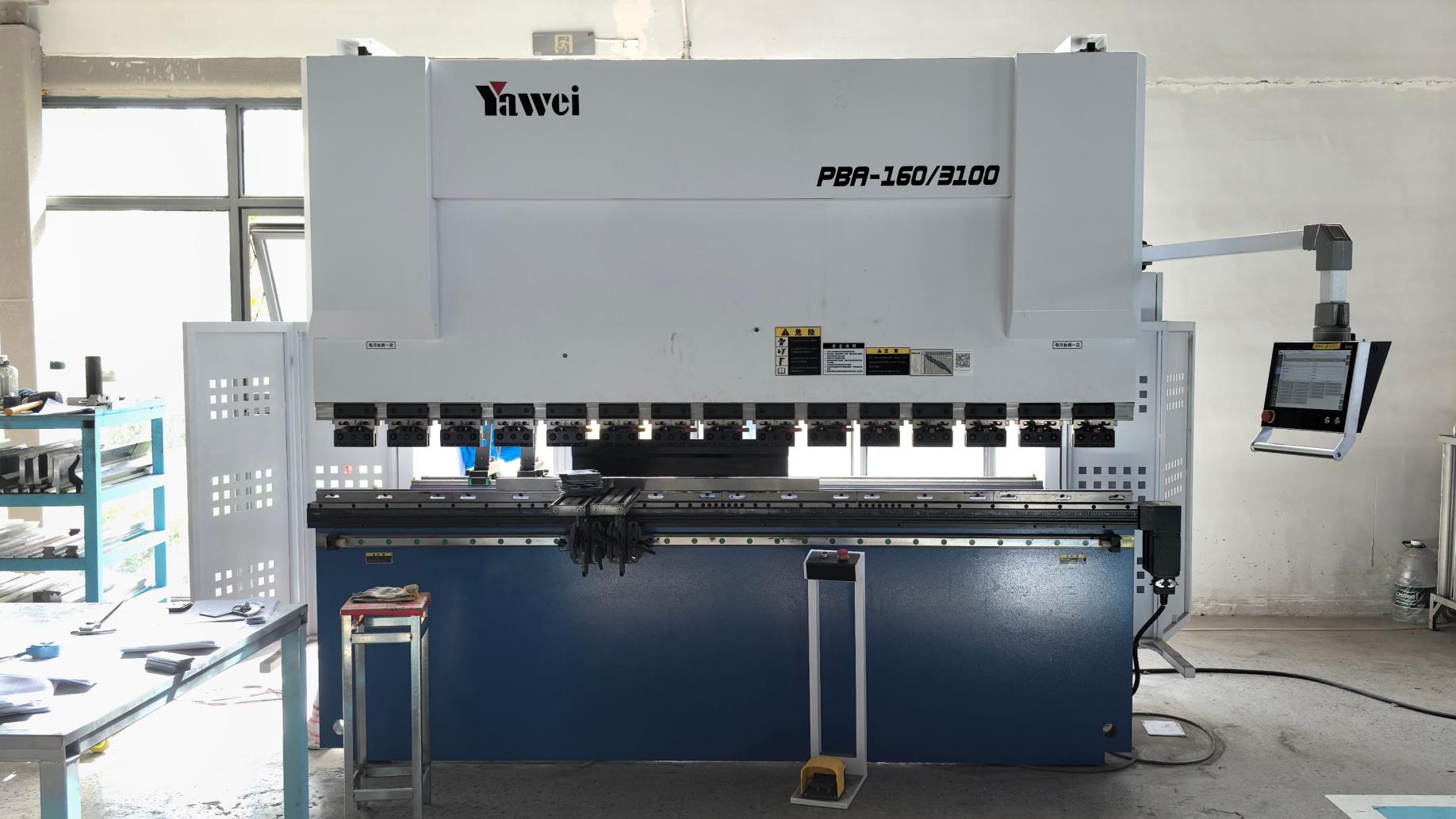
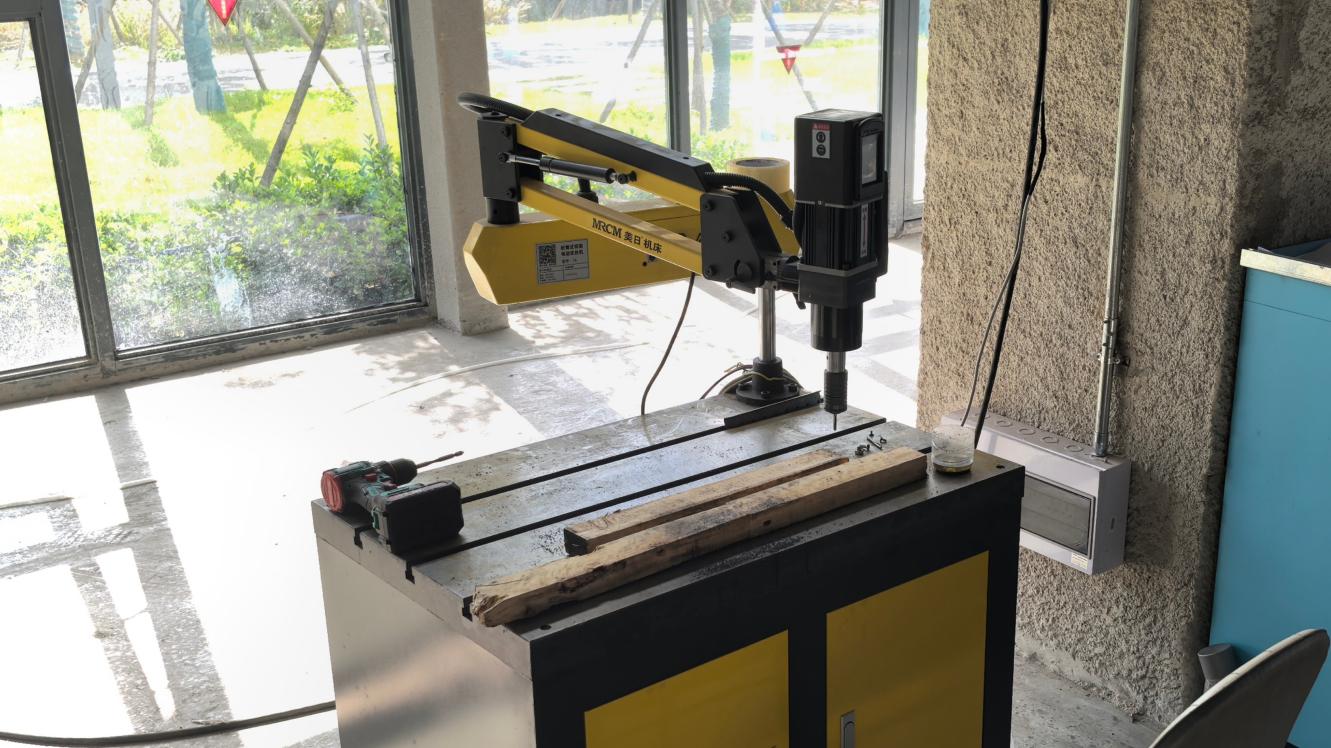
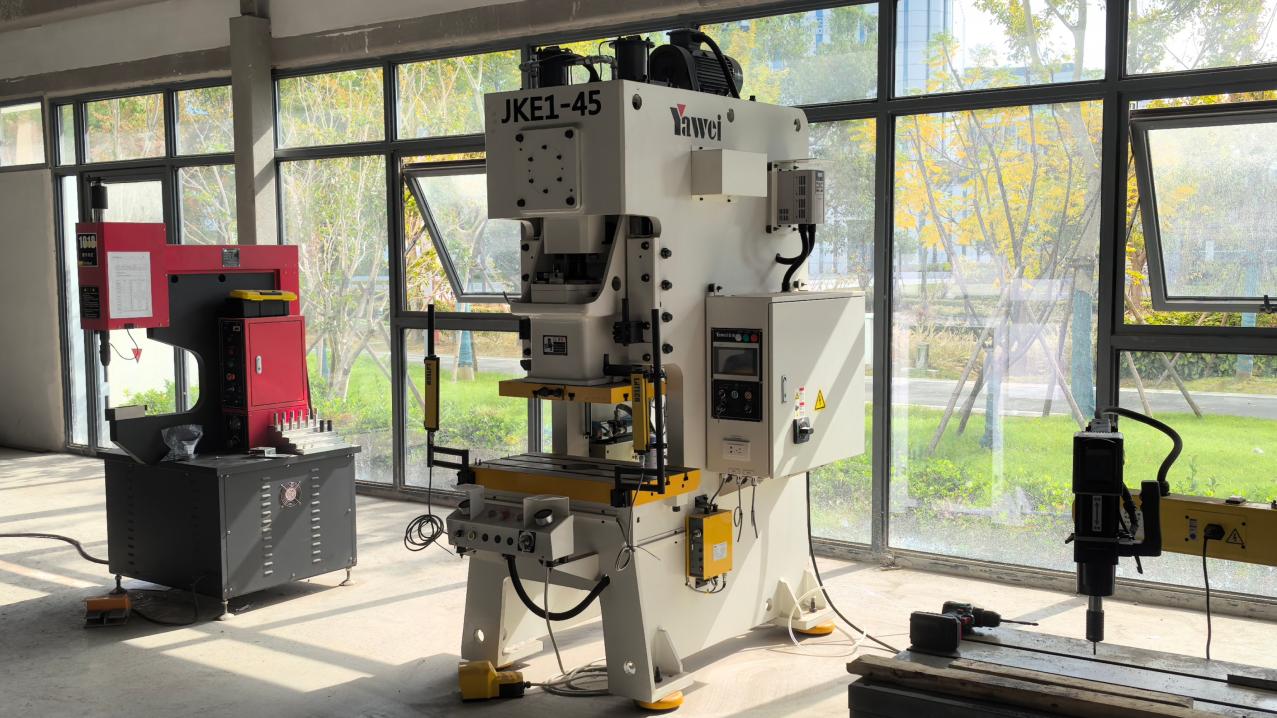
Tracing our vertically integrated production line from raw material selection to precision machining and final load-testing before global distribution.
Importing and installing electrical infrastructure in Australia requires adherence to strict local compliance frameworks. Operating outside these boundaries exposes installers to massive liability and invalidates commercial insurance policies.
Any system interfacing with the public distribution grid must carry current certification to this standard. The latest revisions dictate precise reactive power control capabilities, voltage-dependent power reduction modes (Volt-Watt and Volt-Var), and strict fault-ride-through response parameters to prevent grid-wide voltage collapse events during localized distribution faults.
The layout and wiring configurations of the inverter chargers, particularly structural earthing pathways, residual current device (RCD) integrations, and DC isolating equipment, must seamlessly support installations executed under AS/NZS 3000 framework guidelines.
For installations to qualify for Small-scale Technology Certificates (STCs) or state-funded subsidy schemes, the hybrid solar inverter and accompanying storage components must be listed on the Clean Energy Council (CEC) approved product list. This listing serves as an independent benchmark for safety, efficiency, and real-world durability in harsh environmental conditions.
Explore our full line of power conversion products configured to deliver maximum performance and industrial resilience.
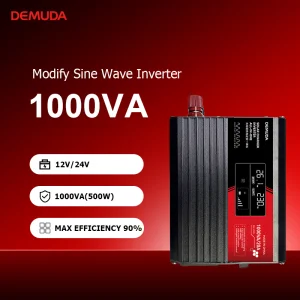
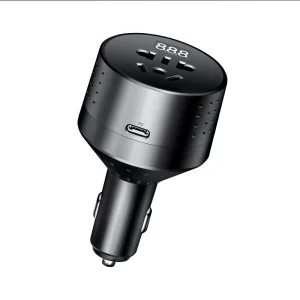
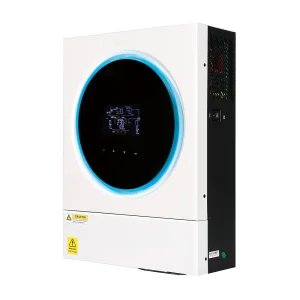
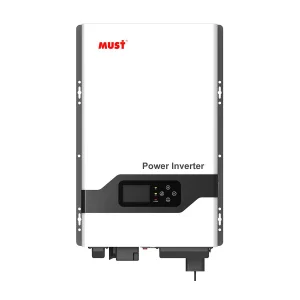
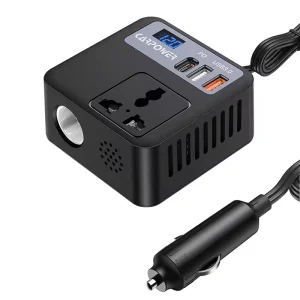
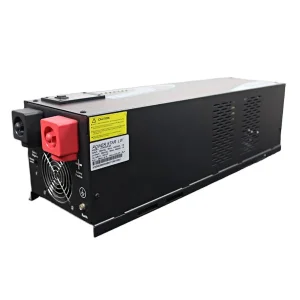
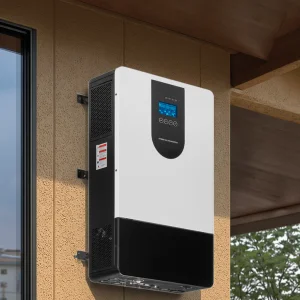
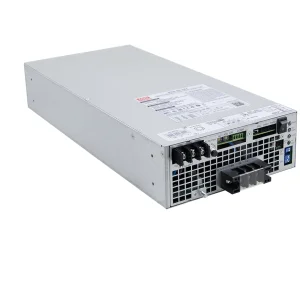
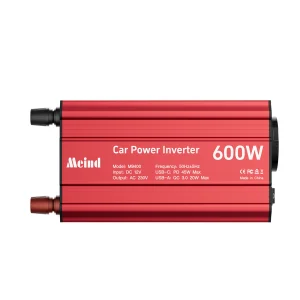
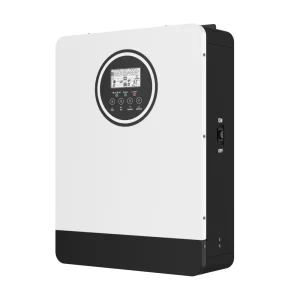
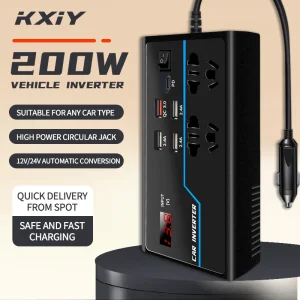
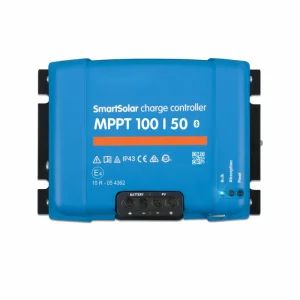
Answering crucial engineering, standard certification, and procurement questions for Australian commercial systems.
Consult with our power electronics engineering team for custom manufacturing, AS/NZS compliance configuration, and containerized scale solutions.
Send Inquiry Now Sowest Electric