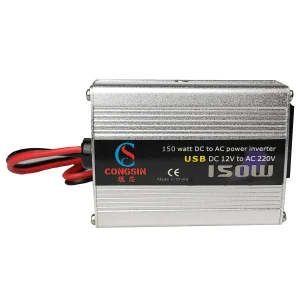
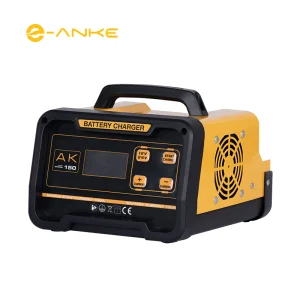
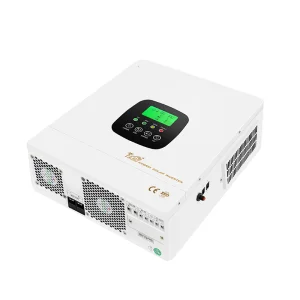
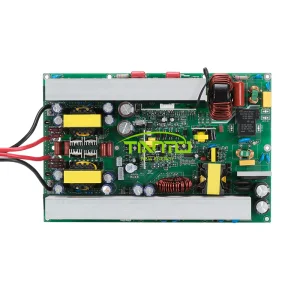
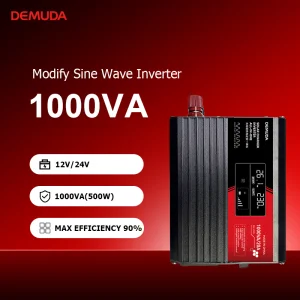
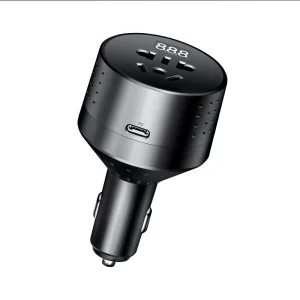
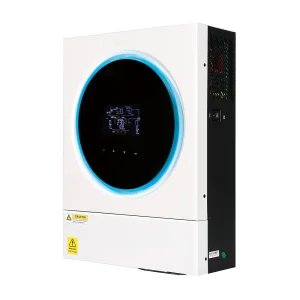
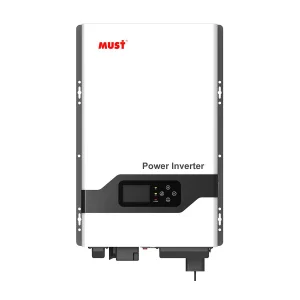
As Seattle continues to lead the United States in the "Green Revolution," the demand for sophisticated Inverter Charger systems has pivoted from niche recreational use to critical industrial infrastructure. With Washington State’s aggressive targets for carbon neutrality, industries ranging from maritime operations at the Port of Seattle to the massive data center clusters in the Tukwila corridor are seeking power conversion partners who offer more than just hardware.
The Pacific Northwest presents a unique set of challenges: high humidity levels affecting electronic longevity, a significant reliance on hydroelectric power, and a growing fleet of electric delivery vehicles (EVs) that require robust DC-to-AC conversion for mobile tool charging and peak-shaving applications. Our Seattle-optimized Inverter Chargers are designed to bridge the gap between volatile renewable energy generation and the consistent, high-fidelity power required by modern AI-driven enterprises.
Moving beyond simple charging, our next-gen units support Vehicle-to-Home (V2H) and Vehicle-to-Grid (V2G) protocols, allowing Seattle homeowners and businesses to use EV batteries as emergency grid backup during winter storms.
Integrated Wi-Fi/4G modules allow for real-time monitoring via cloud platforms. This is essential for Seattle’s municipal projects, providing predictive maintenance alerts before a failure occurs in critical signal panels.
To reduce the footprint of high-power inverters, we are transitioning to SiC and GaN transistors, achieving 30% smaller chassis with 95%+ conversion efficiency, ideal for space-constrained urban environments.
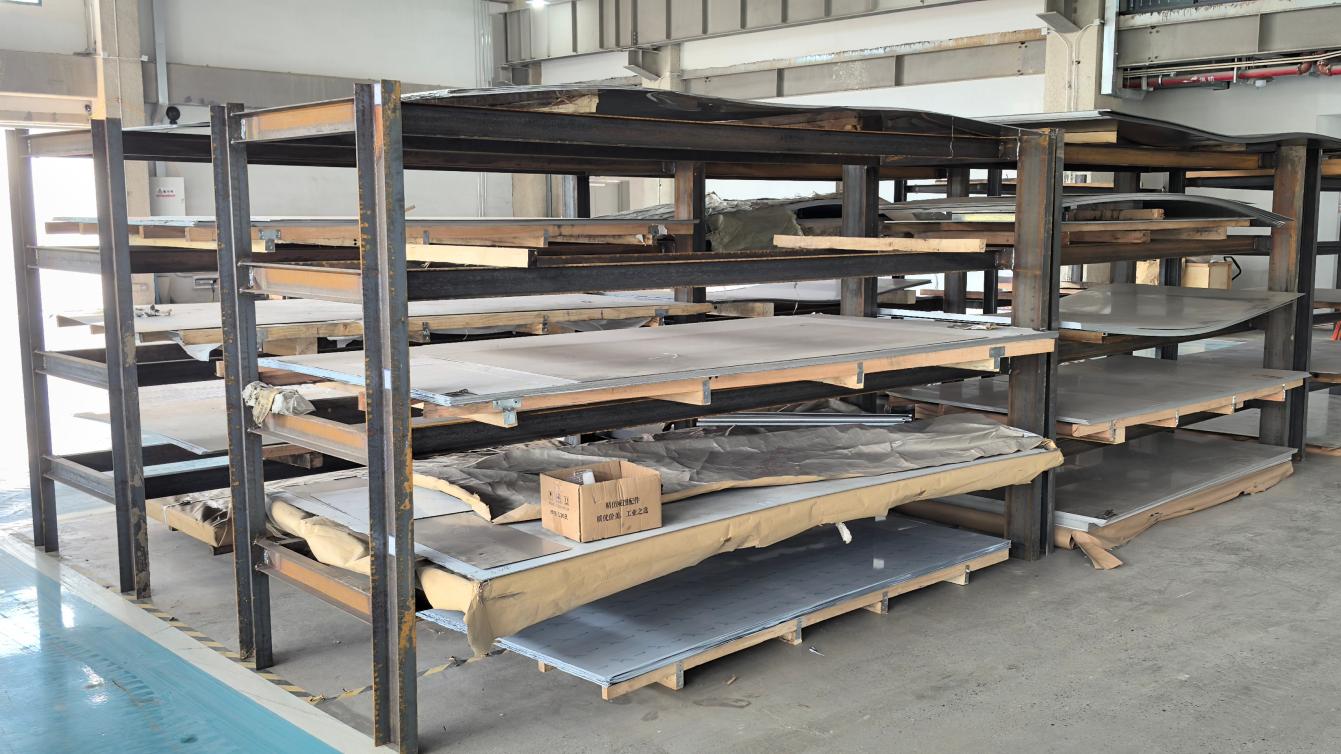
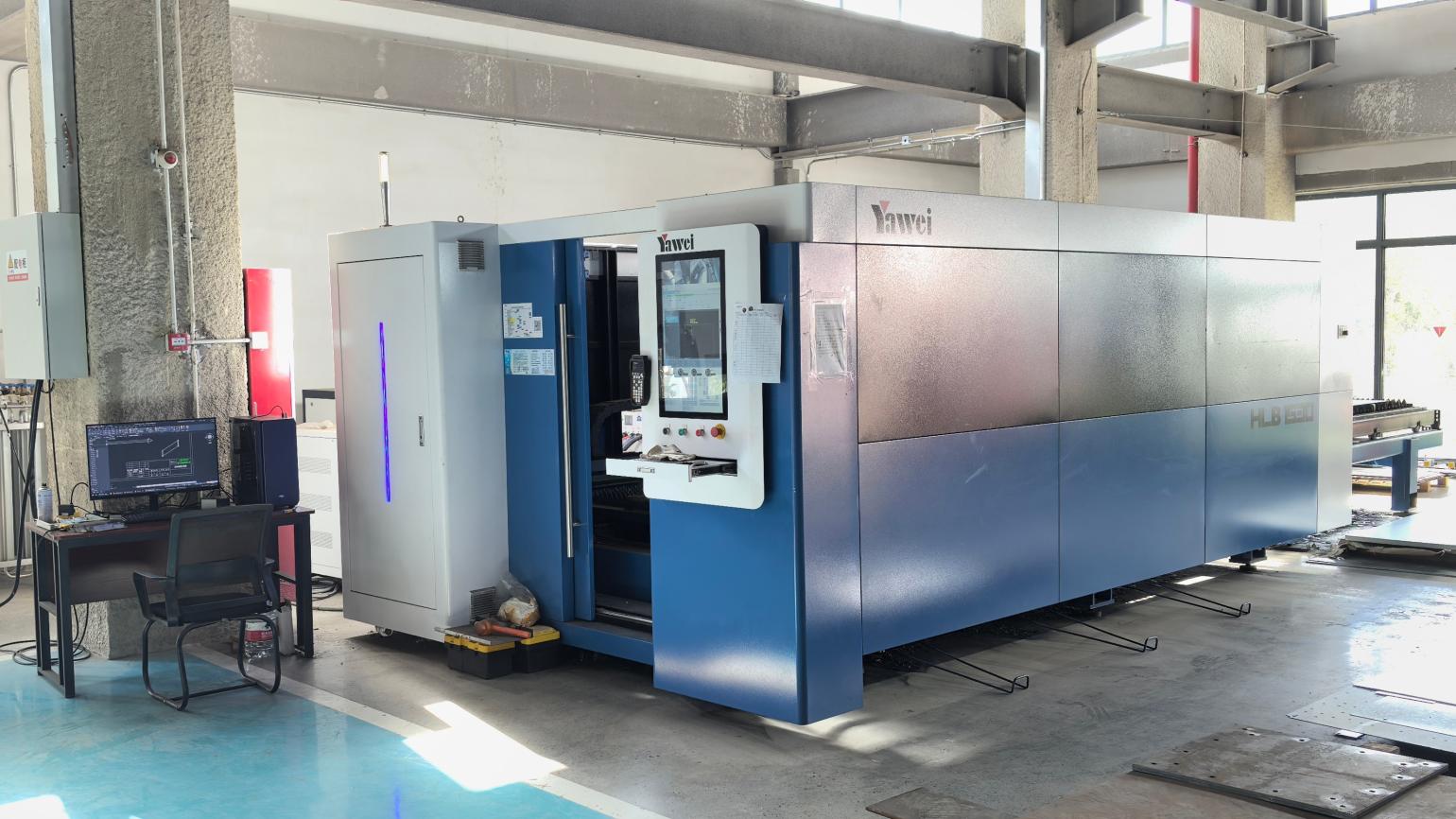
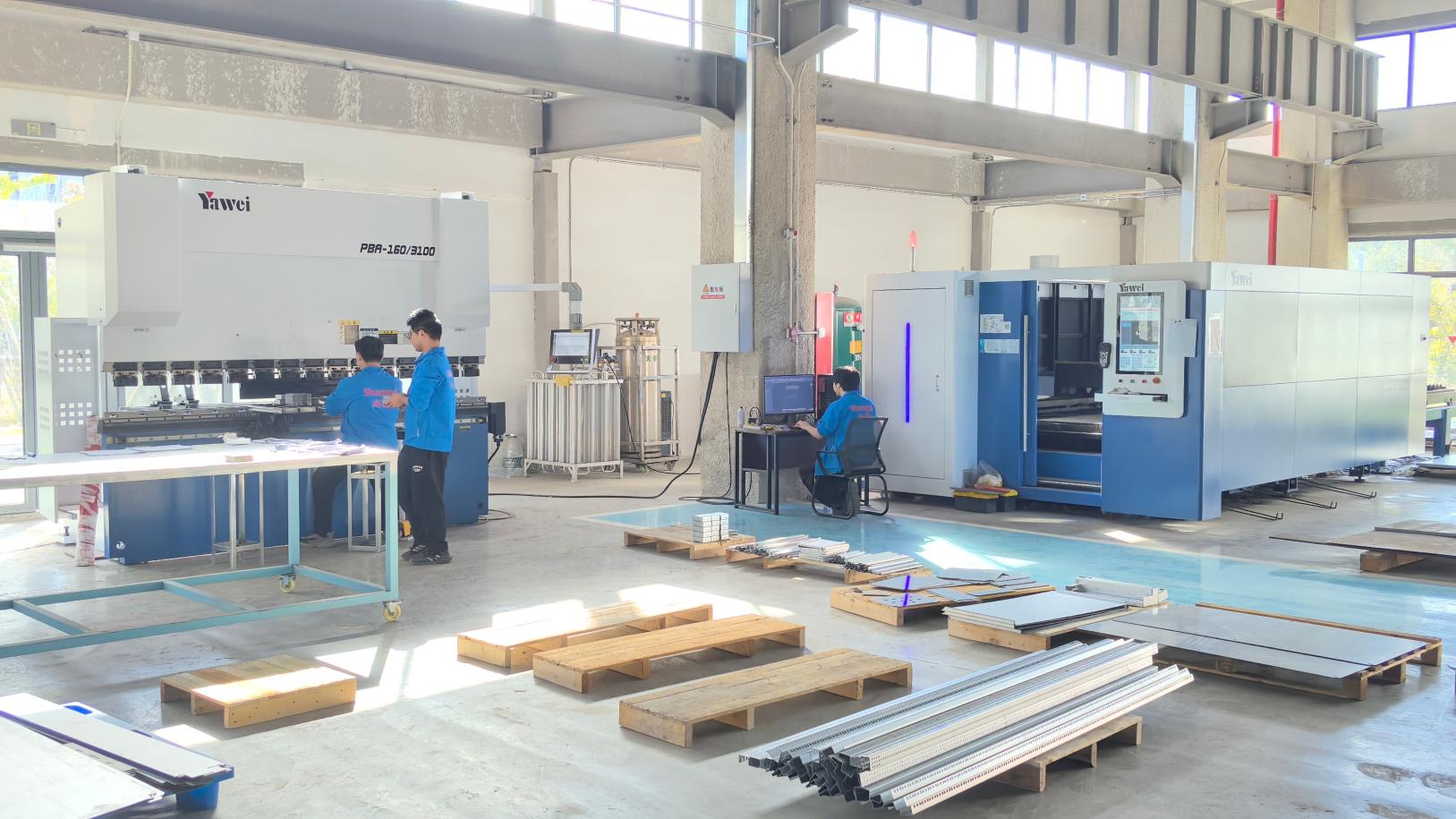
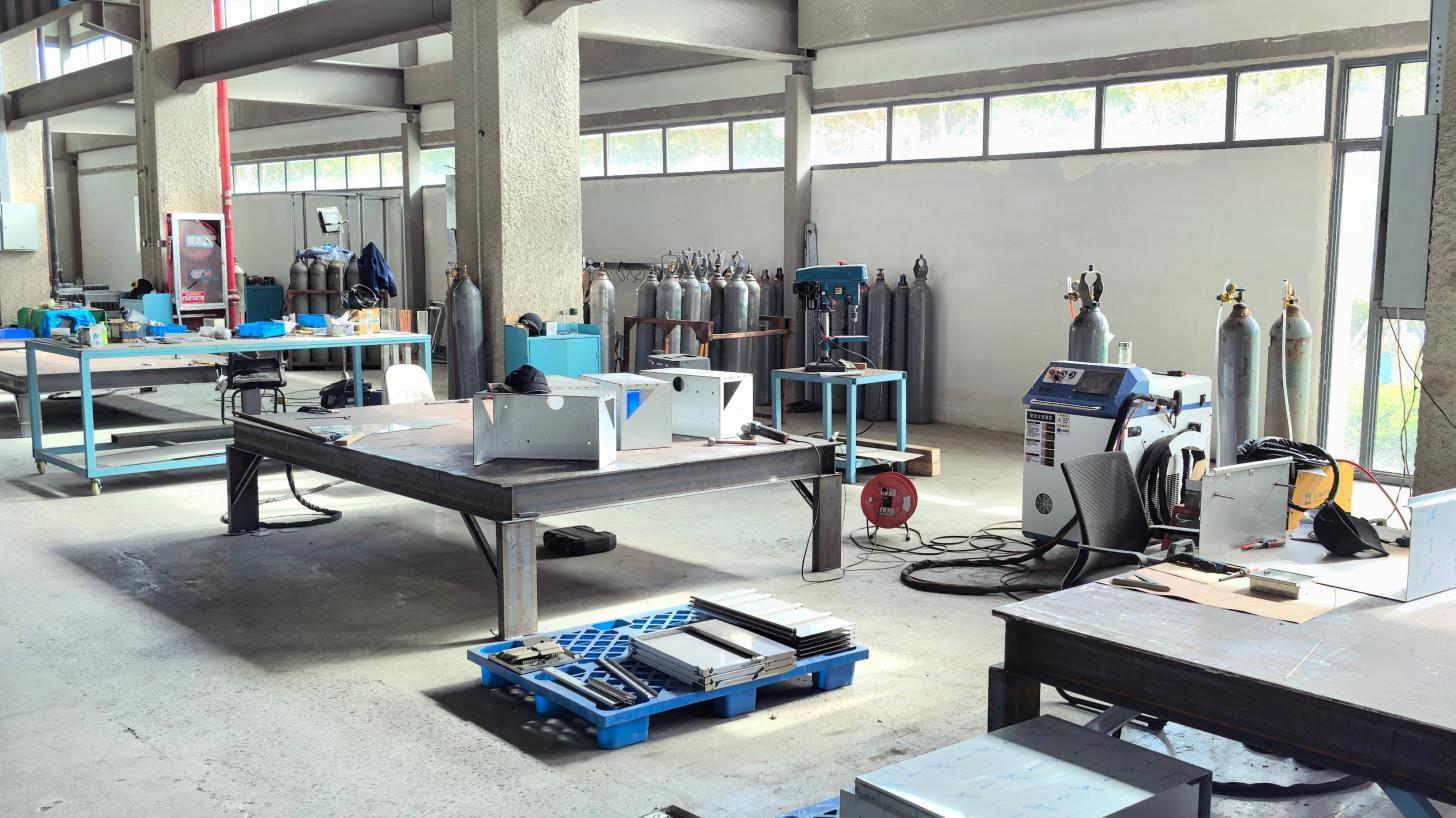
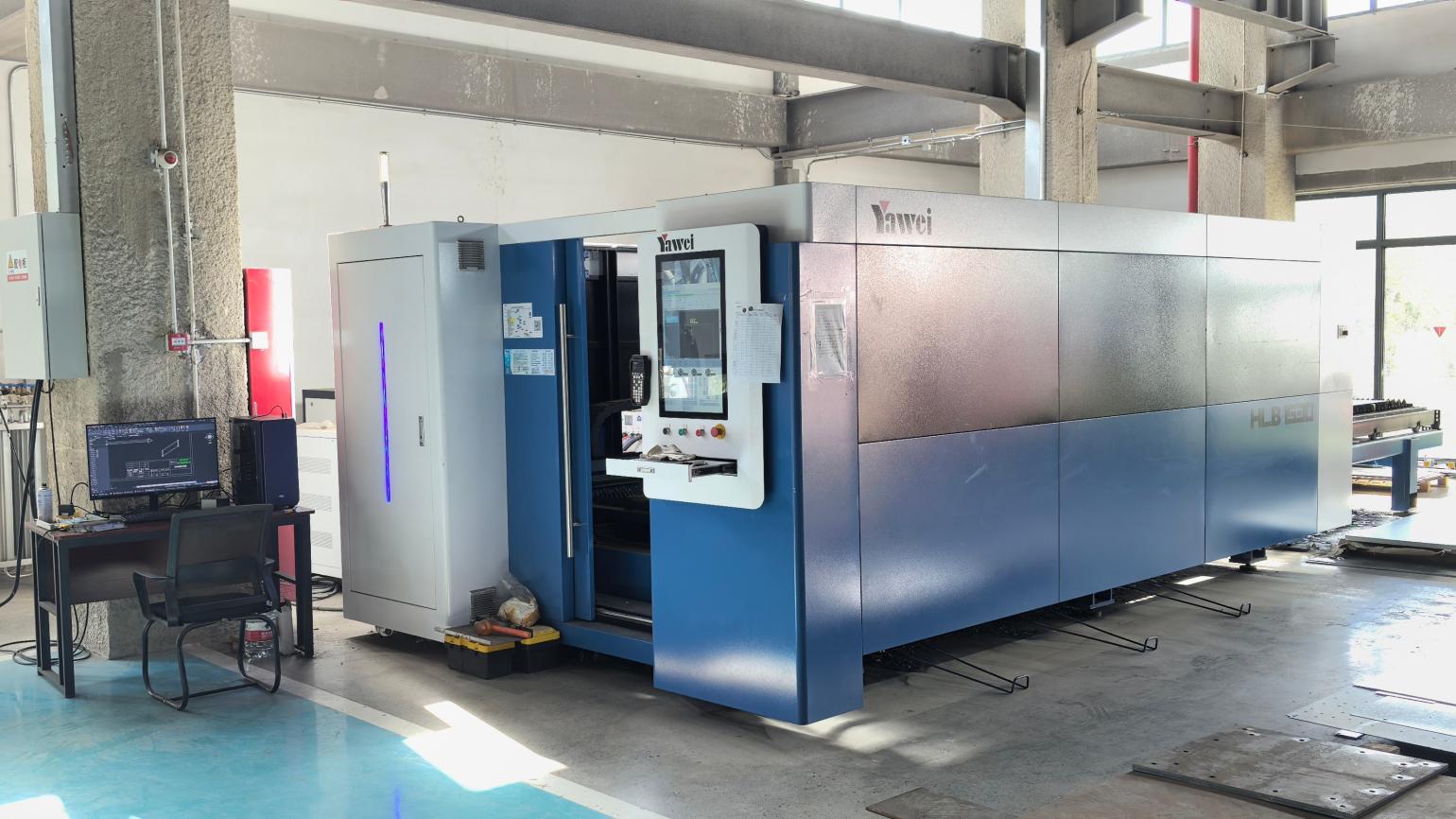
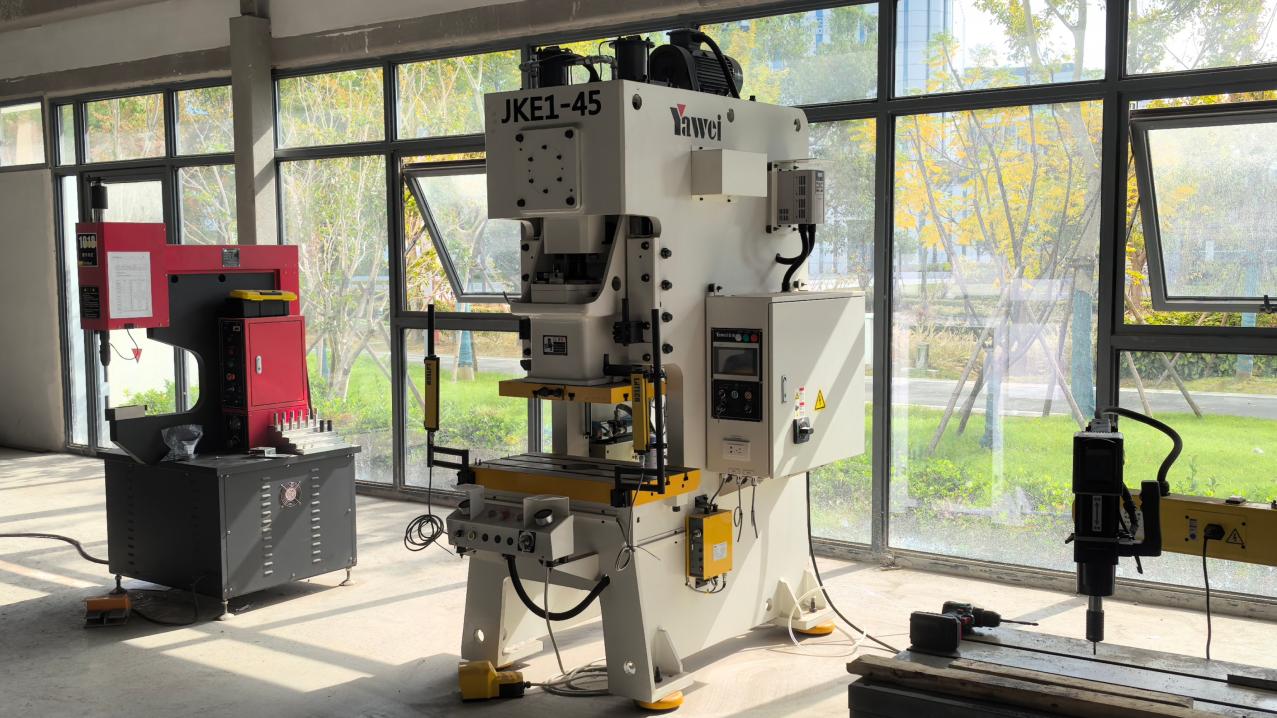
Zhejiang Sowest Electric Co., Ltd. stands at the forefront of the global power supply chain. Our "Industry 4.0" manufacturing facility is not merely a production line but a highly integrated ecosystem of digital R&D and automated assembly. For Seattle-based procurement officers, this translates to unrivaled supply chain resilience and cost-to-performance ratios that domestic manufacturers struggle to match.
Our commitment to quality is backed by advanced testing equipment, including automated optical inspection (AOI) and rigorous burn-in testing protocols. We understand that a failure in a 5KW inverter charger can halt a construction project or jeopardize a marine vessel's safety. Therefore, we treat every unit with the precision of aerospace engineering.
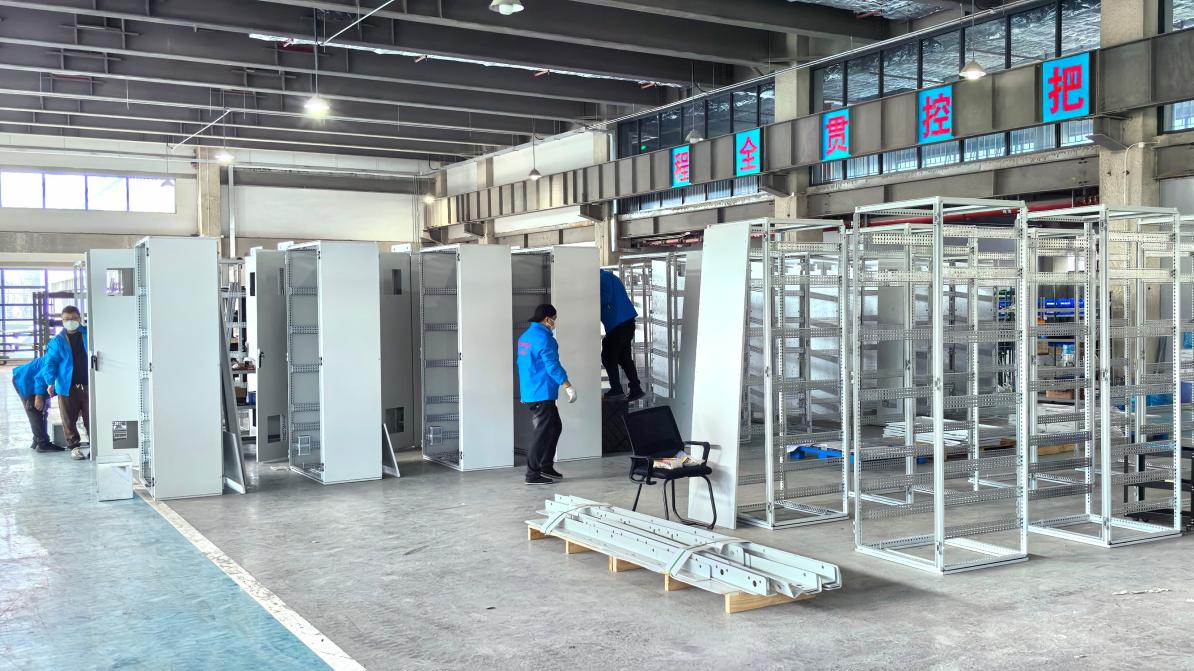
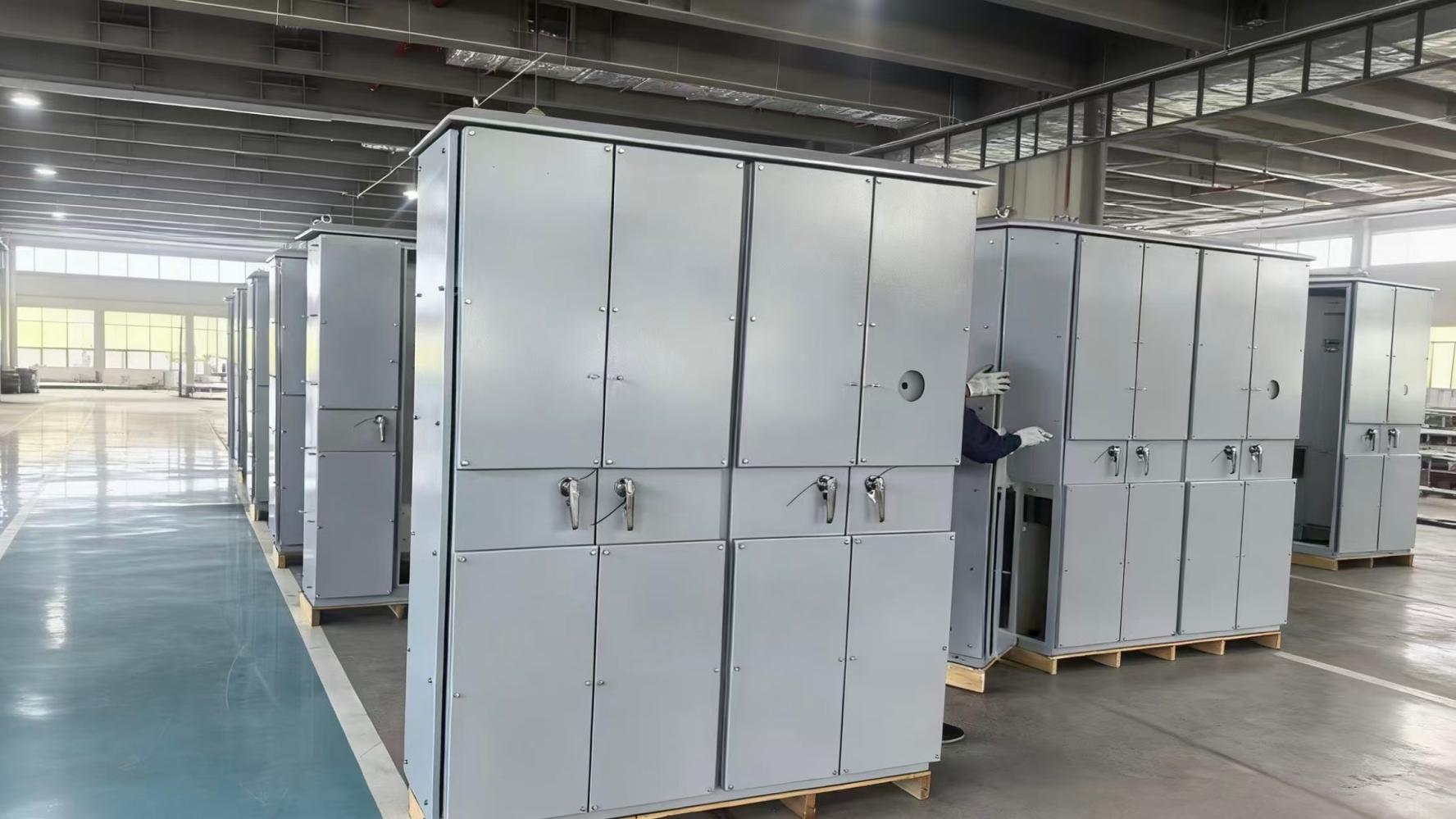
Navigating the regulatory landscape of Washington State requires a manufacturer that understands UL, CSA, and IEEE standards. Our Inverter Chargers are engineered to meet NEMA (National Electrical Manufacturers Association) enclosure standards, ensuring that whether your equipment is installed in a Seattle shipyard or a Bellevue data center, it is protected against the elements and compliant with local electrical codes.
We provide comprehensive documentation for global enterprises, including technical data sheets (TDS), safety data sheets (SDS) for battery integration, and certificate of origin (COO) documentation to facilitate smooth customs clearance through the Port of Seattle or Sea-Tac International Airport.
 Sowest Electric