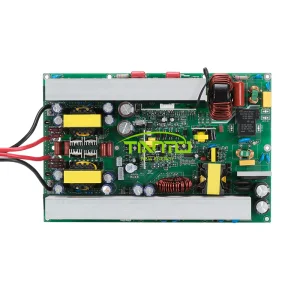
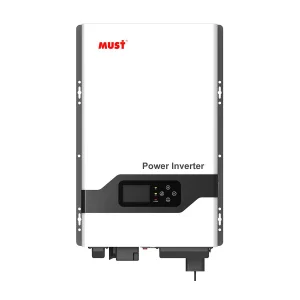
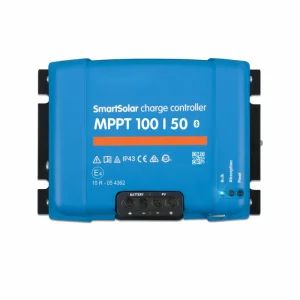
Discover our high-efficiency vehicle, marine, and industrial solar inverter chargers engineered to provide robust grid backup and energy self-sufficiency in Hamburg's demanding marine and logistics ecosystems.
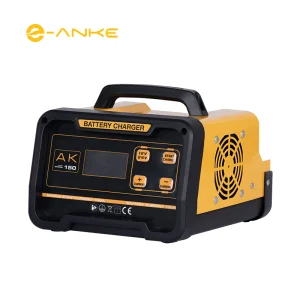
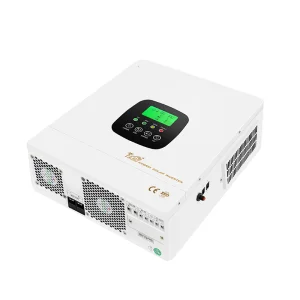
Hamburg, as Germany’s largest seaport and the third-largest port in Europe, is currently undergoing one of the most comprehensive green energy transformations in its history. The Senate of the Free and Hanseatic City of Hamburg has set ambitious goals: a 70% reduction in CO2 emissions by 2030 and complete carbon neutrality by 2040. A vital pillar of this climate action plan is the comprehensive electrification of the port logistics chain, maritime vessels, and industrial manufacturing sectors that populate the Elbe riverbanks.
In the maritime sector, the expansion of shore power (known locally as "Landstrom") has transformed how container ships, cruise liners, and inland vessels manage their onboard electrical grids while at berth. When vessels connect to the municipal grid, they require sophisticated onboard power conversion equipment to transition seamlessly between shore power, internal generators, and energy storage batteries. High-capacity inverter chargers act as the vital bridge, protecting sensitive onboard telematics, cooling systems, and operations from grid fluctuations.
Under European and local regulations, ships berthed at Hamburg must shut down their auxiliary diesel engines to reduce sulfur oxides, nitrogen oxides, and particulate matter. High-frequency pure sine wave inverter chargers with integrated battery backup guarantee a zero-downtime switchover when transitioning from ship generators to shore-side grid connections.
Simultaneously, the metropolitan region of Hamburg is a major hub for onshore and offshore wind energy integration in Northern Germany. High wind-generation peaks frequently lead to grid bottlenecks, making localized battery energy storage systems (BESS) and decentral hybrid solar-inverter setups highly valuable for commercial operations. Local enterprises, warehouses in the Speicherstadt, and logistics hubs in Altenwerder are increasingly deploying robust inverter chargers to store excess renewable energy in lithium batteries and dispatch it during peak tariff periods.
Due to the diverse marine, logistics, and industrial characteristics of the Hamburg market, inverter chargers must be engineered to perform reliably across varied and harsh environments:
Hamburg's tugboats, passenger ferries, and private yachts require high-frequency pure sine wave inverters with galvanic isolation to protect marine electronics against salt-spray corrosion and damp air.
Automated Guided Vehicles (AGVs) operating at the Container Terminal Altenwerder (CTA) rely on high-current automatic battery chargers to maintain rapid turnaround cycles and continuous 24/7 terminal operations.
Manufacturing units and processing facilities in Billbrook utilize hybrid UPS inverter chargers with high surge capacities to protect critical automation lines against grid dips.
For Hamburg's industrial buyers, system efficiency and reliability are paramount. An inverter charger must do more than convert DC to AC; it must manage complex energy flows between multiple power sources (solar, grid, generator, and battery) with microsecond precision. Key technical criteria include:
| Parameters | Industrial-Grade (Sowest Core) | Standard Market Alternatives | Hamburg Relevance |
|---|---|---|---|
| Output Waveform | Pure Sine Wave (THD < 3%) | Modified Sine Wave (THD 15%+) | Prevents damage to sensitive German marine electronics. |
| Transfer Time | < 10 ms (UPS Mode) | 30 - 50 ms | Crucial for automated shipping cranes and server rooms. |
| Battery Compatibility | LiFePO4, Gel, AGM, Lead-Acid | Lead-Acid Only | Aligns with localized eco-friendly battery transitions. |
| Operating Temp. | -25°C to +60°C (with derating) | 0°C to +40°C | Maintains function during freezing Baltic winter weather. |
Zhejiang Sowest Electric Co., Ltd. is a modern, innovative enterprise specializing in the research, development, manufacturing, and sales of power supply and electrical distribution equipment. While German local procurement demands premium quality and safety, sourcing directly from a specialized Chinese manufacturer like Sowest Electric offers deep economic and technical benefits:
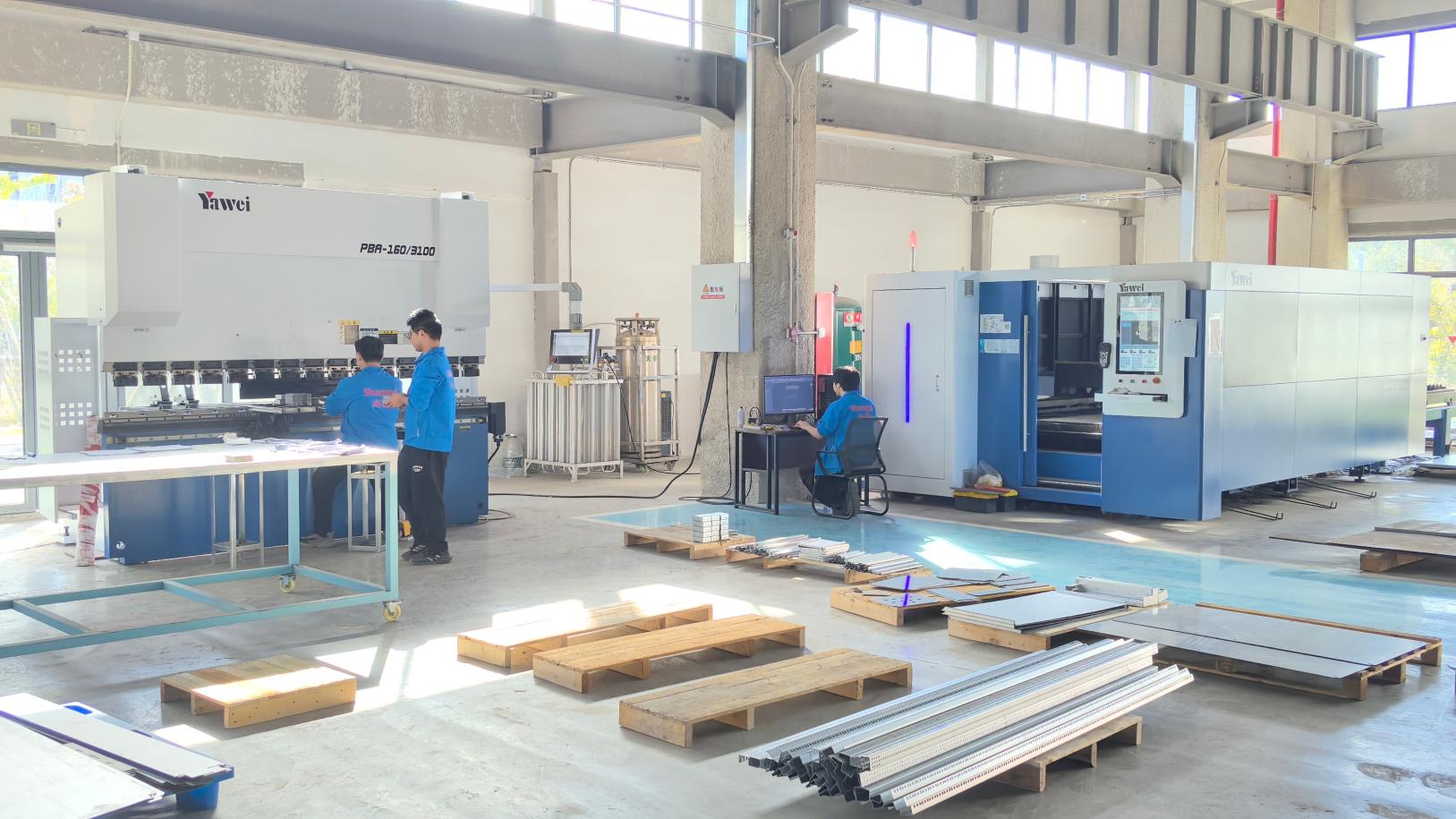
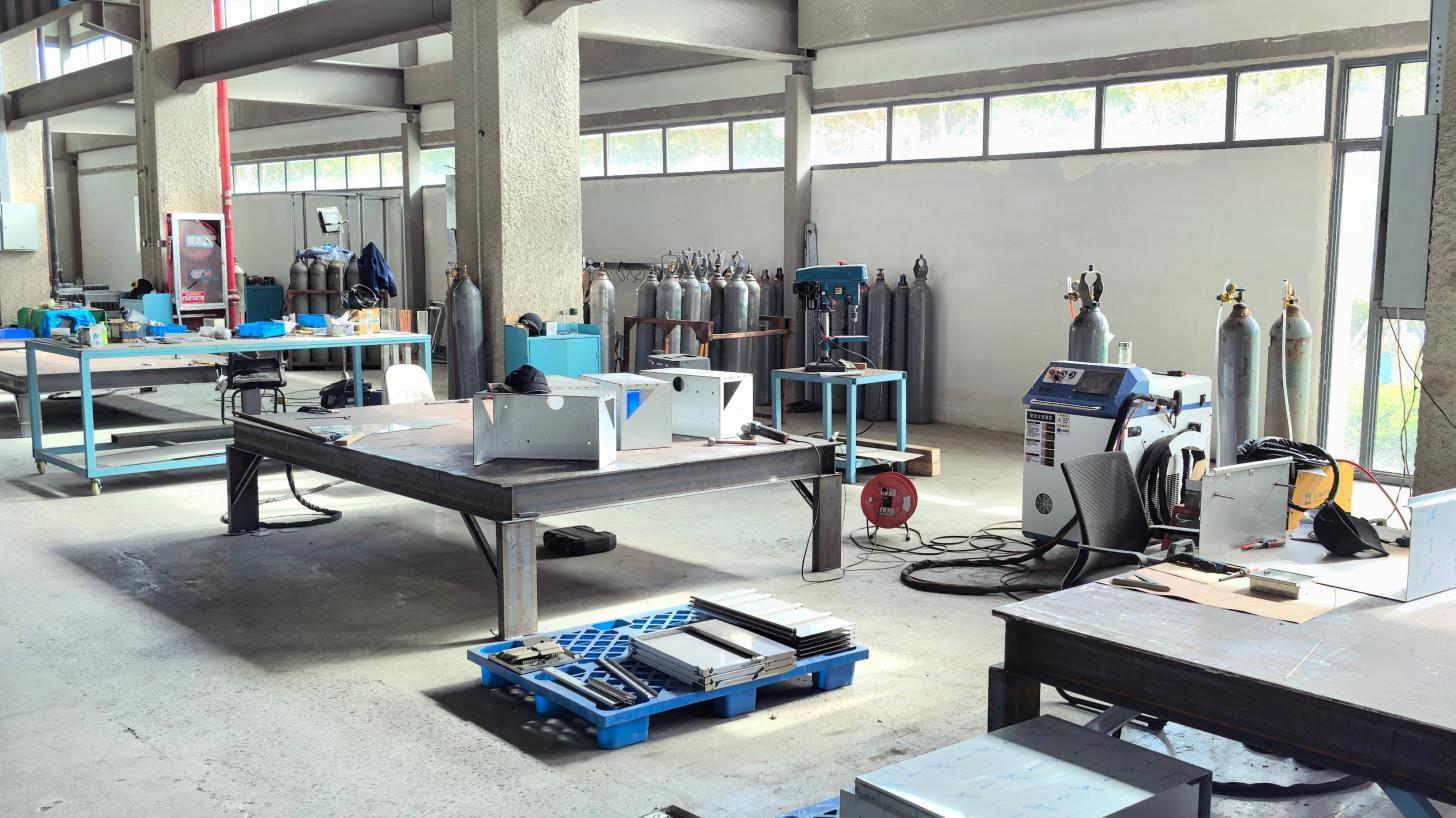
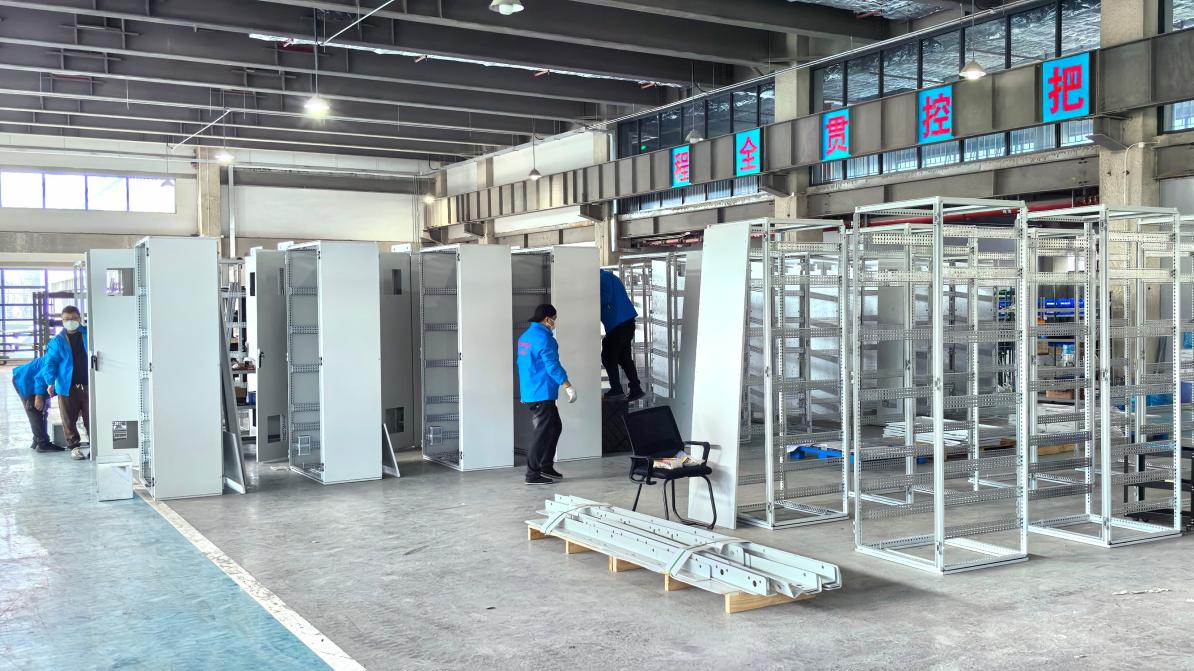
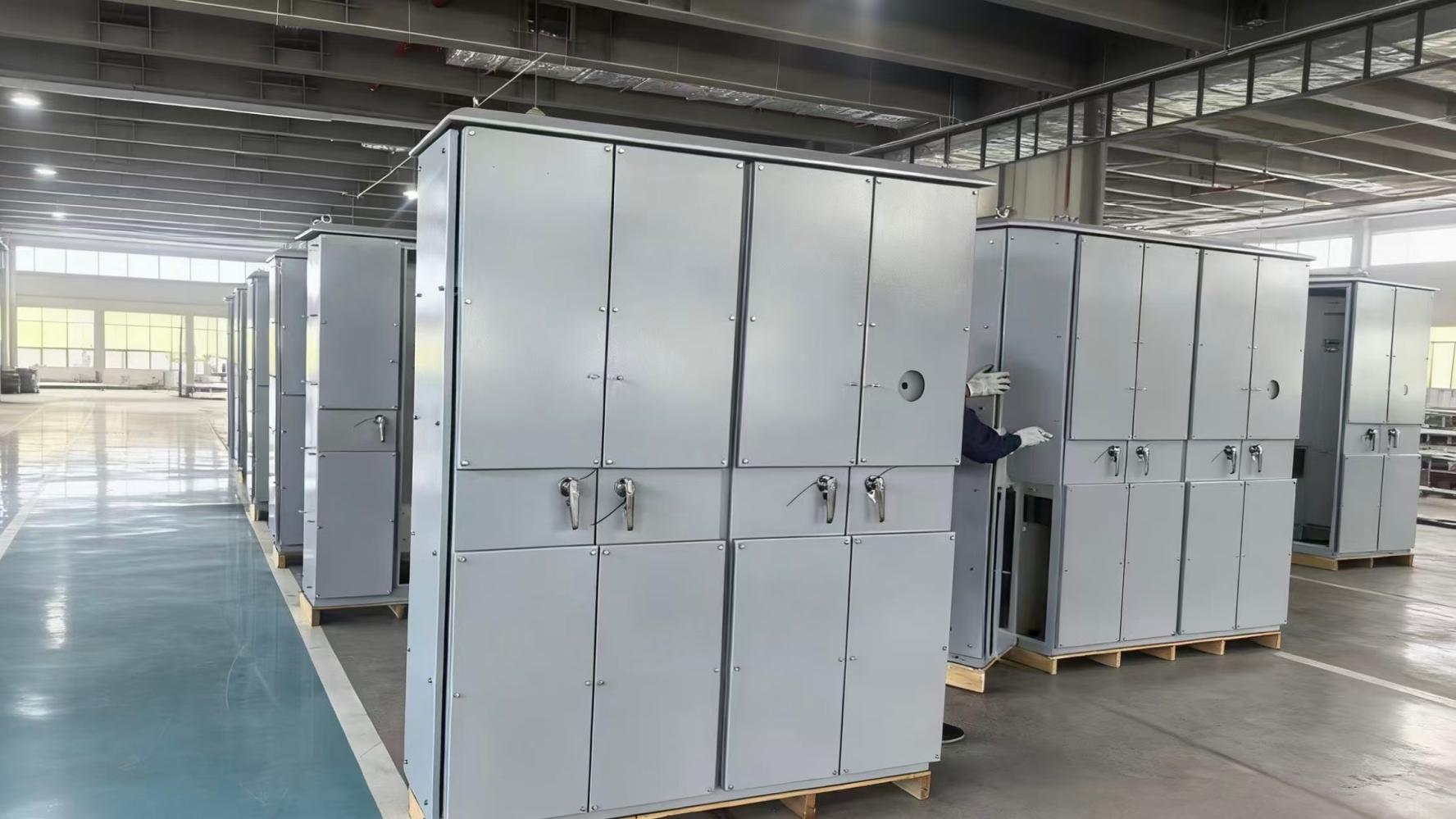
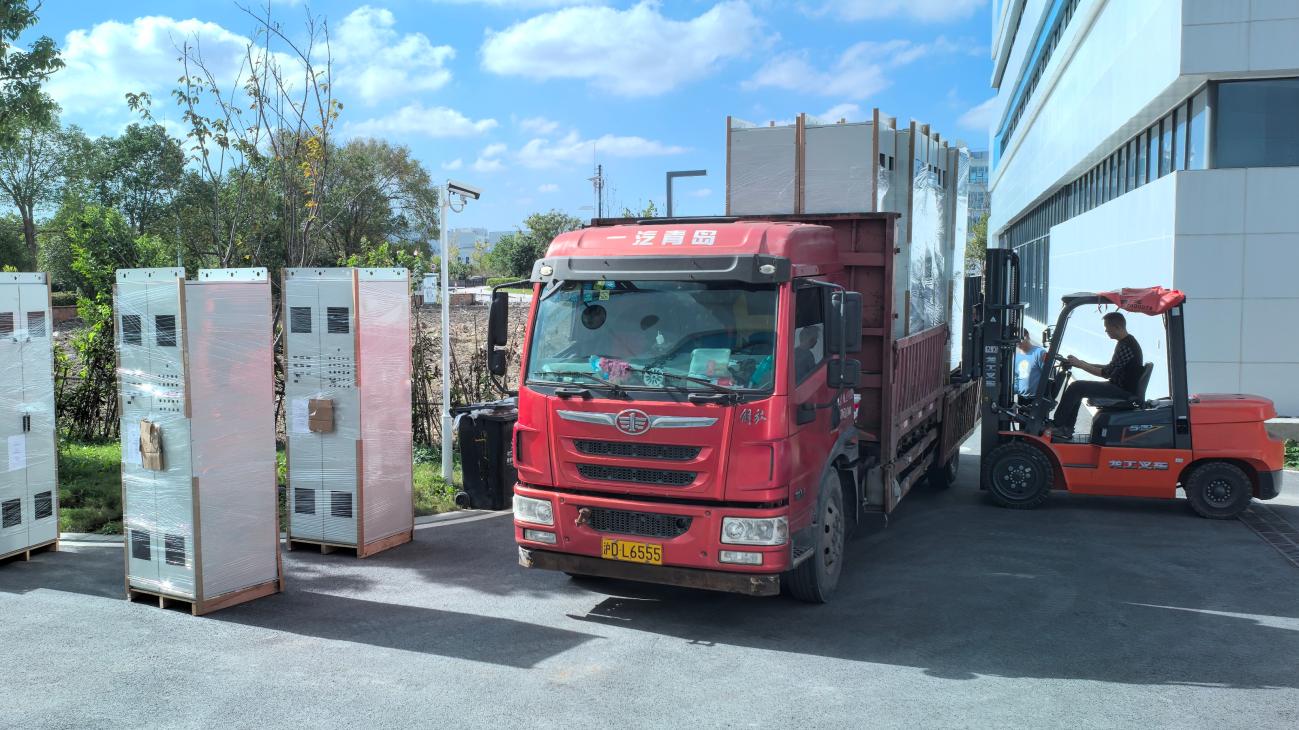
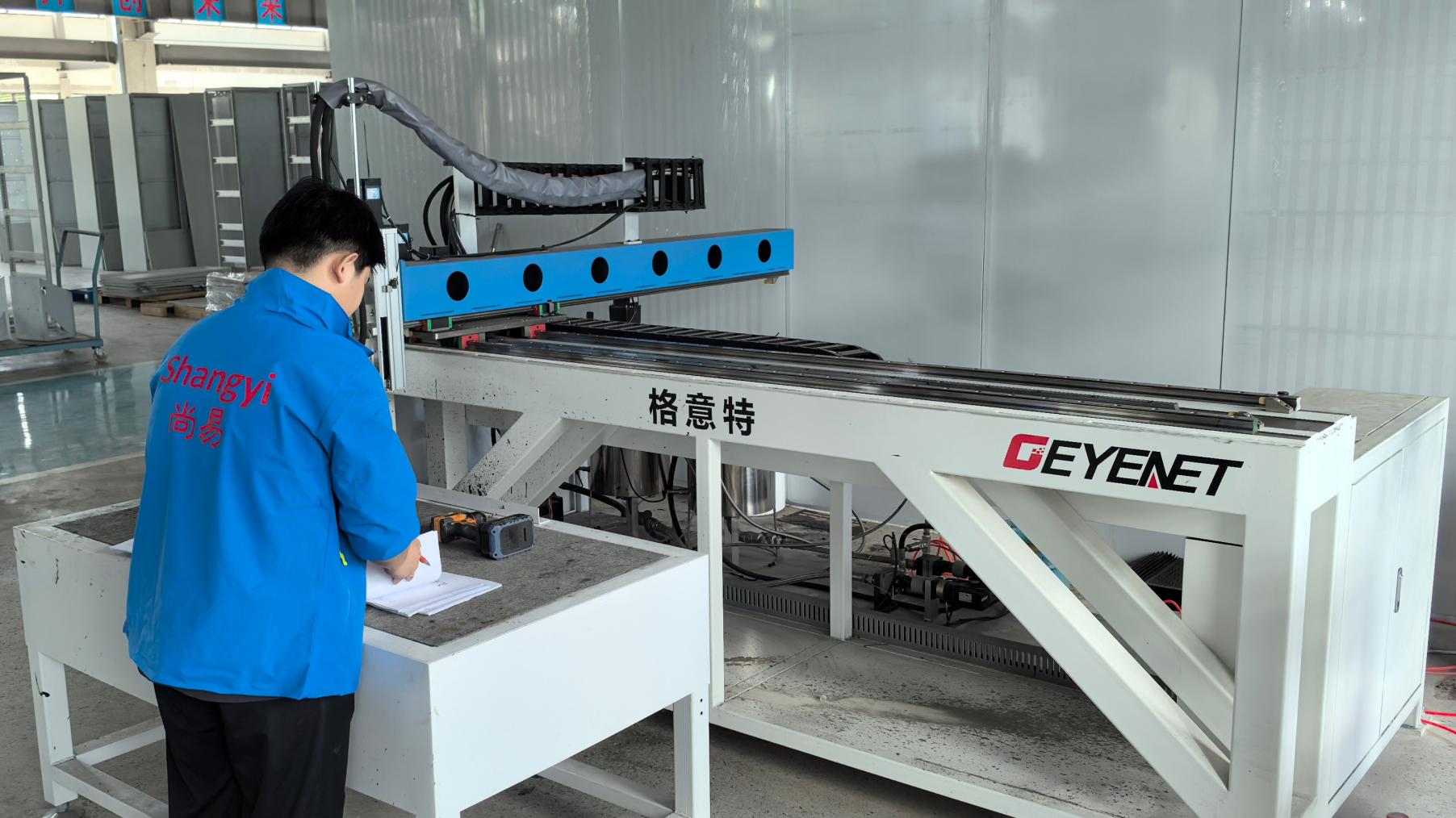
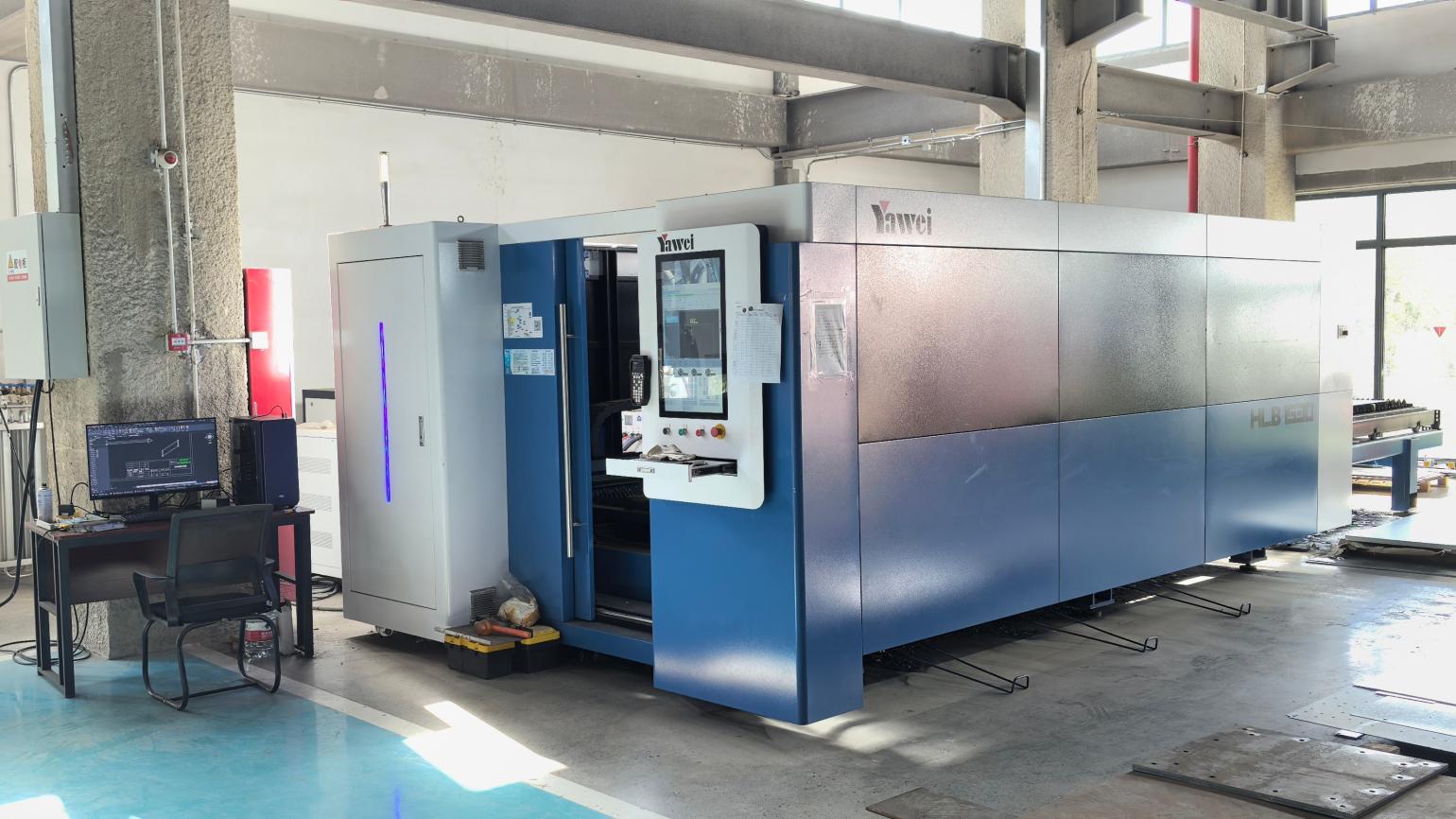
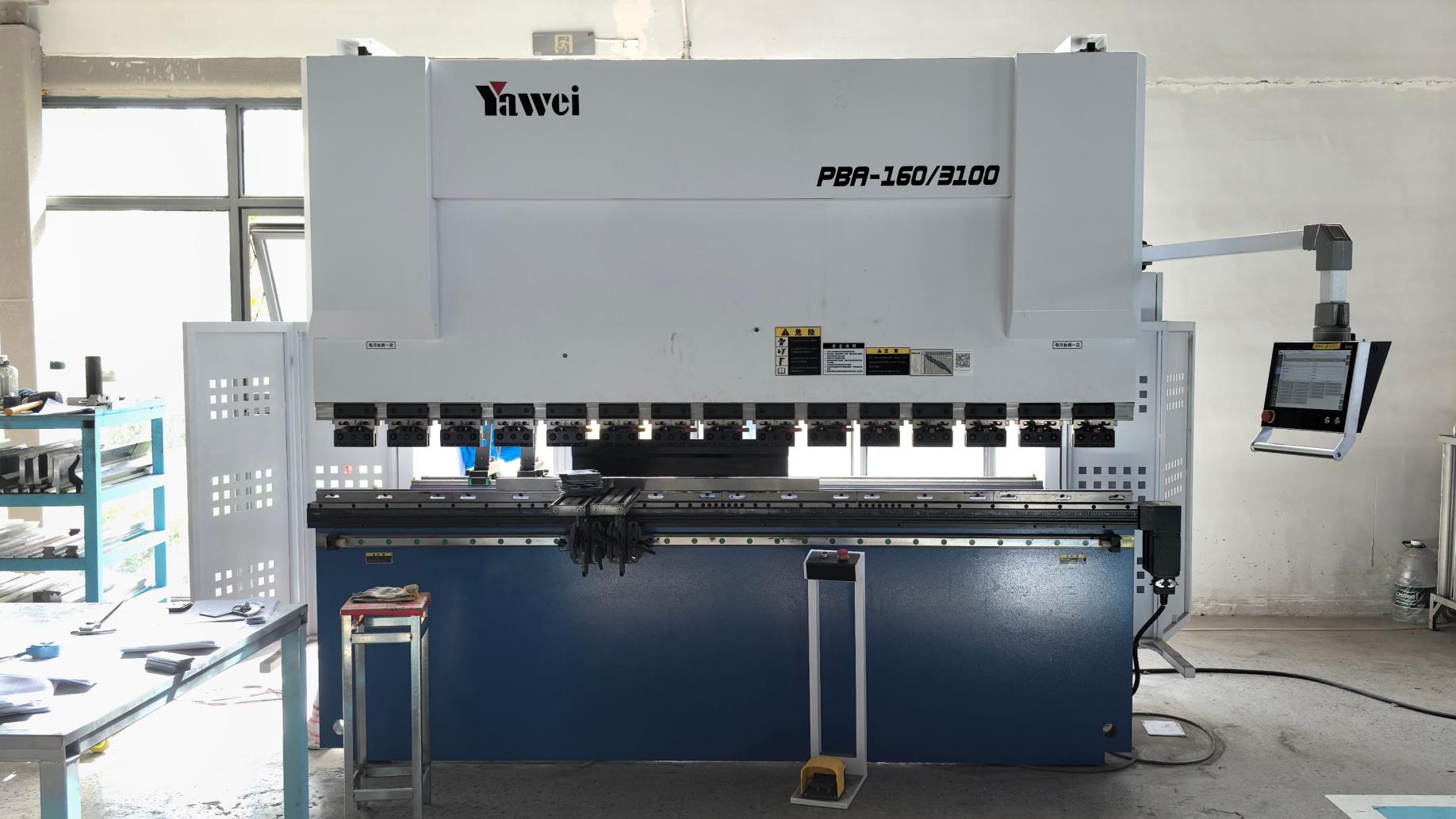
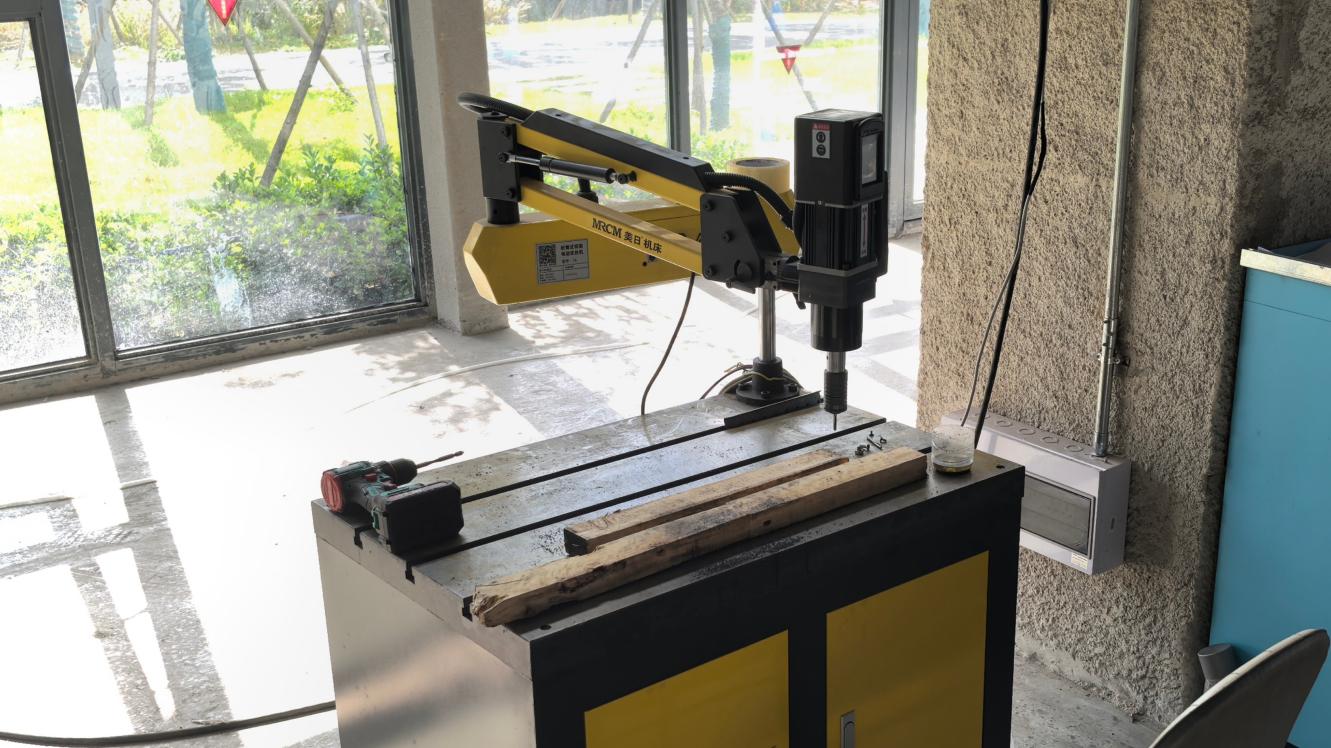
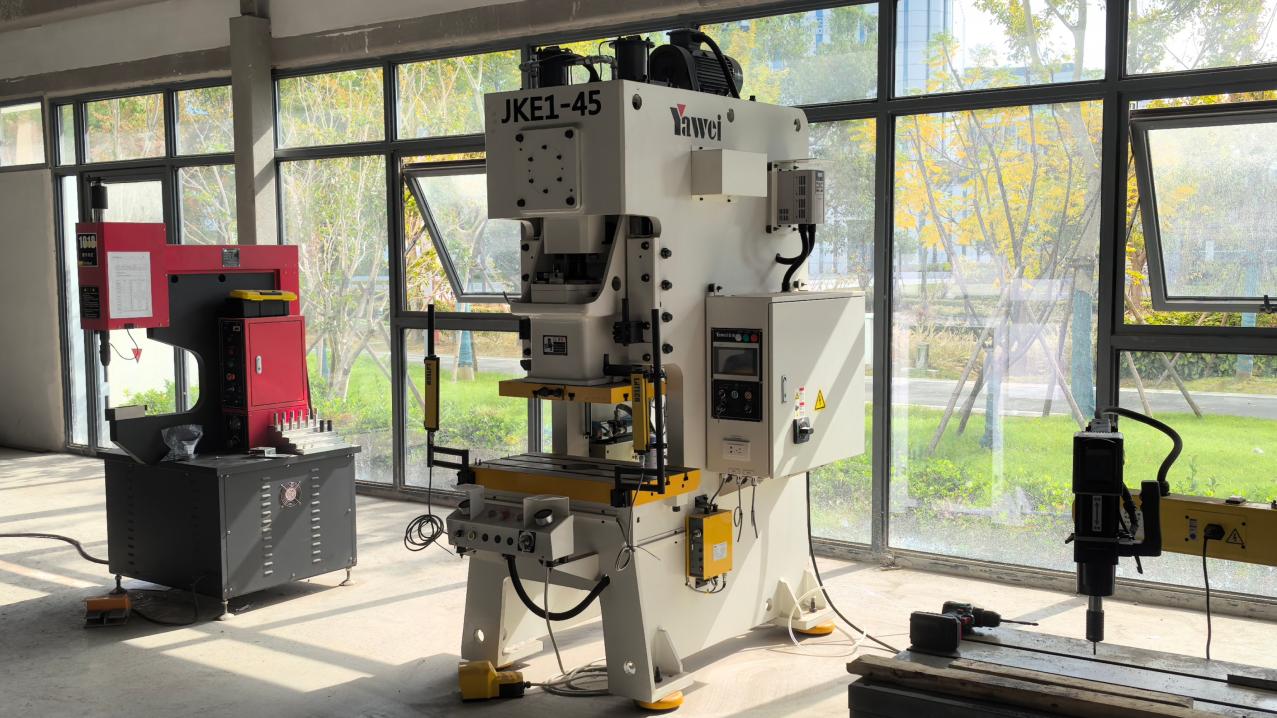
We control every step of the manufacturing lifecycle. Our facility features modern manufacturing equipment, automated production lines, and comprehensive quality control testing systems to guarantee high performance.
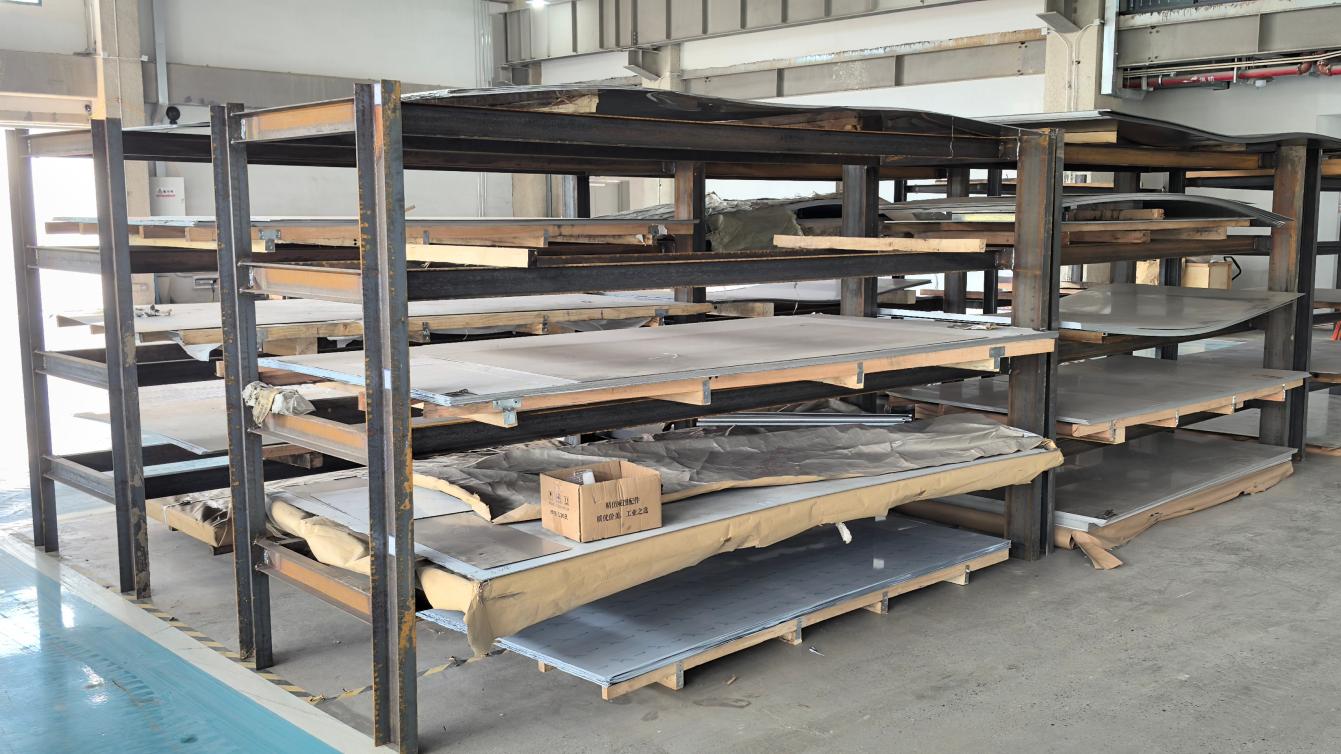
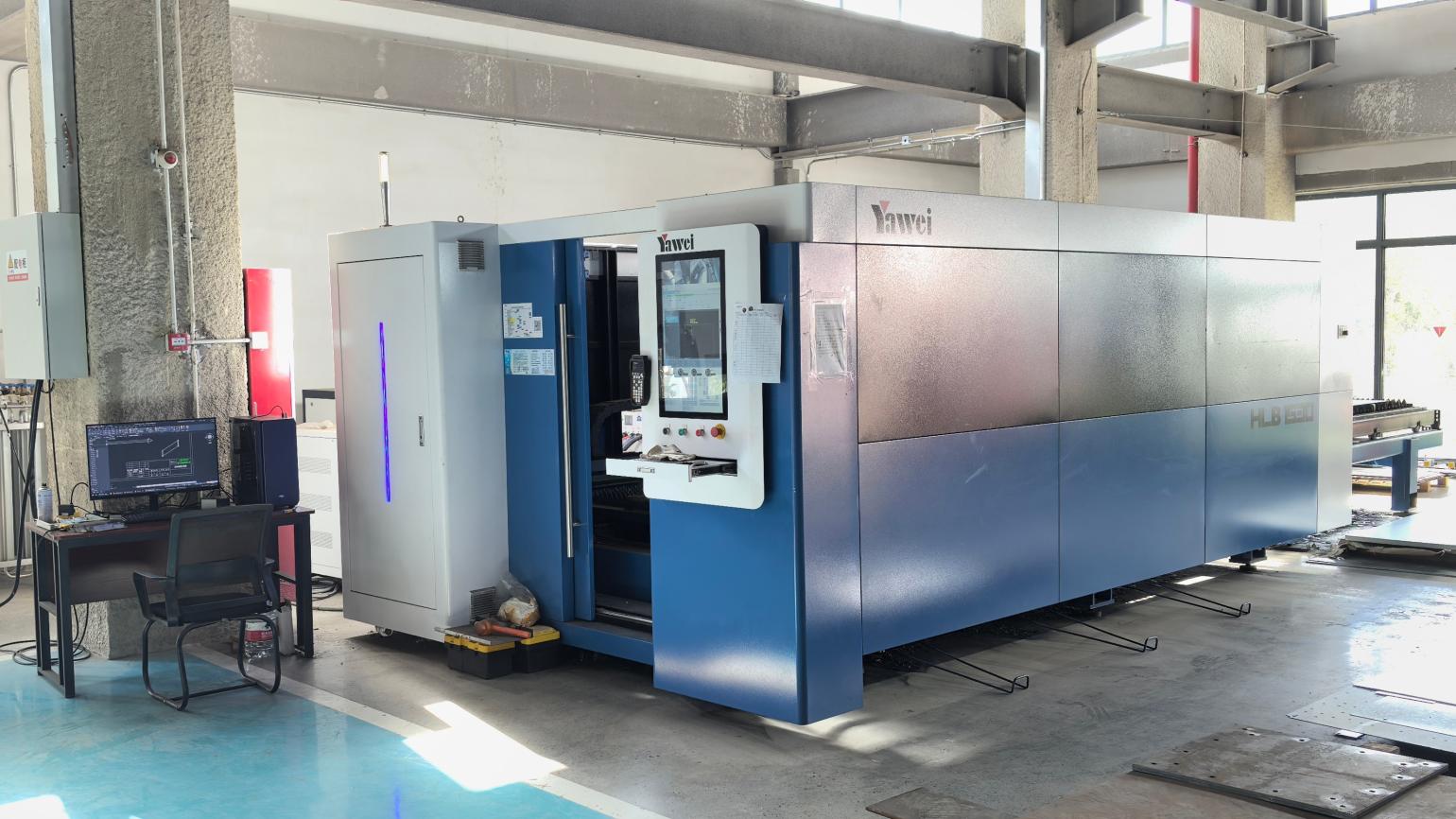
Procurement teams in Hamburg and northern Germany operate under strict European quality regimes. Buying power electronics from overseas requires reliable guarantees that the products comply with VDE grid standards, CE directives, and RoHS eco-design criteria.
Our inverters are designed to align with VDE-AR-N 4105 (low-voltage grid integration) and the EU Low Voltage Directive 2014/35/EU. We implement high-frequency galvanic isolation to prevent DC injection into local grids and use robust input/output filters to minimize electromagnetic interference (EMI) in accordance with the EN 55032 standard.
Additionally, maritime deployments in Hamburg's docklands demand high IP ratings (typically IP54/IP65 for marine enclaves) and anti-corrosive conformal coatings on critical printed circuit boards (PCBAs). SOWEST products undergo rigorous environmental testing in thermal cabinets and salt spray chambers to ensure longevity in marine microclimates.
Sowest Electric works closely with European partners to develop customized power supplies, specific battery charging profiles, and branded casing designs.
Contact Our Engineering OfficeIn Germany, industrial power costs remain sensitive to grid demand peaks (known as "Netzentgelte"). For Hamburg's manufacturing facilities, warehouse depots, and cold chain storage hubs, integrating inverter chargers with lithium battery banks serves a double purpose: load shedding and peak shaving.
By charging the battery bank during low-demand periods (or from localized rooftop PV arrays) and discharging during peak usage hours, commercial sites can lower their utility bills. During unexpected grid failures, the inverter charger's automatic transition function switches the facility's power supply to battery power in milliseconds, preventing costly downtime on production lines and assembly floors.
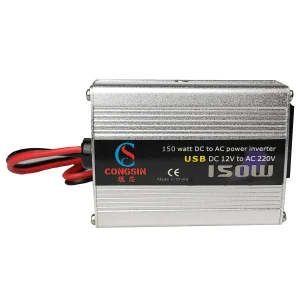
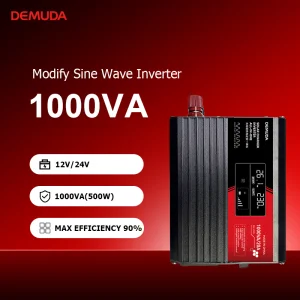
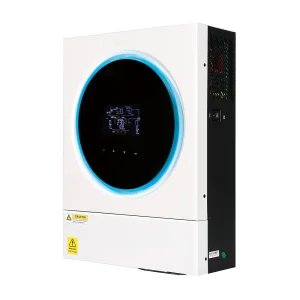
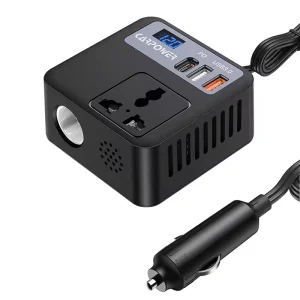
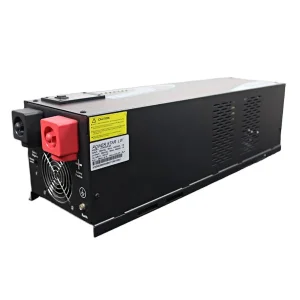
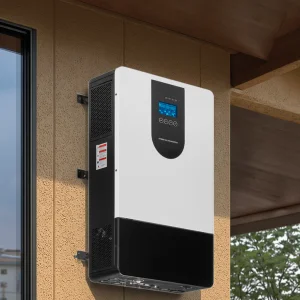
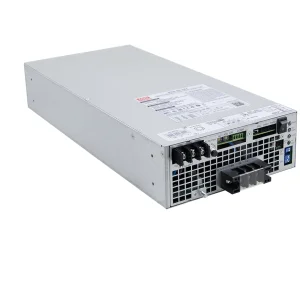
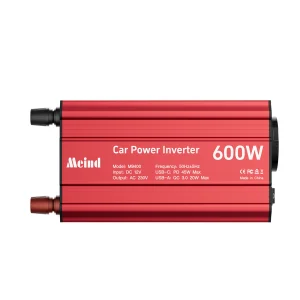
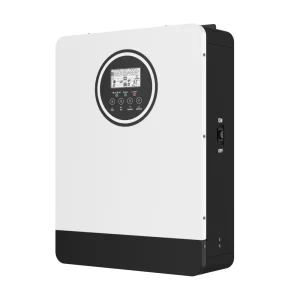
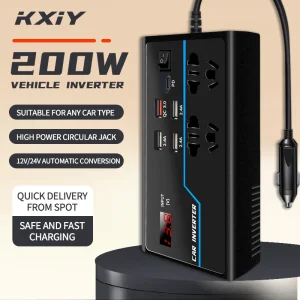
We offer a wide selection of modified sine wave, pure sine wave, and hybrid solar inverter chargers designed to meet diverse performance requirements and budgets.
 Sowest Electric