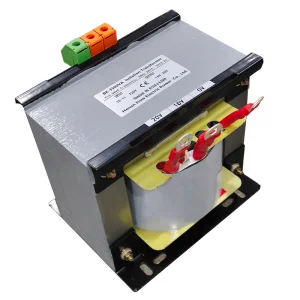
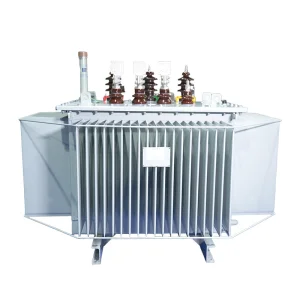
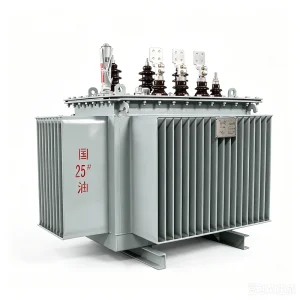
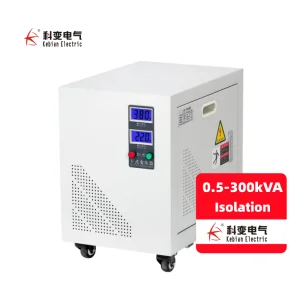
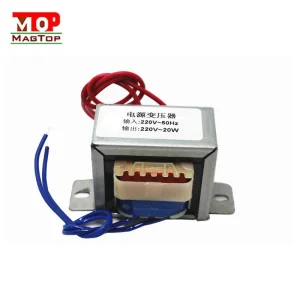
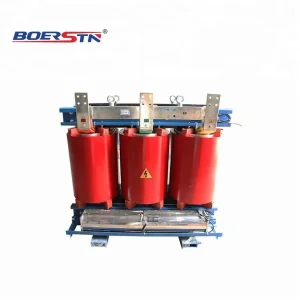
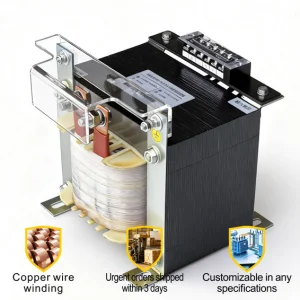
Isolation Transformer Factories & Suppliers Serving the Kazakhstan Market

Industrial-Grade Galvanic Isolation & Voltage Stability for Kazakhstan's Extreme Climates and Power Grid Infrastructures

Send Inquiry Now

Kazakhstan's Industrial Power Landscape & Grid Infrastructure

A deep analysis of operational conditions, harmonic challenges, and voltage fluctuations across Central Asia's largest industrial economy.

As the economic powerhouse of Central Asia, Kazakhstan is undergoing a massive industrial modernization program. The state power system, managed by KEGOC (Kazakhstan Electricity Grid Operating Company), bridges three major transmission zones: the North Grid (characterized by heavy coal-fired generation and mining loads), the South Grid (characterized by high consumer demand and rapid solar/wind energy installations), and the West Grid (heavily integrated with the extraction operations of the Caspian oil and gas basins).
Operating electrical infrastructure in Kazakhstan introduces a complex set of ambient and network challenges. With regional temperatures swinging from -40°C in the northern steppes during winter to +40°C in the southern plains during summer, standard electrical equipment is subjected to intense thermal stress. Additionally, long-distance transmission lines often lead to voltage sags, surges, and electrical transient phenomena. In this operating environment, high-quality isolation transformers are not merely auxiliary components; they are core defensive barriers that ensure system uptime, mitigate severe harmonic feedback, and isolate sensitive control networks from catastrophic failure.

Grid Isolation & Harmonics Mitigation

Heavy industries such as the copper smelting plants in Balkhash and mining conglomerates in Zhezkazgan utilize massive Variable Frequency Drives (VFDs) and electric arc furnaces. These systems inject high-frequency harmonic distortion back into the local power supply.

By implementing electrostatically shielded three-phase isolation transformers, operators can establish galvanic isolation. This decouples the primary and secondary electrical circuits, preventing destructive harmonic frequencies from feeding back into the substation control arrays and protecting sensitive industrial computers and PLCs.

Kazakhstan Grid Adaptability Requirements

  • Ambient Range -50°C to +50°C (GOST-compliant)
  • Insulation Class Class H (up to 180°C hot spot)
  • Cooling Options AN (Air Natural) / AF (Air Forced) / ONAN
  • Harmonic Handling K-Factor K-13, K-20 rated design
  • Enclosure Specs IP20/IP23 for indoors; IP54/IP65 for outdoors

Global Industrial Trends & Technology Roadmap

How international standards and advanced manufacturing techniques shape modern power distribution safety.

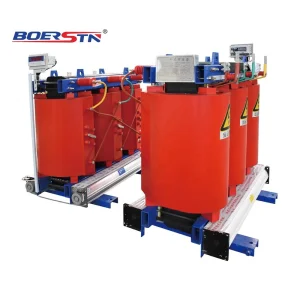
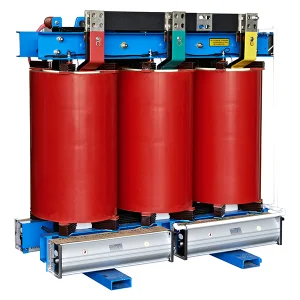
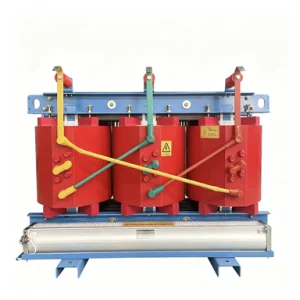
Globally, the demand for isolation transformers is surging due to the rapid growth of data centers, high-speed rail transportation, and utility-scale renewable energy systems. The technical focus in international markets has pivoted toward Cast Resin Dry-Type Transformers (such as the SC10/SC11 series) and epoxy-cast models. These units pose zero risk of oil leaks or environmental contamination, rendering them highly suitable for deployment in sensitive environmental zones like the agricultural fields of Kostanay or near the water resources of Lake Balkhash.
99.2%
Transformation Efficiency
45 Year
Average Core Lifespan
-50°C
Extreme Cold Operational Tested
<35 dB
Ultra-Low Acoustic Noise
Modern technology roadmaps highlight the integration of smart IoT sensing arrays within dry-type isolation systems. Thermal sensors embedded directly in the copper or aluminum windings provide real-time temperature tracking back to centralized SCADA systems. This proactive health monitoring allows maintenance engineers in remote sites like the Mangystau steppe to identify overload situations long before insulation breakdown occurs.

Localized Application Scenarios in Kazakhstan

Real-world implementation scenarios where high-voltage and low-voltage isolation systems safeguard operations.

1. Oil & Gas Extraction in Atyrau and Tengiz

In the high-saline and explosive atmospheres of Western Kazakhstan's petrochemical terminals, isolation transformers must feature heavy-duty corrosion-resistant coatings. Salt-fog and chemical vapor exposure can quickly degrade standard coils. Utilizing VPI (Vacuum Pressure Impregnation) or silicone-treated epoxy coatings ensures reliable performance under relentless gas processing schedules.

2. Steppe Solar Wind Farm Grid Coupling

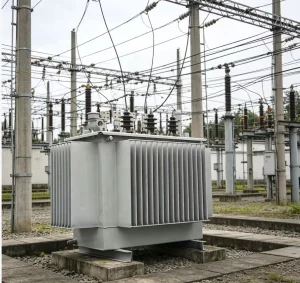
Vast solar arrays in Shymkent and Karaganda depend on high-frequency, low-loss oil-immersed or dry-type transformers to step up power for distribution. Because solar inverters output high-frequency switching noise, isolation transformers are critical to block DC injection and high-frequency noise from destabilizing the regional KEGOC substations.

3. Data Centers in Almaty and Astana

As digital banking and cloud infrastructure expand in Almaty and Astana, zero-downtime is a fundamental requirement. Electrostatic isolation transformers are installed directly upstream of the server UPS racks to eliminate common-mode electrical noise and mitigate phase-to-neutral surges, assuring continuous computational performance.

Zhejiang Sowest Electric Co., Ltd.

Powering Reliability, Driving Innovation. Your Expert Partner in Power Supply and Electrical Distribution Systems.
Zhejiang Sowest Electric Co., Ltd. is a modern and innovative enterprise specializing in the research, development, manufacturing, and sales of power supply and electrical distribution equipment. With a strong commitment to technological innovation, product quality, and customer satisfaction, the company has established itself as a reliable partner for power generation, transmission, distribution, industrial automation, transportation, petrochemical, telecommunications, and infrastructure projects worldwide.
Our core product portfolio includes AC/DC Power Supply Panels, DC Power Systems, UPS (Uninterruptible Power Supply) Systems, Battery Chargers, DC Distribution Panels, AC Distribution Panels, Central Signal Panels, Power Monitoring Systems, Circuit Breakers, Power Feeding Panels, and other integrated power supply solutions. These products are widely applied in substations, power plants, industrial facilities, data centers, rail transit systems, and renewable energy projects.
The company is supported by a highly qualified team of engineers, technicians, and industry experts with extensive experience in power electronics and electrical engineering. Equipped with advanced manufacturing facilities, modern production lines, and comprehensive testing equipment, Sowest Electric ensures that every product meets stringent quality standards and international performance requirements.
Guided by the principles of integrity, professionalism, innovation, and mutual growth, Zhejiang Sowest Electric continuously invests in research and development to deliver efficient, intelligent, and reliable power solutions. The company has established a complete quality management system and adheres to strict production and inspection processes to guarantee product safety, stability, and long-term reliability.
Our corporate philosophy is centered on excellence, customer value, and sustainable development. We are dedicated to creating value for customers, opportunities for employees, returns for stakeholders, and positive contributions to society. Through continuous technological advancement and service improvement, we strive to help our customers achieve greater operational efficiency and energy reliability.

Zhejiang Sowest Electric Co., Ltd. – Powering Reliability, Driving Innovation.

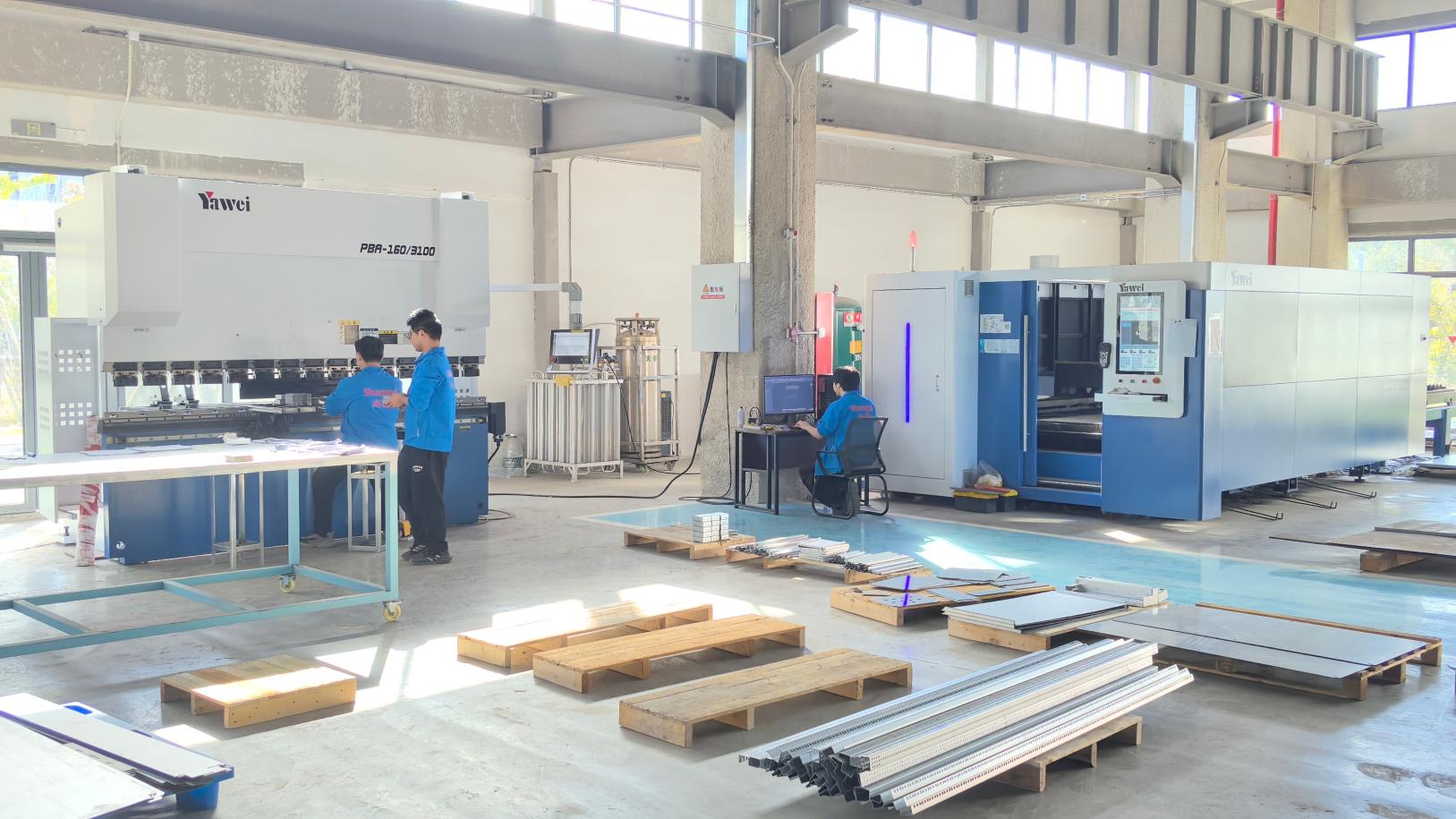
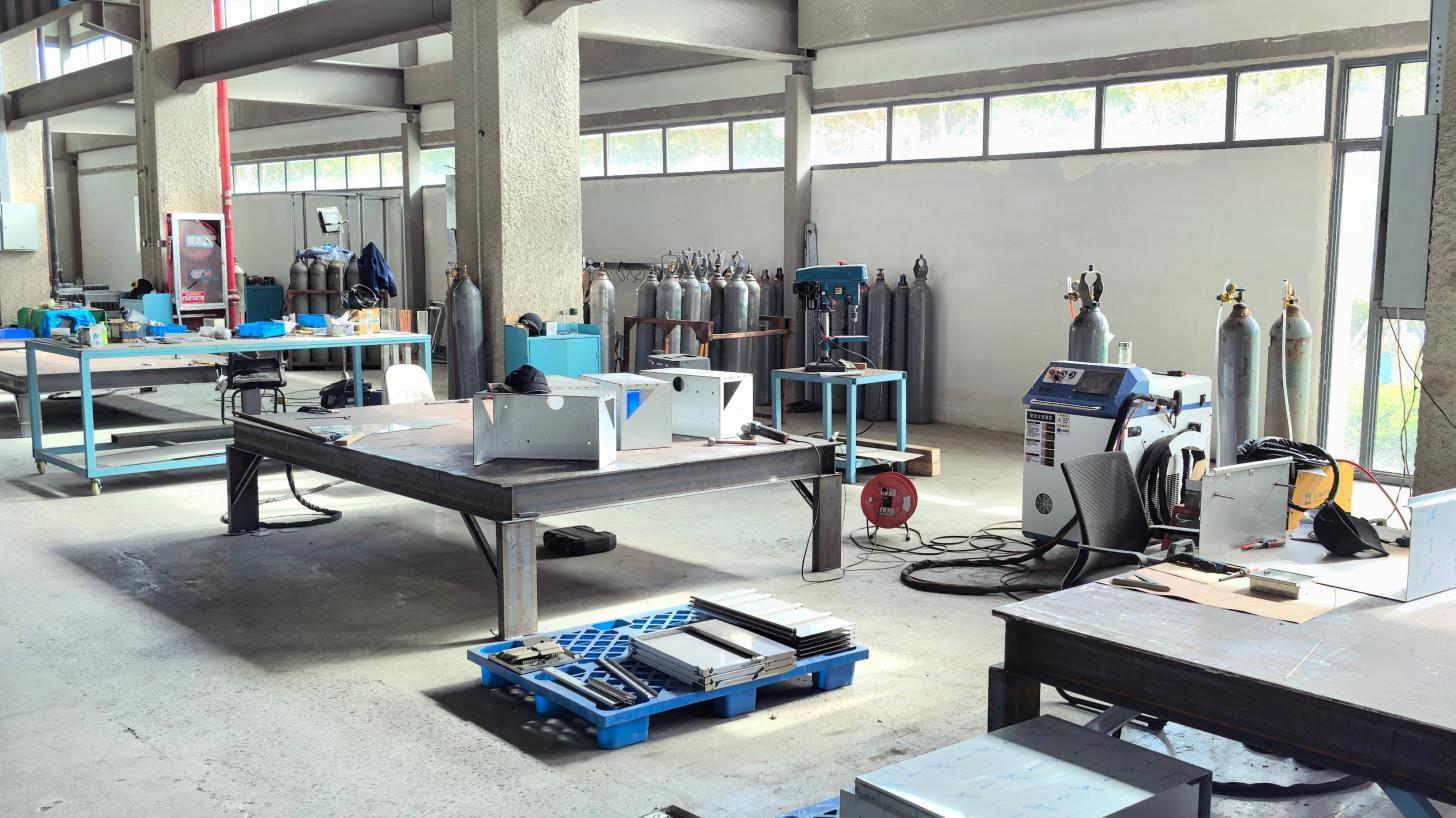
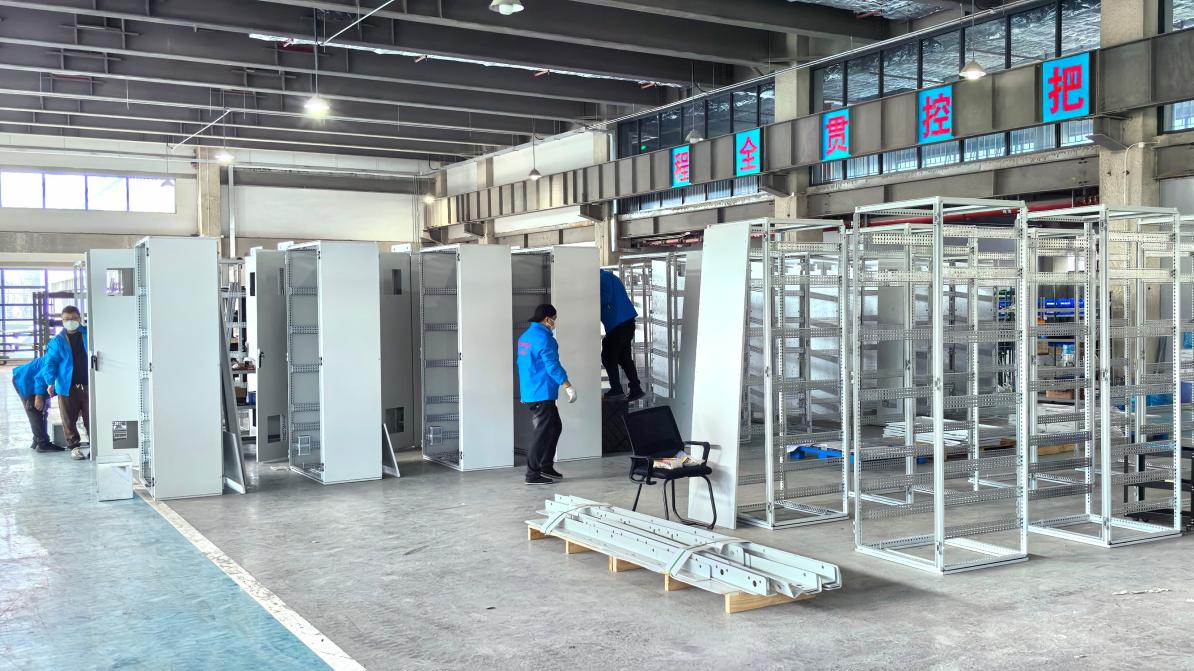
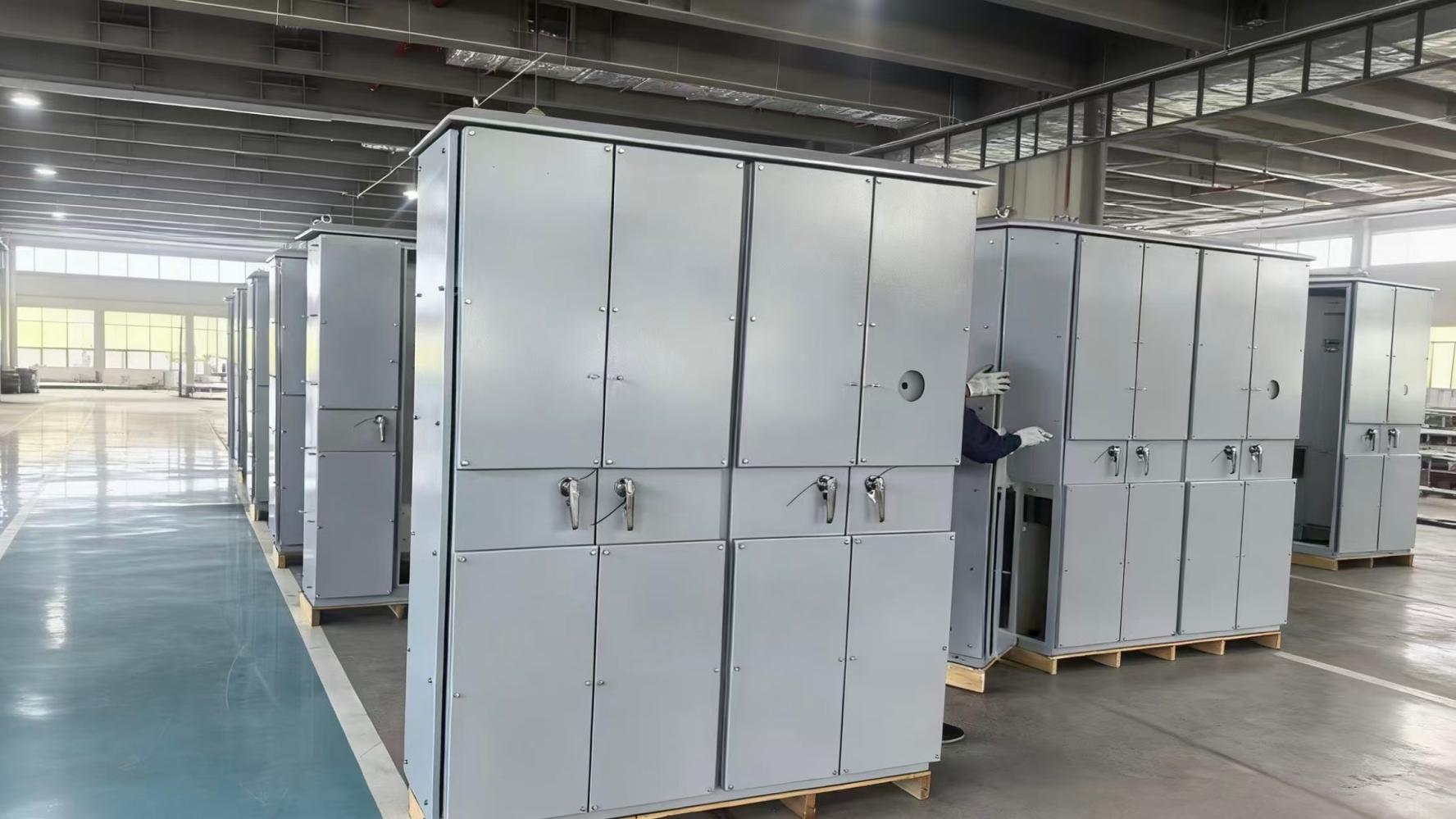
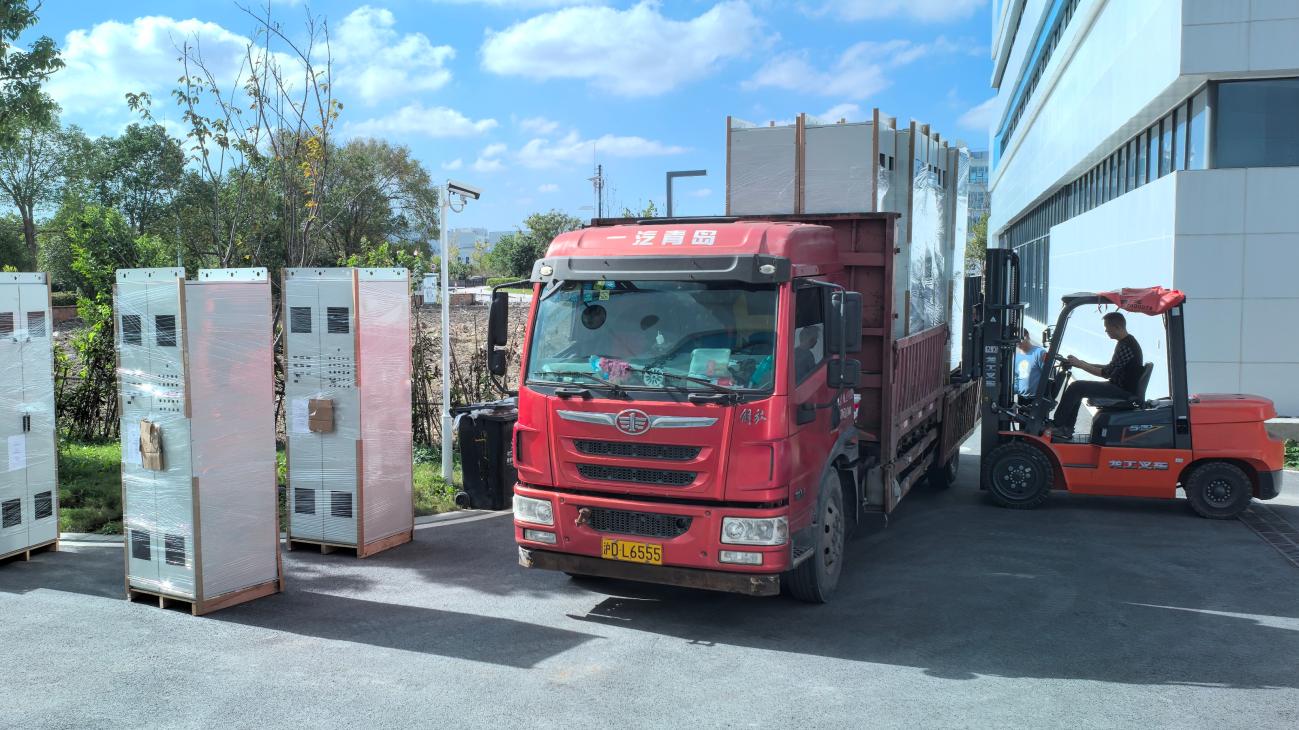
Our High-Tech Precision Manufacturing Workflow & QC Facilities

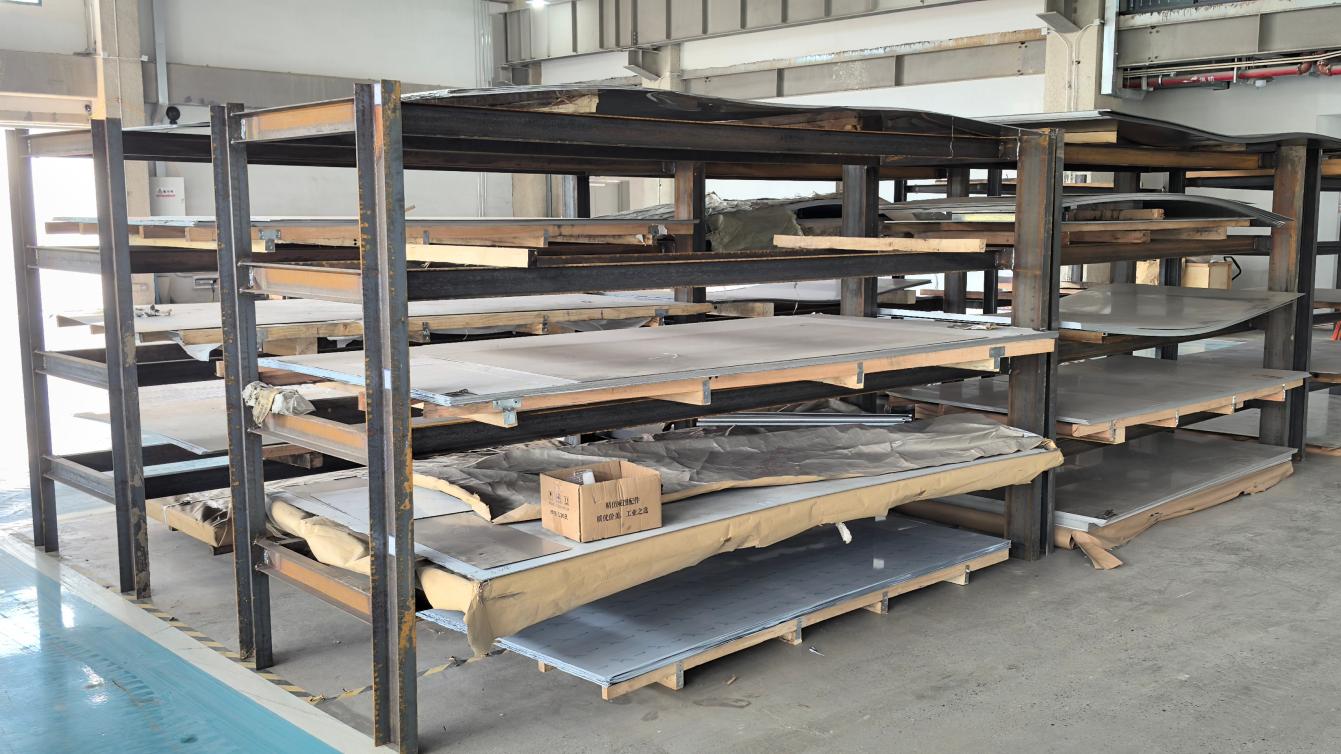
Materials Purchasing at Sowest Factory

1. Materials Purchasing

Materials Processing at Sowest Factory

2. Materials Processing

Machining Department

3. Machining

Welding and Polishing Department

4. Welding and Polishing

Transformer Assembly Line

5. Assembly Line

Finished Products Quality Check

6. Finished Products

Safe Global Shipping Logistics

7. Shipping Logistics

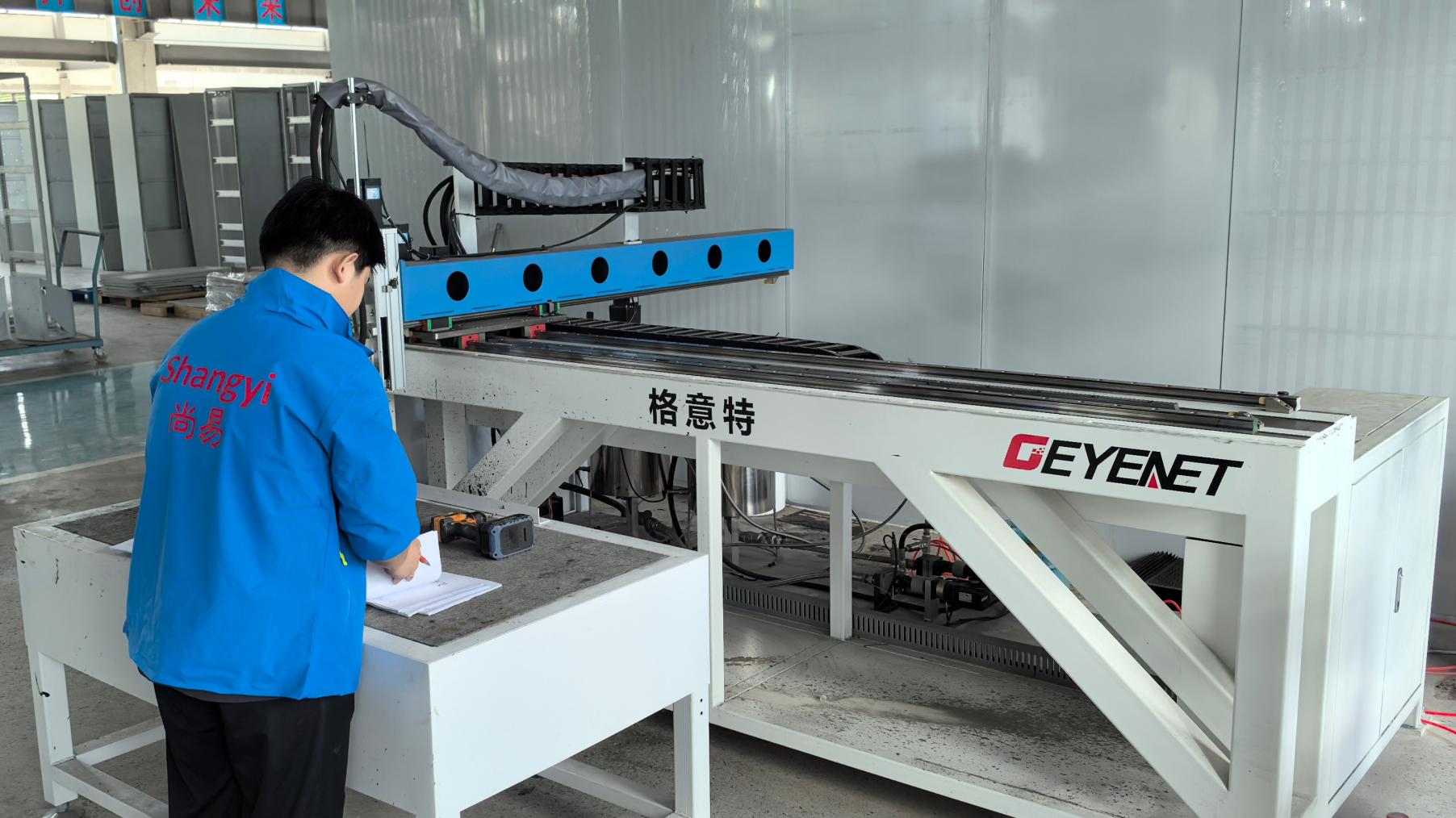
Automated Dispensing Machine

8. Dispensing Machine

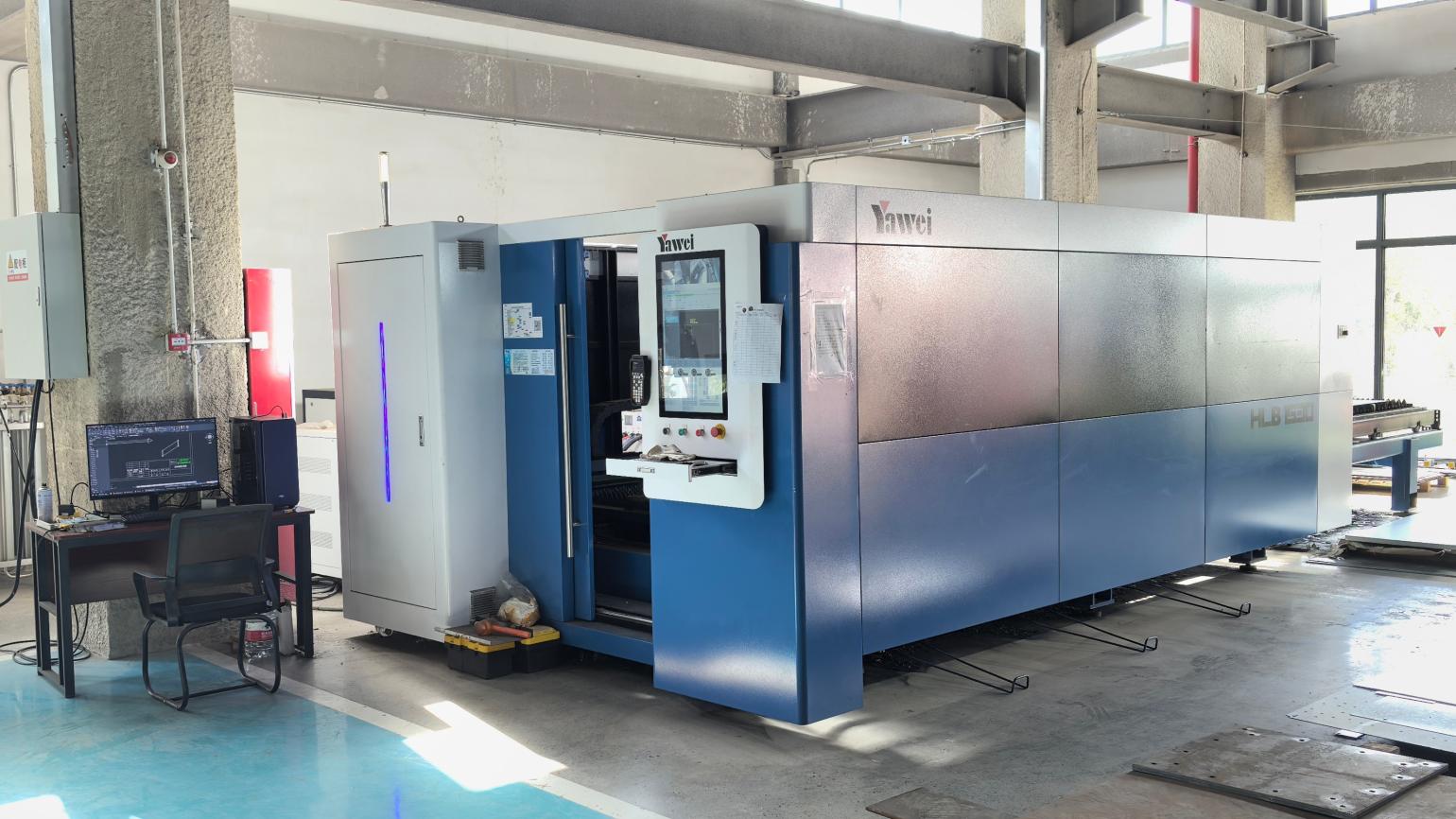
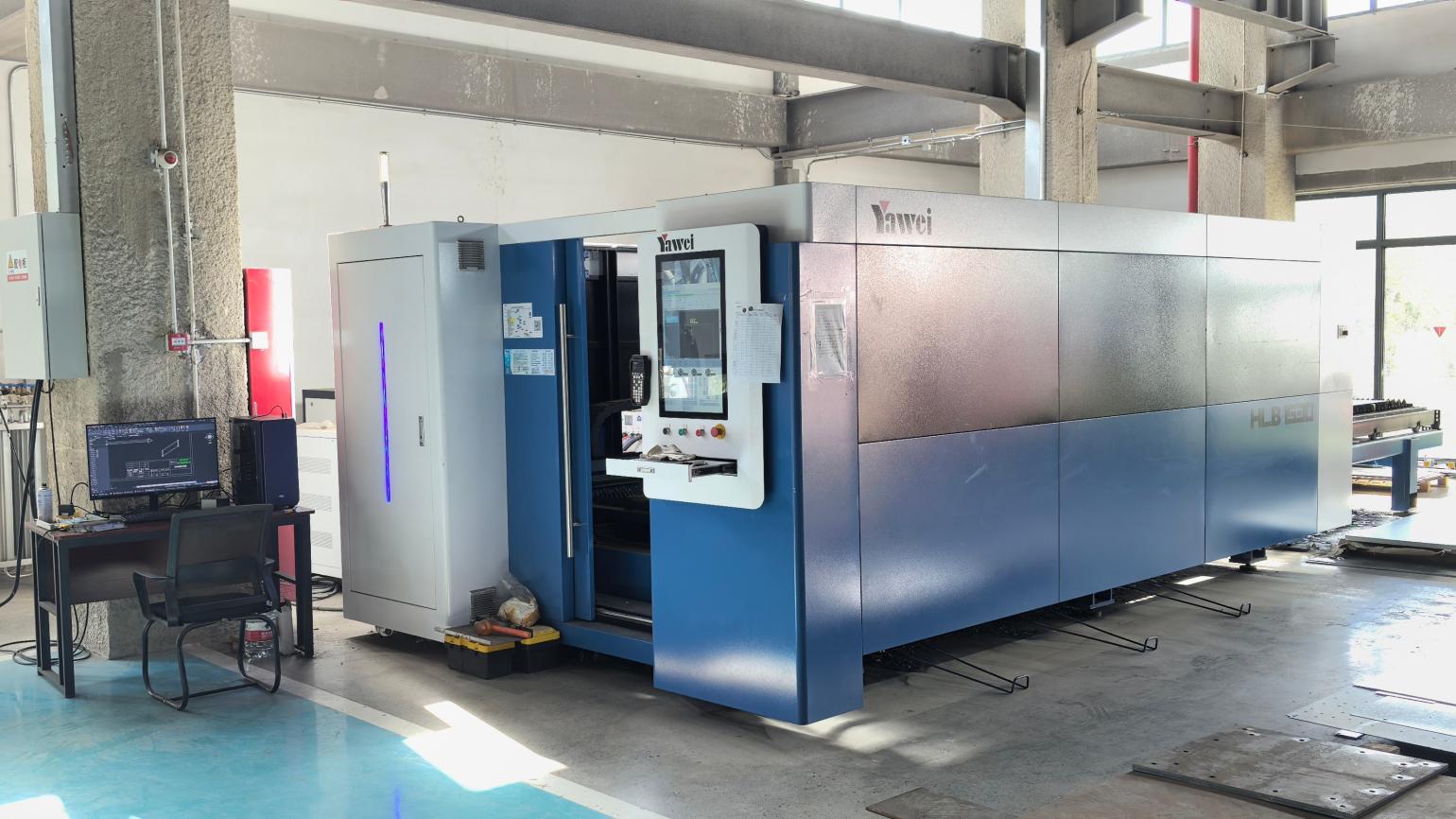
High Precision Laser Cutting

9. Laser Cutting Machine

Metal Shearing Process

10. Shearing Machine

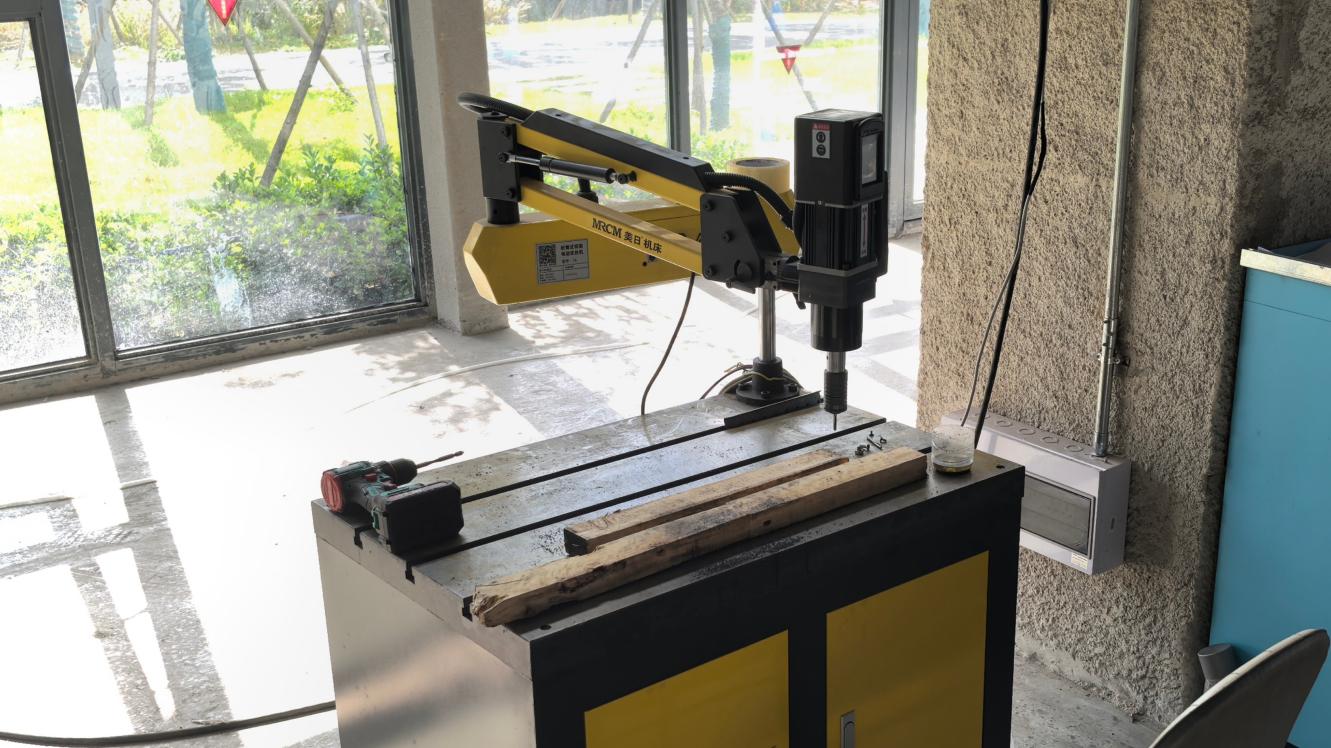
Industrial Tapping Machine

11. Tapping Machine

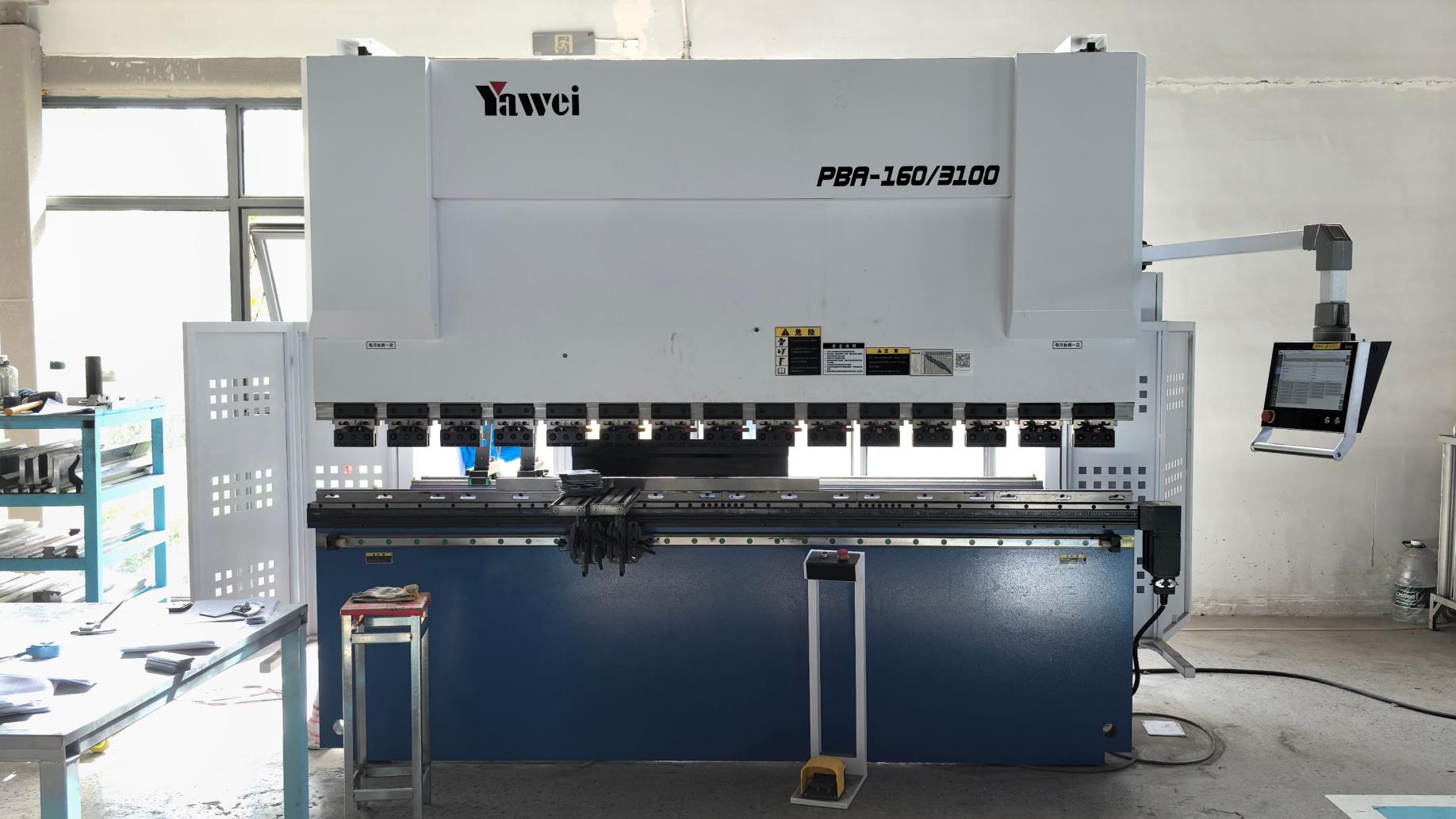
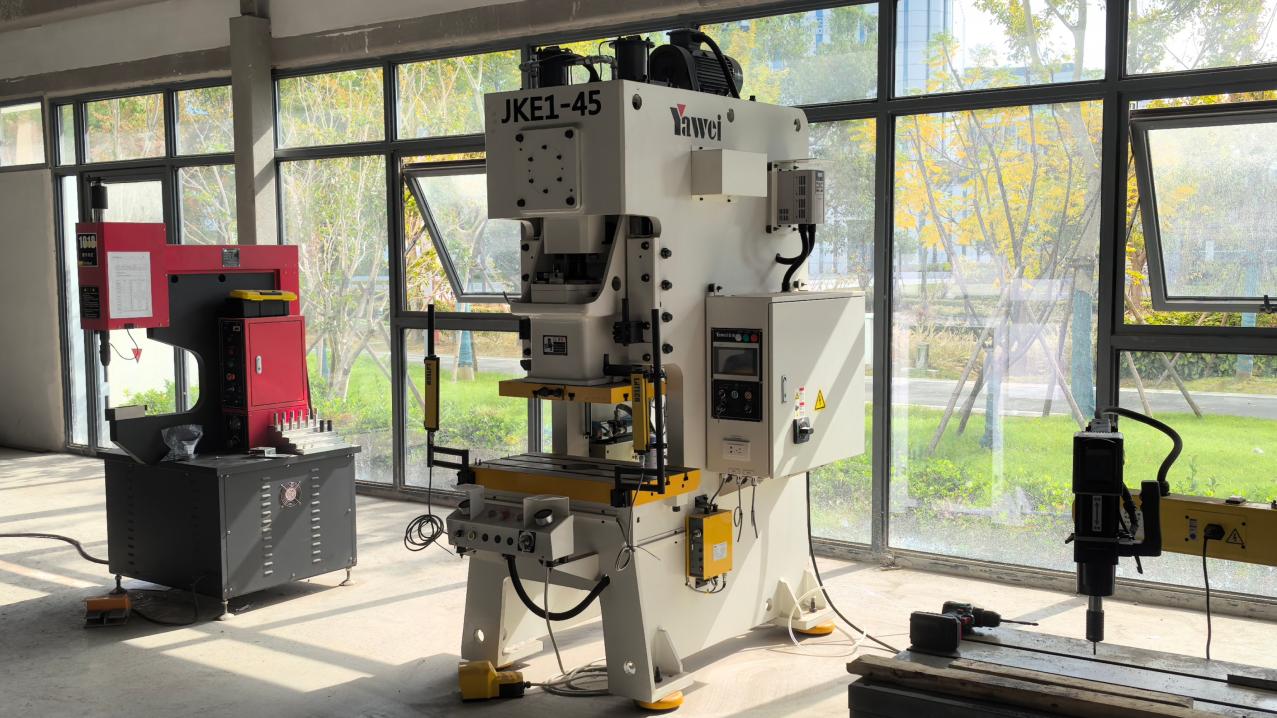
Precision Heavy Punch Press

12. Punch Press

Engineering Criteria for CIS and Kazakhstan Grid Integration

How to guarantee compliance with regional GOST regulations and KEGOC electrical safety frameworks.

When ordering electrical machinery for projects in Kazakhstan, specific mechanical and electromagnetic criteria must be integrated at the manufacturing stage. Typical parameters include:
  • Galvanic Decoupling Verification: High winding-to-winding insulation test ratings (minimum 3kV dielectric strength for 1 minute) to ensure electrical surges do not cross the inductive link.
  • Electrostatic Shielding: Incorporation of a grounded copper shield between the primary and secondary coils. This is essential for blocking high-frequency electrical noise, vital for telecommunication base stations in Astana.
  • Low-Loss Core Materials: Core laminations structured from high-permeability grain-oriented silicon steel (CRGO) to reduce hysteresis losses, ensuring high efficiency over years of continuous use.
  • Severe Climate Structural Integrity: Implementation of specialized outdoor enclosures with anti-condensation space heaters to prevent internal frost accumulation during freezing Kazakh winter conditions.
Furthermore, our engineering teams carefully evaluate the Vector Group configuration (typically Dyn11 or Yyn0) based on localized neutral-ground setups. Proper vector group selection prevents ground currents from interfering with upstream protection relays, guaranteeing rapid and reliable fault isolation.

Technical FAQ: Industrial Isolation Transformers

Expert engineering answers addressing grid integration, environmental challenges, and performance indicators in Central Asia.

Why are isolation transformers required in Kazakh mining environments instead of standard autotransformers? +
Mining sites in regions like Zhezkazgan utilize heavy equipment that introduces significant harmonic distortion. A standard autotransformer shares a common winding between primary and secondary circuits, allowing electrical noise, surges, and harmonics to pass directly through. An isolation transformer features completely separate windings, providing galvanic isolation. This physical separation stops electrical noise from propagating, protects sensitive control equipment, and prevents common-mode noise.
How do Sowest Electric transformers withstand the extreme winter cold (-40°C) in Northern Kazakhstan? +
Our transformers are manufactured using high-grade magnetic cores and specialized insulating materials tested for thermal expansion matching. For dry-type cast resin models, the epoxy formulation is engineered to prevent cracking under rapid temperature changes. For outdoor installations, enclosures are fitted with thermostatic anti-condensation space heaters to prevent moisture condensation as temperatures fluctuate.
What is the significance of the K-Factor rating in isolation transformers? +
A K-factor rating measures a transformer's ability to handle non-linear loads, which generate significant harmonic currents (e.g., VFDs, computers, UPS systems). A standard transformer will overheat when subjected to these loads. A K-factor rated transformer (such as K-13 or K-20) features optimized conductors (often dual-insulated or foil windings) and larger cores to manage the extra heat generated by harmonic currents without degradation.
What certification and manufacturing standards do your isolation transformers comply with? +
All our manufacturing processes at Zhejiang Sowest Electric are certified to ISO 9001:2015, ISO 14001, and OHSAS 18001. Our electrical products are fully compliant with international Electrotechnical Commission (IEC 60076) standards and hold CE certifications. For projects requiring specific entry compliance in the Eurasian Economic Union, we can supply units engineered to meet GOST-R requirements.
Can aluminum coil transformers perform as reliably as copper coil transformers in heavy industry? +
Yes, when designed correctly. While copper has higher electrical conductivity, aluminum coil transformers are engineered with larger wire cross-sections to match the current-carrying capacity of copper. The reliability of our aluminum-wound models is guaranteed through advanced welding techniques and high-quality insulation materials. This makes them a cost-effective alternative for many industrial projects without sacrificing lifespan or thermal stability.

Upgrade Your Grid Safety with Industrial-Grade Isolation

Whether you are developing wind farm arrays in Shymkent or upgrading oil refineries in Atyrau, our engineers will design a custom-tailored isolation system to meet your requirements.

Send Inquiry Now