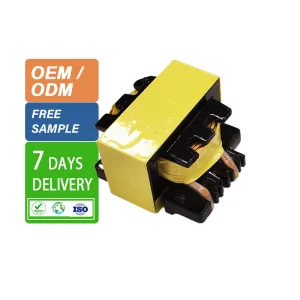
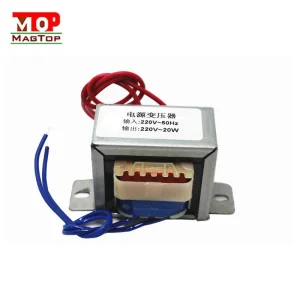
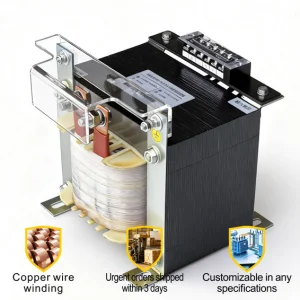
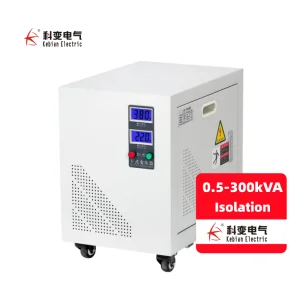
Immediately deployed high-stability isolation solutions engineered to prevent common-mode transients in sensitive laboratory, medical, and control systems.
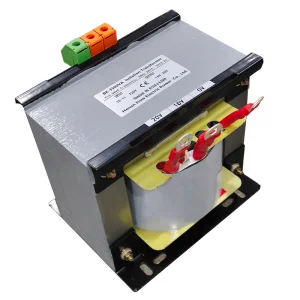
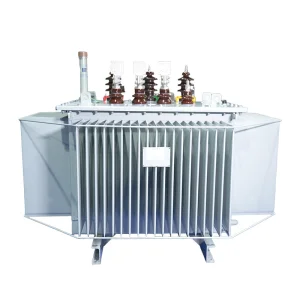
Tokyo, as the epicenter of Japan's technological and financial sectors, requires unprecedented levels of power quality. The city's reliance on high-density data centers (particularly the massive hyperscale clusters in Chiba and Kanagawa), high-speed rail lines, and advanced robotics manufacturing in the Kanto region presents unique power challenges.
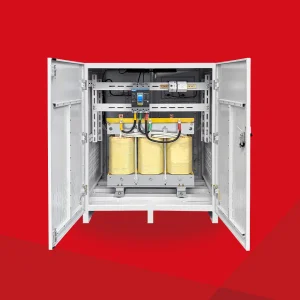
In highly dense environments, common-mode noise and electrical transients propagate rapidly back and forth through the distribution lines. This electrical noise is the primary cause of hardware damage, signal disruption, and logic errors in PLC arrays and high-speed CNC machinery. Galvanic isolation, achieved through premium dry-type isolation transformers, is the primary line of defense.
Furthermore, Tokyo operates strictly at 50Hz, while Western Japan runs at 60Hz. Dynamic conversion, dual-frequency compatibility, and stepping down high-voltage utility power without exposing sensitive diagnostic or fabrication equipment to direct grid hazards are key structural requirements for Japanese system integrators.
Complete physical isolation between the input grid and output load removes electrical ground loops, attenuating common-mode voltage spikes and protecting high-value logic boards.
Specially engineered copper foil Faraday shields wrapped between the primary and secondary windings shunt high-frequency electromagnetic noise directly to the ground.
From semiconductor fabrication to offshore shipping networks, our isolation transformers ensure operational continuity.
In Kanagawa and Tokyo precision electronics zones, sub-nanometer lithography and automated inspection systems require voltage stability within ±1%. Our isolation systems decouple these systems from grid voltage sags caused by nearby heavy machinery.
With massive server farms operating in the Inzai district, switching transients from massive UPS battery systems can distort the sine wave of the mains power supply. Dry-type isolation transformers step down voltage while filtering out harmonic distortion.
Tokyo Bay handles vast quantities of container shipping daily. Marine electronic equipment is highly susceptible to galvanic corrosion and common-mode noise. Our salt-fog corrosion-resistant isolation transformers provide long-term reliability for shipboard systems.
Understanding the operational tradeoffs is key for strategic procurement decisions in Tokyo's high-tech landscape.
| Performance Parameter | Autotransformer System | Galvanic Isolation Transformer | Industrial Application Impact |
|---|---|---|---|
| Winding Configuration | Single winding serving as input/output | Separated primary & secondary windings | Isolation completely isolates fault currents |
| Galvanic Isolation | None (electrical connection remains) | 100% Galvanic Separation | Crucial for medical & sensitive lab systems |
| Common-Mode Attenuation | Negligible (noise passes straight through) | High (>60 dB to 120 dB with shielding) | Keeps harmonics away from high-precision PLCs |
| Size & Efficiency | Smaller footprint, slightly higher raw efficiency | Larger physical footprint, robust cooling | Sowest targets low-loss grain-oriented cores |
| Fault Protection | Passes secondary faults straight to primary | Confines secondary faults locally | Prevents cascading failures in urban data centers |
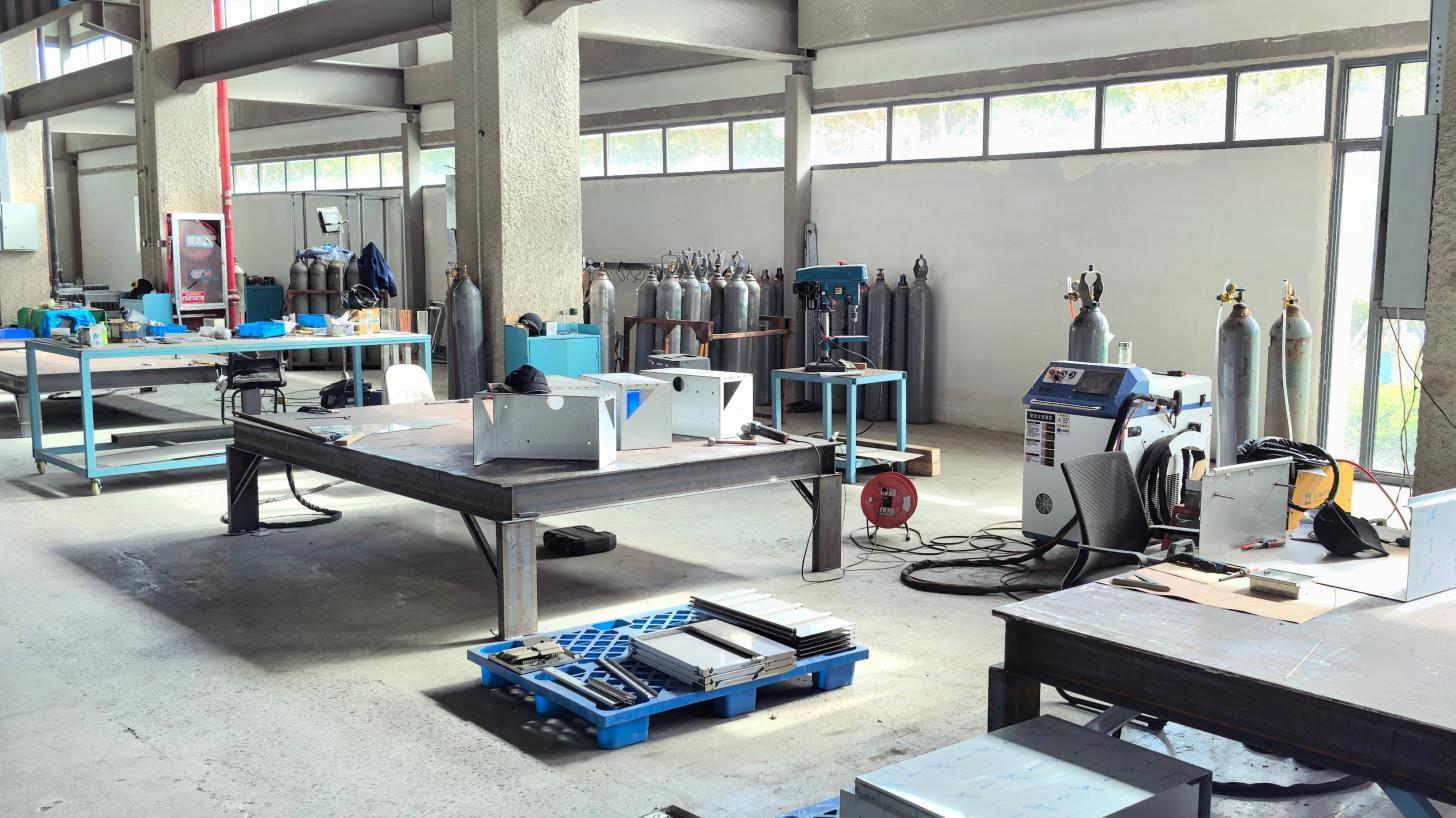
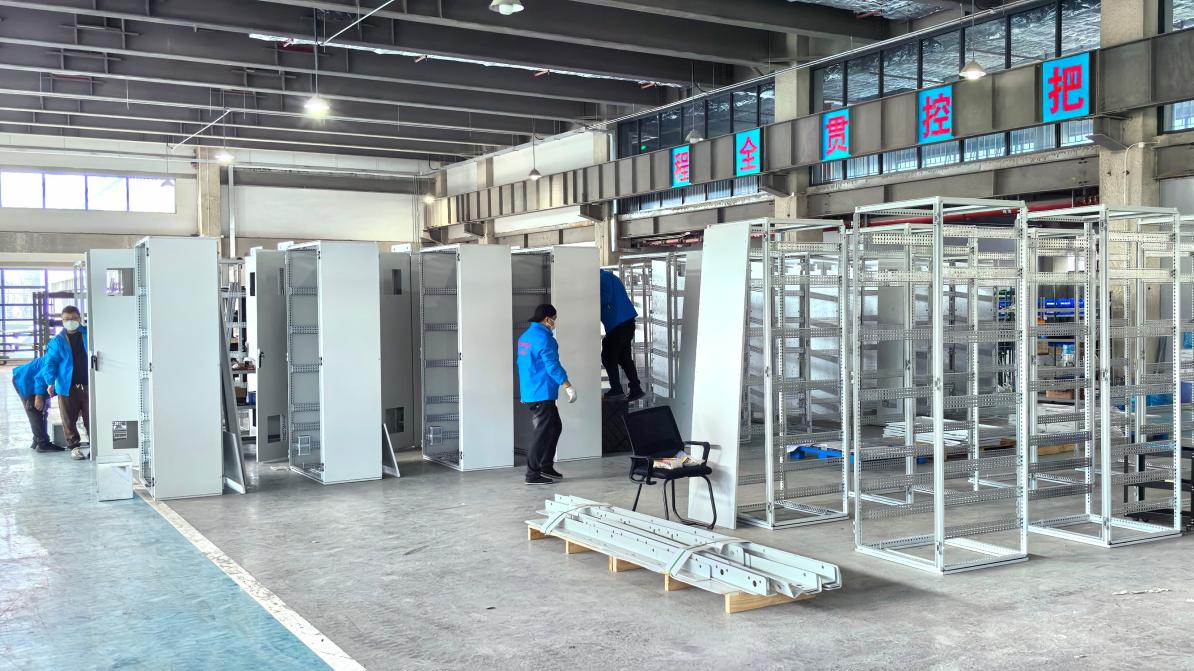
Zhejiang Sowest Electric Co., Ltd. is a modern and innovative enterprise specializing in the research, development, manufacturing, and sales of power supply and electrical distribution equipment. With a strong commitment to technological innovation, product quality, and customer satisfaction, the company has established itself as a reliable partner for power generation, transmission, distribution, industrial automation, transportation, petrochemical, telecommunications, and infrastructure projects worldwide.
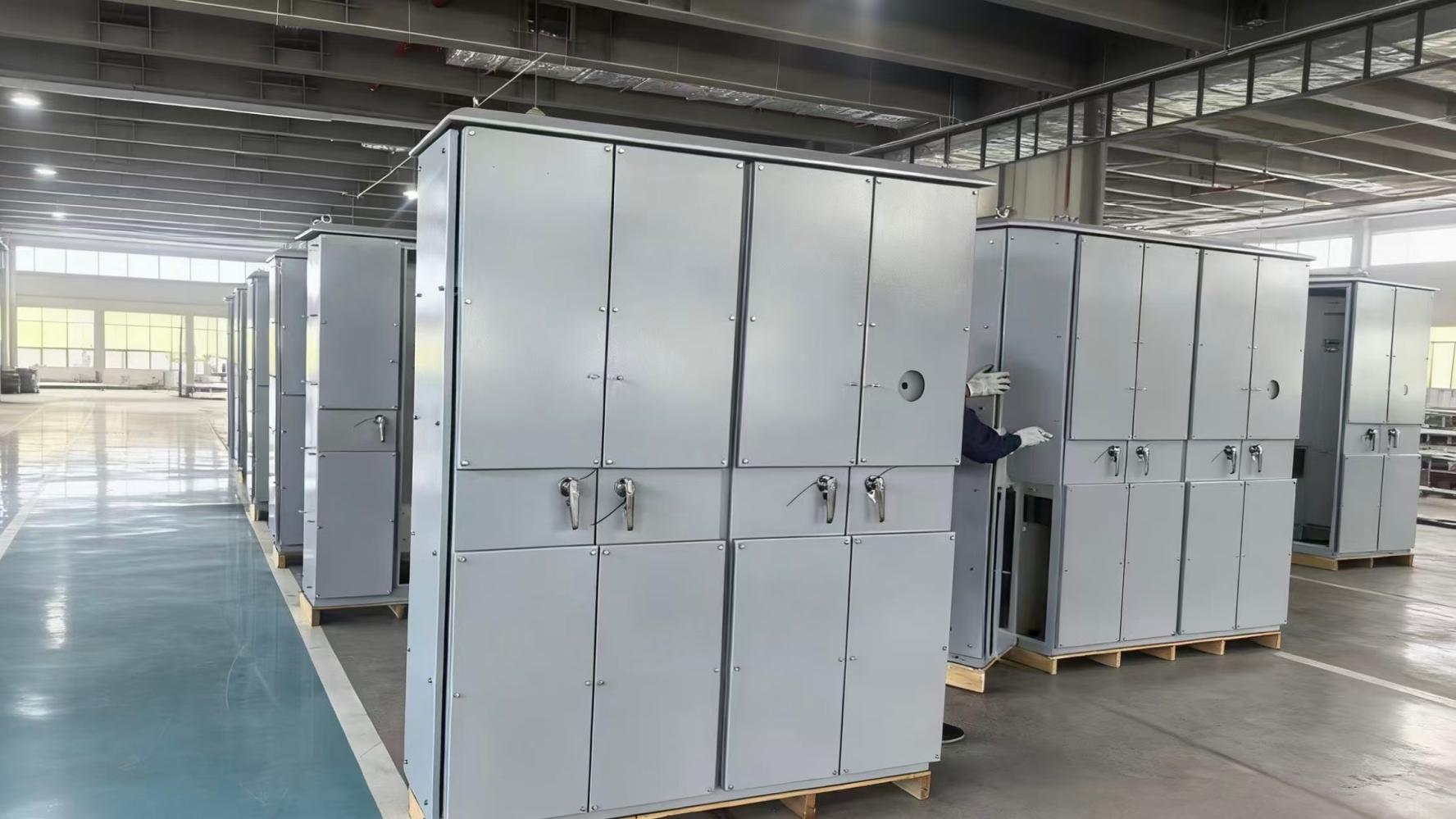
Our core product portfolio includes AC/DC Power Supply Panels, DC Power Systems, UPS (Uninterruptible Power Supply) Systems, Battery Chargers, DC Distribution Panels, AC Distribution Panels, Central Signal Panels, Power Monitoring Systems, Circuit Breakers, Power Feeding Panels, and other integrated power supply solutions. These products are widely applied in substations, power plants, industrial facilities, data centers, rail transit systems, and renewable energy projects.
The company is supported by a highly qualified team of engineers, technicians, and industry experts with extensive experience in power electronics and electrical engineering. Equipped with advanced manufacturing facilities, modern production lines, and comprehensive testing equipment, Sowest Electric ensures that every product meets stringent quality standards and international performance requirements.
Guided by the principles of integrity, professionalism, innovation, and mutual growth, Zhejiang Sowest Electric continuously invests in research and development to deliver efficient, intelligent, and reliable power solutions. The company has established a complete quality management system and adheres to strict production and inspection processes to guarantee product safety, stability, and long-term reliability.
Our corporate philosophy is centered on excellence, customer value, and sustainable development. We are dedicated to creating value for customers, opportunities for employees, returns for stakeholders, and positive contributions to society. Through continuous technological advancement and service improvement, we strive to help our customers achieve greater operational efficiency and energy reliability.
In the era of global economic integration, Zhejiang Sowest Electric remains focused on its strategic vision of professional R&D, intelligent manufacturing, and global marketing. By leveraging innovation, quality, and international cooperation, the company is steadily advancing toward its goal of becoming a globally recognized brand in the power supply and electrical equipment industry.
Zhejiang Sowest Electric Co., Ltd. – Powering Reliability, Driving Innovation.
Every step of our production process is strictly audited to ensure complete compliance with JIS, CE, and ISO guidelines.
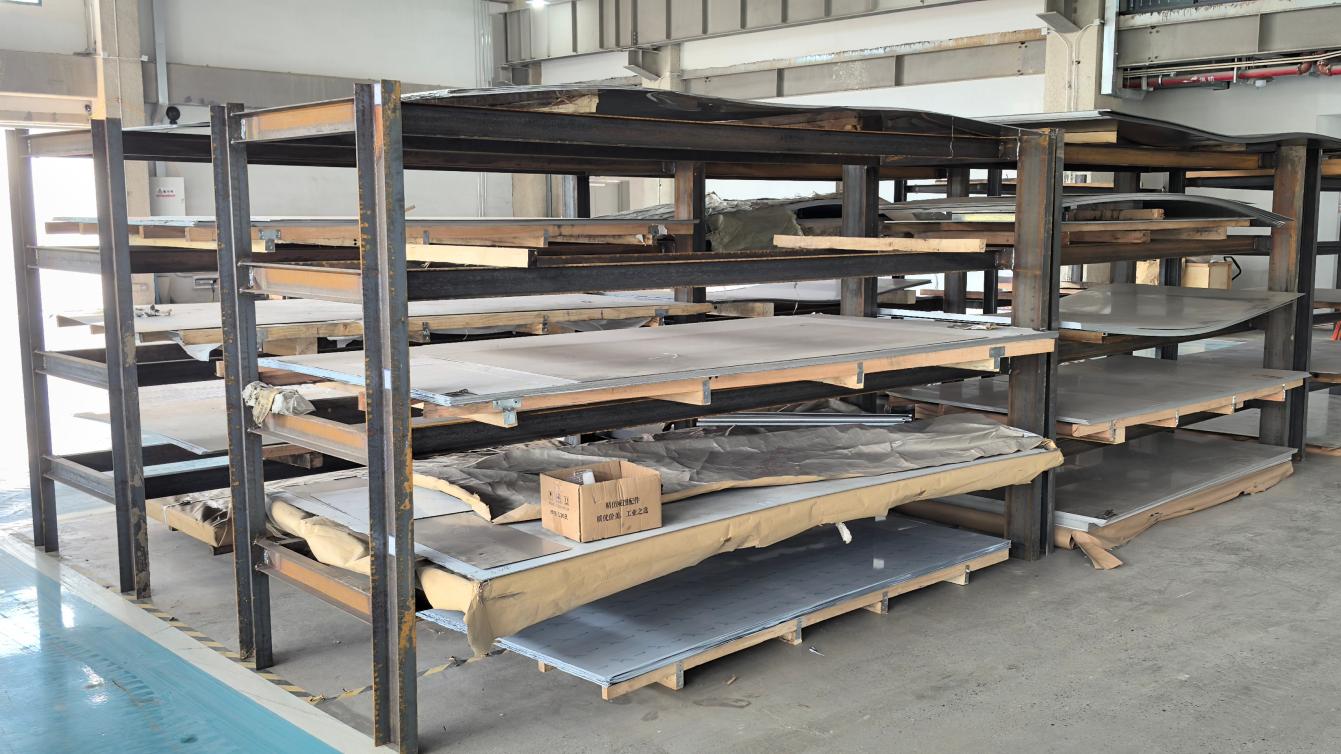
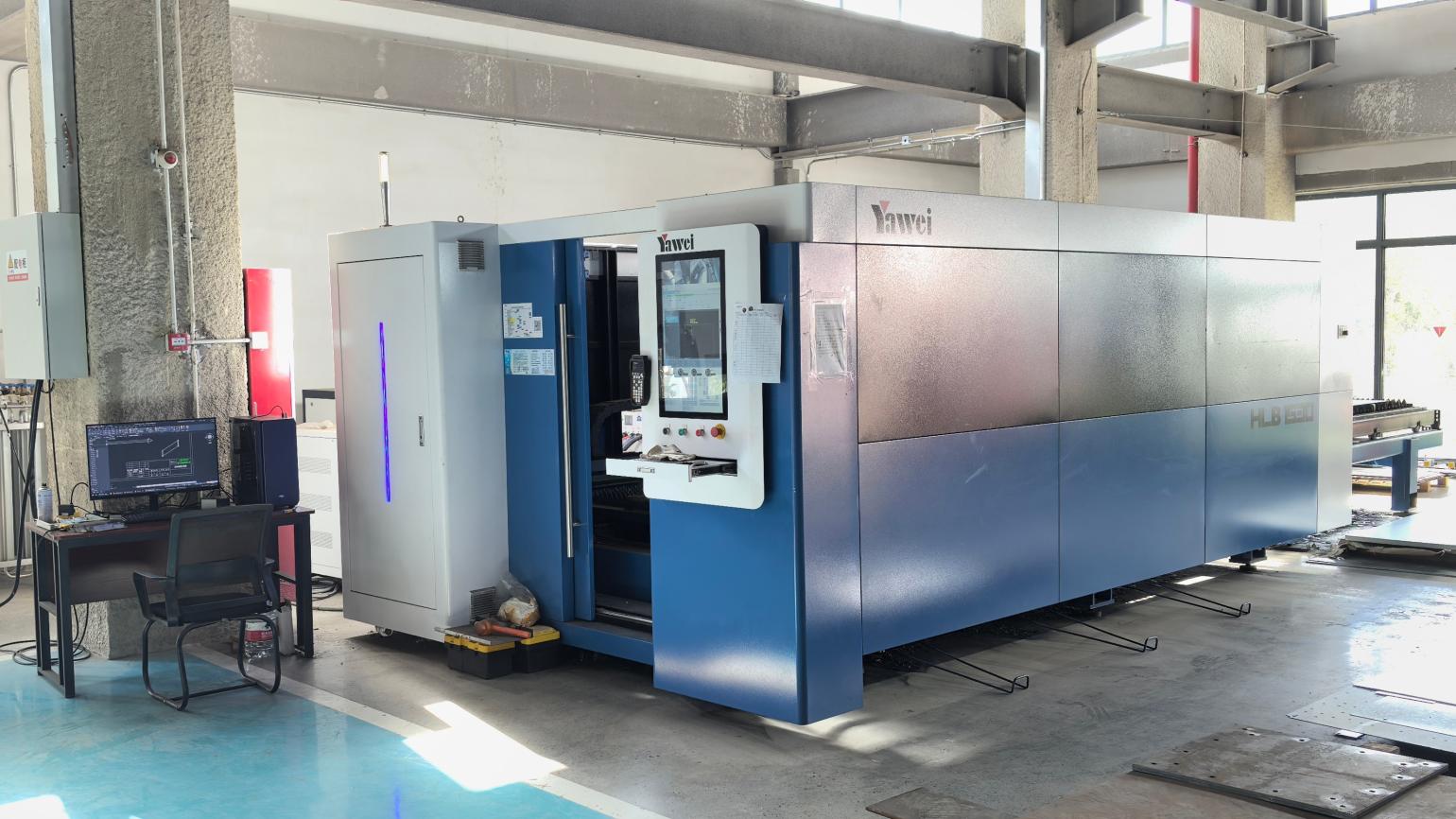
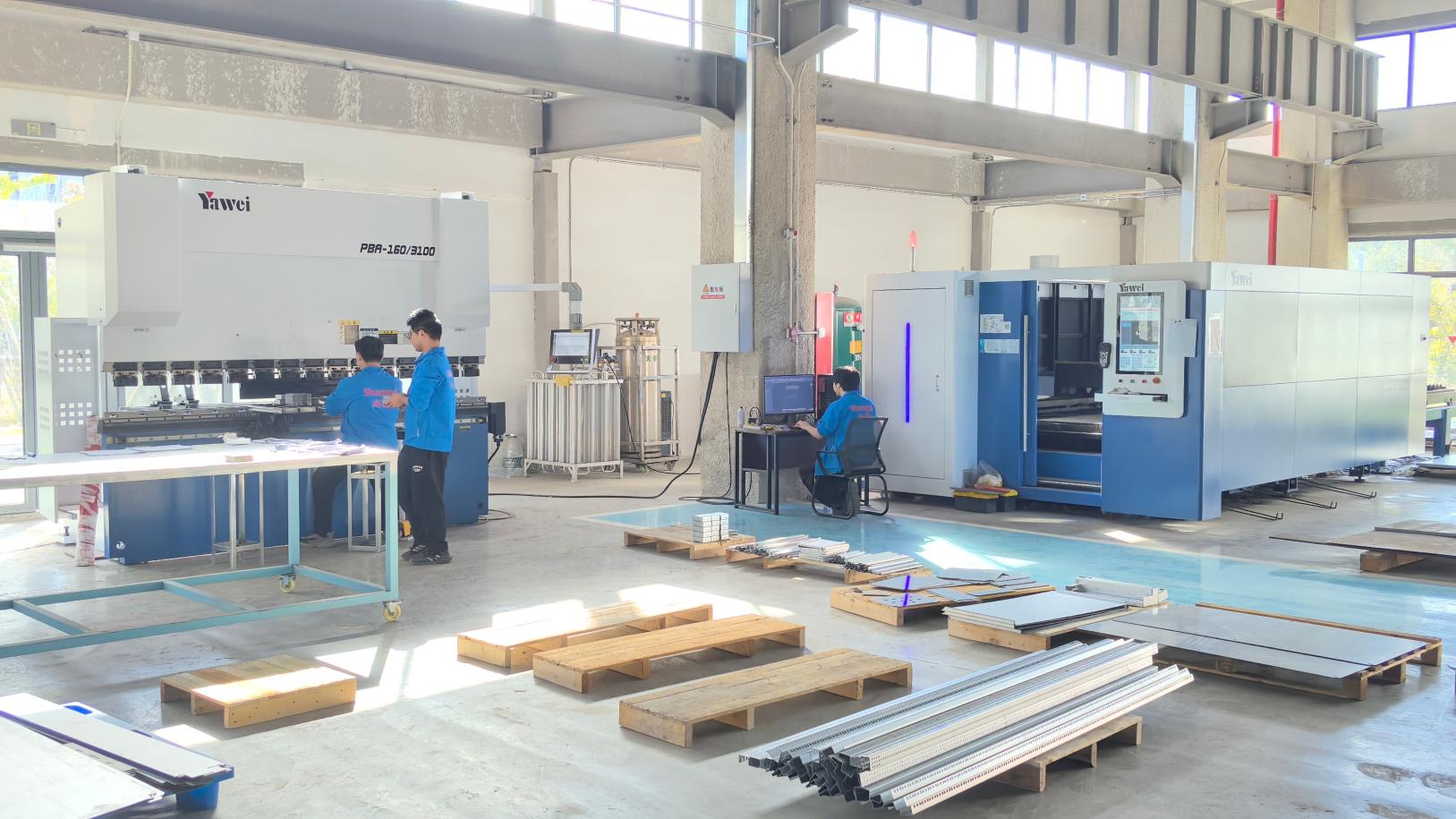
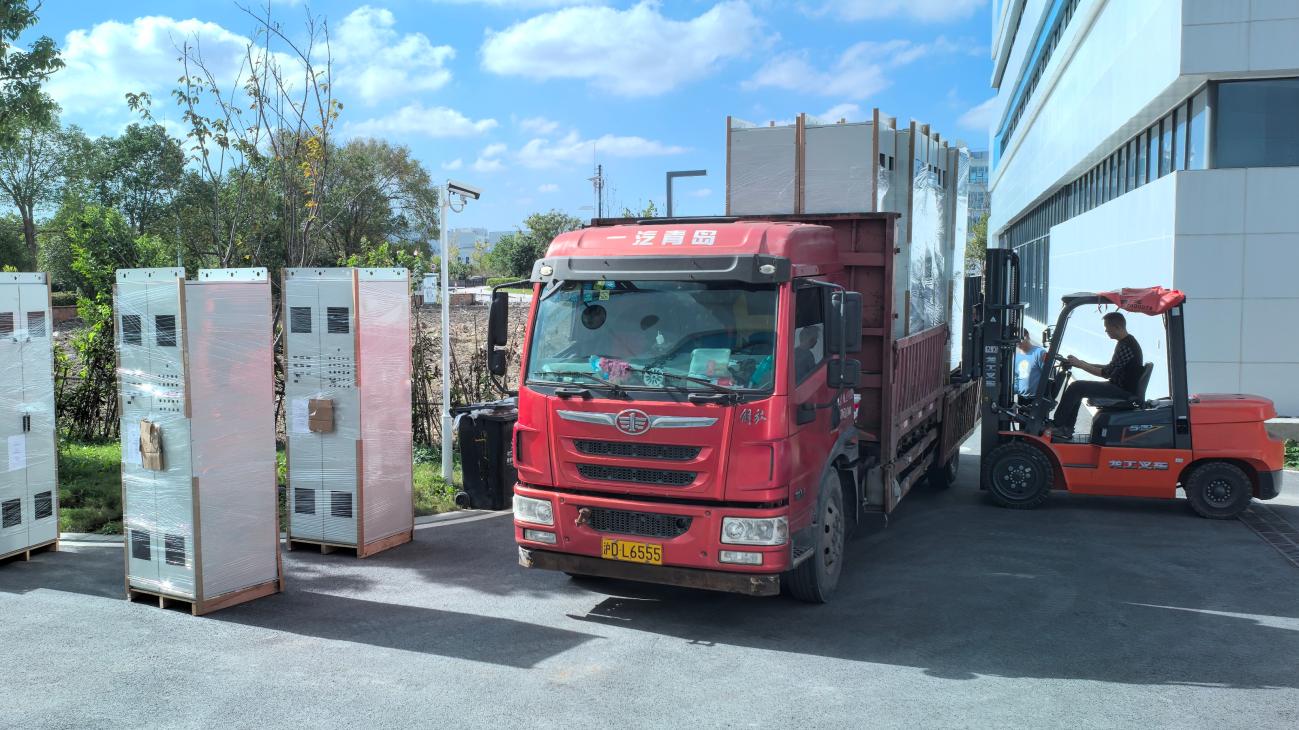
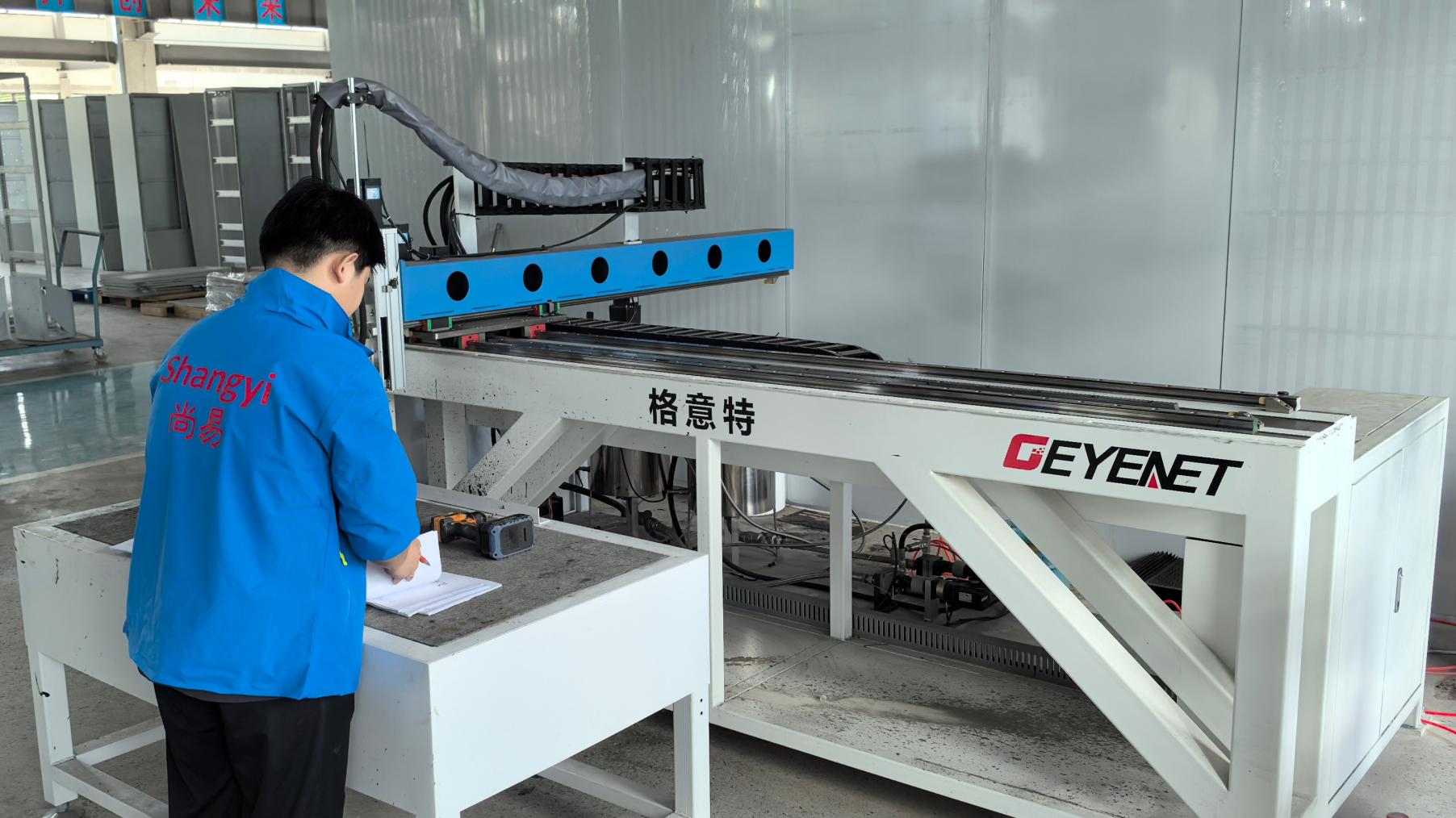
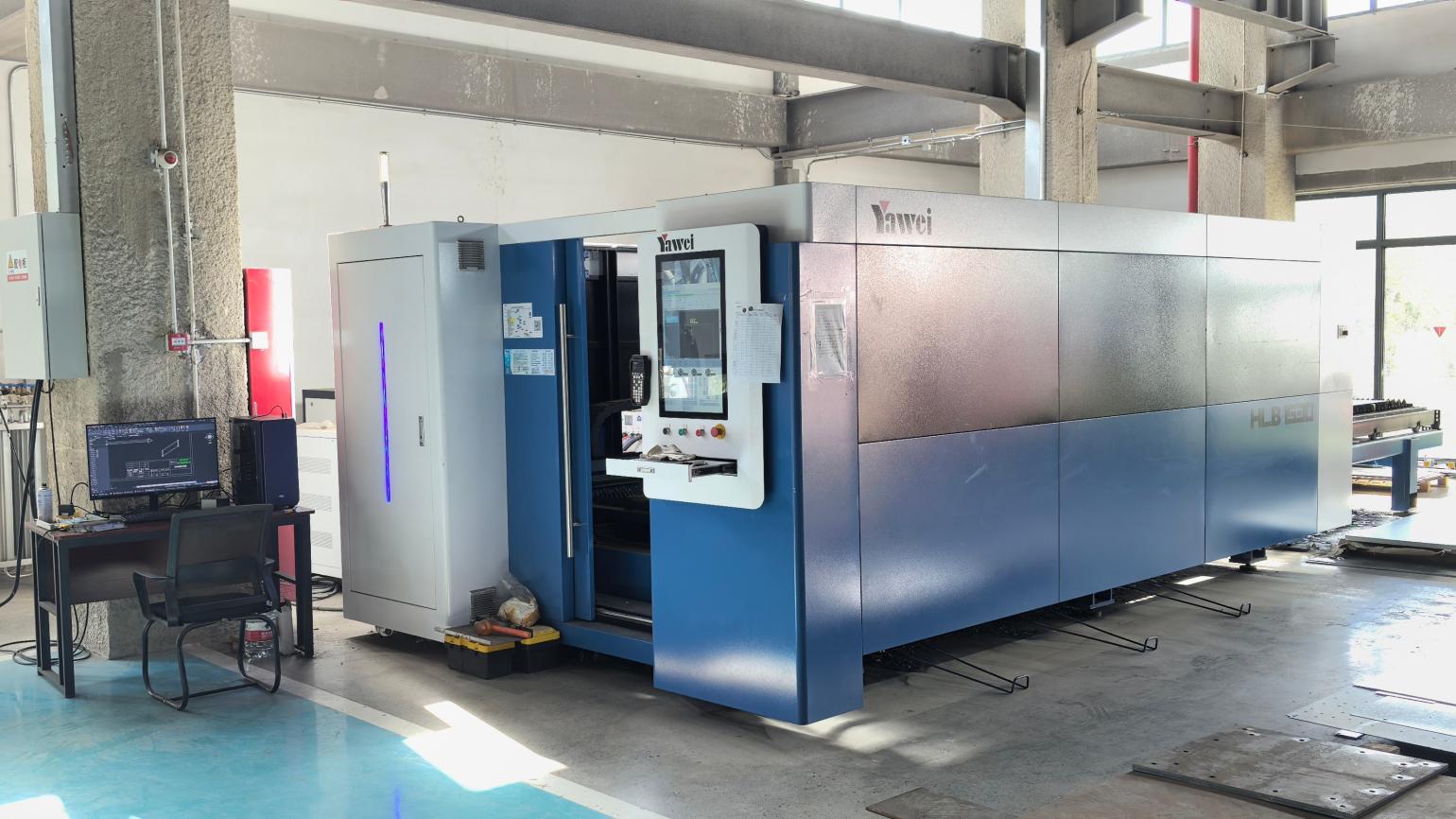
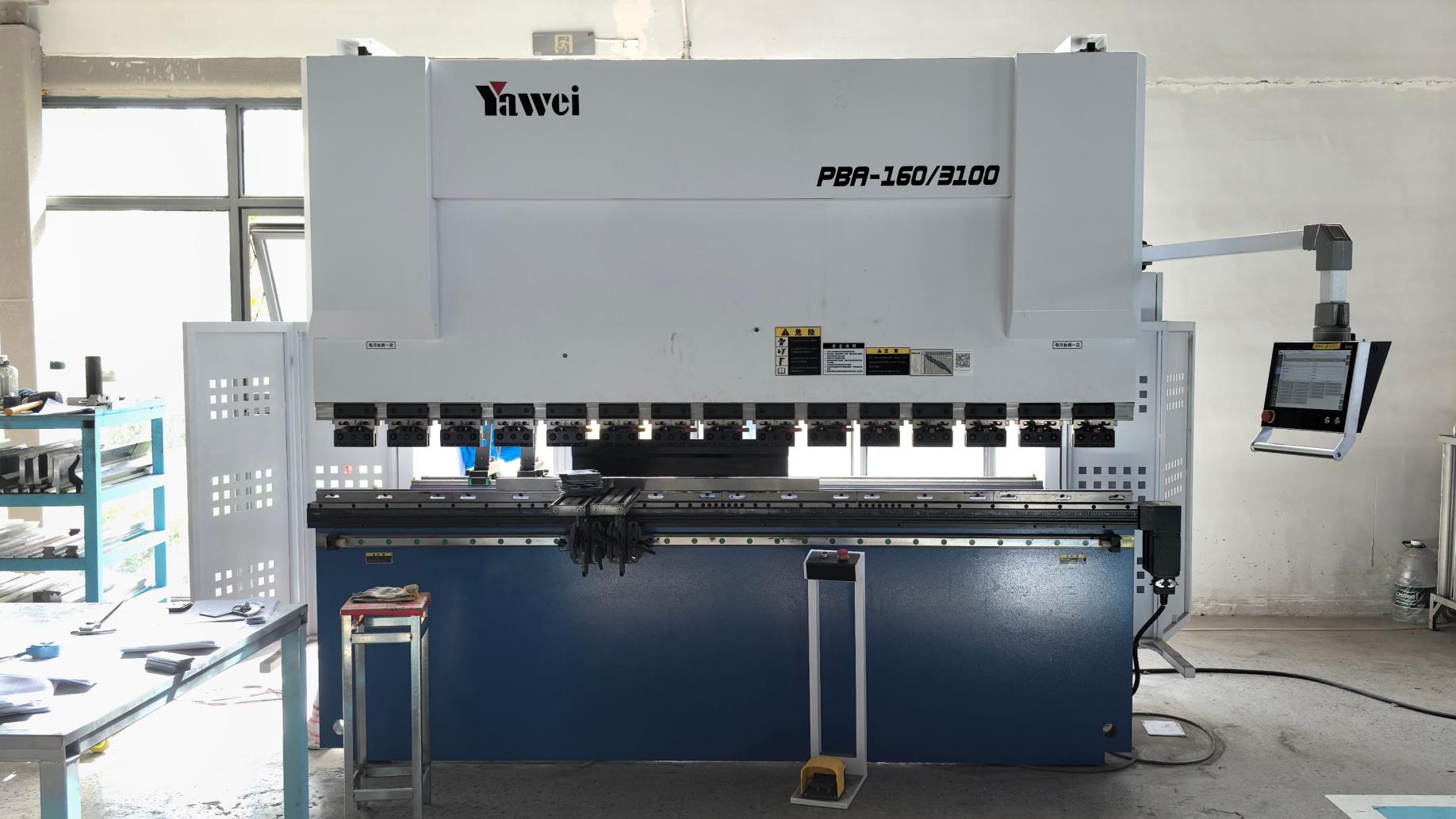
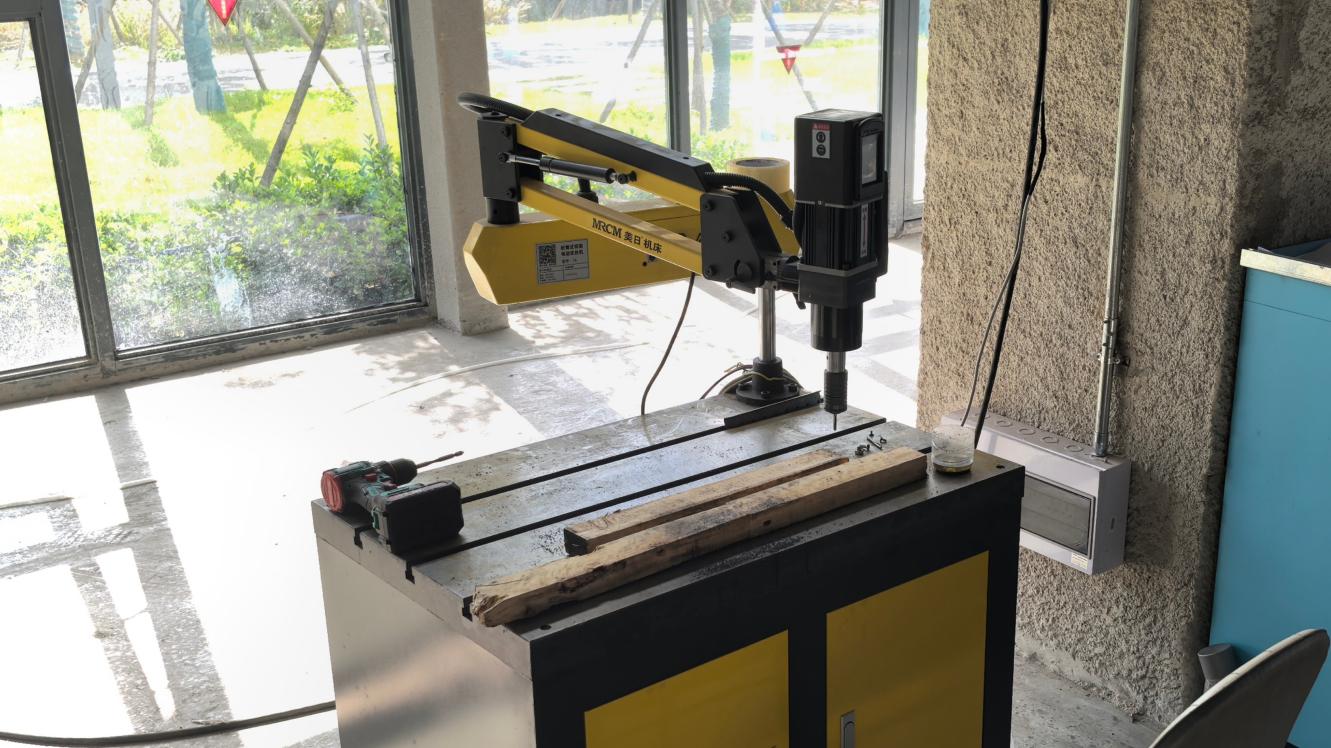
Japanese electrical requirements are historically rigorous. Many procurement managers face challenges sourcing cost-effective transformers domestically due to rising manufacturing costs in Japan. Sourcing from our Zhejiang-based facility combines the following structural advantages:
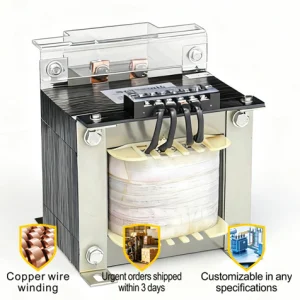
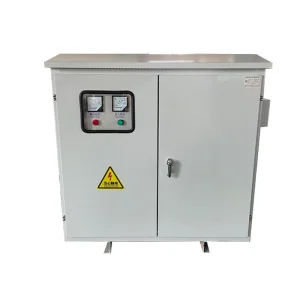
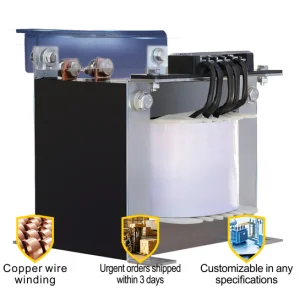
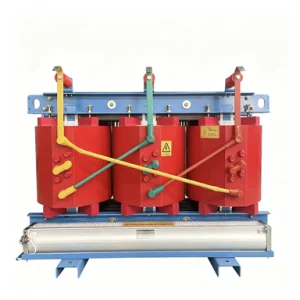
Explore our full engineering portfolio, ranging from high-frequency compact components to multi-megawatt step-down distribution systems.
Answering the most critical integration, safety, and supply chain questions from Japanese system developers.
Galvanic isolation introduces a complete physical air gap and magnetic link between the inputs and outputs, blocking direct DC pathways. This prevents common-mode noise, transient spikes, and ground loops from transferring between sections. In Tokyo's dense grids, nearby heavy machinery switching can induce severe transients. Autotransformers cannot block these voltages since their windings share a common connection.
Our engineering team references JIS C 8711 and relevant safety layouts. We utilize high-temperature Class H (180°C) and Class R (220°C) insulation materials, perform double insulation tests, and execute rigorous dielectric strength testing up to 4000V AC to guarantee total compliance for Japanese systems.
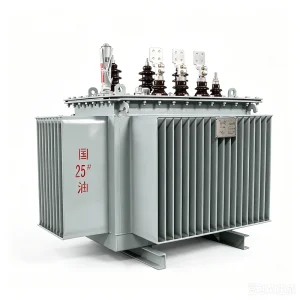
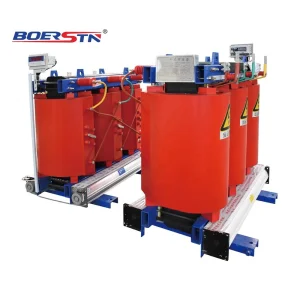
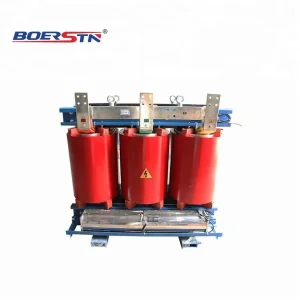
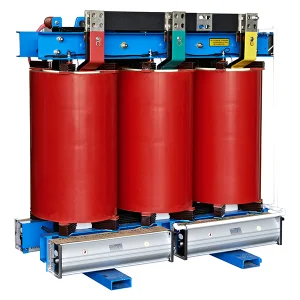
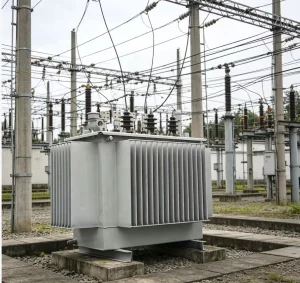
Dry-type cast resin (such as our SC10 series) is ideal for dense urban areas like Chiyoda-ku or Shinjuku because it is self-extinguishing, contains no toxic oils, and poses zero fire risk. Oil-immersed models are typically reserved for outdoor substations or large-scale utility scale arrays where environmental isolation is required.
An electrostatic shield is a thin copper layer placed between the primary and secondary winding. High-frequency transients from switching circuits have high capacitive coupling. The shield shunts this capacitive charge directly to the ground point, preventing it from transferring to the secondary side.
Typically, custom models require 2 to 3 weeks for engineering and validation, followed by 5 to 7 days sea freight from Ningbo/Shanghai Port directly to the Port of Tokyo. This matches or beats the production schedules of local Japanese manufacturers while offering substantial cost benefits.
Get custom engineering consultation, detailed mechanical CAD drafts, and direct wholesale pricing for Tokyo markets.
Send Inquiry Now Sowest Electric