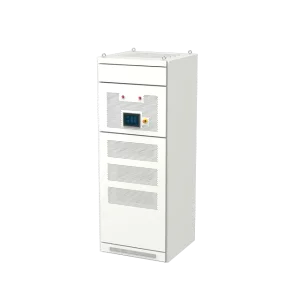
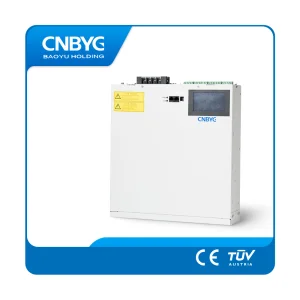
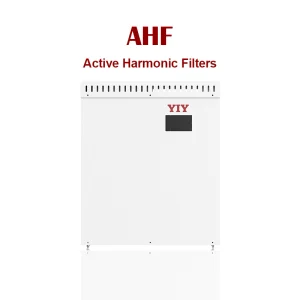
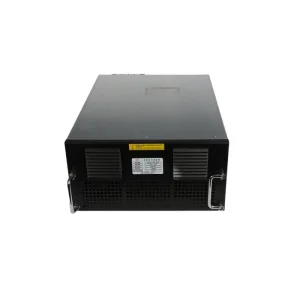
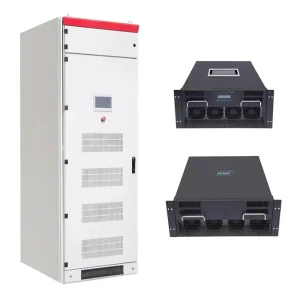
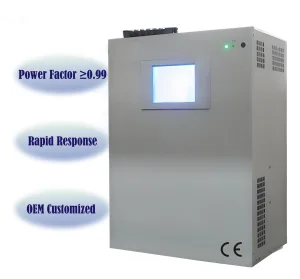
1. OverView
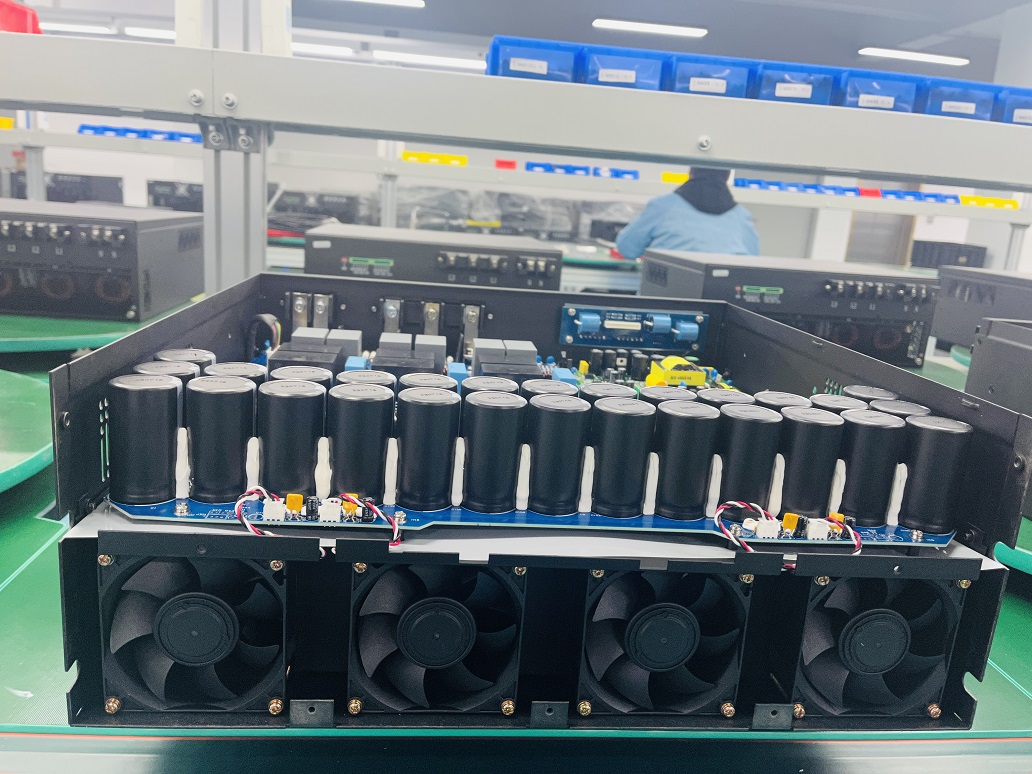
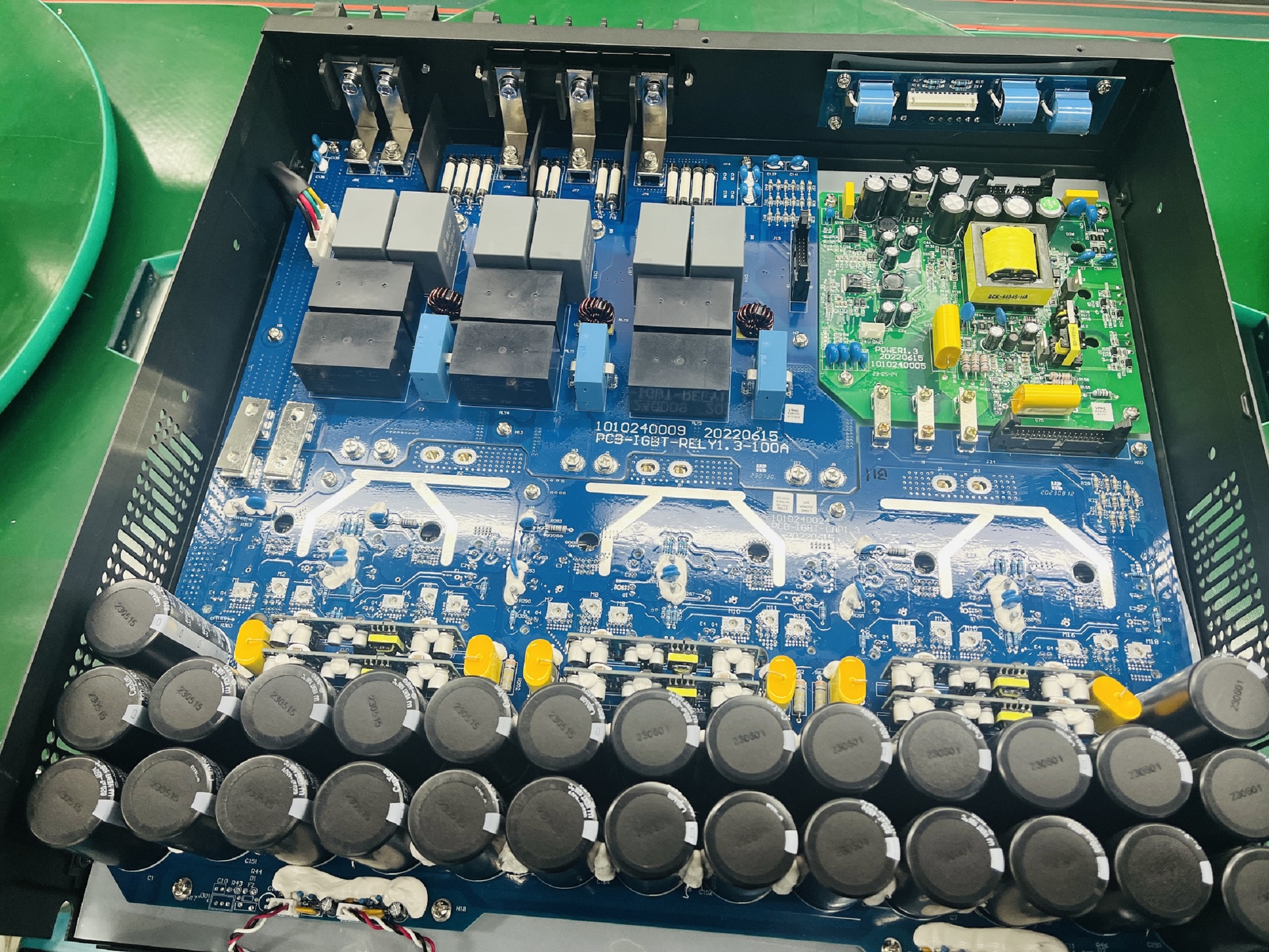
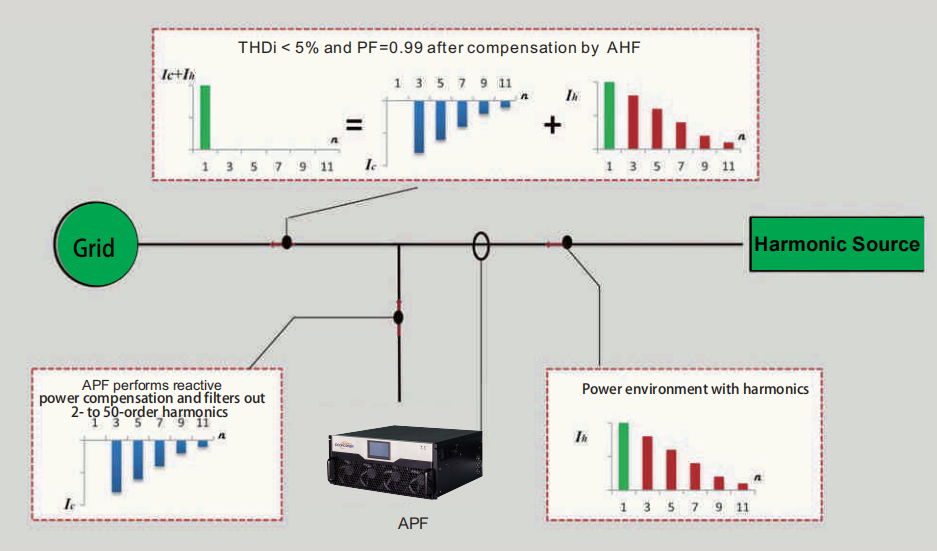
APF checks the load current in real time through the external CT, performs computing through the internal DSP, and then extracts the harmonic components of the load current. After that, it sends the harmonic components to the internal IGBT through PWM signals to control the inverter to generate a current with a power equal to that of the harmonic and a direction reverse to that of the harmonic. Then, it injects the current into the compensation harmonic current to implement the filtering function.
FAQ
What is the primary function of this APF system?
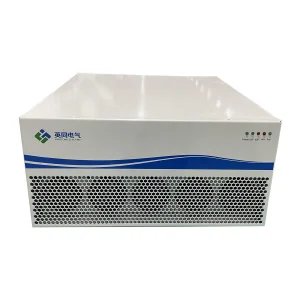
The Active Power Filter (APF) is designed to monitor load current in real-time, extract harmonic components, and inject compensating current to effectively filter out harmonics from the power grid.
What are the available installation options?
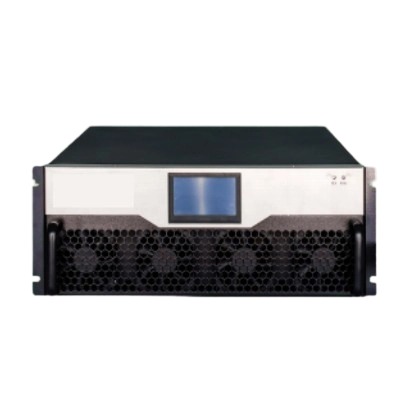
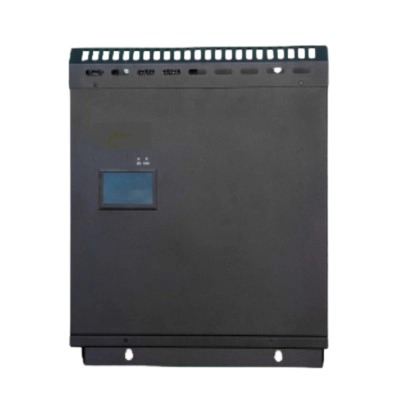
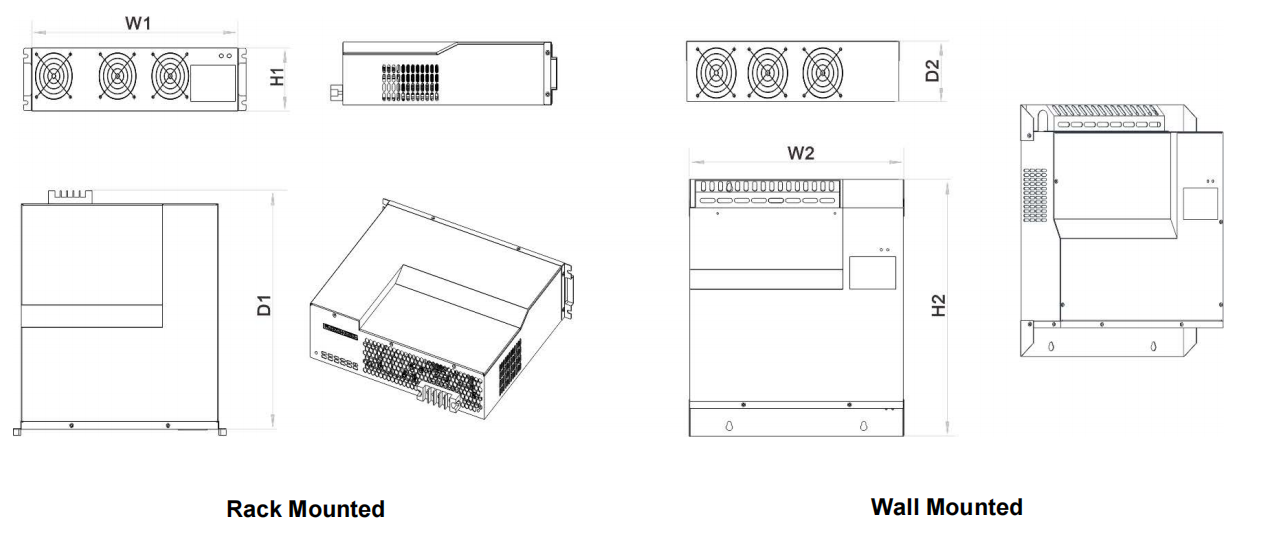
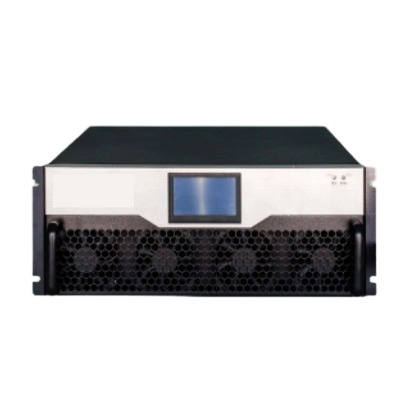
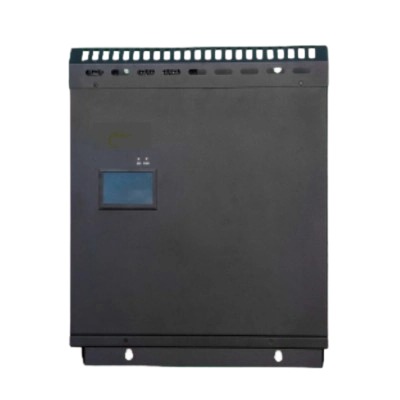
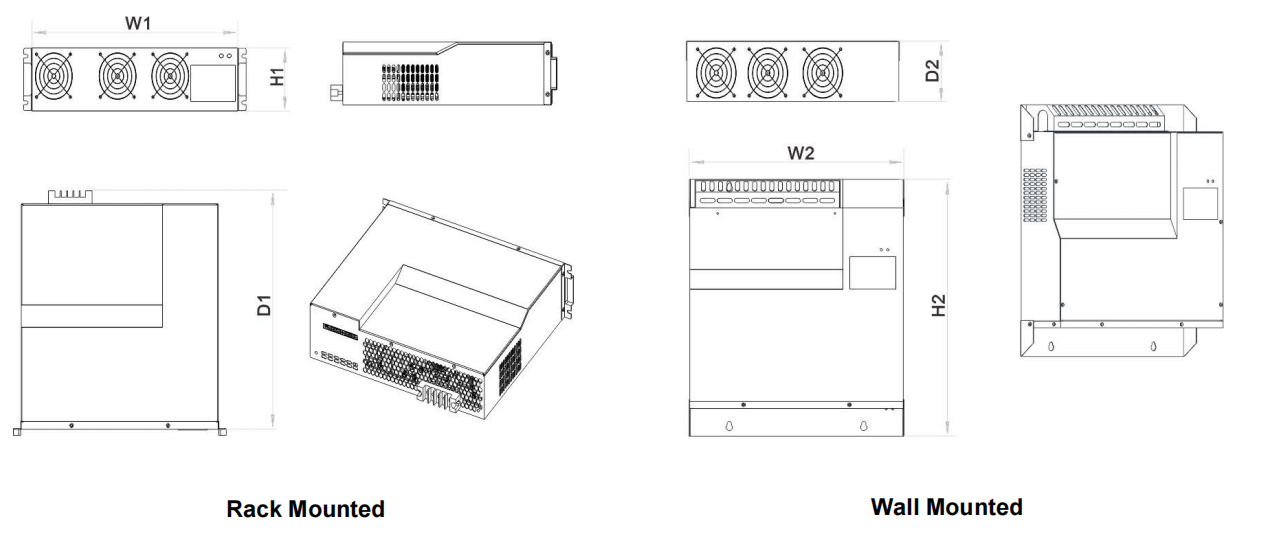
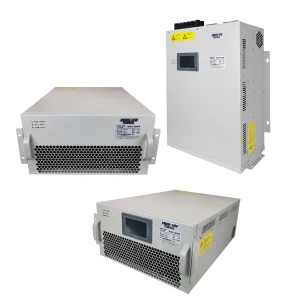
This equipment supports both Rack Mounted and Wall Mounted installation methods to accommodate different cabinet and space requirements.
How fast is the response time of the system?
The overall response time of the system is less than 10 milliseconds, ensuring rapid and accurate harmonic compensation.
Does this unit support remote monitoring?
Yes, it features RS485 communication with MODBUS-RTU protocols, allowing for both independent and centralized monitoring.
Can this unit operate in high-altitude environments?
Yes, the system is designed to handle various altitudes. For altitudes between 2000m and 4000m, power adjustment is applied according to GB/T3859.22 standards.
 Sowest Electric