Explore our industrial-grade components engineered for high-availability power monitoring, transient mitigation, and active harmonic compensation.
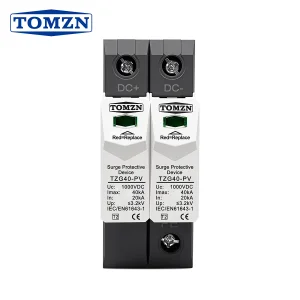
Modern industrial complexes, hyperscale data centers, and advanced distribution grids operate under heavy capacitive and inductive loads. The integration of non-linear power consumers—such as variable frequency drives (VFDs), heavy machinery, and renewable energy inverters—has introduced significant system-wide degradation, primarily through harmonic distortion, voltage dips, and transient surges. To maintain grid reliability and structural integrity, deploying highly responsive Load Monitoring Devices and active grid management solutions is no longer optional; it is a critical baseline for operational continuity.
A sophisticated load monitoring infrastructure serves as the central nervous system of any electrical network. By capturing high-fidelity real-time telemetry (including current, voltage, active power, reactive power, power factor, and total harmonic distortion), these devices feed actionable analytics directly into supervisory control and data acquisition (SCADA) networks. This level of granularity enables predictive maintenance, mitigates insulation thermal stress in isolation transformers, prevents premature tripping of circuit breakers, and ensures complete compliance with global grid-code requirements such as IEEE 519 and IEC 61000.
China has established itself as the undisputed epicenter for power distribution and monitoring manufacturing. The industrial cluster in Zhejiang province, led by pioneering enterprises like Zhejiang Sowest Electric Co., Ltd., integrates vertical supply chains, raw material sourcing, automated machining, and state-of-the-art diagnostic testing under one operational umbrella. This concentration of engineering capability creates distinct cost-to-performance advantages, enabling accelerated R&D cycles and fast-tracked product customization.
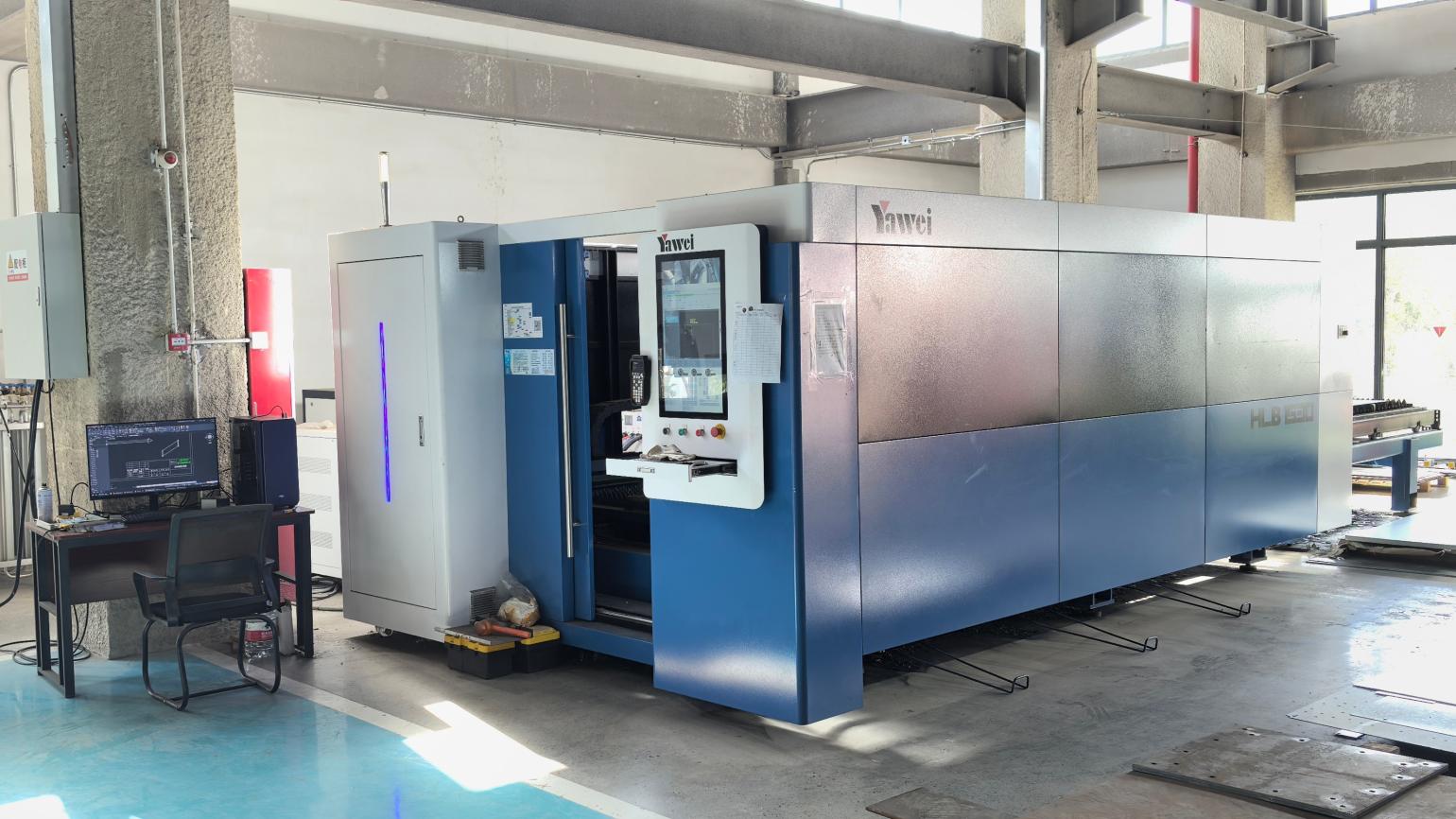
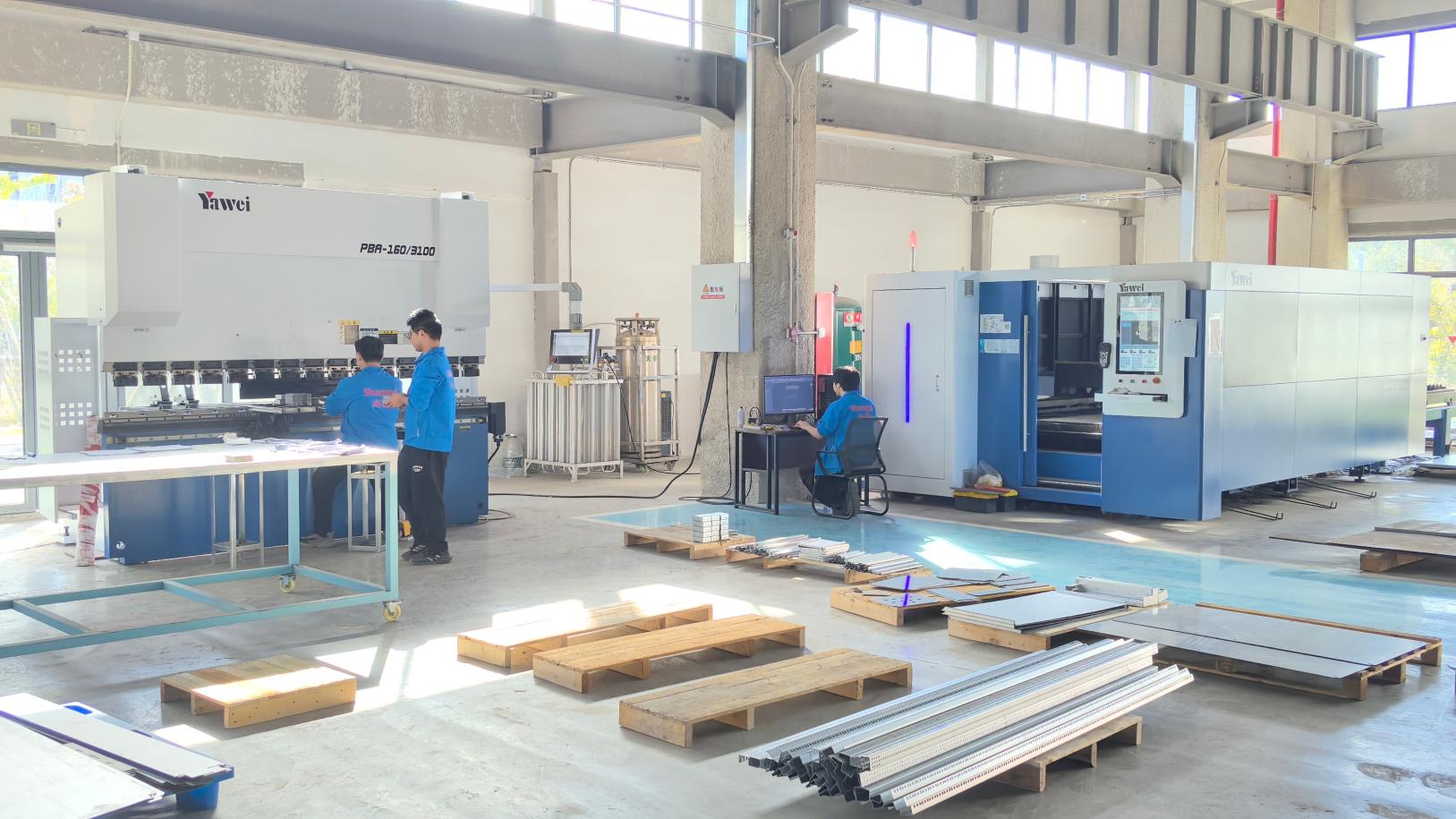
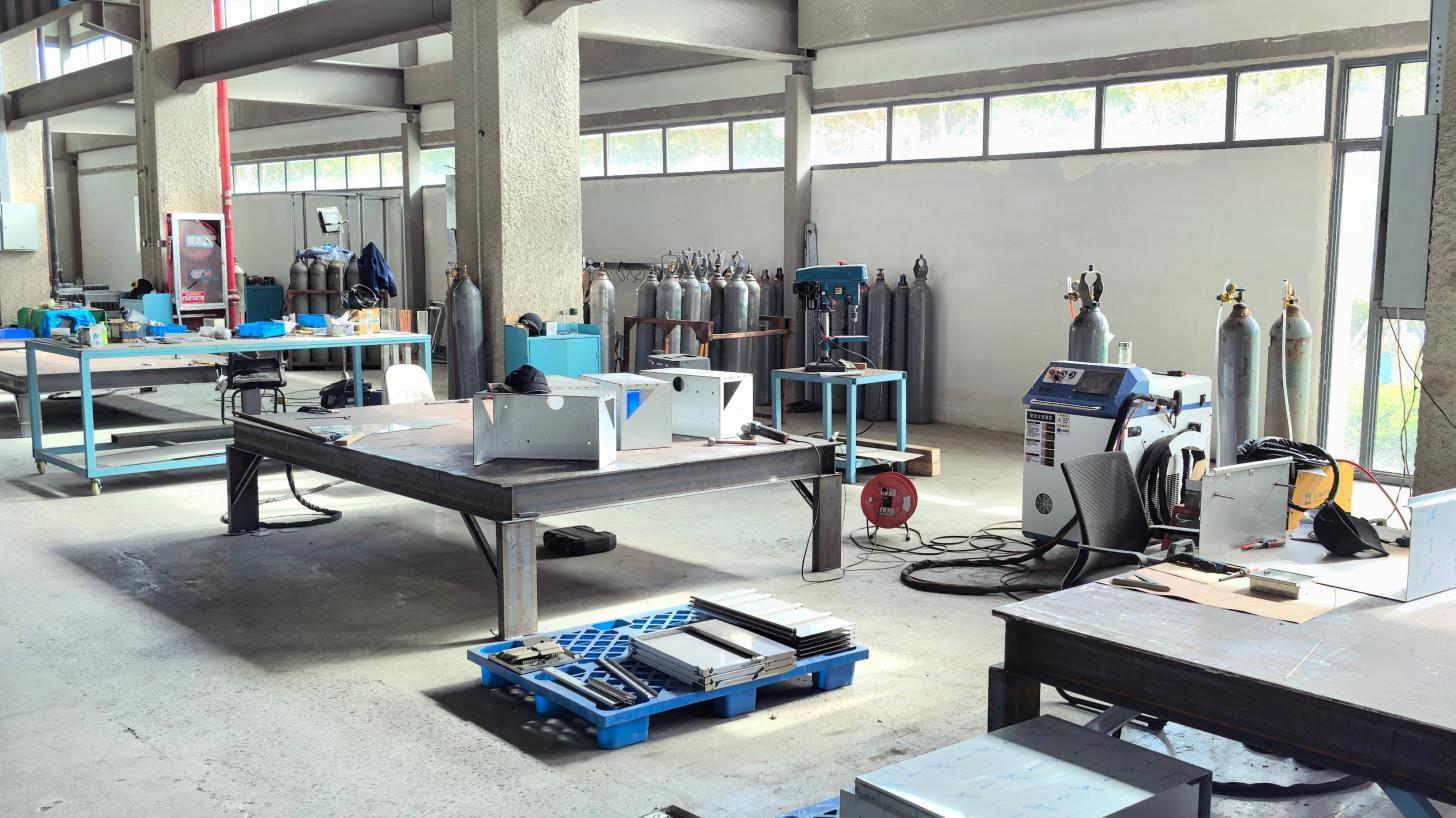
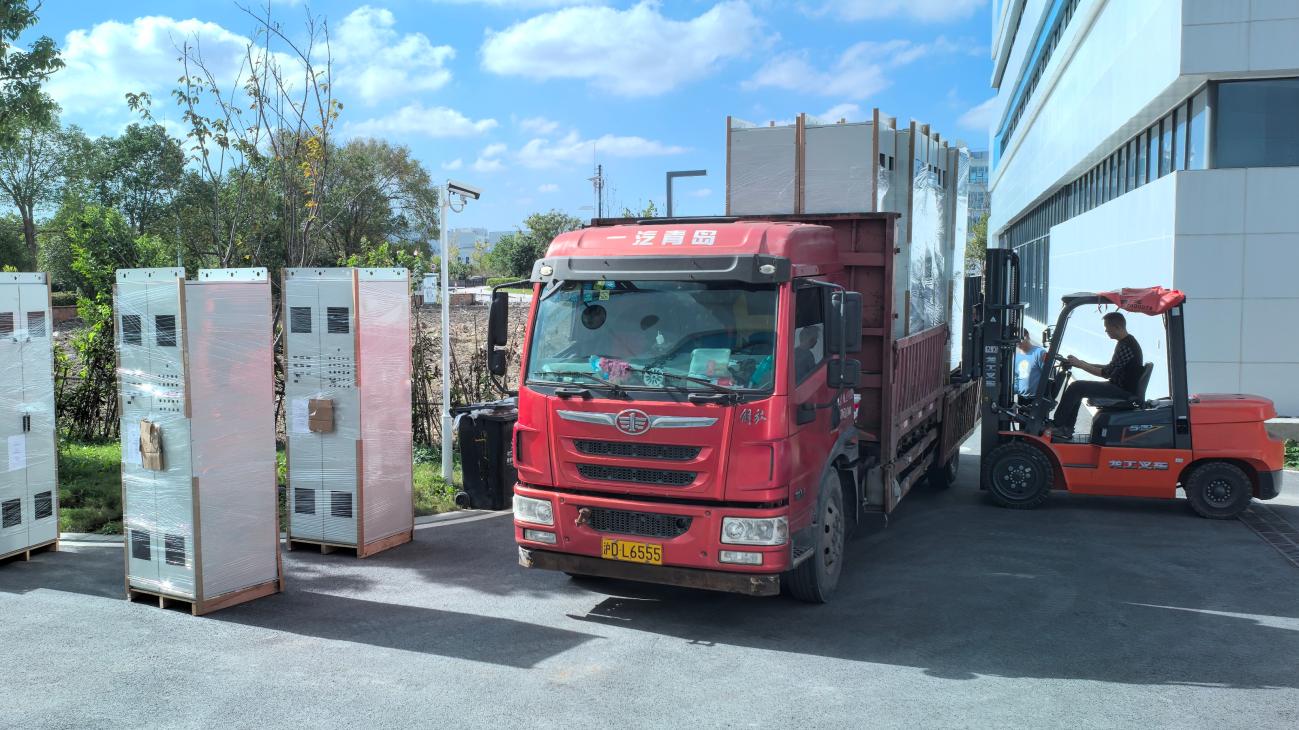
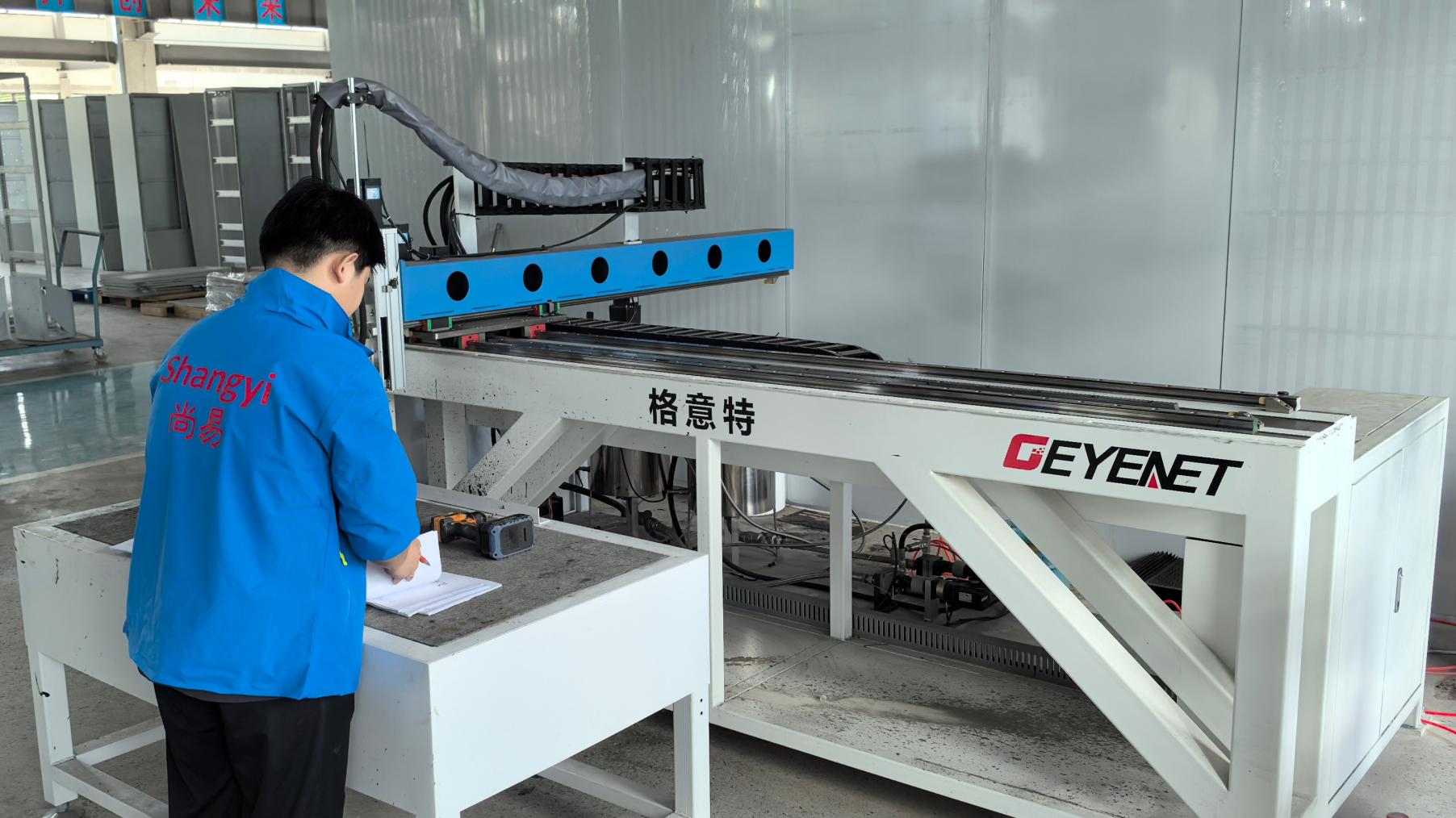
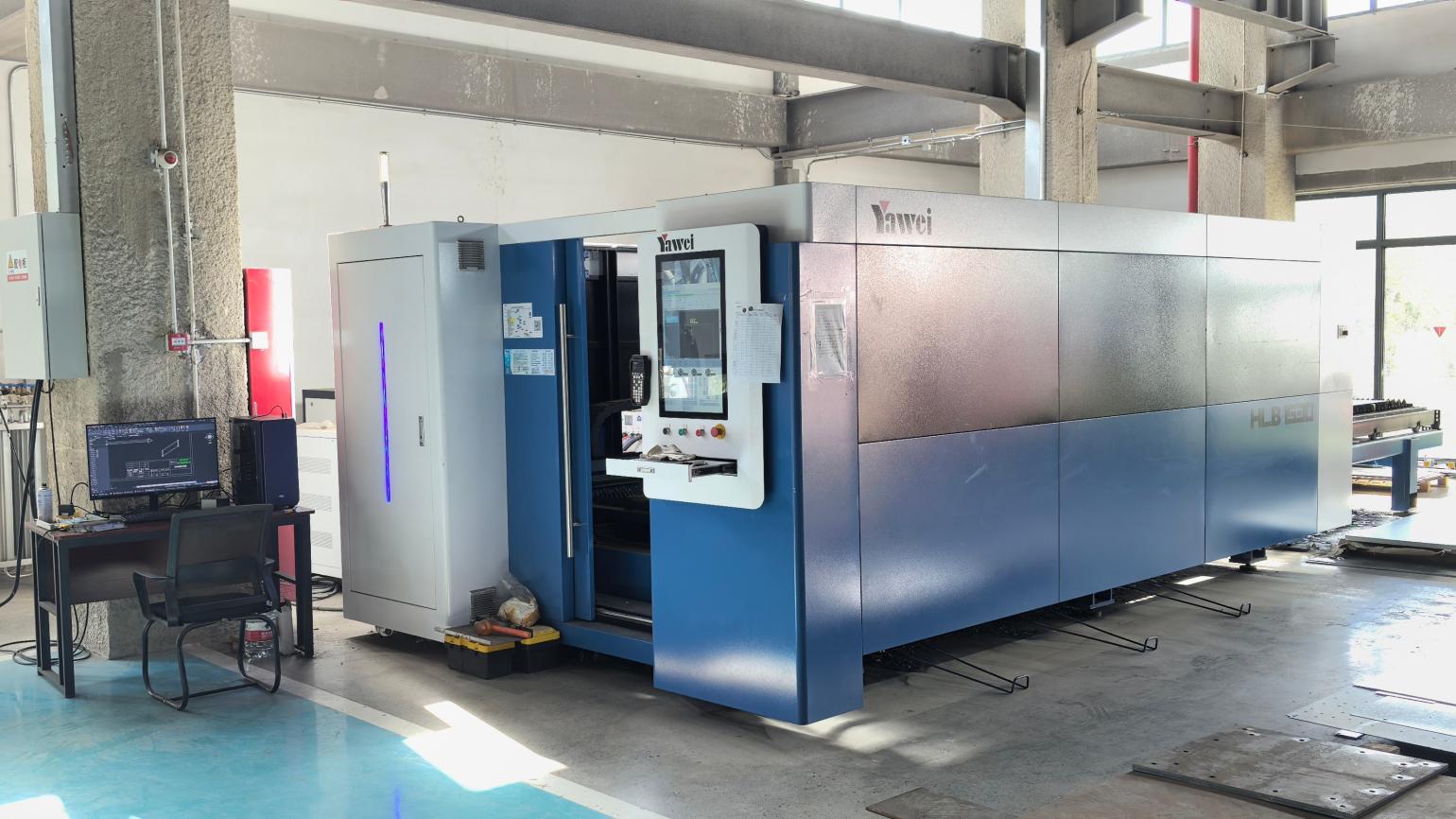
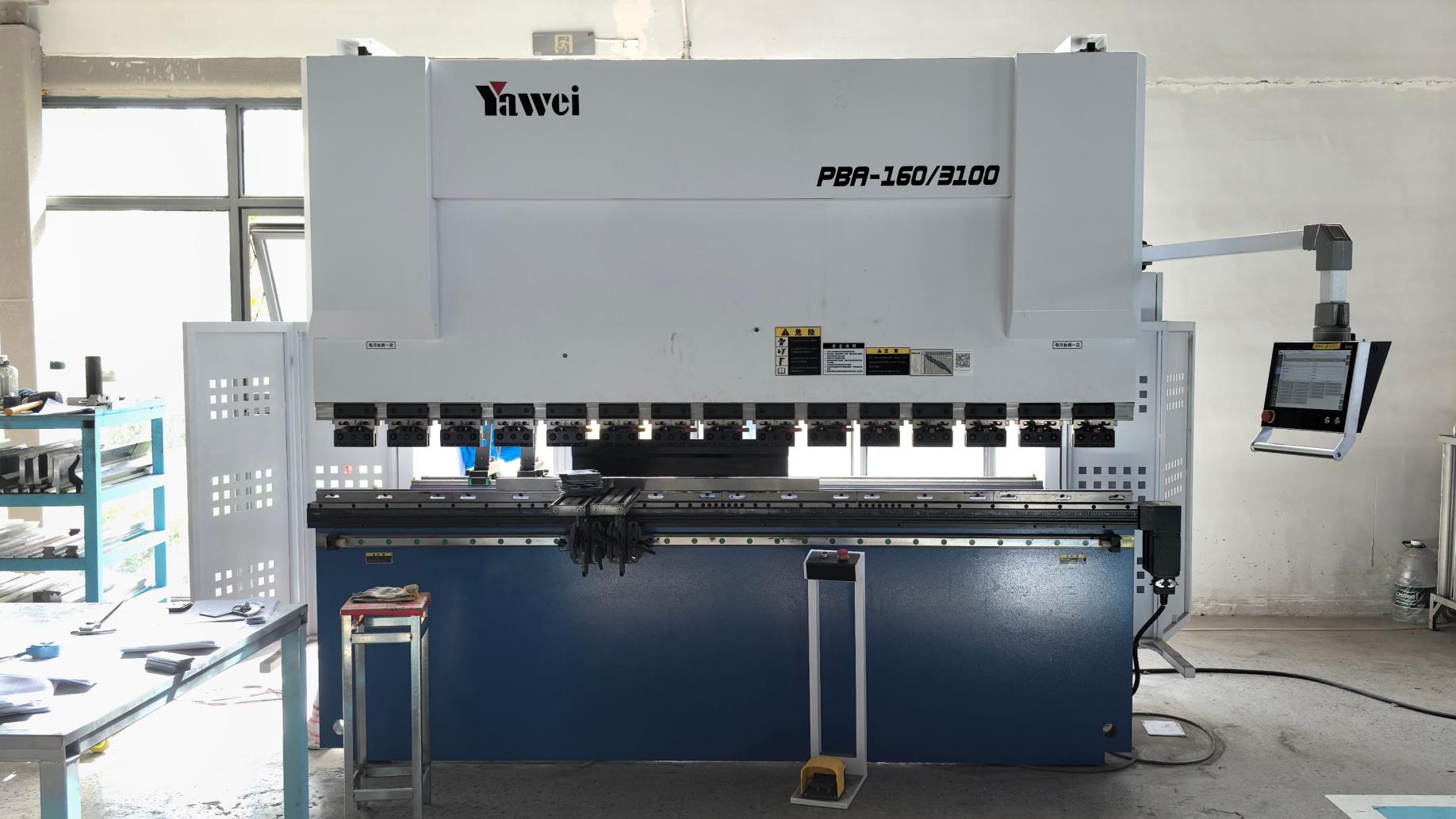
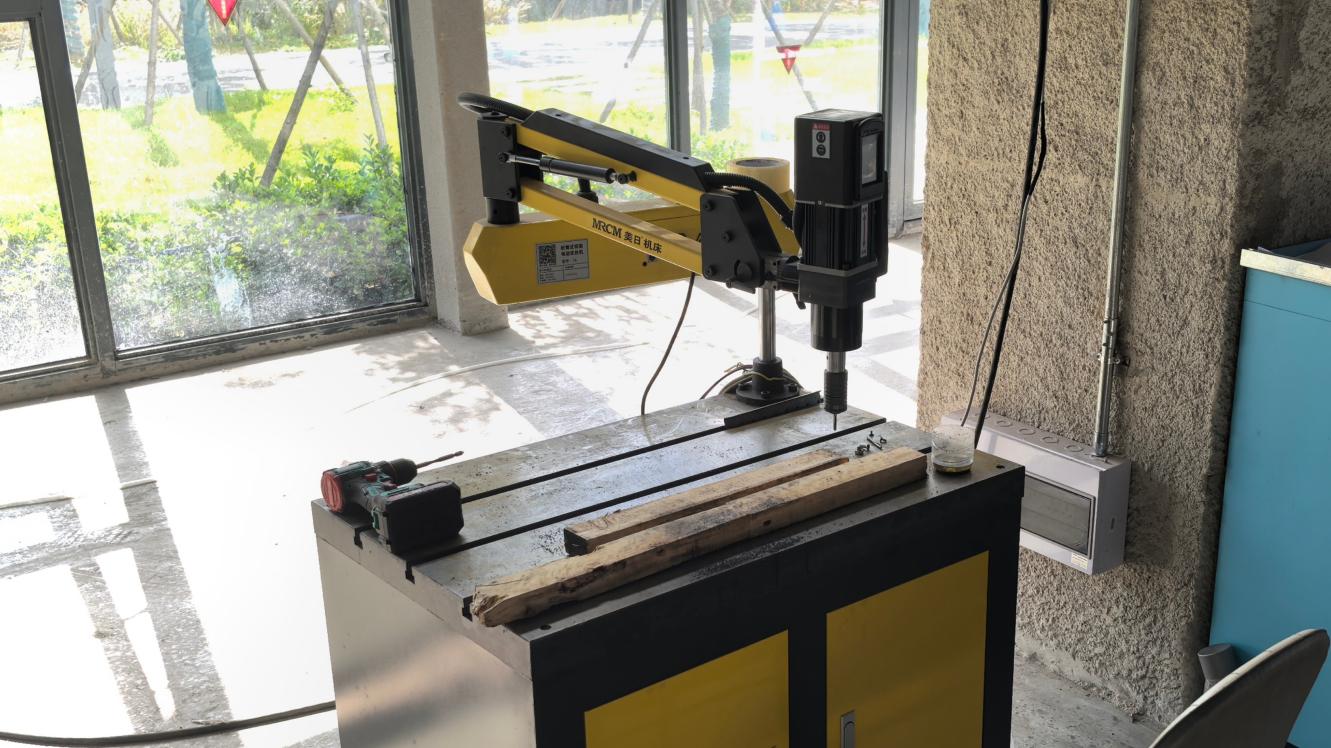
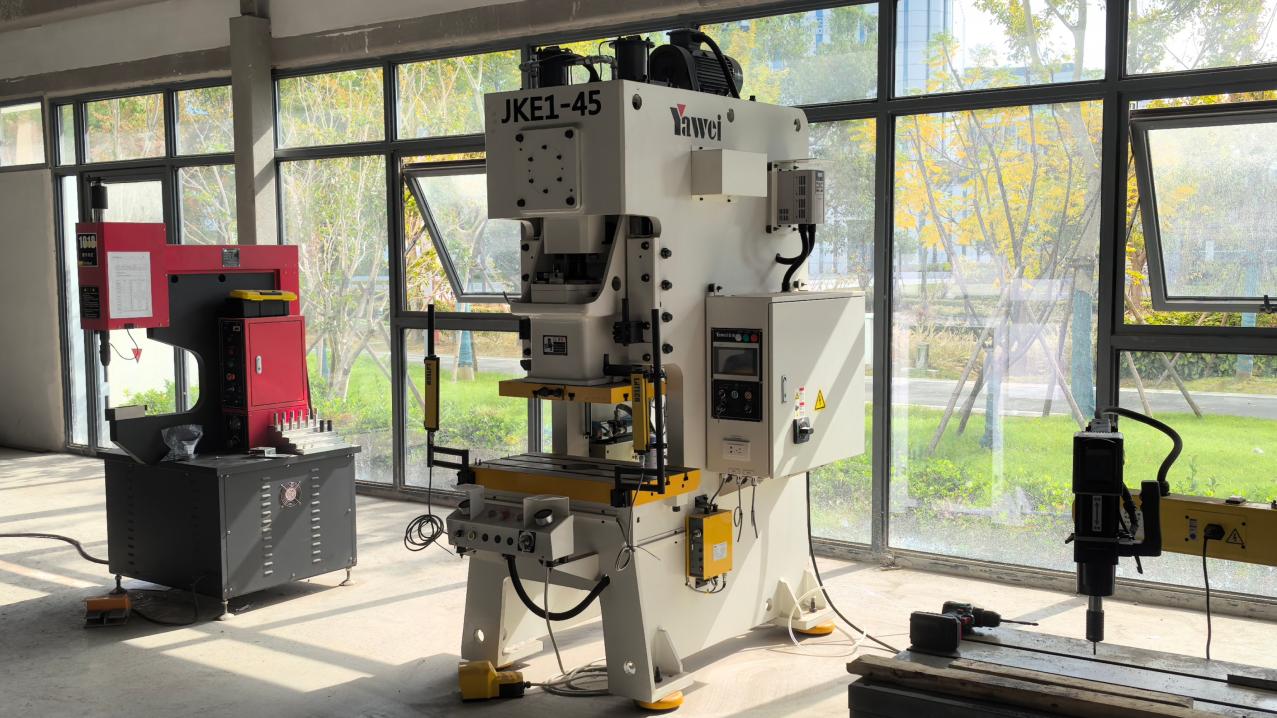
Our manufacturing workflow leverages fully integrated automation technologies including CNC shearing, fiber-optic laser cutting, automated welding, robotic dispensing for IP-rated environmental enclosures, and automated tapping. This ensures that every high-power cabinet, automatic transfer switch, and isolation transformer is built to sub-millimeter tolerances, providing superior thermal dissipation and structural longevity in harsh industrial zones. By centralizing operations, Chinese factories bypass external supply bottlenecks, ensuring predictable lead times and robust quality assurance from raw copper wire processing to final multi-point electrical load validation.
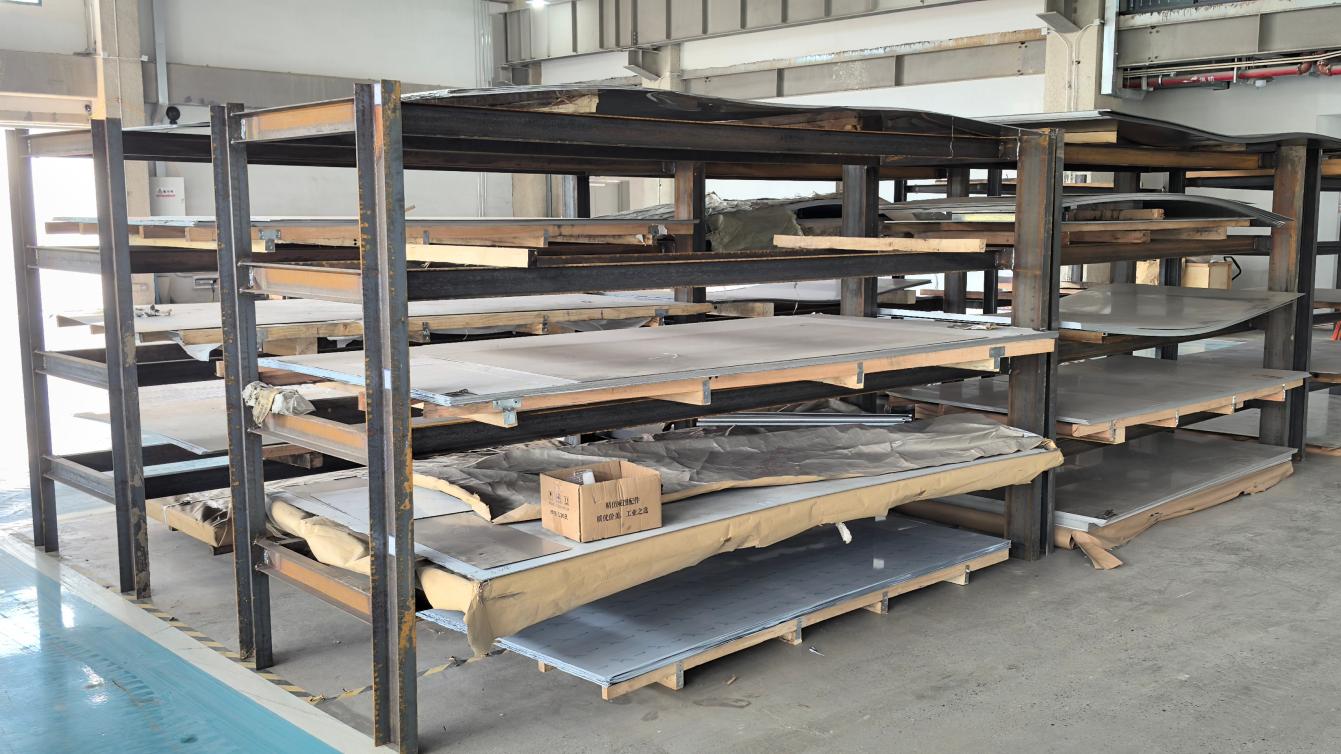
Direct procurement of high-grade silicon steel sheets, electrolytic copper, and top-tier power electronics allows for comprehensive quality control at every assembly junction.
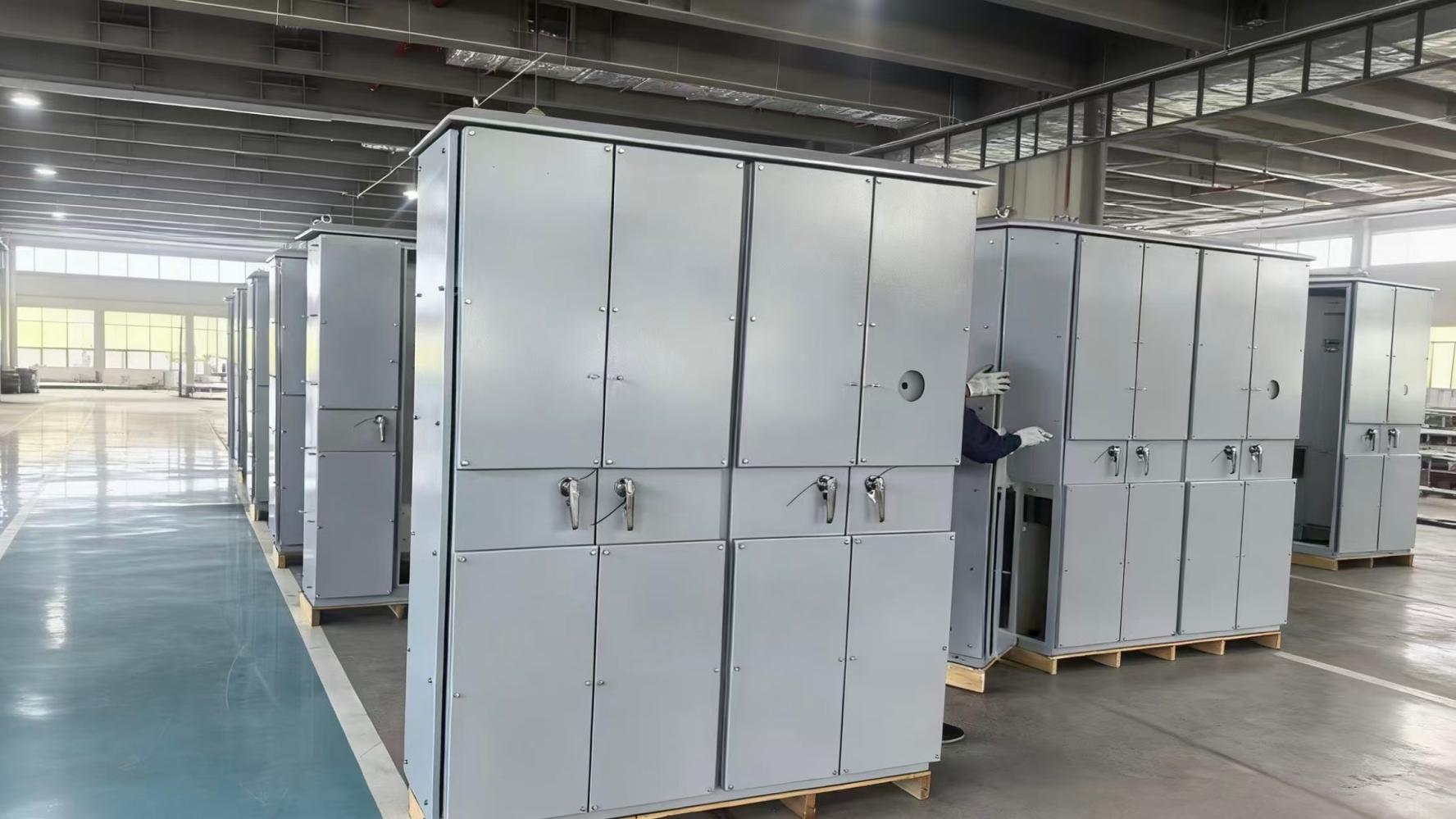
Deploying automated fiber laser cutters and precision dispensing machines ensures IP54/IP65 ingress protection ratings for all outdoor distribution cubicles.
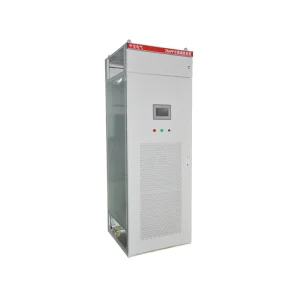
Every active power filter (APF) and static var generator (SVG) undergoes complete simulated load profiling and thermal imaging before shipping.
All items comply fully with IEC, CE, GB, and UL guidelines, guaranteeing safety, insulation resilience, and seamless integration into foreign utility networks.
Managing the electrical load of a facility is a multi-layered challenge that extends far beyond simple measurement. True network stabilization requires a coordinated response using passive and active filters, isolation barriers, high-speed switching, and static var compensation. Below is a breakdown of how these modular elements operate in unison within modern power architecture:
Harmonics generated by non-linear loads induce voltage distortion and severe overheating in copper windings. An Active Power Filter (APF) acts as a dynamic current source, monitoring the load current in real time, extracting the harmonic components via fast Fourier transform (FFT) algorithms, and injecting a counter-phase cancellation current to clean the waveform. Complementing this, Static Var Generators (SVG) replace legacy capacitor banks, utilizing high-speed IGBT switches to supply step-less inductive or capacitive reactive power within 10ms, stabilizing local grid voltages and maintaining a near-unity power factor.
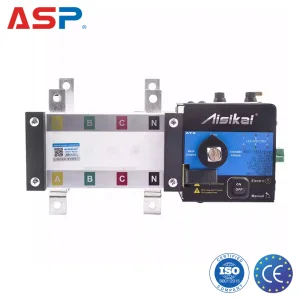
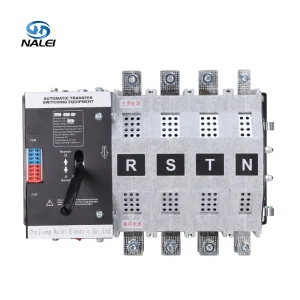
For critical loads such as healthcare facilities, chemical processing lines, and server centers, utility interruptions can lead to catastrophic losses. High-speed Automatic Transfer Switches (ATS) paired with intelligent microprocessor-driven controllers monitor primary feed profiles continuously. Upon detection of undervoltage, phase loss, or frequency deviations, the controller executes a break-before-make or make-before-break transfer sequence to the secondary generator source in under 30 milliseconds, protecting downstream IT and industrial infrastructure.
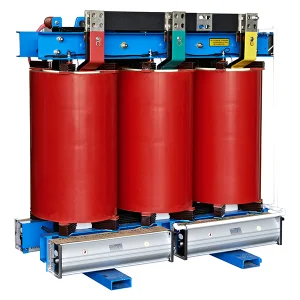
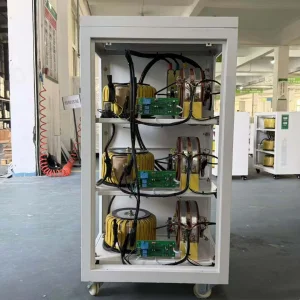
Stepping down medium voltage (MV) lines to clean low voltage (LV) outputs requires robust magnetic design. Dry-type isolation transformers utilizing epoxy resin vacuum casting provide superior dielectric strength and thermal resistance. When coupled with Automatic Voltage Regulators (AVR) utilizing solid-state or servo-driven copper regulation, these systems insulate sensitive laboratory and manufacturing instrumentation from utility fluctuations, spikes, and common-mode noise.
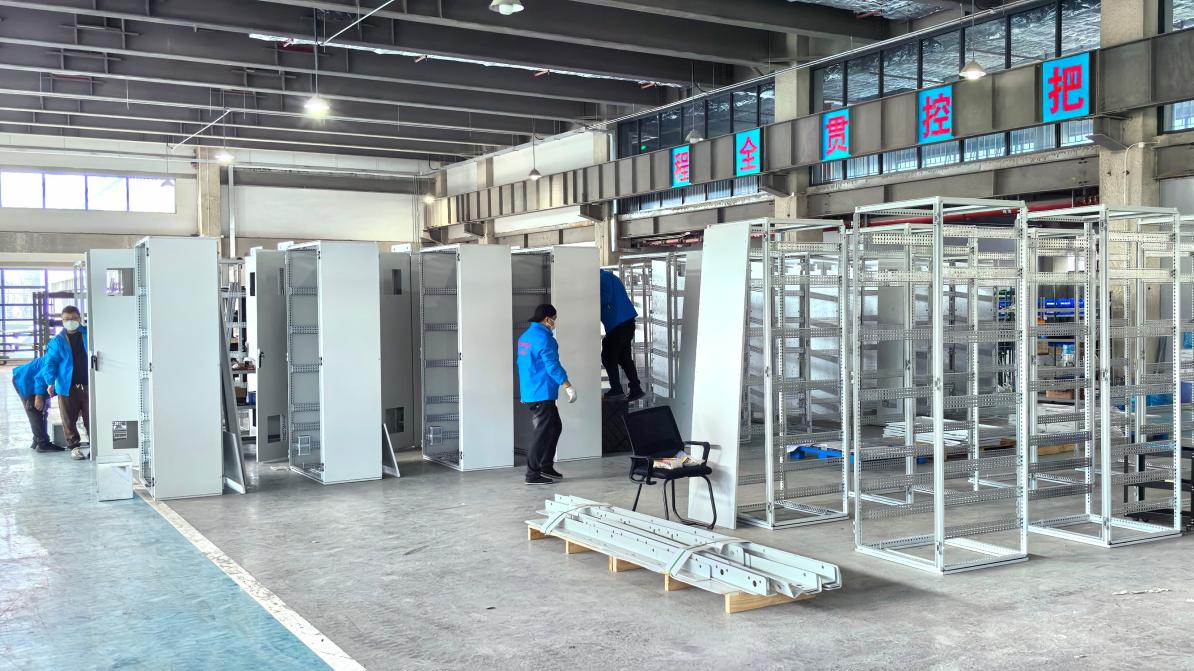
A pictorial insight into our industrial complex, demonstrating advanced machining, precision assembly, and rigorous dispatch protocols.
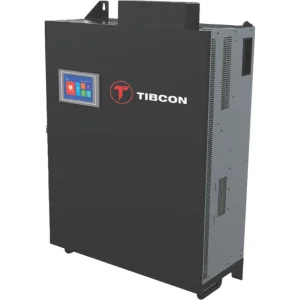
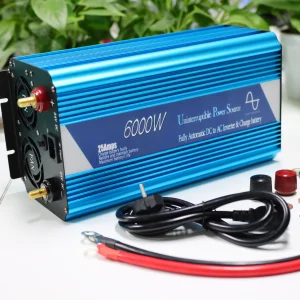
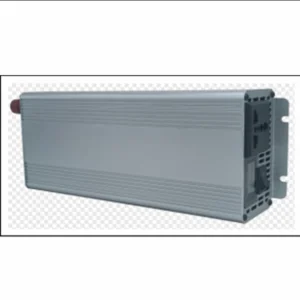
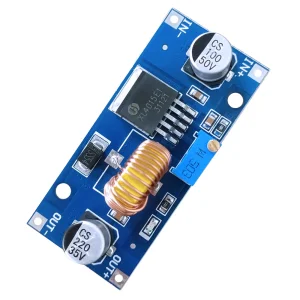
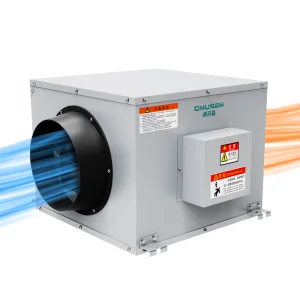
Complete your facility design with our high-efficiency voltage regulators, ventilation controls, and step-down power modules.
 Sowest Electric