Explore our top-tier active power management products, specialized isolation transformers, and distribution components engineered to maintain uninterrupted system operational cycles.
An authoritative technical analysis of current-generation power backup topology and the mission-critical parameters governing heavy industrial and data processing infrastructure.
Modern electrical distribution systems are increasingly vulnerable to external perturbations. The transition to decentralized renewable energy sources, coupled with the exponential expansion of high-density computational workloads, has created an environment of heightened grid vulnerability. Variations in voltage amplitude, transient spikes, high-frequency harmonic distortion, and total power interruptions represent severe threats to operational continuity. In this context, an Industrial Uninterruptible Power Supply (UPS) is no longer a simple emergency battery backup, but a highly integrated power conditioning system designed to buffer delicate microelectronics from raw grid fluctuations.
True industrial-grade power protection relies on online double-conversion architectures (VFI - Voltage and Frequency Independent). In this mode, incoming alternating current (AC) is routed through a high-frequency rectifier stage, converting it to stable direct current (DC). This internal DC bus simultaneously trickle-charges the energy storage bank and feeds a solid-state inverter stage. The inverter synthesizes a clean, regulated sinusoidal AC output, isolated from input disturbances. Under VFI operation, bypass transfer times are mathematically zero, preventing voltage dips from propagating to high-precision equipment.
For high-frequency applications, we implement advanced insulated-gate bipolar transistors (IGBTs) characterized by ultra-low switching losses. When combined with smart digital signal processing (DSP), these systems execute dynamic feed-forward control algorithms, compensating for load-step transients within microseconds. Consequently, our OEM and ODM partners receive power units that easily exceed critical ITIC (CBEMA) curve tolerances.
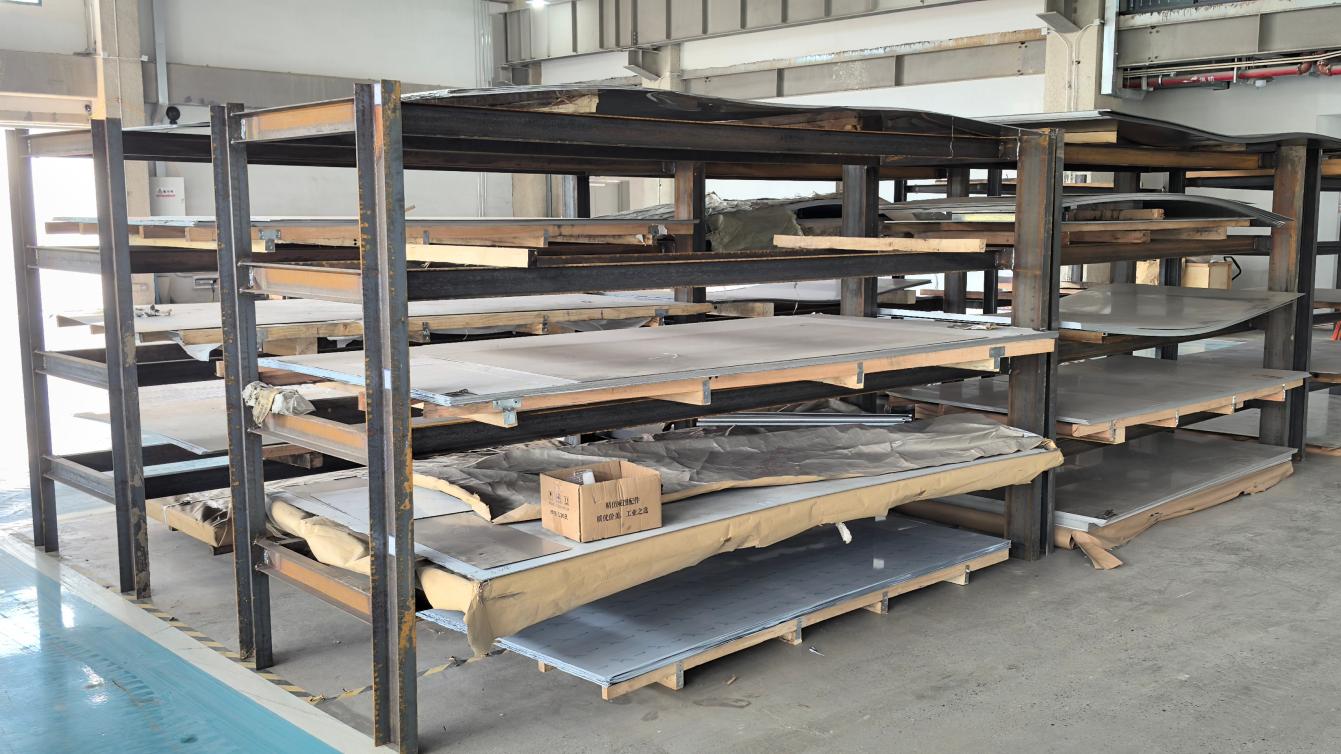
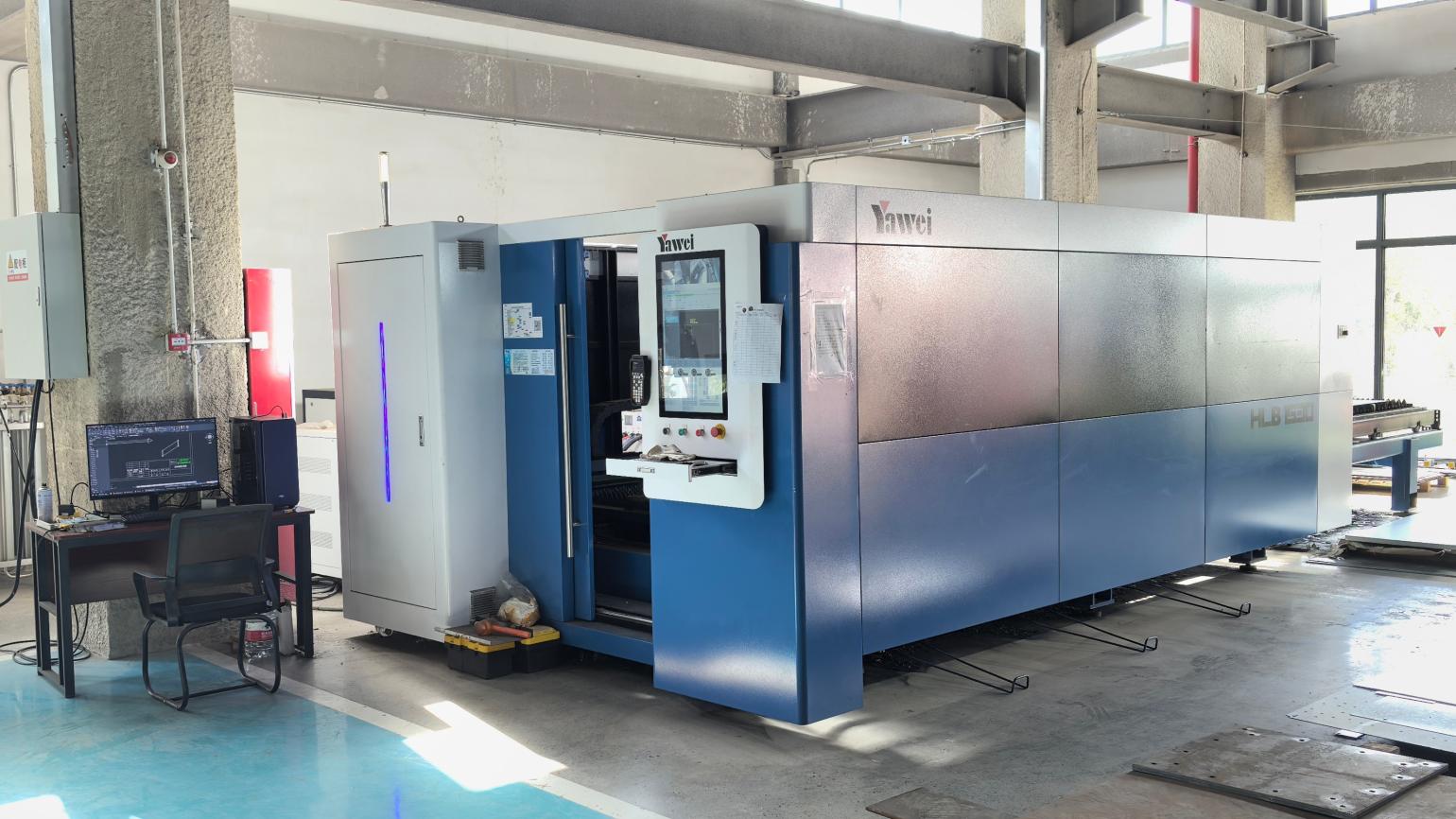
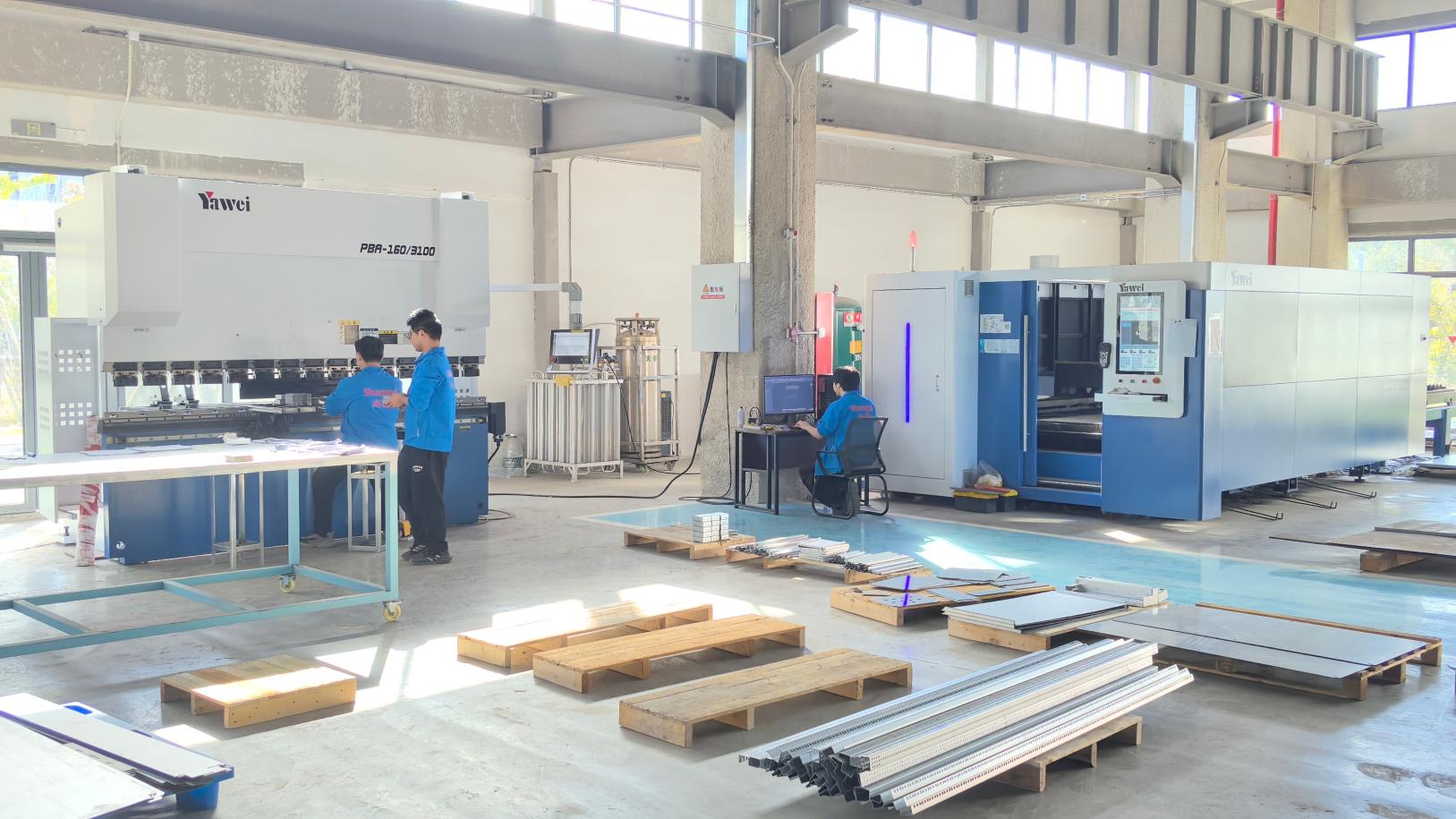
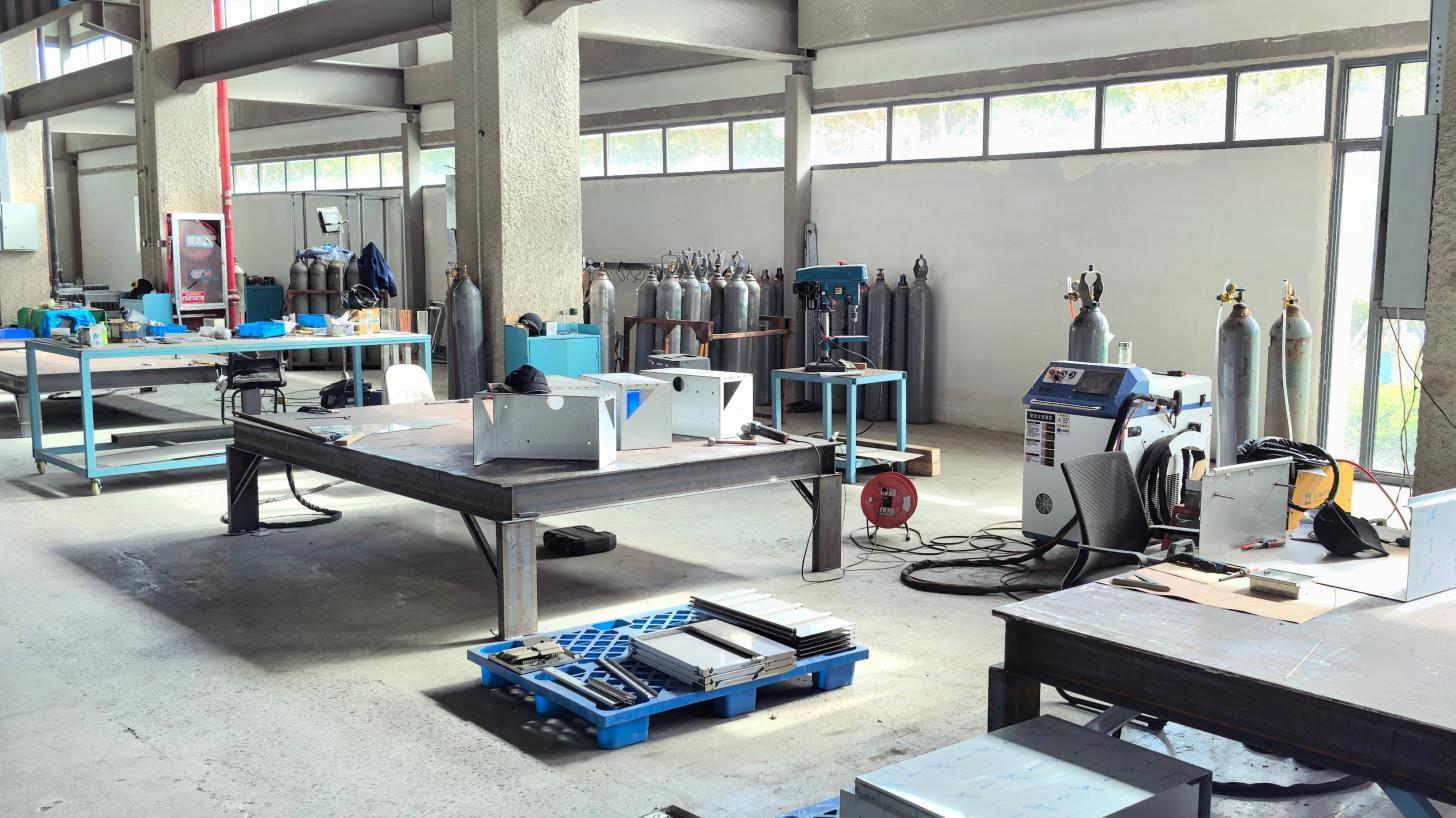
From raw material selection to automated assembly and testing, discover the structured process pipeline that defines Sowest's operational reliability.
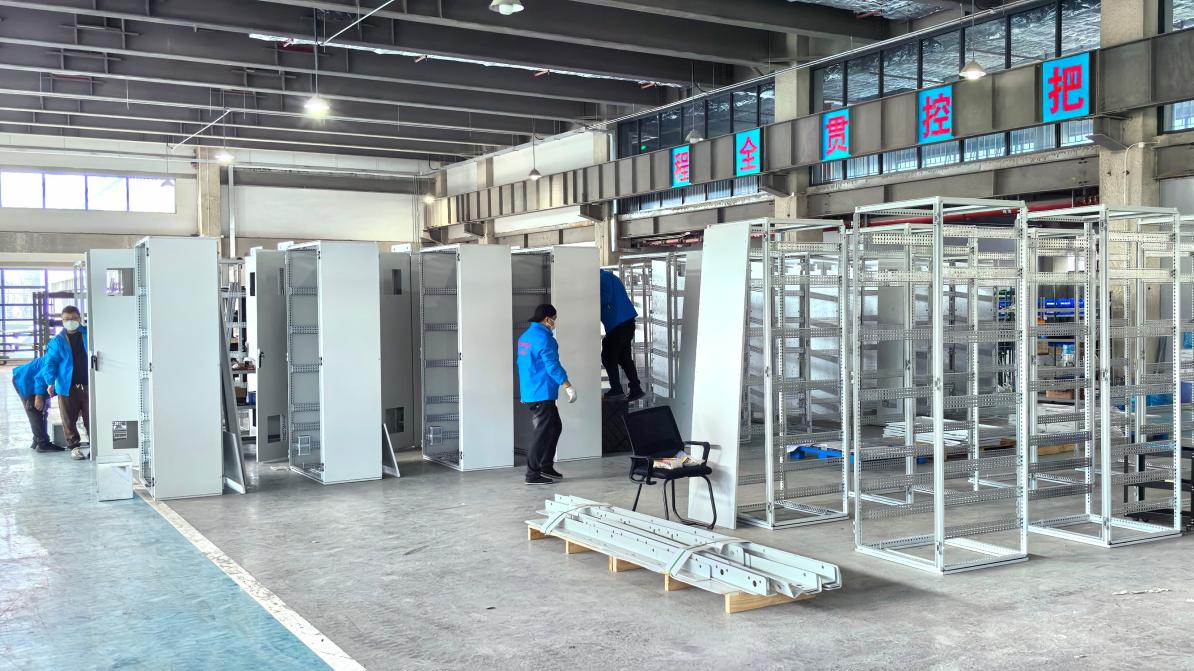
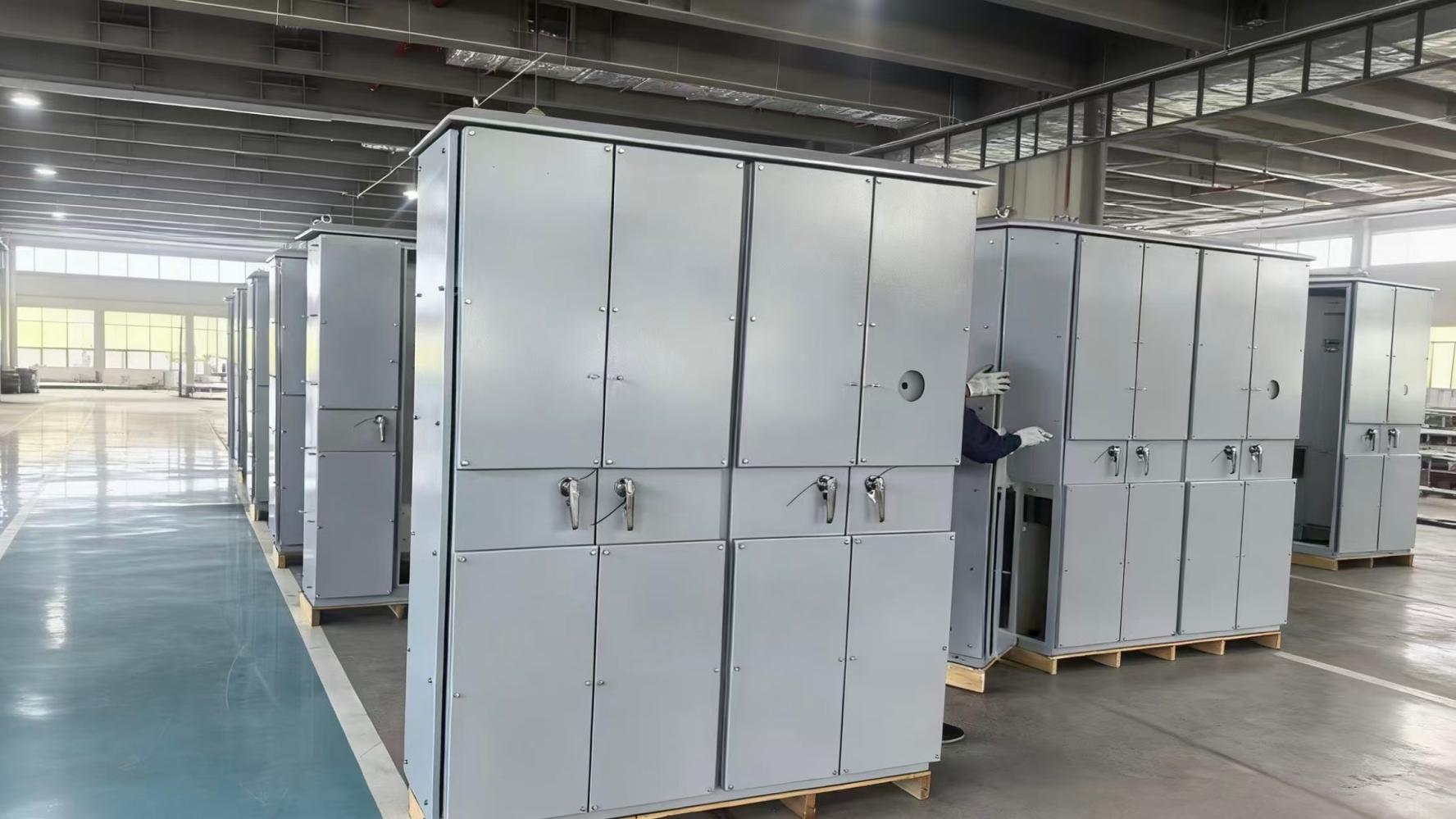
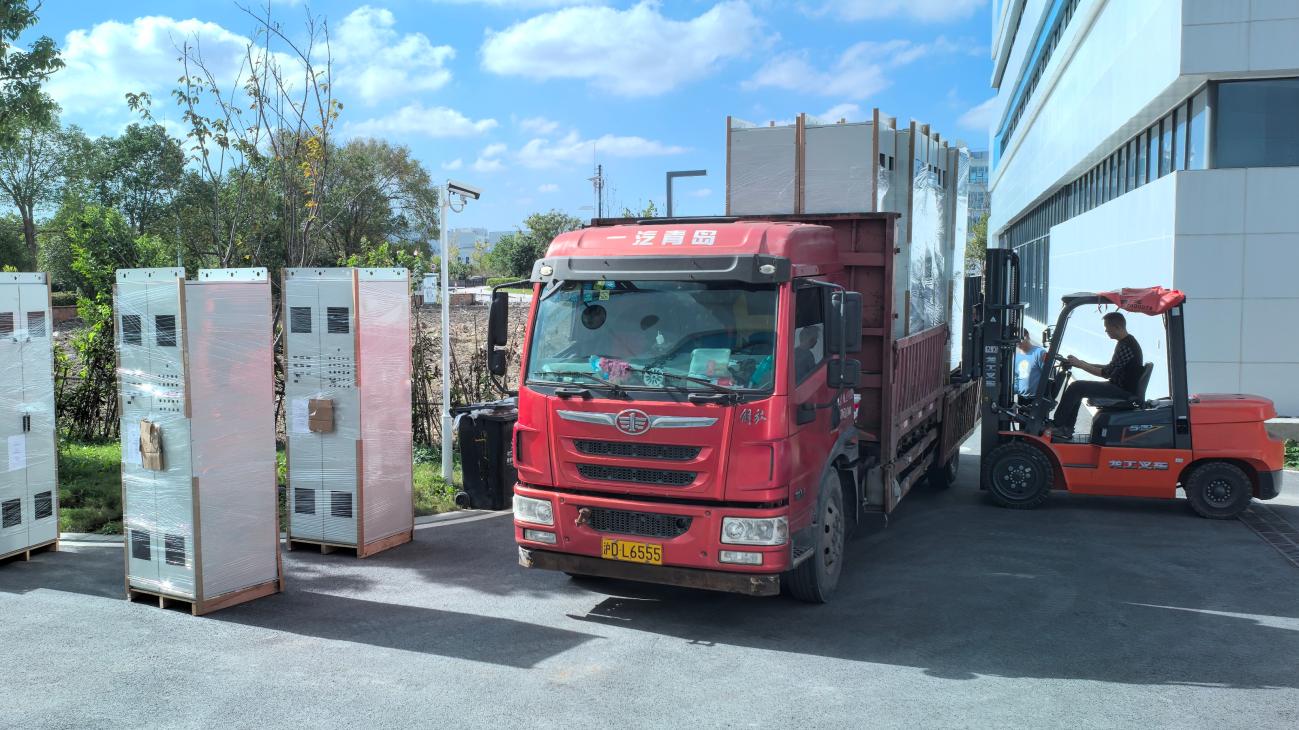
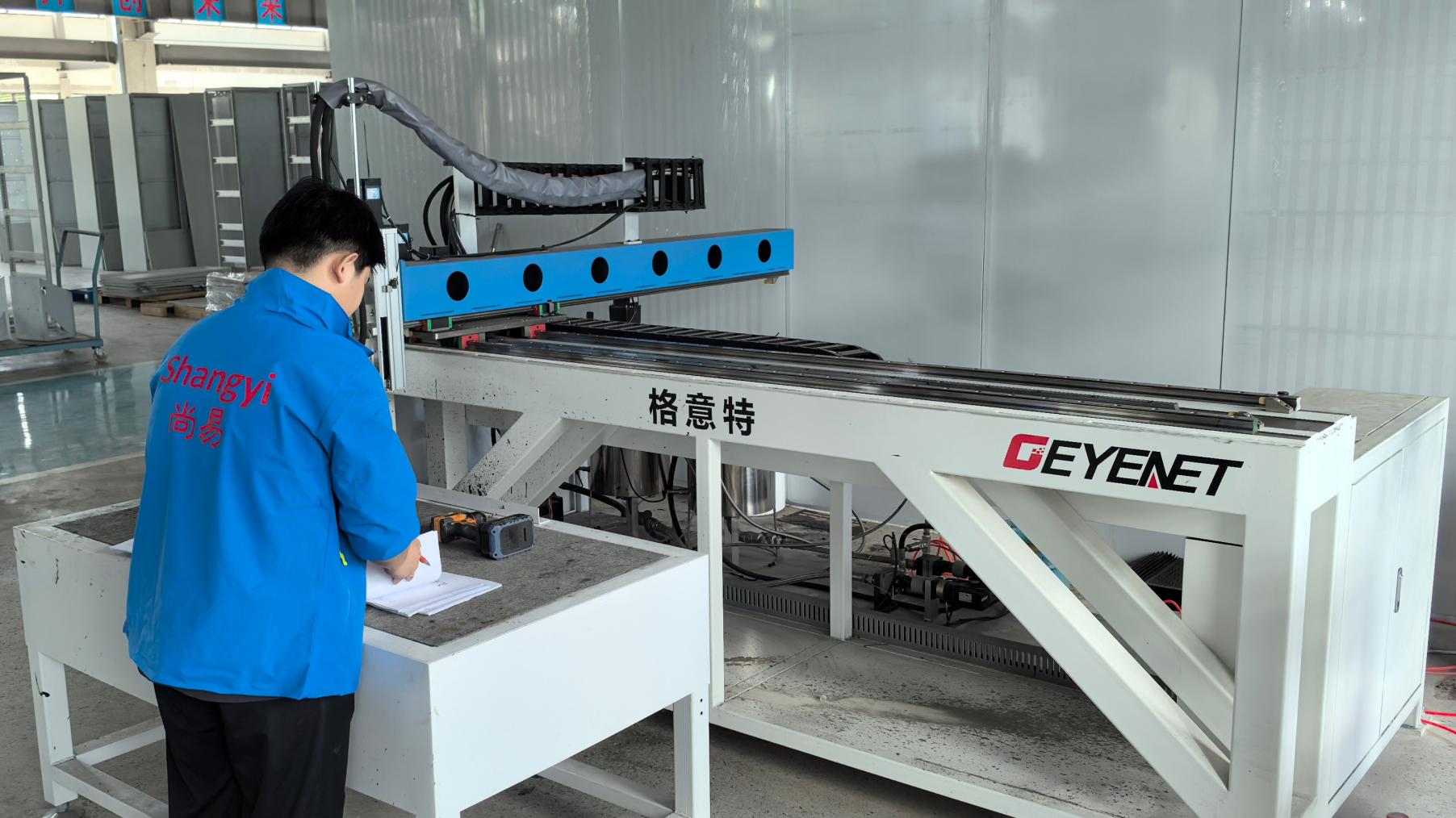
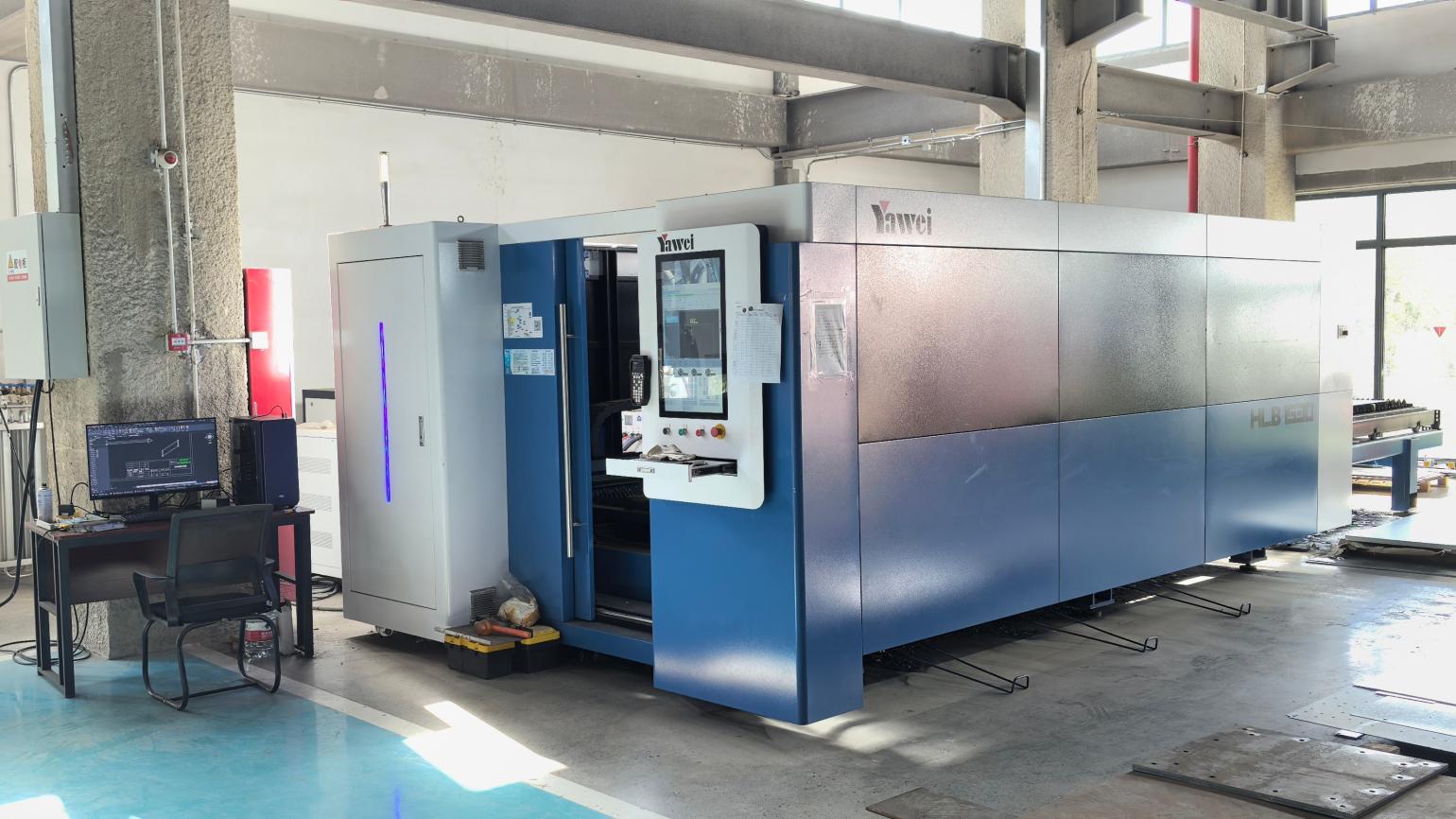
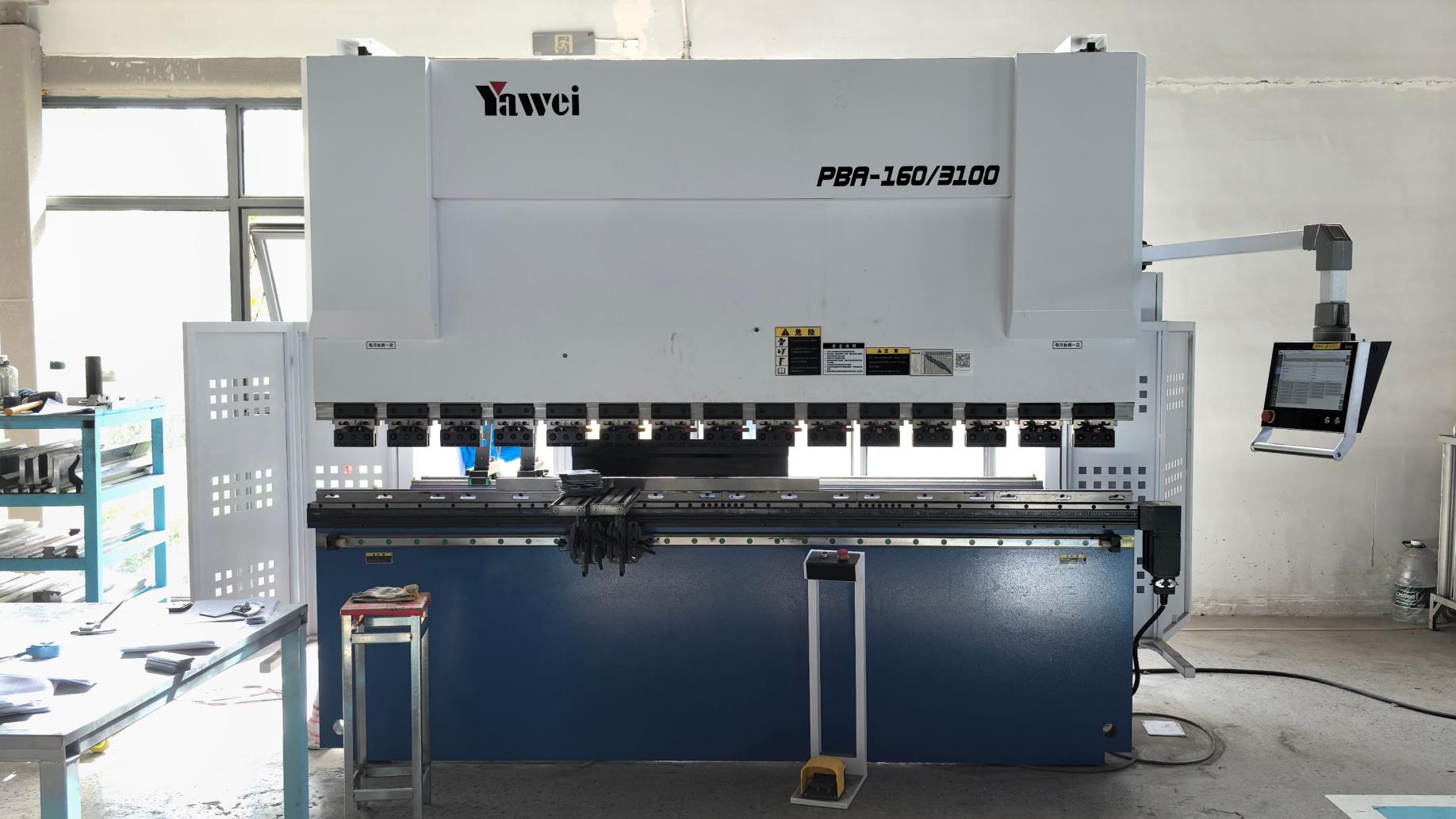
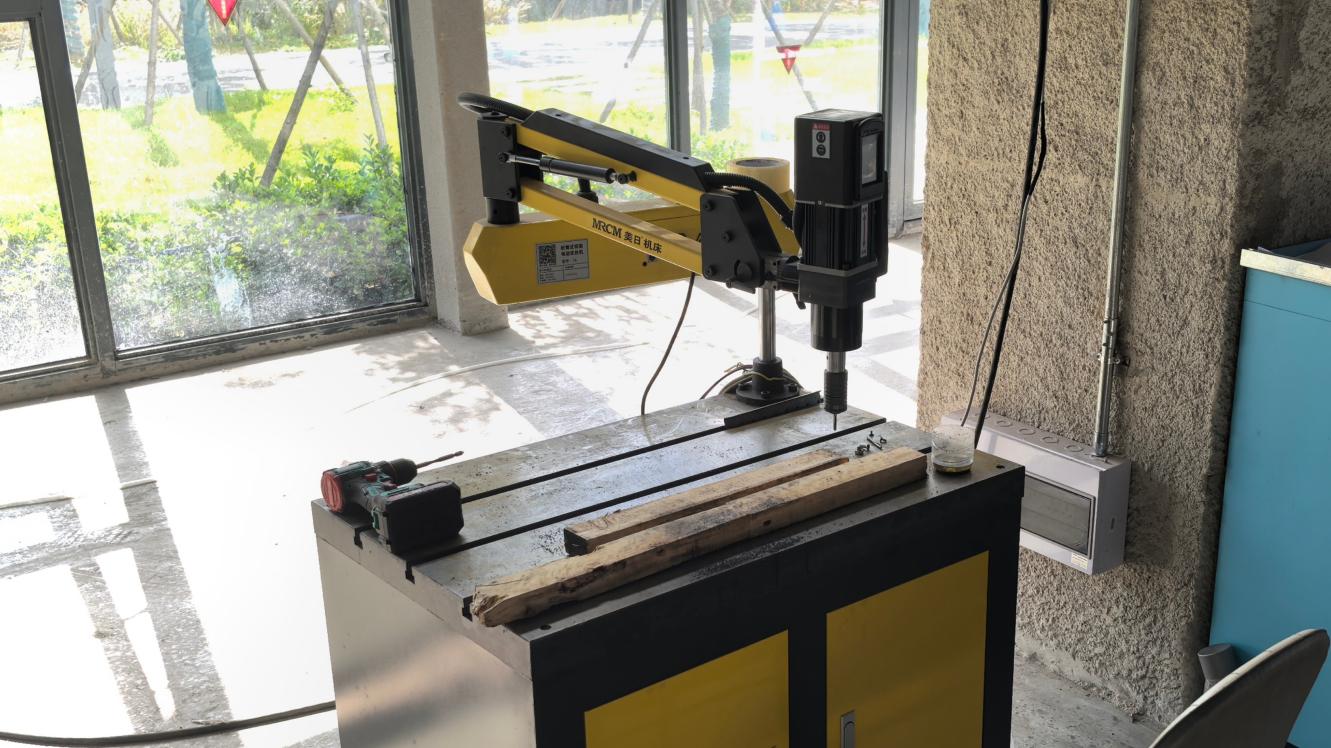
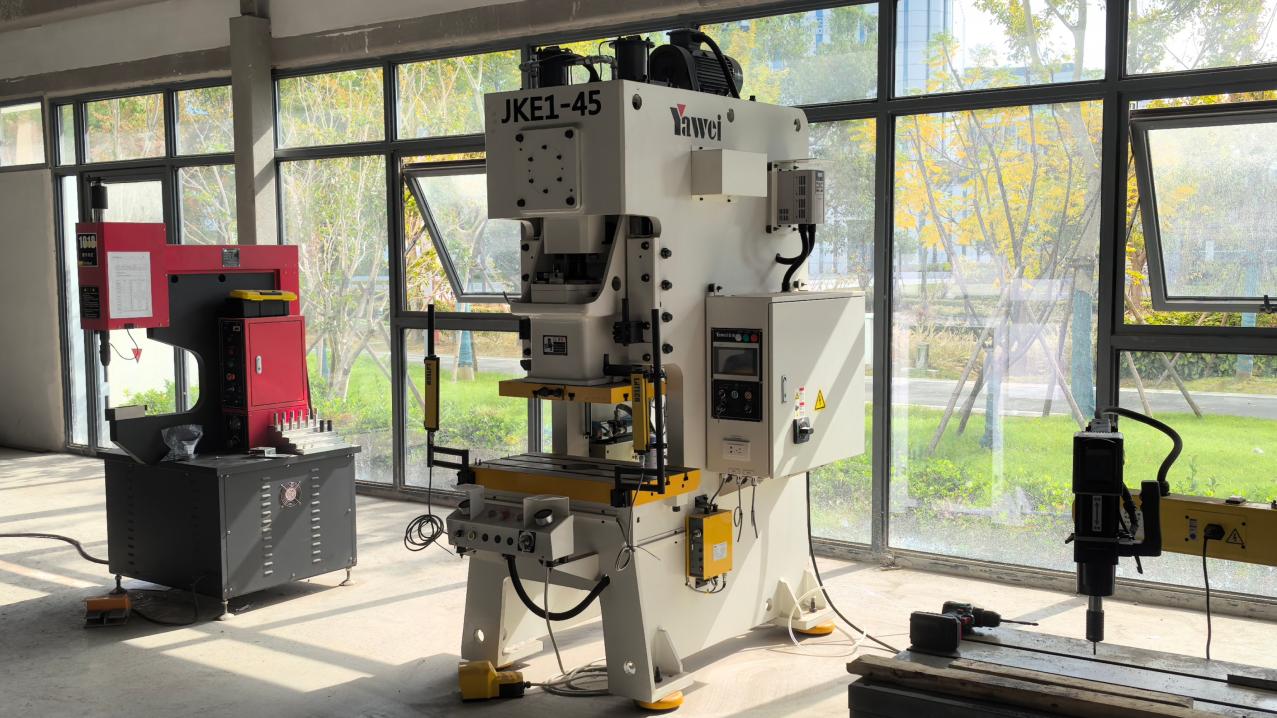
Integrating active power filters, static var generators, and isolation transformers into high-availability industrial systems.
Hyperscale cloud facilities demand unbroken energy inputs. Our customizable PDU units and dynamic 3-phase Static Var Generators (SVGs) correct real-time reactive power imbalances. They mitigate local harmonics generated by thousands of nonlinear server power supplies, preventing structural transformer overheating and ensuring clean, flat-waveform voltage inputs to the rack.
In chemical processing, an unscheduled shutdown can cost millions of dollars in waste and damage. By deploying specialized Machine Tool Control Transformers and heavy industrial-grade UPS architectures, we isolate primary distribution fluctuations from control loops, ensuring electromagnetic valves and programmable logic controllers (PLCs) remain energized during grid switchovers.
Electrified transportation networks require isolation mechanisms. Our single-phase and three-phase isolation transformers shield local signaling logic from the massive currents flowing through overhead lines. Integrated with advanced automatic transfer switches (ATS), they guarantee redundant power routing across track networks in all weather conditions.
Wind and solar installations present unique power factor profiles. Leveraging static var generators (SVGs) and active harmonic filters (AHFs) at the point of common coupling (PCC) stabilizes local voltages and meets strict utility interconnect rules. This reduces utility penalties and optimizes energy yields from variable renewable inputs.
Strategic review of supply-chain adaptations, regional power infrastructure regulations, and reliability guidelines in major global regions.
The global demand for reliable power solutions has undergone a structural transformation. Regions such as North America suffer from an aging utility grid infrastructure, leading to frequent voltage sags and localized dropouts. This has prompted data centers and industrial plants to demand heavy-duty, double-conversion online UPS systems that can serve as permanent voltage conditioning buffers. Conversely, the European market is heavily driven by strict green grid directives, requiring systems to maintain high efficiency even when running at partial load capacities (such as in ECO-operating modes) and targeting low harmonic feedback (THDi) into the distribution grid.
In industrializing regions across the Asia-Pacific and Latin America, the rapid installation of heavy automated machinery places immediate strain on local grids. Without active correction via dynamic SVGs and local harmonic filtration, these plants risk high downtime due to circuit breaker tripping, high-voltage transients, and harmonic resonance. Zhejiang Sowest Electric Co., Ltd. addresses these diverse regional challenges by offering highly modular and configurable power distribution platforms. This allows regional systems integrators to customize input voltage taps, isolation parameters, and surge protective devices (SPD) to match local conditions.
Analyzing next-generation semiconductor components, advanced digital diagnostics, and smart energy storage integration.
The next phase of high-efficiency energy conversion is defined by Silicon Carbide (SiC) and Gallium Nitride (GaN) power switches. By replacing silicon-based IGBTs with SiC devices in our high-power rectifiers and inverters, switching frequencies can be increased tenfold. This minimizes thermal management requirements and yields smaller filter components, leading to compact footprints and overall efficiency exceeding 99% in double-conversion mode.
Smart monitoring systems are shifting from reactive telemetry to predictive maintenance algorithms. By embedding digital thermal sensors and vibration sensors directly into transformers, capacitor banks, and battery cells, the internal DSP analyzes harmonic trends, heat-sink dissipation rates, and microsecond load responses to predict component wear before failure occurs. This maximizes mean time between failures (MTBF) and minimizes mean time to repair (MTTR) for global clients.
Future UPS systems will act as proactive nodes within microgrids. Bidirectional inverters allow the UPS battery system to feed energy back to the local facility during peak pricing periods (peak-shaving) and supply reactive power support (VAR compensation) directly to the building infrastructure. This turns a traditional cost-center component into a proactive grid-stabilizing asset.
Rigorous validation frameworks and deployment protocols ensuring smooth integration in international jurisdictions.
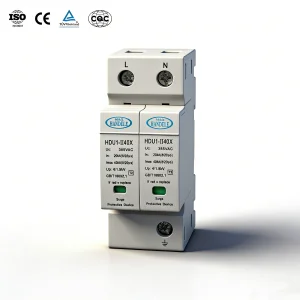
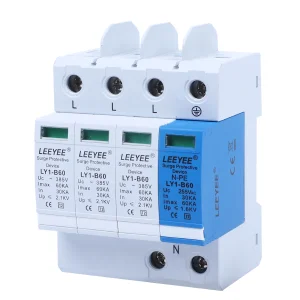
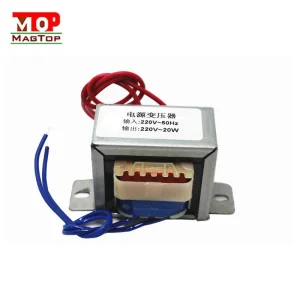
Operating critical systems across borders requires strict adherence to international electrical, safety, and environmental codes. Zhejiang Sowest Electric Co., Ltd. builds all products to meet demanding global guidelines, including ISO 9001 quality management systems, CE certificates for European distributions, and regional UL and CSA design tolerances for the Americas. Our surge protective devices (SPDs) undergo full type-testing to ensure high transient absorption capacity, while our isolation transformers are tested for dielectric strength, impulse voltage, and temperature rise profiles under full-load operation.
To support global deployments, our engineering networks provide direct technical consultation, customized OEM component mapping, and rapid-response parts supply. Whether upgrading a processing facility in Southeast Asia, deploying high-frequency telecom nodes in Europe, or configuring specialized transformers for North American machine tools, Sowest ensures our distribution equipment is designed to match the specific voltage profiles and regulatory requirements of the installation site.
Deep technical answers to critical questions regarding power quality, system design, and custom configurations.
An Active Power Filter (APF/AHF) is primarily designed to mitigate harmonic currents, injecting counter-phase harmonic waveforms to clean the electrical supply (supporting up to the 50th harmonic order). A Static Var Generator (SVG) focuses on dynamic reactive power compensation, correcting power factors rapidly (both capacitive and inductive loads) without the risk of harmonic resonance associated with passive capacitor steps.
Galvanic isolation uses an isolation transformer to break the physical electrical path between the input power grid and sensitive output loads. This protects critical equipment from common-mode electrical noise, ground loops, and high-energy lightning surges, ensuring the output ground remains clean and stable.
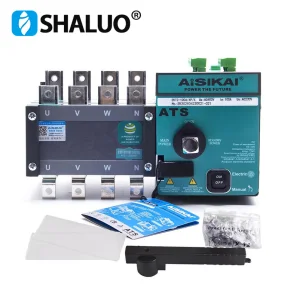
An ATS continuously monitors dual power sources (typically the primary utility grid and a backup generator or secondary substation). Upon detecting a voltage drop or phase loss, it automatically shifts the load to the secondary source within milliseconds, avoiding system resets in downstream electrical loads.
Our OEM/ODM services cover input/output voltage profiles (e.g., multi-voltage single-phase or three-phase configurations), enclosure IP ratings (IP20 to IP54 for harsh environments), interface protocols (Modbus, Profibus, Ethernet), custom physical dimensions for server racks, and integrated protection elements such as custom surge arresters (SPD) and isolators.
High harmonic currents (especially 3rd, 5th, and 7th orders) cause increased eddy current losses and skin-effect losses within transformer windings. This leads to excessive temperature rises, insulation degradation, and eventual winding breakdown, highlighting the importance of using Active Harmonic Filters in high-frequency environments.
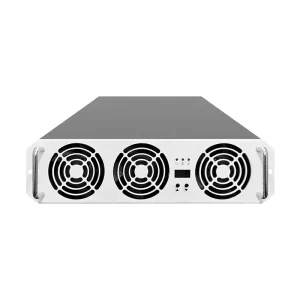
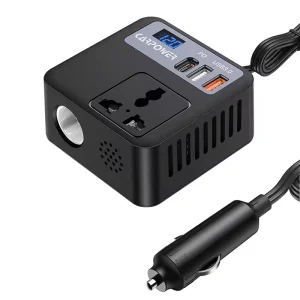
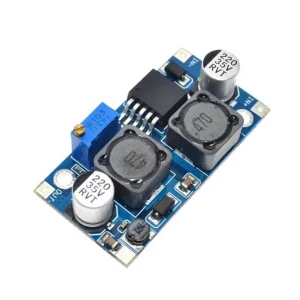
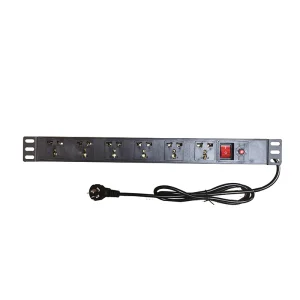
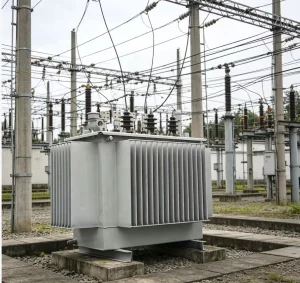
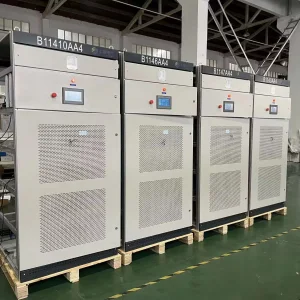
Complete your power distribution system with high-efficiency modules, surge suppressors, and customizable rack solutions.
 Sowest Electric