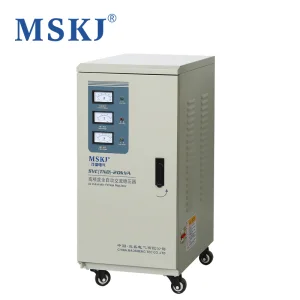
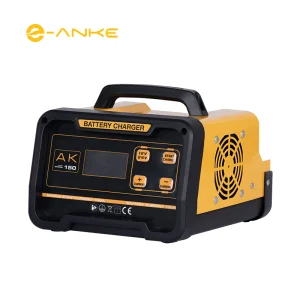
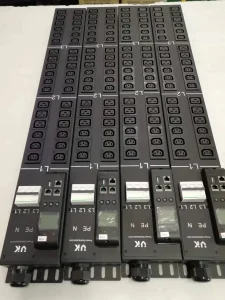
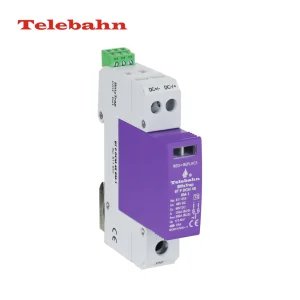
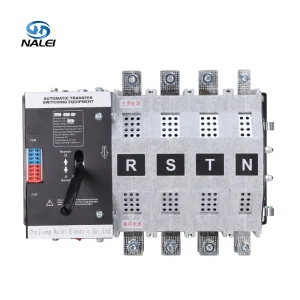
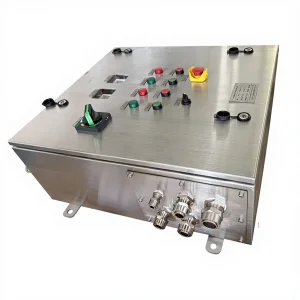
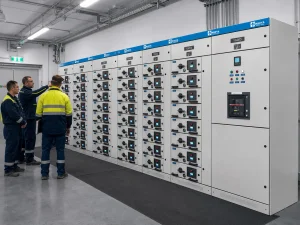
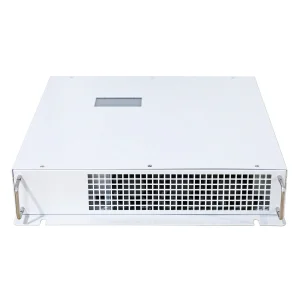
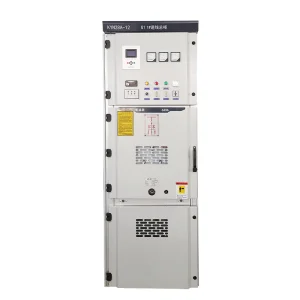
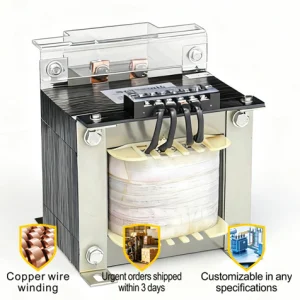
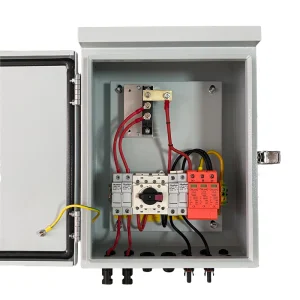
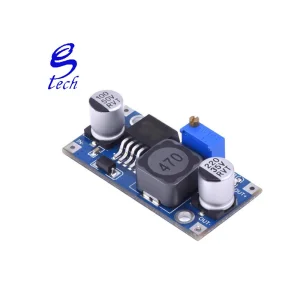
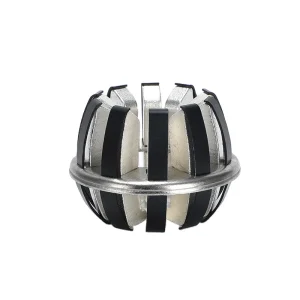
High-performance industrial control assemblies, power protection devices, and distribution systems
In modern industrial electrical distribution, the integrity of every system rests heavily on its smallest components: the wire connectors. Wire connectors are the electrical interfaces designed to establish reliable current paths while securing conductors against mechanical stresses, thermal expansion, and environmental degradation. Whether utilized in complex low-voltage modular switchgear (such as GCK systems), high-voltage complete assemblies (like KYN28-12), or surge protective devices (SPD), the wire connector represents the front line of system safety and efficiency.
From a physics and engineering perspective, an electrical connection is never a simple contact surface. At the microscopic level, even highly polished metal surfaces exhibit asperities (micro-roughness). When two conductors are pressed together, actual contact occurs only at these discrete microscopic points. This constriction of current paths creates localized electrical resistance, known as constriction resistance. High constriction resistance under load leads directly to Joule heating ($I^2R$ losses). Without precise material selection, adequate contact pressure, and long-term corrosion prevention, this localized heating triggers a dangerous loop of accelerated oxidation, further resistance increases, and catastrophic thermal runaway. This engineering challenge highlights why global engineering procurement managers prioritize premium OEM/ODM partners capable of delivering specialized, application-engineered wire connectors.
The Zhejiang province, specifically the industrial clusters of Wenzhou and Yueqing, represents the world's most dense and advanced ecosystem for electrical engineering and component manufacturing. Choosing a Zhejiang-based OEM/ODM wire connector factory like Zhejiang Sowest Electric Co., Ltd. offers procurement teams substantial strategic advantages that go beyond labor arbitrage:
Our raw material suppliers (high-conductivity copper alloys, specialized engineering plastics like PA66/PC, and corrosion-resistant surface plating chemicals) operate within a 50-kilometer radius. This geographic concentration minimizes shipping times, reduces logistics costs, and ensures immediate, dynamic responsiveness to fluctuating raw material prices and specifications.
Leveraging high-precision EDM (Electrical Discharge Machining) and multi-cavity injection molding technologies, local manufacturers can optimize connector structures for Design for Manufacturing (DFM). This minimizes plastic sink marks, controls flash, and ensures tight tolerance bands within ±0.02mm.
With generations of skilled toolmakers, quality control specialists, and engineering professionals, Zhejiang's workforce possesses deep, specialized knowledge of global regulatory standards, including UL486A-486B (for wire connectors), IEC 60947, and GB/T 14048.
Enterprise buyers, EPC contractors, and global distribution giants do not buy wire connectors based on unit price alone. In industrial and critical power systems, a single component failure can cause millions of dollars in downtime or pose major safety hazards. Purchasing criteria generally focus on the following key operational parameters:
Industrial wire connectors are critical across many demanding sectors, each presenting its own unique environmental and operational challenges:
Zhejiang Sowest Electric Co., Ltd. is a modern and innovative enterprise specializing in the research, development, manufacturing, and sales of power supply and electrical distribution equipment. With a strong commitment to technological innovation, product quality, and customer satisfaction, the company has established itself as a reliable partner for power generation, transmission, distribution, industrial automation, transportation, petrochemical, telecommunications, and infrastructure projects worldwide.
Our core product portfolio includes AC/DC Power Supply Panels, DC Power Systems, UPS (Uninterruptible Power Supply) Systems, Battery Chargers, DC Distribution Panels, AC Distribution Panels, Central Signal Panels, Power Monitoring Systems, Circuit Breakers, Power Feeding Panels, and other integrated power supply solutions. These products are widely applied in substations, power plants, industrial facilities, data centers, rail transit systems, and renewable energy projects.
The company is supported by a highly qualified team of engineers, technicians, and industry experts with extensive experience in power electronics and electrical engineering. Equipped with advanced manufacturing facilities, modern production lines, and comprehensive testing equipment, Sowest Electric ensures that every product meets stringent quality standards and international performance requirements.
Guided by the principles of integrity, professionalism, innovation, and mutual growth, Zhejiang Sowest Electric continuously invests in research and development to deliver efficient, intelligent, and reliable power solutions. The company has established a complete quality management system and adheres to strict production and inspection processes to guarantee product safety, stability, and long-term reliability.
Our corporate philosophy is centered on excellence, customer value, and sustainable development. We are dedicated to creating value for customers, opportunities for employees, returns for stakeholders, and positive contributions to society. Through continuous technological advancement and service improvement, we strive to help our customers achieve greater operational efficiency and energy reliability.
In the era of global economic integration, Zhejiang Sowest Electric remains focused on its strategic vision of professional R&D, intelligent manufacturing, and global marketing. By leveraging innovation, quality, and international cooperation, the company is steadily advancing toward its goal of becoming a globally recognized brand in the power supply and electrical equipment industry.
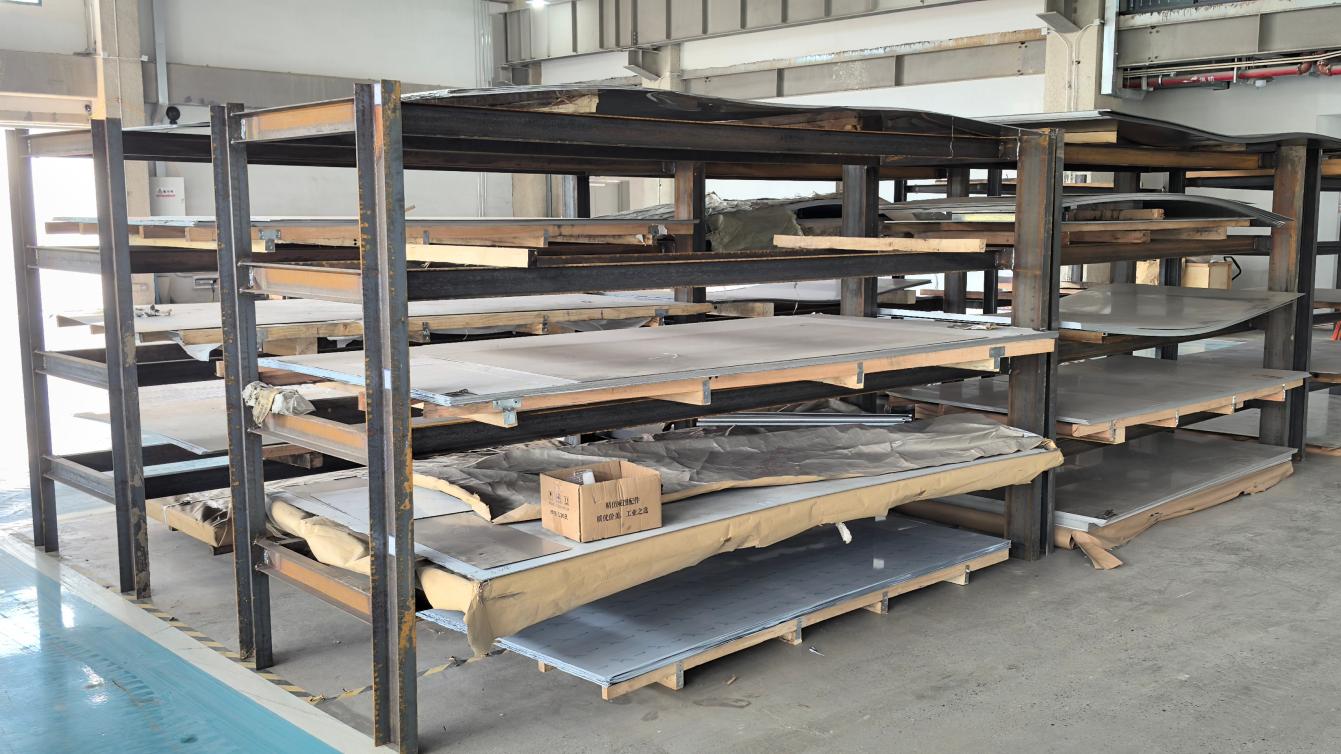
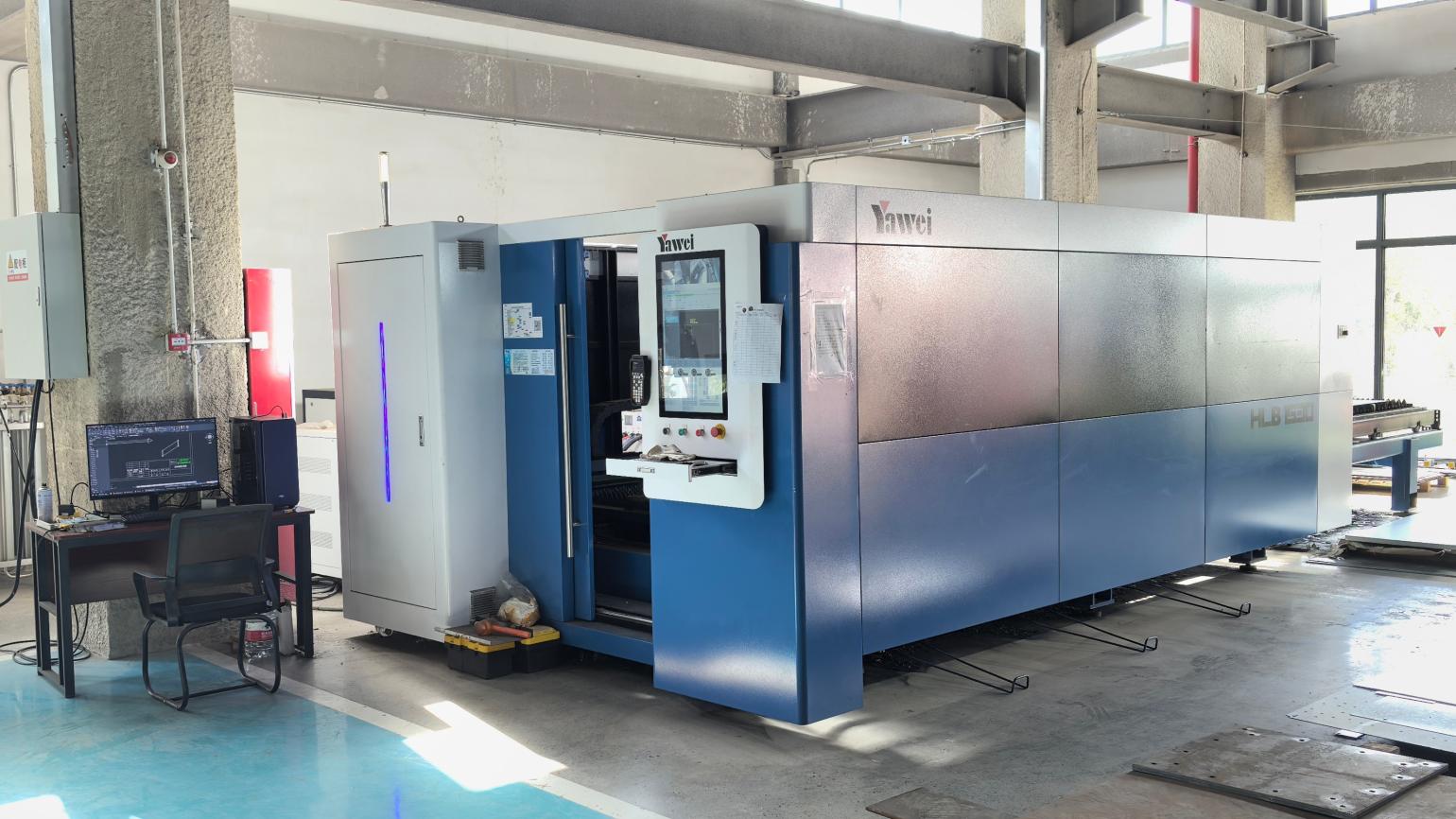
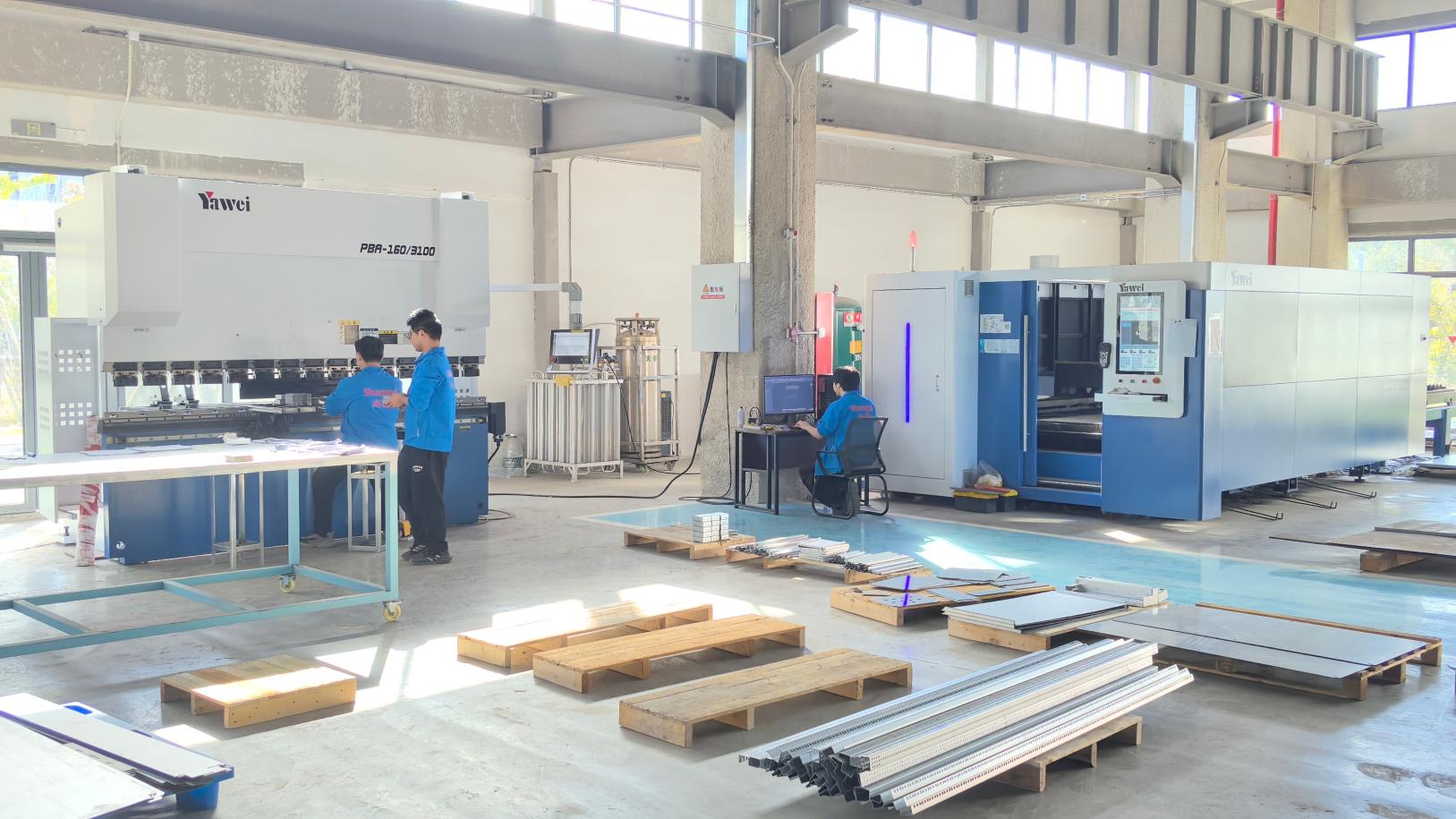
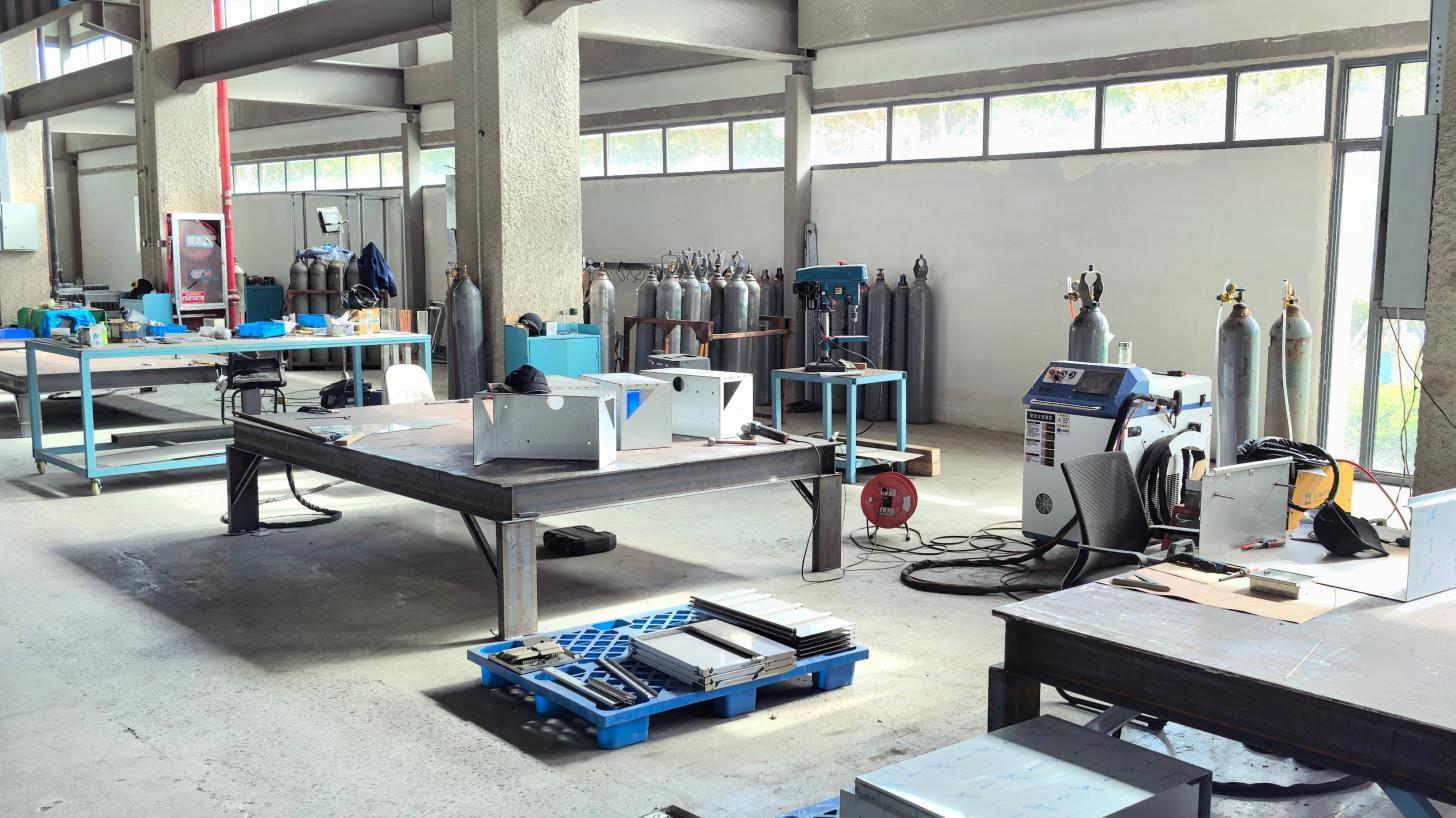
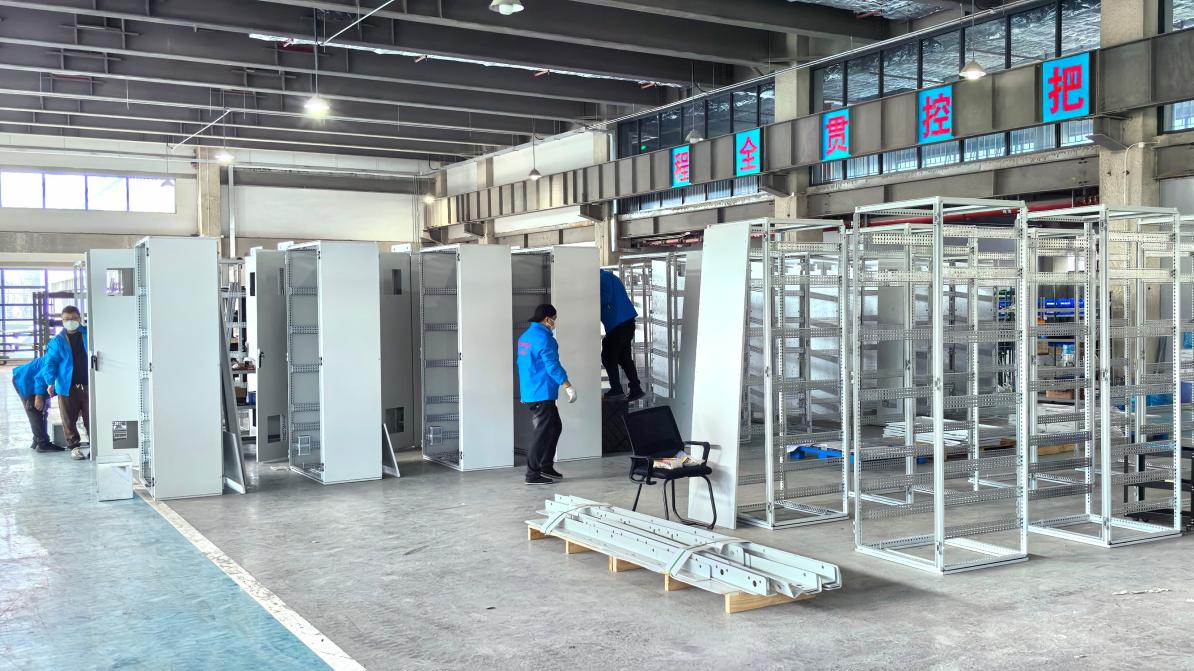
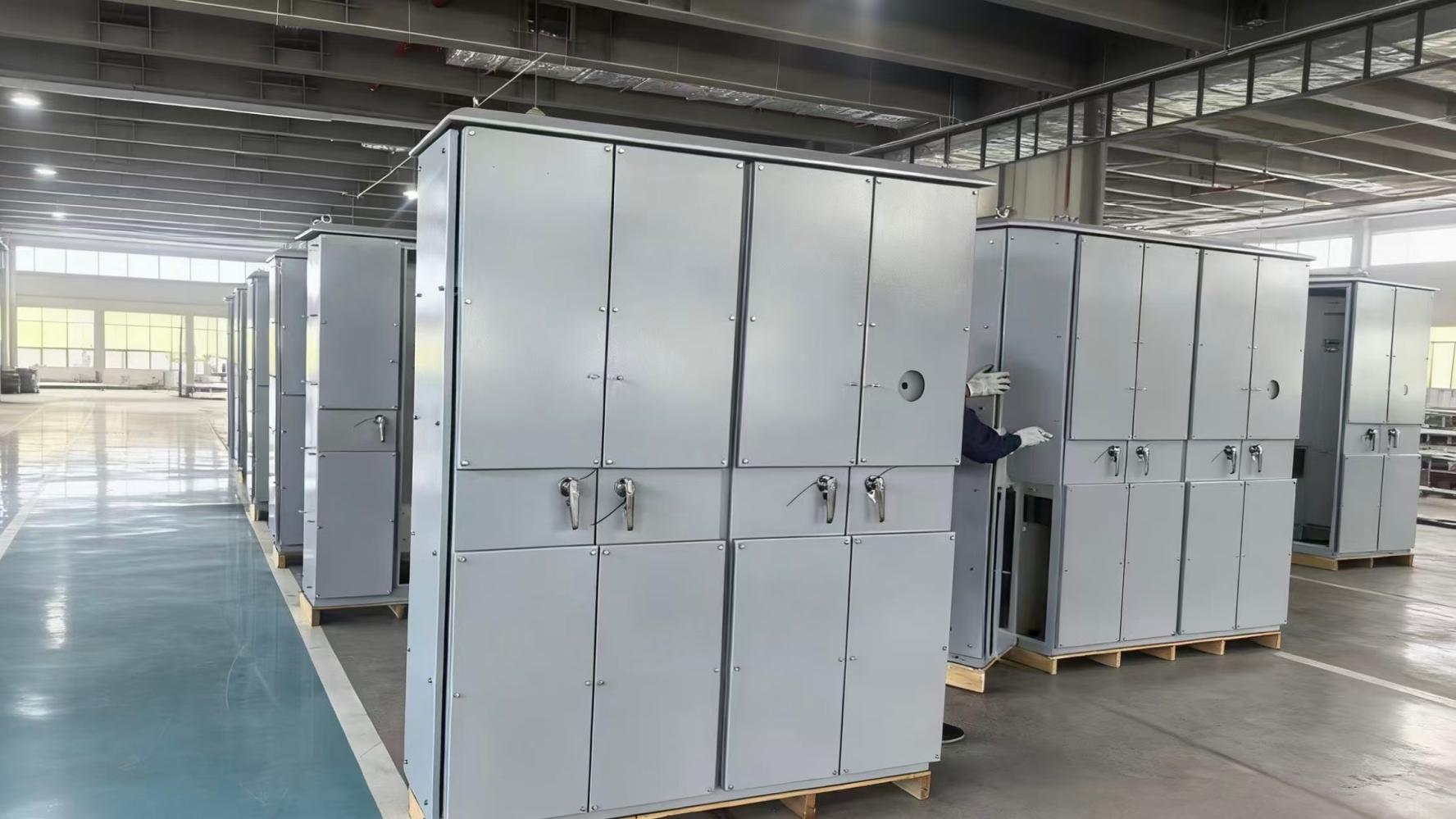
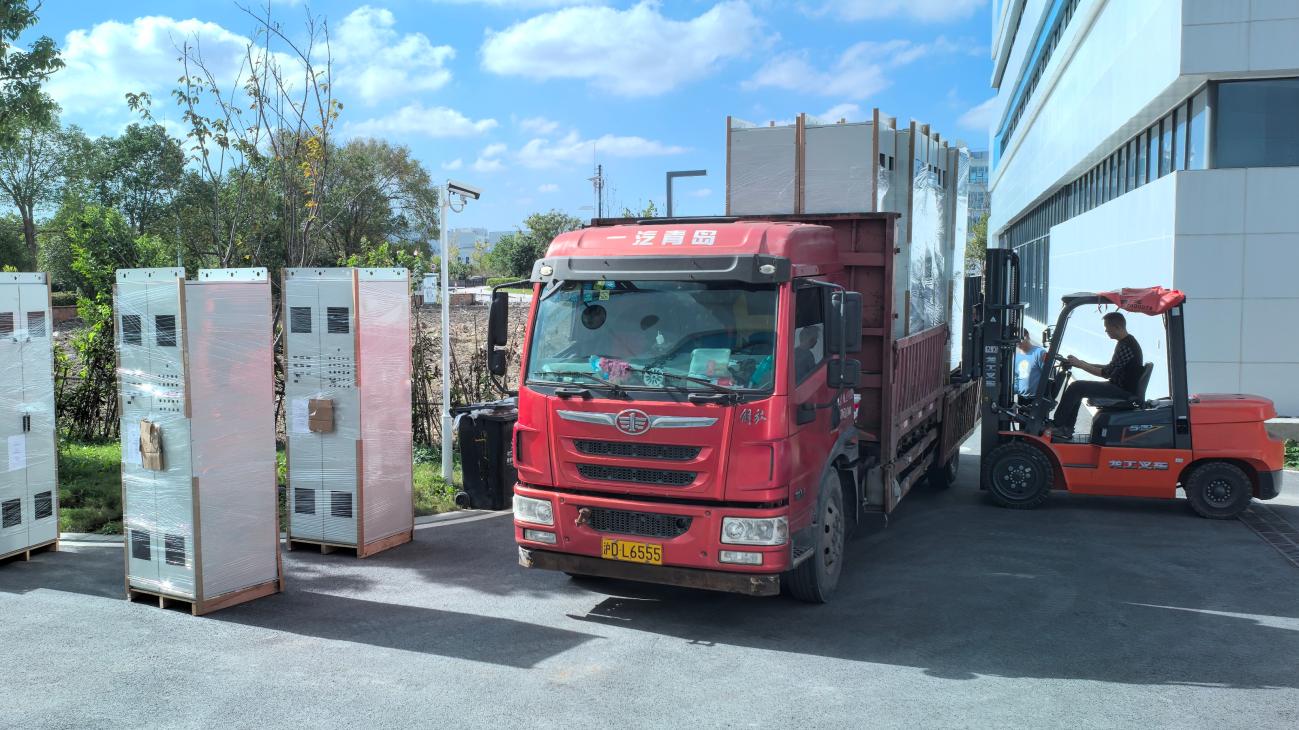
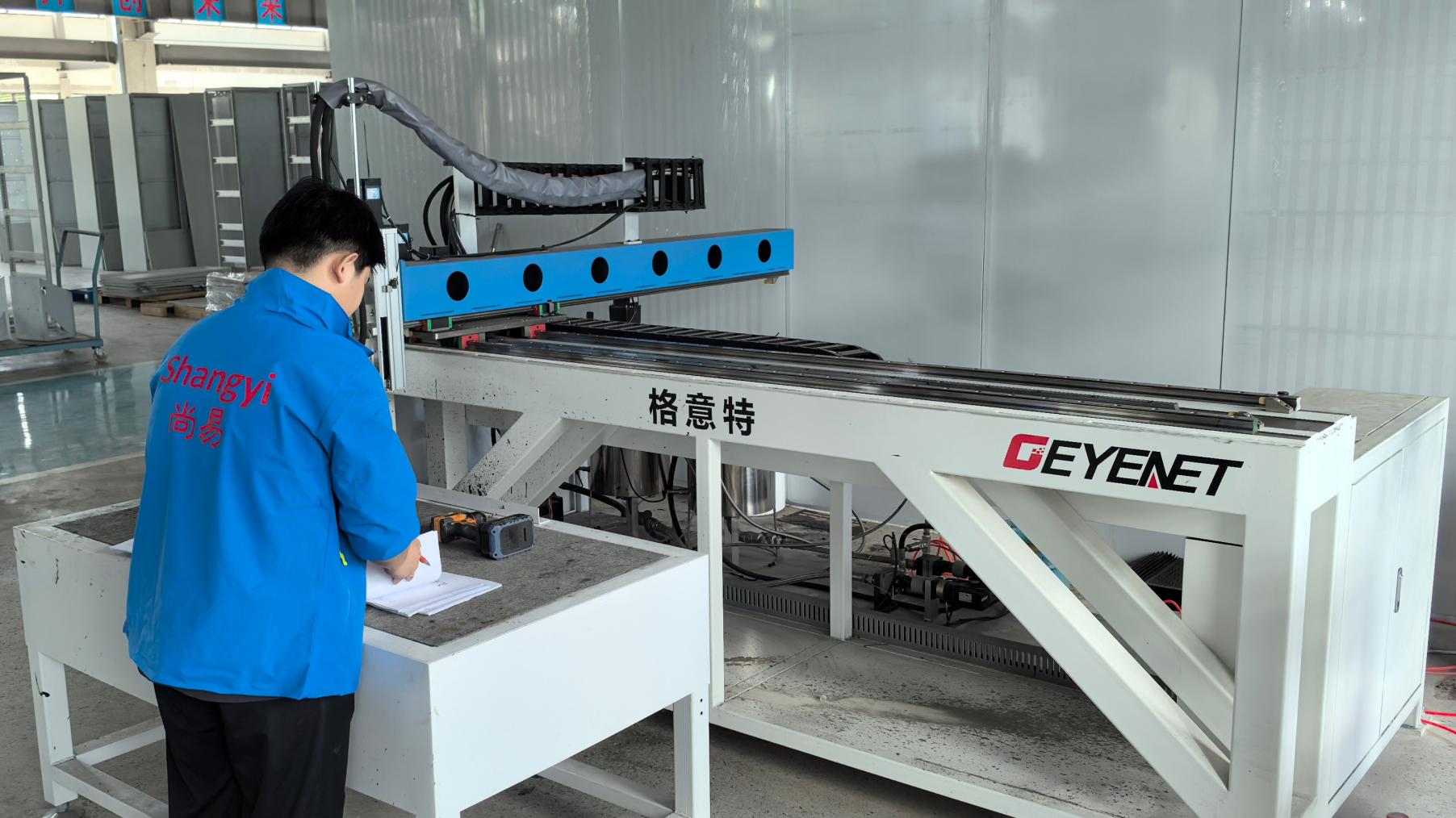
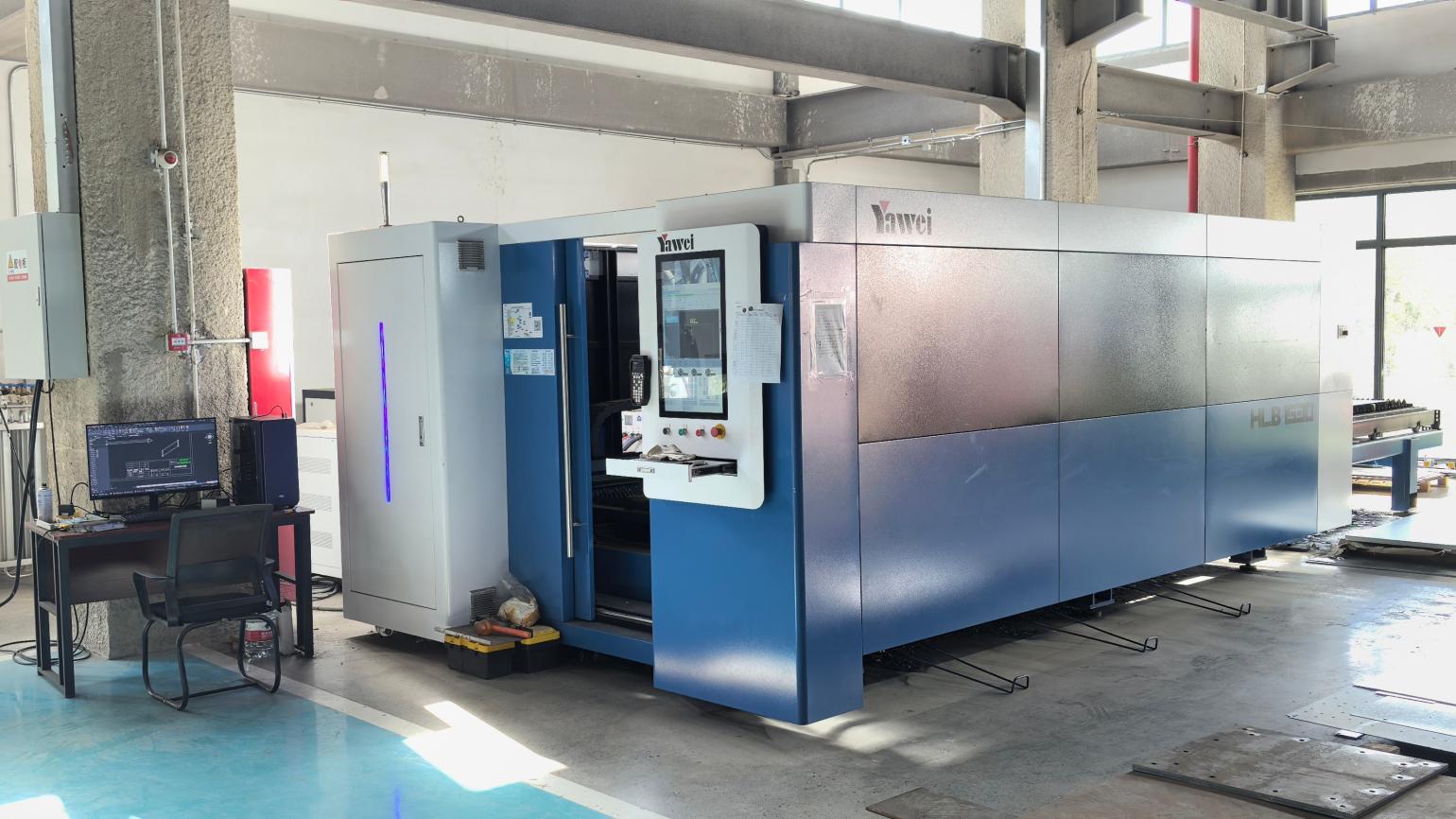
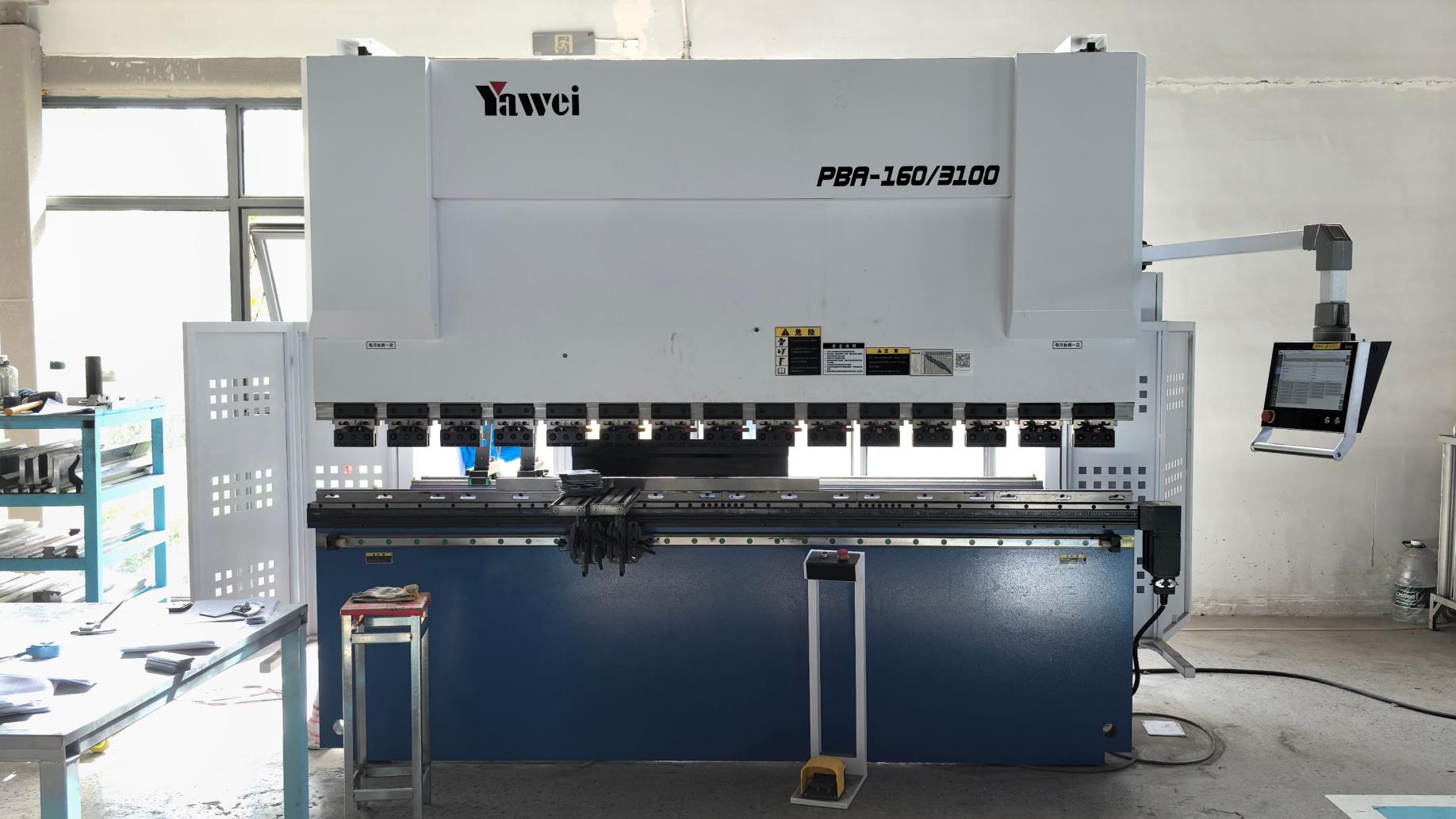
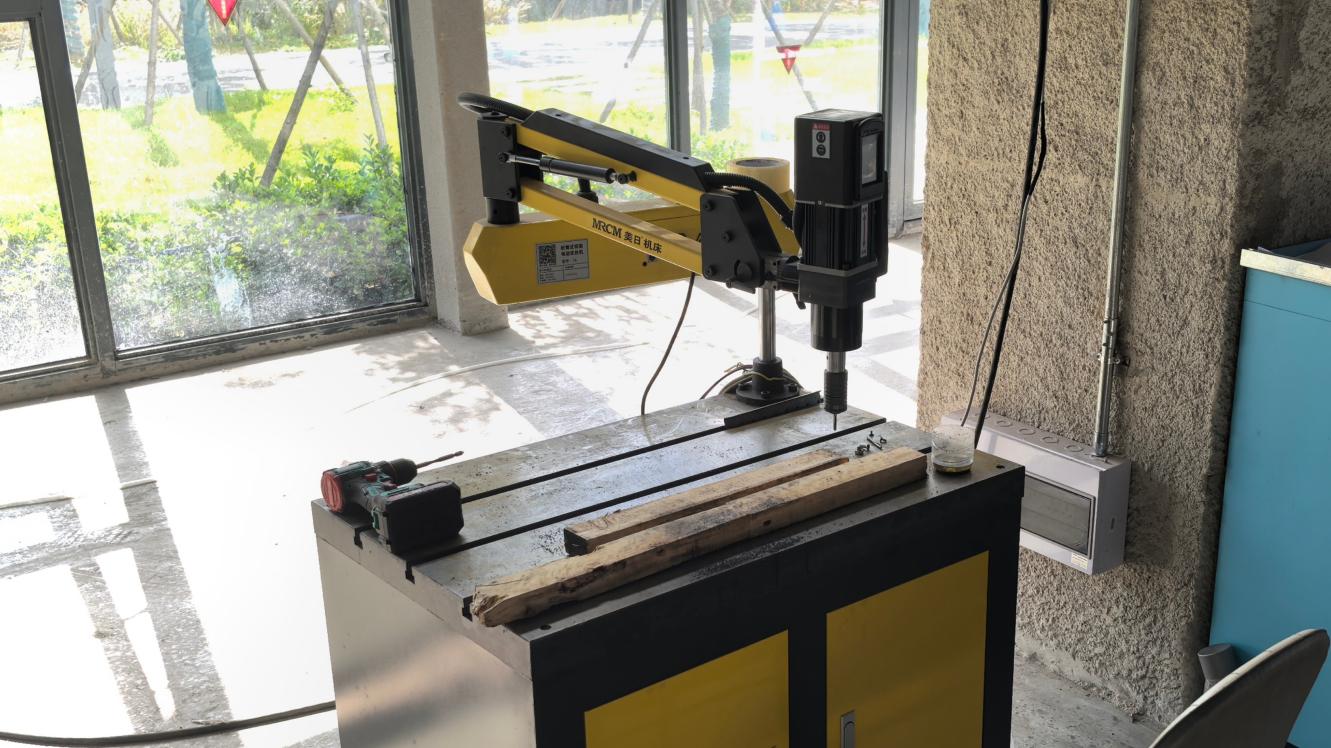
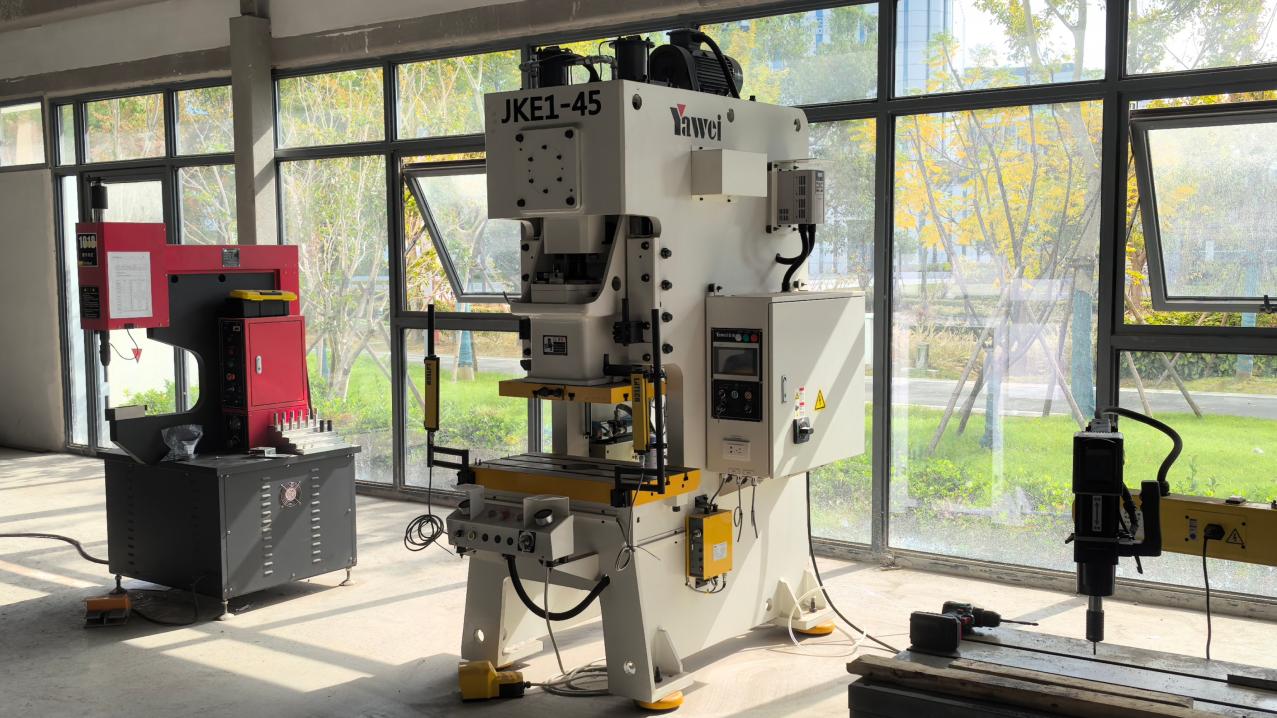
Quality electrical components and assemblies require precision at every stage of production. At Zhejiang Sowest Electric Co., Ltd., we combine advanced hardware, automated manufacturing lines, and strict quality checkpoints to deliver reliable performance across our product line. Our comprehensive production workflow spans twelve distinct phases:
The global transition toward clean energy, coupled with the modernization of power transmission infrastructure, is driving several technological changes in the design and production of wire connectors and distribution equipment:
Answers to common engineering, procurement, and design questions regarding wire connectors and power systems
We primarily use electrolytic tough pitch copper (C11000 ETP) with a copper content of at least 99.9%. This material provides excellent electrical and thermal conductivity. For spring-loaded systems, we use high-grade beryllium copper or stainless steel springs to ensure long-term, reliable contact pressure under continuous thermal cycling.
We operate under an ISO 9001:2015 certified quality management system. Every batch of raw materials undergoes incoming inspections, including spectrographic analysis and hardness testing. Our production processes feature in-line visual and automated coordinate checks. Finished products are subjected to dielectric withstand tests, contact resistance measurement, and thermal imaging verification to guarantee safe operation.
Our OEM/ODM services cover custom physical dimensions, specialized pin configurations, high-temperature housings (up to 200°C), custom plating (gold, silver, nickel, or tin), integrated sensor elements, and private labeling. We can develop customized injection molds and progressive stamping dies based on your technical drawings or reference samples.
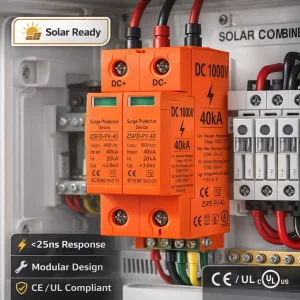
Yes, we manufacture components and systems rated for solar PV applications up to 1000V/1500V DC. Our product line includes DC Surge Protective Devices (SPDs), DC Distribution Panels, and specialized high-voltage connectors that meet the requirements of modern utility-scale solar farms and energy storage systems.
For custom OEM designs, the initial DFM analysis and mold flow simulation take 5-7 days. Mold tooling fabrication and sample submission generally require 25-30 days. Following sample approval, mass production runs are typically completed within 15-20 days, depending on the order volume.
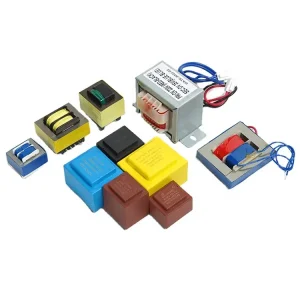
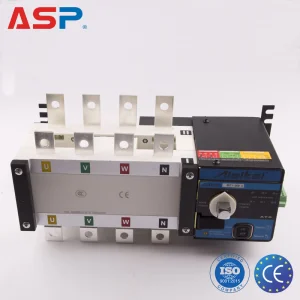
High-efficiency power converters, switchgears, single-phase transformers, and automatic transfer switches
 Sowest Electric