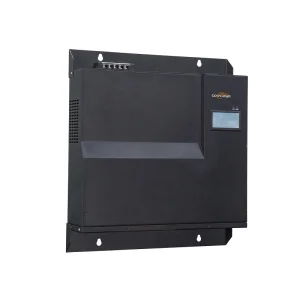
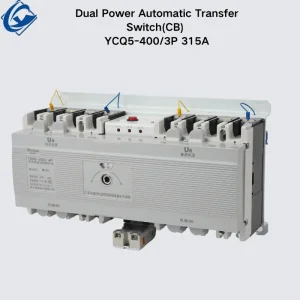
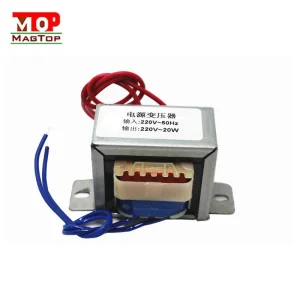
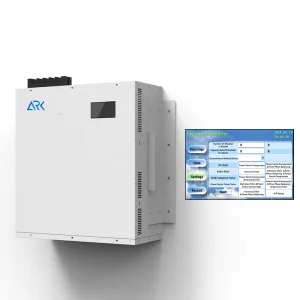
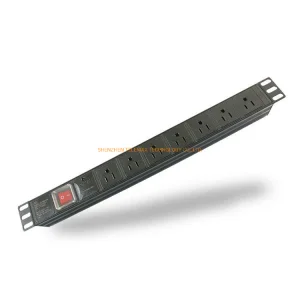
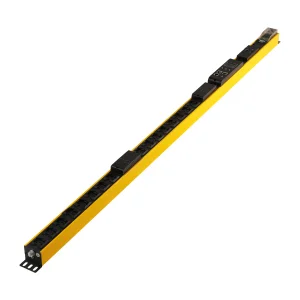
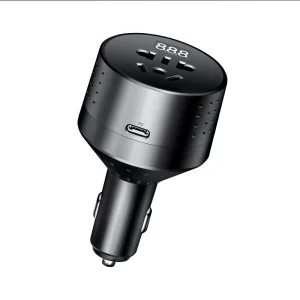
High-efficiency converters, active harmonics management, automatic transfer switches, and rack distribution units.
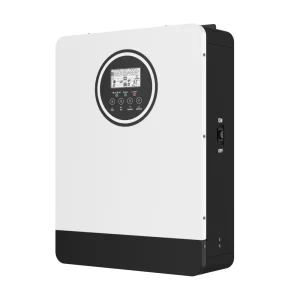
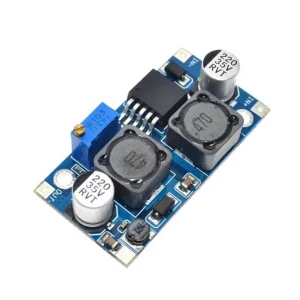
Unlocking structural shifts in power quality, dynamic factor compensation, and smart energy topologies.
The global infrastructure landscape is undergoing a massive transformation driven by the explosive growth of artificial intelligence (AI), machine learning (ML), big data analytics, and cloud computing. As compute densities jump from 5kW-10kW per rack to upwards of 50kW-100kW, traditional power architectures are reaching their thermal and electrical limits. Data center operator priorities are shifting away from basic power redundancy toward total system resilience, real-time power quality monitoring, dynamic harmonic mitigation, and microgrid compatibility.
High compute demands generate severe electrical transients. Modern topologies rely heavily on static var generators (SVGs) and active harmonic filters (AHFs) to sustain power factor values near unity, ensuring complete load balancing under volatile processing demands.
Smart rack power distribution units (iPDUs) no longer just distribute power. They provide continuous environmental monitoring, outlet-level power metering, and real-time remote switching protocols to support zero-downtime micro-maintenance programs.
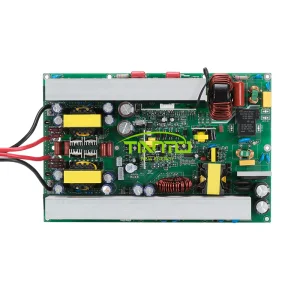
Lithium iron phosphate (LiFePO4) chemistry is rapidly superseding VRLA lead-acid batteries. The integration of high-performance inverter-chargers compatible with smart lithium chemistry reduces footprint requirements and extends system life cycles up to 15 years.
To control total cost of ownership (TCO) and maximize power usage effectiveness (PUE), global designers utilize advanced electrical distribution configurations. These setups implement low-frequency isolation transformers, automatic transfer switches (ATS) for instantaneous source transfers, and dynamic voltage regulators to shield hyper-sensitive silicon arrays from harmonic noise and voltage sags.
Engineered to meet the absolute uptime mandates of Tier III and Tier IV data centers worldwide.
Key considerations for EPC contractors, hyper-scalers, and industrial facility managers when sourcing power components.
Procuring power distribution and conditioning systems is a high-stakes decision. Buyers require comprehensive validation protocols to guarantee product compatibility, international safety compliance (such as CE, UL, and RoHS certificates), and operational reliability under high ambient operating temperatures.
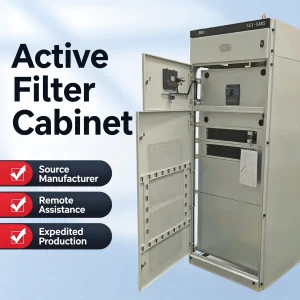
In high-density data centers, the focus centers on harmonics mitigation and reactive power compensation. Standard diode rectifier loads introduce non-linear current draws, causing harmonic distortions that can overheat neutral conductors, trip circuit breakers, and damage upstream generator sets. For these scenarios, engineering firms mandate high-speed Active Harmonic Filters (AHF) and Static Var Generators (SVG) to regulate power factor dynamically.
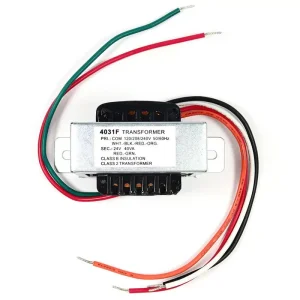
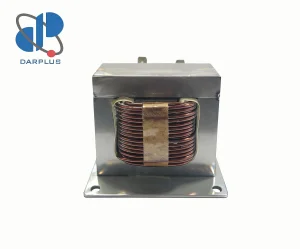
Furthermore, local safety regulations require isolation of critical control electronics from raw grid transients. Single-phase low-frequency isolation transformers are utilized to establish clean electrical boundaries, eliminating ground loops and suppressing high-frequency common-mode noise. Similarly, multi-tap HVAC control transformers are widely sourced to manage local environment cooling units, protecting control panels from fluctuating voltage feeds.
How Zhejiang Sowest Electric Co., Ltd. optimizes manufacturing through vertical integration, automation, and premium material selection.
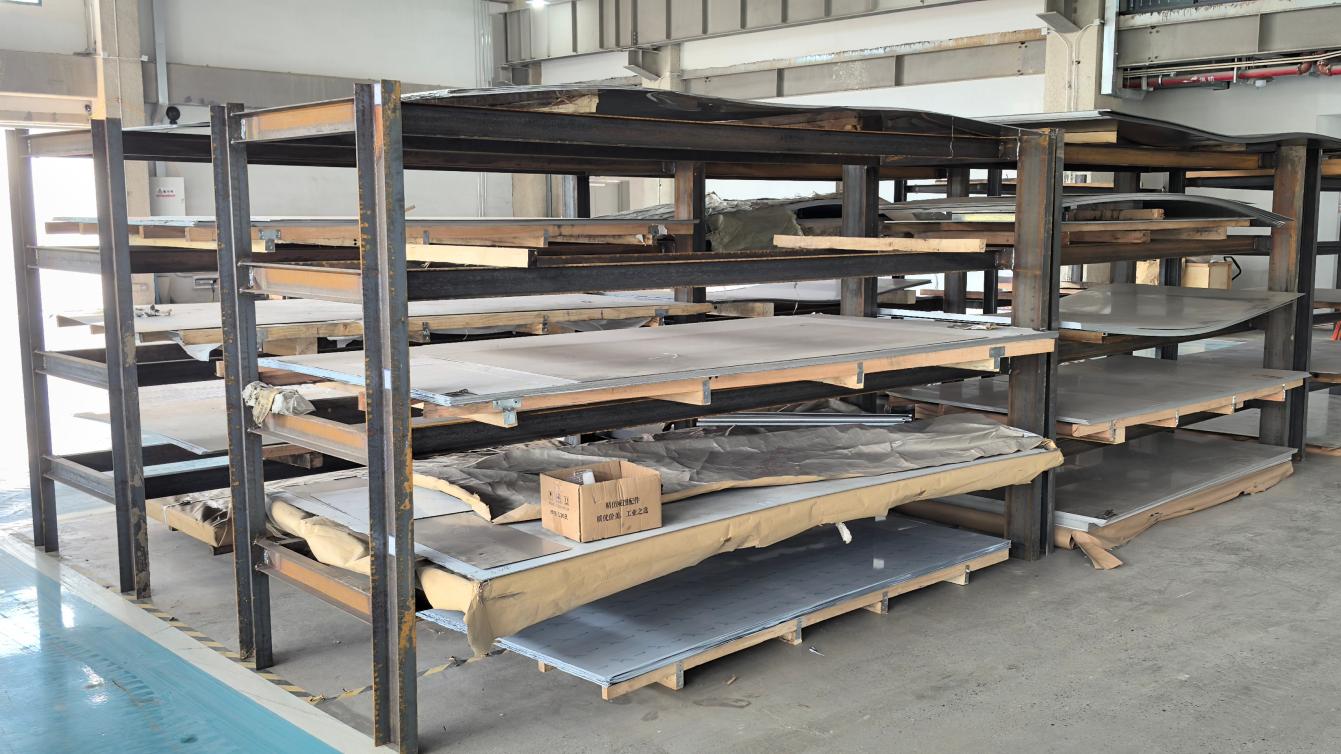
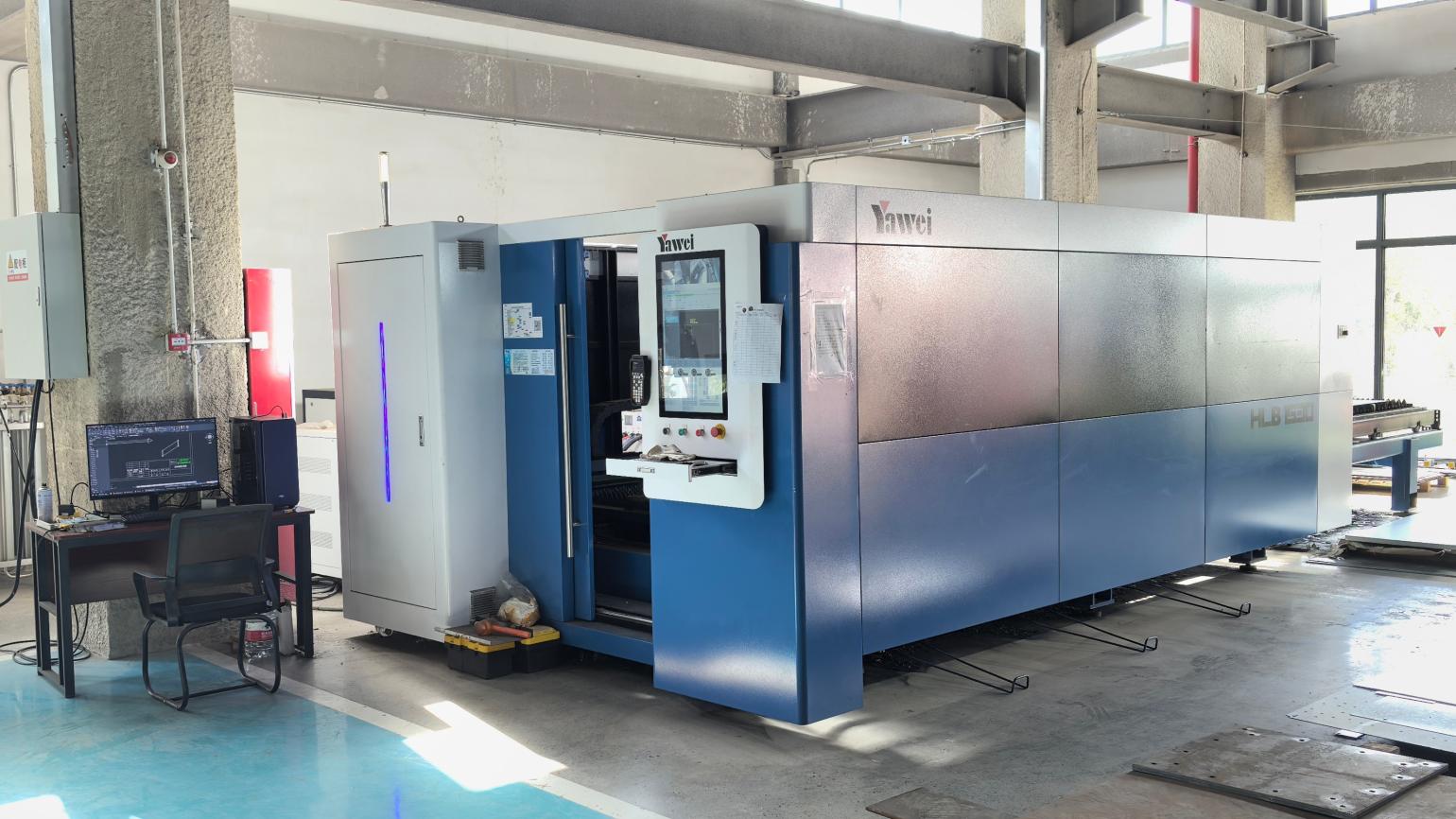
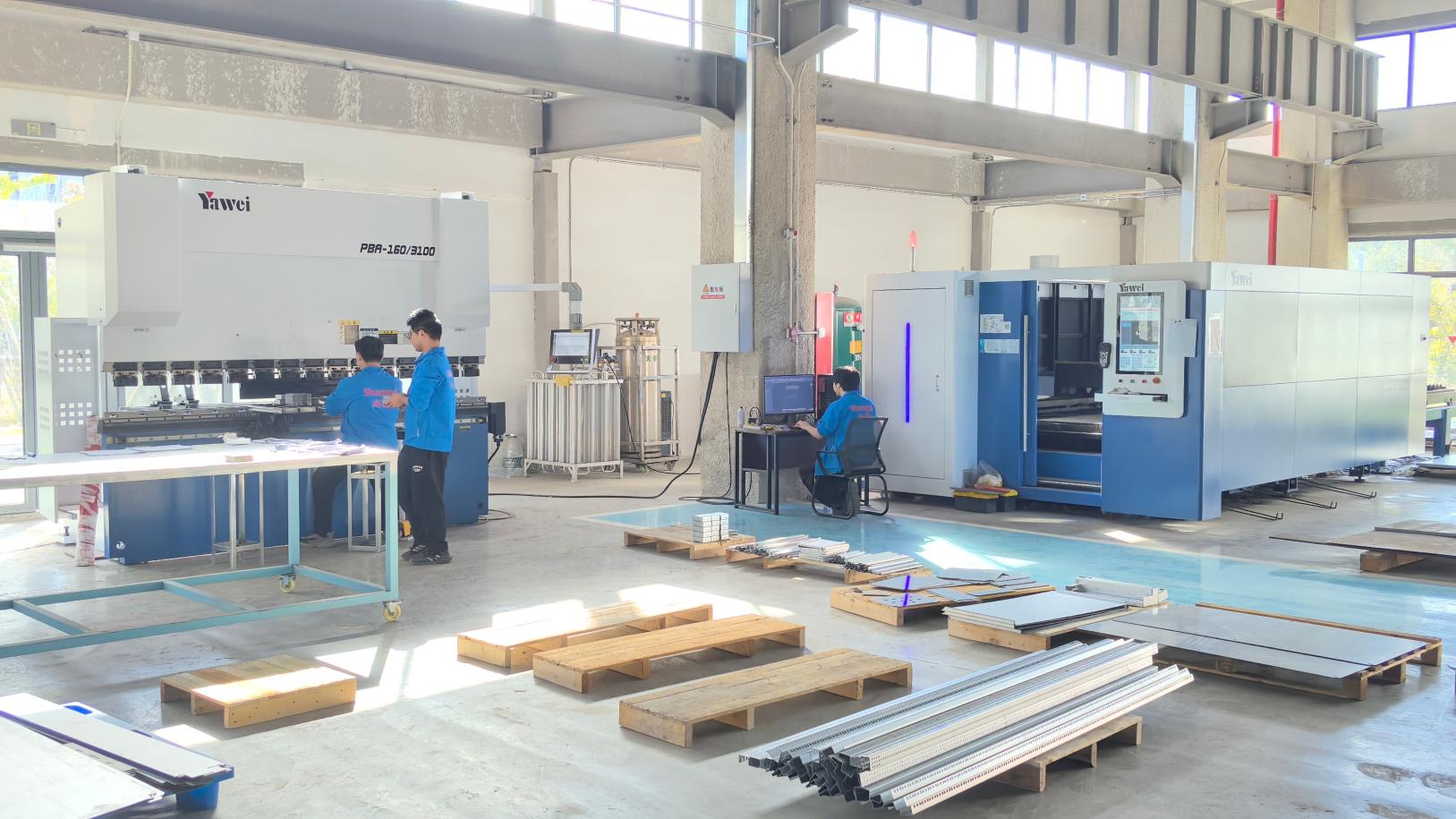
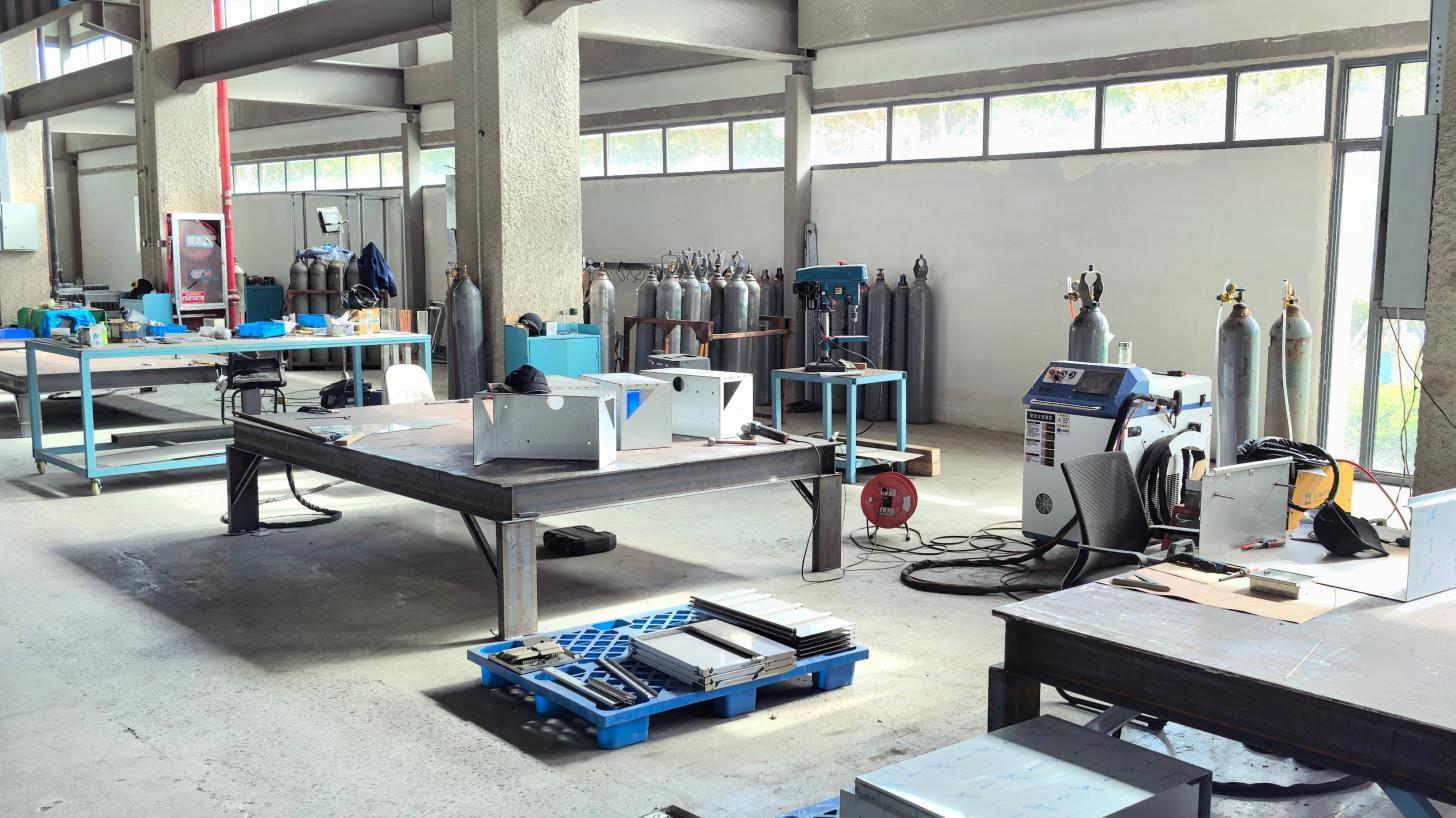
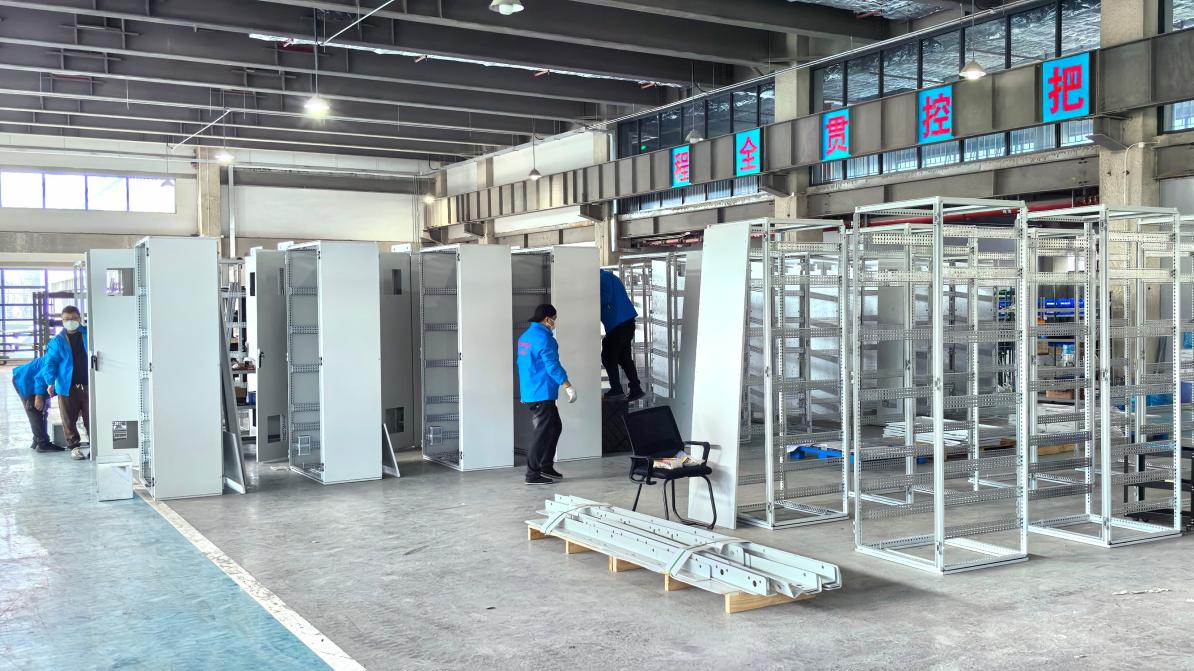
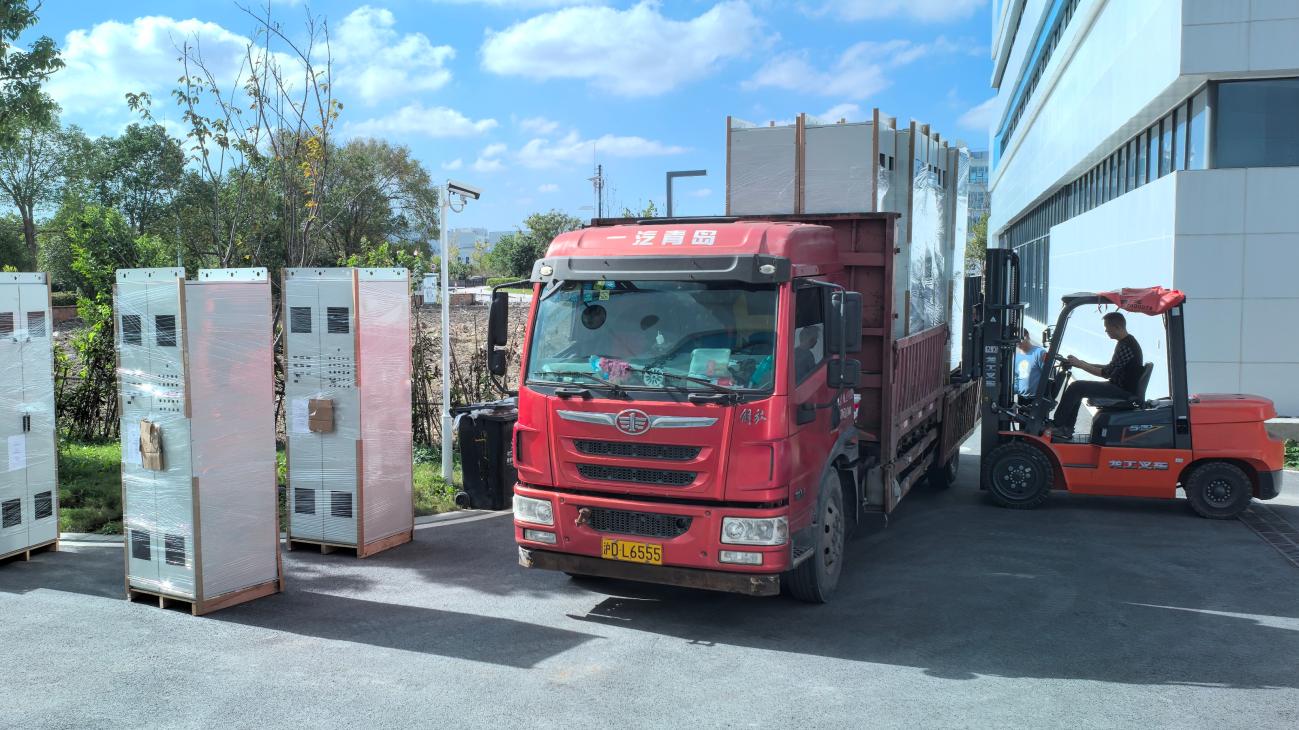
Zhejiang Sowest Electric Co., Ltd. stands at the forefront of China's Factory 4.0 initiative. As a modern and innovative enterprise, Sowest Electric integrates advanced manufacturing, automated tooling, and thorough QA processes. This vertical integration allows the factory to maintain strict control over lead times, material quality, and compliance for export to demanding global projects.
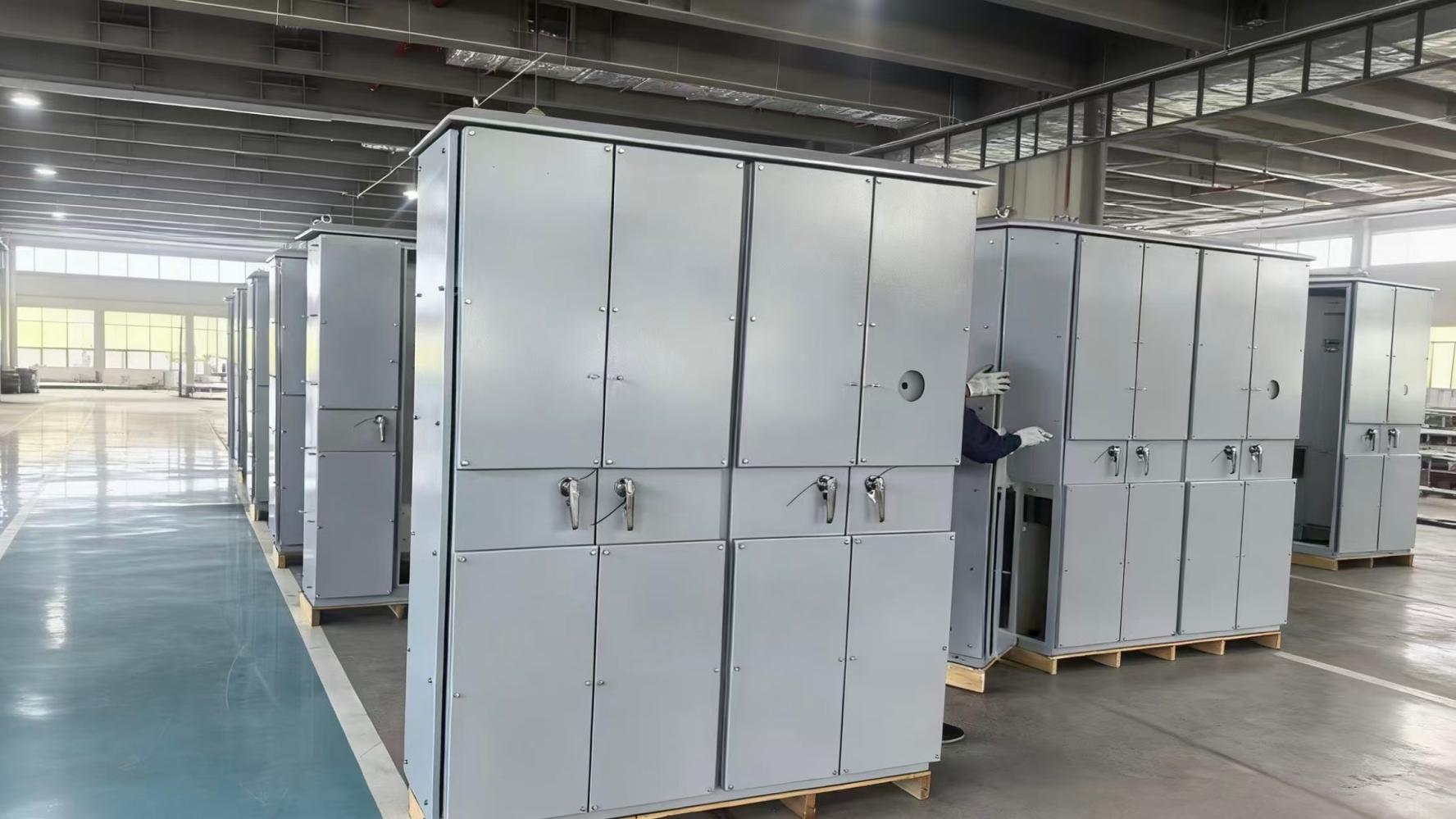
Sowest Electric's core product portfolio includes AC/DC Power Supply Panels, DC Power Systems, UPS (Uninterruptible Power Supply) Systems, Battery Chargers, DC Distribution Panels, AC Distribution Panels, Central Signal Panels, Power Monitoring Systems, Circuit Breakers, Power Feeding Panels, and other integrated power supply solutions. These products are widely applied in substations, power plants, industrial facilities, data centers, rail transit systems, and renewable energy projects.
Supported by a highly qualified team of engineers, technicians, and industry experts with extensive experience in power electronics and electrical engineering, Sowest Electric ensures every product meets international standards. By utilizing advanced laser cutting, precise bending, automated welding, and custom dispensing machines, the manufacturing facility maintains tight tolerances on every enclosure, panel, and internal busbar configuration.
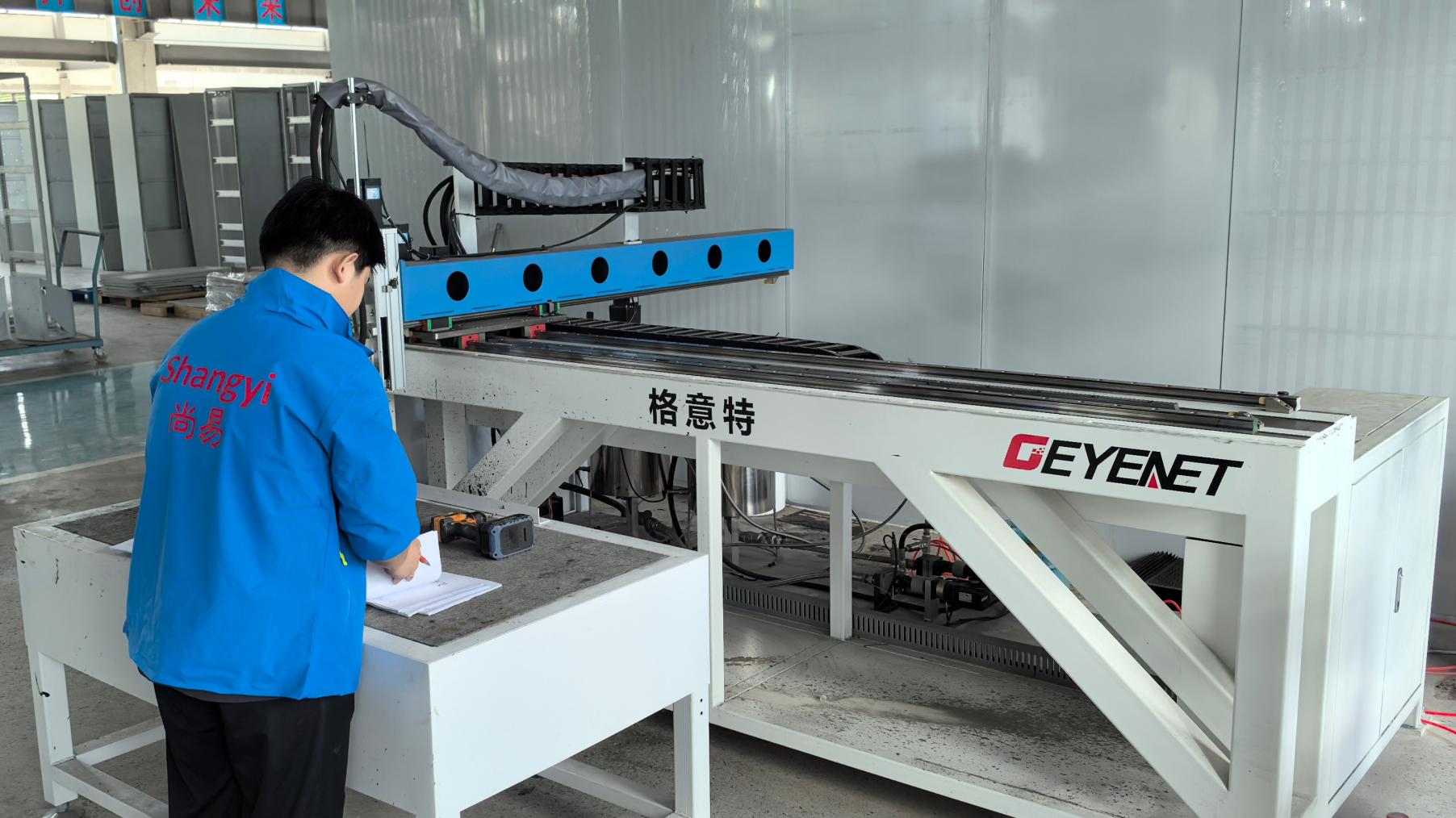
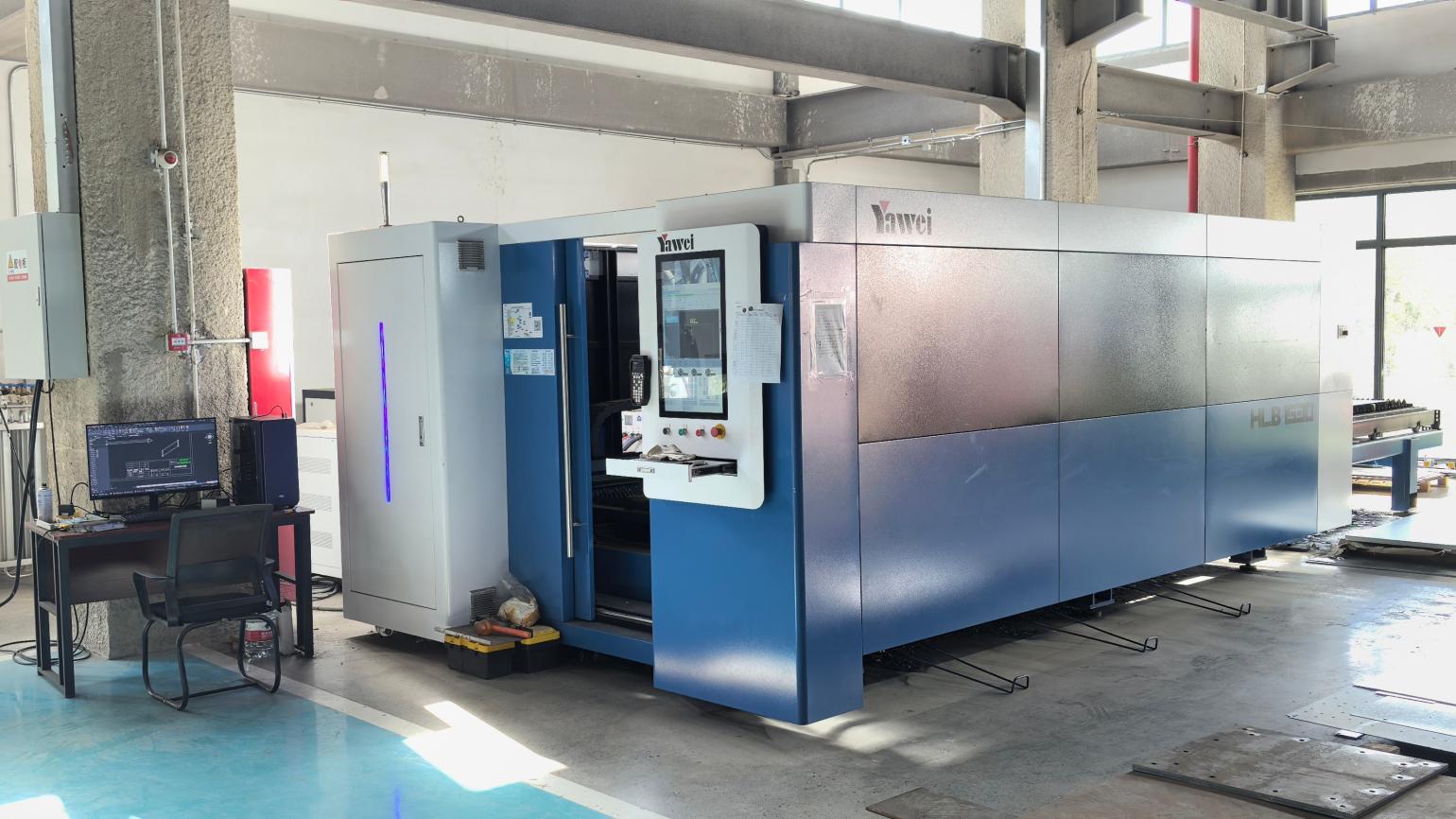
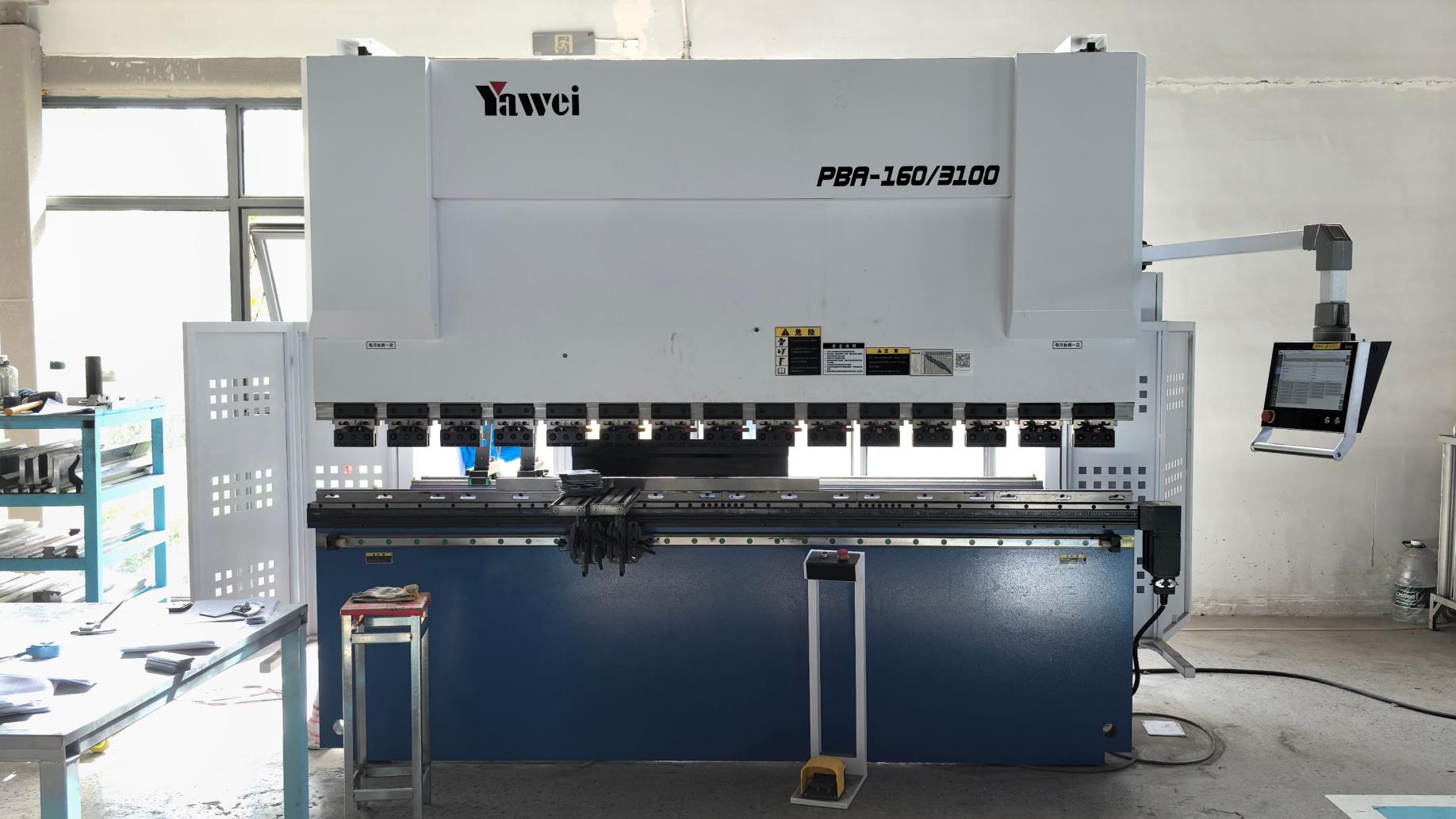
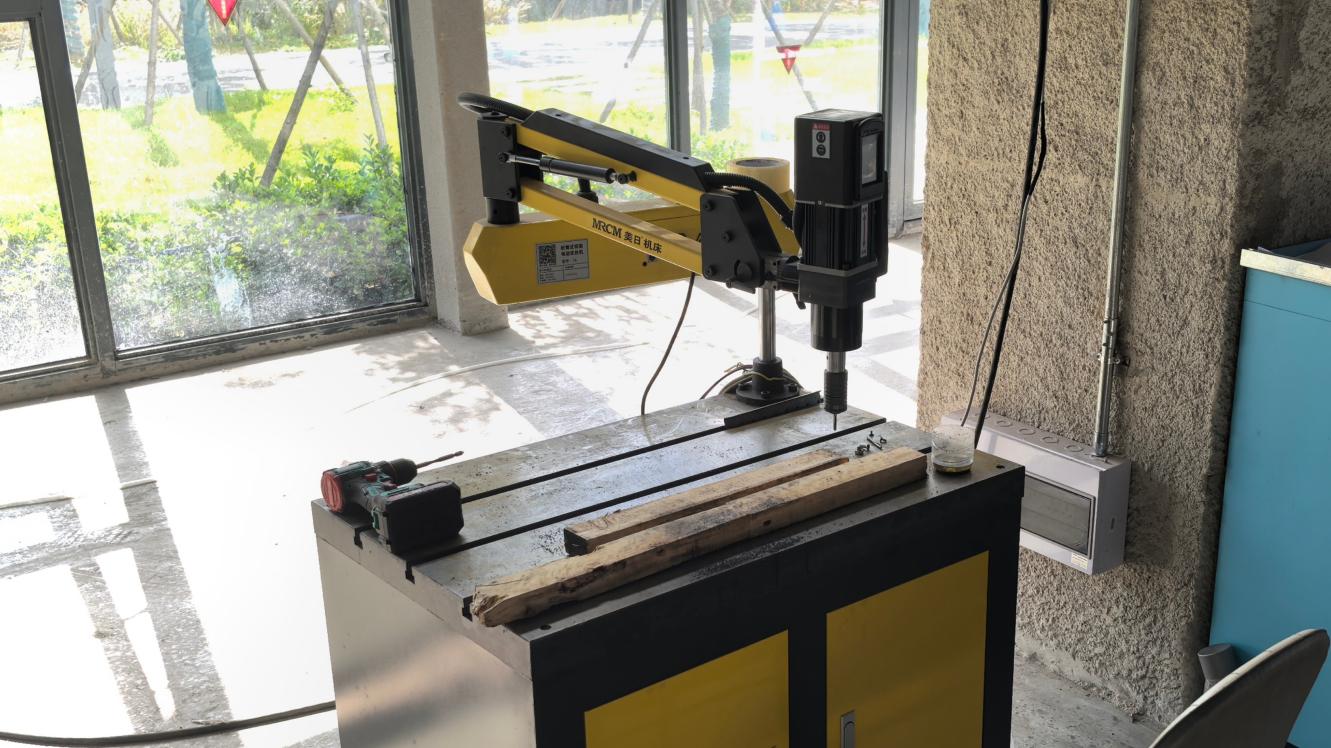
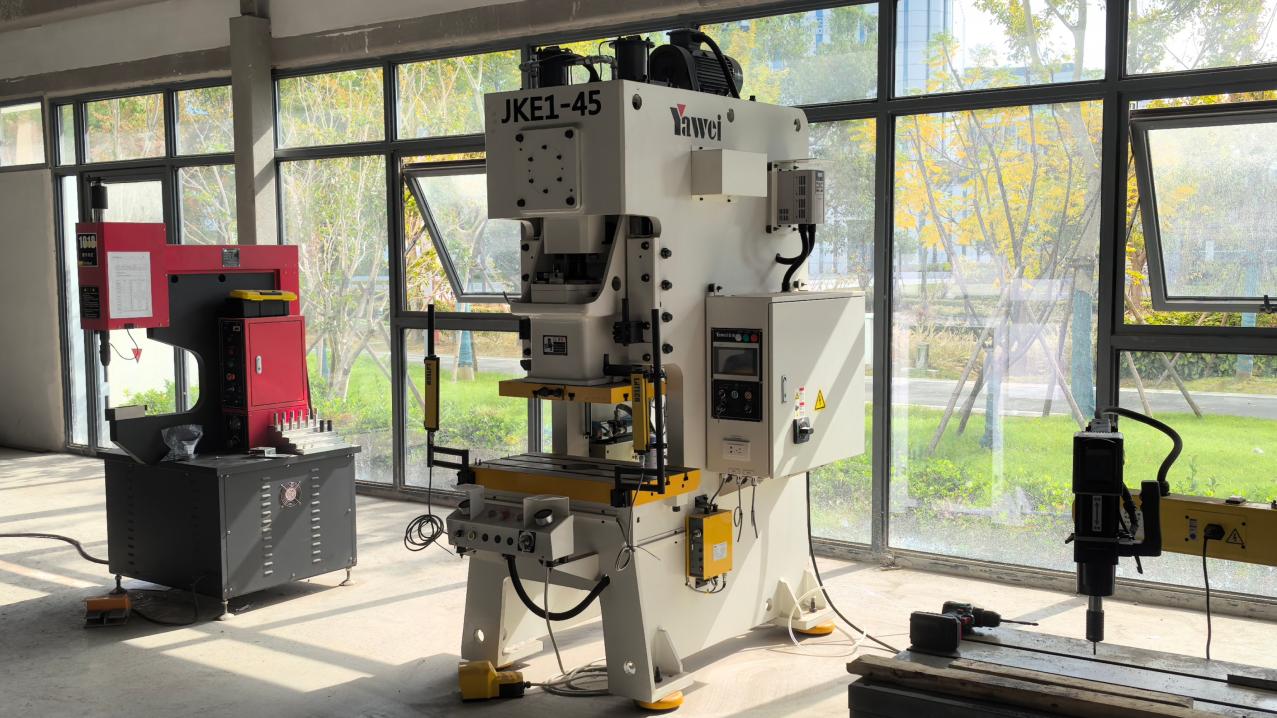
From dense urban colocation sites to harsh remote industrial environments.
Under strict service level agreements (SLAs), colocation operators require reliable sub-millisecond source switches. Employing fast ATS modules and intelligent PDUs ensures constant, monitored power supply directly to individual customer server cages.
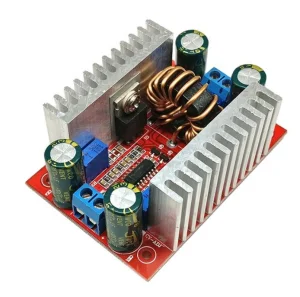
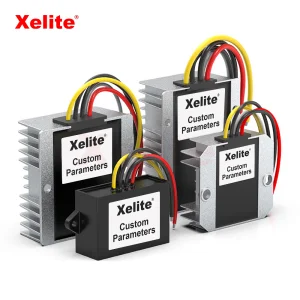
Decentralized edge computing nodes are often exposed to unstable regional power grids. Outdoor enclosures equipped with heavy-duty DC-to-DC step-down converters, automatic voltage regulators, and integrated LiFePO4 inverter-chargers provide high-efficiency backup with minimal maintenance.
Manufacturing environments feature heavy inductive machinery that creates harmonic distortion and line feedback. Installing dynamic active harmonic filter cabinets and static var generators maintains power factor targets, avoiding high-draw utility surcharges.
Frequently asked questions concerning power factor compensation, harmonics, source transfer, and customization.
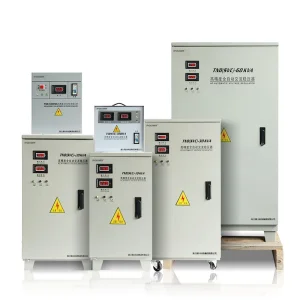
DC-DC conversion modules, high-power stabilizers, dynamic factor cabinets, and multi-tap isolation components.
 Sowest Electric