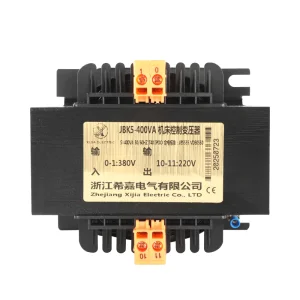
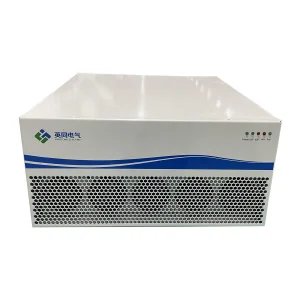
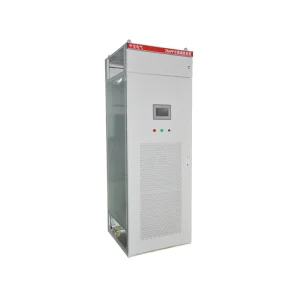
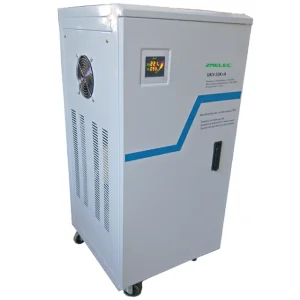
The transition toward smart grids, renewable integration, and high-density computing is forcing a massive evolution in industrial switchboard and switchgear design. Modern distribution systems are no longer passive copper busbar frameworks; they are interactive, data-generating nodes essential to uptime and safety.
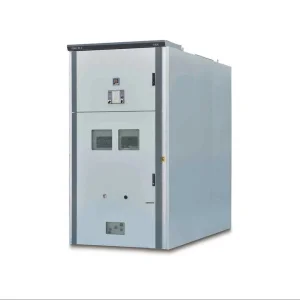
Globally, the demand for medium and low-voltage switchboards is projected to expand significantly, driven by infrastructure upgrades in North America, rapid industrialization across the Asia-Pacific region, and strict European decarbonization mandates. Electrical design teams must balance thermal dissipation, short-circuit withstand capabilities, and space constraints while meeting stringent local installation codes.
Zhejiang Sowest Electric Co., Ltd. is a modern and innovative enterprise specializing in the research, development, manufacturing, and sales of power supply and electrical distribution equipment. With a strong commitment to technological innovation, product quality, and customer satisfaction, the company has established itself as a reliable partner for power generation, transmission, distribution, industrial automation, transportation, petrochemical, telecommunications, and infrastructure projects worldwide.
Our core product portfolio includes AC/DC Power Supply Panels, DC Power Systems, UPS (Uninterruptible Power Supply) Systems, Battery Chargers, DC Distribution Panels, AC Distribution Panels, Central Signal Panels, Power Monitoring Systems, Circuit Breakers, Power Feeding Panels, and other integrated power supply solutions. These products are widely applied in substations, power plants, industrial facilities, data centers, rail transit systems, and renewable energy projects.
The company is supported by a highly qualified team of engineers, technicians, and industry experts with extensive experience in power electronics and electrical engineering. Equipped with advanced manufacturing facilities, modern production lines, and comprehensive testing equipment, Sowest Electric ensures that every product meets stringent quality standards and international performance requirements.
Guided by the principles of integrity, professionalism, innovation, and mutual growth, Zhejiang Sowest Electric continuously invests in research and development to deliver efficient, intelligent, and reliable power solutions. The company has established a complete quality management system and adheres to strict production and inspection processes to guarantee product safety, stability, and long-term reliability.
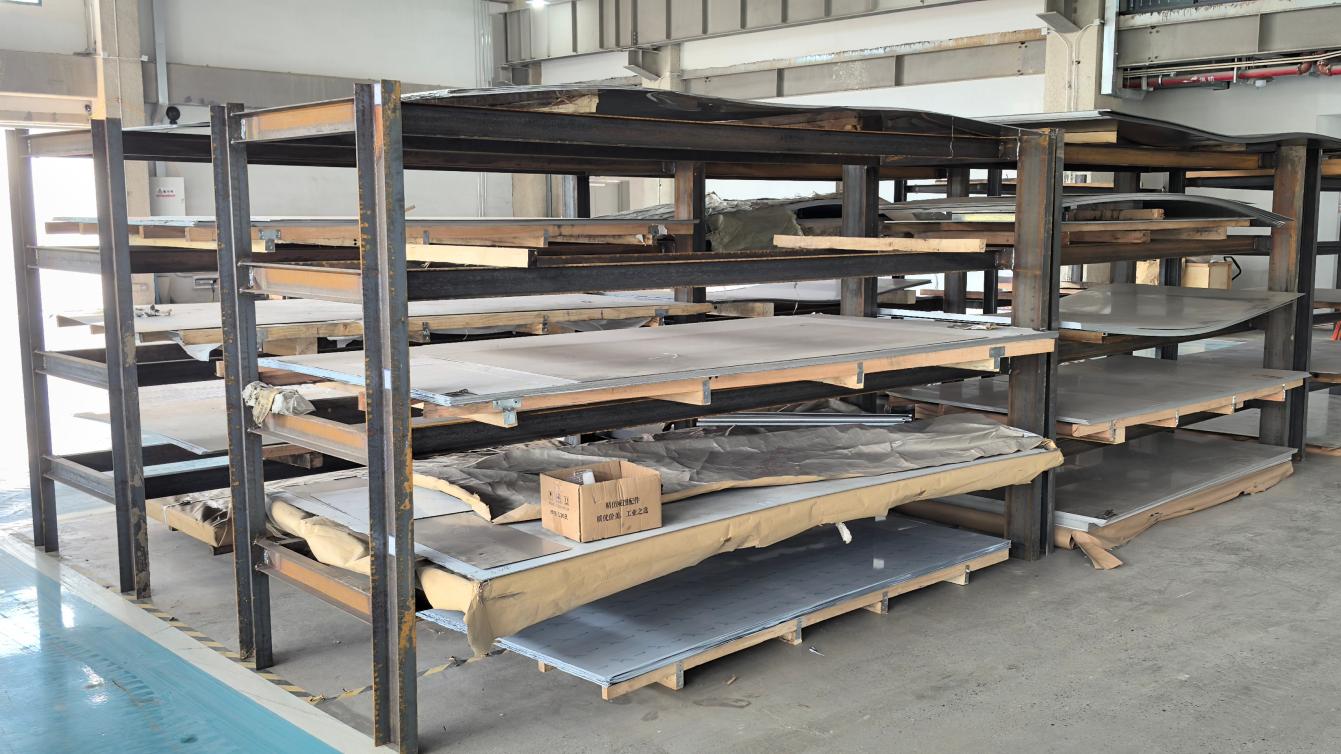
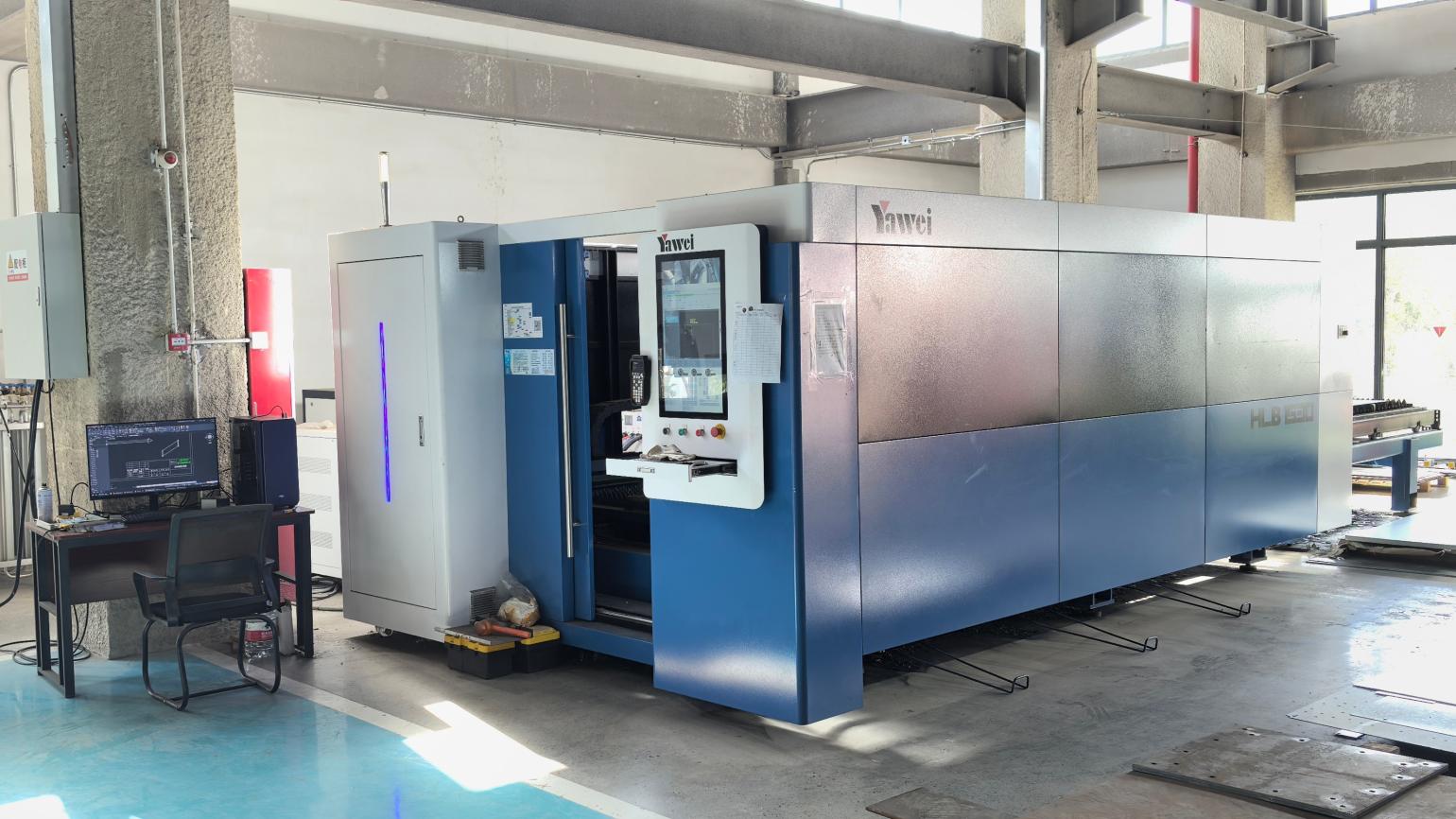
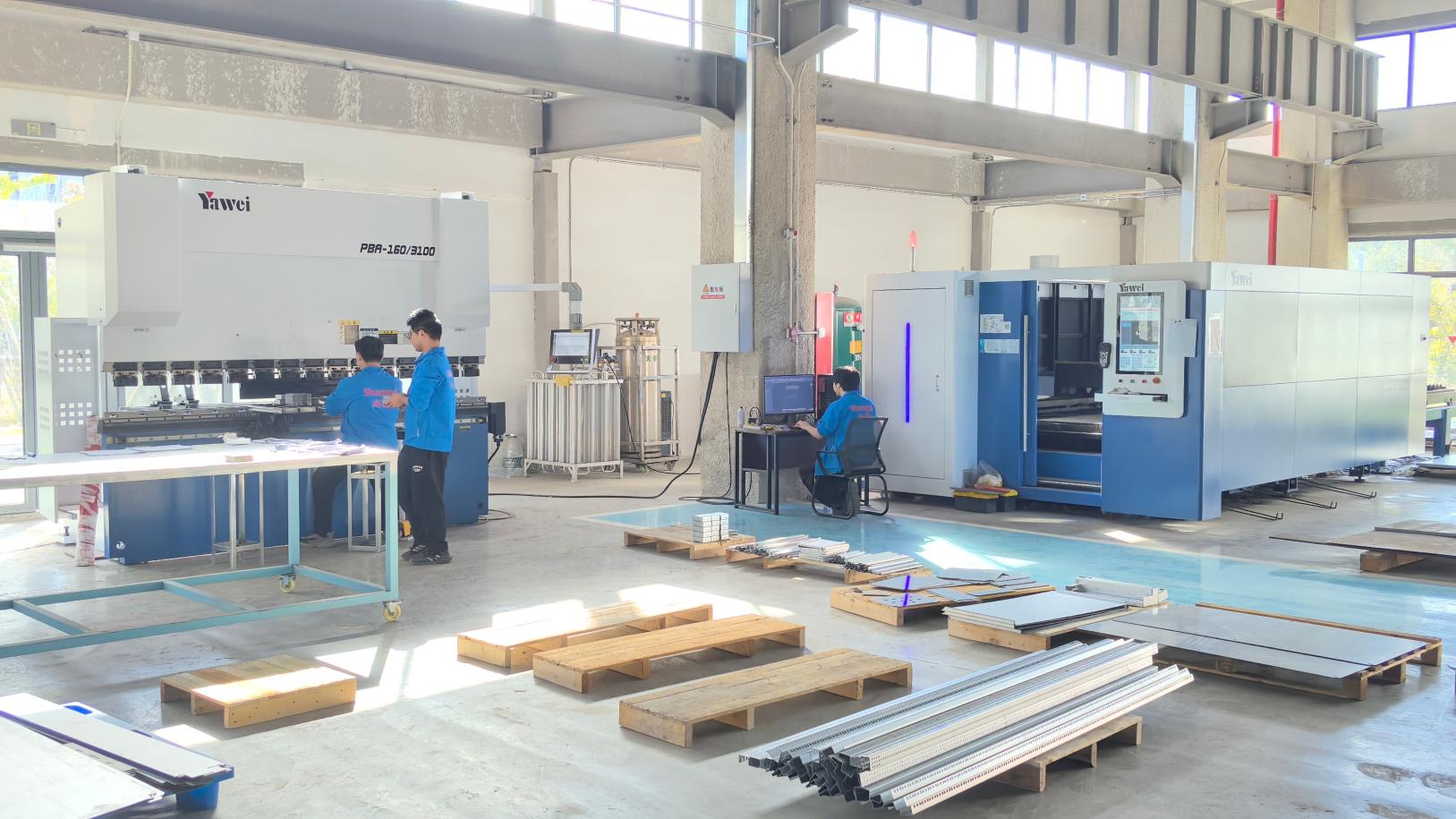
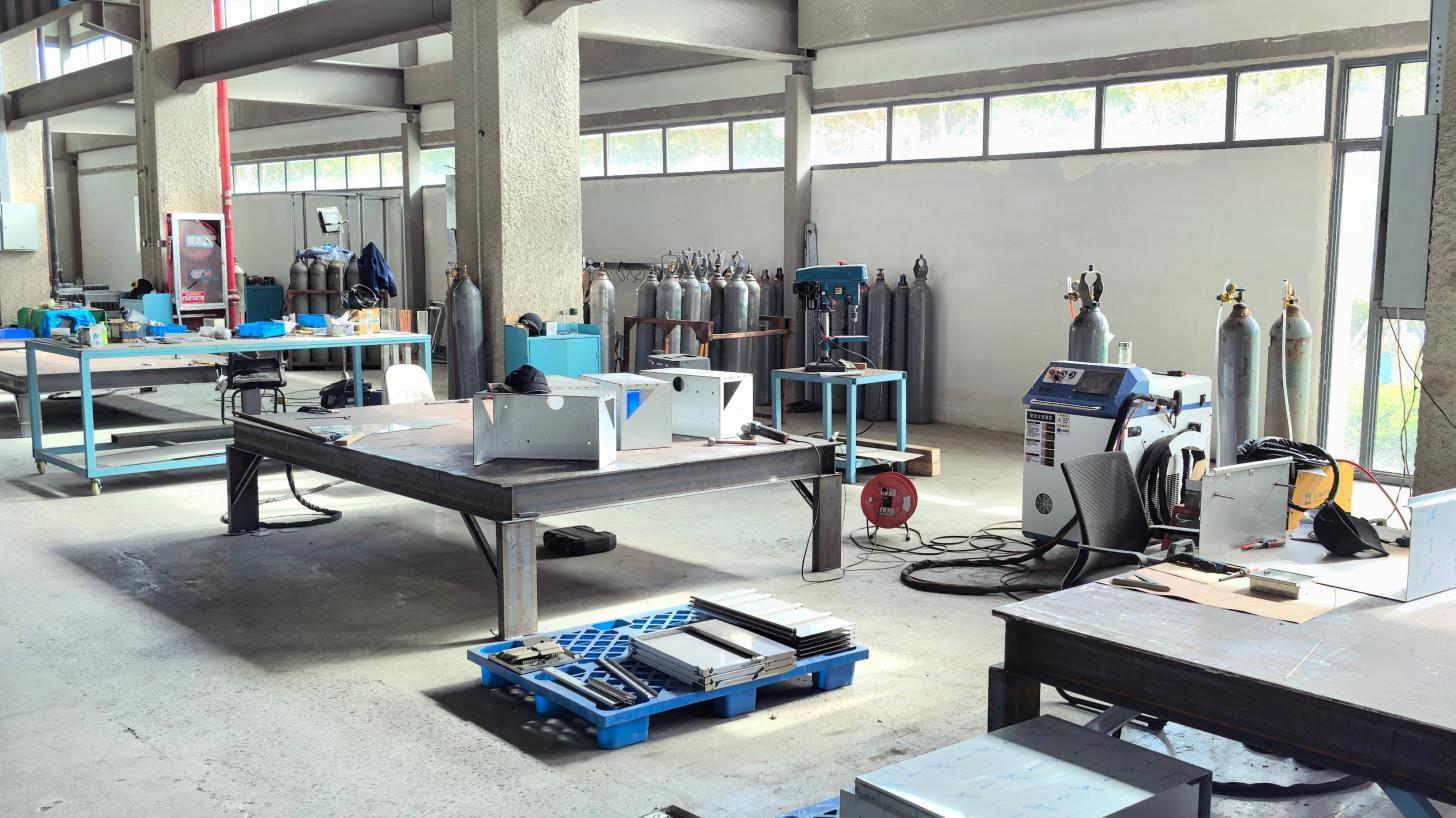
Our facilities leverage automation and precise machining to guarantee consistent enclosure tolerances, perfect structural welds, and clean wiring looms. Below is an inside look at our advanced supply chain operations.
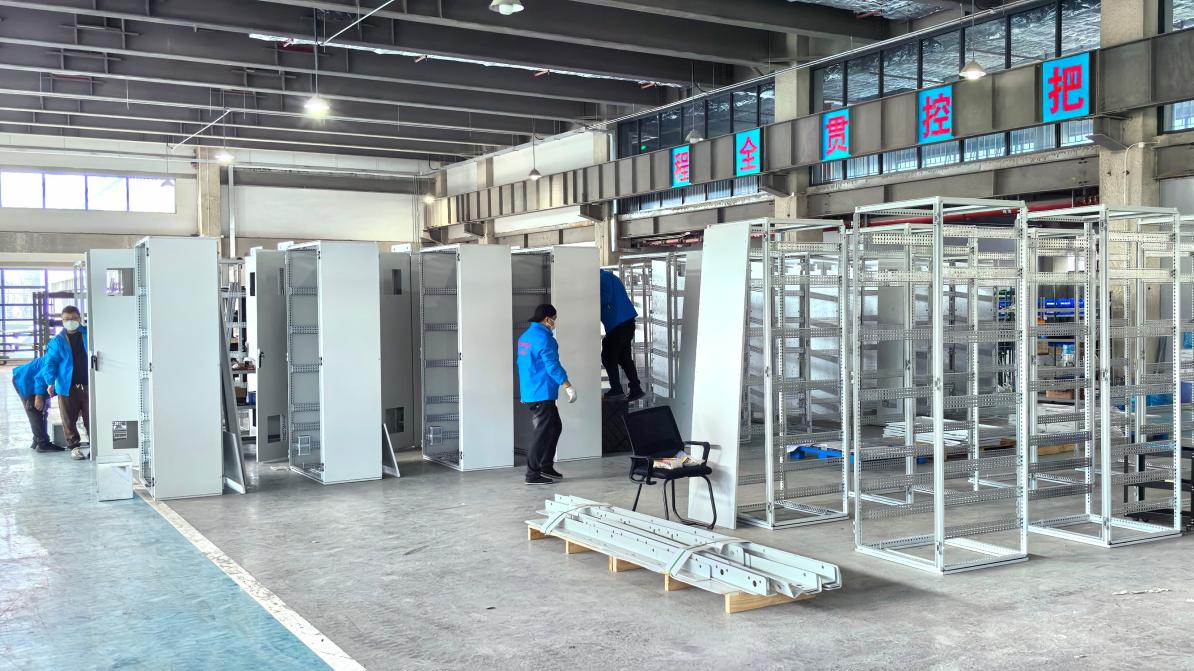
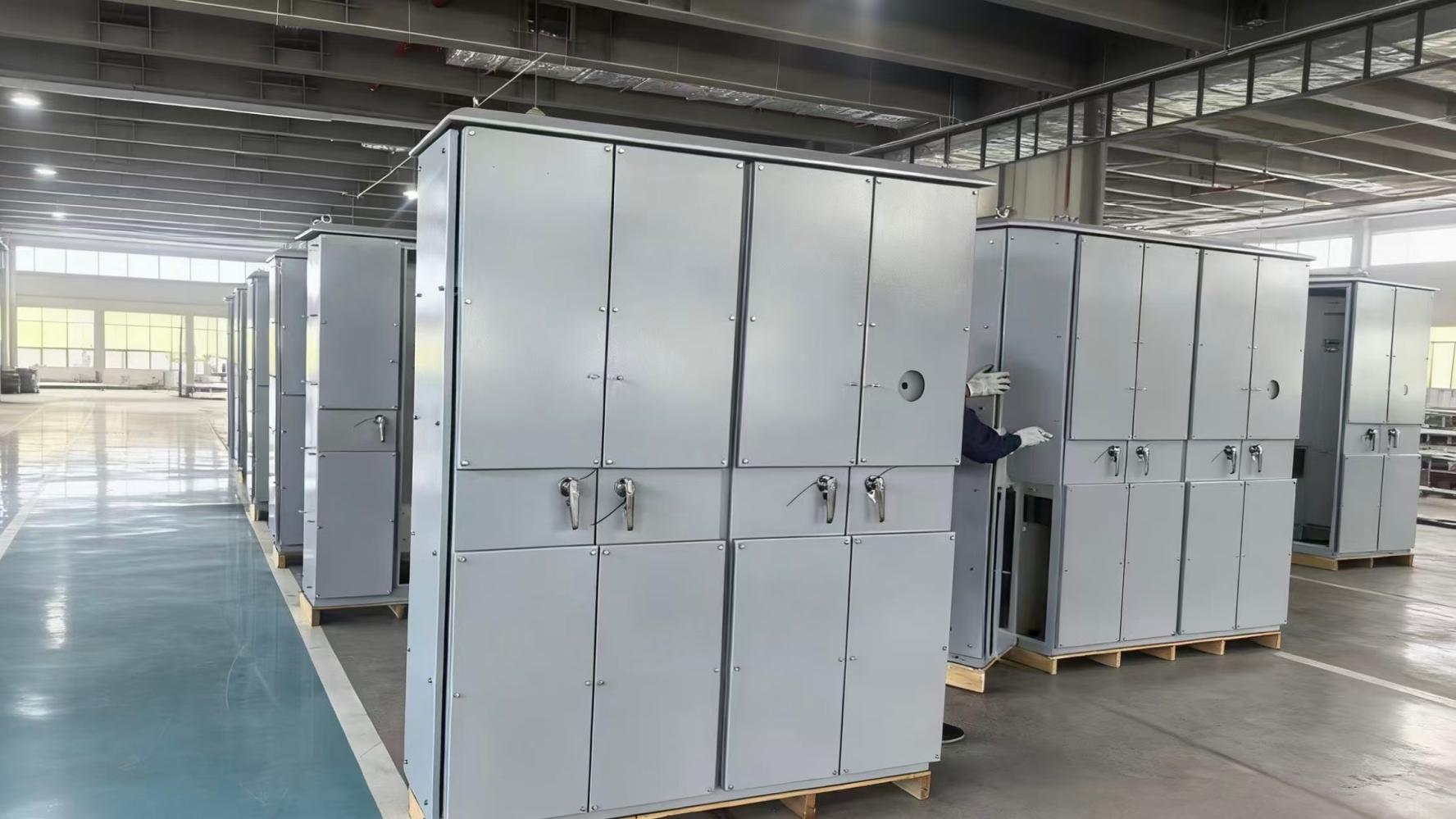
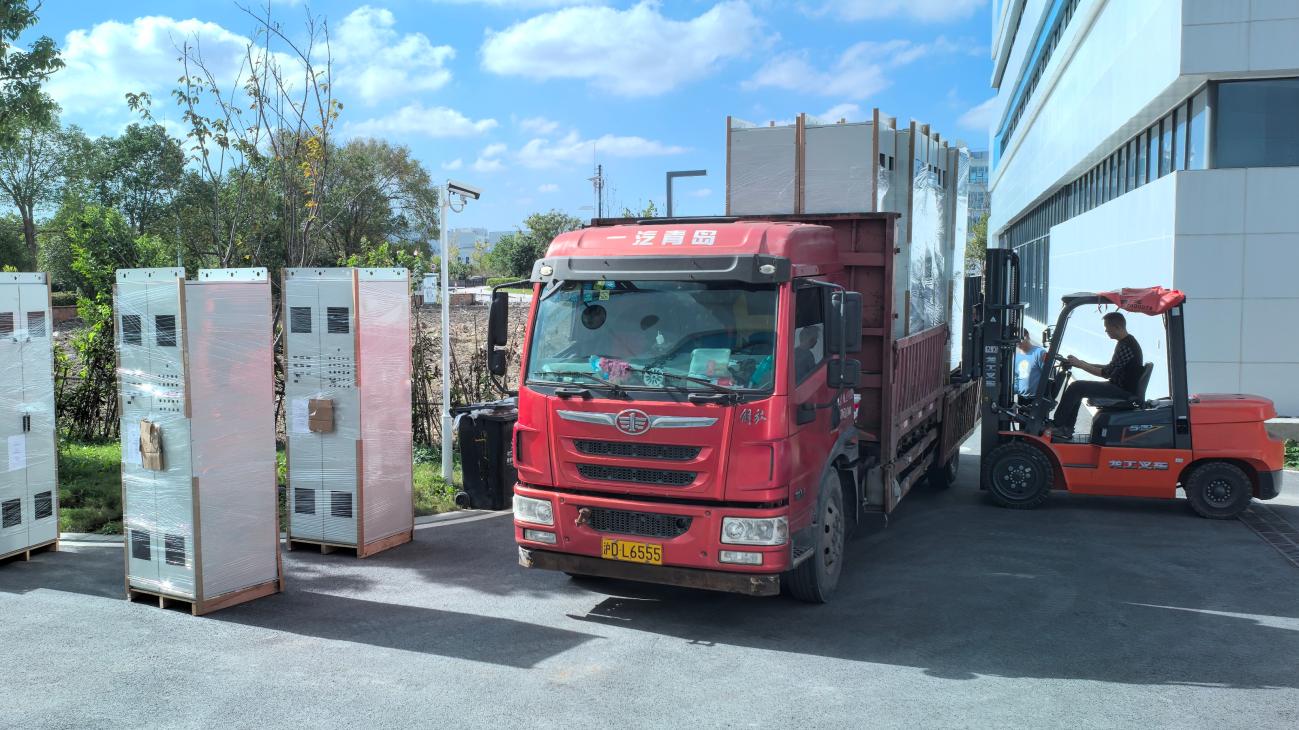
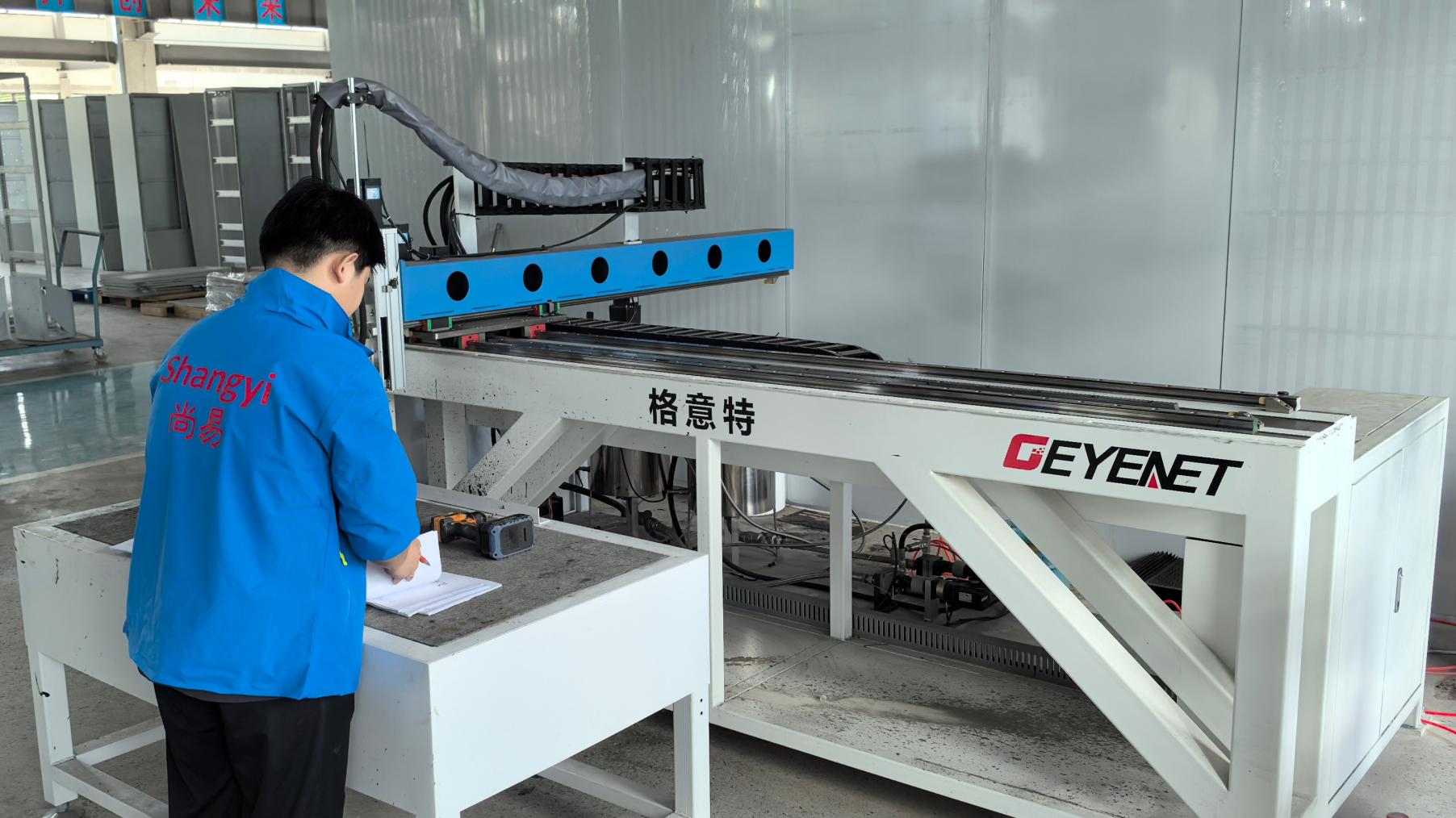
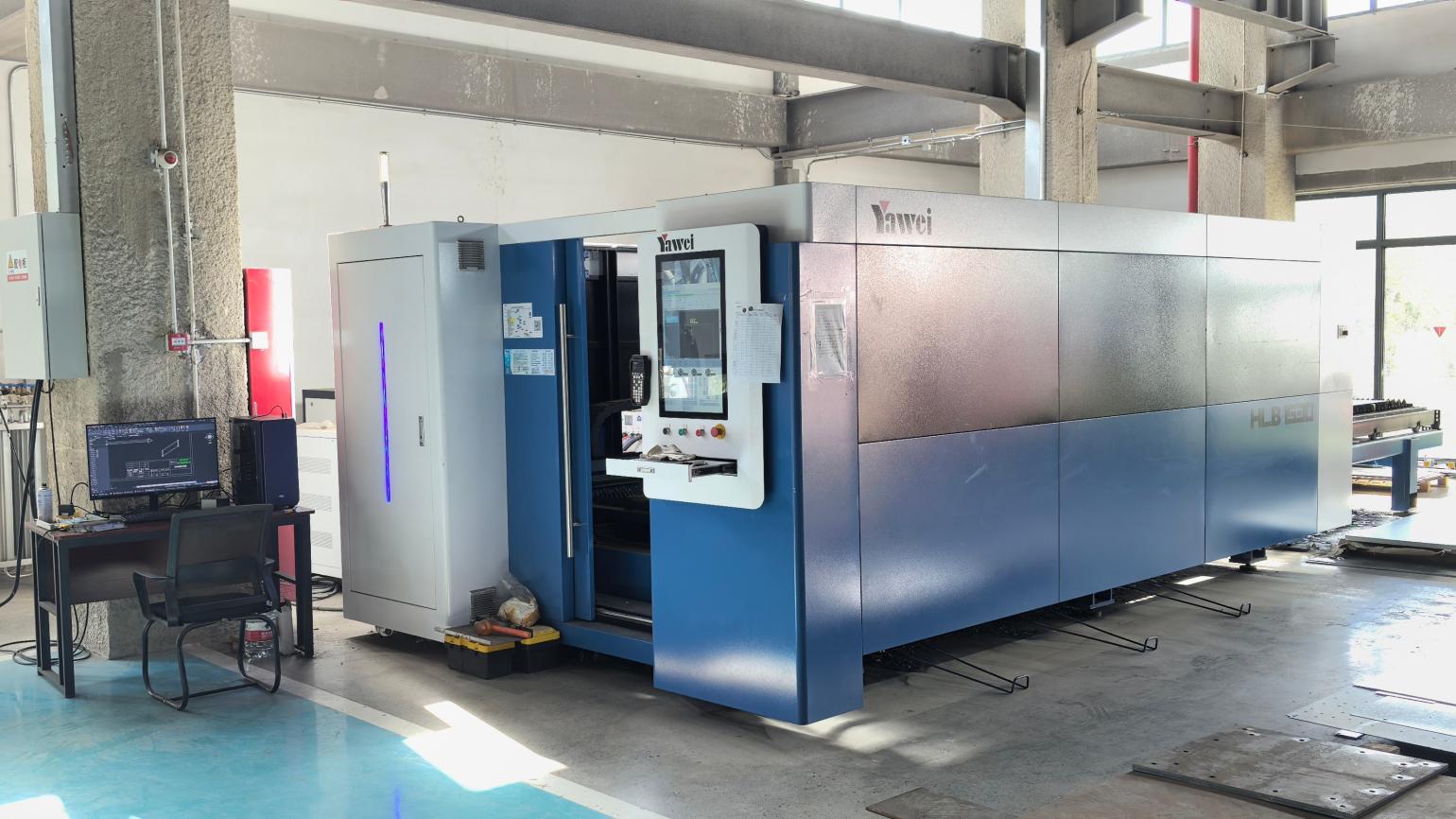
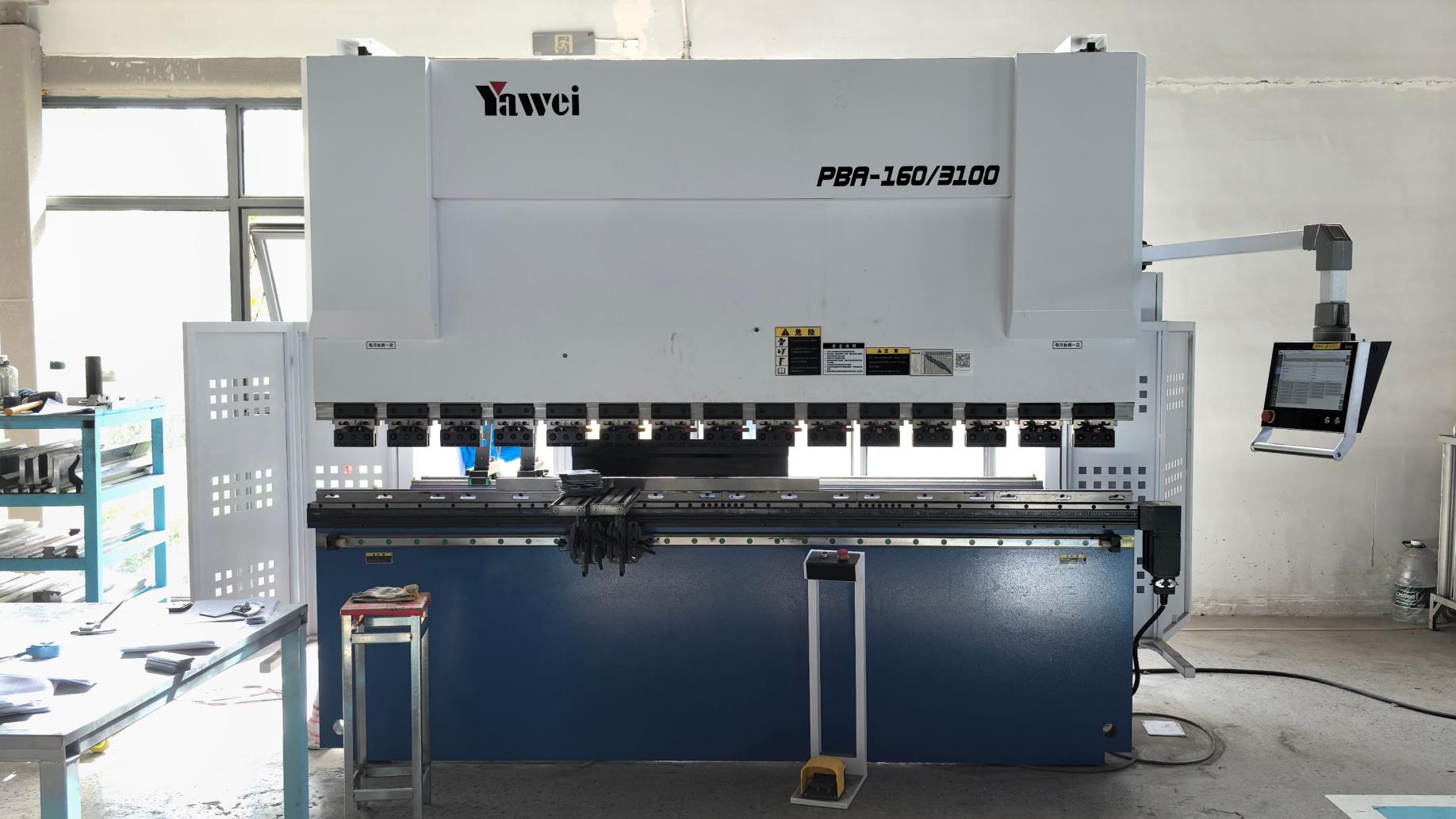
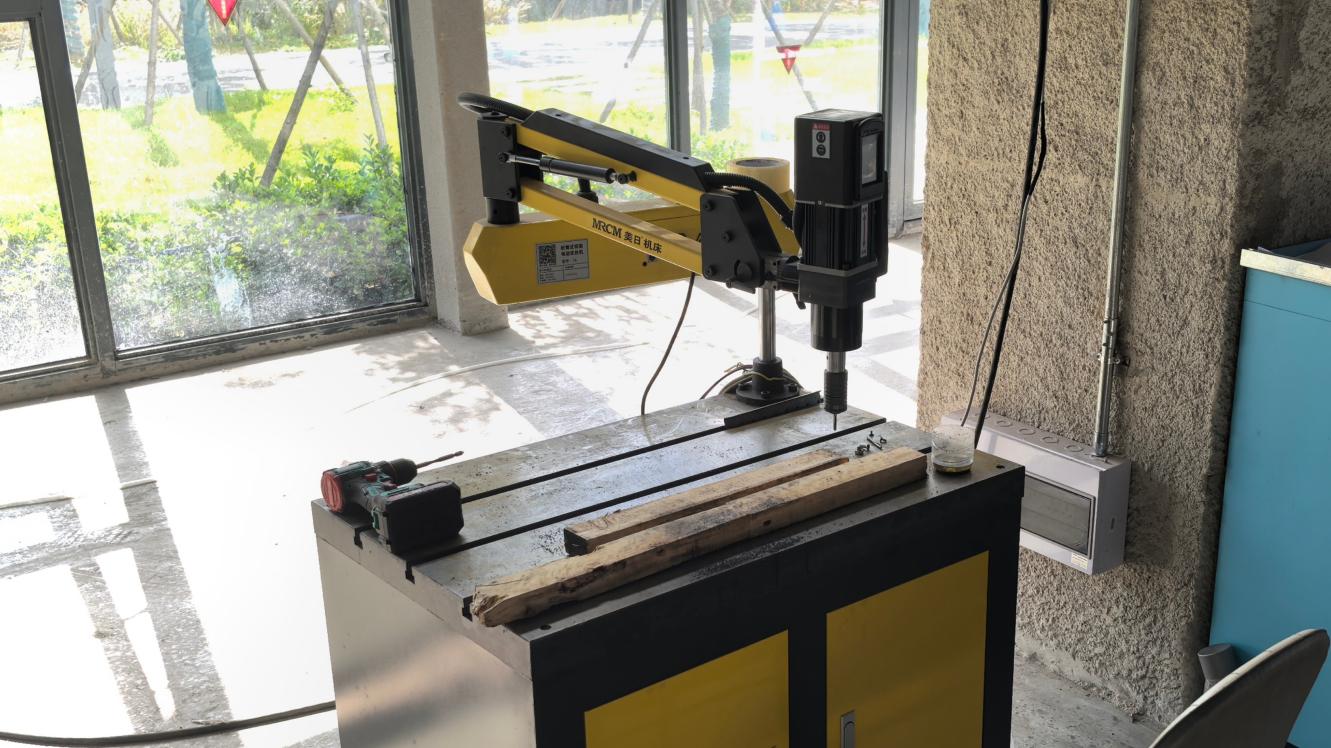
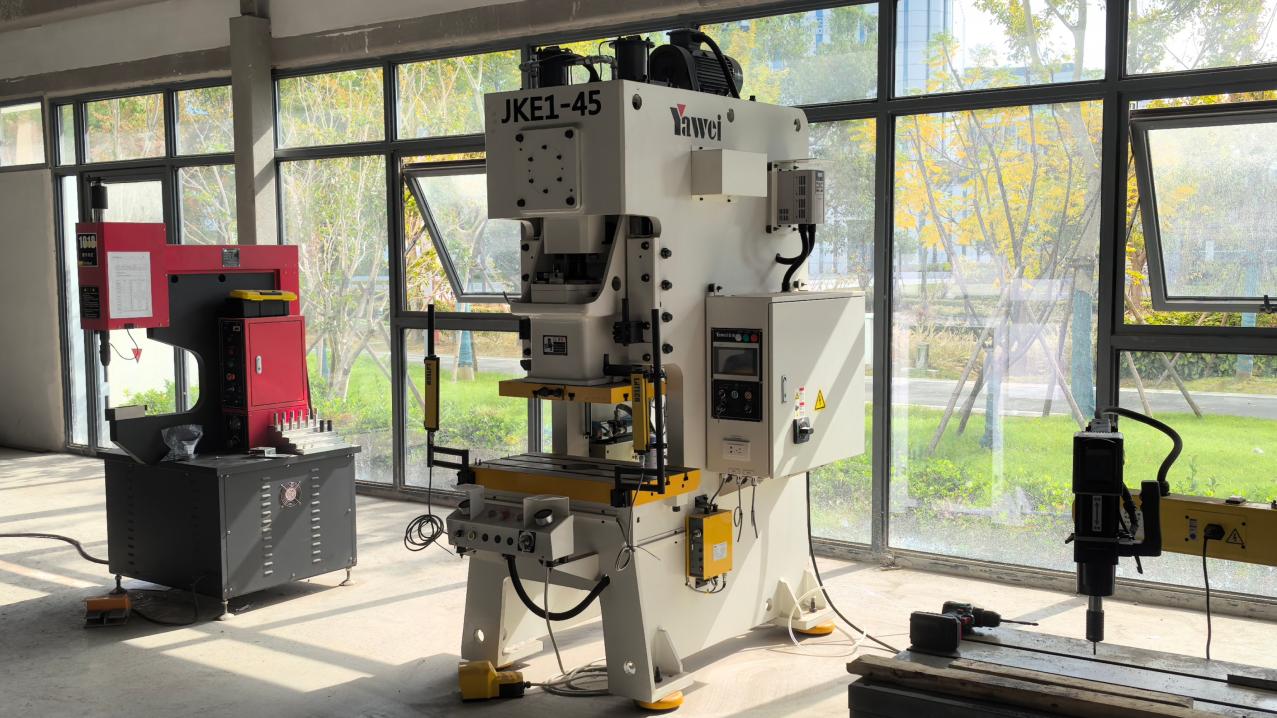
Switchboard customization demands a deep understanding of local environmental factors and application specificities. A general-purpose switchboard design is not suitable for all environments. We engineer targeted modifications for typical deployment scenarios:
High particulate loads and extreme vibrations require heavy-gauge steel enclosures with IP65 ingress protection, custom structural reinforcement, and active ventilation filtration systems.
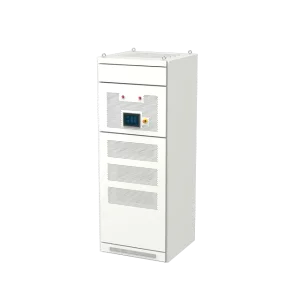
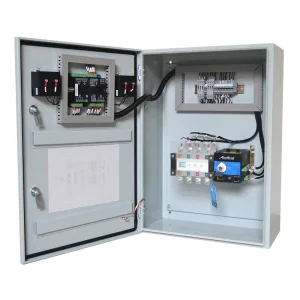
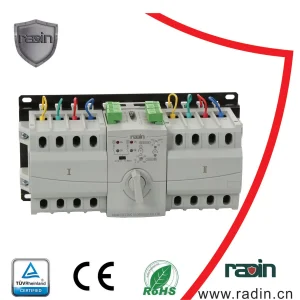
Demanding continuous uptime, our custom integrations utilize high-capacity Automatic Transfer Switches (ATS) and Active Power Filters (APFs) to stabilize current wave patterns and minimize harmonic pollution.
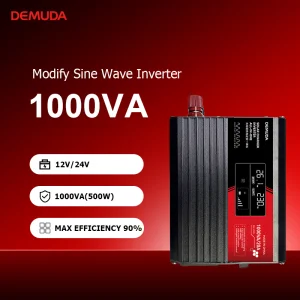
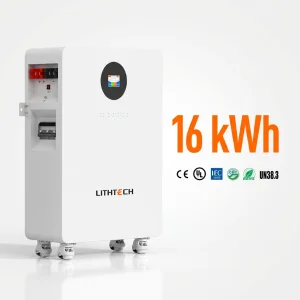
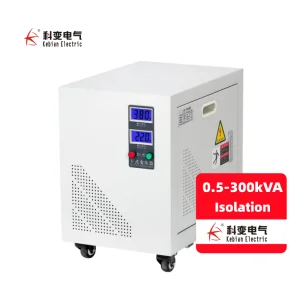
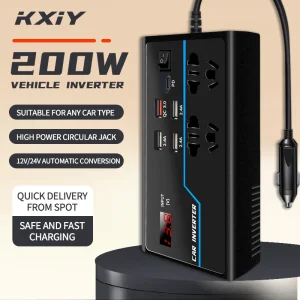
Integration with lithium-ion powerwalls and step-down transformers requires intelligent DC-to-AC conversion architectures designed for fluctuating load cycles and extreme temperature variations.
The transition toward more intelligent and sustainable power management is accelerating rapidly. Five primary factors are driving the design requirements of next-generation switchboards:
Smart sensors embedded directly in the cabinet busbars continuously track heat cycles and load anomalies. Rather than performing routine calendar-based maintenance, facility engineers receive automated, real-time alerts before component failures occur.
Advanced manufacturers create highly accurate 3D CAD digital twins of switchboard assemblies, including thermal behavior modeling. This speeds up compliance validation and makes it easier for project teams to integrate units into existing SCADA infrastructure.
Sustainable initiatives are shifting designs away from environmentally harmful SF6 (sulfur hexafluoride) gas in medium-voltage installations. Manufacturers are replacing them with vacuum interrupters and alternative insulating gas formulations.
Industrial machinery, high-efficiency lighting, and variable frequency drives generate system harmonics that degrade transformer efficiency. Integrating an Active Power Filter (APF) within the switchgear lineup helps ensure stable power distribution.
Engineering verification through design testing has become a key criterion for global projects. These structural and electric arc tests provide verified performance margins under severe fault conditions.
When selecting a global switchboard manufacturing partner, looking only at the initial acquisition cost can lead to higher long-term expenses. Engineering teams and procurement managers should evaluate suppliers using this structured scorecard:
Here are detailed answers to common technical and commercial questions regarding our switchboard products:
Active Power Filters (APFs) use power electronics to detect harmonic distortions on a busbar in real-time. They inject counter-phase currents to cancel out harmonics dynamically. Passive filters, on the other hand, use fixed capacitor and inductor networks tuned to specific frequencies (e.g., 5th or 7th harmonics). APFs are highly flexible and avoid the risk of system resonance.
IEC 61439 establishes clear design and testing criteria for low-voltage switchgear and control assemblies. It replaces the older concept of partially type-tested assemblies with comprehensive design verification. This process checks temperature rise limits, short-circuit withstand capabilities, dielectric performance, and mechanical operation. Compliance helps ensure safety and reliability under load.
An ATS monitors the incoming primary power supply. If the voltage drops below a preset threshold or a phase failure is detected, the switch controller commands the backup generator to start. Once the generator reaches stable voltage and frequency, the ATS transitions the load to the backup source. When primary power is restored and stable, the ATS switches the load back to utility power and allows the generator to run its cool-down cycle.
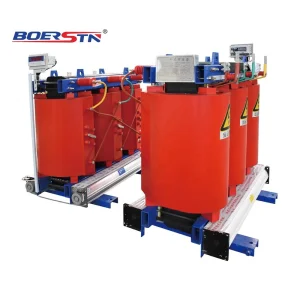
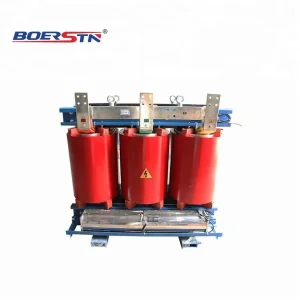
Cast-resin dry-type transformers, such as the SC10 series, offer key advantages for indoor installations: they are self-extinguishing in the event of an arc, present zero risk of oil leakage, require minimal maintenance, and can be installed close to load centers. This direct proximity reduces low-voltage cabling runs, which helps minimize system power losses.
 Sowest Electric