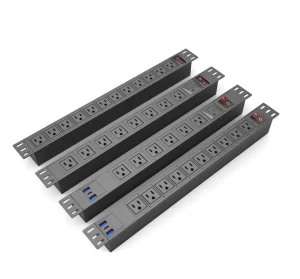
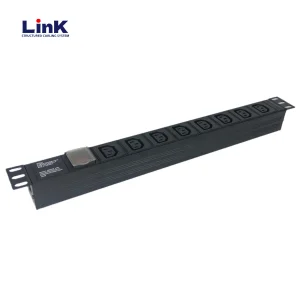
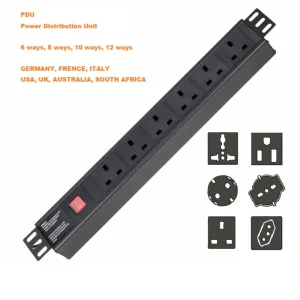
Explore our core high-voltage, low-voltage, and smart rack power distribution components engineered for seamless integration into wireless energy management ecosystems.
As the global energy paradigm shifts towards decentralized networks, decarbonization, and stringent efficiency standards (such as ISO 50001), Wireless Energy Monitoring (WEM) has transitioned from an auxiliary asset to a core industrial necessity. Wired energy telemetry infrastructures, though historically reliable, present distinct bottlenecks in contemporary settings: high deployment costs, installation downtime, physical spatial constraints, and high vulnerability to terminal degradations in harsh environments.
Modern industrial wireless energy monitoring systems utilize high-precision non-intrusive sensor networks—such as split-core current transformers (CTs) and Rogowski coils—integrated with low-power wide-area networking protocols. These instruments acquire dynamic electrical telemetry (Active Power, Reactive Power, Total Harmonic Distortion, Transient Voltage Sags) directly from distribution panels, switchgears, and individual manufacturing nodes. By converting physical currents into actionable digital payloads transmitted via sub-gigahertz wireless architectures, operators acquire high-fidelity oversight of their facility’s thermal footprint and load dynamics without structural modifications.
Regionally, the integration of wireless energy monitoring is driven by diverse economic and regulatory currents:
Strict compliance mandates for commercial real estate (such as ASHRAE 90.1 and Title 24 in California) require detailed, sub-meter level energy auditing. Operators deploy WEM systems to attain LEED status, track Scope 2 carbon emissions, and optimize load-shedding schedules under dynamic utility tariffs.
With China, Vietnam, and India acting as the world’s manufacturing powerhouses, the emphasis centers on cost reduction, energy intensity containment, and machinery protection. Industrial plants utilize wireless sub-metering to avert motor thermal overloads and trace machinery inefficiencies.
Heavy focus on power grid stabilization, localized microgrids, and remote oil & gas extraction infrastructure monitoring. Wireless telemetry here bridges massive physical distances, bringing off-grid solar farms and extraction sites into centralized SCADA frameworks.
Selecting the optimal communication protocol requires balance between data payload frequency, transmission range, interference resistance in high-voltage environments, and power source availability.
| Wireless Technology | Typical Range | Battery Lifetime | Interference Immunity | Optimal Deployment Application |
|---|---|---|---|---|
| LoRaWAN (Sub-GHz) | Up to 15 km (LOS) | 5 - 10 Years (Battery) | Excellent (Spread Spectrum) | Multi-building campuses, deep heavy industrial complexes, open pits. |
| NB-IoT / LTE-M | Global Cellular Coverage | 2 - 5 Years | Very High (Licensed Spectrum) | Distributed remote utility substations, smart city streetlights. |
| Zigbee / 802.15.4 | 50 - 100 meters | 1 - 3 Years | Moderate (2.4 GHz Congested) | High-density server cabinet arrays, internal commercial building networks. |
| Wi-Fi (HaLow / Standard) | 100m - 1km | Months (Standard) | Low to Moderate | High-bandwidth wave analysis, real-time transient recording. |
As a premier China wireless energy monitoring manufacturer, Zhejiang Sowest Electric Co., Ltd. develops systems that support multi-protocol configurations. Our edge gateways translate Modbus RTU protocols from switchgears directly into MQTT, OPC UA, or HTTPS payloads, enabling seamless ingestion by enterprise platform architectures such as AWS IoT Core, Azure IoT, or custom cloud SCADA interfaces.
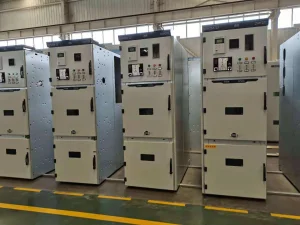
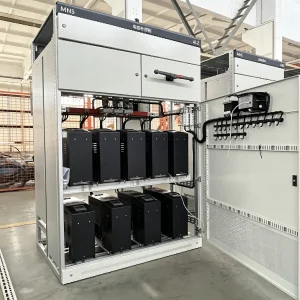
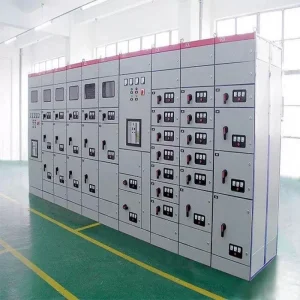
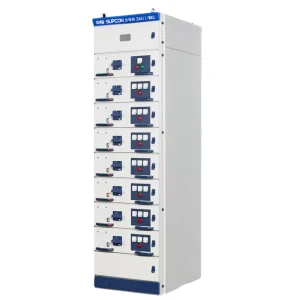
Many manufacturers look at wireless energy monitoring as a software dashboard overlaid on simple current sensors. However, true reliability in power engineering demands a bottom-up physical understanding of electrical distribution grids. High-voltage installations (such as our KYN28A-12 Metal-Clad HV Switchgear) and low-voltage systems (like the GCK 3150A Assembly) operate in highly volatile environments where electromagnetic interference (EMI), harmonics, and transient voltage spikes can disrupt unshielded wireless systems.
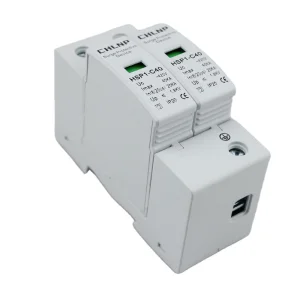
Sowest Electric bridges this gap. By developing both the heavy distribution hardware (switchgears, automatic transfer switches, surge protection devices) and the internal monitoring sensors, we design systems that are natively EMI-shielded and pre-calibrated for high-accuracy measurement (up to Class 0.5S accuracy). This minimizes signal attenuation, eliminates physical communication drift, and ensures that critical safety switches, reactive compensators, and power distribution units function continuously.
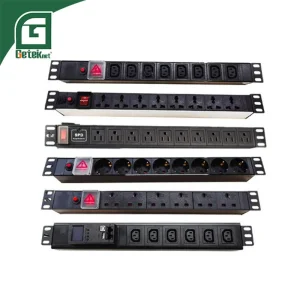
Data centers operate under strict PUE (Power Usage Effectiveness) targets. Implementing our Geteknet OEM ODM Vertical PDU and metered PDU solutions allows server-level granularity. The data is aggregated wirelessly at the row level, offering immediate capacity mapping, environmental thermal alerts, and hot/cold aisle efficiency statistics.
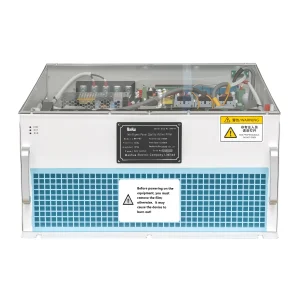
Inductive loads like electric motors, welders, and heavy machinery generate significant reactive power, leading to utility penalties. Incorporating our Static Var Generator (SVG) and Automatic Panel Reactive Current Correction systems corrects the displacement factor in real-time, while wireless modules report load profiles directly to maintenance engineers.
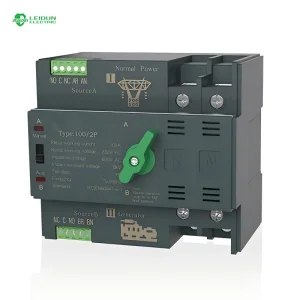
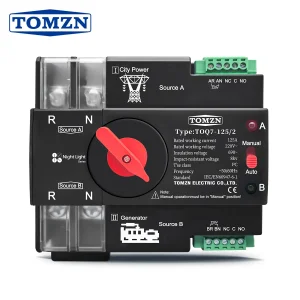
For hospital systems, cleanrooms, and transport terminals, power failure is not an option. Our Dual Power Automatic Transfer Switches (ATS) coupled with Surge Protectors ensure seamless generator/grid line switching. Integrated wireless telemetry instantly flags upstream transient sags or surge counts prior to switchovers.
Powering Reliability, Driving Innovation through World-Class Production and Engineering Excellence.
Our core product portfolio includes AC/DC Power Supply Panels, DC Power Systems, UPS (Uninterruptible Power Supply) Systems, Battery Chargers, DC Distribution Panels, AC Distribution Panels, Central Signal Panels, Power Monitoring Systems, Circuit Breakers, Power Feeding Panels, and other integrated power supply solutions. These products are widely applied in substations, power plants, industrial facilities, data centers, rail transit systems, and renewable energy projects.
The company is supported by a highly qualified team of engineers, technicians, and industry experts with extensive experience in power electronics and electrical engineering. Equipped with advanced manufacturing facilities, modern production lines, and comprehensive testing equipment, Sowest Electric ensures that every product meets stringent quality standards and international performance requirements.
Guided by the principles of integrity, professionalism, innovation, and mutual growth, Zhejiang Sowest Electric continuously invests in research and development to deliver efficient, intelligent, and reliable power solutions. The company has established a complete quality management system and adheres to strict production and inspection processes to guarantee product safety, stability, and long-term reliability.
Our corporate philosophy is centered on excellence, customer value, and sustainable development. We are dedicated to creating value for customers, opportunities for employees, returns for stakeholders, and positive contributions to society. Through continuous technological advancement and service improvement, we strive to help our customers achieve greater operational efficiency and energy reliability.
In the era of global economic integration, Zhejiang Sowest Electric remains focused on its strategic vision of professional R&D, intelligent manufacturing, and global marketing. By leveraging innovation, quality, and international cooperation, the company is steadily advancing toward its goal of becoming a globally recognized brand in the power supply and electrical equipment industry.
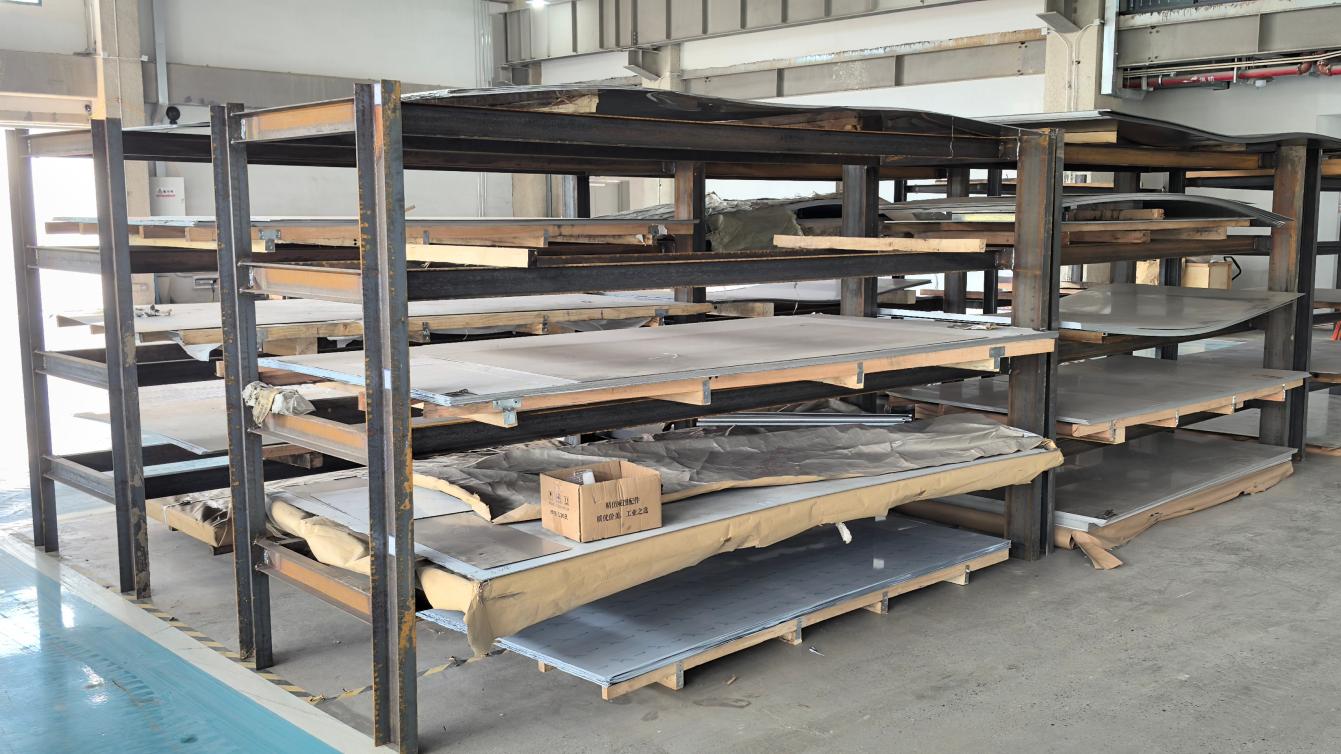
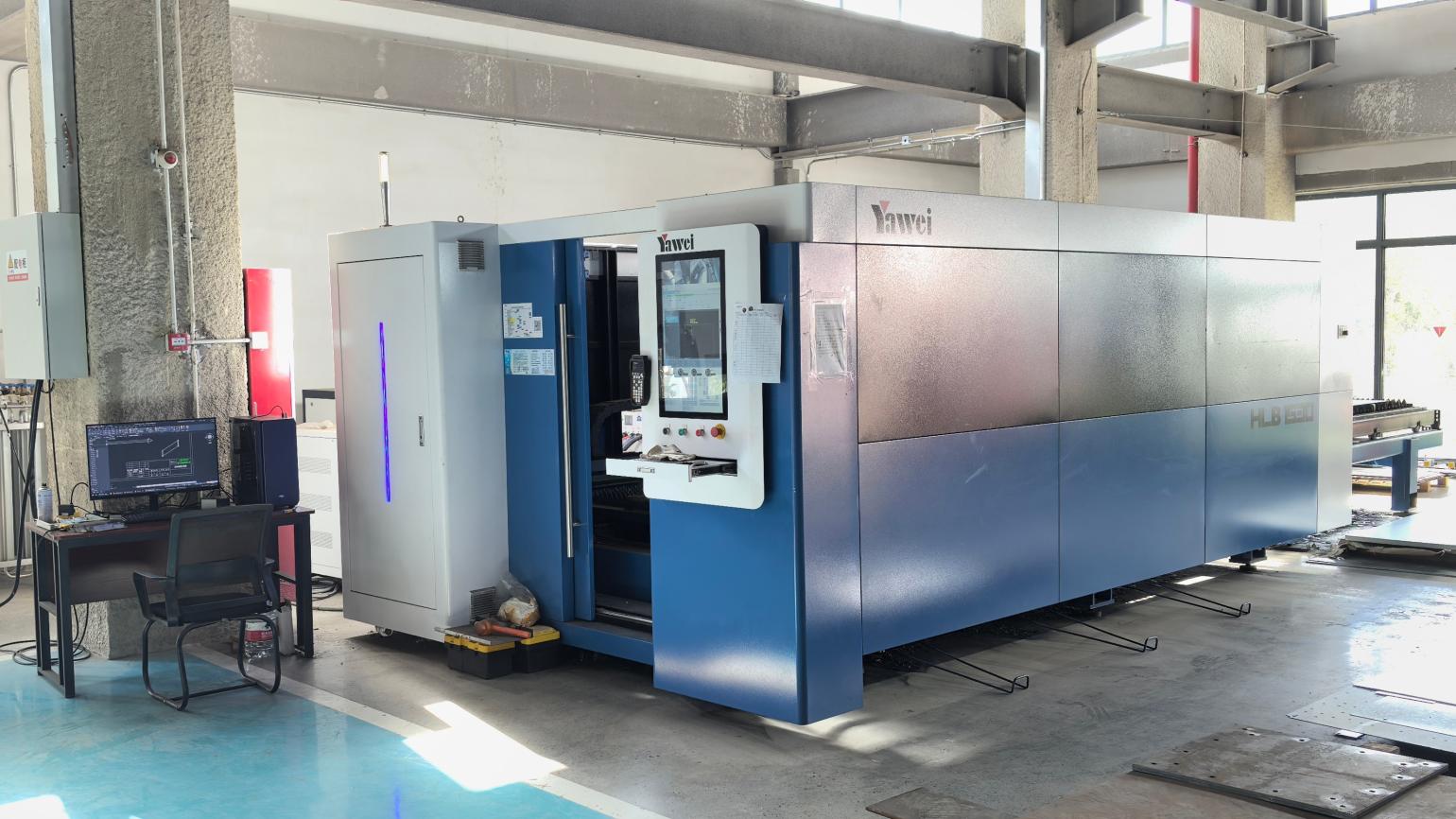
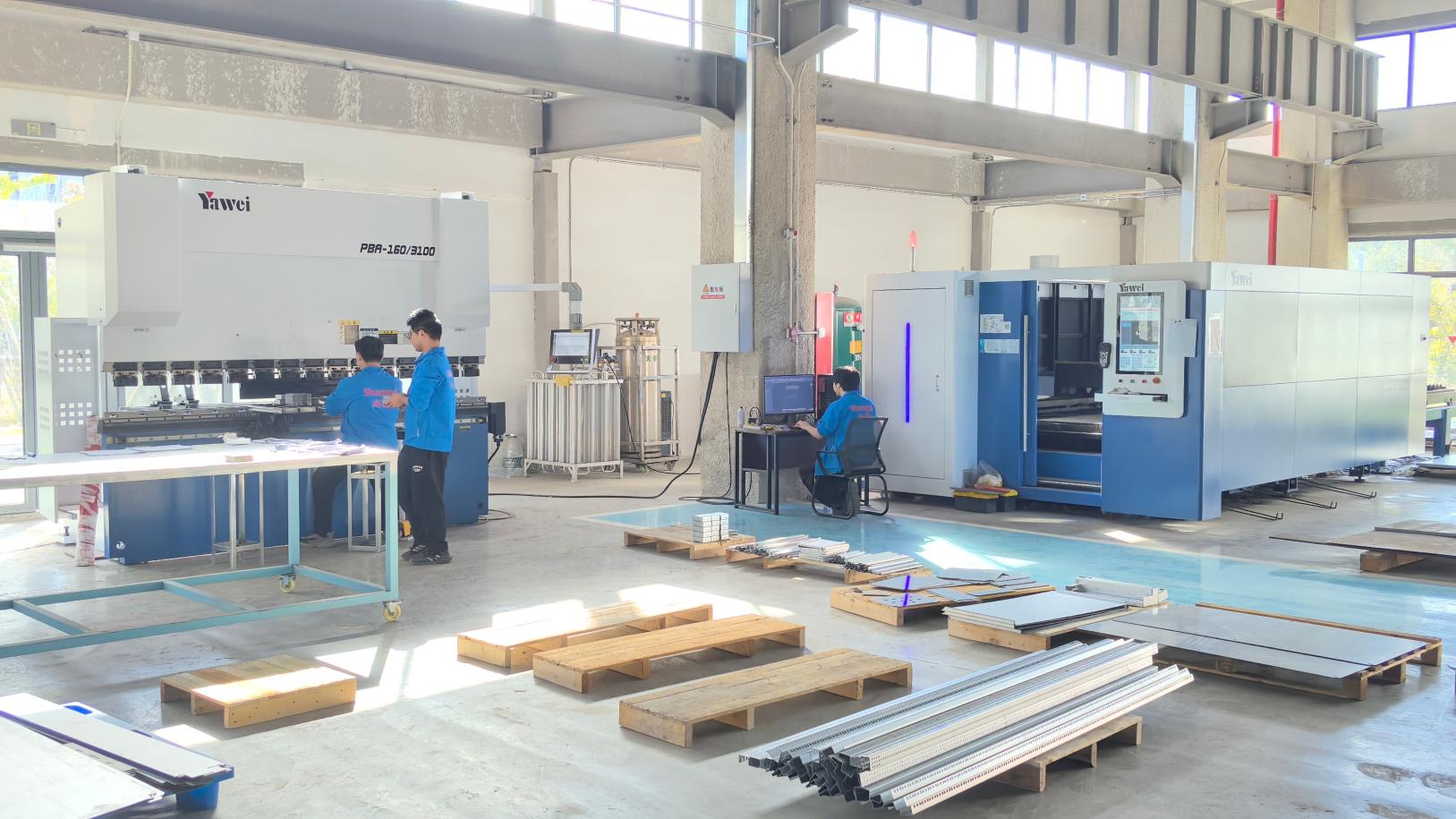
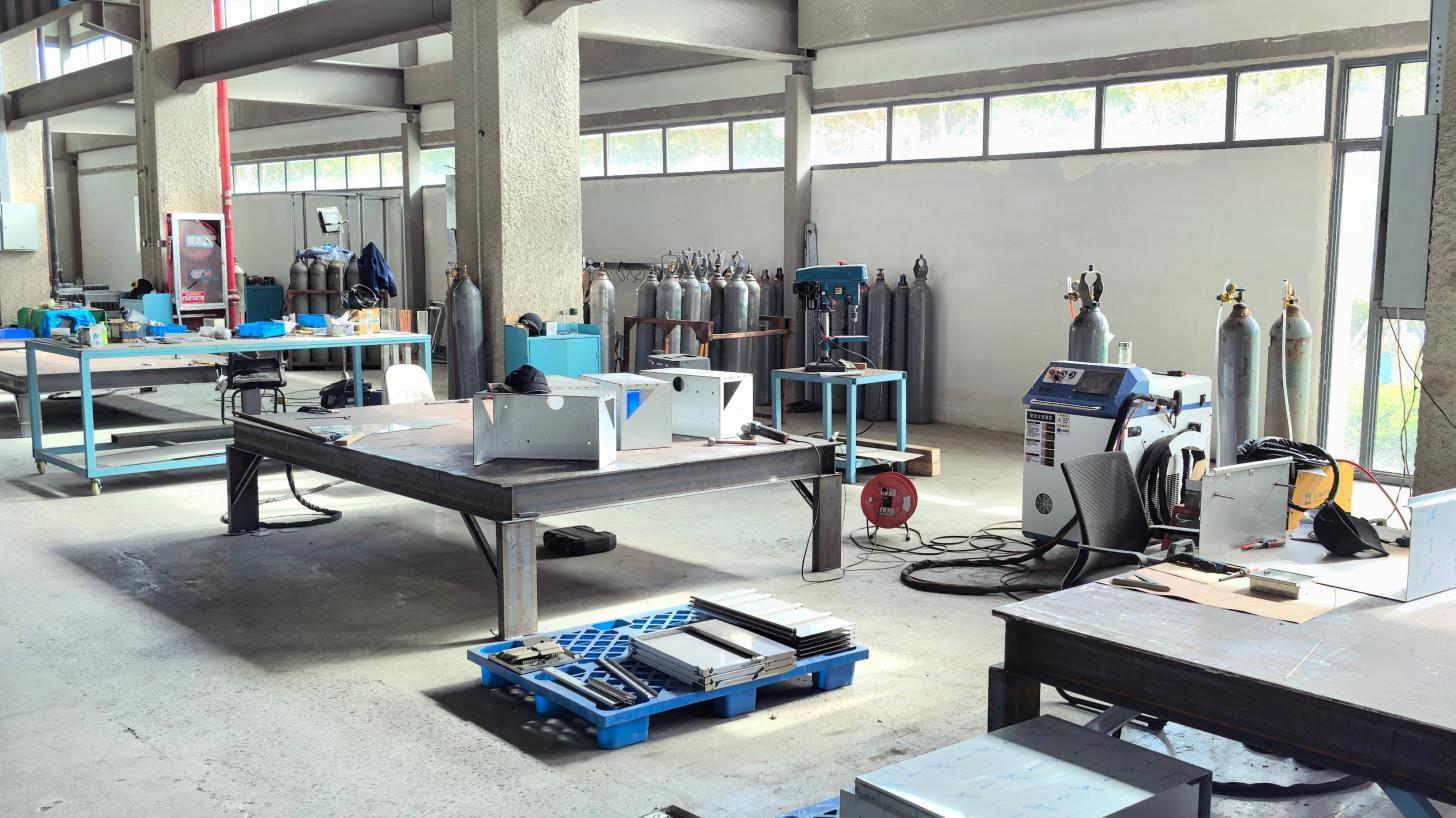
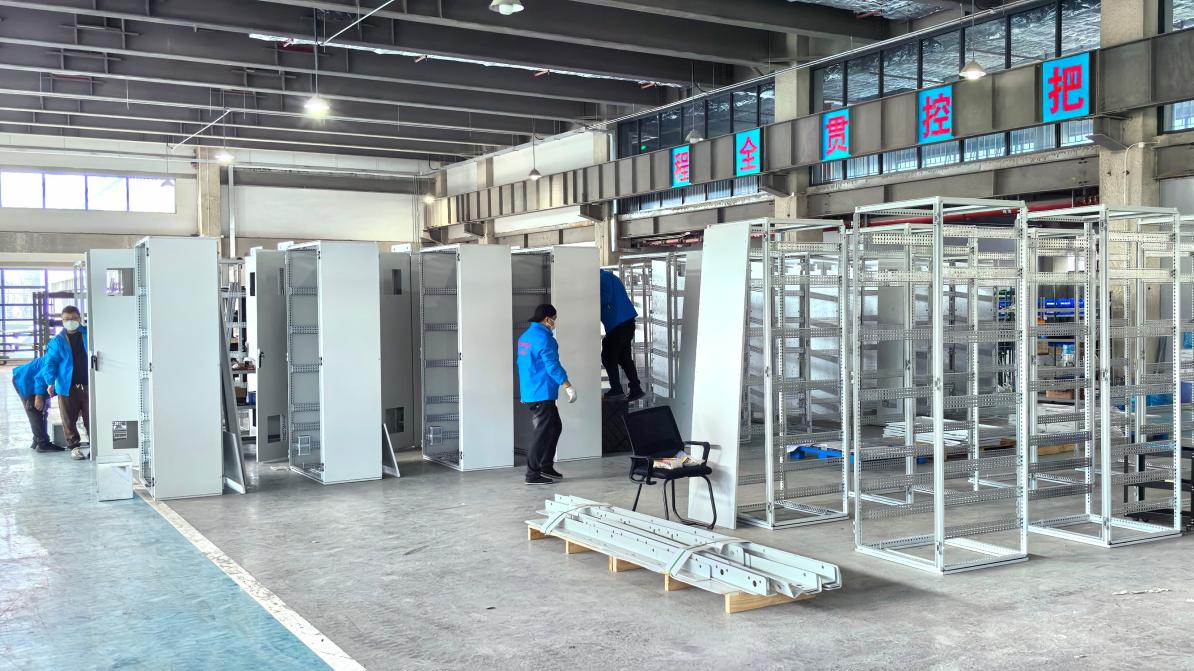
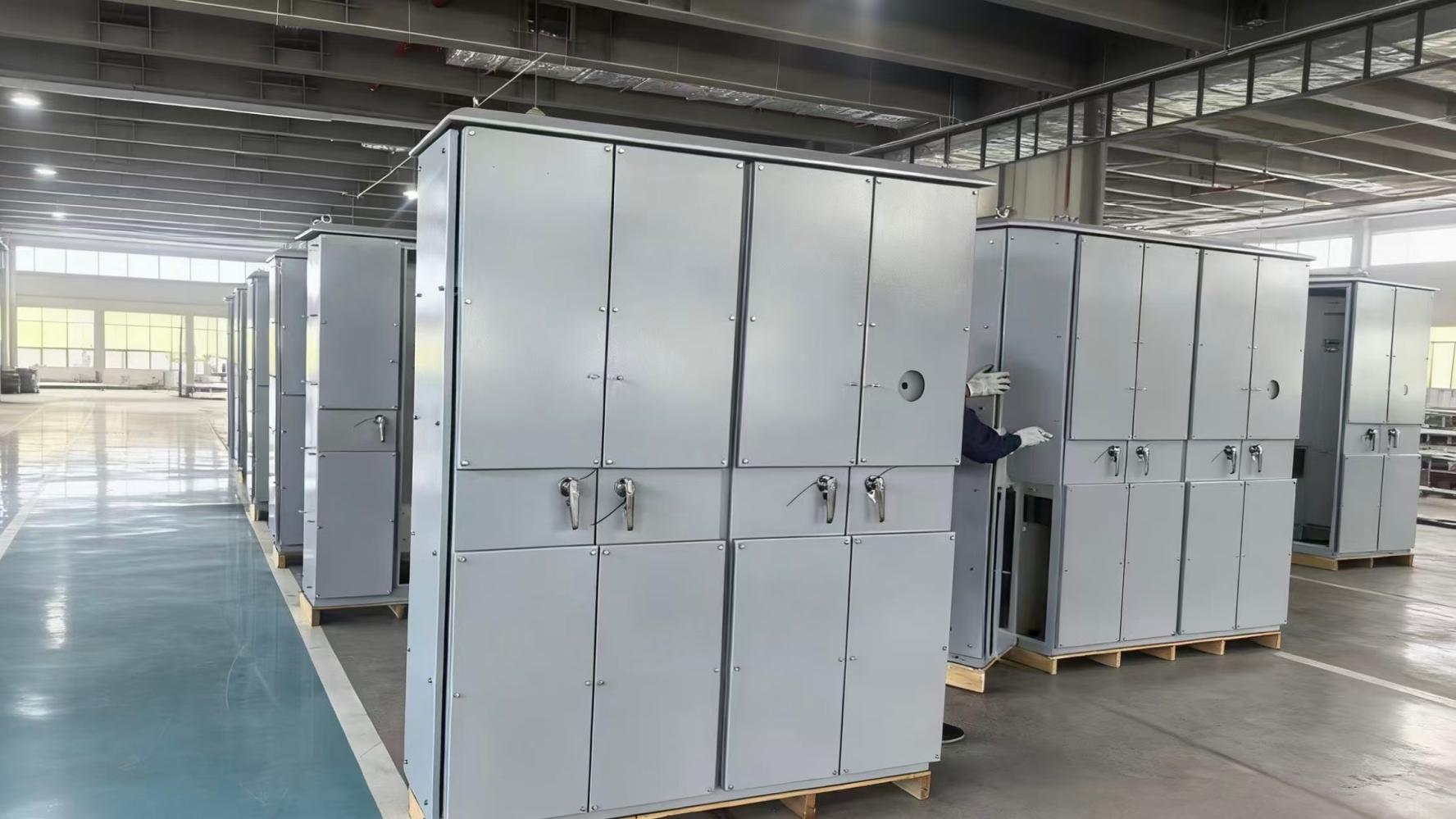
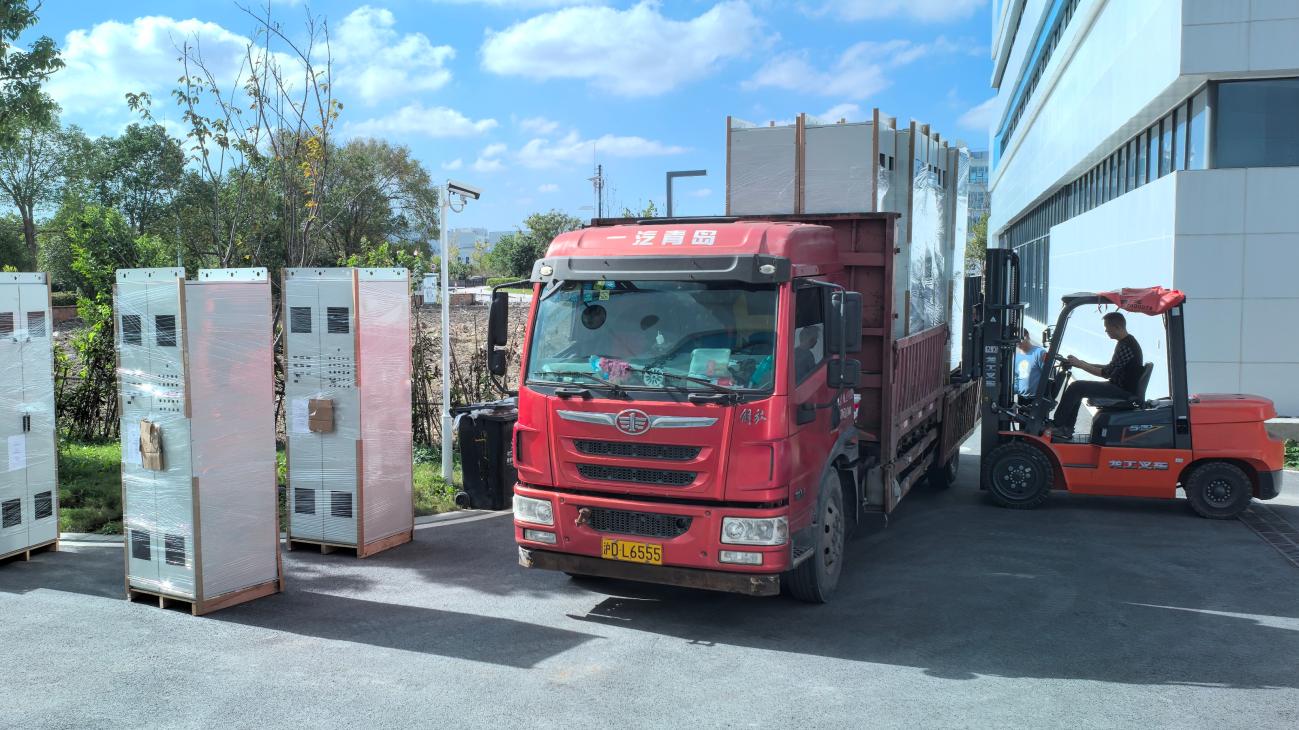
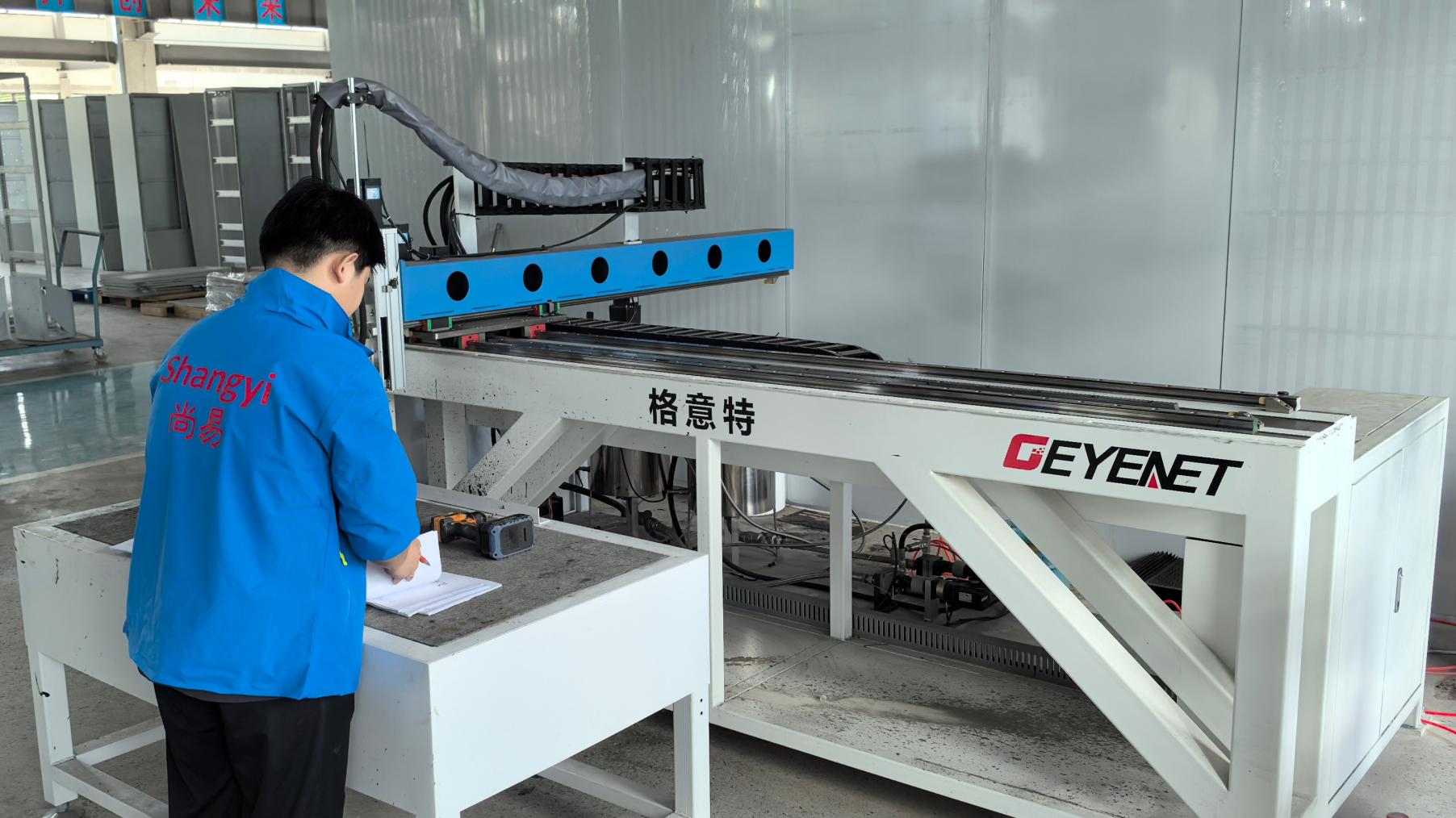
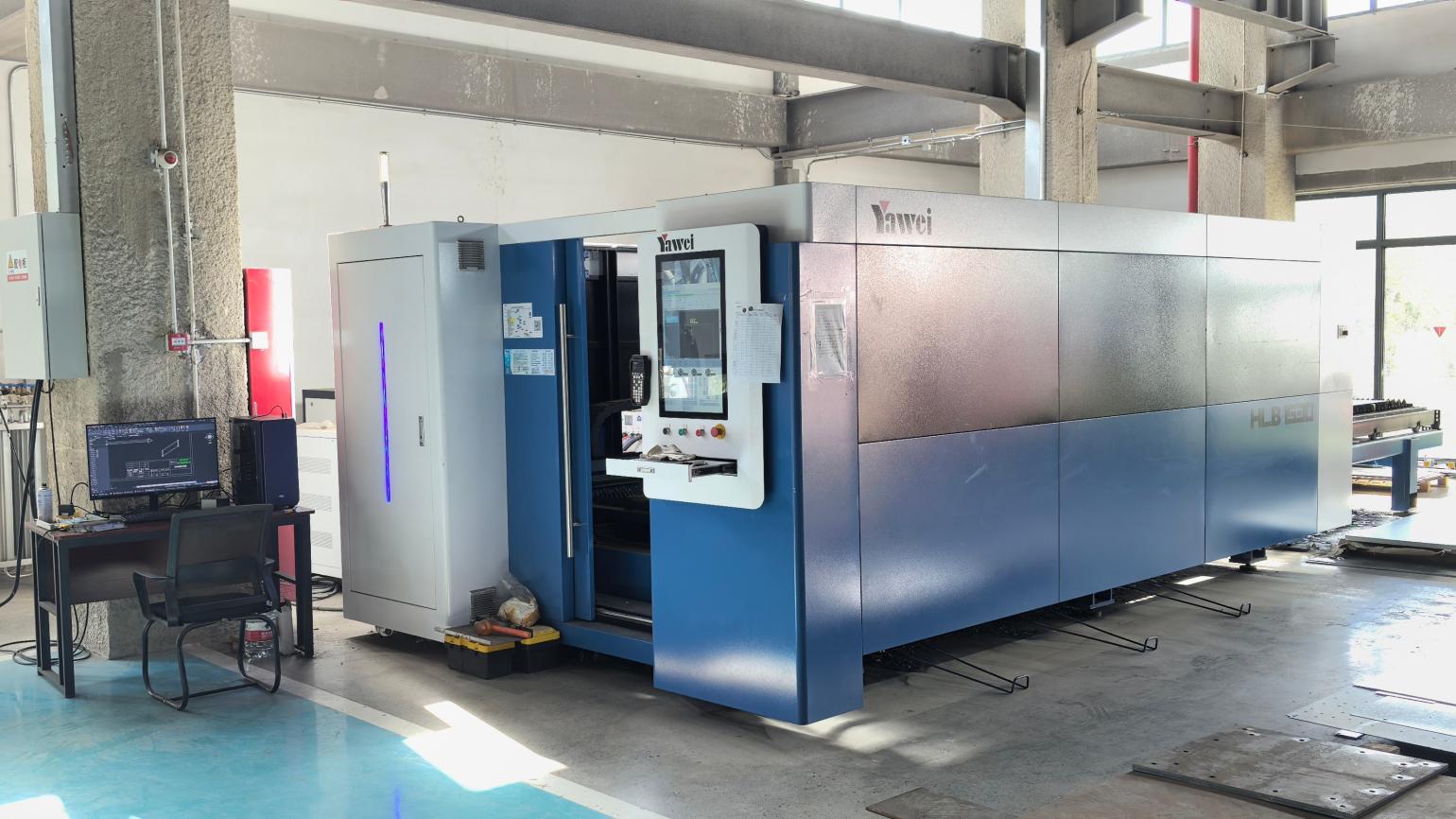
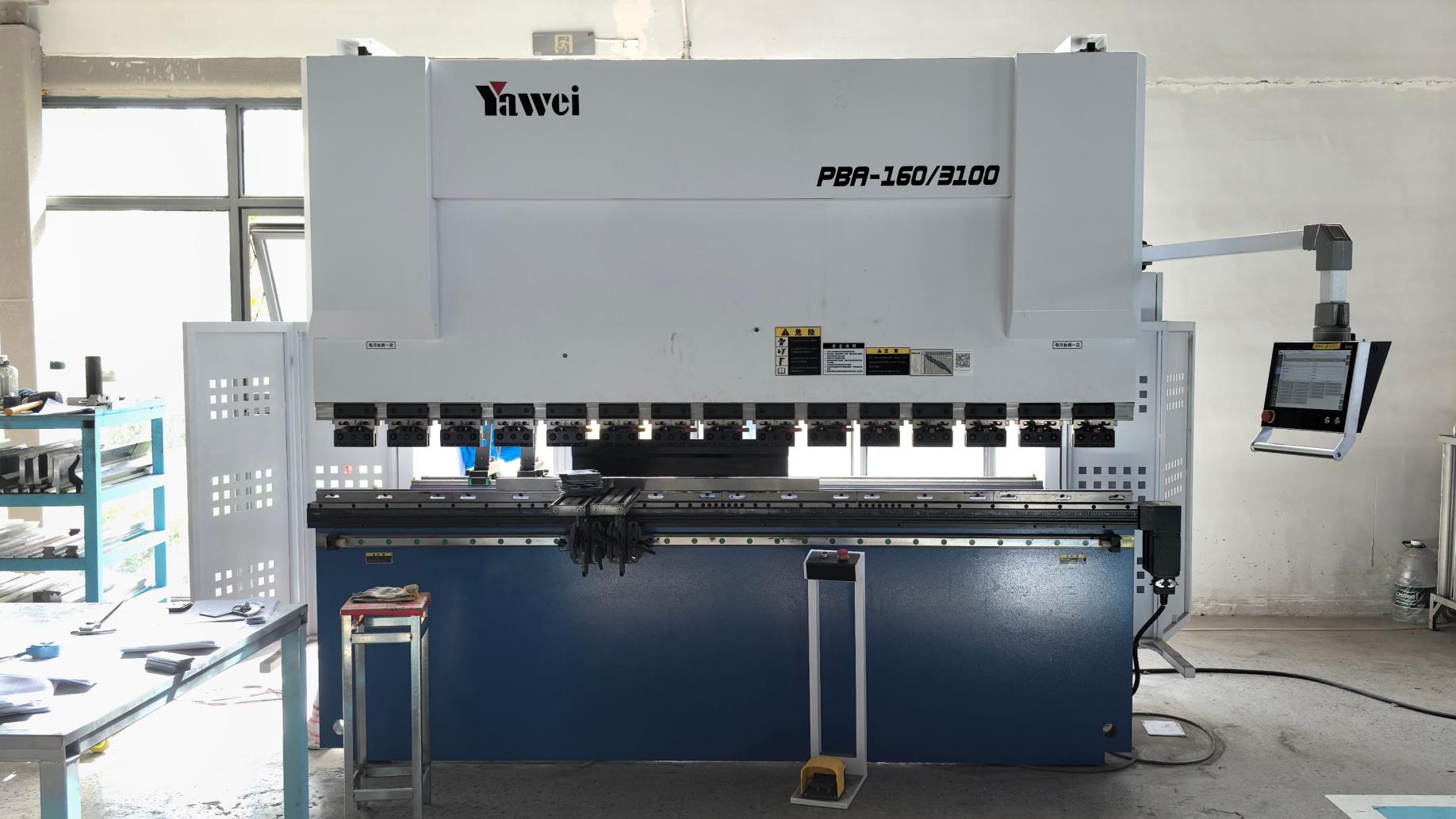
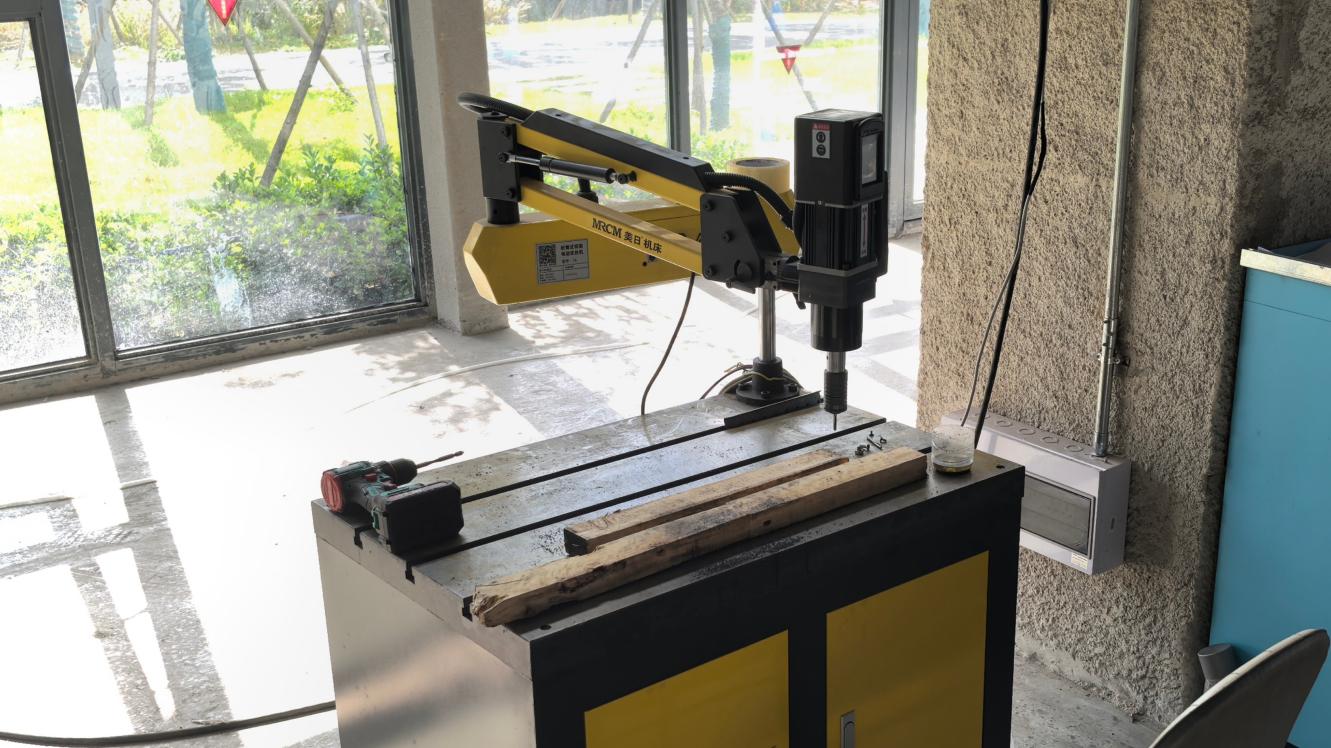
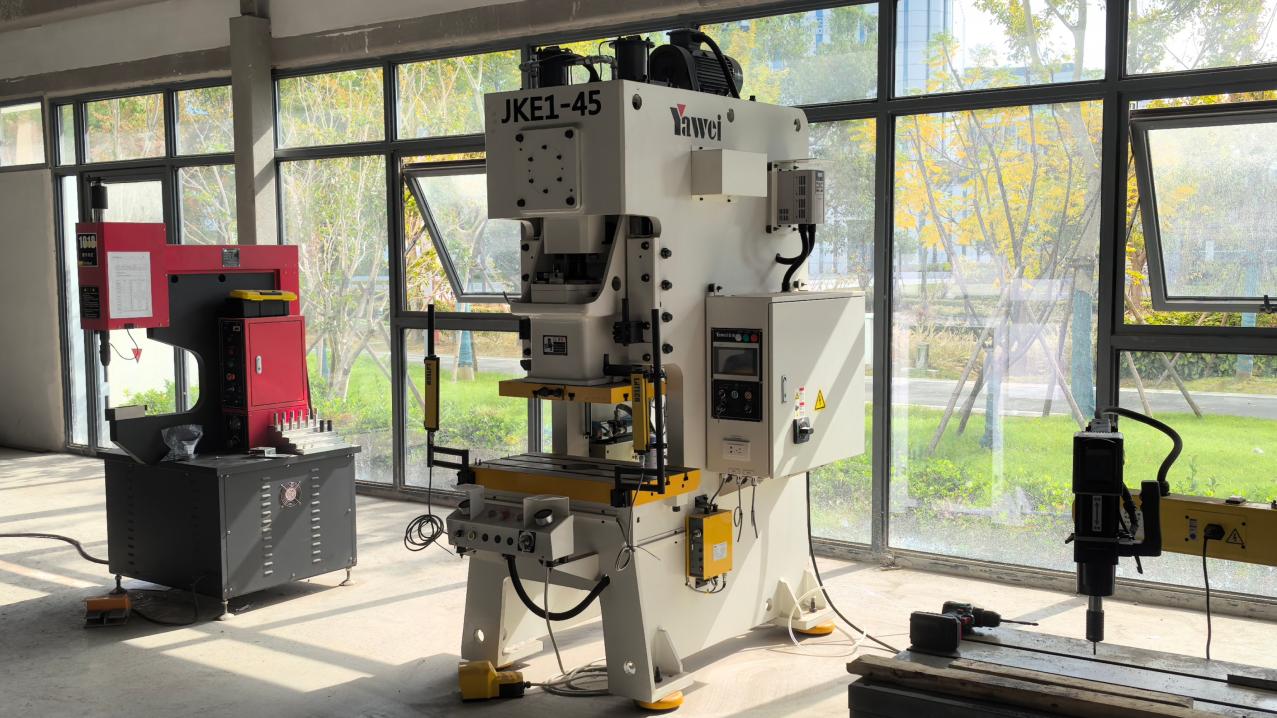
To maintain absolute quality control and structural integrity across all products, our manufacturing ecosystem employs computerized machinery, high-precision laser-cutting processes, automated dispensing, and rigorous testing stages. Below is an overview of our raw material sourcing, fabrication, assembly, and testing workflows:
Essential answers for engineers, plant supervisors, and global procurement managers looking to deploy wireless submetering frameworks.
Explore more of Sowest Electric’s high-precision distribution, regulation, and backup power equipment below.
 Sowest Electric