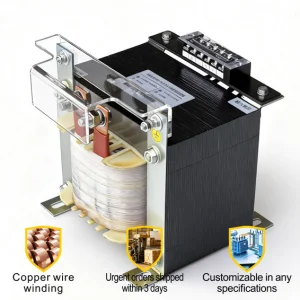
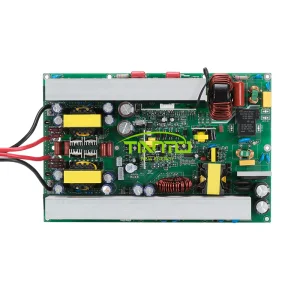
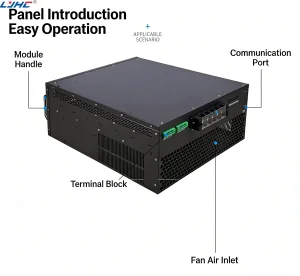
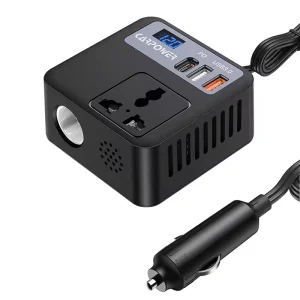
High-performance single-phase transformers, switching step-down regulators, active power filters, and surge protection equipment manufactured to strict international standards.
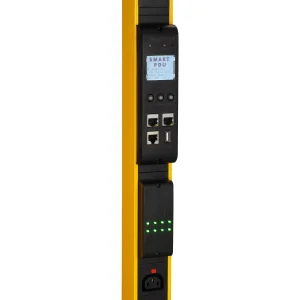
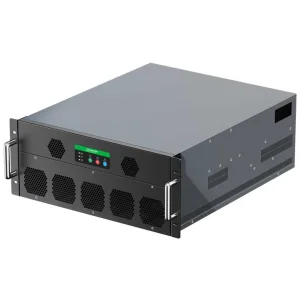
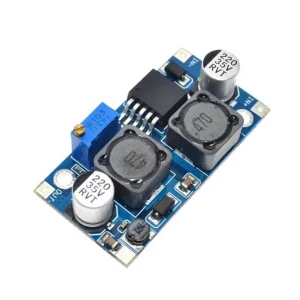
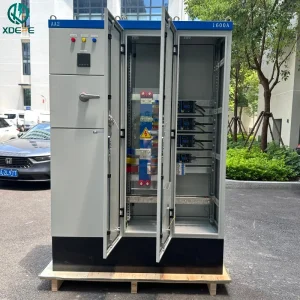
As the global community shifts decisively toward decarbonization, electrification, and intelligent power infrastructures, the demands placed on electronic power conversion components have reached unprecedented levels. The traditional limits of electrical grids are constantly challenged by fluctuating renewable energy inputs, high-power fast charging stations for electric vehicles (EVs), massive hyperscale data centers, and advanced manufacturing systems. In these modern environments, a stable, highly efficient, and dynamically responsive power conversion topology is not just a preference—it is a critical system architecture requirement.
At the center of this transformation lies the DC-DC converter factory, which serves as a technological partner for industrial automation companies. Dynamic step-up (boost) and step-down (buck) regulators manage complex voltage drops and protect delicate semiconductor electronics from high fluctuations in electrical mains. When integrating multi-phase switching schemes with advanced components such as Silicon Carbide (SiC) and Gallium Nitride (GaN), industrial factories can achieve energy conversion efficiencies above 97%. This is a crucial improvement for reducing heat dissipation and operating costs in continuous industrial systems.
In power systems engineering, relying on generic specifications is a major operational risk. Designing, verifying, and deploying DC-DC converters, dynamic active filters, or heavy-duty switchgears requires proven expertise. This comprehensive analysis details the exact engineering topologies, manufacturing controls, and international quality protocols utilized by leading global manufacturers like Zhejiang Sowest Electric to produce robust power distribution cabinets and solid-state converter modules.
Modern electrical layouts require a hybrid approach that bridges clean DC microgrids with standard three-phase AC distribution setups. For example, high-power industrial equipment frequently requires clean DC distribution internally to power microcontrollers, actuators, and logic boards, while drawing power from high-voltage AC mains. The integration of Active Power Filters (APFs) and Static Var Generators (SVGs) alongside DC-DC buck/boost converters prevents harmonic feedback from entering the electrical main. This setup protects delicate equipment from electrical noise and voltage dips.
Exploring the underlying topologies used by modern DC-DC converter factories to achieve high power density, reliability, and electromagnetic compatibility.
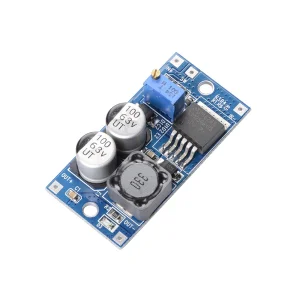
Utilizing high-side and low-side switching MOSFETs instead of a traditional freewheeling diode, synchronous buck converters minimize conduction losses. This topology is crucial for stepping down high bus voltages (e.g., 60V, 48V) to stable low voltages (e.g., 12V, 5V, 3.2V) required by automation controllers and processing boards.
For applications such as solar PV string optimization and automotive battery charging interfaces, high-power boost converters step up low input voltages dynamically. Fast switching frequencies allow for smaller inductor and capacitor packages, reducing the footprint of the module while maintaining high ripple control standards.
Modern power systems utilize Silicon Carbide (SiC) and Gallium Nitride (GaN) technologies. Compared to conventional Silicon, these materials offer significantly higher switching speeds, superior thermal conductivity, and higher breakdown voltages, directly enabling smaller, more efficient converter profiles.
In high-power industrial designs, heat dissipation is one of the most critical challenges. A converter operating at 90% efficiency dissipates twice as much heat as one operating at 95% efficiency for the same output power. This thermal energy must be removed through custom heat sinks, thermal vias, or forced air cooling. Zhejiang Sowest Electric addresses this by designing high-efficiency power panels with optimized thermal layouts, ensuring long-term components reliability in continuous industrial environments.
A modern and innovative enterprise specializing in the research, development, manufacturing, and sales of power supply and electrical distribution equipment.
With a strong commitment to technological innovation, product quality, and customer satisfaction, Zhejiang Sowest Electric Co., Ltd. has established itself as a reliable partner for power generation, transmission, distribution, industrial automation, transportation, petrochemical, telecommunications, and infrastructure projects worldwide.
Our core product portfolio includes AC/DC Power Supply Panels, DC Power Systems, UPS (Uninterruptible Power Supply) Systems, Battery Chargers, DC Distribution Panels, AC Distribution Panels, Central Signal Panels, Power Monitoring Systems, Circuit Breakers, Power Feeding Panels, and other integrated power supply solutions. These products are widely applied in substations, power plants, industrial facilities, data centers, rail transit systems, and renewable energy projects.
The company is supported by a highly qualified team of engineers, technicians, and industry experts with extensive experience in power electronics and electrical engineering. Equipped with advanced manufacturing facilities, modern production lines, and comprehensive testing equipment, Sowest Electric ensures that every product meets stringent quality standards and international performance requirements.
Guided by the principles of integrity, professionalism, innovation, and mutual growth, Zhejiang Sowest Electric continuously invests in research and development to deliver efficient, intelligent, and reliable power solutions. The company has established a complete quality management system and adheres to strict production and inspection processes to guarantee product safety, stability, and long-term reliability.
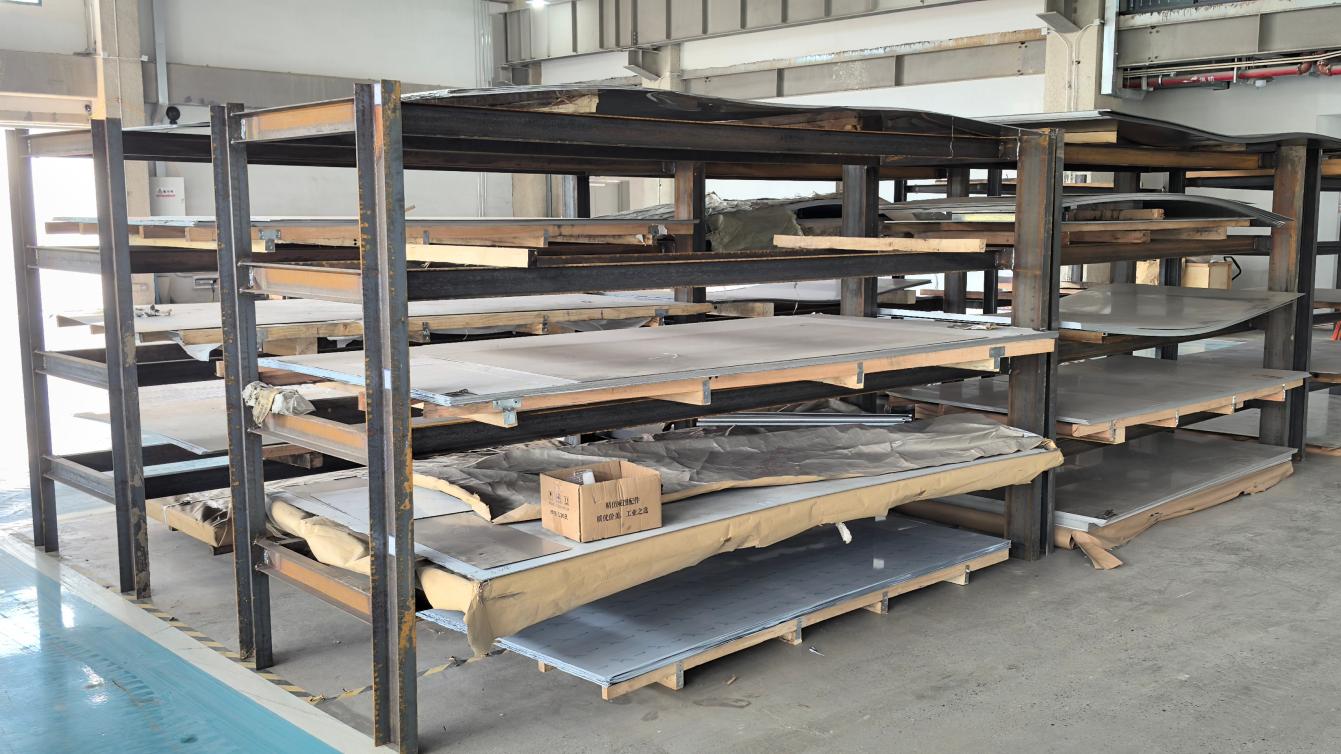
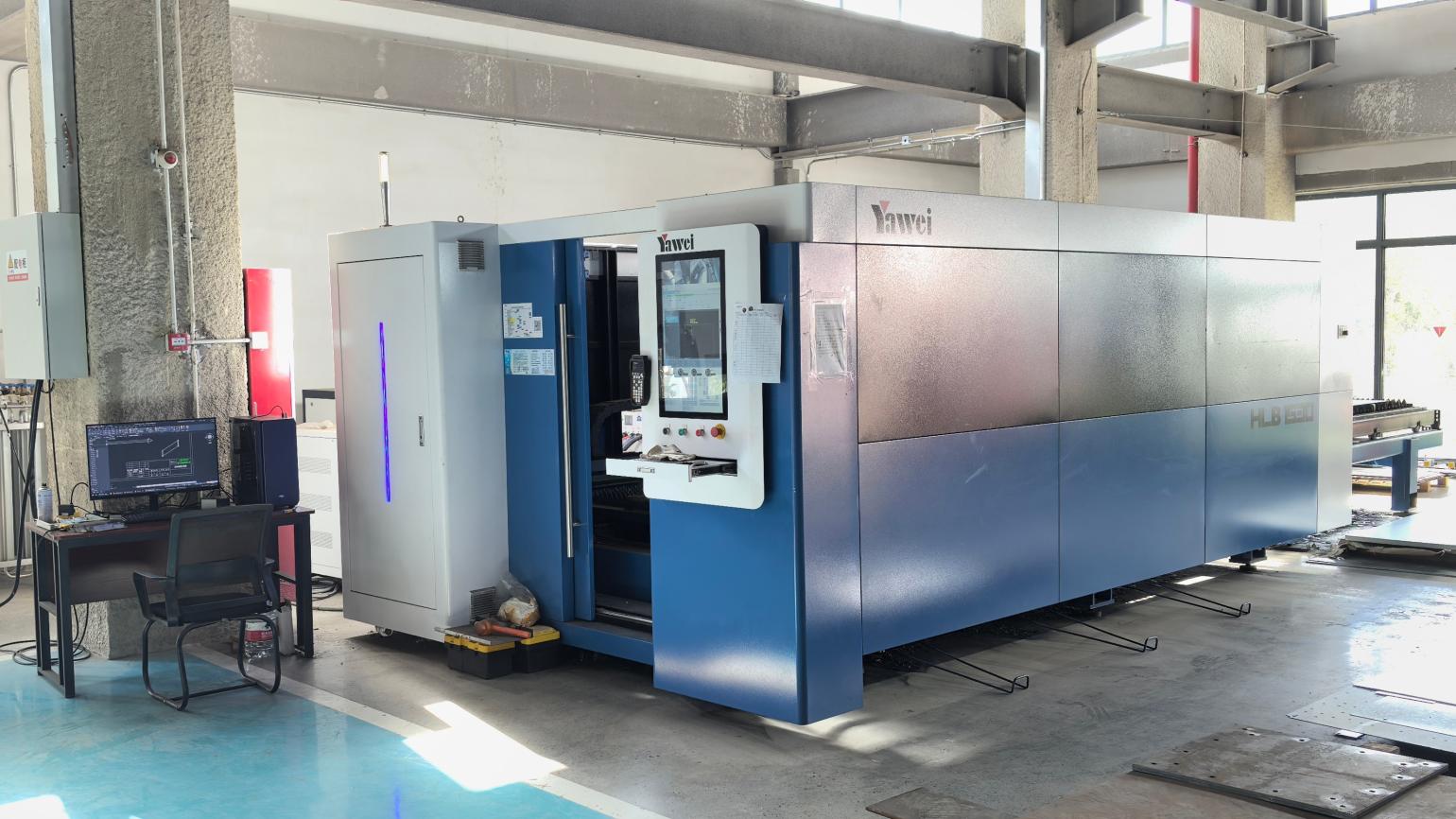
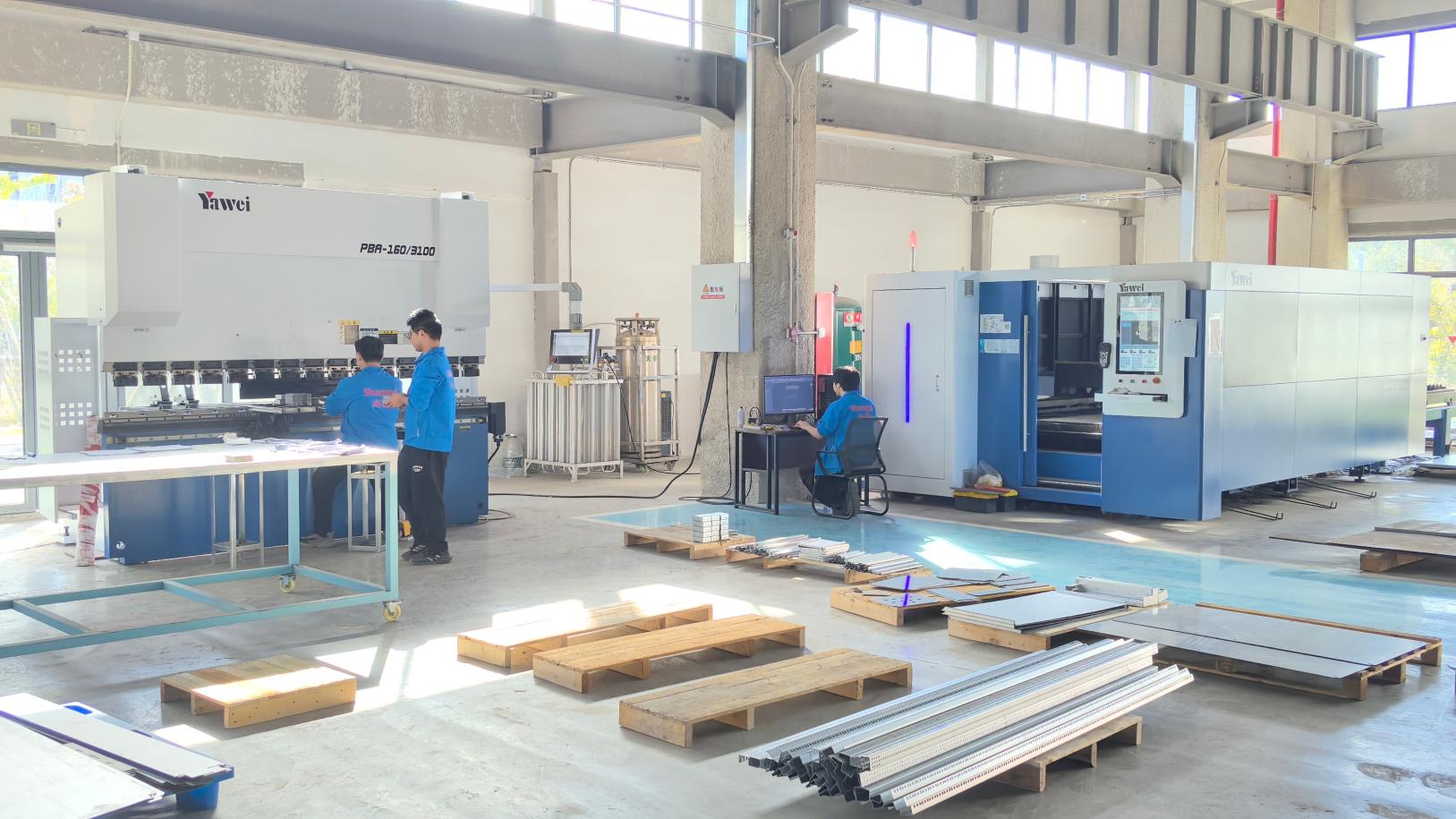
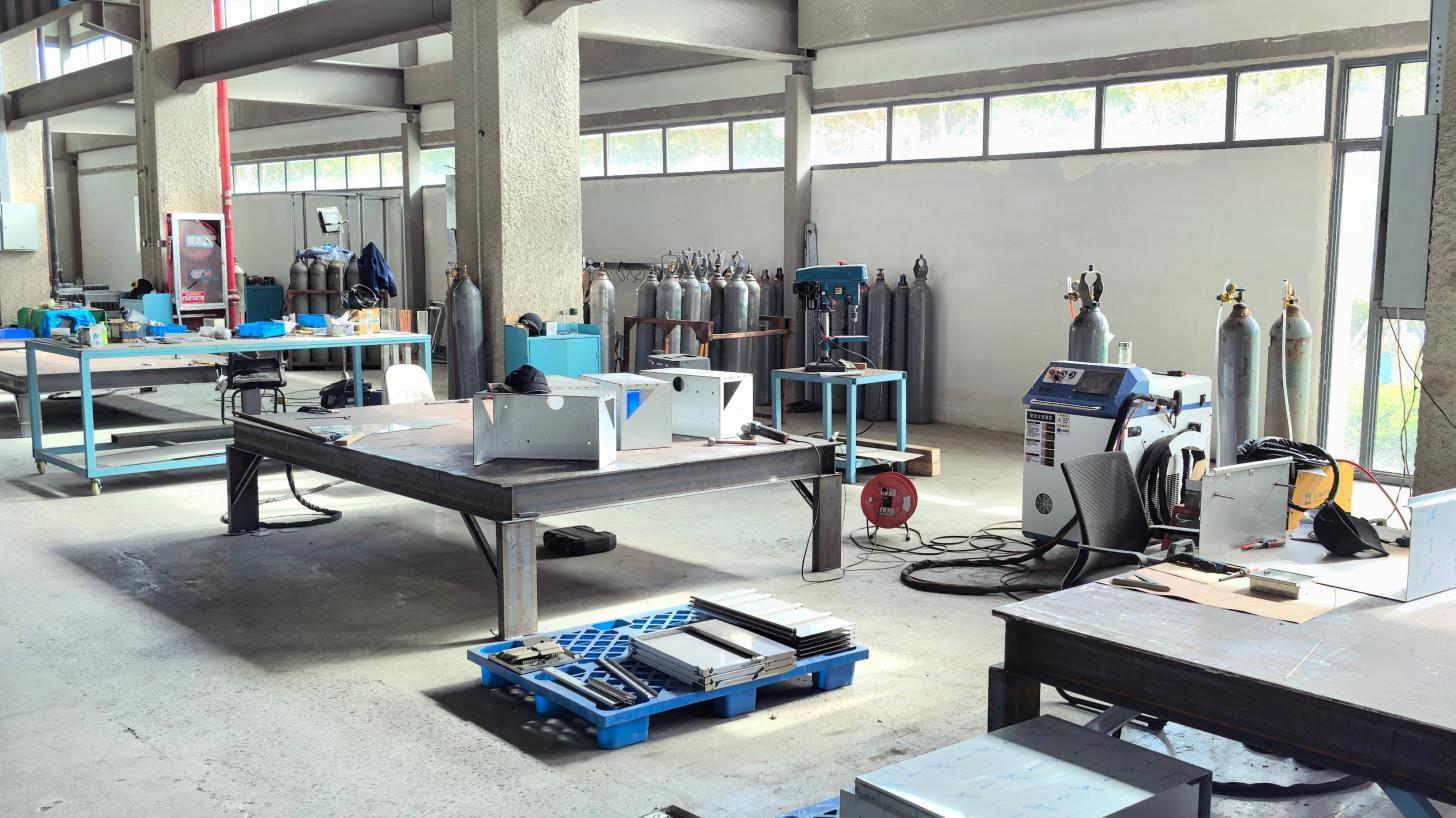
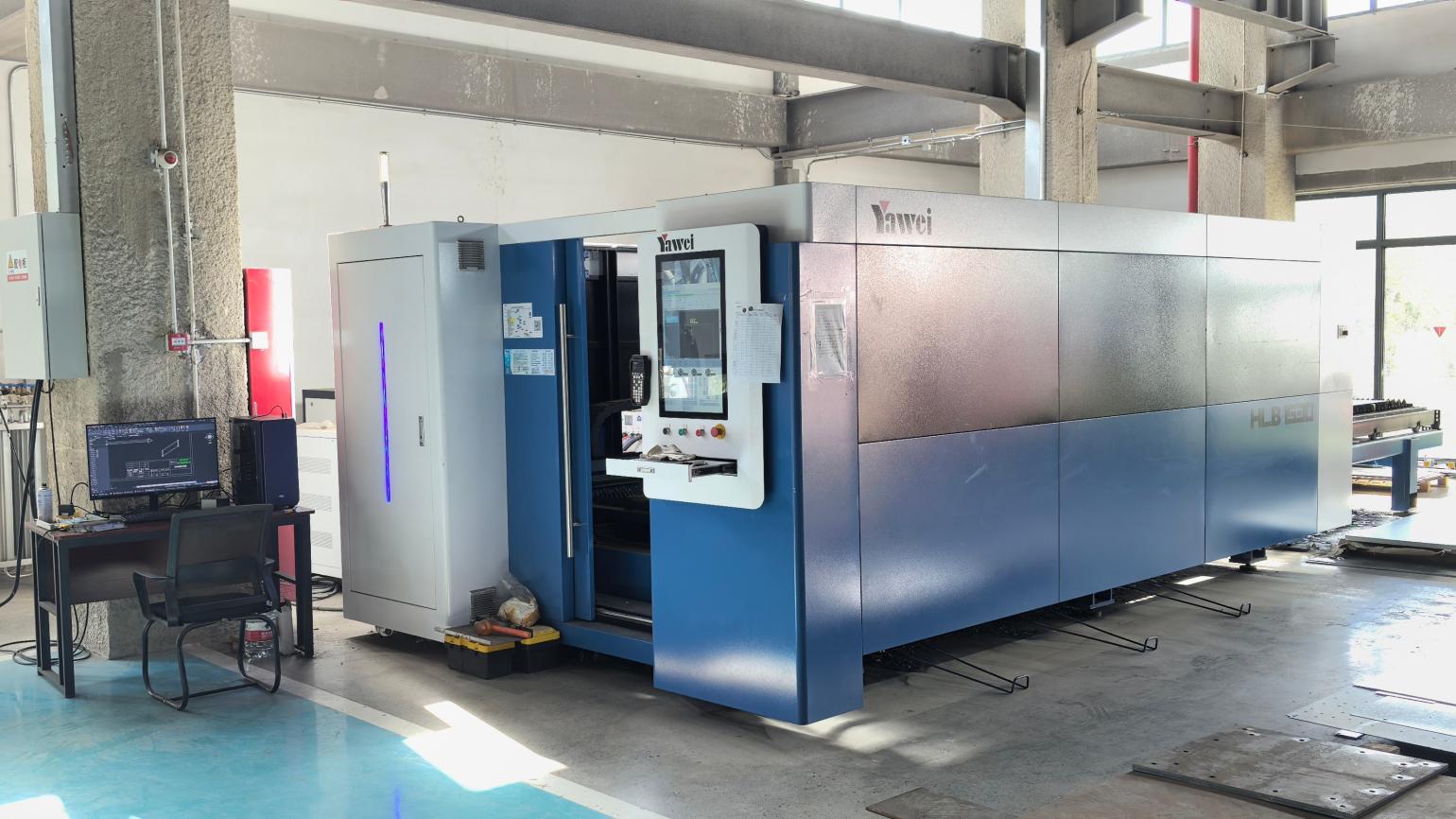
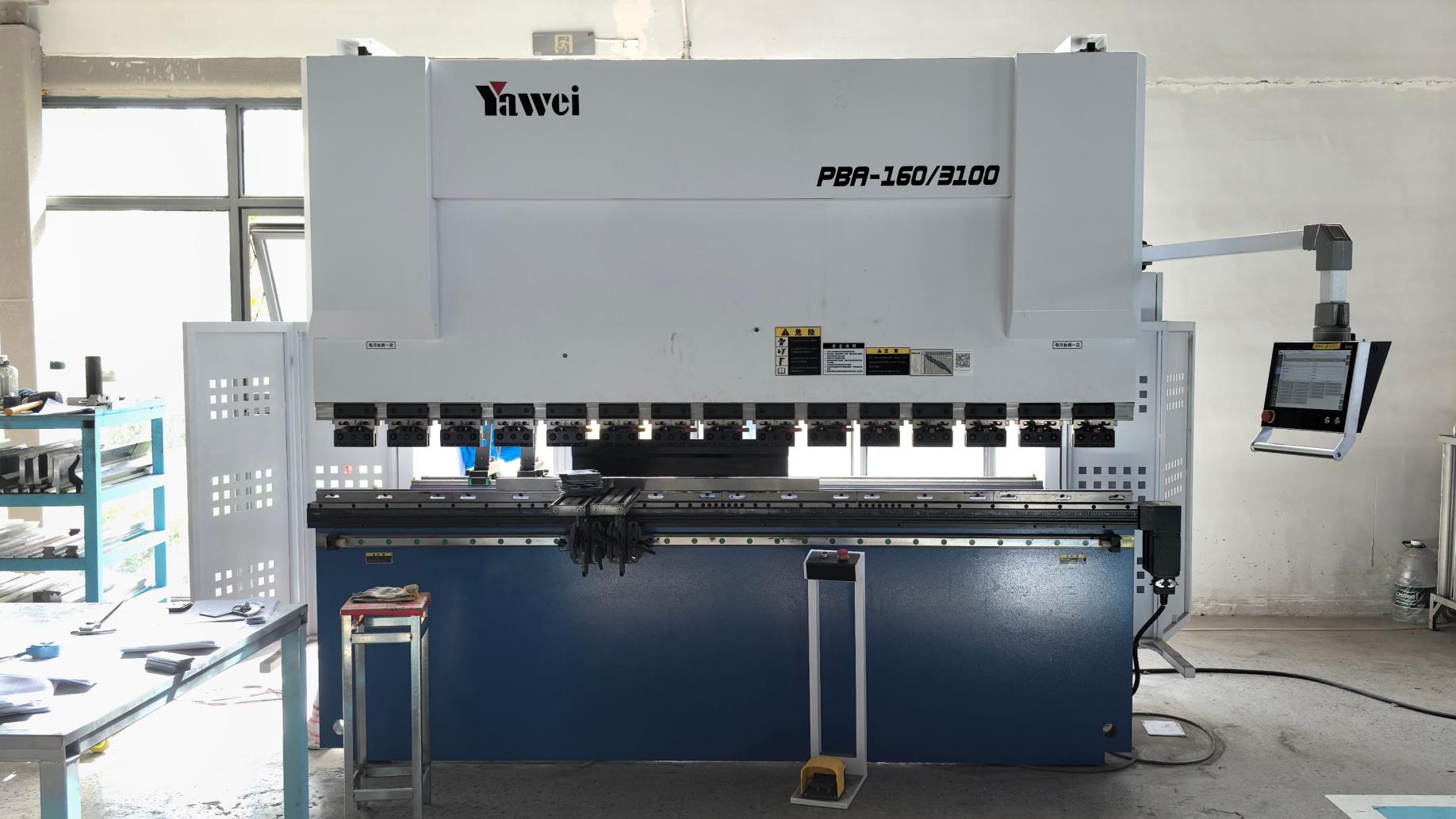
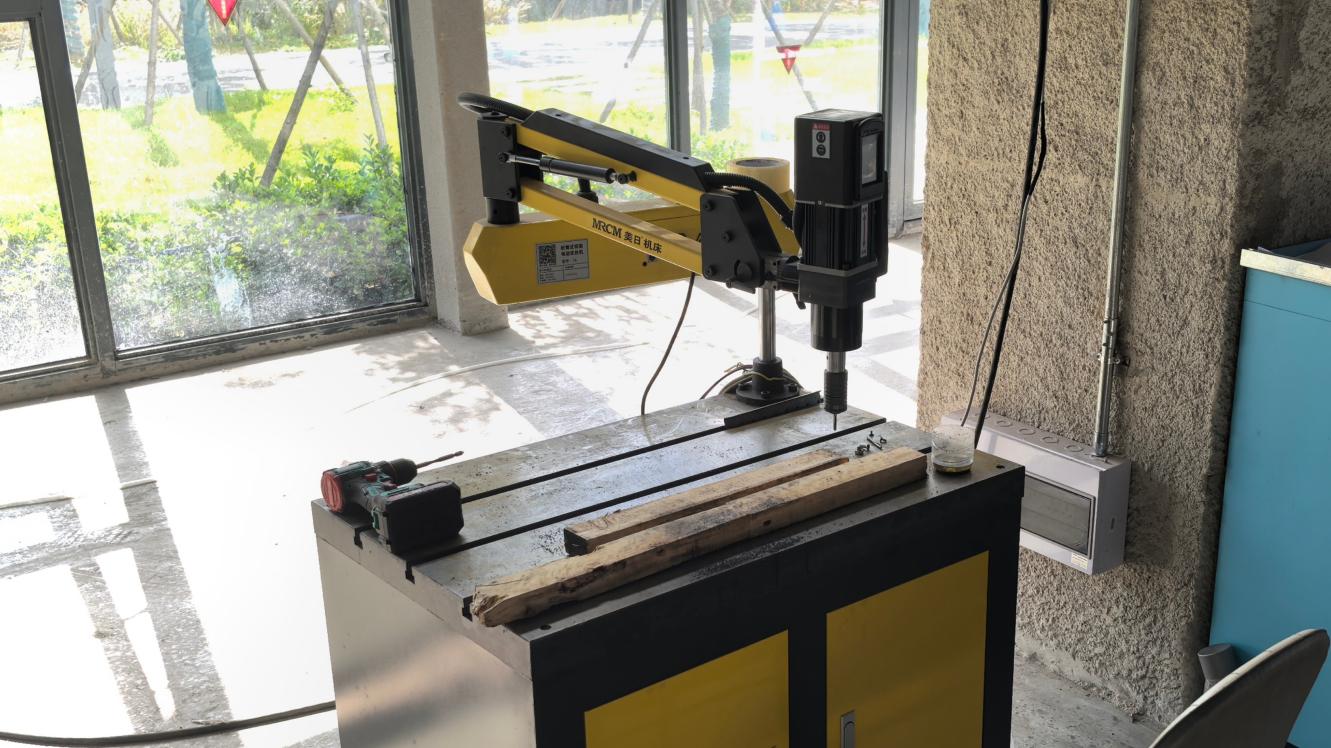
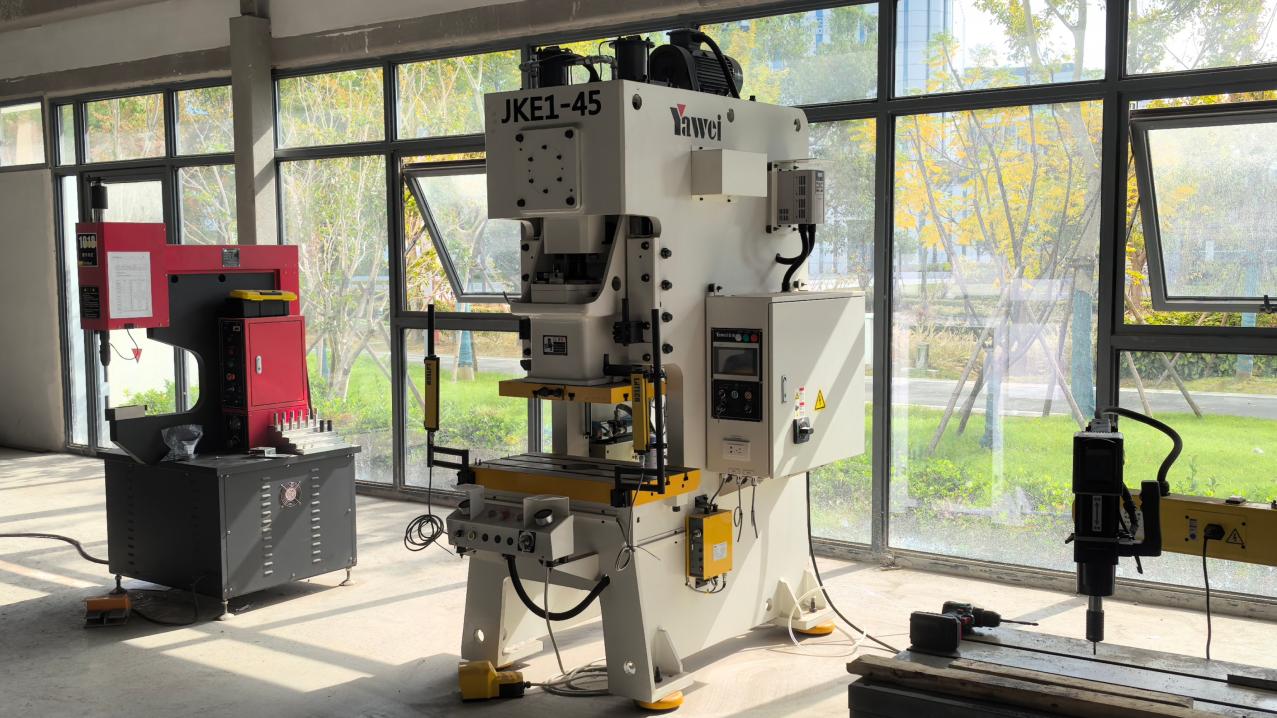
Reviewing the precision manufacturing steps and heavy machinery driving production output at our modern industrial facilities.
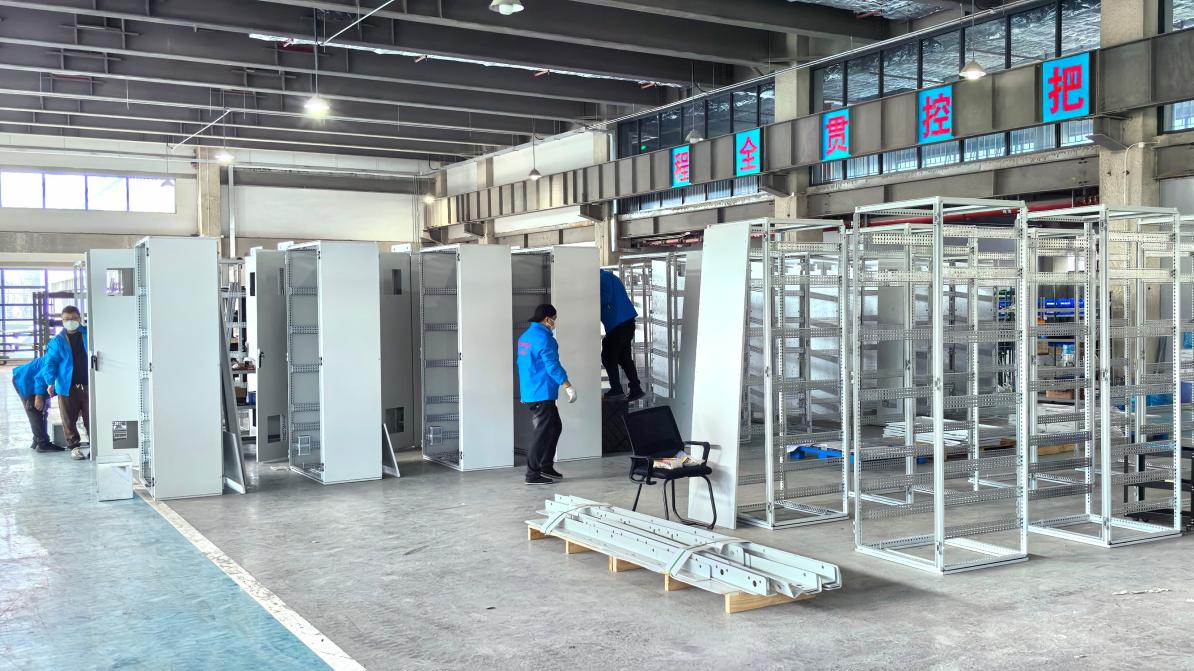
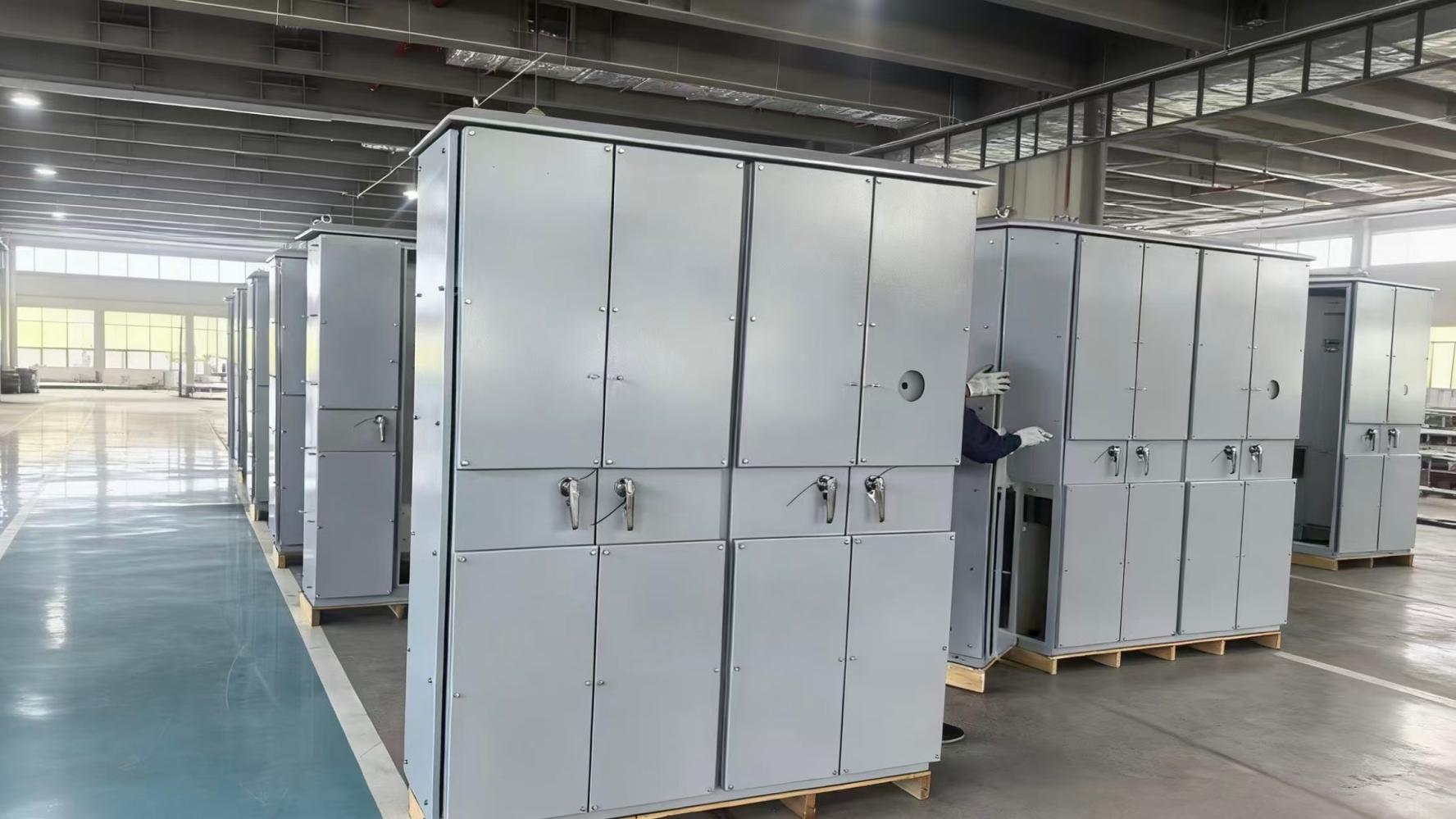
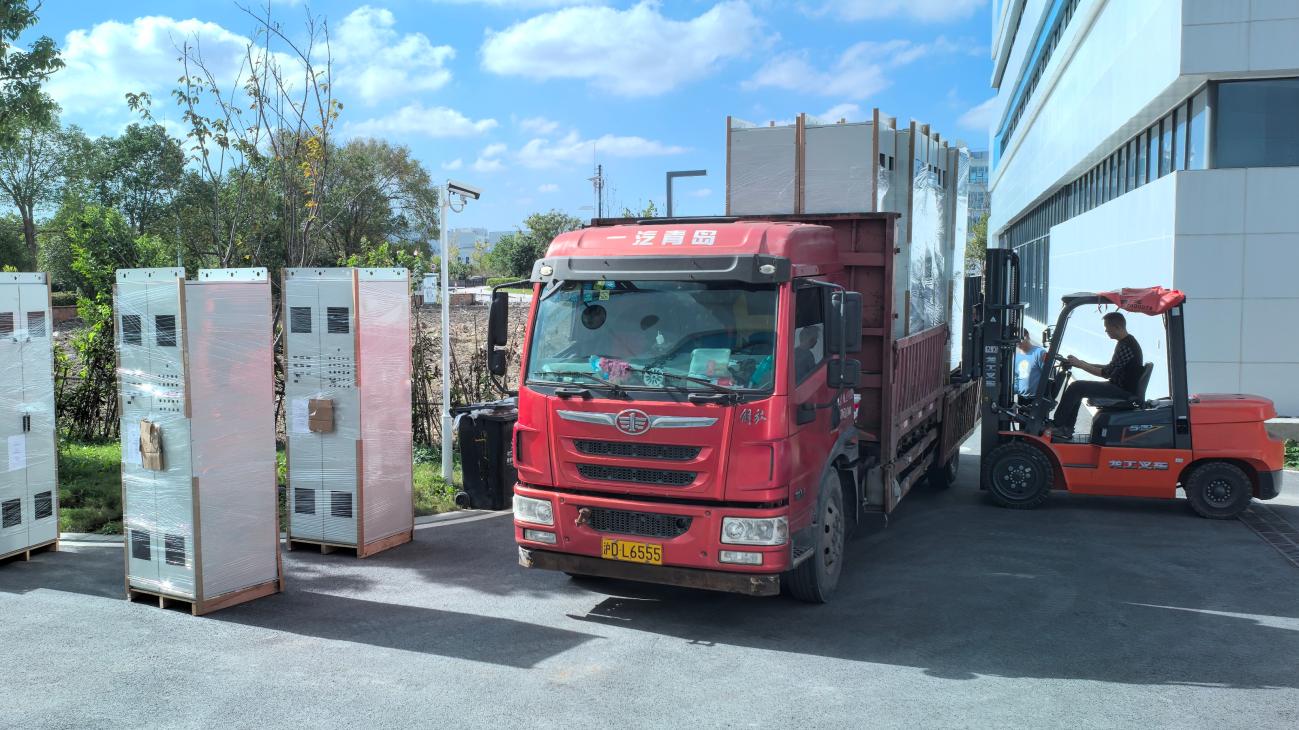
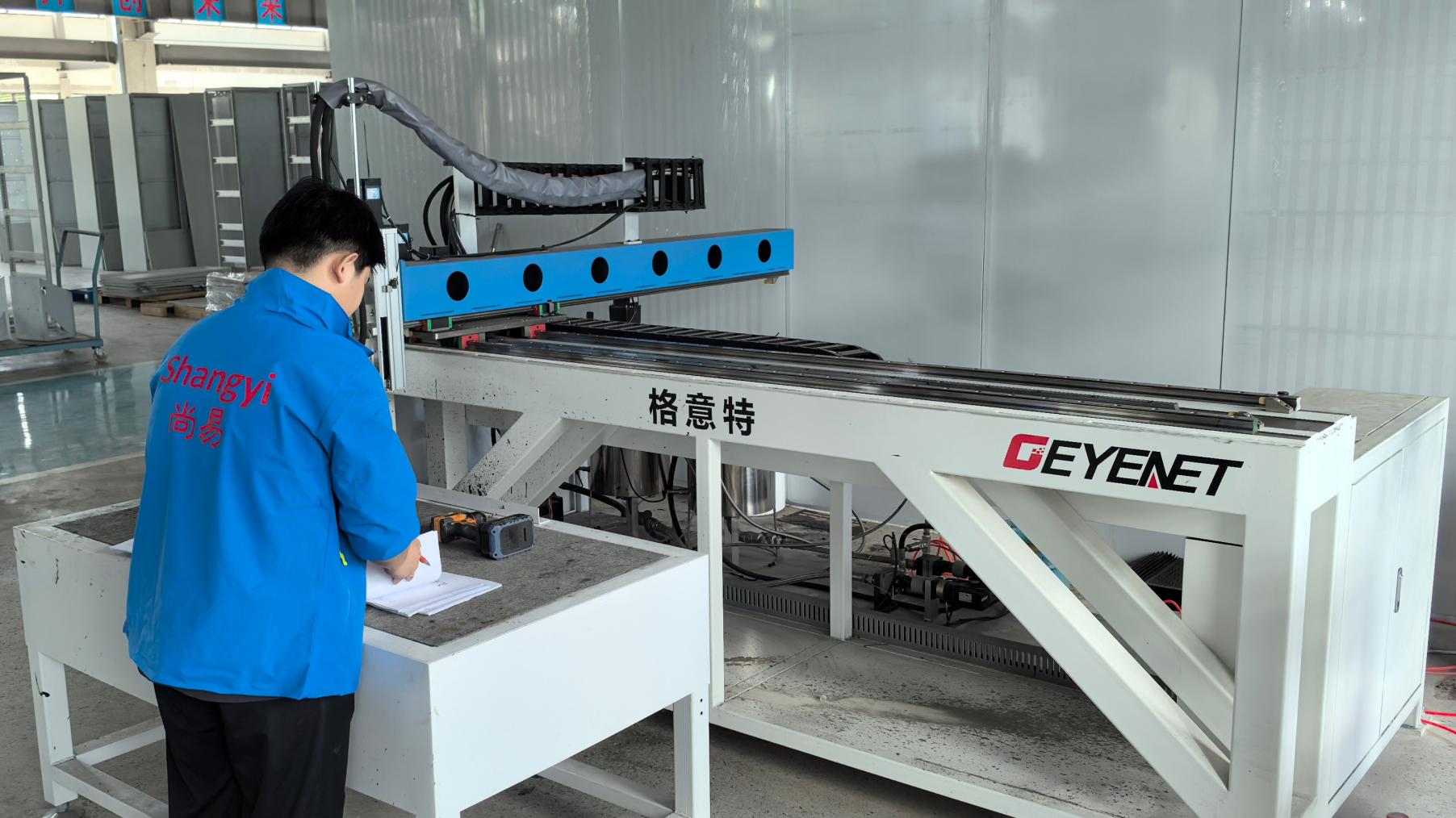
Ensuring power distribution assemblies meet the safety and performance regulations of different regional grids.
Deploying heavy-duty electrical components across international markets requires strict compliance with local safety standards and quality frameworks. Whether supplying components for substations in Europe, telecommunications backup centers in North America, or PV utility arrays in Southeast Asia, our equipment is certified to meet regional grid codes and environmental regulations. Our active power quality monitoring systems, circuit breakers, and custom power feed panels undergo thorough testing to satisfy international standards including CE, ISO, and RoHS.
1. IEC/EN 61439: Low-voltage switchgear and controlgear assemblies verification, guaranteeing functional safety and insulation parameters under extreme thermal stresses.
2. IP54 / IP30 Environmental Protection: The housing design restricts dust and moisture entry, preventing short circuits in harsh environments like petrochemical plants or coastal projects.
3. CE Mark & ISO 9001:2015: Documented quality assurance processes throughout the manufacturing lifecycle, from materials purchasing to final testing.
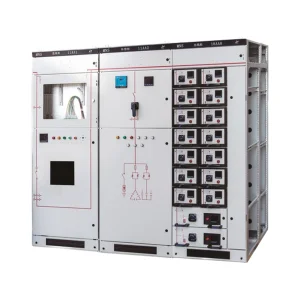
Sowest Electric maintains localized engineering support, allowing us to customize low-voltage withdrawable switchgear configurations to match the specific grid requirements of the client's country. From dual-redundant DC UPS circuits for public transit grids to specific surge protection device designs for municipal street lighting, we ensure our electrical systems integrate seamlessly with minimal field adaptation.
Expert answers to common engineering questions regarding DC-DC conversion, grid quality management, and active filtration.
Increasing the switching frequency (e.g., from 100kHz to over 500kHz) allows the use of smaller inductors and output filter capacitors, reducing the overall module footprint. However, higher switching frequencies lead to larger switching losses in the MOSFETs due to gate charge discharge and drain-source overlap. Additionally, higher frequencies increase electromagnetic interference (EMI), requiring careful circuit layout design, shielding, and input/output filtering to comply with EMC guidelines.
Switchgear systems supporting industrial plants frequently run inductive loads like motors and step-down transformers, which draw reactive current and lower the grid power factor. Integrating dynamic reactive power compensation devices, such as Static Var Generators (SVGs), balances this reactive current in real-time. This reduces power distribution losses, prevents penalties from local utility providers, and prevents voltage drop issues inside the distribution grid.
Silicon Carbide (SiC) is a wide-bandgap semiconductor material that offers significantly lower switching and conduction losses compared to standard silicon switches. This allows power equipment to operate at higher switching frequencies and elevated temperatures without thermal runaway. The result is higher system efficiency, smaller magnetic components, and smaller cooling systems, which reduces the overall footprint of equipment like Active Power Filters (APFs).
For IP54-rated cabinets, direct air exchange is restricted to prevent ingress of dust and moisture. To handle internal heat generation, Sowest Electric utilizes thermal simulation modeling to arrange heavy thermal-load components (like high-power transformers, DC-DC buck regulators, and active filters) logically. Heat dissipation is managed through heavy aluminum heat sinks, thermal conduction pads, and internal forced-air distribution systems that transfer thermal energy out through the cabinet shell.
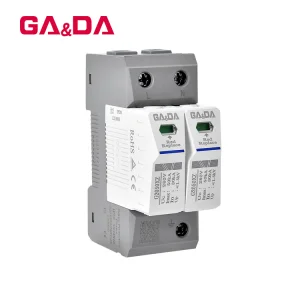
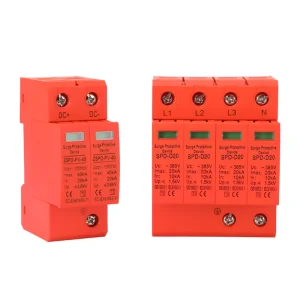
Solar PV arrays are installed in open areas and are susceptible to transient overvoltages from direct or indirect lightning strikes. Standard DC-DC converters and micro-inverters cannot absorb high energy surges. Installing Class II / Type 2 Surge Protective Devices (SPDs) near the converter inputs diverts excess surge currents safely to the ground. This limits voltage spikes to level that the converter components can withstand, preventing damage and system downtime.
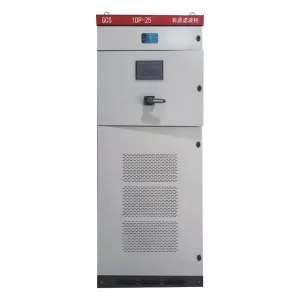
Non-linear loads like DC-DC buck/boost switches, motor drives, and rectifiers draw current in short, high-frequency pulses rather than clean sinusoidal waveforms. This creates harmonic currents that distort the voltage profile. An Active Power Filter (APF) monitors the current in real-time, processes the harmonic waveform using digital controllers, and injects a correcting current phase. This neutralizes the harmonics, restoring the system waveform back to a clean sine wave.
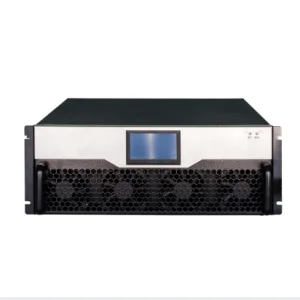
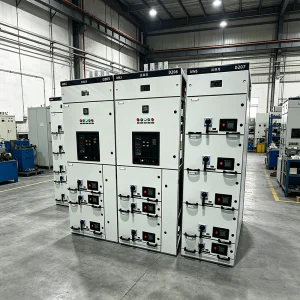
High-voltage SVG units, active harmonic mitigation filters, solar grid surge suppressors, and custom withdrawable switchgears.
 Sowest Electric