Sowest Electric
1 / 5
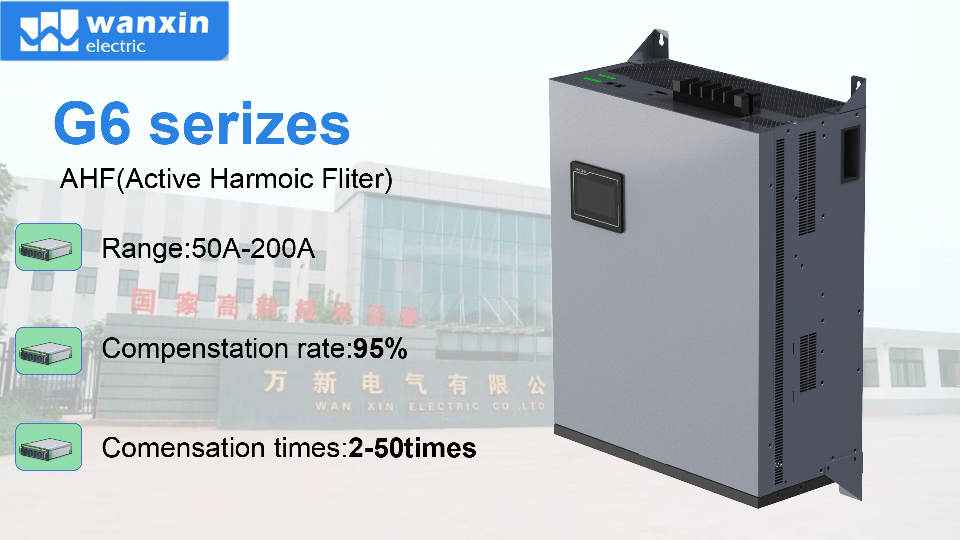
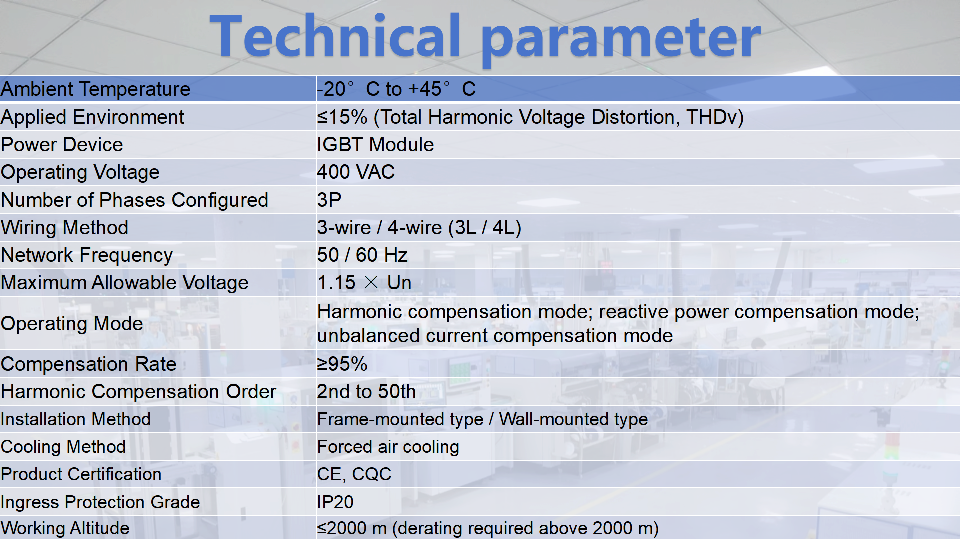


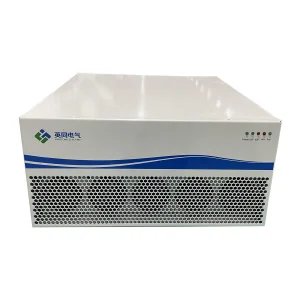
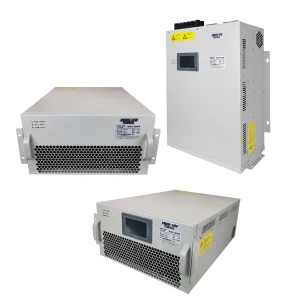
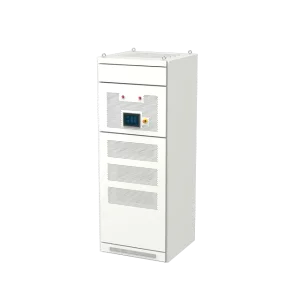
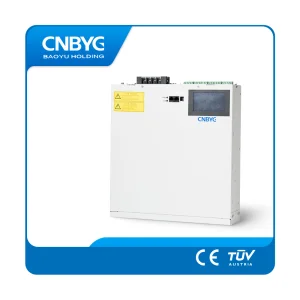
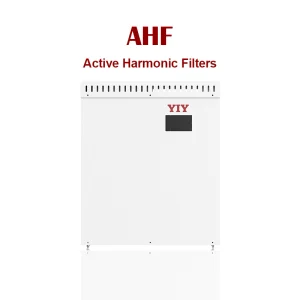
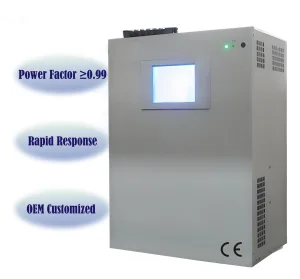
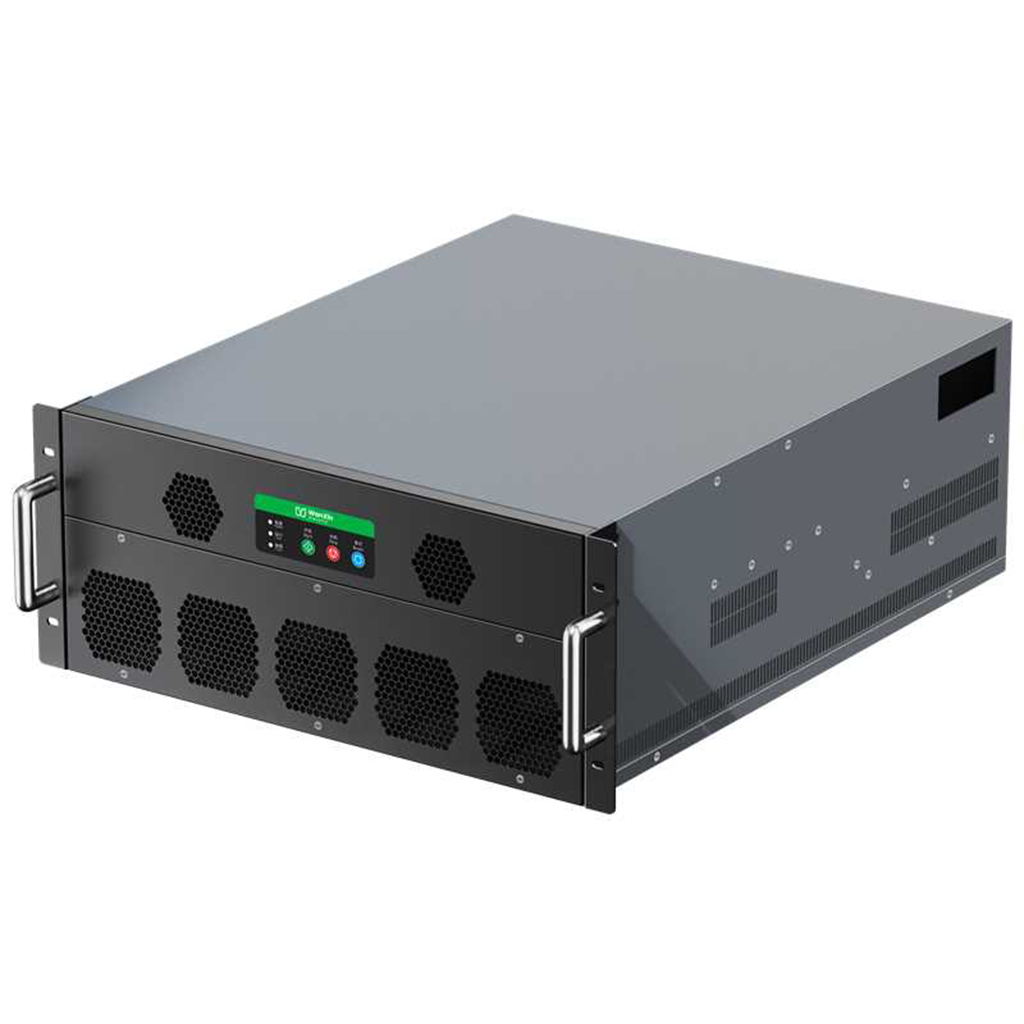
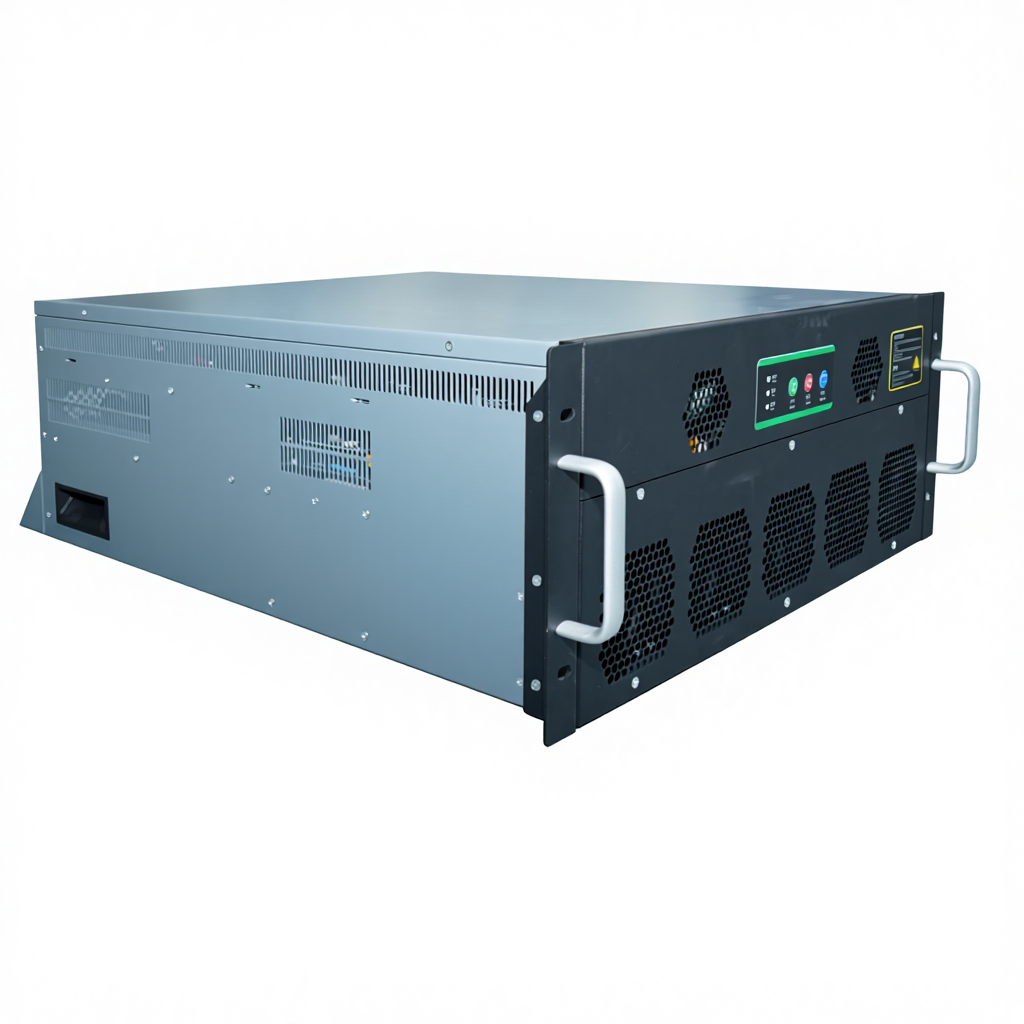
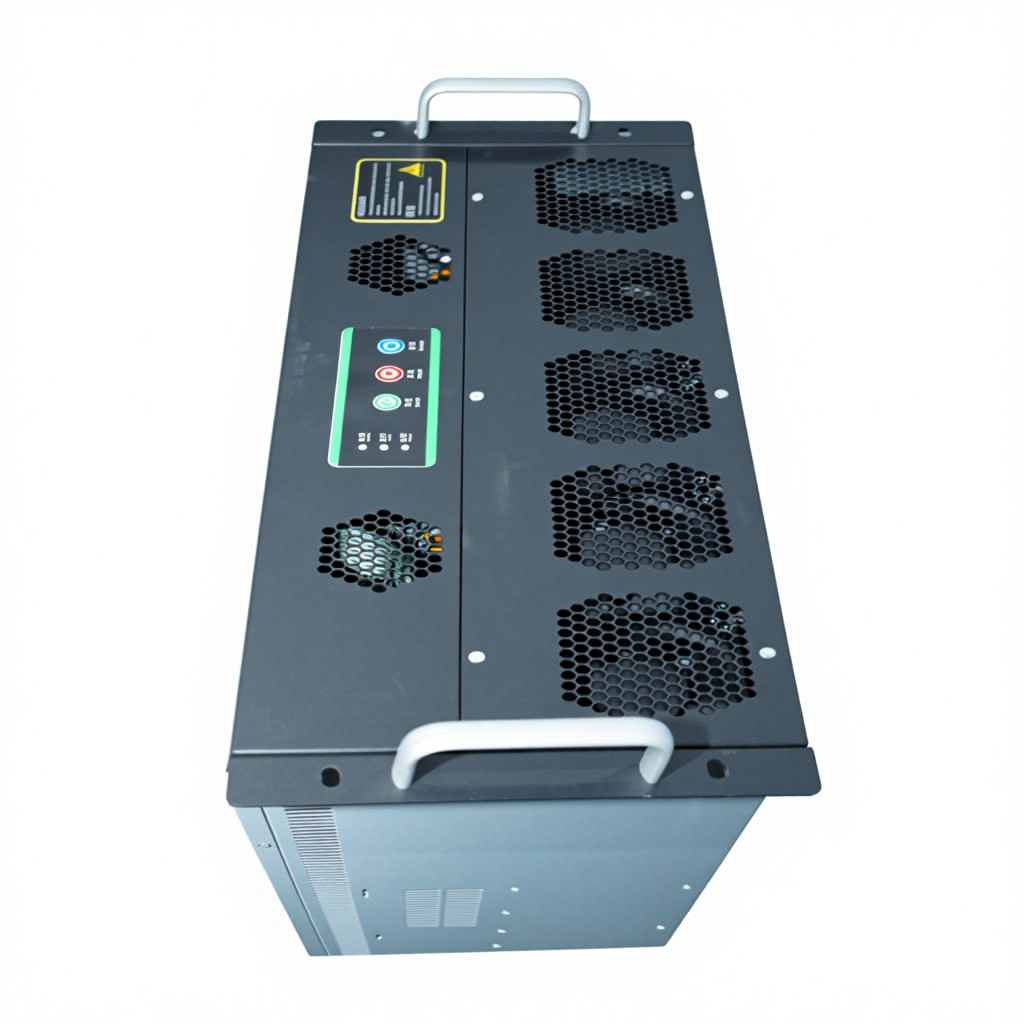
An Active Power Filter (APF) is a power electronic device designed to dynamically detect and compensate for harmonic currents and reactive power in real-time. In a 3-phase 4-wire system, it specifically mitigates neutral line harmonics to prevent overheating and ensure electrical system safety.
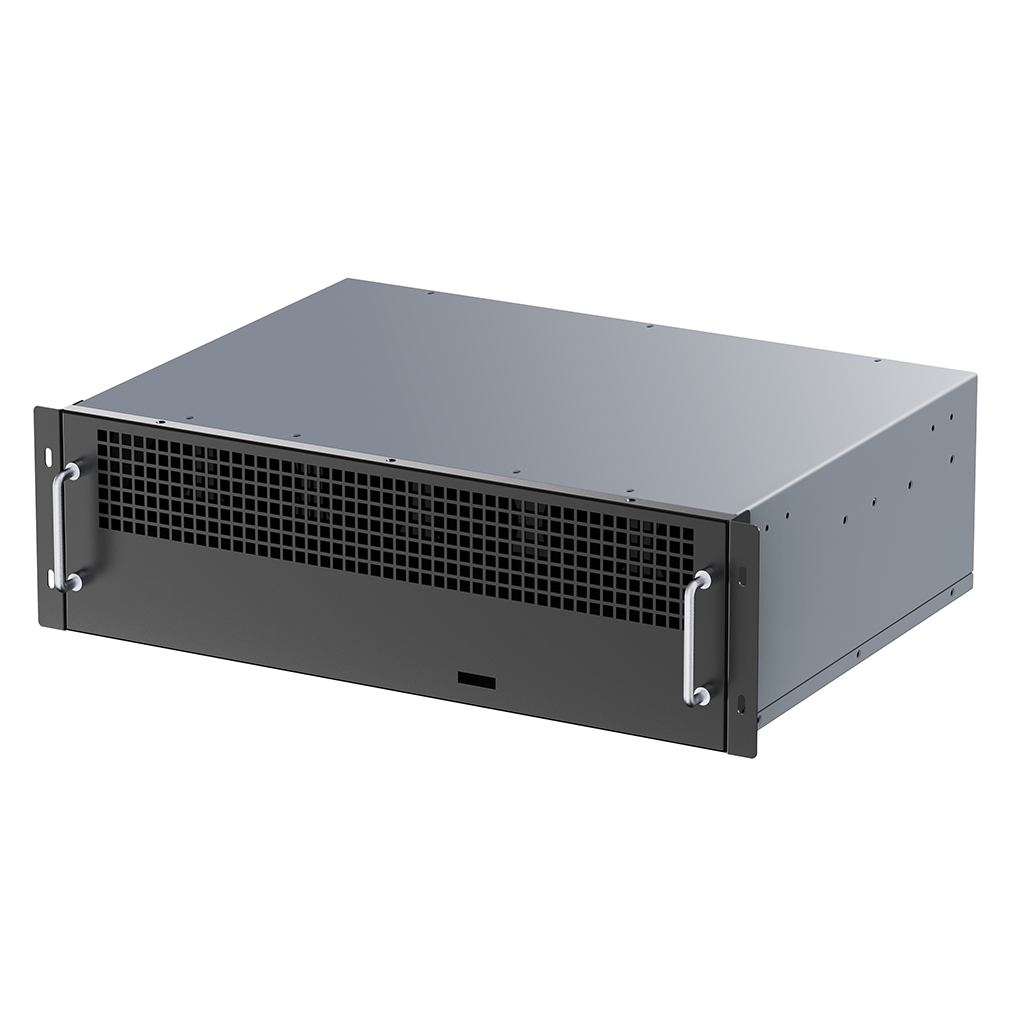
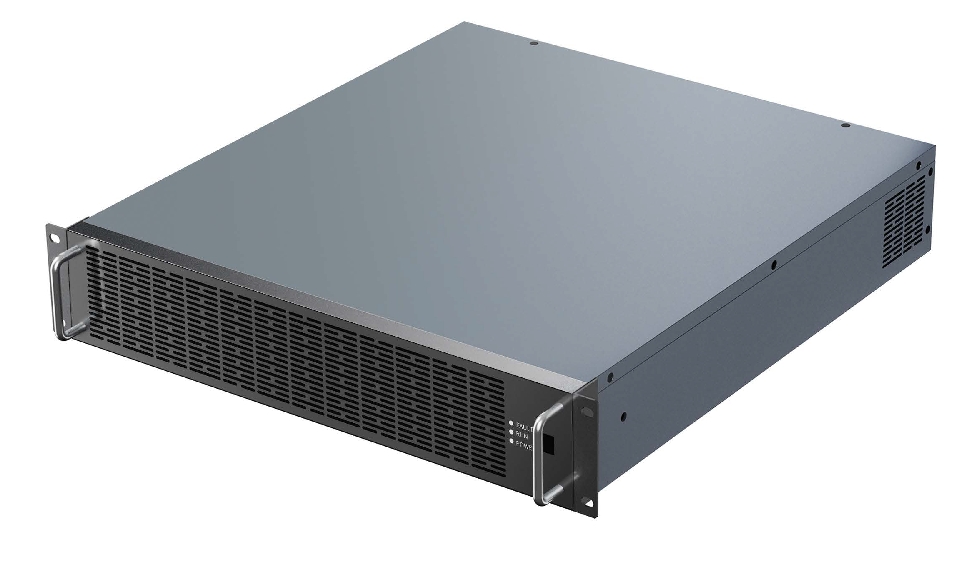
Silicon Carbide (SiC) semiconductor technology allows the APF to operate at higher switching frequencies with significantly lower energy loss. This results in superior filtering efficiency, compact modular design, reduced heat generation, and enhanced equipment lifespan.
By continuously monitoring load current fluctuations, the APF injects compensating currents of equal magnitude but opposite phase into the network. This eliminates harmonic distortions, stabilizes voltage levels, reduces transformer losses, and prevents malfunction of sensitive digital electronics.
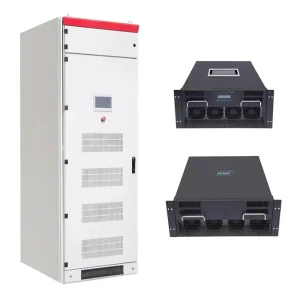
Yes, this modular APF system supports parallel connection of multiple units. This flexibility allows for easy capacity expansion to meet growing power demands without the need to replace existing installations.
Industries utilizing non-linear loads—such as data centers, commercial high-rise buildings, automated manufacturing facilities, telecommunication hubs, and medical centers—greatly benefit by securing grid stability and avoiding costly downtime.