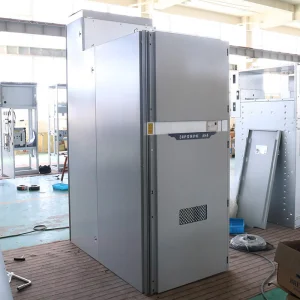
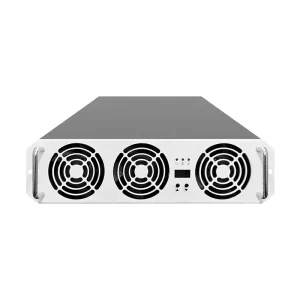
Explore our state-of-the-art battery balancing systems, commercial powerwalls, and power distribution devices engineered for heavy industrial and remote applications.
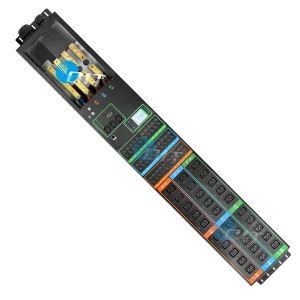
The industrial landscape in Mexico is undergoing a rapid, multi-layered transformation. Fueled by the "nearshoring" wave, international automotive, aerospace, and electronics giants are localizing their supply chains and setting up massive maquiladora campuses in northern hubs like Monterrey, Saltillo, Tijuana, and central manufacturing corridors in Querétaro and Guanajuato. This boom in manufacturing infrastructure has caused industrial power demands to skyrocket, placing extreme stress on the Mexican national grid managed by CFE (Comisión Federal de Electricidad).
To counteract grid instability, voltage fluctuations, and high peak-hour electricity tariffs, factories across Mexico are adopting utility-scale and commercial Battery Energy Storage Systems (BESS). At the core of these massive battery arrays lies the Battery Management System (BMS). The BMS serves as the brain, monitoring state of charge (SOC), state of health (SOH), cell voltages, temperature, and current parameters. It ensures thermal runaway prevention and balances the cell chemistry to guarantee that systems—such as the massive 280Ah and 314Ah lithium iron phosphate (LiFePO4) powerwalls—run safely and efficiently for more than 15 years.
Furthermore, Mexico’s clean energy goals demand that new solar installations in states like Sonora and Chihuahua incorporate robust energy storage. High-capacity battery systems require precise balancing at the board level. The transition toward high-voltage architectures (often reaching 1000V to 1500V DC) increases the demand for specialized BMS that can interface with industrial SCADA systems and building management protocols, using standardized communication systems like Modbus TCP/IP, CANbus, and RS485.
On a global scale, the BMS industry is shifting from traditional passive balancing (which dissipates excess energy as heat via resistors) to advanced active balancing. In heavy industrial vehicles, such as automated guided forklifts (AGVs) in logistics warehouses and off-road mining trucks, battery cells undergo dynamic charge-discharge profiles. Active balancing transfers charge from higher-energy cells to lower-energy cells in real-time, preventing early cell degradation and extending usable battery life by up to 20%.
Key technological advancements driving the global market include:
For industrial buyers in Mexico sourcing equipment for high-value telecom grids, mining sites, or automotive plants, choosing a BMS and power supply partner with global scale is paramount. The system must stand up to extreme ambient temperatures (ranging from the arid northern deserts of Sonora to humid southern coastal states) and must provide long-term operational security.
China has built the world's most robust lithium supply chain, material processing cluster, and power electronics manufacturing ecosystem. Chinese factories process over 70% of the world's battery chemicals and produce a massive share of power components. By sourcing from a leading Chinese manufacturer, global buyers gain a significant competitive edge in cost, speed-to-market, and technical innovation.
Zhejiang Sowest Electric Co., Ltd. represents the pinnacle of this integrated manufacturing system. As a modern, innovative enterprise specializing in power supply and electrical distribution, Sowest Electric combines world-class research and development with advanced manufacturing processes. We design and deliver comprehensive electrical systems, from low and high-voltage switchgear to active power filters (APF), active harmonic filters (AHF), isolation transformers, and smart distribution components tailored to power modern industrial battery complexes.
Highly qualified engineers specializing in power electronics, software algorithms, and electrical layouts.
State-of-the-art testing lines with automatic optical inspection (AOI), thermal stress testing, and functional simulators.
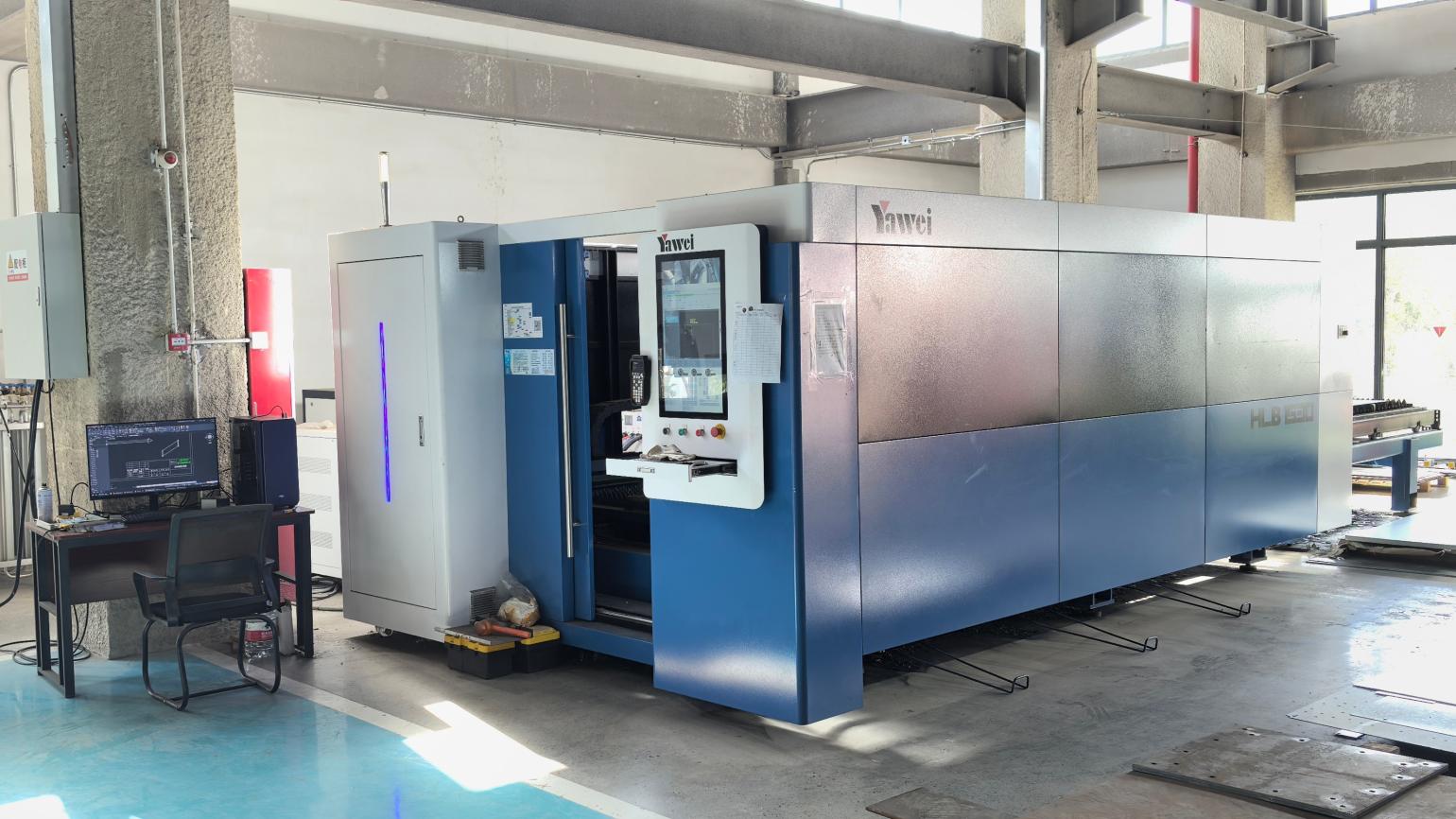
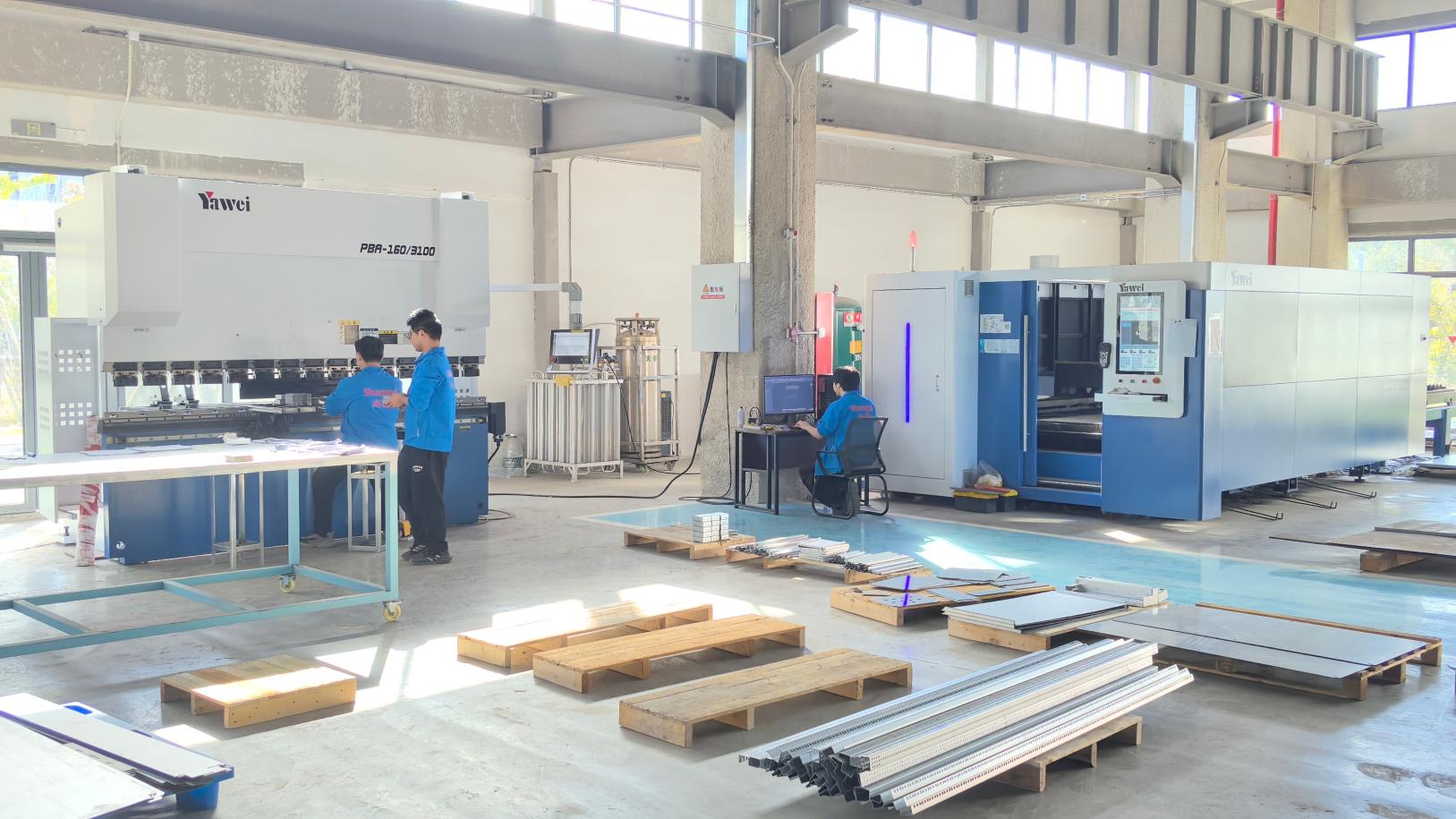
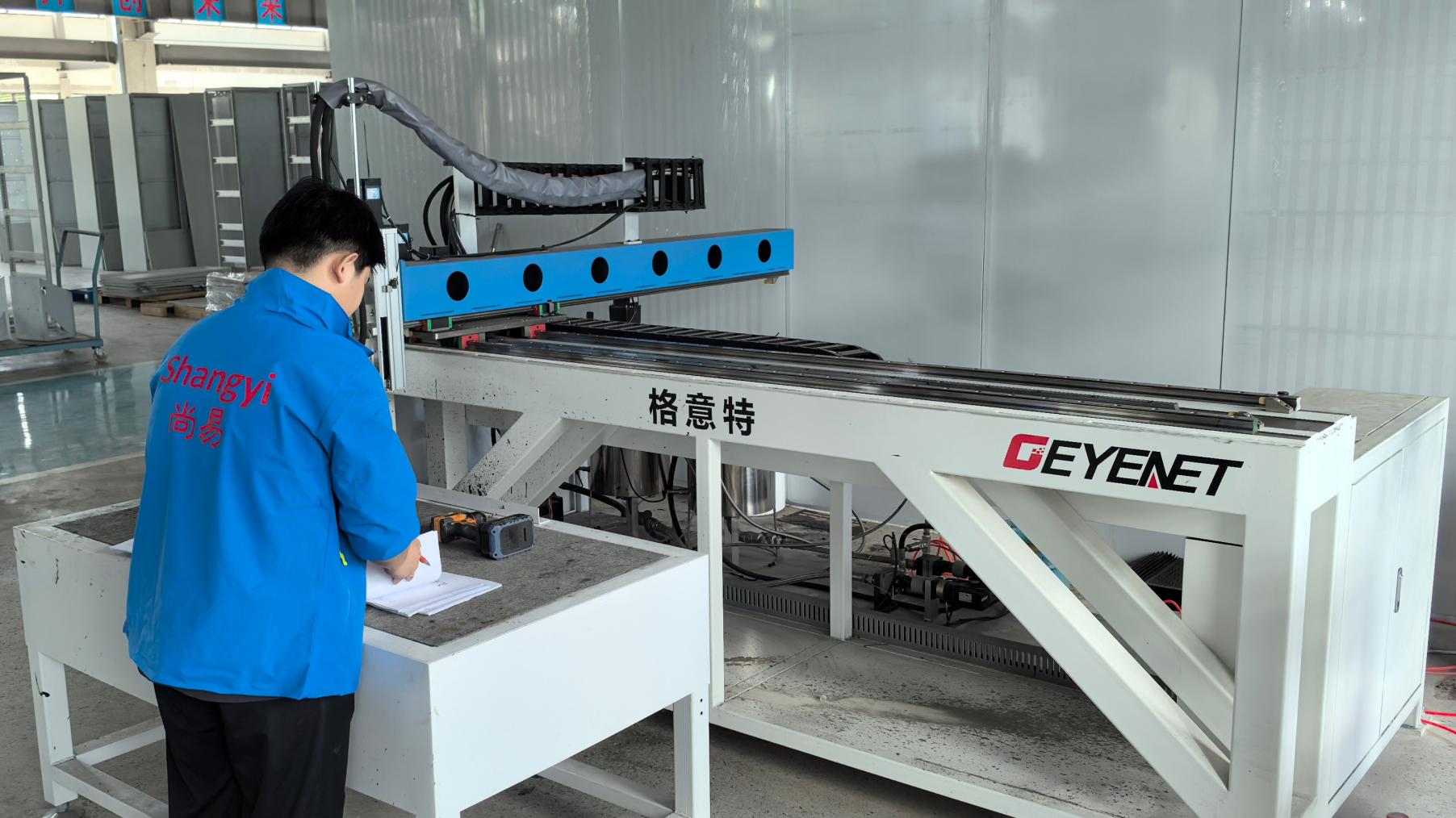
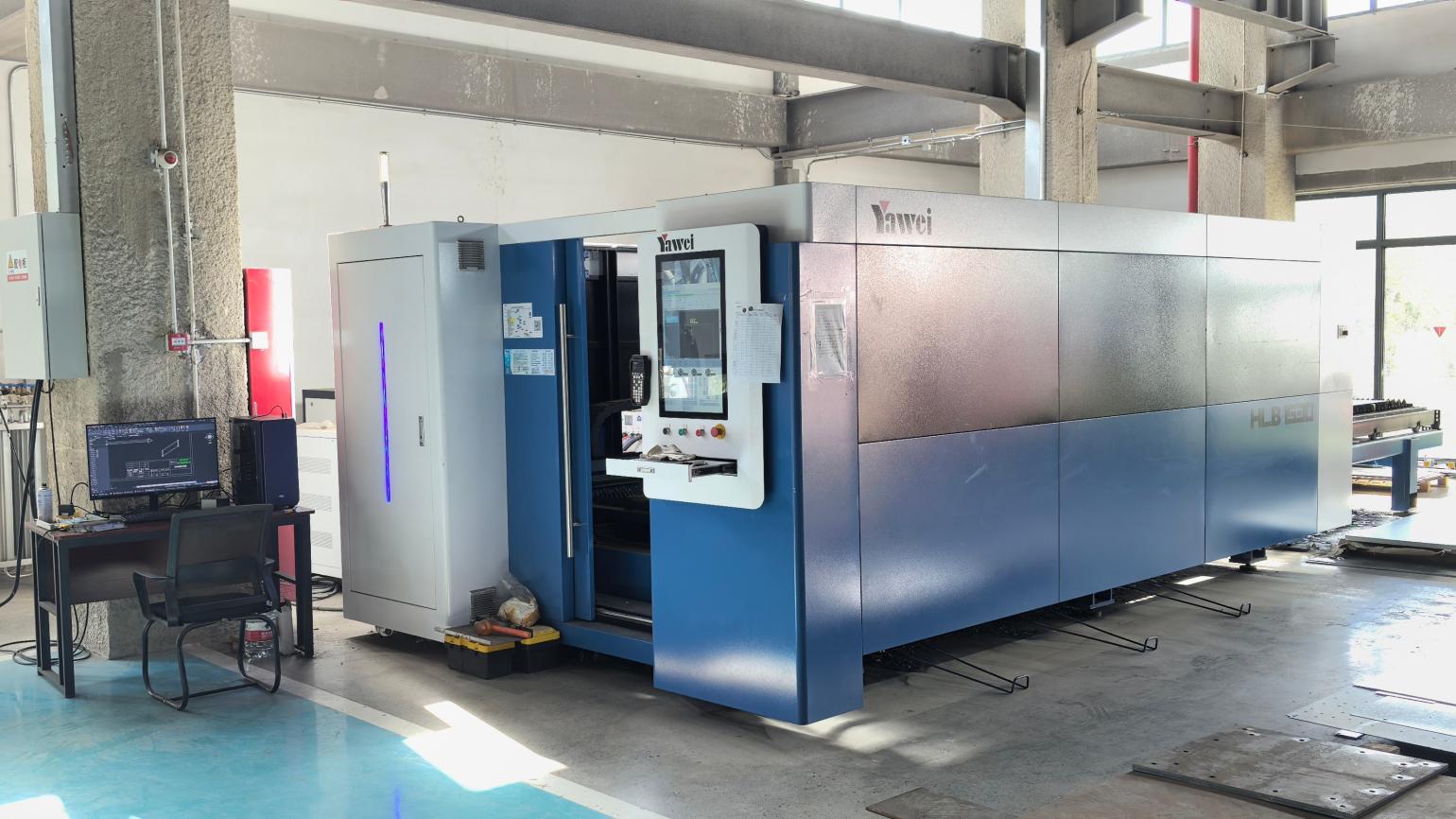
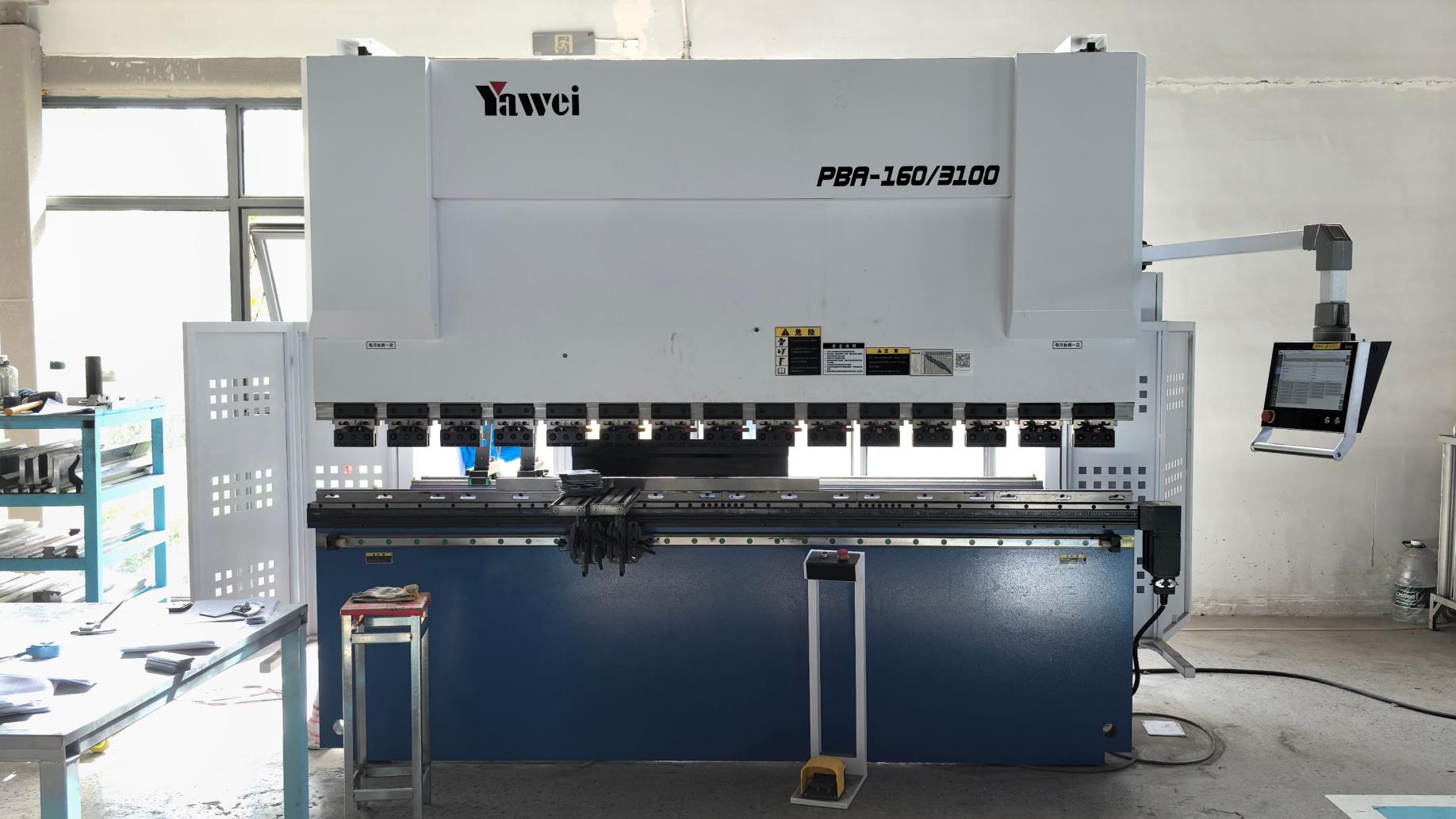
Integrating laser cutting, CNC shearing, automatic dispensing, and high-precision welding systems.
One-stop-shop for energy storage: from high-current PCB balancers to grid-level switchgears.
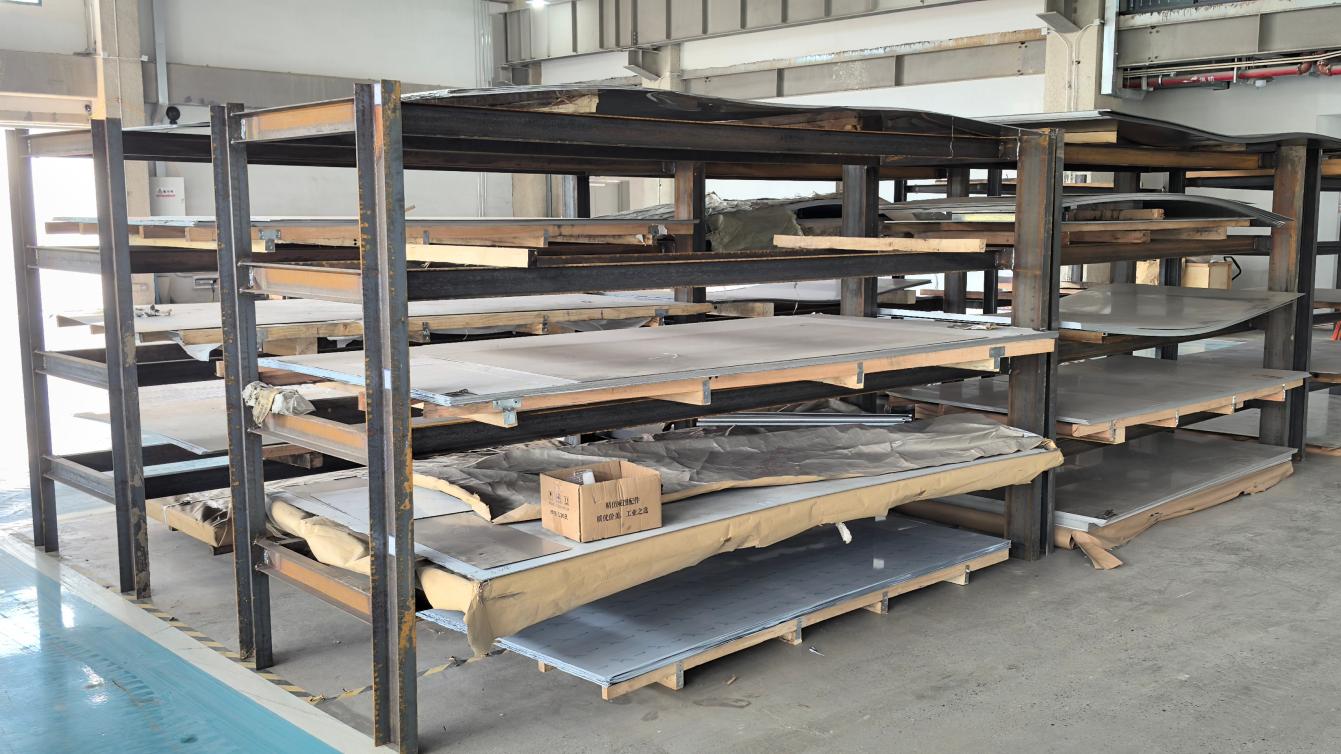
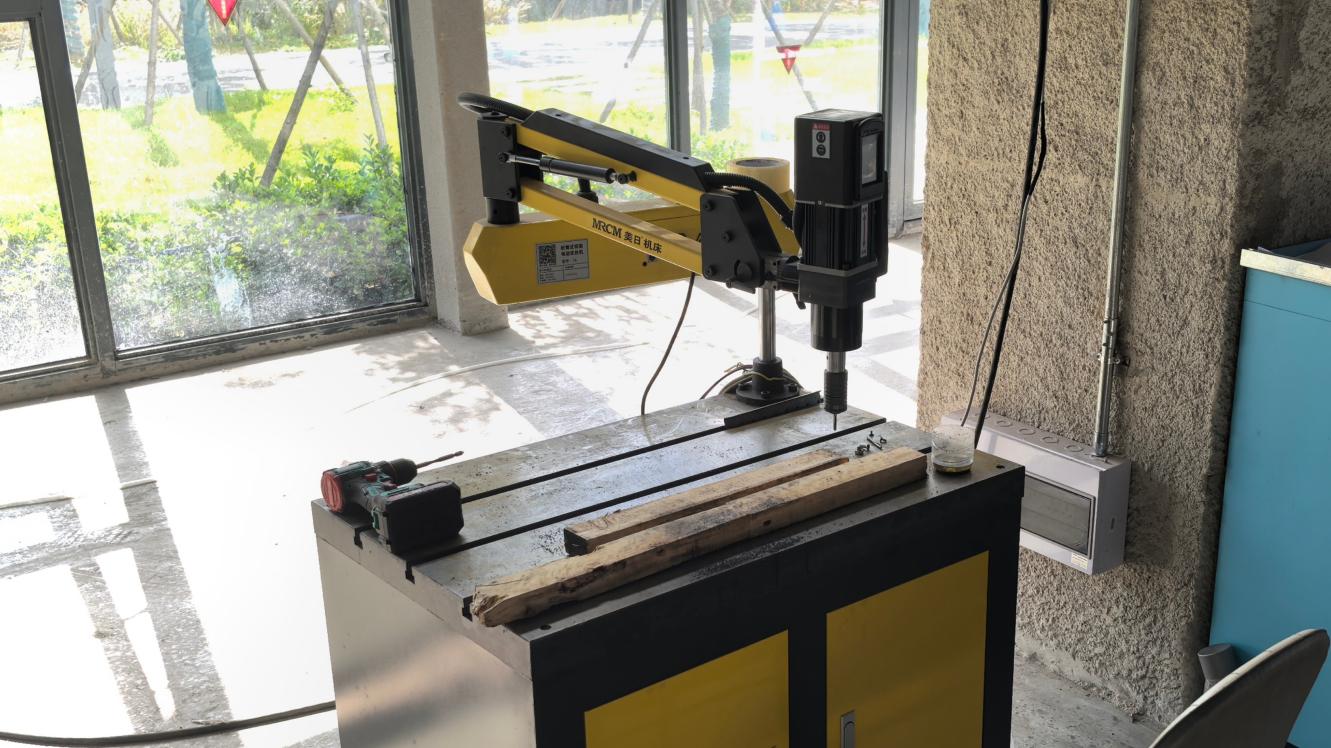
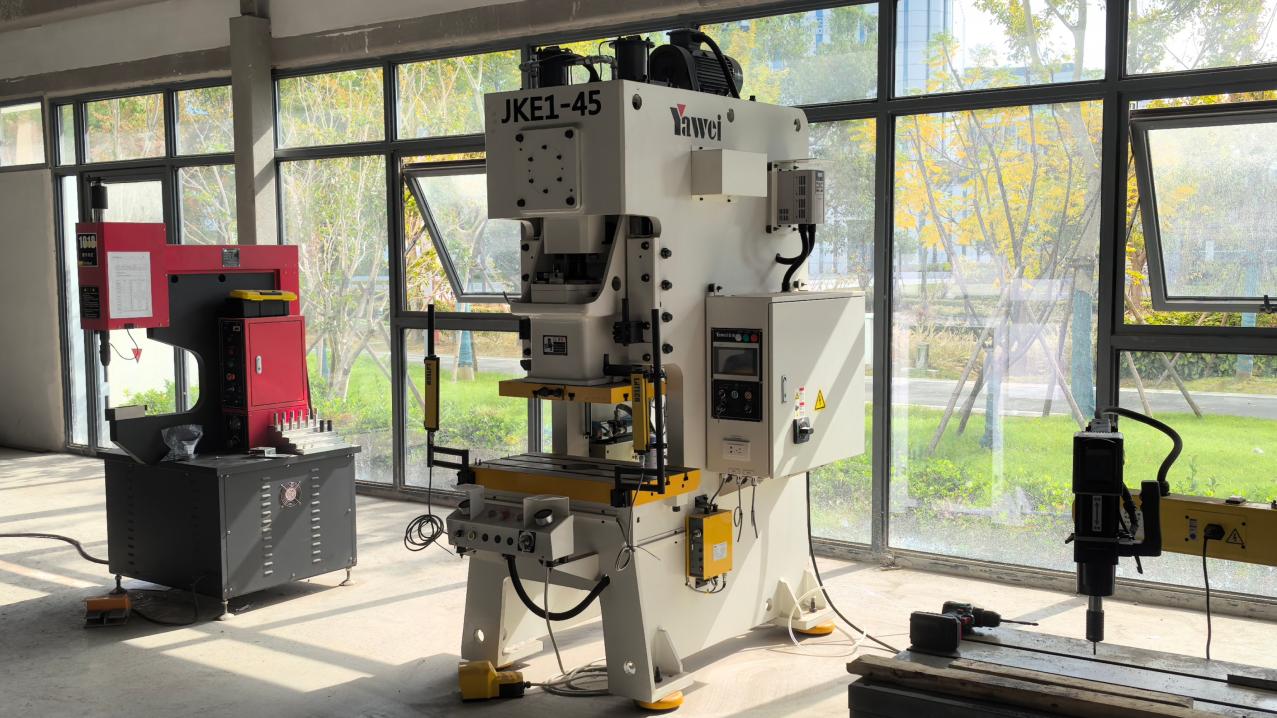
Step-by-step look inside our modern facility, demonstrating our commitment to quality, advanced automation, and reliable supply chain execution.
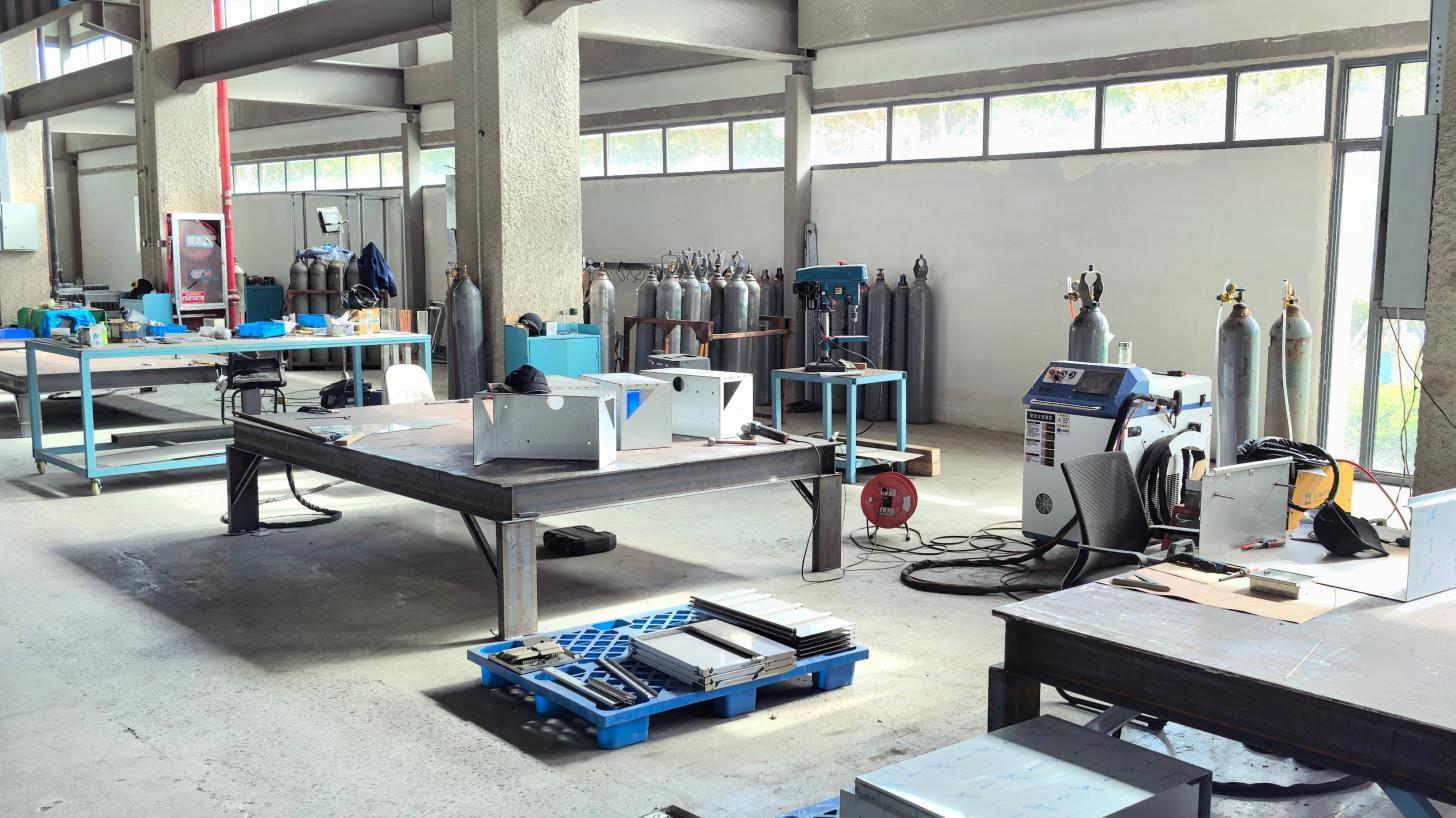
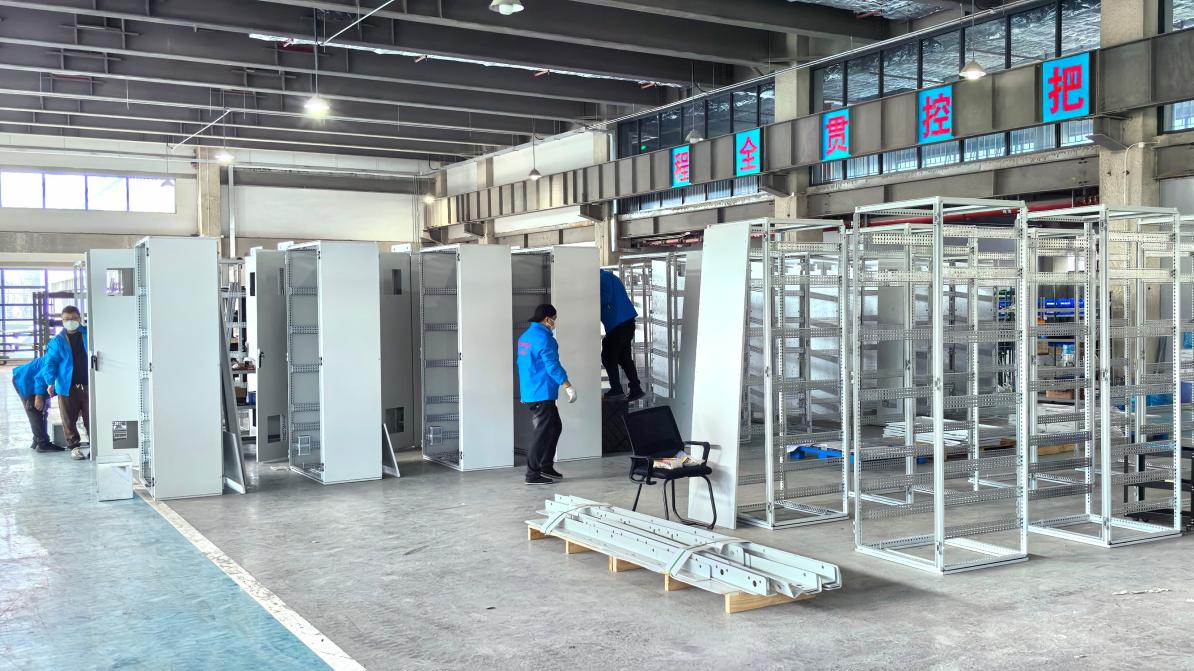
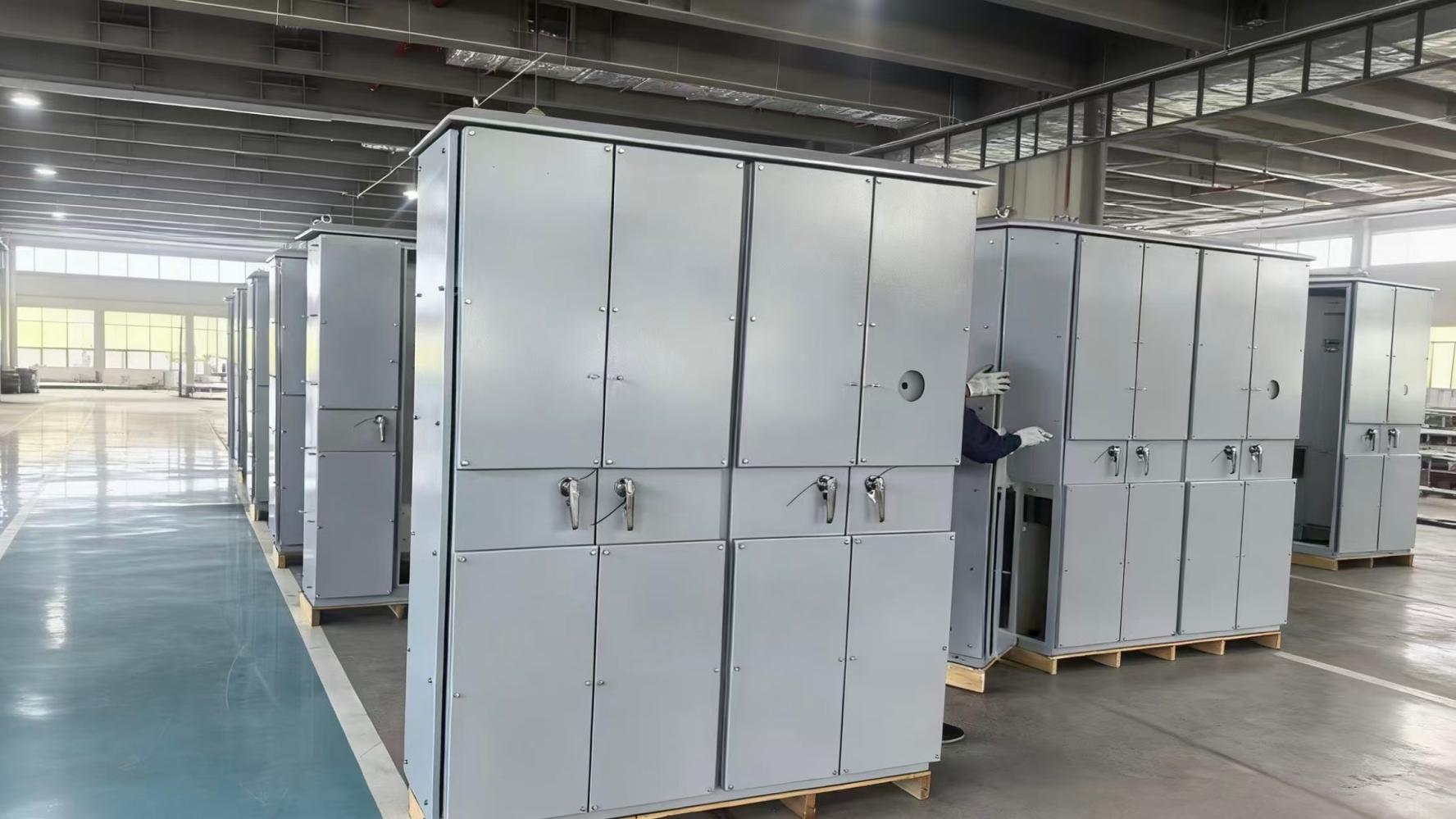
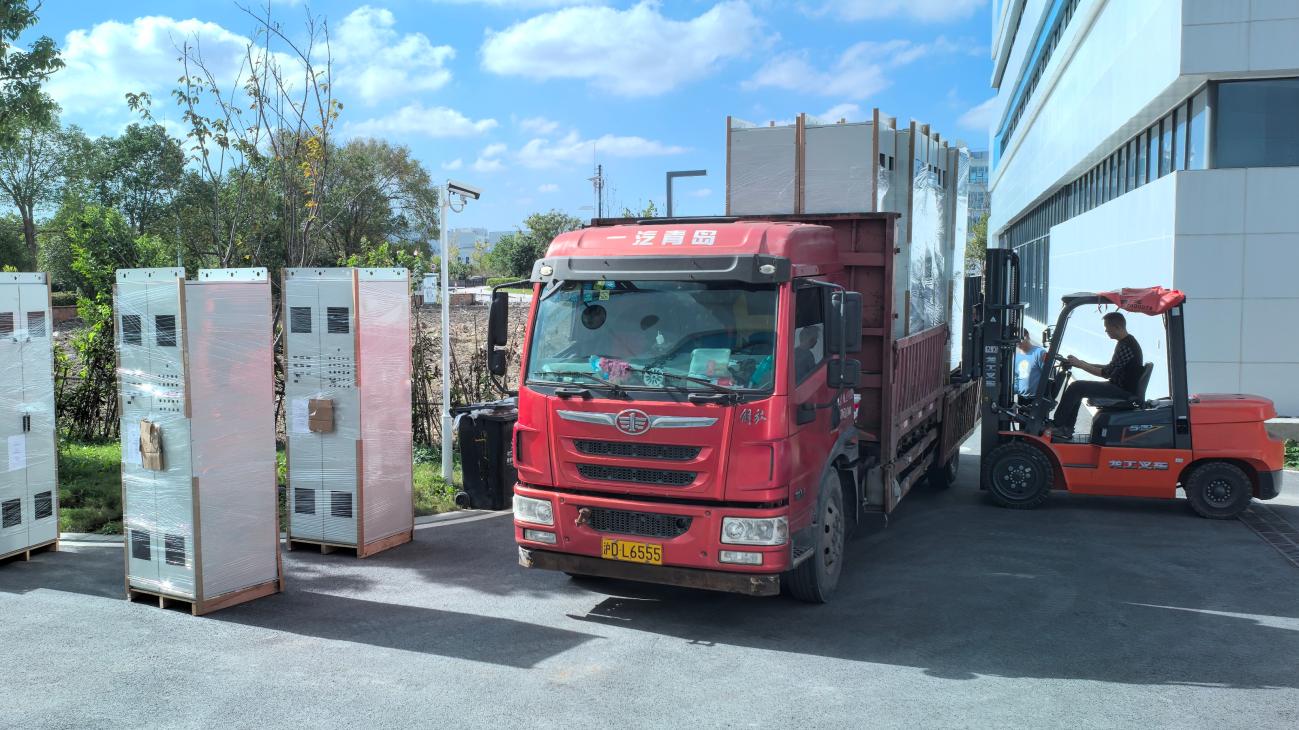
Understanding local conditions is the key to engineering reliable power infrastructure. We have customized our power electronics, switchgear packages, and battery management platforms for several dominant application cases across Mexico:
Due to high capacity charges levied by the CFE, industrial parks must limit their peak power draws. Modern factories deploy large lithium battery systems connected via high-voltage switchgear. By utilizing an active BMS paired with smart grid controllers, factories charge their batteries during low-cost nighttime hours and discharge them during peak demand periods. This peak shaving strategy yields massive cost savings and stabilizes the local distribution network.
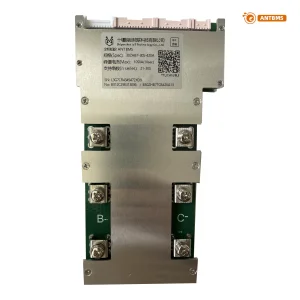
Mining operations face intense mechanical vibration, heat, dust, and rugged terrain. Sourcing an industrial-grade battery balancing system like our Ant BMS 30S 420A is essential for electric mining vehicles, heavy utility trucks, and electric forklifts. The FR-4 PCB board construction and high peak-current tolerance (up to 1050A) protect cells from short circuit conditions and mechanical stress, maintaining optimal vehicle uptime.
Commercial solar plants in Querétaro and Jalisco face strict Grid Code requirements regarding voltage fluctuation. Coupling commercial solar storage powerwalls with active power filters (APF) and active harmonic filters (AHF) mitigates the harmonics generated by large string inverters. A high-accuracy BMS ensures that fluctuations in solar generation do not damage the battery pack, securing a stable green energy supply for downstream industrial consumers.
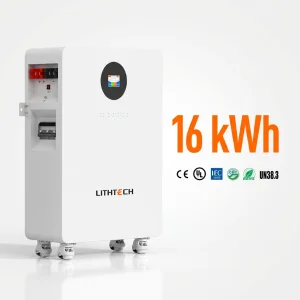
For remote telecommunications towers situated across difficult terrain, continuous grid power is not guaranteed. 15kwh/16kwh lithium-ion battery powerwall systems managed by smart, networked BMS platforms ensure remote monitoring capabilities via cellular or satellite links. System health can be verified remotely in Mexico City without dispatching expensive technical crews to remote sites.
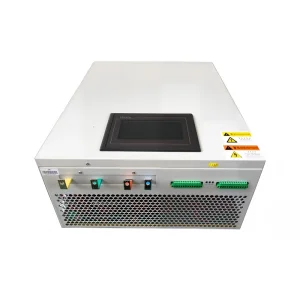
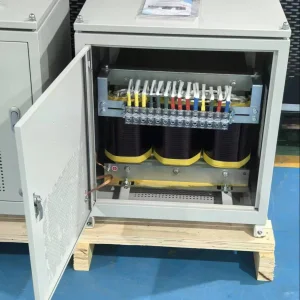
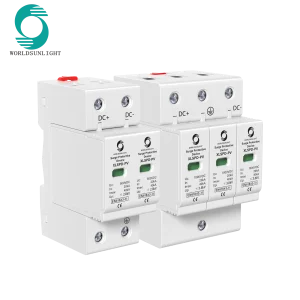
Reliable switchgear, automatic transfer switches, power filters, and voltage regulators designed for demanding international standards.
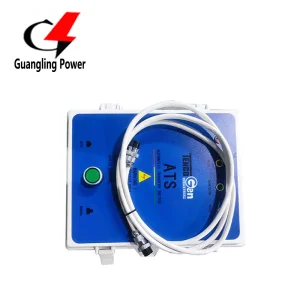
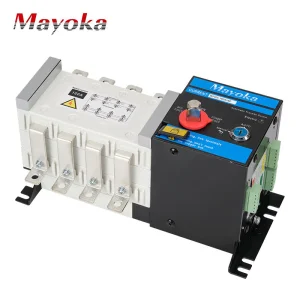
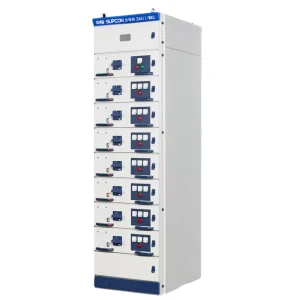
Technical details for project developers and procurement engineers seeking to optimize power system implementations in Mexico.
 Sowest Electric