Deploying robust conversion hardware tailored for local electrical codes. Discover our key product configurations adapted for Victorian distribution networks and automotive applications.
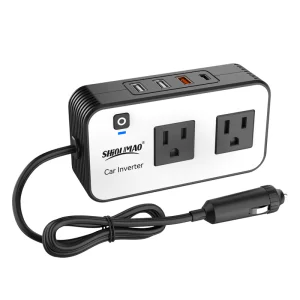
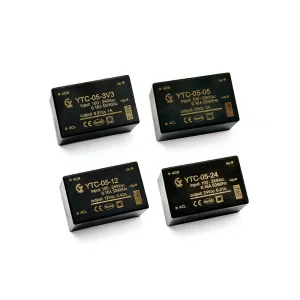
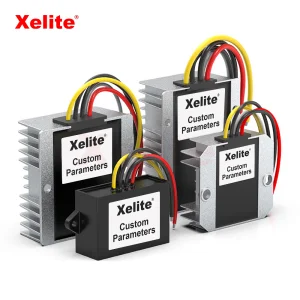
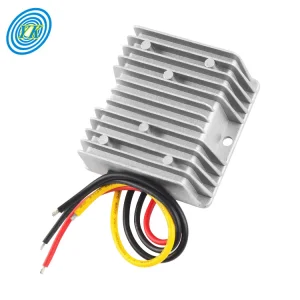
Melbourne stands at the vanguard of Australia’s advanced manufacturing initiative, driven by rapid updates in public transportation electrification, automated warehousing, defense electronics, and the deployment of microgrids. To support these systems, the demand for high-efficiency, industrial-grade DC-DC converter modules has surged. These devices act as the critical nodes of power regulation, translating unstable voltage inputs from battery banks, renewable generators, or high-voltage lines into clean, regulated DC voltage rails.
Globally, the market is undergoing a paradigm shift towards wide-bandgap (WBG) semiconductors like Silicon Carbide (SiC) and Gallium Nitride (GaN). These materials enable power supplies to operate at higher switching frequencies with minimized switching losses, yielding smaller thermal footprints and power densities exceeding 95% efficiency. In Melbourne's harsh summers and remote Victoria installations, selecting thermal-stable, potted, and vibration-resistant modules is paramount to avoiding downtime.
Deploying electrical hardware in the Australian market mandates compliance with strict safety frameworks, including the Regulatory Compliance Mark (RCM) guidelines, AS/NZS CISPR 32 for electromagnetic compatibility, and IEC/EN 62368-1 safety standards for audio/video, information, and communication technology equipment. Power designers must integrate proper input EMI filters and transient voltage suppressors (TVS) to withstand grid fluctuations and electrical noise.
For rail transit and heavy machinery applications, isolated DC-DC modules are crucial to safeguard low-voltage microcontrollers and logic circuits from high-voltage transients on the primary power bus.
Utilizing high-power, DIN-rail mounted step-down converters to power auxiliary control circuits, signaling units, and onboard passenger telematics from primary battery lines in Yarra Trams and local commuter trains.
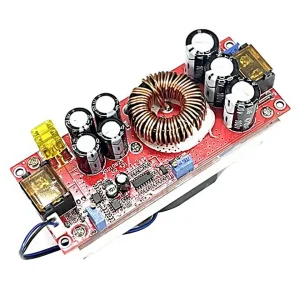
Providing the high-efficiency DC-DC modular building blocks (up to 20KW per sub-unit) needed for public EV fast-charging hubs scattered along the EastLink and M1 corridors, guaranteeing fast thermal dissipation and grid stability.
Reliable buck-boost regulation for regional Victoria telecom base stations and agricultural monitoring hardware powered by micro-solar/wind systems operating under intense environmental variations.
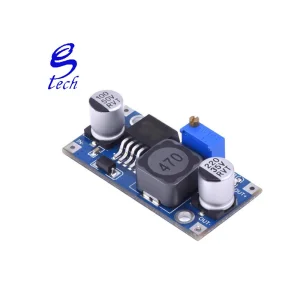
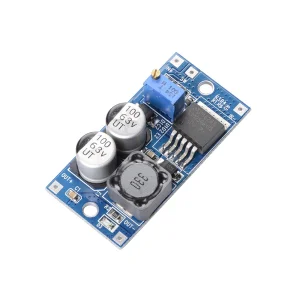
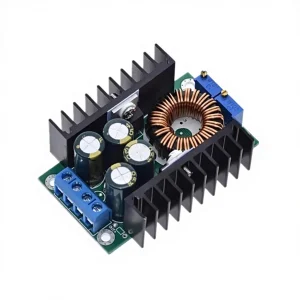
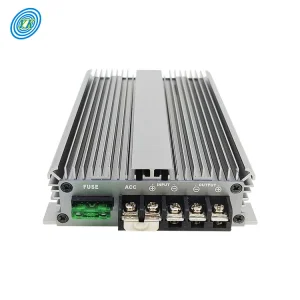
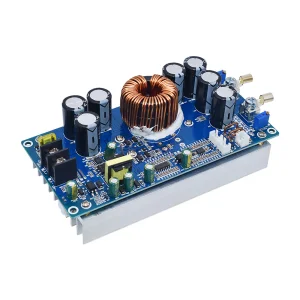
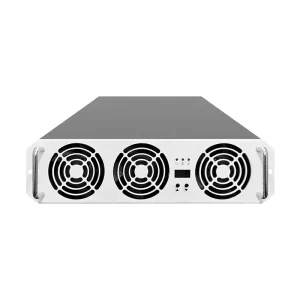
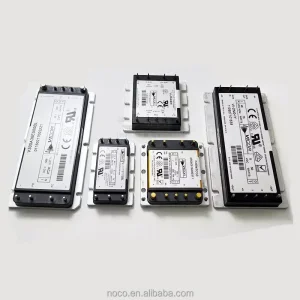
Modern commercial buildings and manufacturing plants in Clayton, Dandenong, and Campbellfield rely heavily on standard modular installations. These 4 engineering configurations exhibit state-of-the-art power distribution topologies:
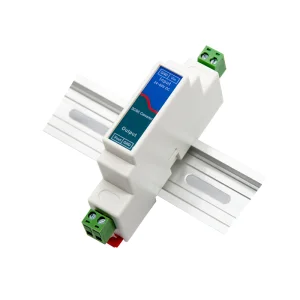
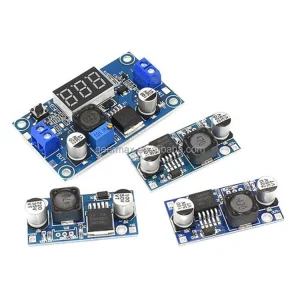
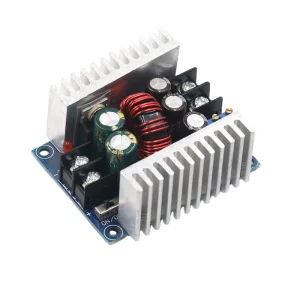
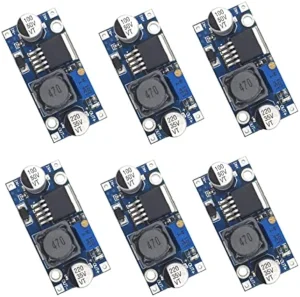
Navigating the electrical parameters of different converters ensures optimal thermal mitigation and efficiency. The table below lists critical characteristics to evaluate during your system design phase.
| Converter Topology | Common Application Range | Isolation Level | Efficiency Benchmark | EMI/EMC Challenge |
|---|---|---|---|---|
| Non-Isolated Buck | Point of Load (POL) Board Regulation | None (Common Ground) | Up to 96% | Low-Medium (Requires standard bypass caps) |
| Isolated Flyback | Telecom Systems & Low-Power Bias Supplies | Up to 3kVAC Galvanic | 80% - 90% | High (Common-mode noise coupling) |
| Isolated Forward / LLC | High-Power EV chargers & Solar Inverters | Up to 4.2kVAC Galvanic | 92% - 98% | Medium (Soft-switching reduces harmonic spikes) |
| Buck-Boost (Bidirectional) | Battery Charge/Discharge Management | Depends on circuit isolation | 90% - 95% | High (Complex control loop switching noise) |
Zhejiang Sowest Electric Co., Ltd. is a modern and innovative enterprise specializing in the research, development, manufacturing, and sales of power supply and electrical distribution equipment. With a strong commitment to technological innovation, product quality, and customer satisfaction, the company has established itself as a reliable partner for power generation, transmission, distribution, industrial automation, transportation, petrochemical, telecommunications, and infrastructure projects worldwide.
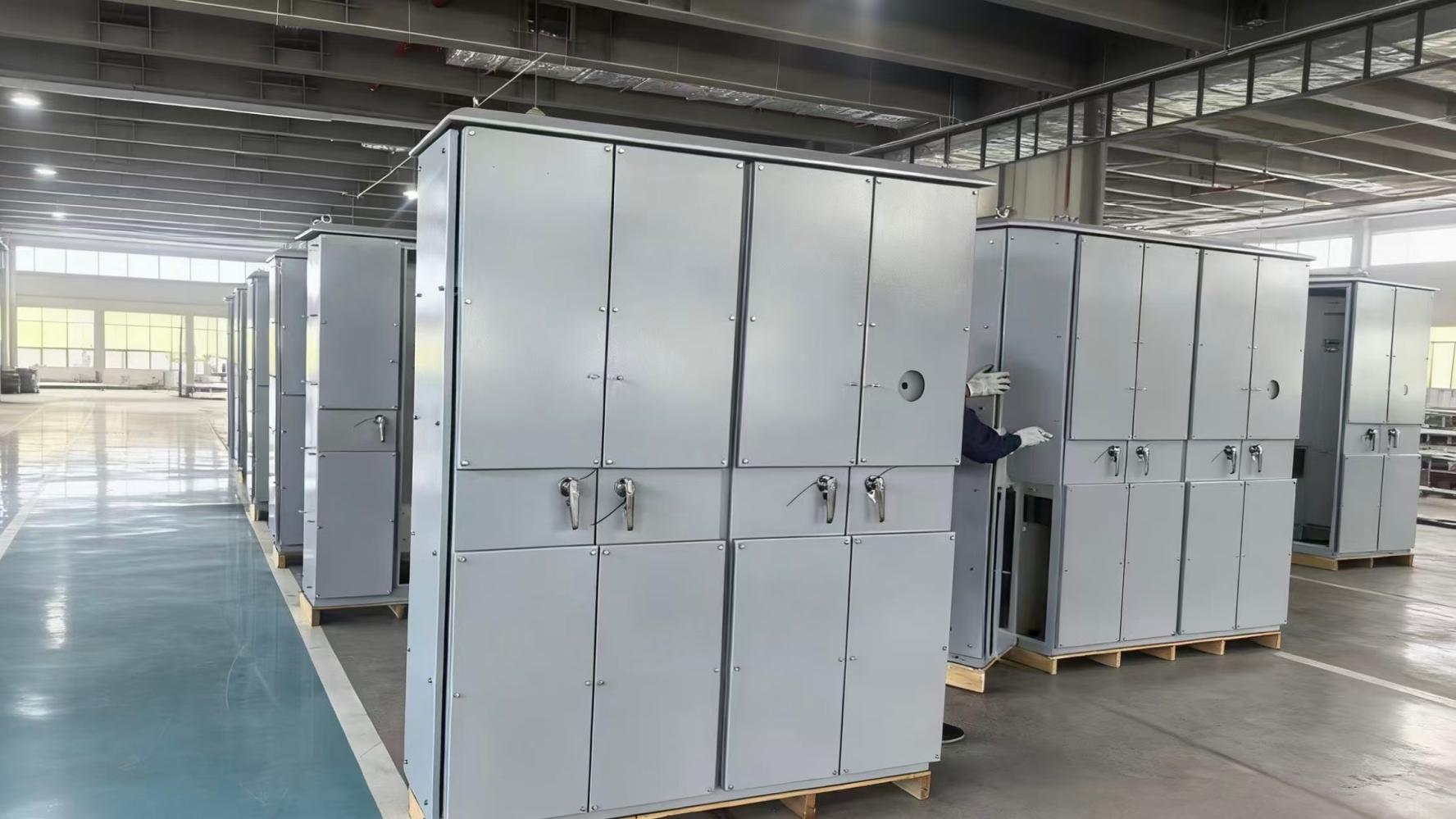
Our core product portfolio includes AC/DC Power Supply Panels, DC Power Systems, UPS (Uninterruptible Power Supply) Systems, Battery Chargers, DC Distribution Panels, AC Distribution Panels, Central Signal Panels, Power Monitoring Systems, Circuit Breakers, Power Feeding Panels, and other integrated power supply solutions. These products are widely applied in substations, power plants, industrial facilities, data centers, rail transit systems, and renewable energy projects.
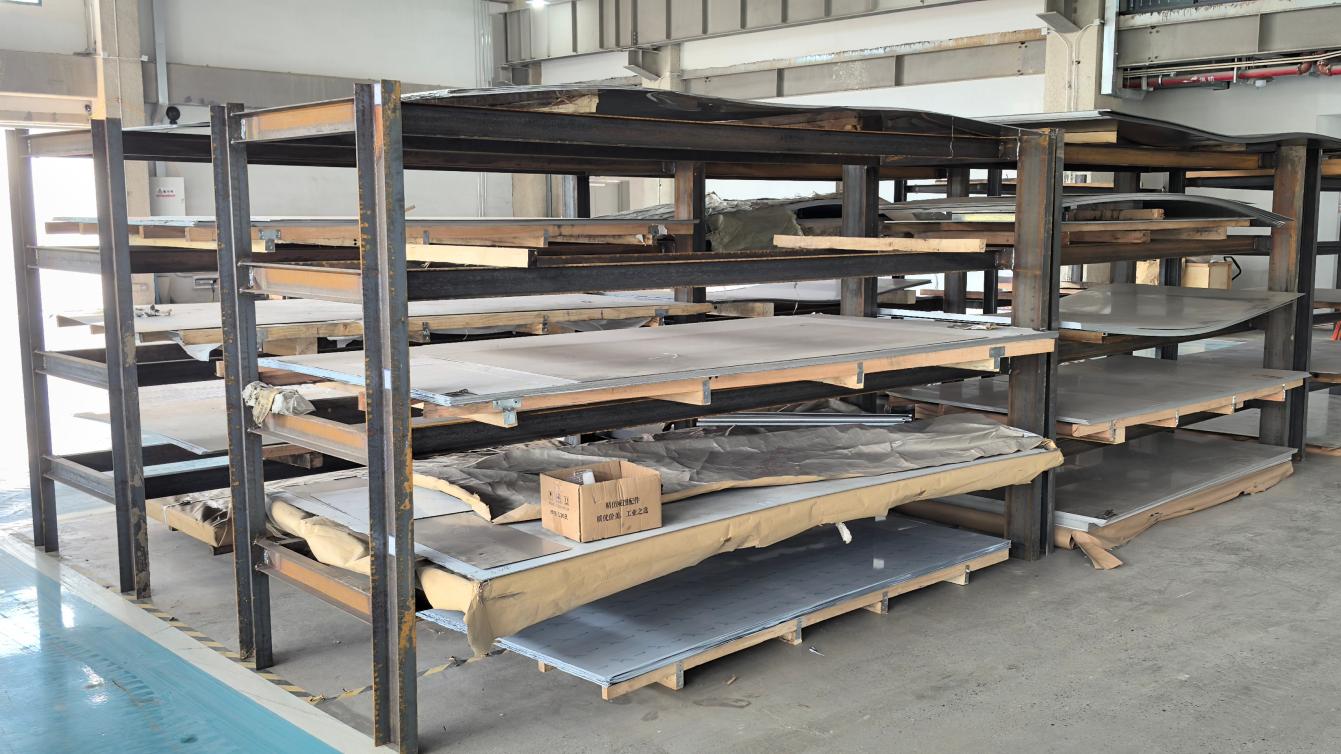
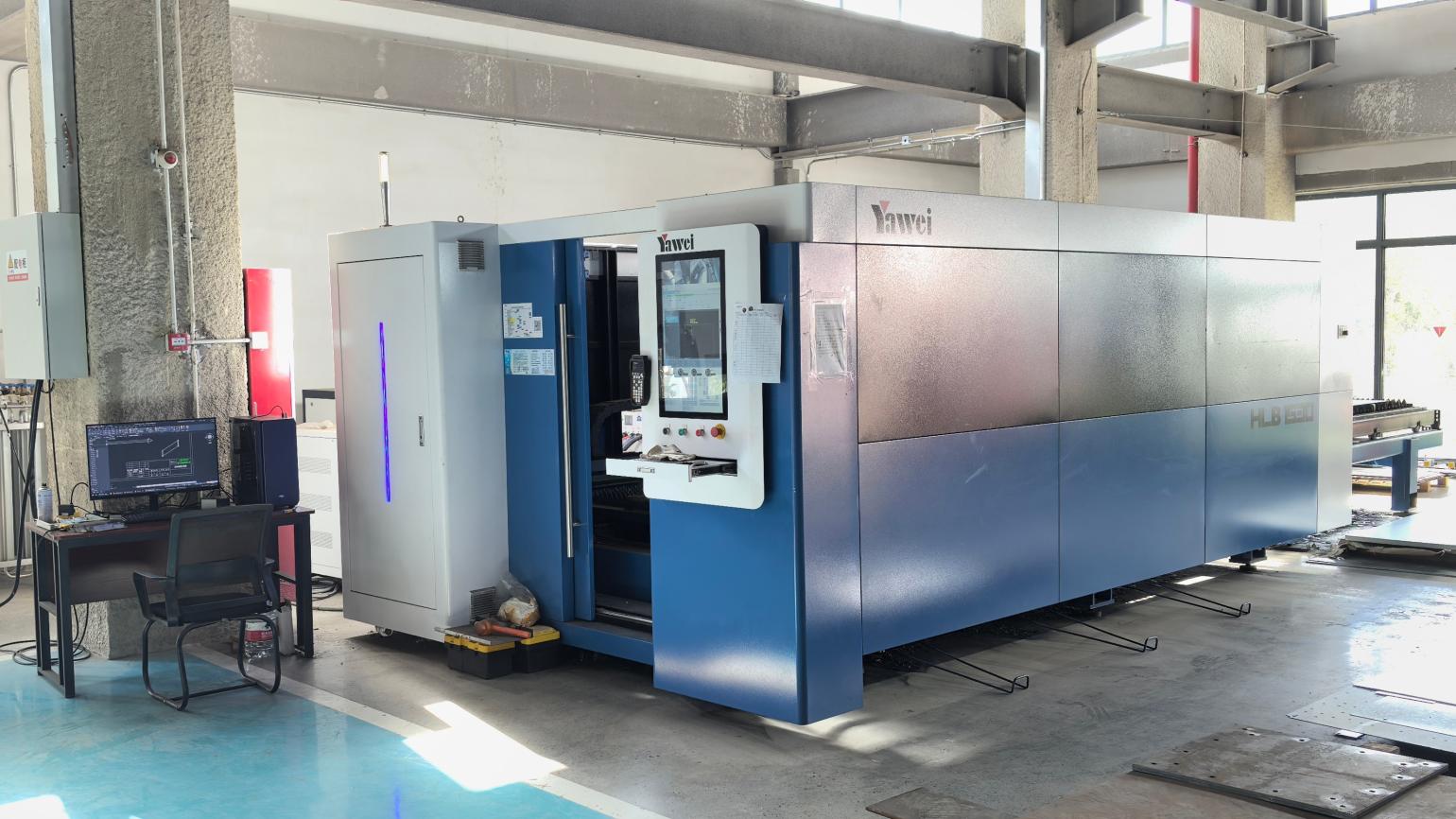
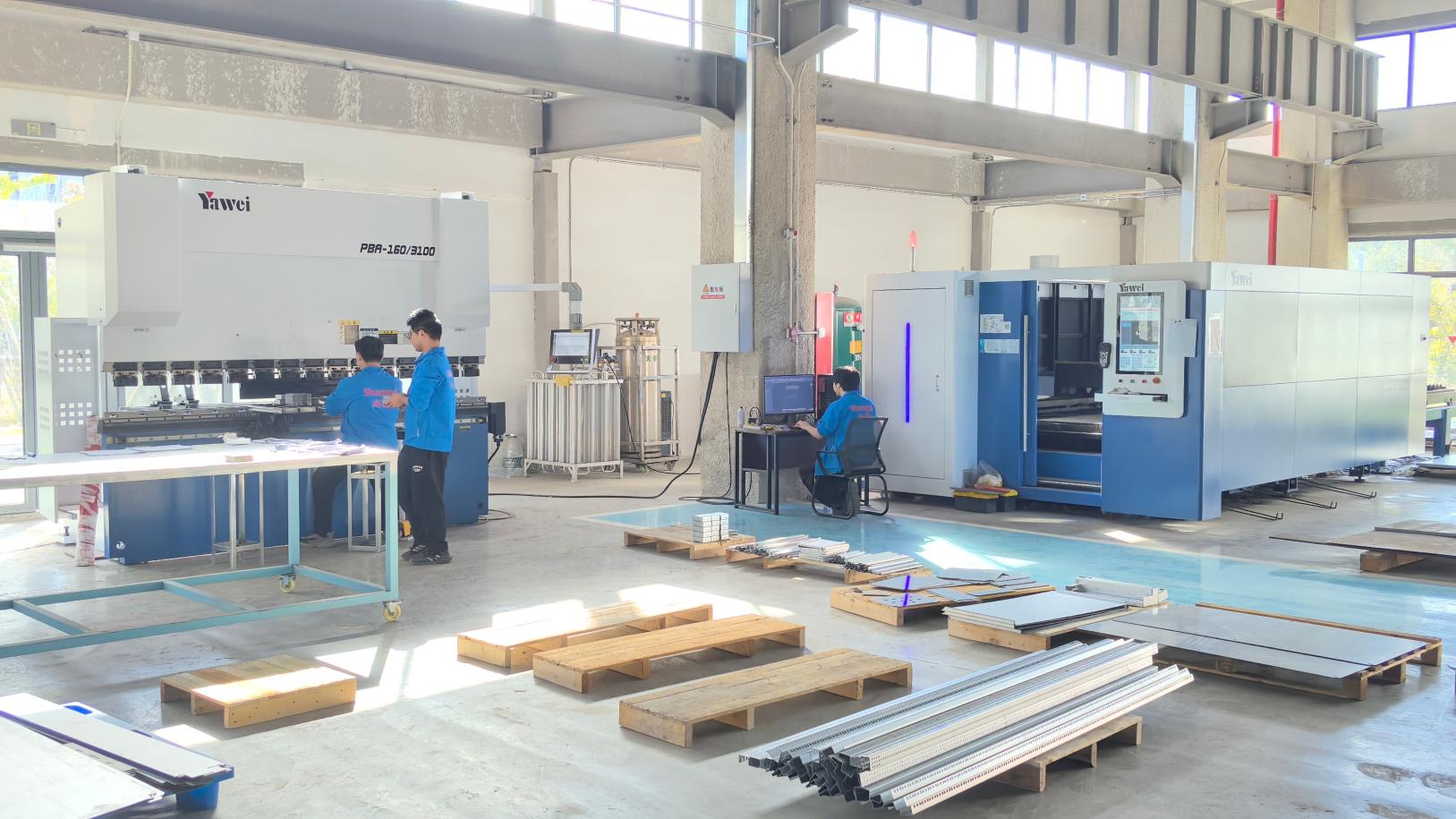
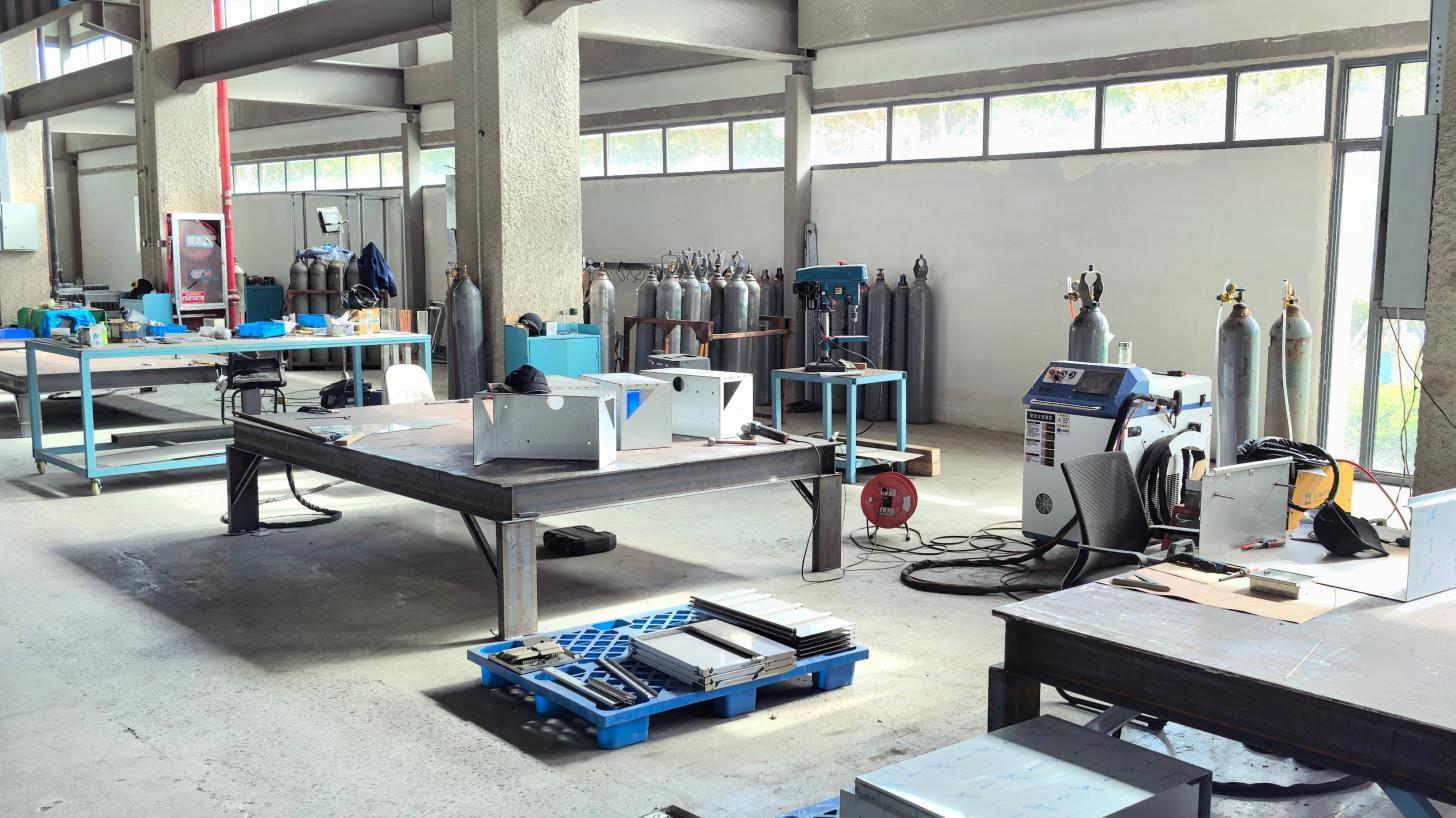
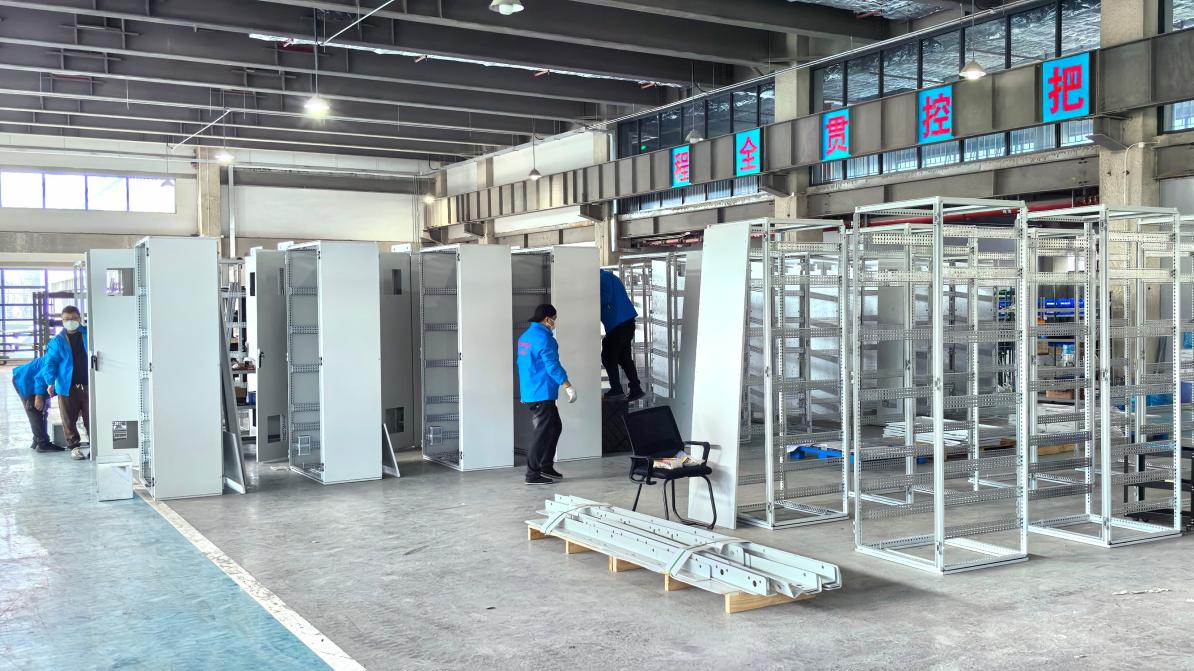
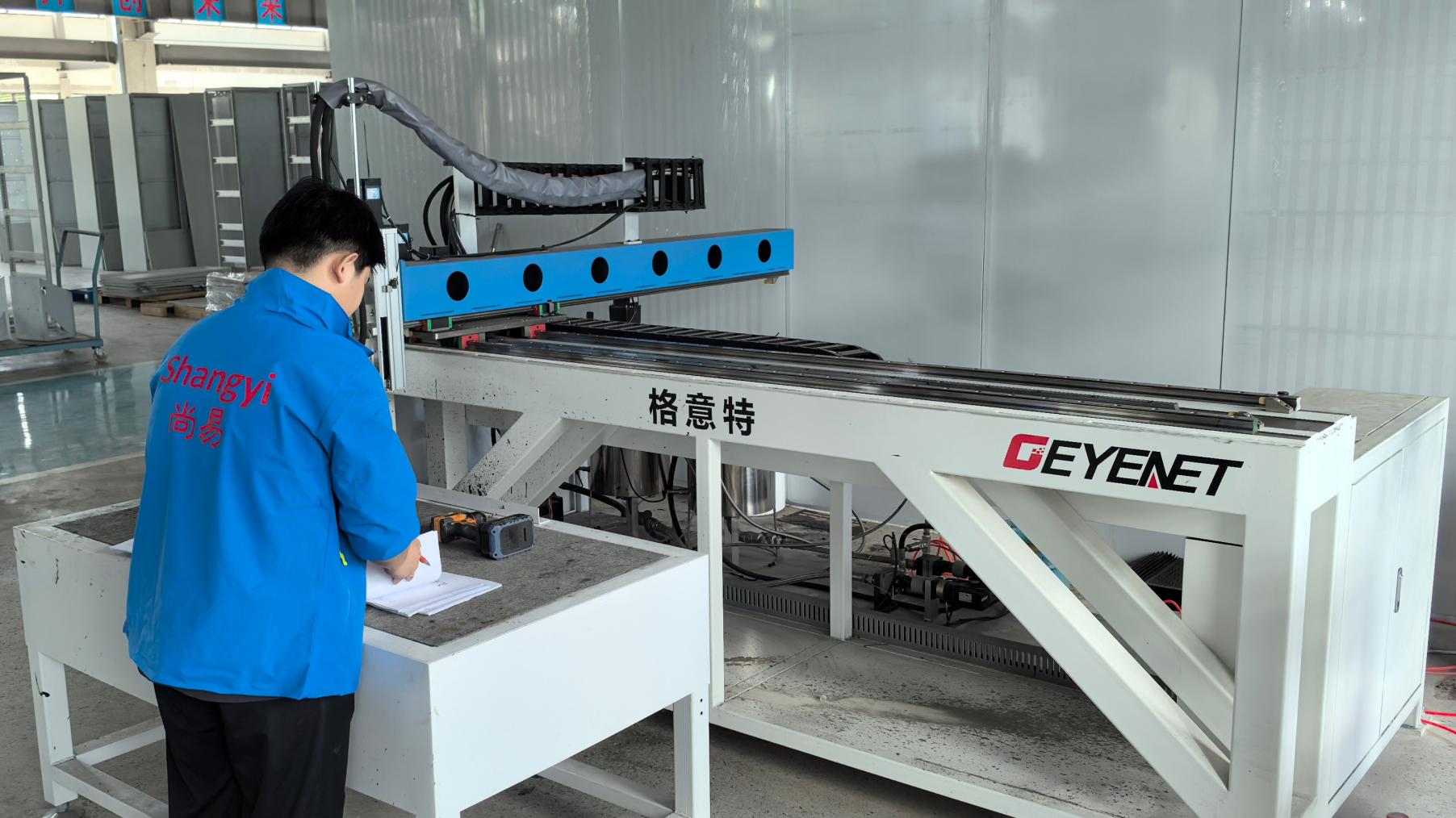
The company is supported by a highly qualified team of engineers, technicians, and industry experts with extensive experience in power electronics and electrical engineering. Equipped with advanced manufacturing facilities, modern production lines, and comprehensive testing equipment, Sowest Electric ensures that every product meets stringent quality standards and international performance requirements.
Guided by the principles of integrity, professionalism, innovation, and mutual growth, Zhejiang Sowest Electric continuously invests in research and development to deliver efficient, intelligent, and reliable power solutions. The company has established a complete quality management system and adheres to strict production and inspection processes to guarantee product safety, stability, and long-term reliability.
Zhejiang Sowest Electric Co., Ltd. – Powering Reliability, Driving Innovation.
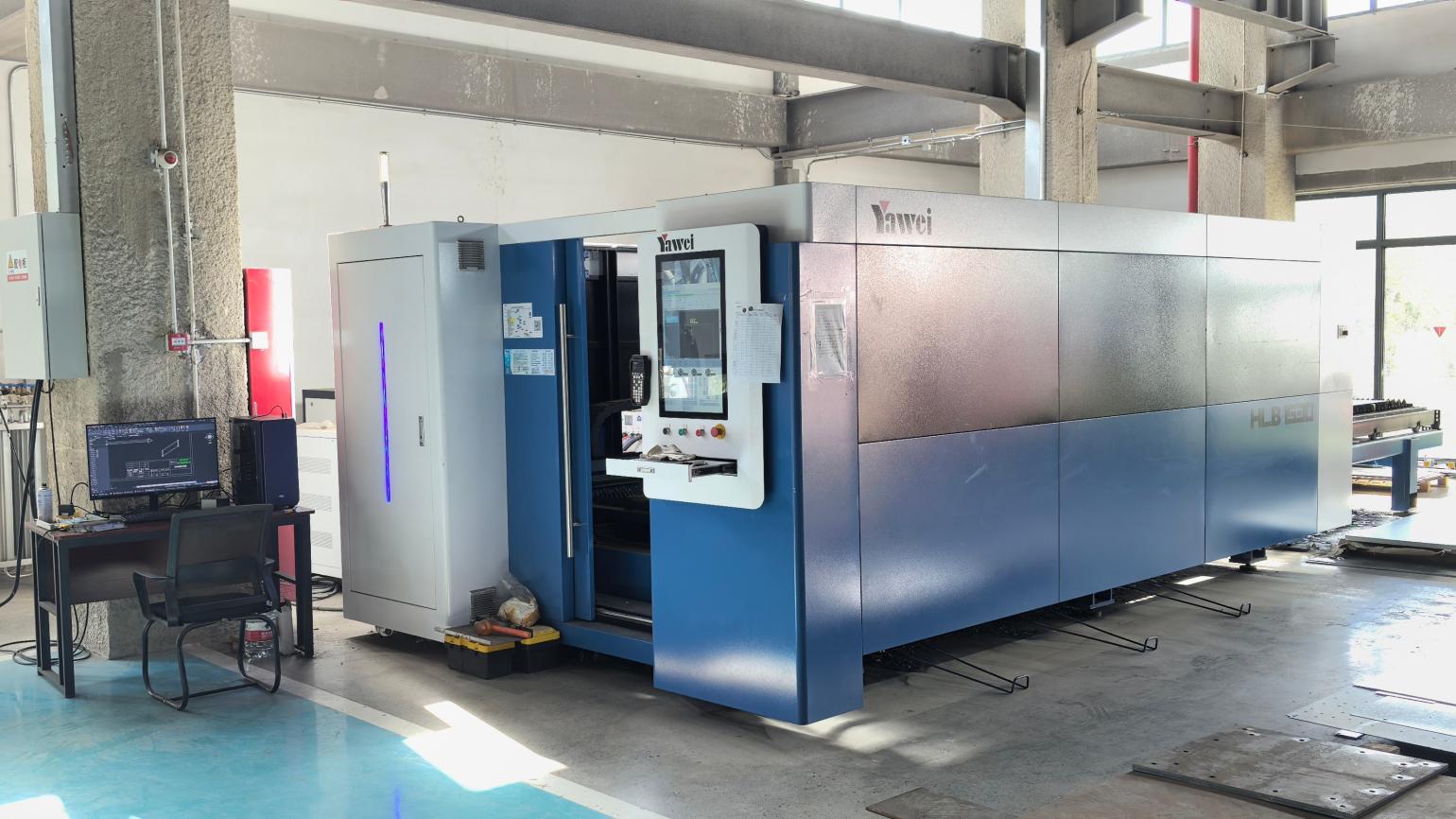
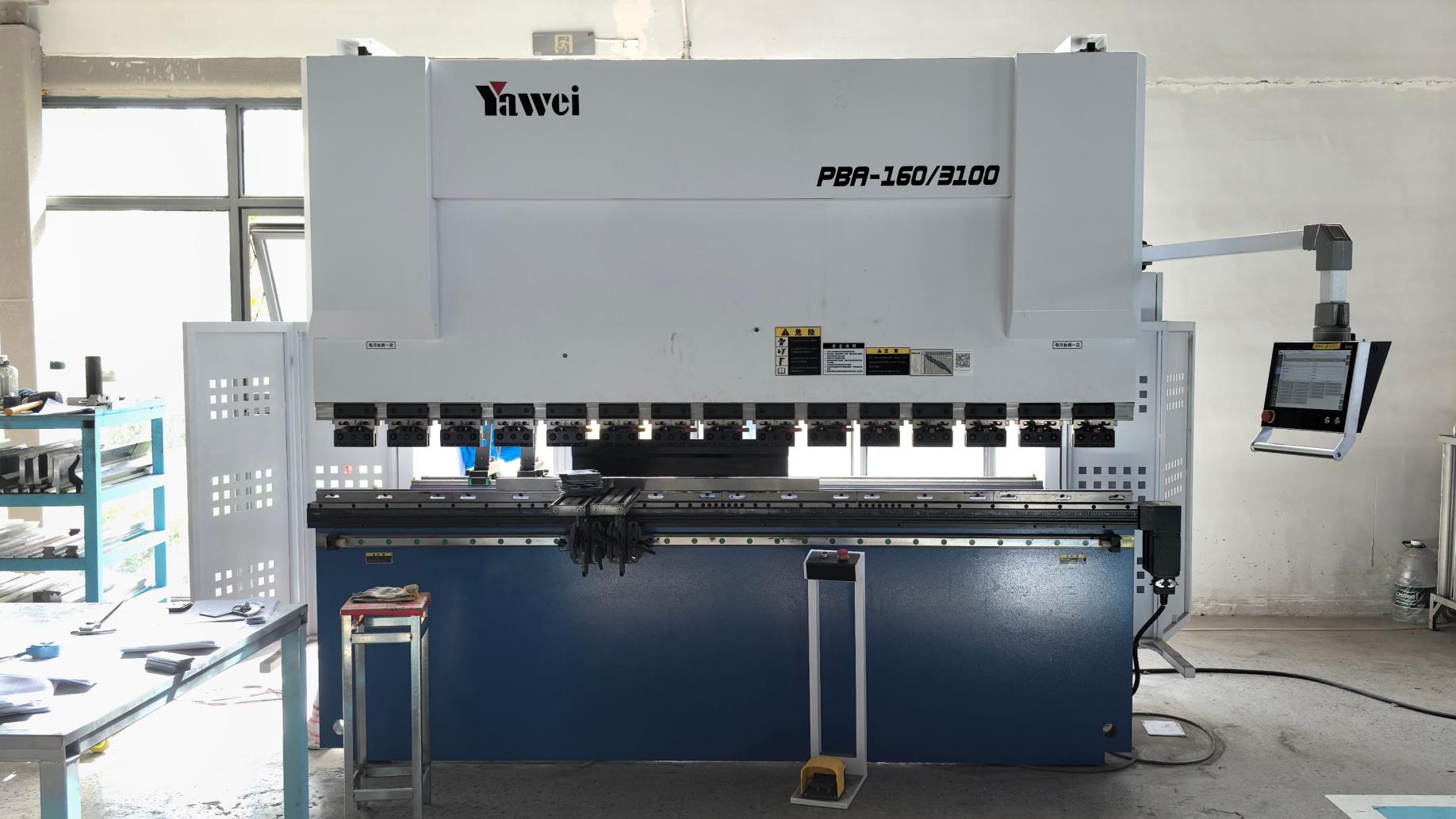
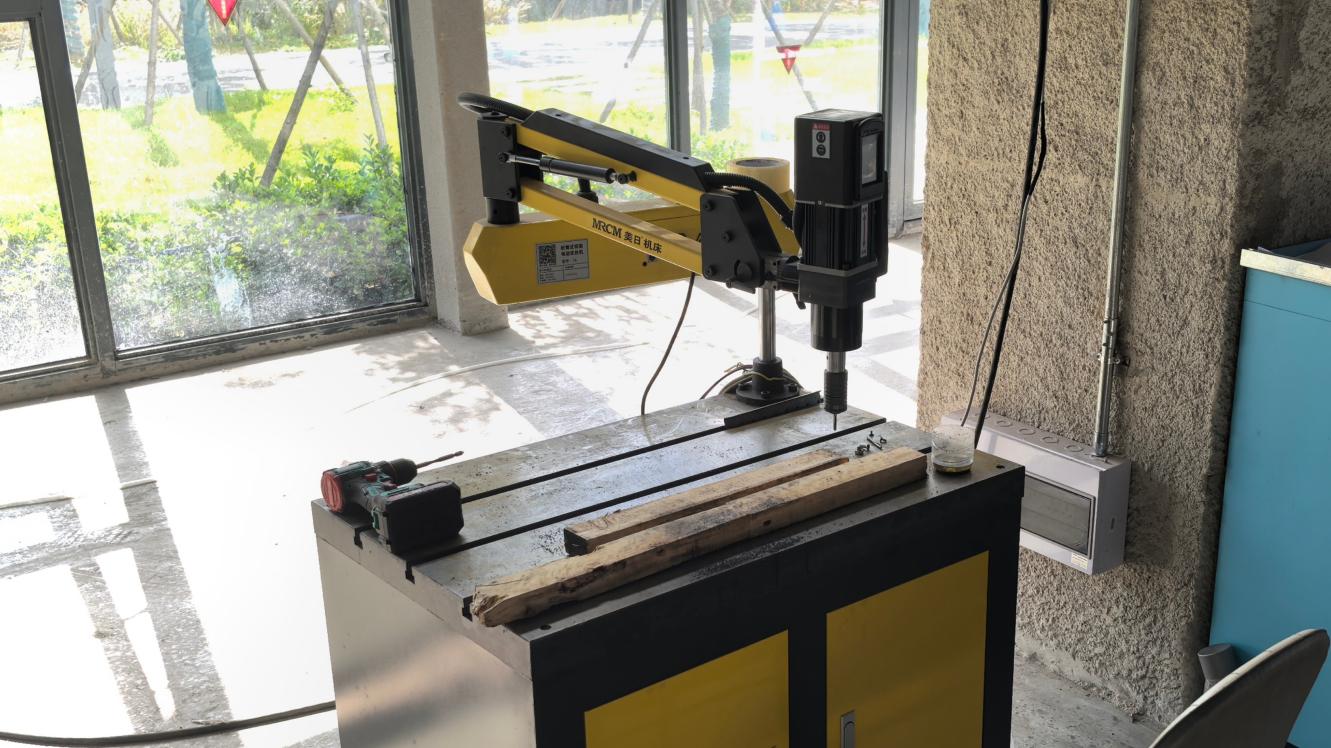
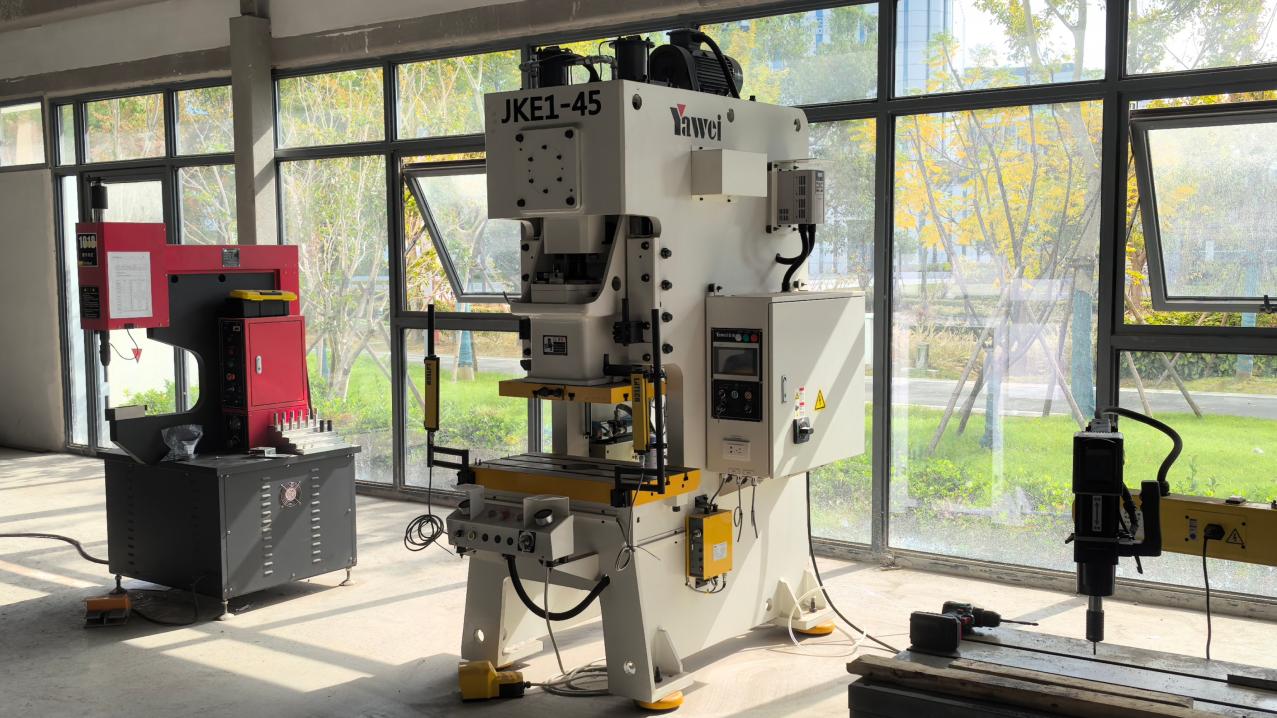
Browse our complete selection of buck-boost, step-down, high-power, and telecom-grade conversion systems certified for deployment across Australasia.
Resolve technical constraints, mechanical sizing questions, and distribution policies regarding DC-DC modules.
Isolation: Isolated converters utilize high-frequency transformers to magnetically separate the input and output stages, ensuring no direct electric path exists (galvanic isolation). This is vital for industrial machinery, railway networks, and healthcare devices to prevent shock hazards and isolate high-energy noise. Non-isolated converters (like buck, boost, or buck-boost regulators) are common where the input source shares a common ground with the load, offering smaller physical footprints, lower costs, and higher efficiency levels (exceeding 96%).
Our industrial-grade modules utilize highly conductive silicone potting resins to evenly distribute heat from the internal power MOSFETs to the external anodized aluminum case. Additionally, we integrate automatic over-temperature protection (OTP) which temporarily clamps output current if the junction temperatures exceed safe margins. Systems operating in unconditioned Australian field environments should include suitable thermal heatsinks or active air cooling loops to maintain the converter's peak efficiency curve.
Yes, many models in our catalog (such as the LM2596-based regulators and our 800W step-down converters) features precise multiturn trim potentiometers. This allows integration teams to tweak the nominal DC rail (e.g. adjust 12V nominal output to 13.8V to charge lead-acid standby batteries). For automated test fixtures, we also offer custom digitally controlled CV/CC interfaces.
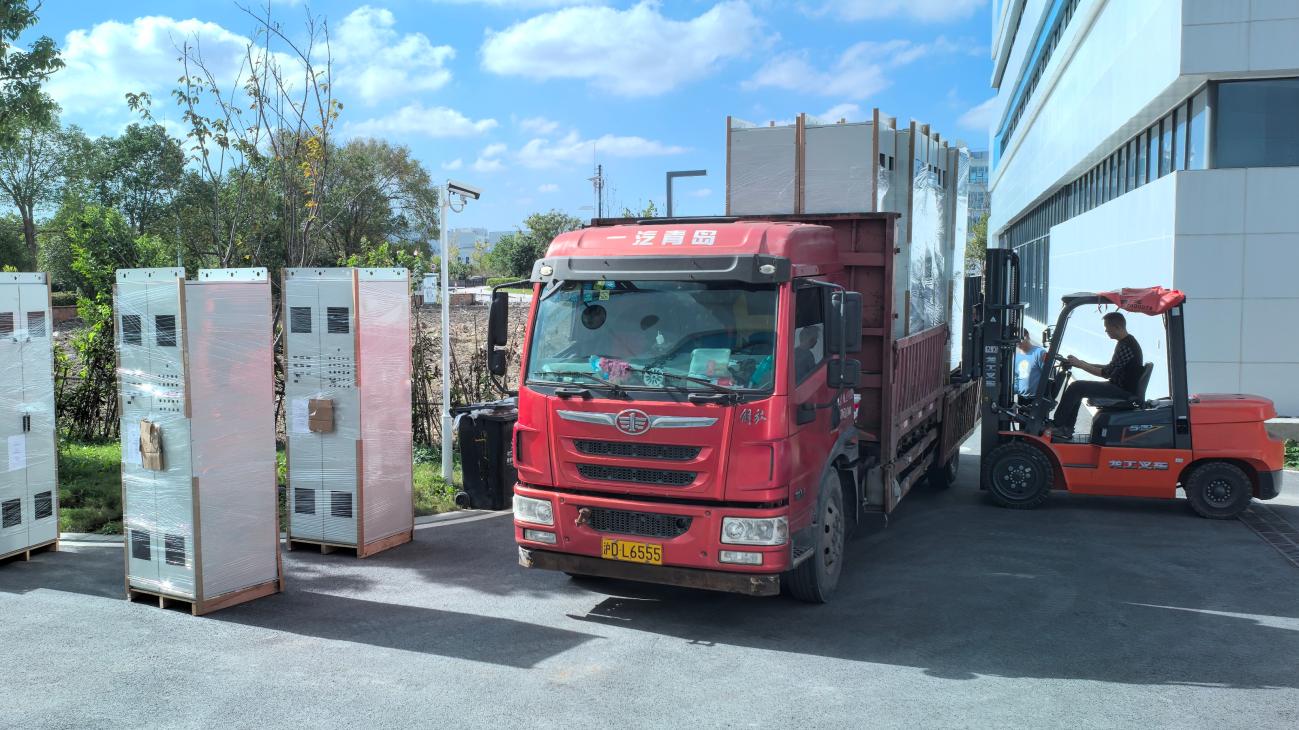
Zhejiang Sowest Electric provides complete international validation documentation, including CE, RoHS, and factory-level ISO9001 quality certificates. We work with major ocean freight hubs and rapid express air cargo networks to ensure timely deliveries into Melbourne port terminals, offering full clearance support and custom design consultancy from the early CAD phase up to final mass production runs.
Whether you are designing a grid-tied EV fast charger, upgrading public transportation infrastructure, or building specialized solar arrays in Victoria, our engineering team can modify input/output rails, isolation profiles, and physical enclosures to meet your specifications.
Send Inquiry Now Sowest Electric