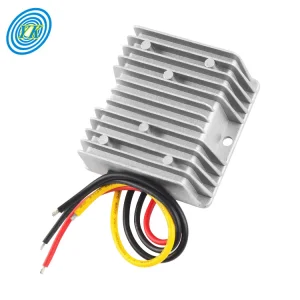
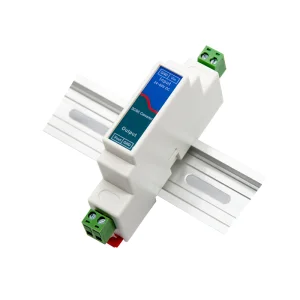
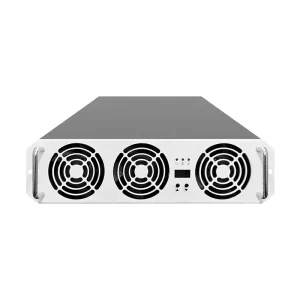
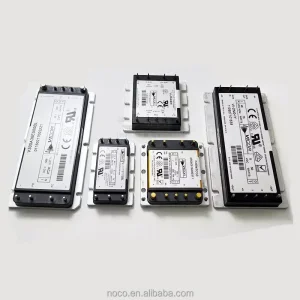
Engineered to support North American grid standards, electric fleets, and heavy commercial systems. Explore our core high-efficiency converters below.
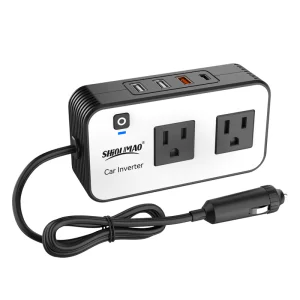
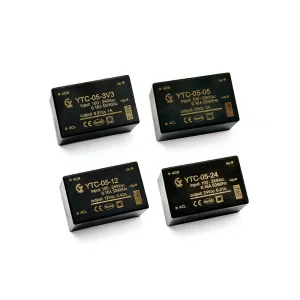
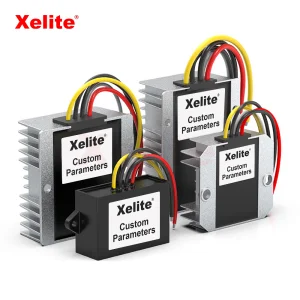
The power electronics sector within the United States is undergoing a rapid architectural shift. Driven by federal initiatives such as the CHIPS and Science Act, the Infrastructure Investment and Jobs Act, and aggressive decarbonization timelines set by state energy commissions, industries are demanding unprecedented levels of efficiency in power distribution. Specifically, the integration of distributed energy resources (DERs), high-capacity battery energy storage systems (BESS), and commercial fleet electrification has made high-efficiency DC-DC Converter Modules the backbone of modern US industrial grids.
In the US, legacy systems rely on heavy linear step-down topologies. However, modern logistics hubs, automated manufacturing floors, and telemetry sensor networks are rapidly moving towards localized DC microgrids. These configurations require buck, boost, and buck-boost modules that not only ensure stable voltage regulation under extreme load fluctuations but also offer high galvanic isolation barriers. This protects sophisticated programmable logic controllers (PLCs) and industrial IoT (IIoT) sensors from transient voltage spikes common in grid-tie architectures.
Several core sectors in the United States rely heavily on imported and custom-engineered DC-DC power converter modules:
Zhejiang Sowest Electric Co., Ltd. is a modern, forward-thinking enterprise specializing in the research, development, manufacturing, and global export of power supply systems and electrical distribution equipment. As an ISO 9001:2015 certified manufacturer, we serve as a key partner for infrastructure, power generation, transmission, industrial automation, telecommunications, and high-performance clean energy projects worldwide.
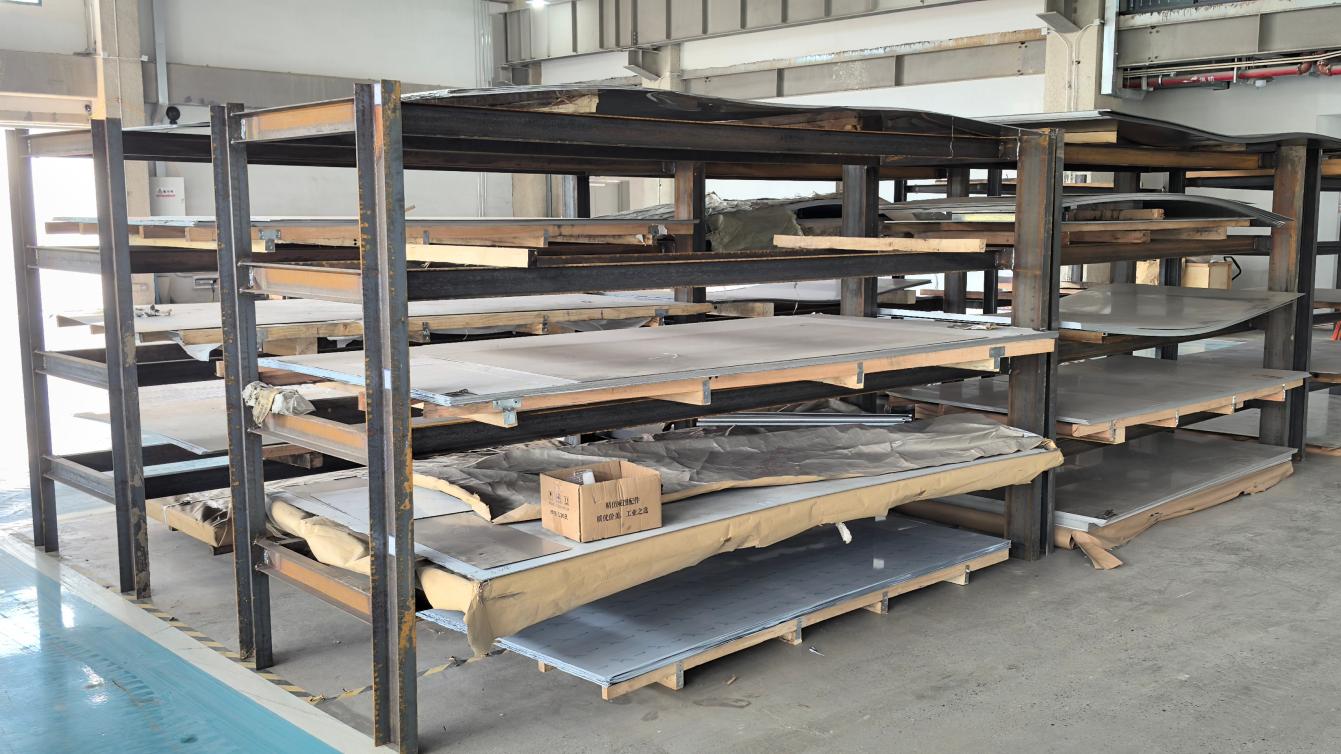
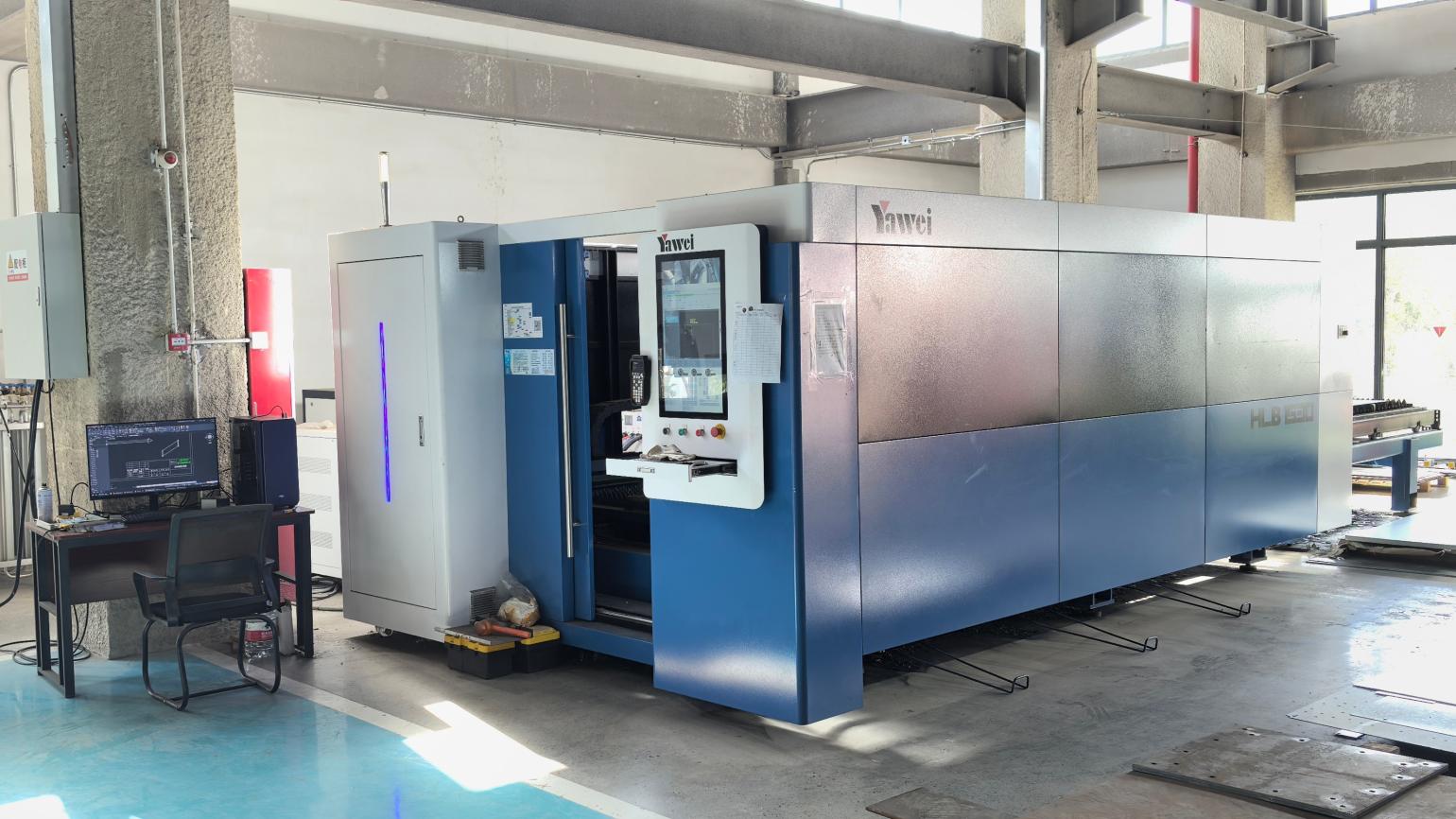
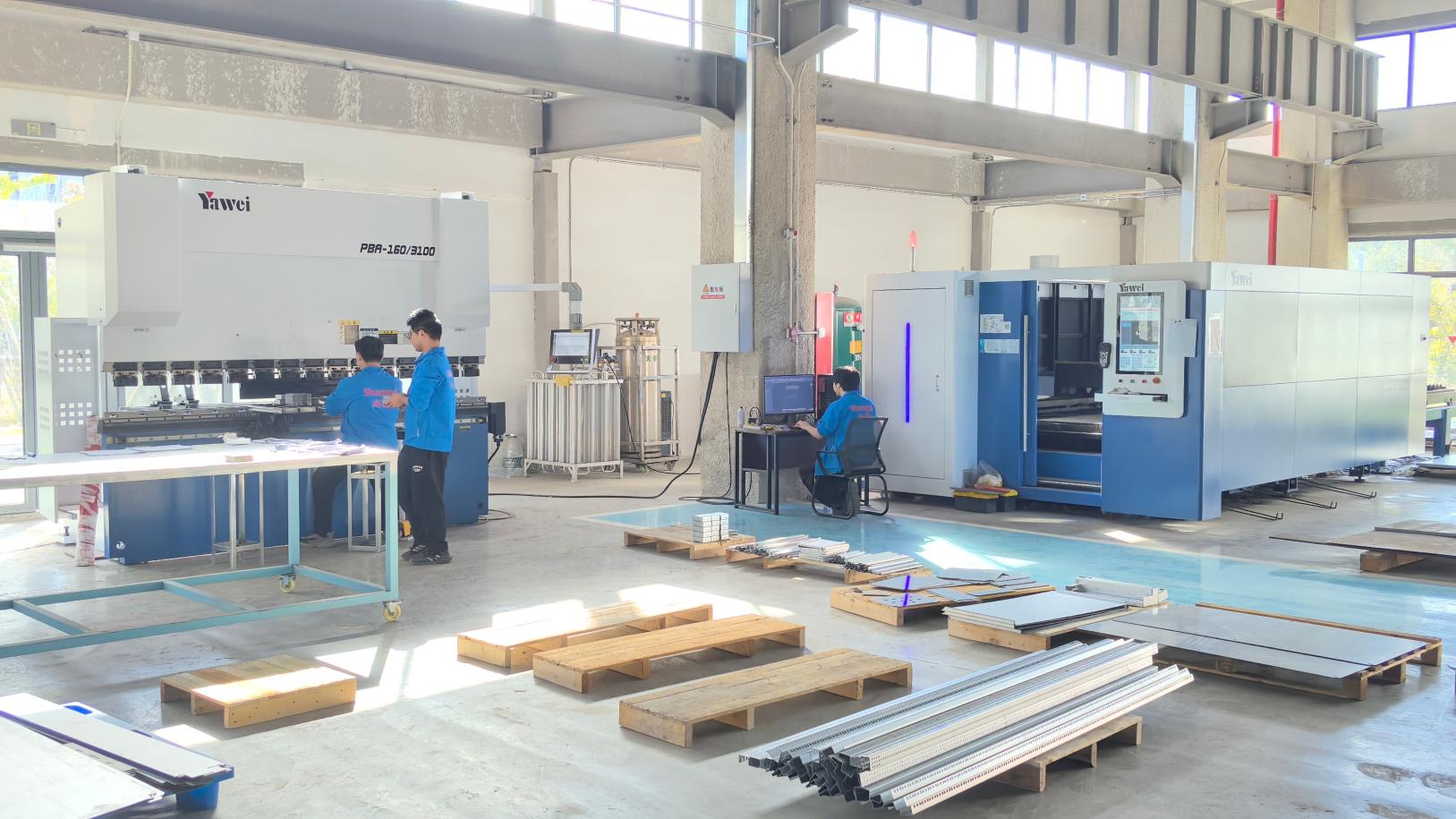
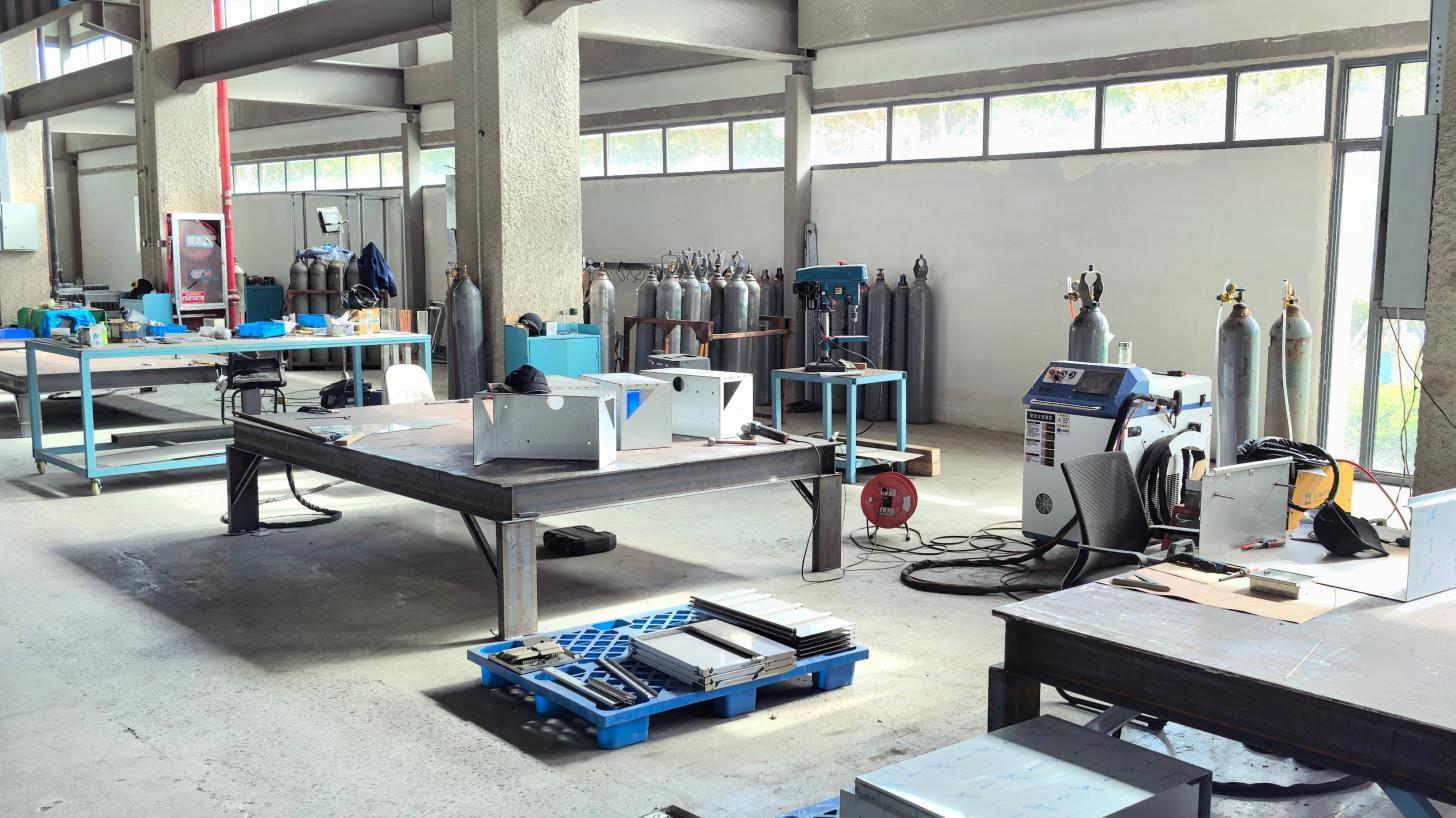
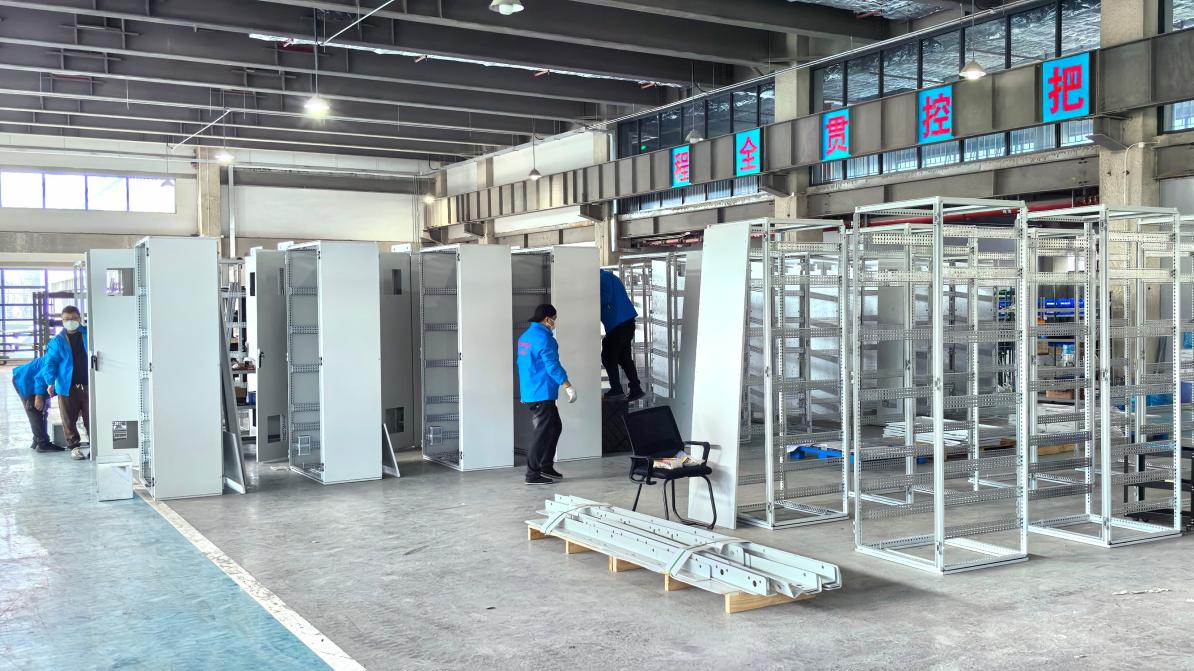
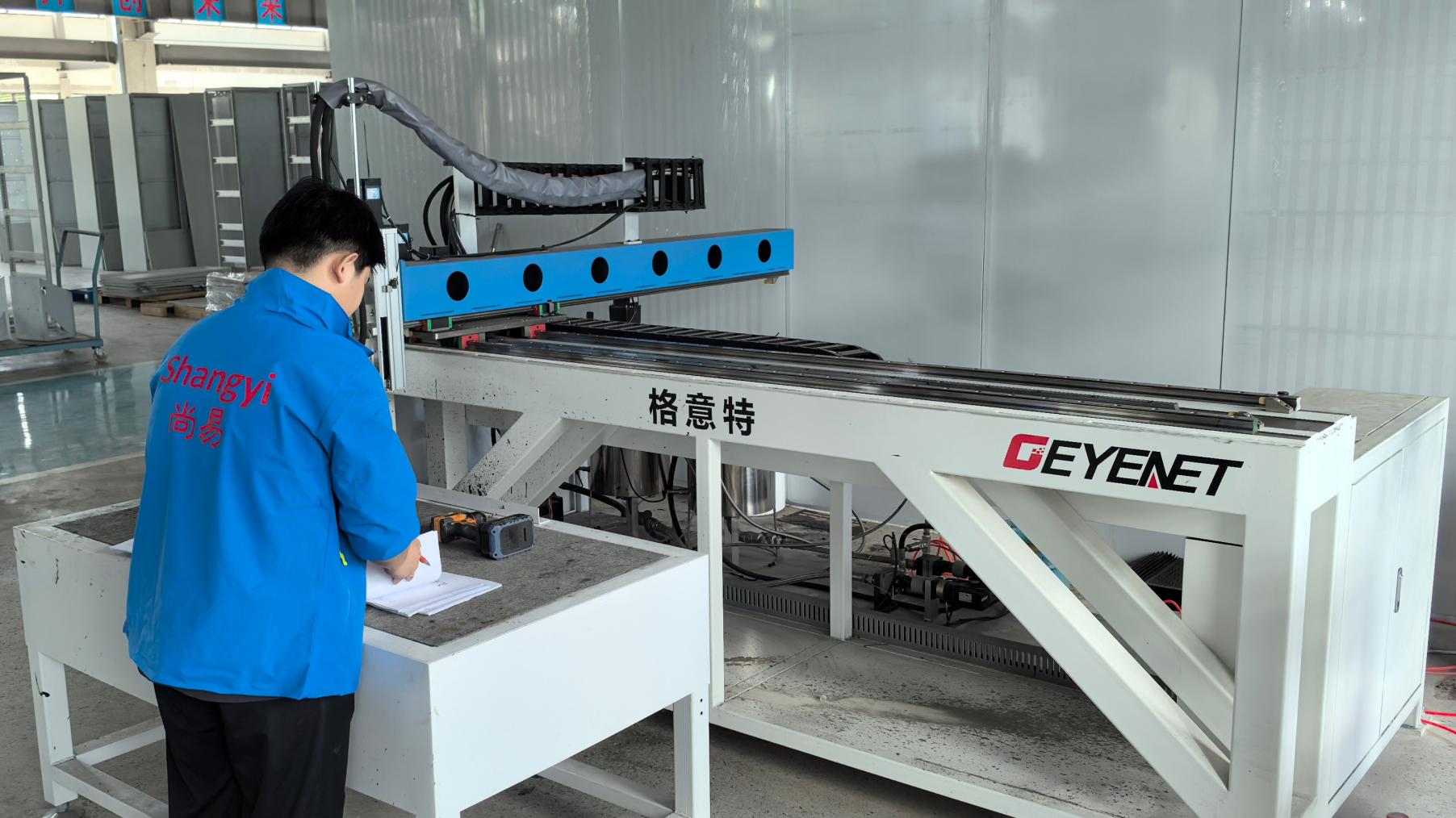
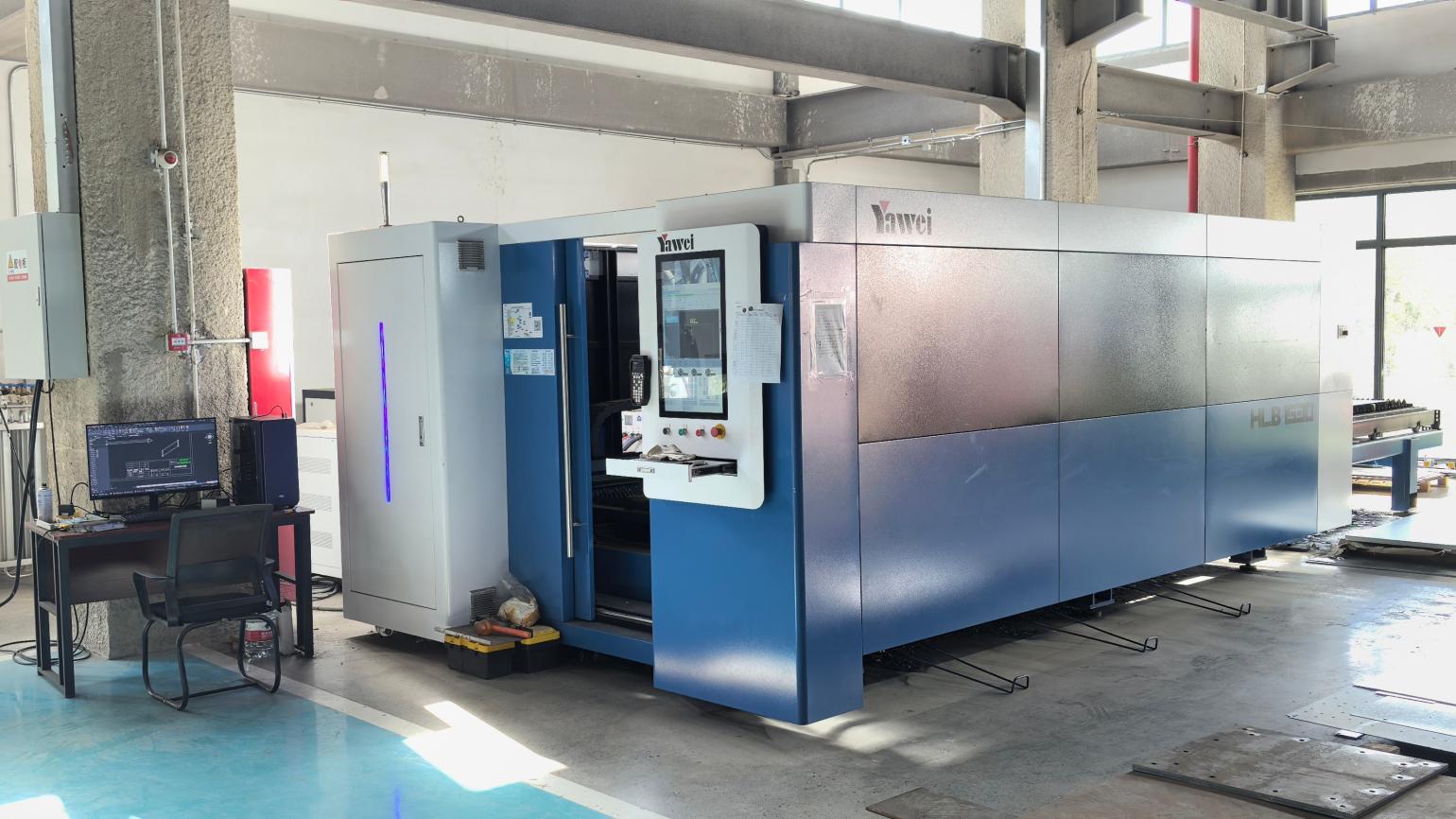
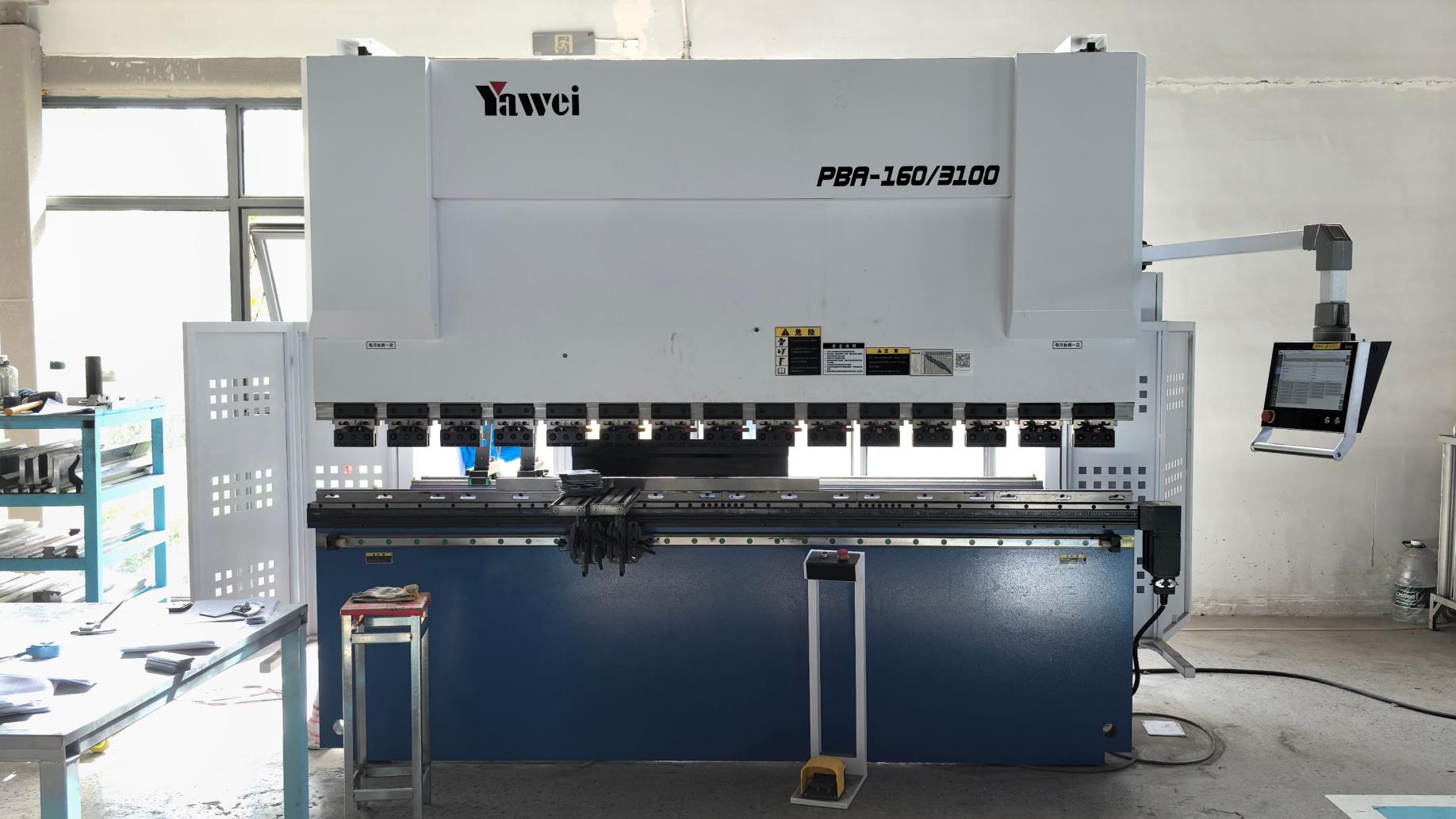
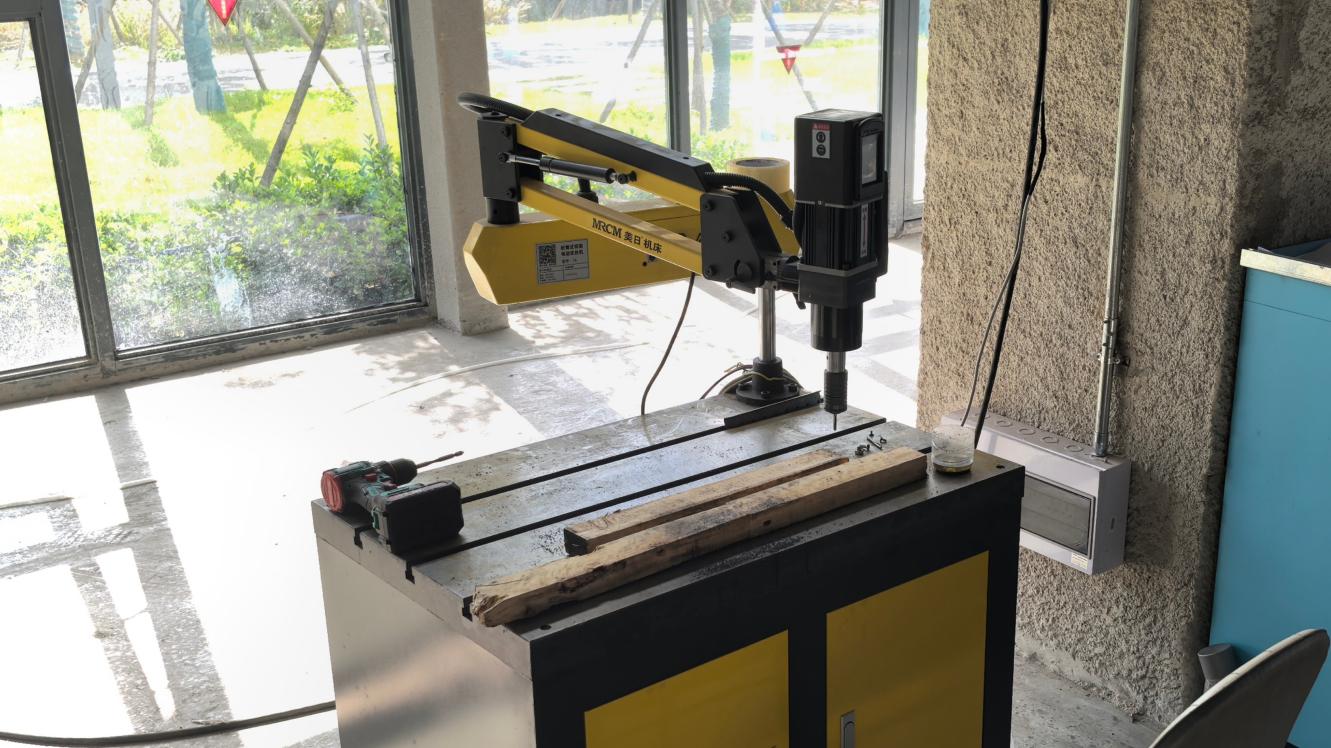
Our specialized power electronics portfolio is developed by a highly qualified team of electrical engineers and thermal dynamics experts. Backed by advanced tooling facilities, precision laser cutters, automated dispensing systems, and robust quality testing rigs, Sowest Electric ensures that every exported DC-DC converter module adheres to rigorous international quality, electrical safety, and performance requirements.
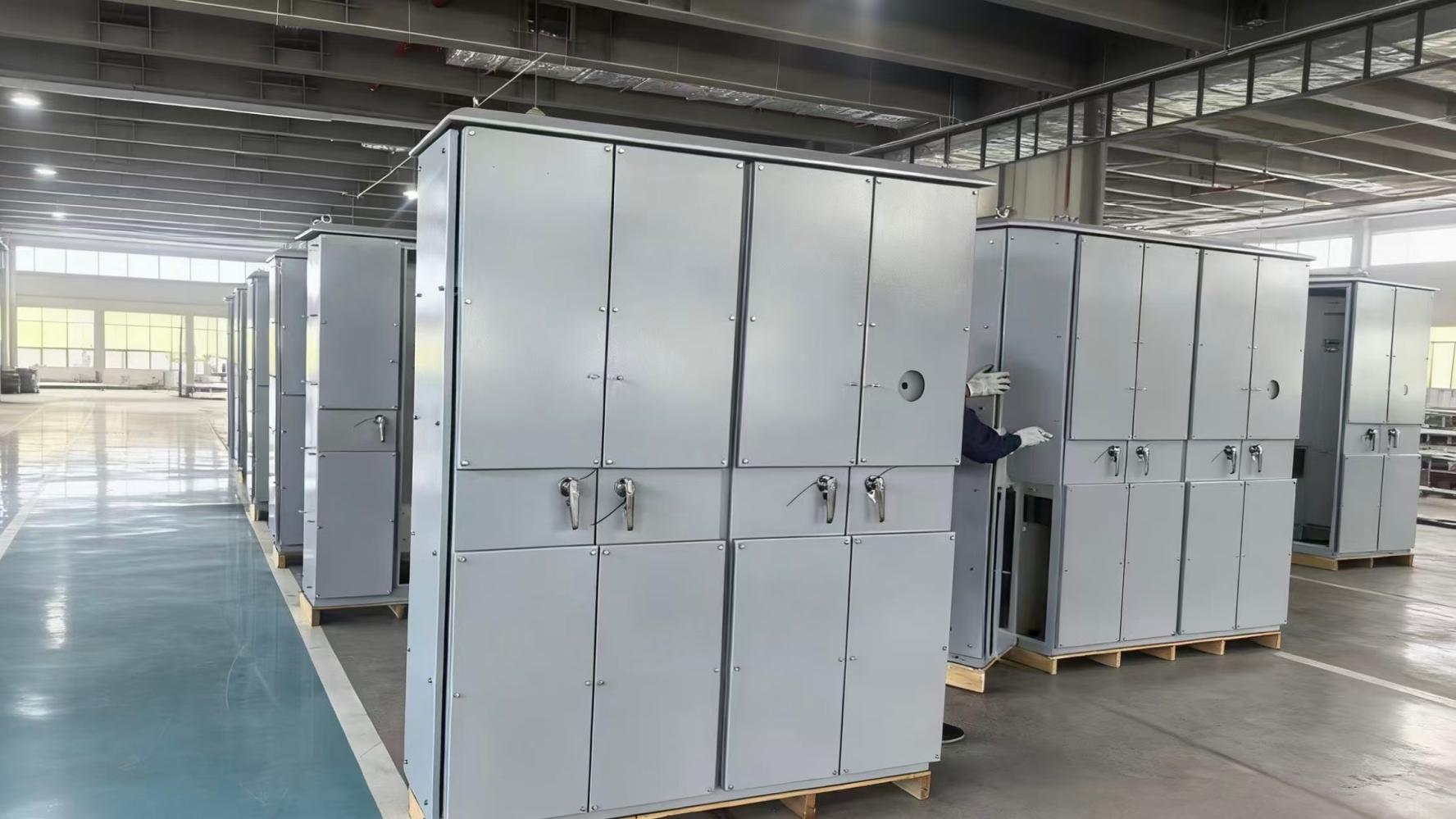
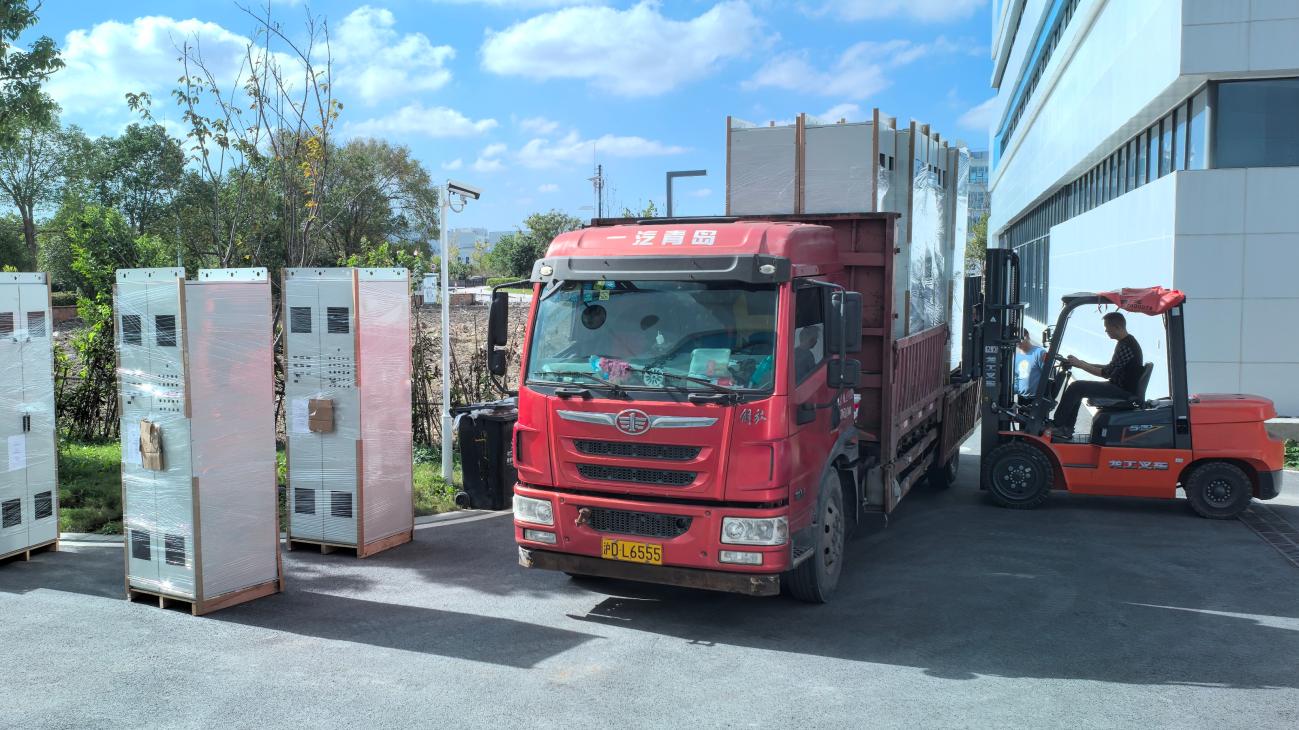
Every converter is built to withstand demanding conditions, maintaining strict quality control from raw materials to final export shipping.
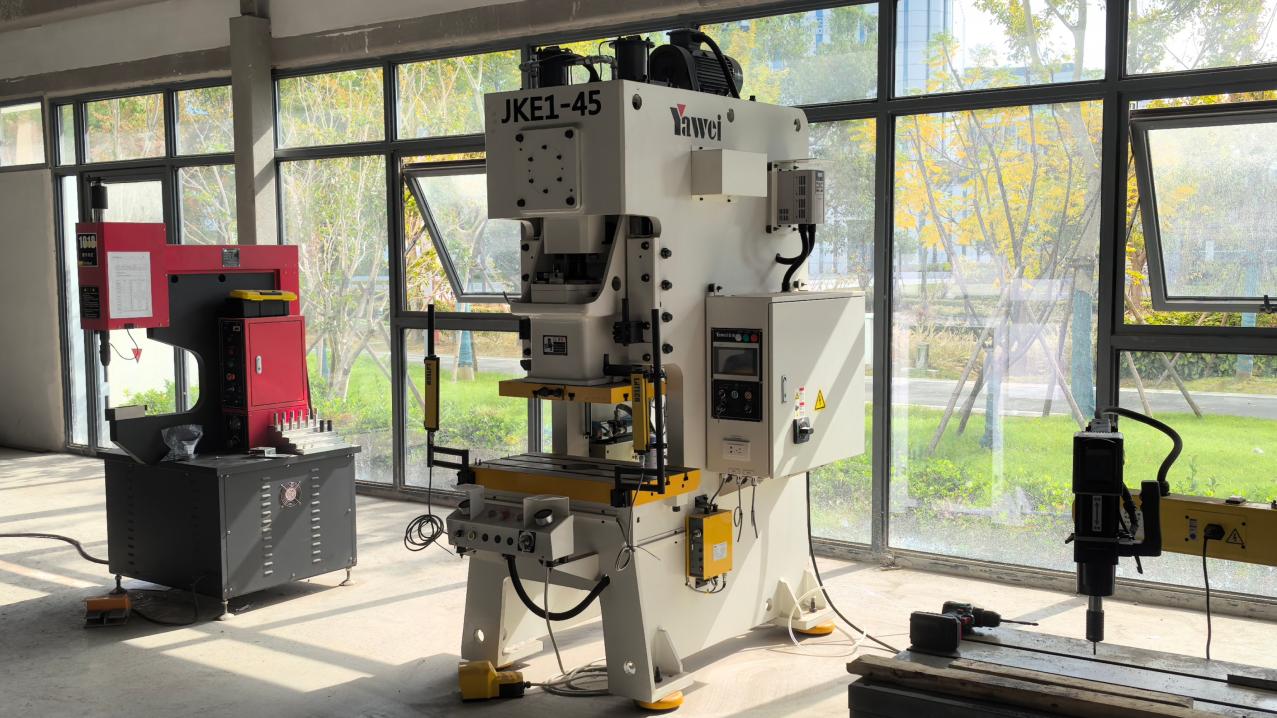
Different US applications require distinct topological strategies. For example, industrial electric forklift manufacturers demand robust step-down converters that handle severe physical shocks and thermal cycles. Our 72VDC to 48VDC buck module is widely deployed in material handling equipment across major distribution centers in Ohio and Pennsylvania, converting high traction battery voltages to power steering controllers and sensors.
To reduce charging times, US commercial chargers utilize modular high-capacity power supplies. Our 20KW DC-DC Converter Module serves as a reliable block for DC Fast Chargers, complying with safety codes and scaling efficiently via parallel buses.
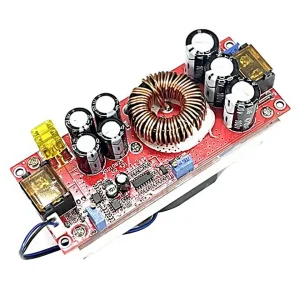
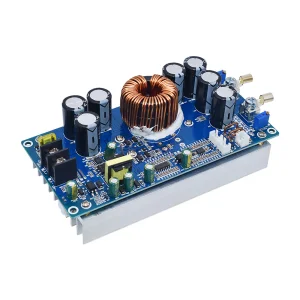
Explore EV Fast Charging Module →For solar microgrids, off-grid telemetry station converters require precise Constant Current (CC) and Constant Voltage (CV) capabilities. The 800W 30A High Power Adjustable Module is optimized to maximize panel output and manage battery bank charge cycles.
Explore Solar Charging Module →For manufacturing retrofits, our Original PS48H12PF2 Module offers drop-in reliability, helping operators upgrade control cabinets without re-engineering their mounting and connection configurations.
Explore PS48H12PF2 Module →Selling electronic modules into the United States requires compliance with stringent regulatory frameworks and safety standard certifications:
The primary goal of our power design division is to increase power density while reducing footprint. Our developmental roadmap centers on three main technological pillars:
Incorporating Silicon Carbide (SiC) and Gallium Nitride (GaN) components allows our converters to operate at higher switching frequencies. This reduces the footprint of passive magnetic elements, making modules lighter and more compact.
Replacing traditional wire-wound transformers with planar magnetic designs improves heat dissipation, minimizes leakage inductance, and lowers the risk of failure under vibration-heavy industrial environments.
Integrating microcontrollers within high-power modules enables real-time PMBus communication. This allows users to monitor output parameters, adjust safety trip points dynamically, and diagnose system faults.
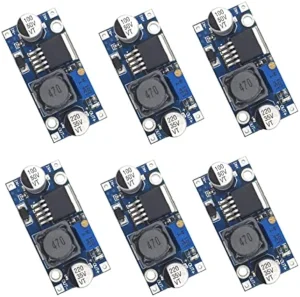
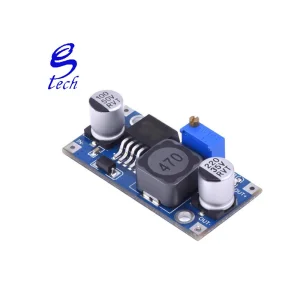
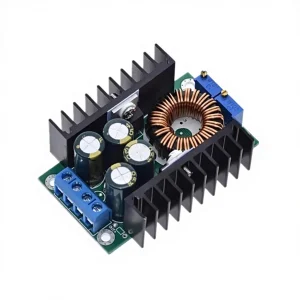
Precision regulated modules designed for developers, integration experts, and machine shop assemblies requiring reliable DC conversion.
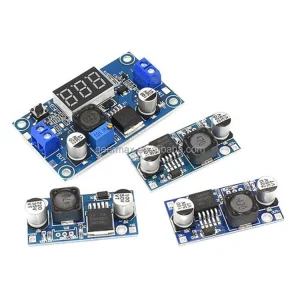
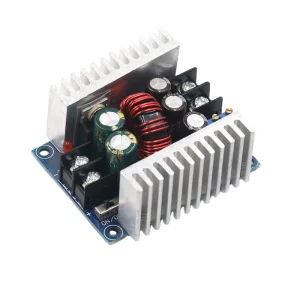
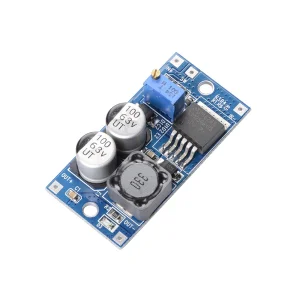
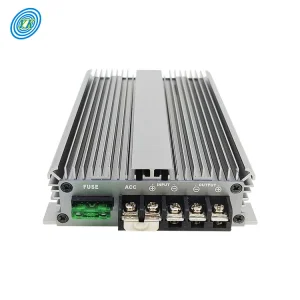
Our high-power modules are specifically designed to address demanding conversion challenges in the commercial space. These systems are optimized for thermal efficiency, high voltage tolerance, and stable output under fluctuating loads.
Addressing common engineering inquiries regarding selection, thermal management, and compliance for US industrial installations.
A: The efficiency of a step-down (buck) converter is determined by the difference between the input and output voltages. When the input voltage is close to the output voltage, the duty cycle is optimized, reducing switching losses. Conversely, a wide input-to-output voltage gap increases conduction losses in the internal MOSFETs. Our modules utilize synchronous rectification technology to maintain high conversion efficiency (often exceeding 94%) even under wide input voltage ranges.
A: In enclosed NEMA-rated dust-tight cabinets, heat dissipation relies primarily on conduction and convection. For modules operating above 300W, we recommend mounting them to a metal backplate or external heatsink using high-conductivity thermal interface materials (TIMs) with a rating of at least 3.0 W/mK. If the internal cabinet temperature exceeds 50°C (122°F), active forced-air cooling or systematic power derating must be applied to prevent thermal shutdown.
A: Industrial vehicles, such as electric forklifts, generate high voltage transients (voltage spikes) during motor starting and braking. Without galvanic isolation, these transients can bypass the converter and damage downstream telemetry, GPS, and controller circuits. Using isolated DC-DC modules creates a physical barrier (typically rated up to 1500V DC or 3000V AC), preventing ground loops and protecting sensitive electronic components.
A: Constant Current (CC) mode limits the maximum current supplied to the load, which is critical during the initial charging phase of depleted batteries or when powering high-power LEDs to prevent thermal runaway. Once the battery reaches its target voltage, the converter transitions to Constant Voltage (CV) mode, holding the output voltage steady while reducing current draw to prevent overcharging.
A: Yes. Our industrial-grade converters are designed with internal EMI filter stages, including common-mode chokes and low-ESR capacitors, to minimize electromagnetic emissions. For sensitive installations, we recommend using shielded cabling and proper grounding practices to ensure compliance with FCC Part 15 Class A (industrial) and Class B (commercial/residential) limits.
 Sowest Electric