Explore our premium range of high-voltage switchgear, active filters, and custom converter solutions engineered to optimize stability across heavy load profiles.
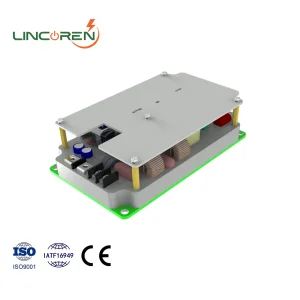
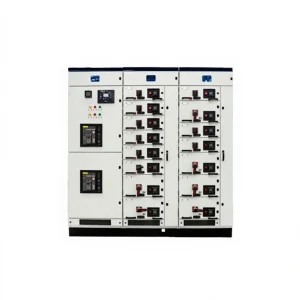
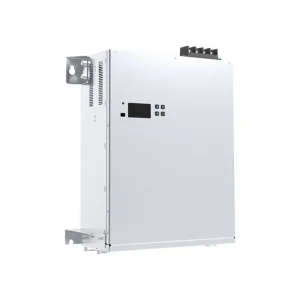
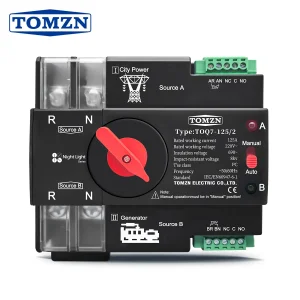
In the modern era of industrial automation, smart factories, and massive digitization, energy efficiency and system stability have transitioned from operational goals to core business requirements. Electrical systems worldwide are seeing unprecedented integration of non-linear loads. Components like variable frequency drives (VFDs), thyristor controlled heaters, robotics, switch-mode power supplies, and solar inverters pollute public distribution grids with massive harmonic feedback.
Without adequate inductive filtering, these harmonic currents (principally 5th, 7th, 11th, and 13th order) result in system-wide failures. These consequences manifest as severe voltage waveform distortions, premature insulation degradation in motors, unprompted circuit breaker tripping, overheating neutral lines, and rapid capacitor bank breakdowns. In critical sectors—such as continuous petrochemical refining, advanced semiconductor manufacturing, municipal wastewater management, and large scale data centers—power quality anomalies translate directly to millions of dollars in lost operational hours, compromised safety margins, and excessive energy bills.
To combat this, leading global engineering groups prioritize sourcing robust, custom-engineered line reactors (input/output reactors). Acting as a solid magnetic filter, a high-quality three-phase reactor limits the rate of rise of line currents (di/dt) and filters transient surges. This helps reduce harmonic currents down to compliant thresholds defined by strict international standards like IEEE 519-2022.
A line reactor is essentially a series-connected inductor that provides magnetic impedance to the system. Understanding the internal physics is crucial for system engineers. The design relies on high-grade silicon steel laminations with precise grain orientation, which minimises core losses (hysteresis and eddy currents). It is wound with copper or high-grade aluminum conductors depending on thermal and packaging requirements.
Under non-linear loading conditions, high harmonic currents can saturate magnetic materials. The selection of core geometry and the sizing of the internal air gaps are critical parameters. The air gaps are split into multiple smaller segments to mitigate the fringing flux effect. If not calculated correctly, this effect can cause severe localized heating in the copper windings near the gaps. By optimizing core saturation curves, OEM suppliers ensure the reactor maintains its nominal inductance even under temporary overloads or fault currents up to 150% of the rating.
Impedance ratings represent the voltage drop across the reactor relative to the nominal system voltage at rated current. Choosing between 3% and 5% impedance is a common engineering decision:
| Performance Metric | Without Line Reactor | With 3% Line Reactor | With 5% Line Reactor |
|---|---|---|---|
| THiD (Total Harmonic Current Distortion) | Up to 85% - 120% | Reduced to 35% - 45% | Reduced to 25% - 35% |
| Transient Voltage Protection | Minimal protection (relies on drive MOVs) | Absorbs up to 60% of spike energy | Absorbs up to 85% of spike energy |
| Voltage Drop at Full Load | 0% | ~3% drop in line voltage | ~5% drop in line voltage |
| Motor Thermal Stress | High (insulation breakdown risk) | Significantly reduced | Optimal thermal protection |
As a global OEM/ODM manufacturer, Zhejiang Sowest Electric Co., Ltd. implements a rigorous quality control framework across our production lines. Our manufacturing ecosystem integrates high-precision CNC punching, automatic laser-cutting machinery, computerized winding setups, vacuum-pressure impregnation (VPI) varnish processing, and automated testing benches. This ensures every line reactor is built to withstand high levels of electrical and thermal stress.
Our VPI (Vacuum Pressure Impregnation) process eliminates air pockets within the core-and-coil assembly. This prevents micro-vibrations, lowers acoustic noise below 60 dB, and seals the reactor against moisture, dust, and chemical contaminants common in heavy industrial settings.
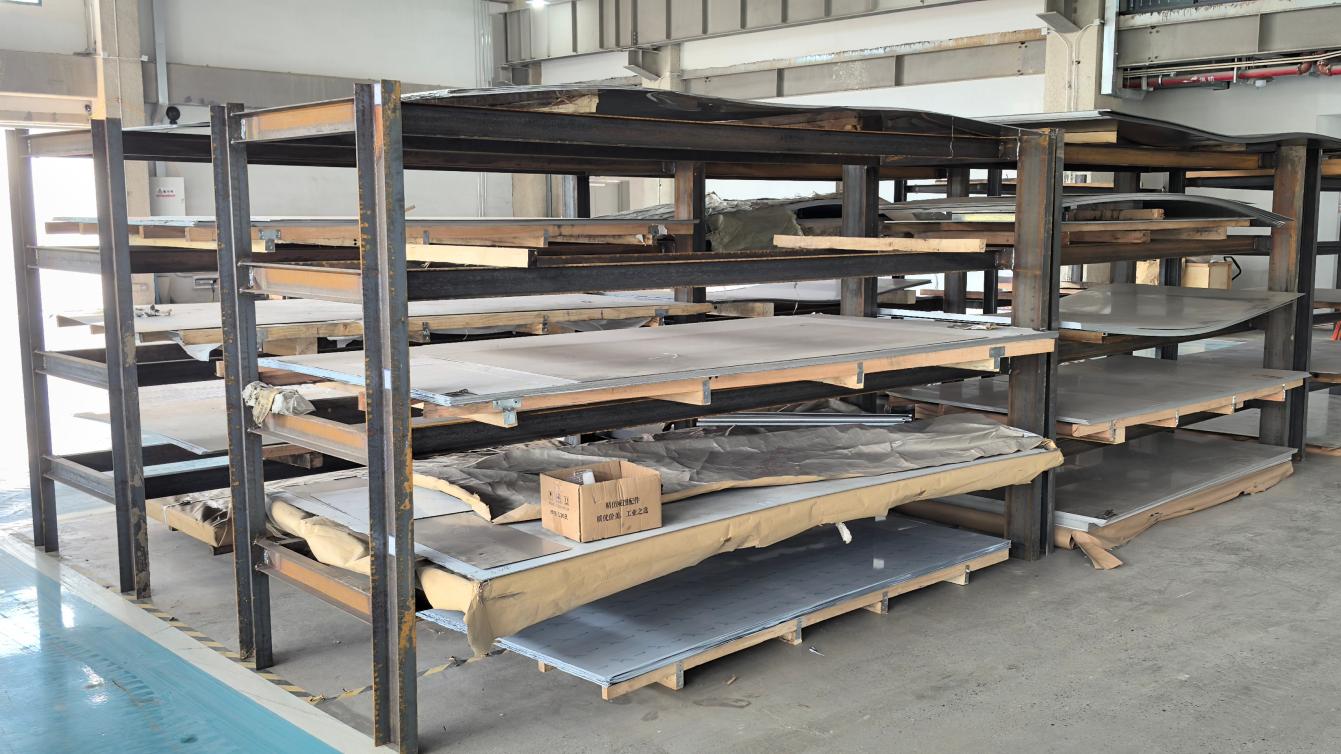
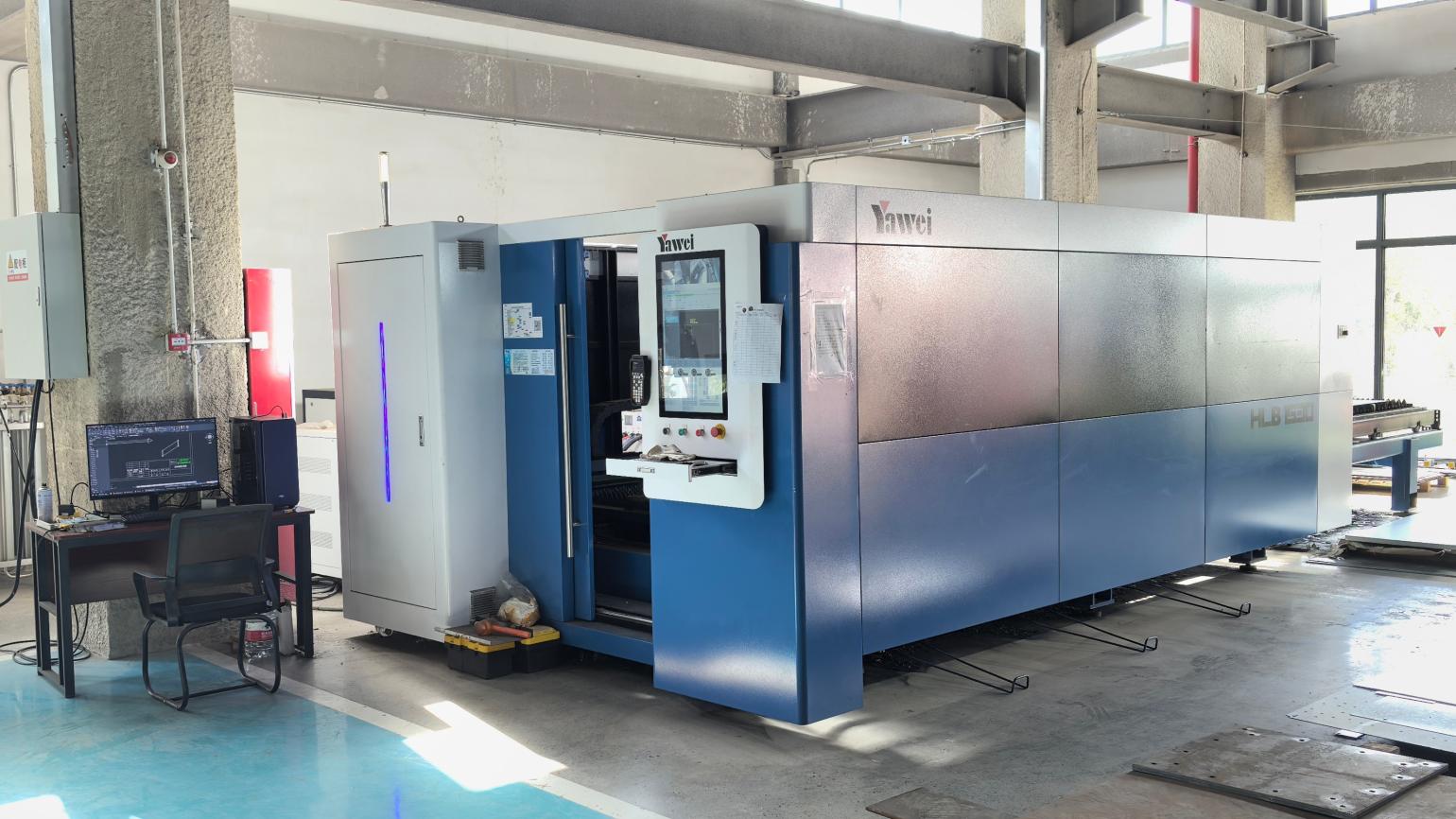
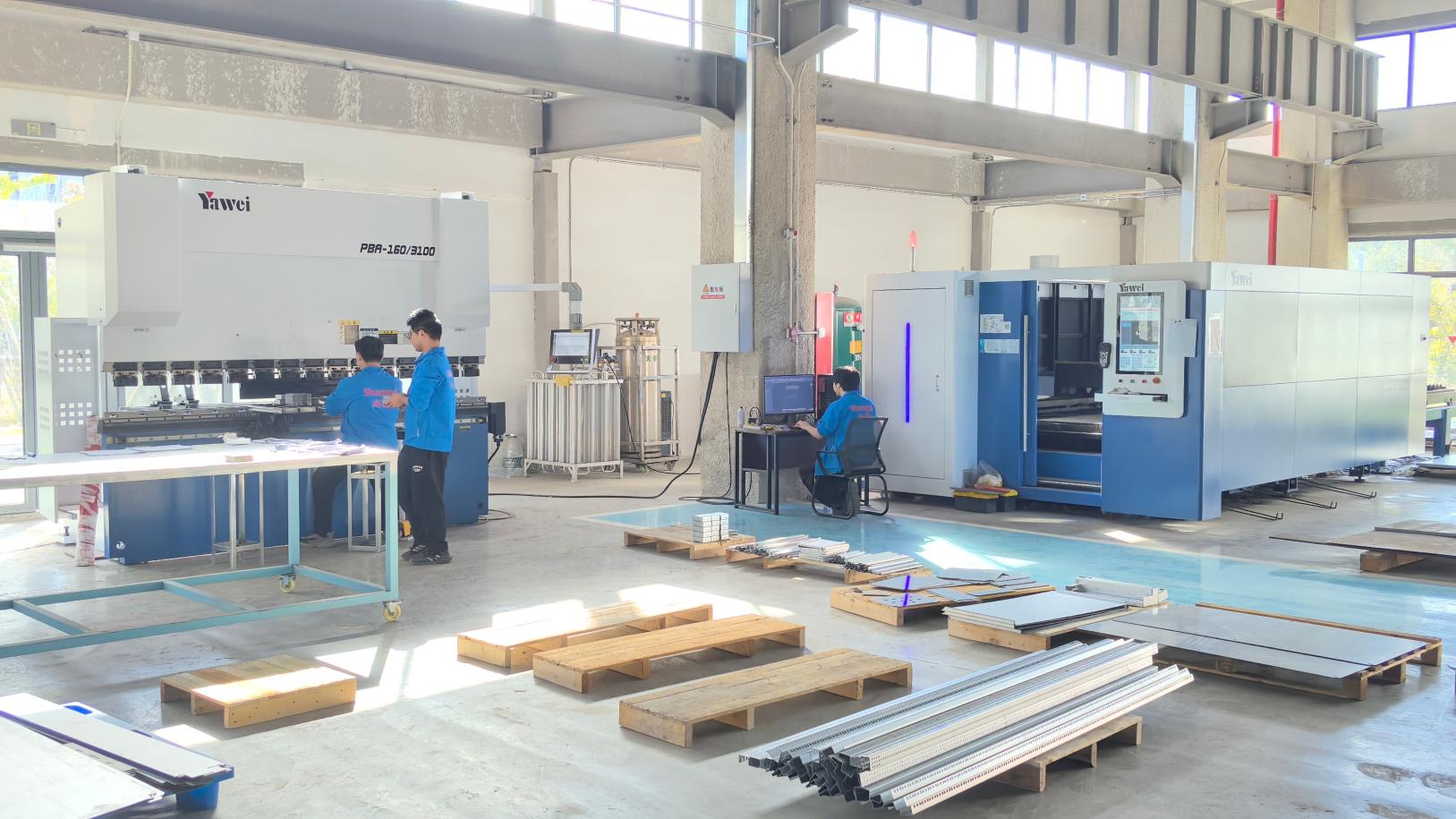
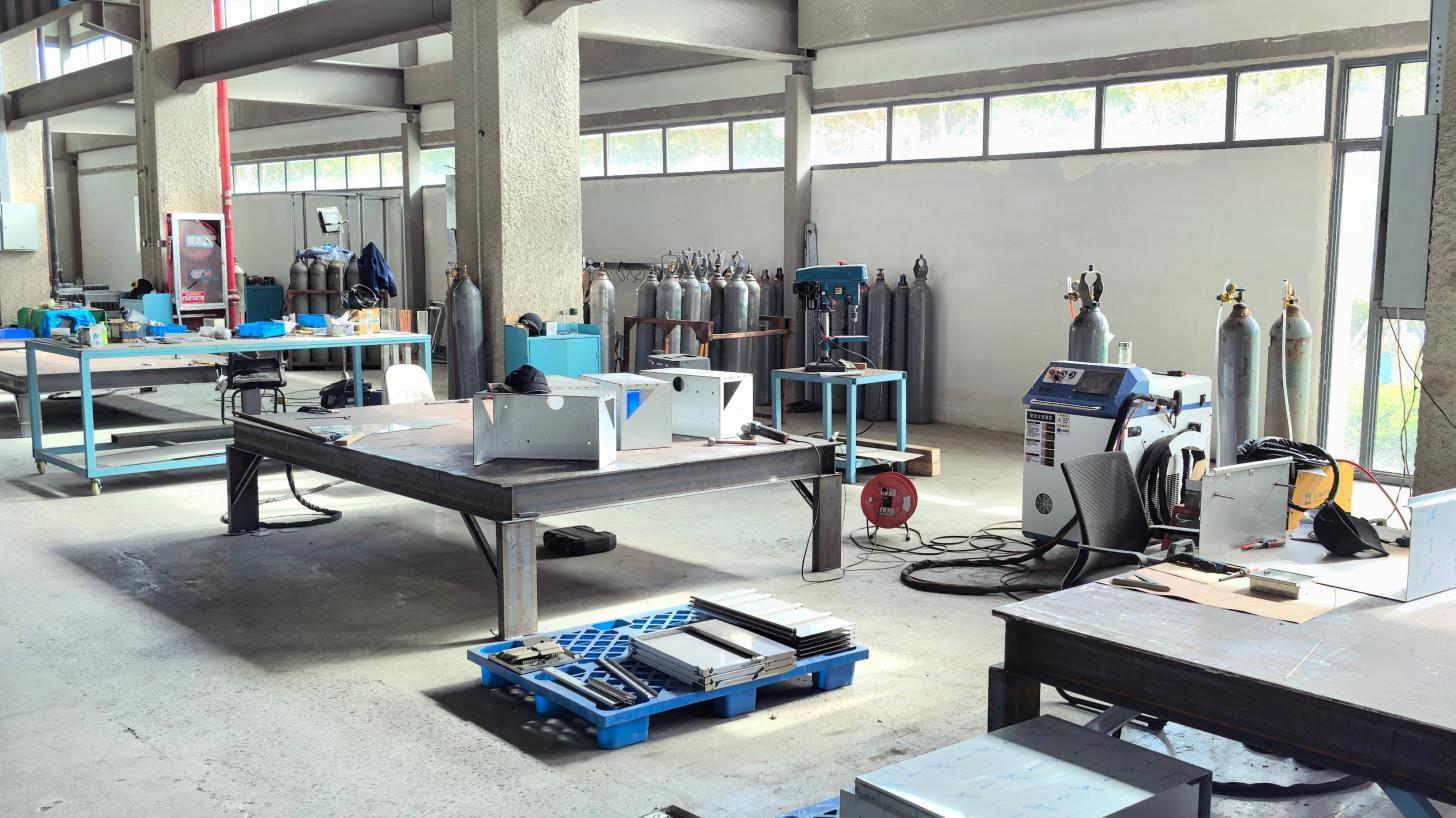
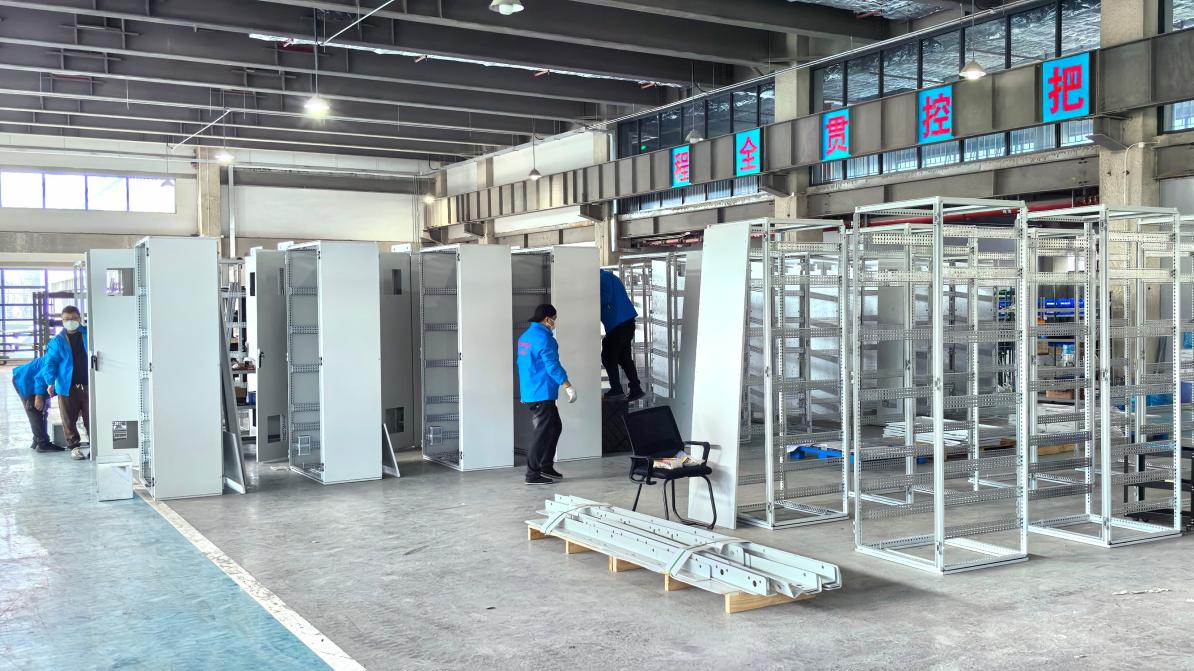
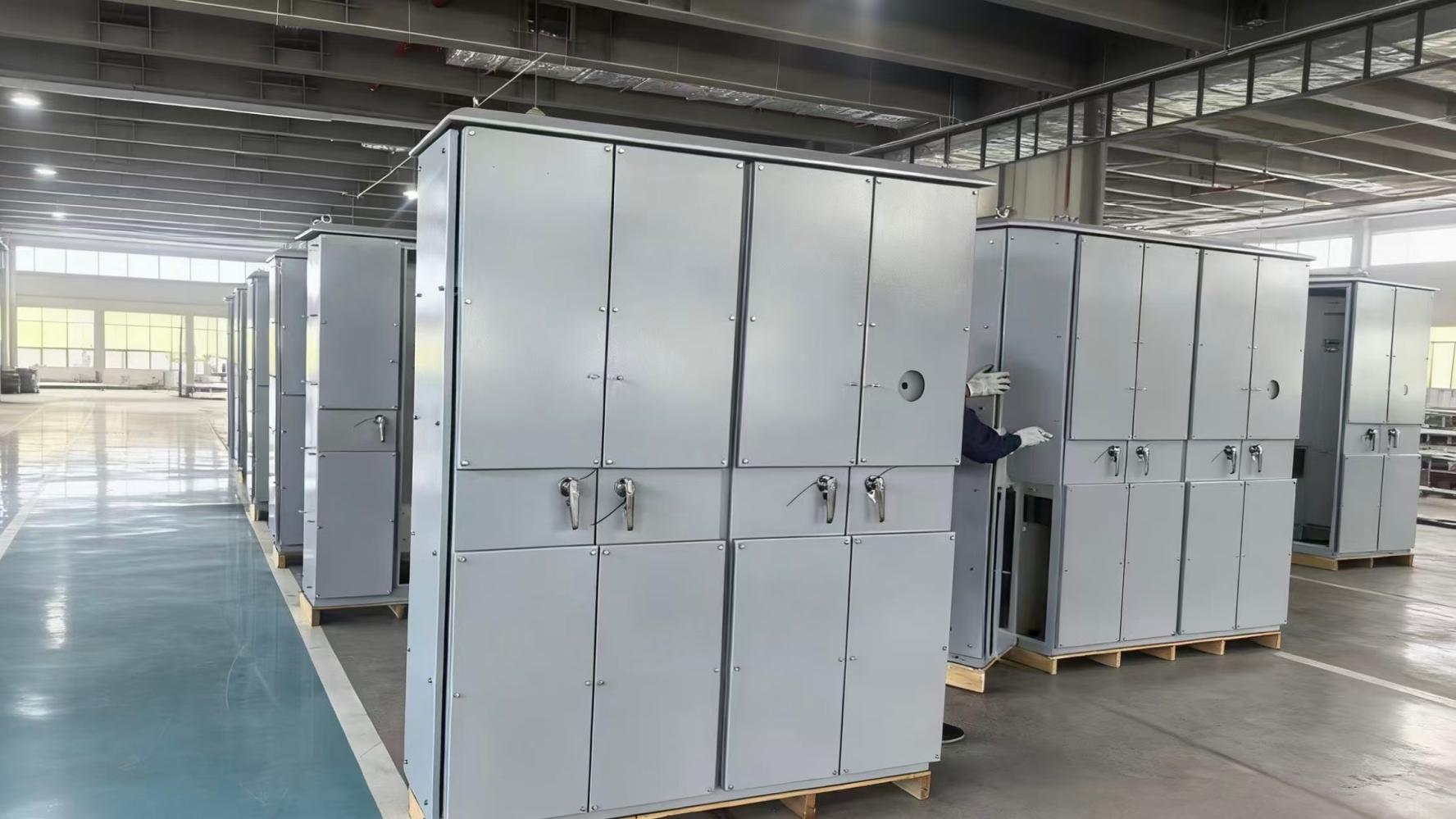
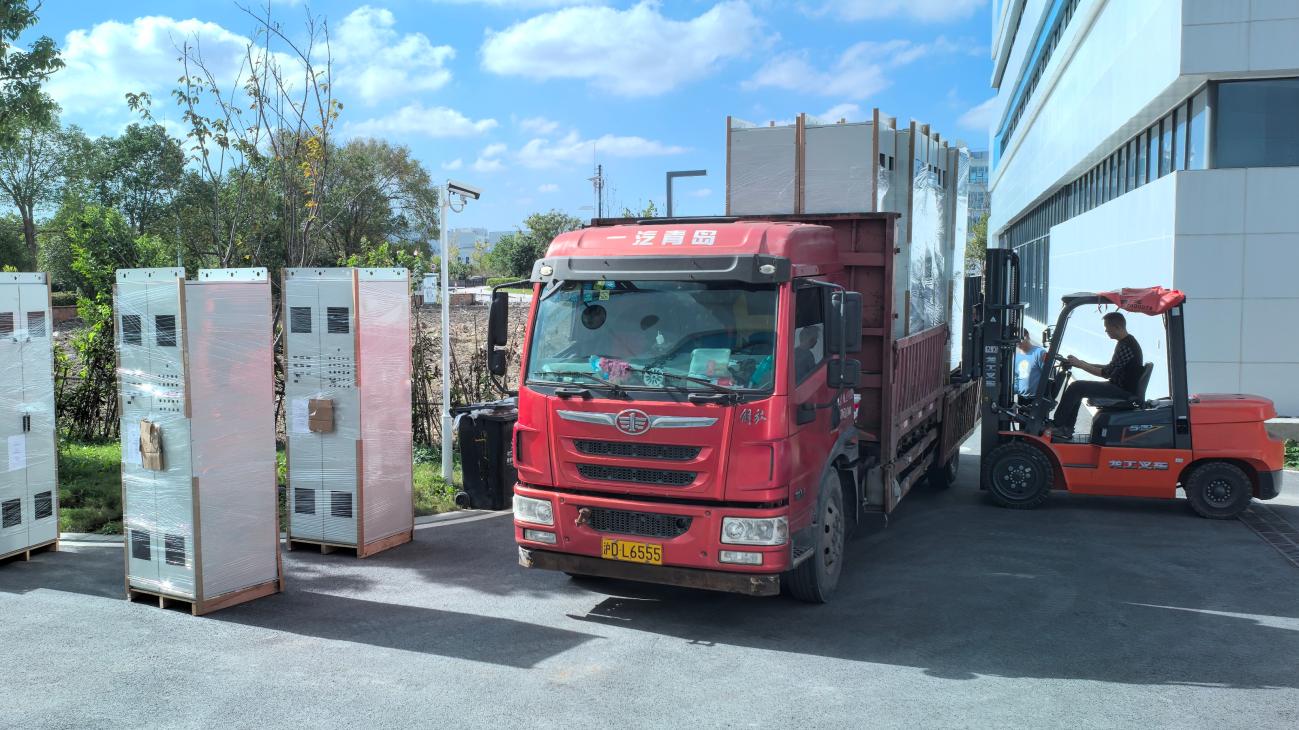
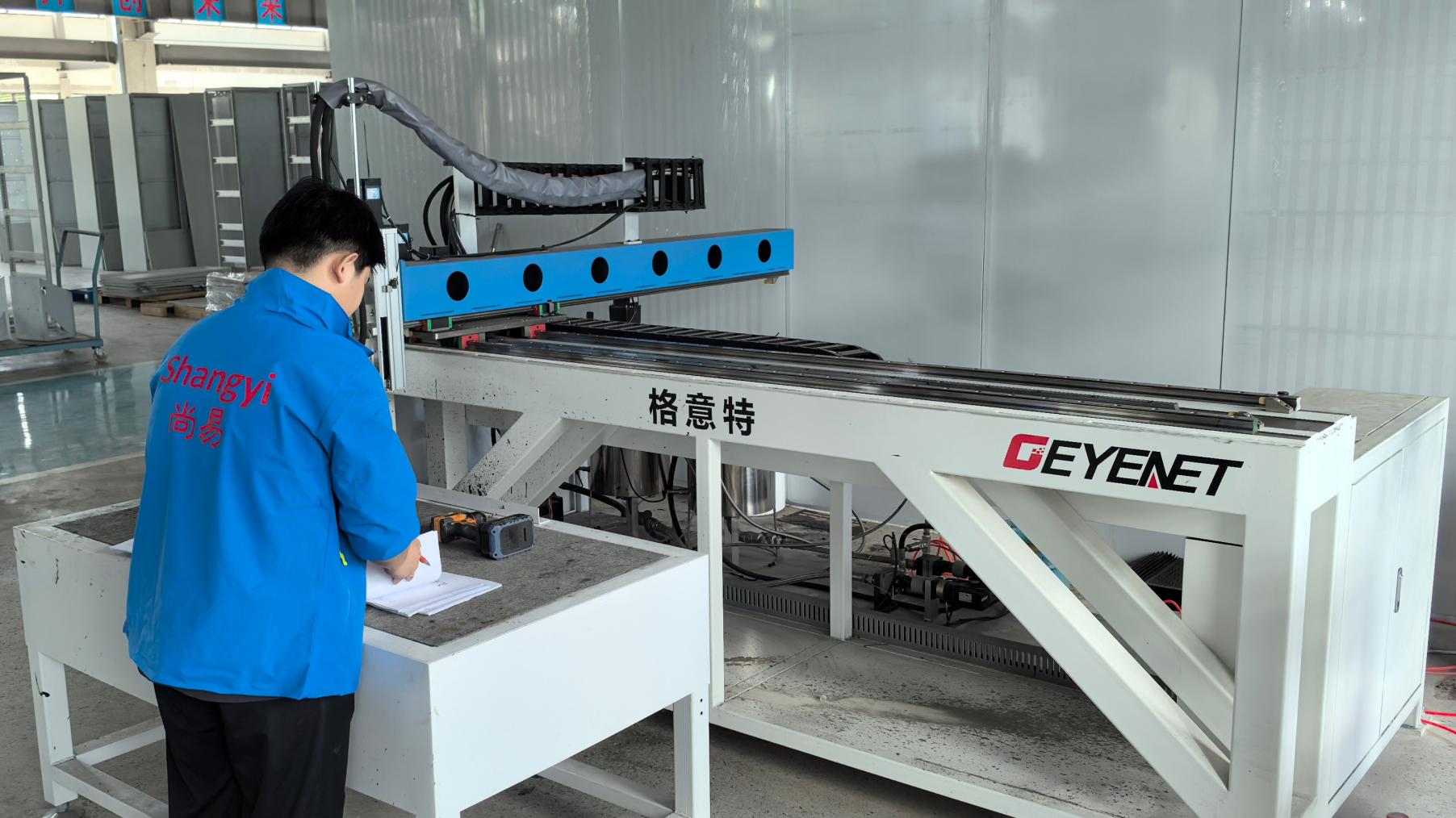
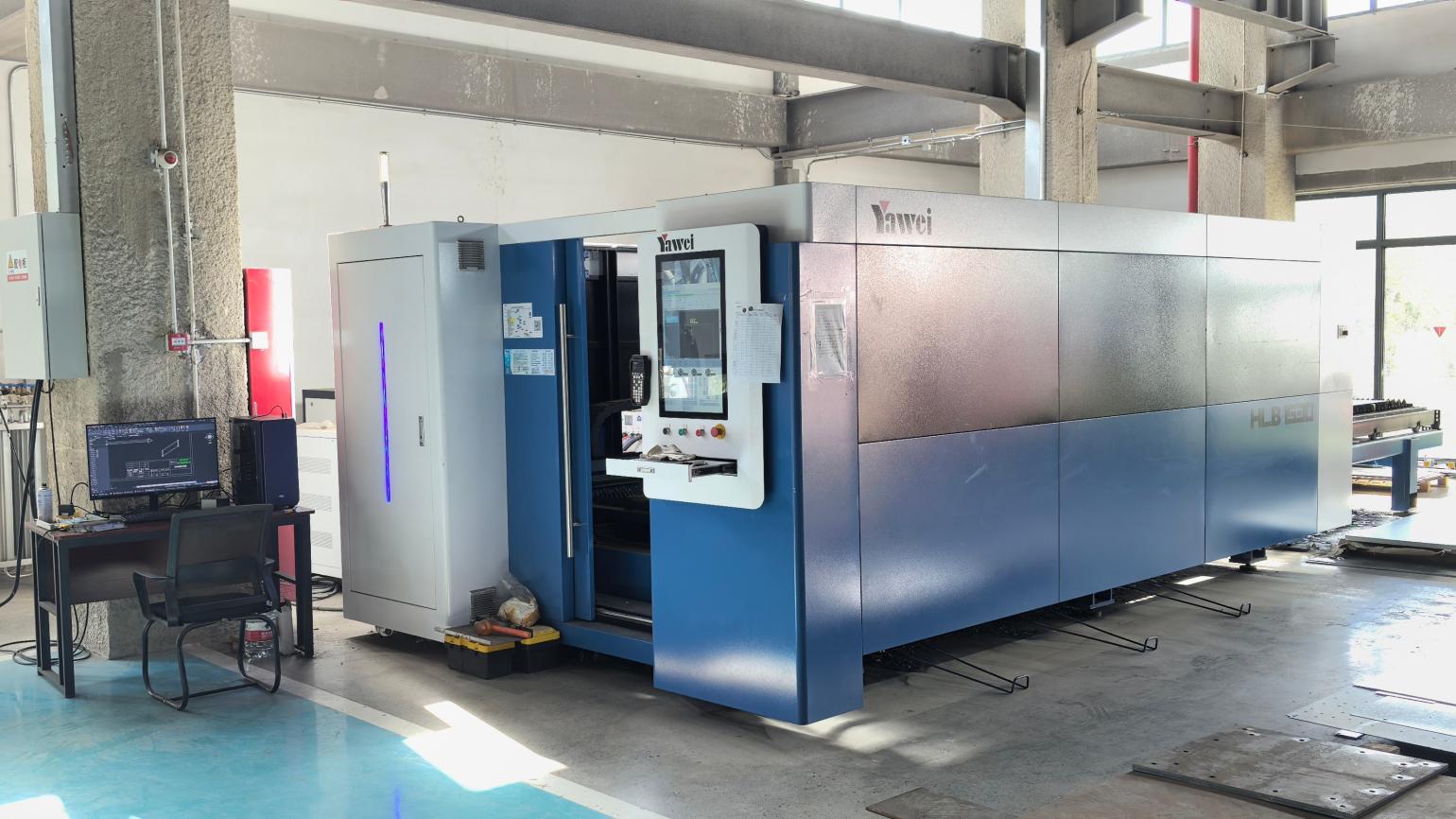
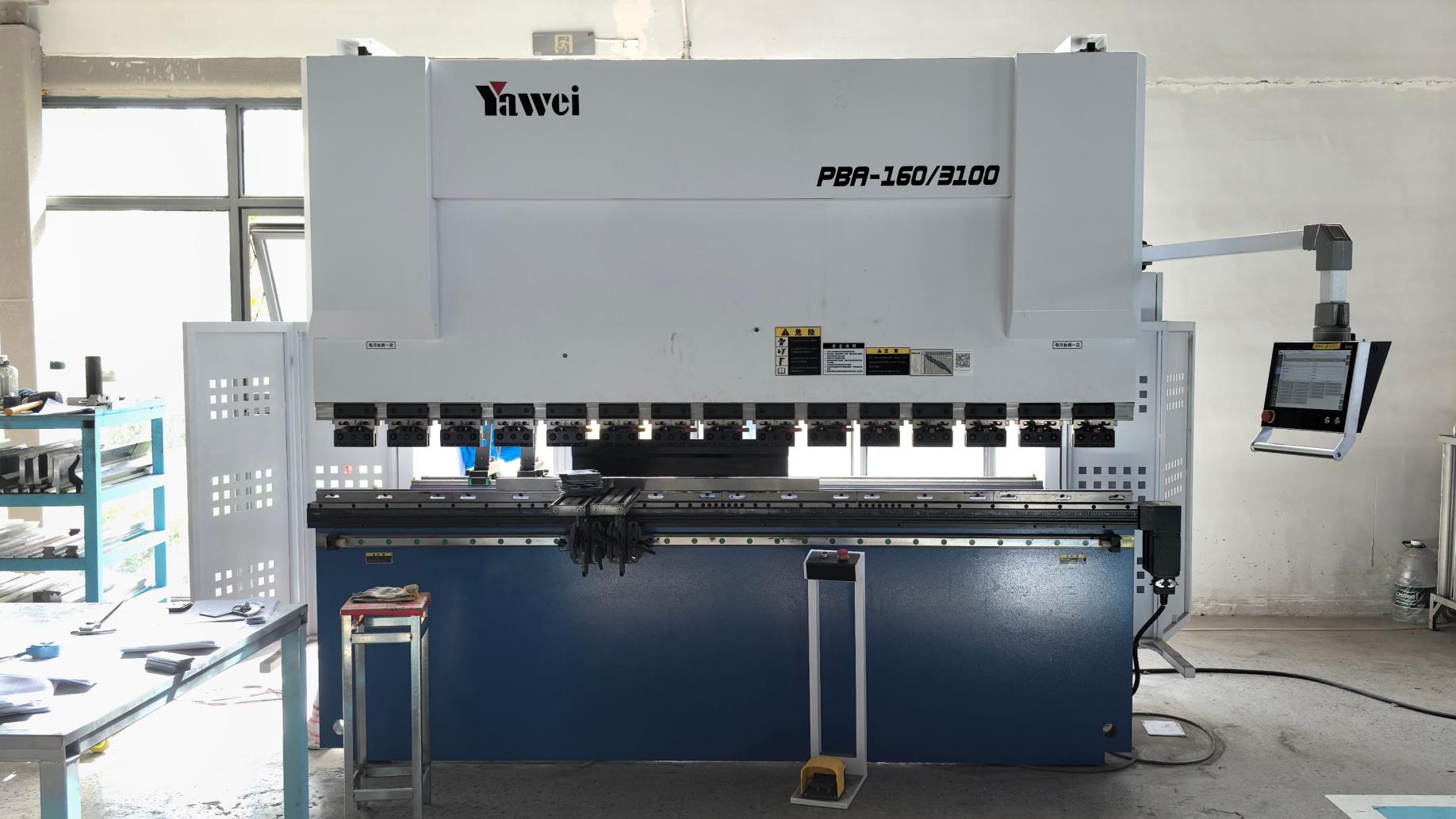
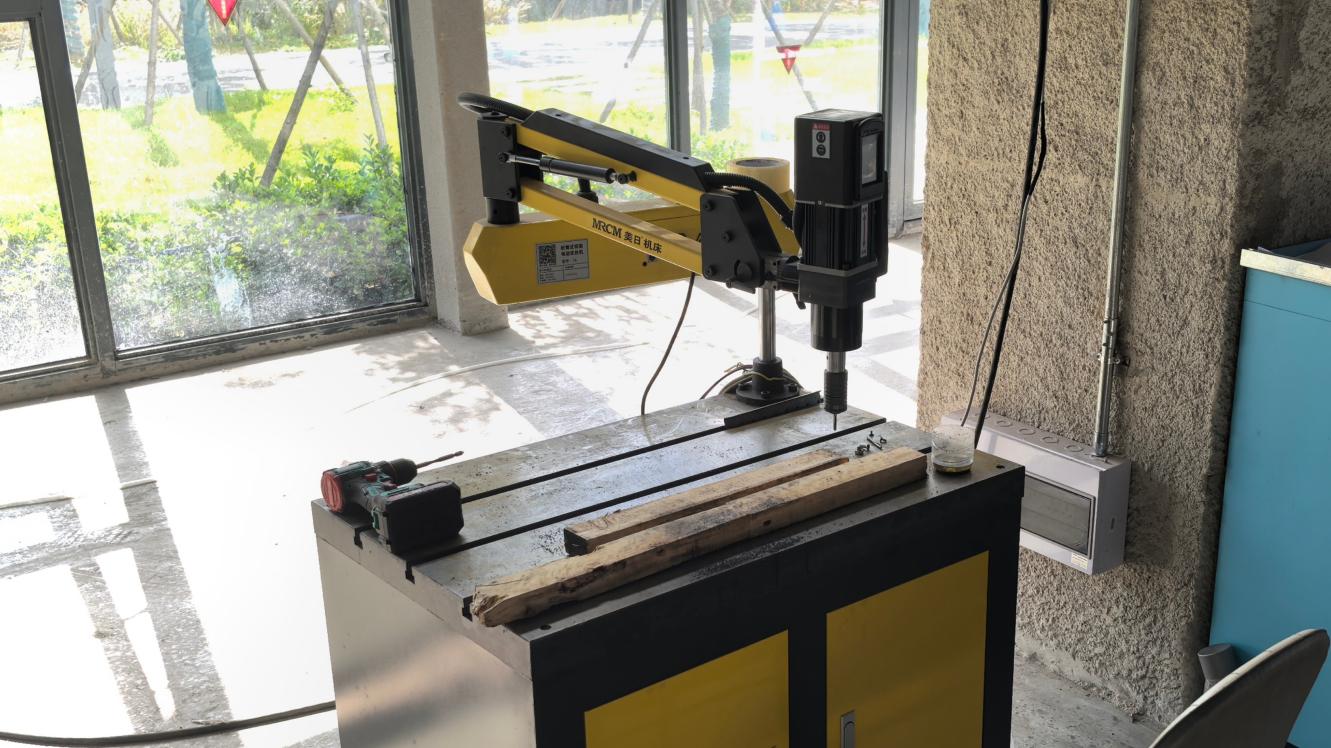
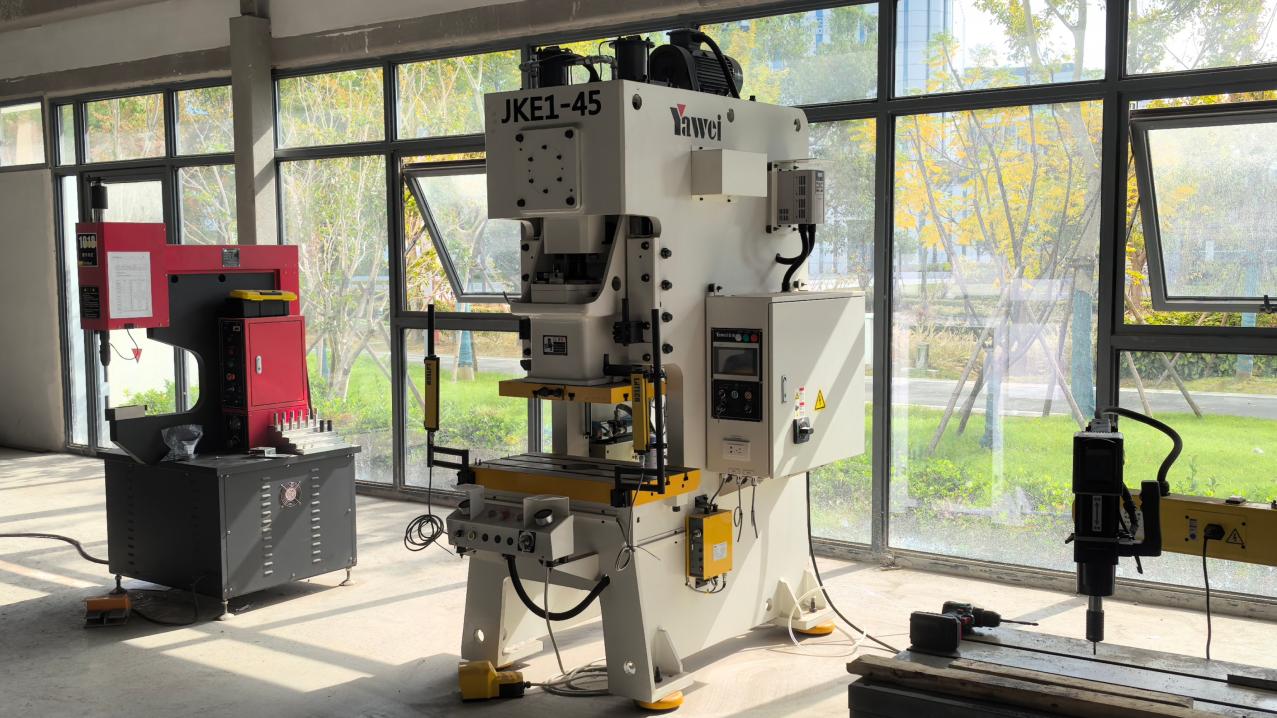
A standard catalog product is not always the best fit for specialized, high-stress installations. Zhejiang Sowest Electric offers deep customization to meet challenging system parameters.
In applications like desert solar PV installations, underground mining systems, and marine engine compartments, ambient temperatures regularly exceed 50°C. Standard reactors would experience rapid thermal deterioration in these conditions. Sowest designs these products with Class H or Class R insulation materials (up to 220°C), along with specialized forced-air or liquid cooling systems. This ensures reliable, long-term operation without requiring derating.
Offshore oil platforms and cargo ships operate in highly corrosive marine air. Our marine-grade line reactors feature salt-spray resistant coatings, anti-vibration structural frames, and are designed to comply with classification standards such as DNV-GL, ABS, or Bureau Veritas. We apply double vacuum pressure impregnations to prevent coastal salt-spray from penetrating the magnetic windings.
Utilizing high-grade silicon steel sheet core laminations, our reactors maintain thermal efficiency and feature low copper loss under high frequency currents.
Sowest products meet key international standards including CE, UL, RoHS, and IEC, allowing for seamless integration into diverse global grids.
Our engineering team works closely with your system designers to match reactance specifications directly to the harmonic profile of your VFD.
The transition toward active distribution grids, microgrids, and high-frequency Silicon Carbide (SiC) VFDs is shifting the requirements for magnetic component design. Sowest is adapting to these trends through several development avenues:
Modern SiC and GaN motor drives operate at high switching frequencies. While these fast transition rates reduce energy losses inside the VFD, they generate steep voltage fronts (dv/dt) that stress motor isolation systems. Our development focus includes custom dv/dt filters and sine wave filters capable of smoothing these fast switching pulses, preventing motor bearing erosion and insulation failure.
To reduce footprint and weight, next-generation line reactors are adopting amorphous and nanocrystalline alloys. These materials feature high magnetic permeability and low core losses under high-frequency conditions. This allows for compact footprints and higher efficiency in space-constrained installations like wind turbine nacelles or mobile EV charging stations.
Zhejiang Sowest Electric Co., Ltd. is a modern and innovative enterprise specializing in the research, development, manufacturing, and sales of power supply and electrical distribution equipment. With a strong commitment to technological innovation, product quality, and customer satisfaction, the company has established itself as a reliable partner for power generation, transmission, distribution, industrial automation, transportation, petrochemical, telecommunications, and infrastructure projects worldwide.
Our core product portfolio includes AC/DC Power Supply Panels, DC Power Systems, UPS (Uninterruptible Power Supply) Systems, Battery Chargers, DC Distribution Panels, AC Distribution Panels, Central Signal Panels, Power Monitoring Systems, Circuit Breakers, Power Feeding Panels, and other integrated power supply solutions. These products are widely applied in substations, power plants, industrial facilities, data centers, rail transit systems, and renewable energy projects.
The company is supported by a highly qualified team of engineers, technicians, and industry experts with extensive experience in power electronics and electrical engineering. Equipped with advanced manufacturing facilities, modern production lines, and comprehensive testing equipment, Sowest Electric ensures that every product meets stringent quality standards and international performance requirements.
Guided by the principles of integrity, professionalism, innovation, and mutual growth, Zhejiang Sowest Electric continuously invests in research and development to deliver efficient, intelligent, and reliable power solutions. The company has established a complete quality management system and adheres to strict production and inspection processes to guarantee product safety, stability, and long-term reliability.
Our corporate philosophy is centered on excellence, customer value, and sustainable development. We are dedicated to creating value for customers, opportunities for employees, returns for stakeholders, and positive contributions to society. Through continuous technological advancement and service improvement, we strive to help our customers achieve greater operational efficiency and energy reliability.
In the era of global economic integration, Zhejiang Sowest Electric remains focused on its strategic vision of professional R&D, intelligent manufacturing, and global marketing. By leveraging innovation, quality, and international cooperation, the company is steadily advancing toward its goal of becoming a globally recognized brand in the power supply and electrical equipment industry.
Get authoritative insights into selection parameters, technical calculations, and installation considerations for input/output line reactors.
Input line reactors protect the variable frequency drive (VFD) from transient voltage surges and reduce the harmonic currents returned to the upstream electrical grid. Output line reactors are installed between the VFD and the motor. They filter high-frequency switching noise, reduce the motor's operating temperature, and mitigate the reflective wave phenomenon, which can cause voltage doubling in long motor cables.
Grid disturbances, switching of power-factor correction capacitors, and load steps can cause transient voltage spikes on the line. When these spikes hit a VFD, the DC bus voltage can rise rapidly, triggering an overvoltage fault. A 3% line reactor introduces series inductance that limits the current rate of rise (di/dt) and absorbs transient energy, stabilizing the VFD's internal DC bus voltage.
Yes. Long cable runs (typically over 30 to 50 meters) introduce significant line capacitance. When VFD switching pulses travel along these cables, impedance mismatches lead to reflective waves, resulting in high voltage spikes at the motor terminals. An output reactor smooths the switching waveform, limits the voltage rate of rise (dv/dt), and protects the motor insulation from breakdown.
Harmonic currents flow at higher frequencies (e.g., 250 Hz for the 5th harmonic at a 50 Hz base frequency). Because of skin effect and proximity effect, these high-frequency currents increase losses in the copper windings and iron core. Reactors must be designed with high thermal class insulation (typically Class H) and optimized cooling paths to prevent core saturation and thermal runaway under heavy harmonic loads.
The continuous current rating of the reactor must equal or exceed the full-load current (FLA) rating of the VFD or the motor it connects to. For safety margins and to prevent core saturation, we recommend sizing the reactor to handle up to 110% of the nominal motor current continuously, and up to 150% for short periods during acceleration or overload cycles.
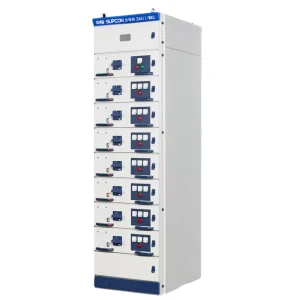
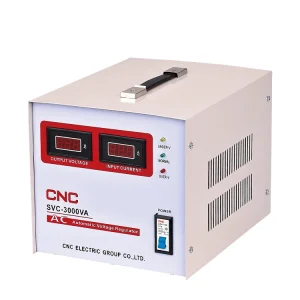
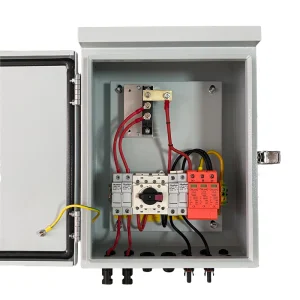
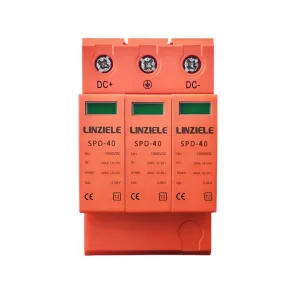
Explore our voltage stabilizers, UPS systems, isolation transformers, and surge protection components designed to safeguard your facility's power systems.
 Sowest Electric