OEM/ODM Remote Control Switch Factory & Suppliers

Next-Generation Smart Switching Systems, High-Performance Power Quality Engineering, and Enterprise Industrial Control Solutions Designed for Global Infrastructure.

1. Executive Summary: The Evolution of Industrial Switching & Power Control

In modern industrial and commercial infrastructure, the demand for efficient, secure, and reliable electrical distribution is higher than ever. Control topologies are shifting from manual configurations to smart, decentralized control systems. As a leading OEM/ODM Remote Control Switch Factory and Supplier, Zhejiang Sowest Electric Co., Ltd. is at the forefront of this industrial transformation. By leveraging advanced power electronics, micro-controller processing, and IoT connectivity, we supply robust switching solutions integrated with power factor correction, voltage regulation, and harmonic filtering.

This white paper examines the technological architectures, localized deployment scenarios, supply chain metrics, and international compliance frameworks required to deploy next-generation remote control switches. Through continuous research and development, we bridge the gap between traditional electrical hardware and smart grid automation, ensuring maximum system uptime, lower total cost of ownership (TCO), and unparalleled operational safety.

Information Gain Insight: Remote switching is no longer just about toggling a relay. In modern smart grids and automated factories, a remote control switch is an intelligent endpoint that captures real-time voltage, current, and temperature metrics while communicating over secure wireless protocols to mitigate faults before they occur.

2. Technical Architectures & Communications Protocols

Industrial remote control switches operate in highly complex electromagnetic environments. Therefore, selecting the appropriate wireless or wired communication medium is critical. Our OEM/ODM designs support a wide array of options tailored for specific environments:

RF (Radio Frequency)

Utilizing sub-1GHz frequencies (433MHz, 868MHz, 915MHz) for deep wall penetration and long-distance transmission. Ideal for industrial cranes, agricultural pumping stations, and large-scale manufacturing facilities.

Zigbee & Bluetooth Mesh

Providing low-power, self-healing networks that allow thousands of nodes to communicate seamlessly. Widely integrated into smart office complexes and automated lighting systems.

Wi-Fi & Cellular (NB-IoT/LTE-M)

Enabling direct-to-cloud connectivity without needing local gateways. This protocol is essential for remote asset monitoring, telecom base station management, and municipal infrastructure control.

To ensure signal integrity in high-interference environments, such as near high-voltage transformers or heavy machinery, our switches feature advanced frequency-hopping spread spectrum (FHSS) technology and redundant hardware loops. This prevents accidental triggering or signal dropouts, guaranteeing 99.999% transmission reliability.

3. Localized Applications & Global Commercial Realities

The applications for industrial remote switching systems vary widely depending on regional requirements, infrastructure age, and local energy regulations:

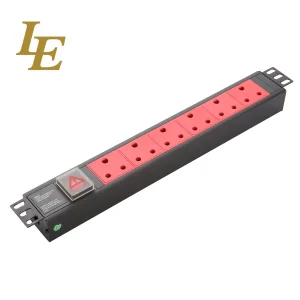
  • North America (Smart Buildings & Data Centers): With a strong emphasis on energy conservation (such as ASHRAE 90.1 standards) and UL listing, remote control switches in North America are commonly integrated with intelligent PDUs to manage server rack rebooting and automated building power-downs during peak pricing periods.
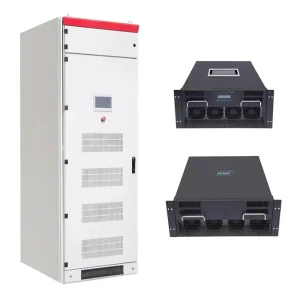
  • European Union (Industrial Grid Stability & Green Integration): Focused heavily on power quality and harmonic reduction, European industries require remote switches integrated with Active Harmonic Filters (AHF) and Static Var Generators (SVG). The remote switching capabilities allow dynamic grid decoupling and isolation during maintenance cycles or safety alerts.
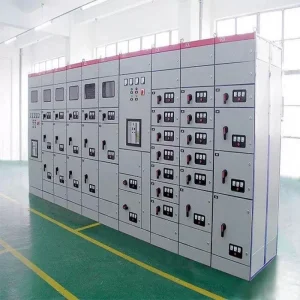
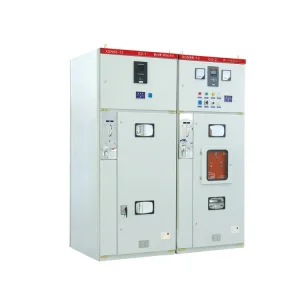
  • Asia-Pacific (Heavy Manufacturing & Logistics): Rapid industrialization demands robust, high-current switchgear assemblies. In this region, remote control switch modules are critical components within GCK low-voltage switchgear assemblies, enabling substation operators to isolate sections of the grid safely from control rooms.
  • Middle East & Africa (Harsh Environment Operations): High temperatures and dust levels require IP65 or IP67 rated enclosures. Remote switching systems here are deployed in water pump control, oil & gas pipeline valve controls, and telecommunication tower power backups where physical site access is extremely limited.

Vertical Integration & Manufacturing Excellence

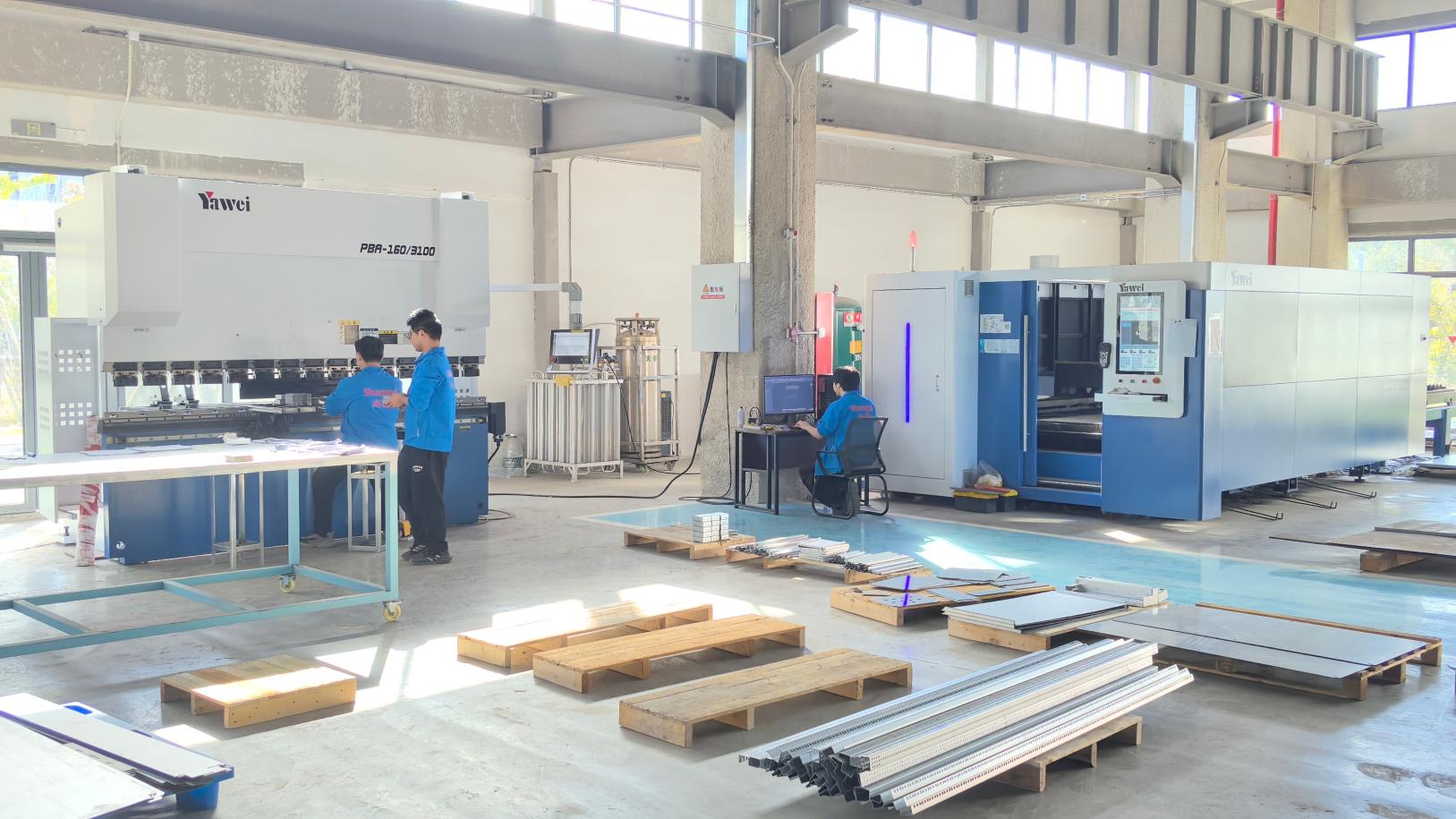
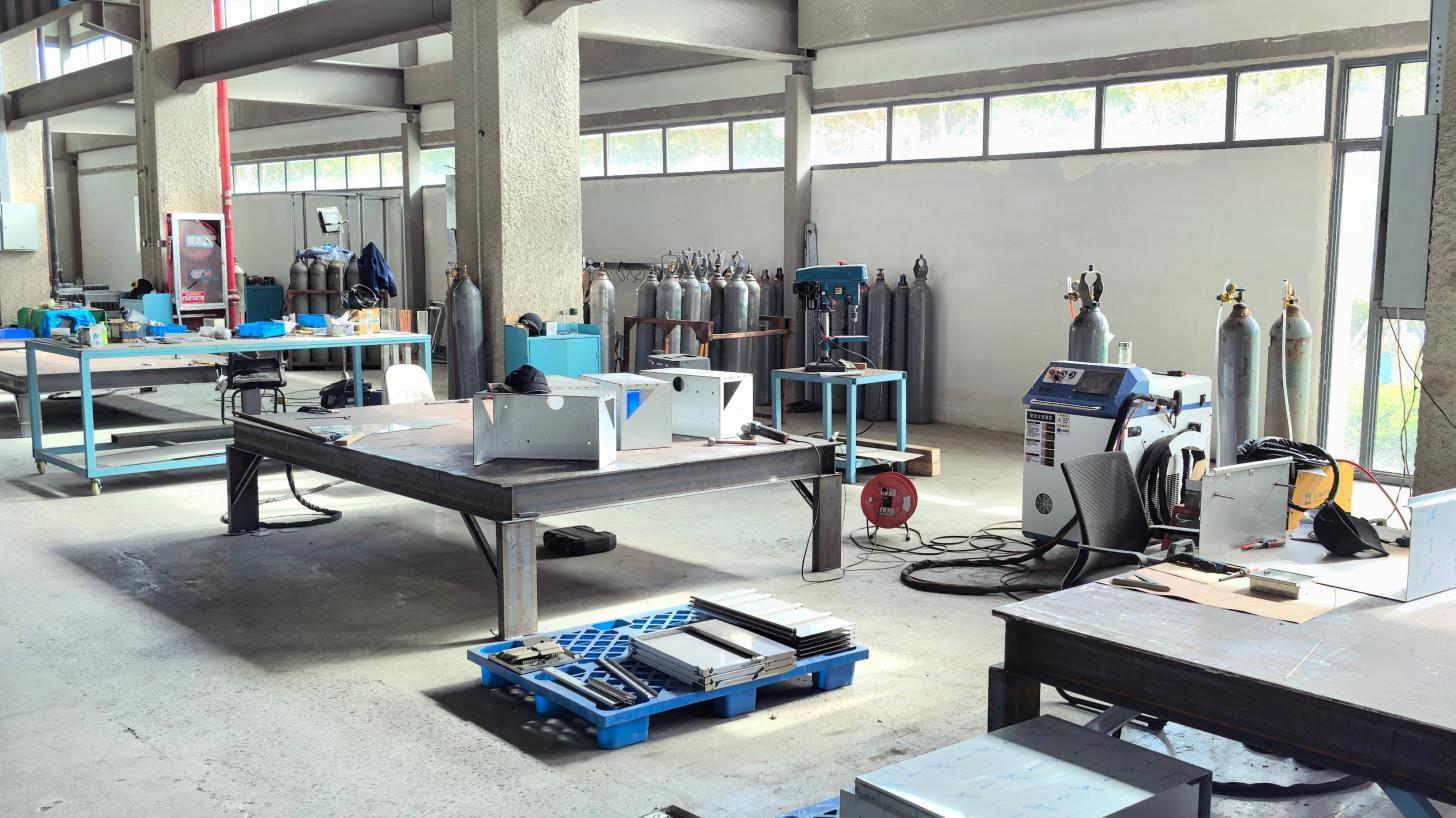
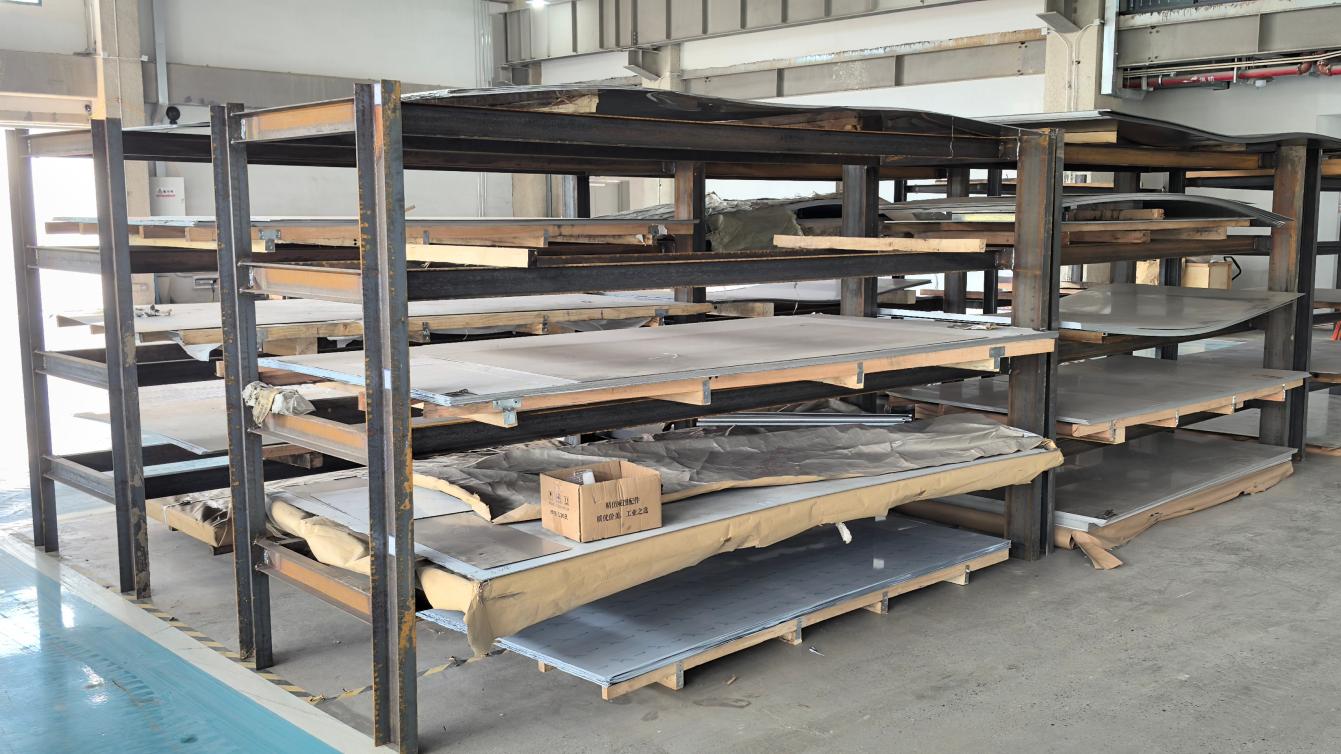
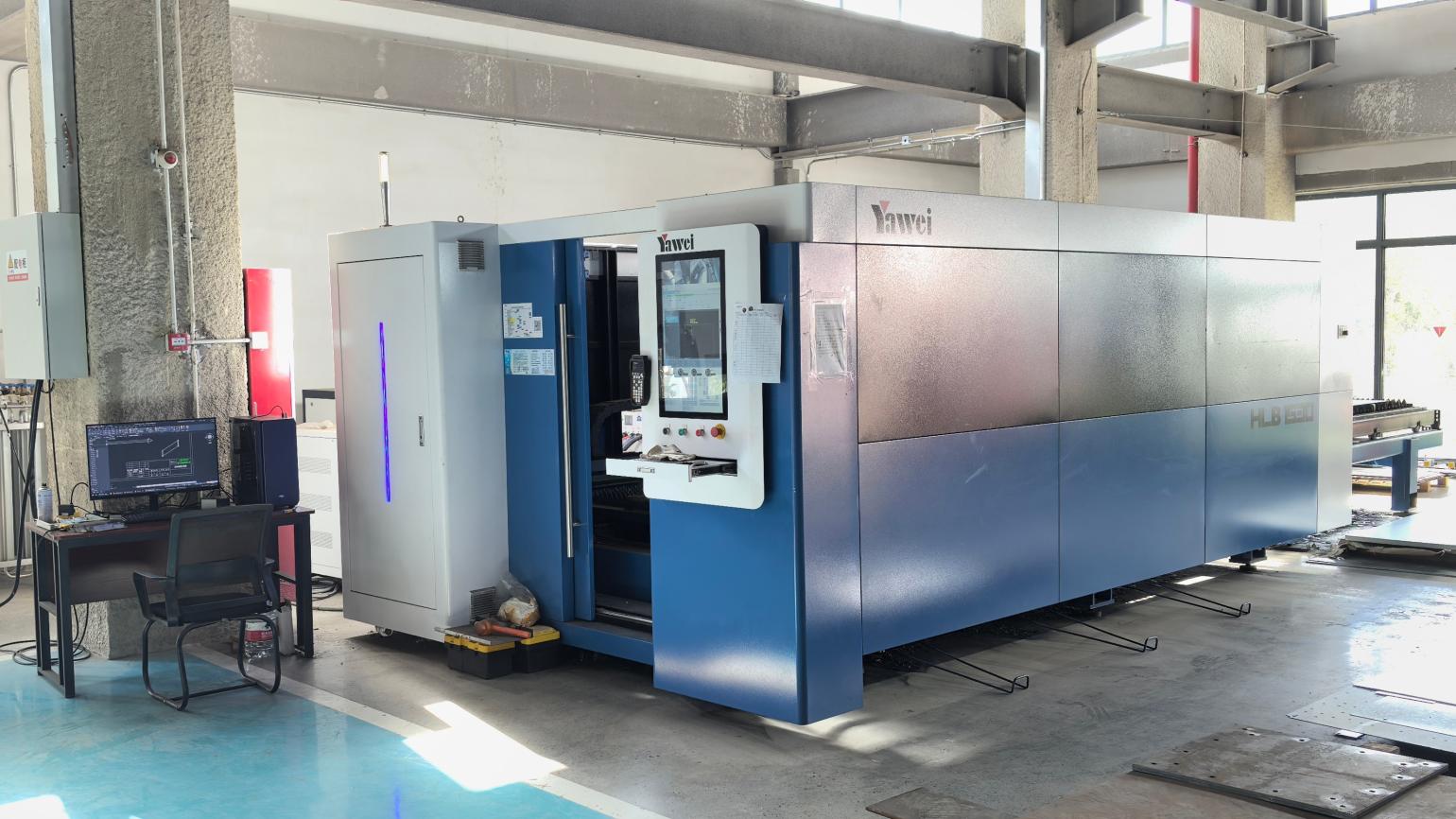
Every remote control switch and power component undergoes a strict manufacturing journey. Here is a look at the state-of-the-art processes inside Zhejiang Sowest Electric Co., Ltd.
Materials Purchasing
Materials Processing
Machining
Machining
Welding and Polishing
Assembly
Assembly
Finished Products
Finished Products
Shipping
Shipping
Dispensing Machine
Dispensing Machine
Laser Cutting Machine
Shearing Machine
Shearing Machine
Tapping Machine
Tapping Machine
Punch Press
Punch Press

4. Supply Chain Resilience & Chinese Manufacturing Advantages

Deploying remote switching systems globally requires not just electronic engineering, but world-class supply chain orchestration. In Zhejiang, China's core electrical cluster, Sowest Electric utilizes vertical integration to keep production costs low, quality high, and lead times minimal. By handling material purchasing, advanced sheet metal machining (with laser cutters and high-capacity punch presses), structural welding, and automated assembly in-house, we eliminate intermediate bottlenecks.

This localized supply chain structure yields major benefits for global buyers:

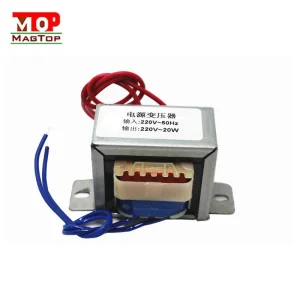
  • Component Traceability: From raw copper windings in our transformers to the microchips inside our smart switch controllers, every batch is logged and traceable.
  • Rapid Prototyping: For custom OEM requests (such as changes in remote control ranges, relay types, or cabinet form factors), our engineering team can produce mockups in days rather than weeks.
  • Aggressive Cost-Effectiveness: Through optimized automated systems like laser shearing and dispensing machines, material waste is kept below 1.5%, providing significant savings passed directly to our clients.
15+
Years R&D Experience
<5ms
APF/AHF Response Time
98.8%
Production Yield Rate
ISO/CE
Global Quality Standards

5. Regulatory Compliance & Localized Support

Without proper local certifications, a remote control switch cannot legally be installed in commercial grids. Zhejiang Sowest Electric ensures that all hardware is thoroughly tested to meet demanding international standards:

  • IEC 60076: Ensuring safety, design, and performance standards for dry-type and liquid-immersed transformers.
  • CE Marking: Full compliance with Low Voltage Directive (LVD) and Electromagnetic Compatibility (EMC) regulations for European installations.
  • IP ratings: Certified ingress protection levels matching regional installation environments, preventing damage from water spray or fine dust particles.

Furthermore, we establish localized support structures in key markets, offering direct engineering access, step-by-step firmware customization, and localized documentation. This removes operational headaches for import-export firms and regional contractors.

6. Technical Roadmap & Future Outlook

The next decade of switching technology belongs to machine intelligence and edge autonomy. Zhejiang Sowest Electric is shifting from simple relay actuation toward integrated preventative analysis. Below is our technology projection over the next few years:

2025 - 2026
AI-Driven Dynamic Switching: Switches that monitor line harmonics and reactive power levels, using localized algorithms to disconnect loads instantly if surges exceed safety thresholds.
2027 - 2028
Ultra-Low Latency Mesh networks: Transitioning to cellular 5G-RedCap (Reduced Capability) technology for direct, high-density municipal switching setups with zero local hub infrastructure.
2029+
Zero-Power Solid-State Switching: Incorporating self-scavenging energy-harvesting technologies to eliminate internal battery dependencies in remote control nodes.

Frequently Asked Questions (FAQ)

Technical answers to critical questions from procurement teams, grid operators, and electrical engineers.

Q1: Can your remote control switches be integrated into third-party SCADA systems?
Yes. Our OEM/ODM switching controllers support standard industrial protocols like Modbus RTU, Modbus TCP, and Profibus. This allows them to integrate into existing industrial SCADA, building management systems (BMS), or IoT dashboards.
Q2: How do you prevent electromagnetic interference (EMI) from triggering the switches?
Our switches use specialized optoisolated inputs, shielded enclosures, and signal filter circuitry. In addition, our RF variants utilize frequency-hopping techniques and encrypted data packets to prevent stray radio waves from causing accidental activation.
Q3: Do your products carry international safety certifications like CE and ISO?
Absolutely. All components produced by Zhejiang Sowest Electric, including low-voltage assemblies and transformers, comply with the ISO 9001 quality system, CE marking requirements, and relevant IEC standards (such as IEC 60076).
Q4: What is the maximum distance for your wireless remote switches?
Depending on the environment and protocol used: Sub-1GHz RF reaches up to 2-3 kilometers line-of-sight. For cellular options (NB-IoT/4G), there is no limit as long as cellular network coverage is present at the installation location.
Q5: Can you provide custom PCB layouts and casing designs under an ODM contract?
Yes, our engineering team specialize in complete hardware design customization. We can modify physical layout dimensions, relay load configurations, terminal locations, and custom plastic or sheet metal enclosures based on your project requirements.
Q6: How does Zhejiang Sowest Electric maintain quality control across bulk production runs?
We employ systematic inspections at every production node, including automatic optical inspections (AOI), high-voltage isolation checks, temperature cycling, and functional load-testing prior to the packaging and shipping stages.