Premium energy management & balance units optimized for commercial energy storage configurations in Northern Europe.
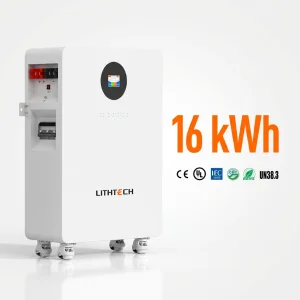
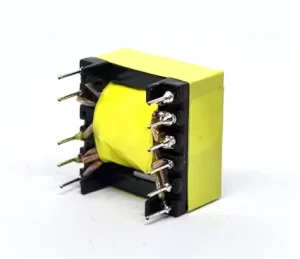
Analyzing the intersection of Denmark's wind integration goals and state-of-the-art battery intelligence.
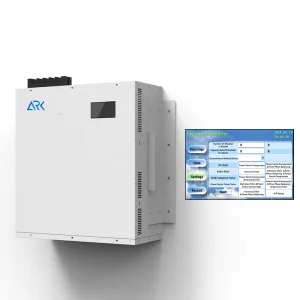
As a global pioneer in carbon-neutral agendas, Denmark has targets to reduce greenhouse gas emissions by 70% by 2030 (compared to 1990 levels) and to achieve complete climate neutrality by 2050. Driven heavily by wind power—which regularly accounts for over 50% of the country’s total electricity consumption—Denmark faces unique grid stability challenges. Battery Management Systems (BMS) are the underlying computing brains that translate raw chemical storage capacity into dynamic, controllable grid assets.
With massive offshore wind farms such as Kriegers Flak and Horns Rev, Energinet (the Danish national transmission system operator) places strict compliance demands on ancillary services. High-power Battery Energy Storage Systems (BESS) must react within milliseconds to frequency variations (FCR-D, FCR-N, and aFRR). A high-performance BMS acts as the primary hardware gatekeeper, managing balancing currents and thermal profiles to ensure system availability does not dip during rapid load fluctuations.
From industrial microgrids in Jutland to maritime electrification projects in the Baltic sea, Danish engineers require intelligent battery topologies. These systems must support deep communication integration (Modbus TCP, CANopen, and IEC 61850) and precise State of Charge (SoC) and State of Health (SoH) diagnostics to manage long-term infrastructure assets securely.
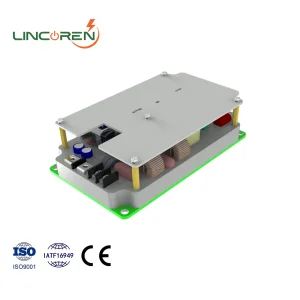
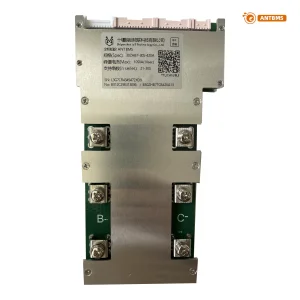
Modern battery topologies are transitioning from simple passive voltage-clamping circuits to active balancing architectures. Passive balancing wastes excess cell energy as heat through resistors, which creates thermal stress in densely packed lithium clusters. In contrast, active balancing (as utilized in our 30S 420A balancer) transfers charge dynamically from high-voltage cells to low-voltage cells, maximizing the pack's usable capacity and extending life cycles by up to 30%.
Looking to future-proof Danish installations, the implementation of "Cloud-BMS" or digital twin architectures is gaining ground. By streaming high-resolution cell data (millivolts, milliamps, internal impedance profiles, and localized temperature metrics) via secure industrial gateways to cloud machine-learning systems, operators can predict cell failures up to two weeks before they occur. This proactive approach reduces unscheduled maintenance downtimes in remote wind storage locations and automated maritime fleets.
Ancillary electrical systems that interface with your primary energy storage facilities to ensure grid compliance and power safety.
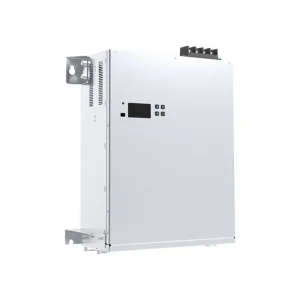
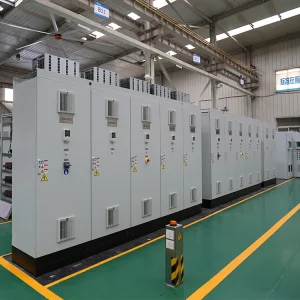
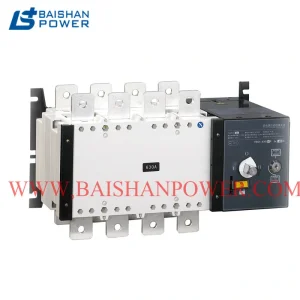
How Denmark's stringent utility codes drive the adoption of active power filtration and voltage stability mechanisms.
Integrating large-scale wind arrays with high-rate lithium-ion banks introduces significant harmonic challenges to local substations. Power electronics, including grid-tied inverters and high-power battery chargers, create non-linear load distributions. This results in voltage distortion, cable overheating, and interference in sensitive electronics. Zhejiang Sowest Electric addresses these anomalies through active power filtering (APF) and static var generators (SVG).
For Danish industrial facilities operating high-capacity processing lines, relying on the central grid is not sufficient. These systems require local stabilization. SVGs dynamically compensate for reactive power, maintaining a power factor close to 1.0 (unity). Meanwhile, Active Power Filters target up to the 51st harmonic order to clean distribution lines. By combining smart BMS telemetry with real-time SVG grid feedback, operators protect their battery arrays from high-frequency ripple currents that can degrade cell anodes over time.
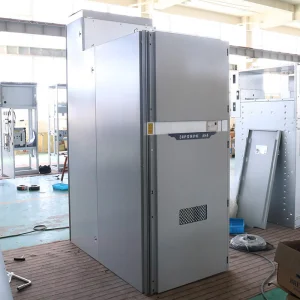
Any energy infrastructure deployed within the Kingdom of Denmark must adhere to EU and localized standards. This includes the EU Battery Regulation, CE certification, IEC 62619 (safety for industrial lithium batteries), and IEC 61439-1/2 (low-voltage switchgear design). Additionally, all installations must meet local grid-code guidelines established by Energinet, requiring third-party testing and proven safety disconnect margins.
A modern and innovative enterprise specializing in the research, development, manufacturing, and sales of power supply and electrical distribution equipment.
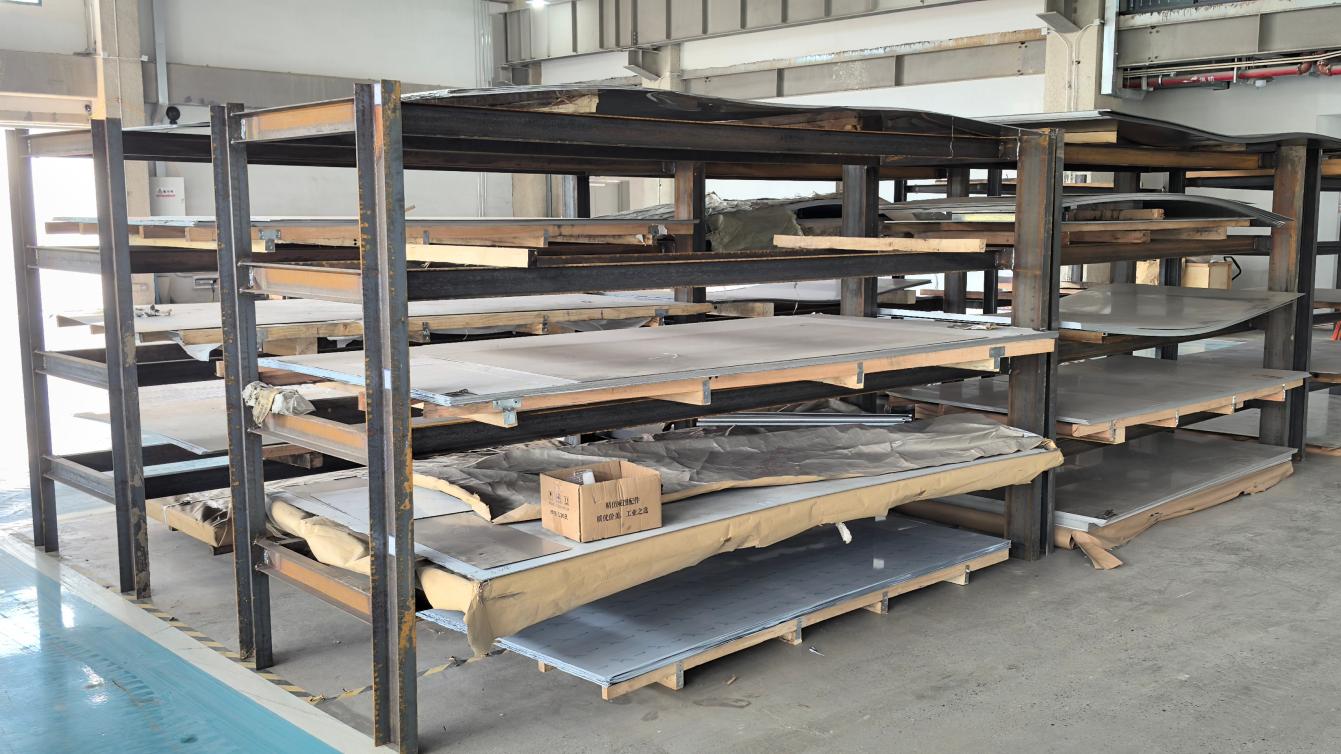
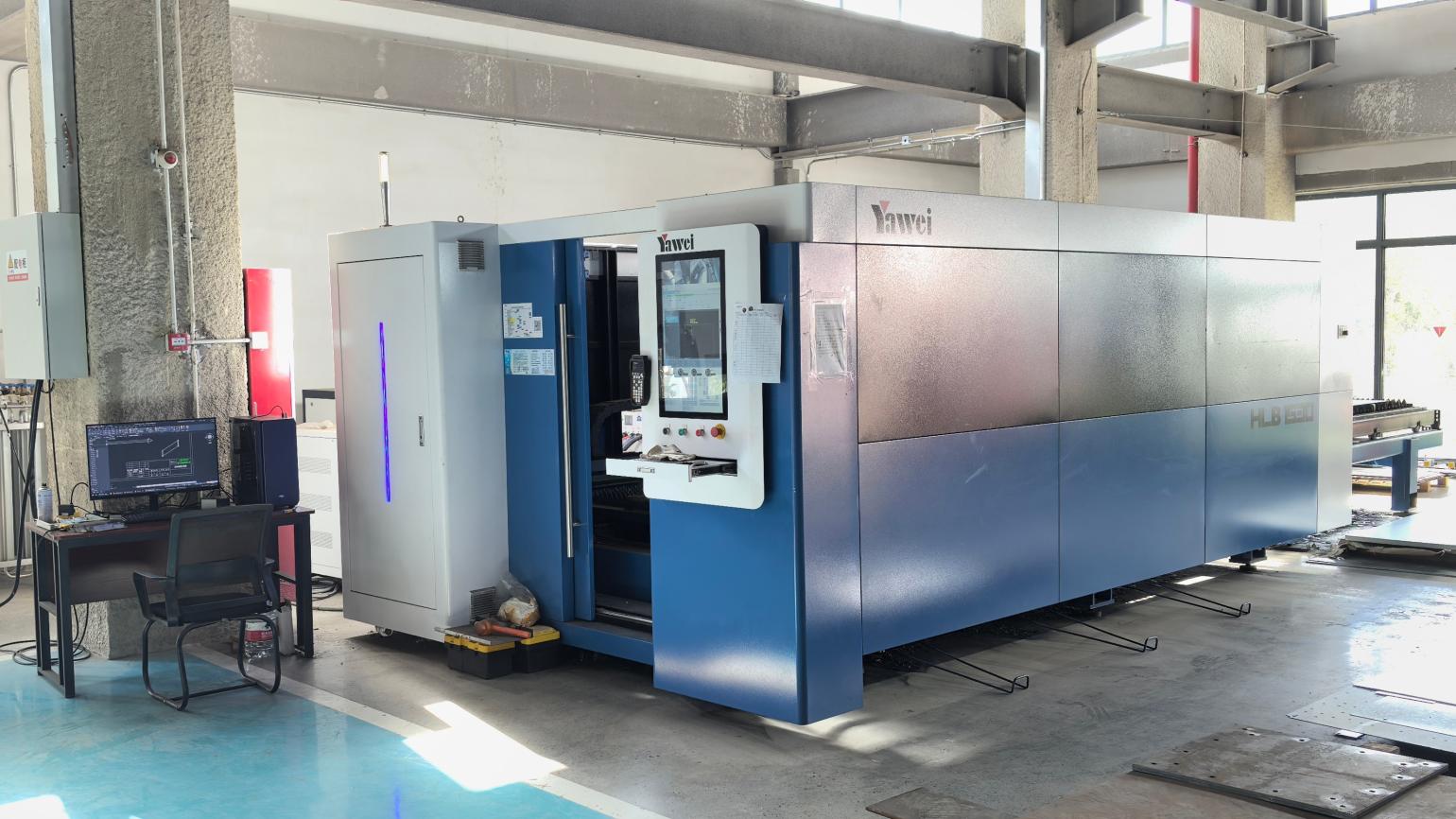
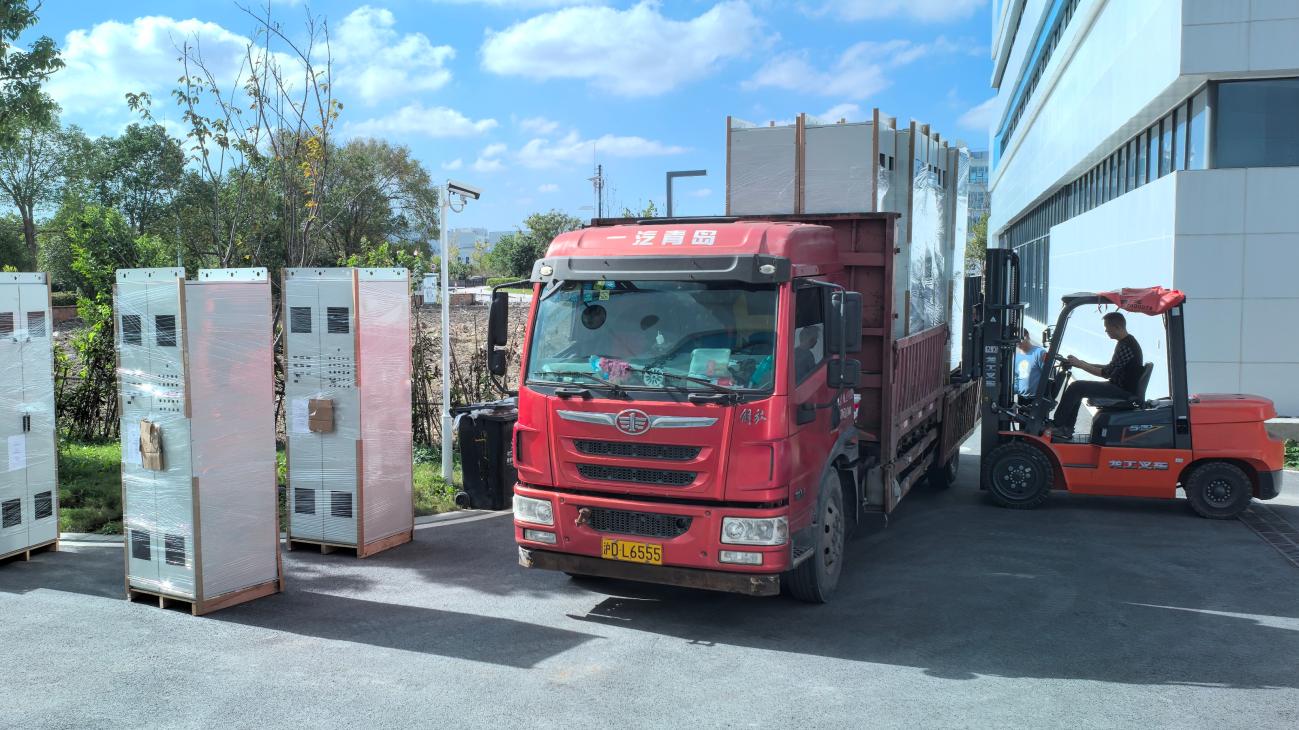
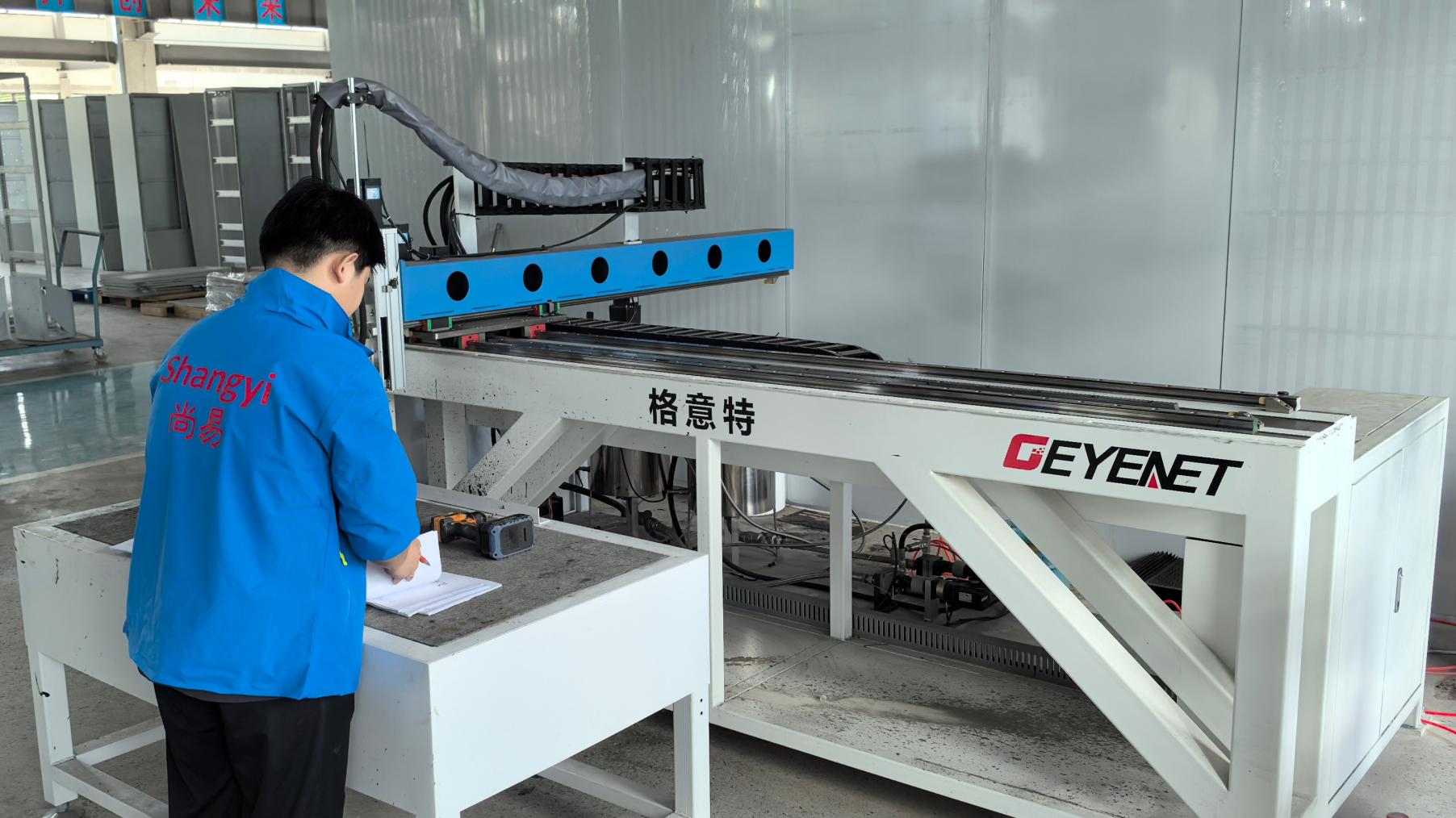
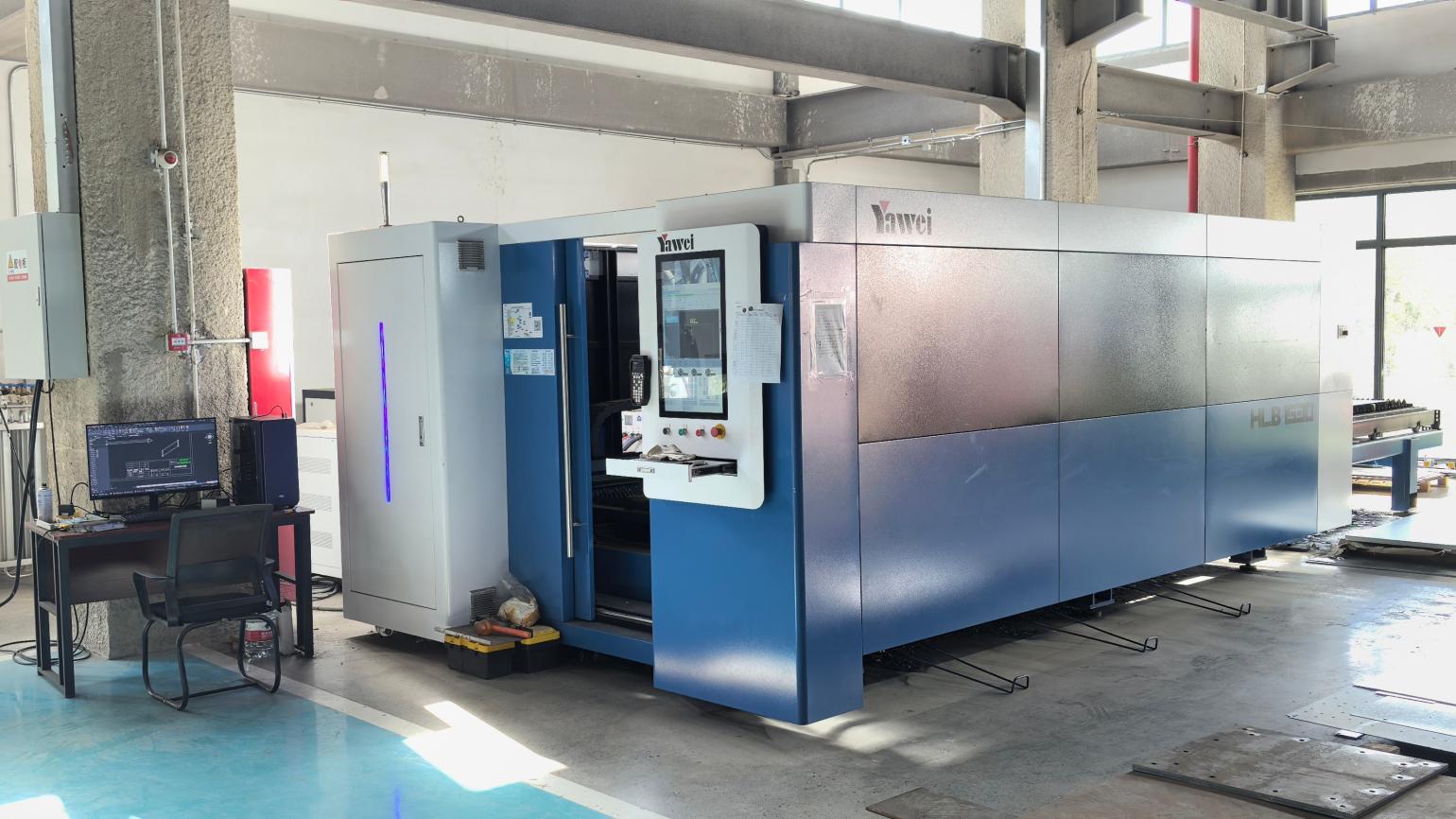
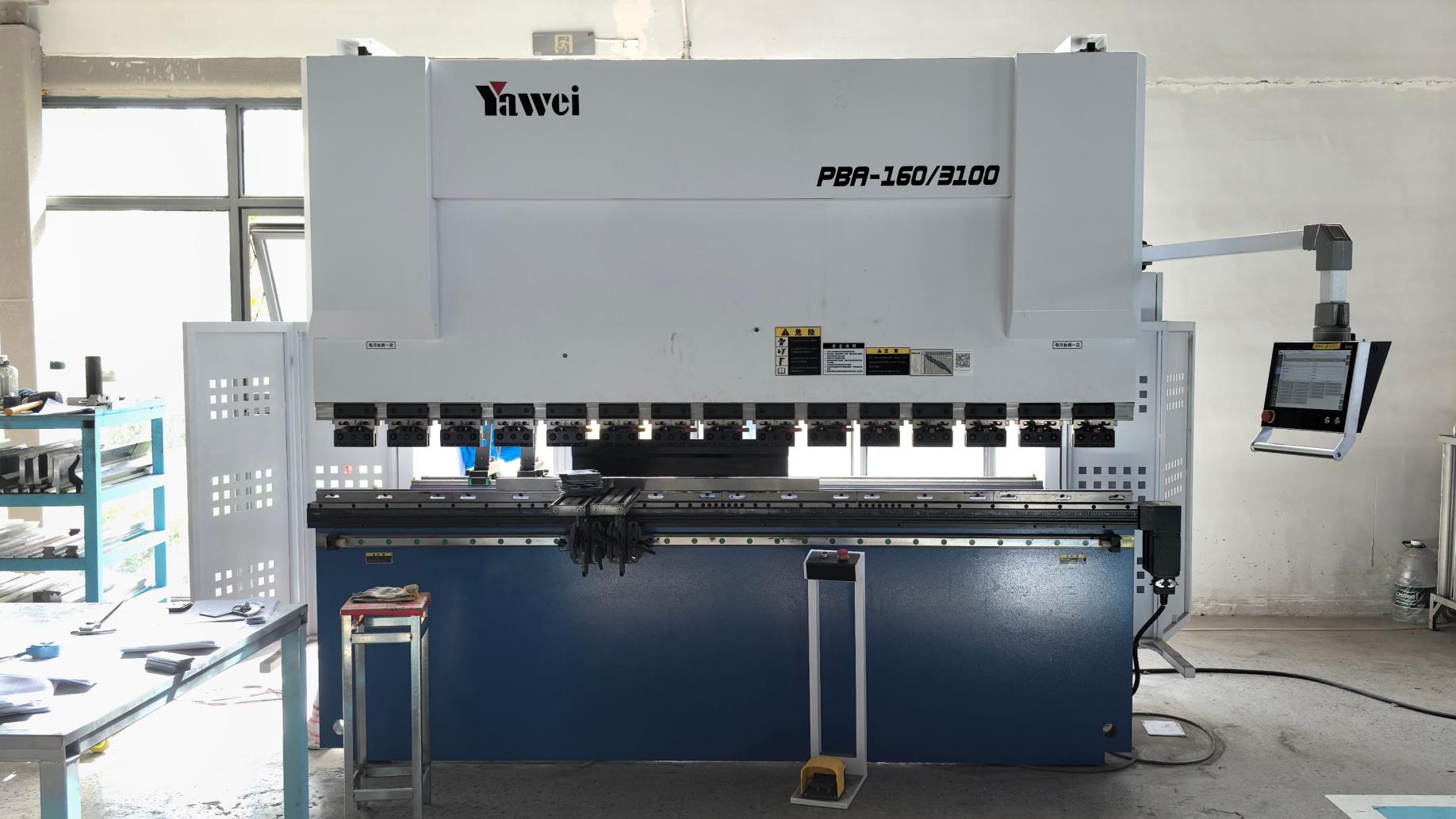
Zhejiang Sowest Electric Co., Ltd. uses a digitalized supply chain structure to ensure production efficiency and consistent product quality. By utilizing high-precision machinery, we maintain tight manufacturing tolerances and structural integrity for critical sub-components. This includes sheet metal enclosures and high-current busbars used across our product lineup.
Our Quality Management System governs every step of production. This covers initial material receiving inspection, precise laser cutting, manual welding, assembly, and final functional testing of electrical panels and converters. This end-to-end oversight ensures each system is built to perform reliably in demanding operating environments.
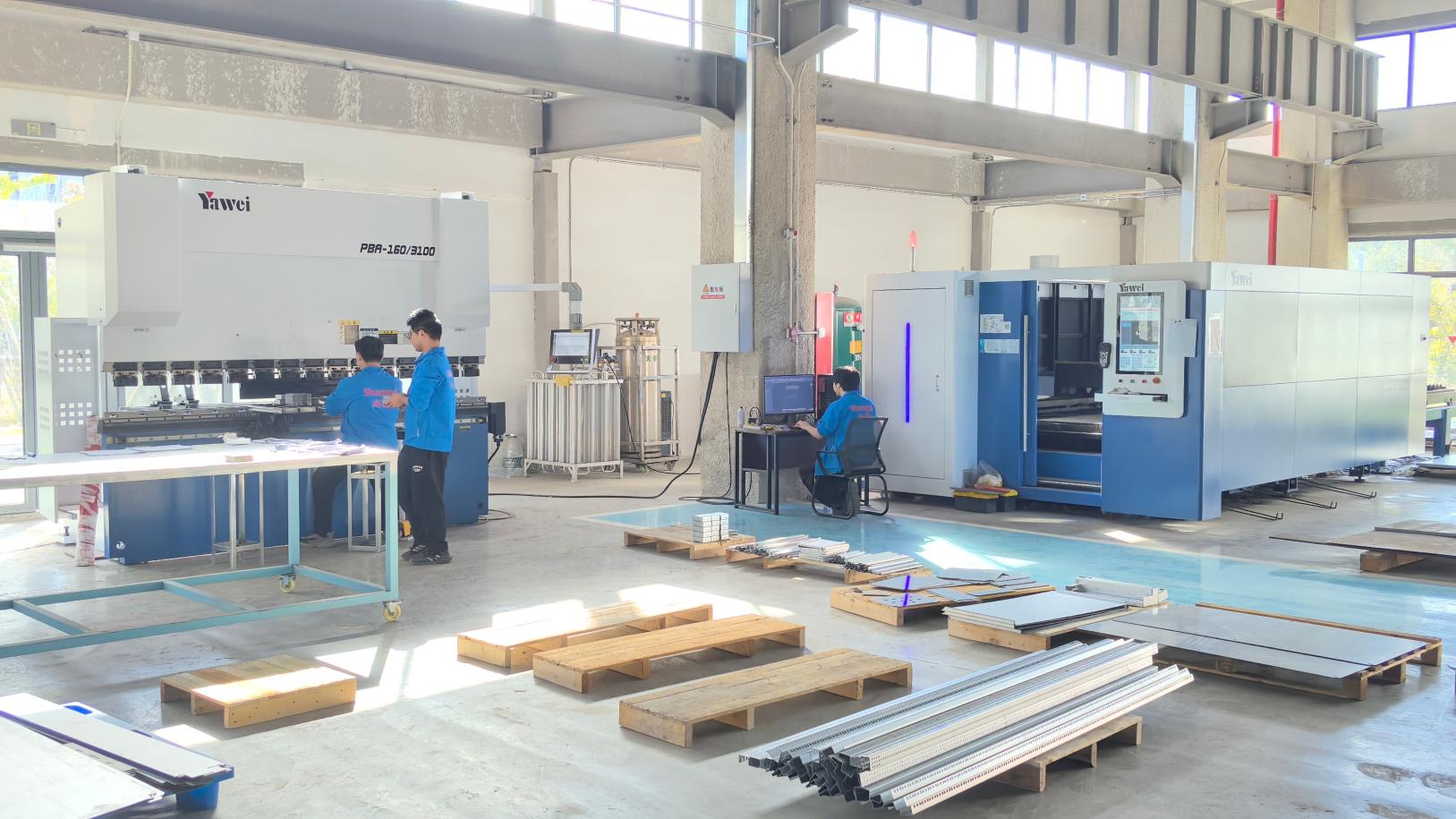
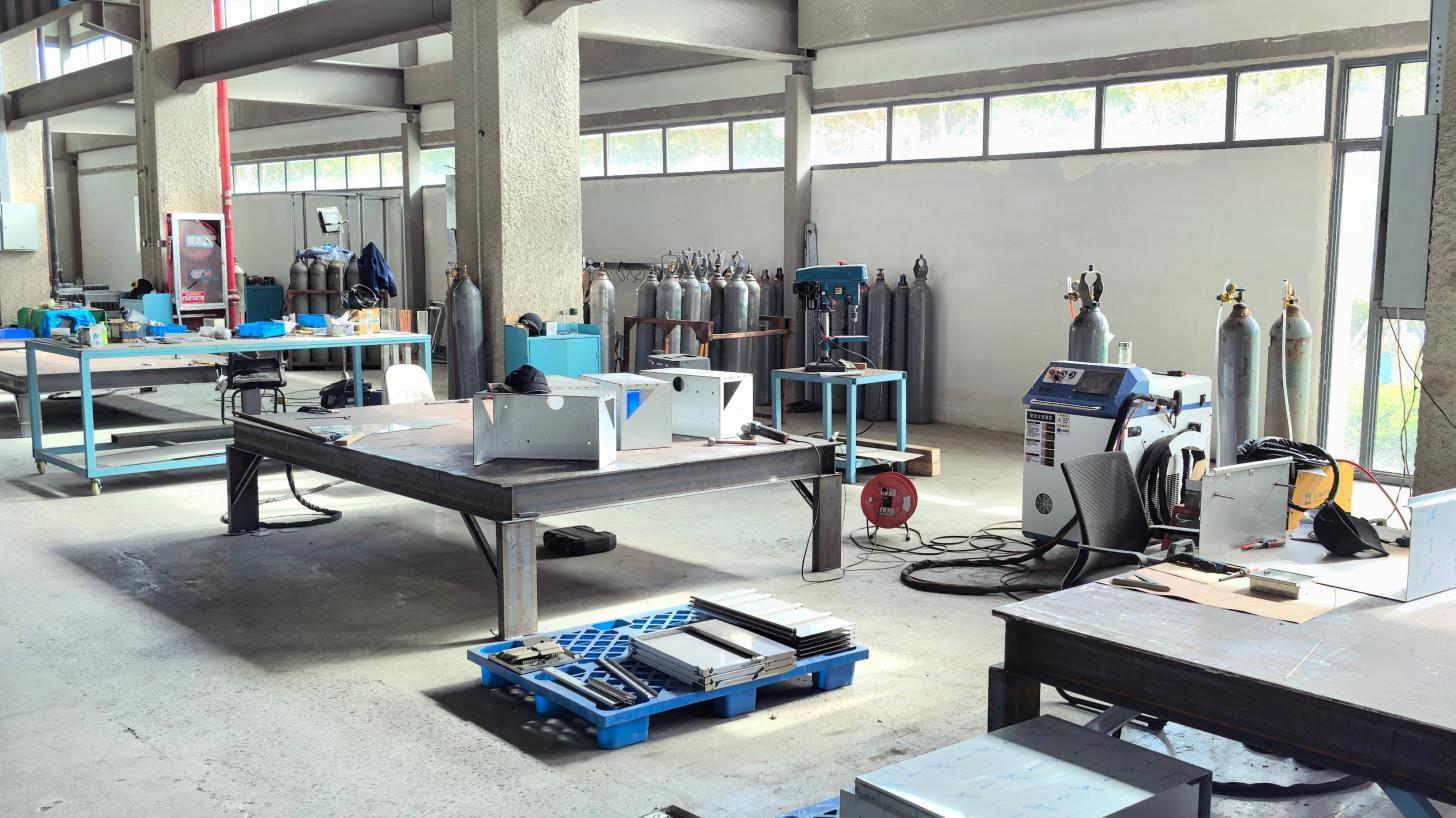
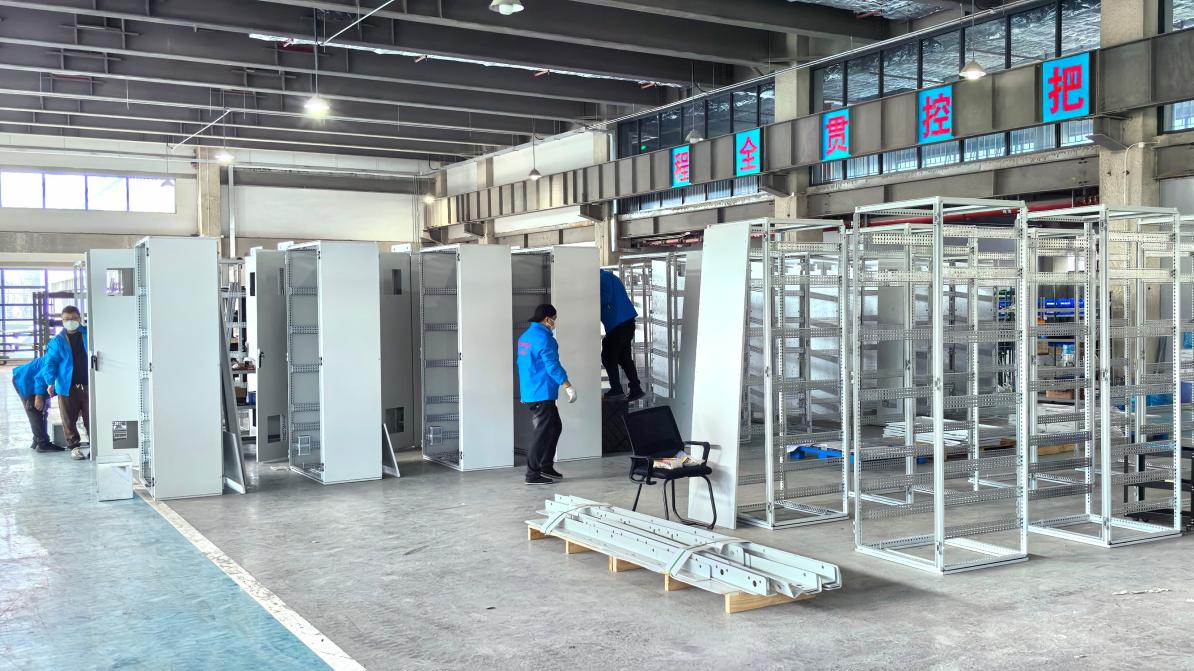
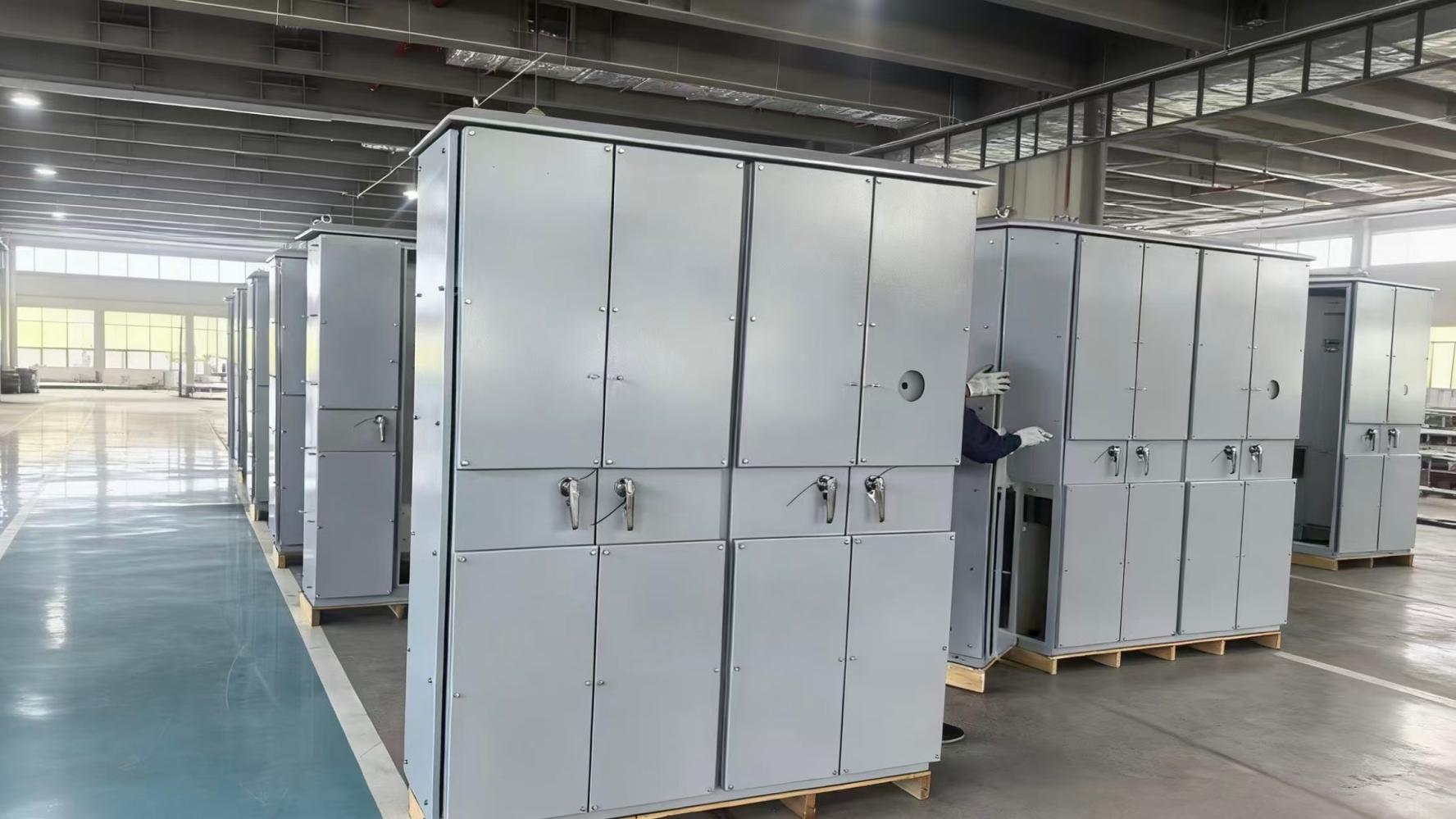
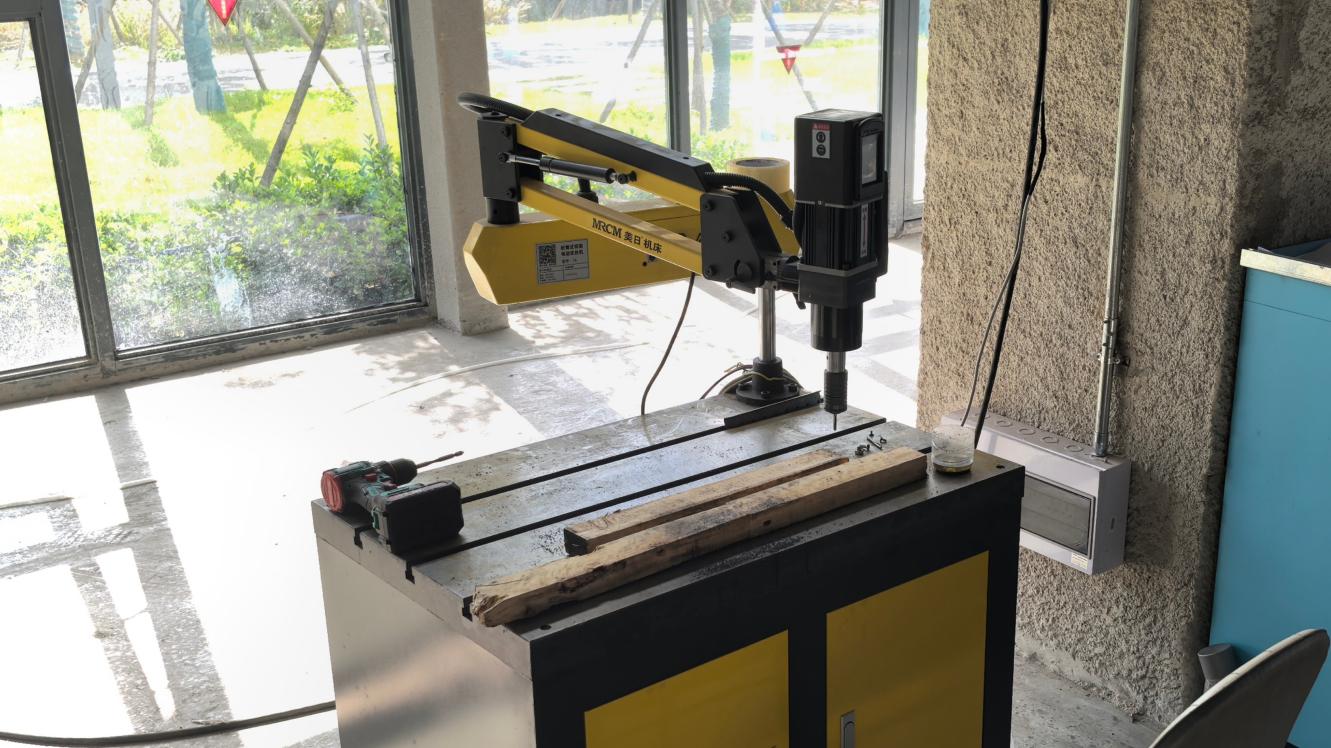
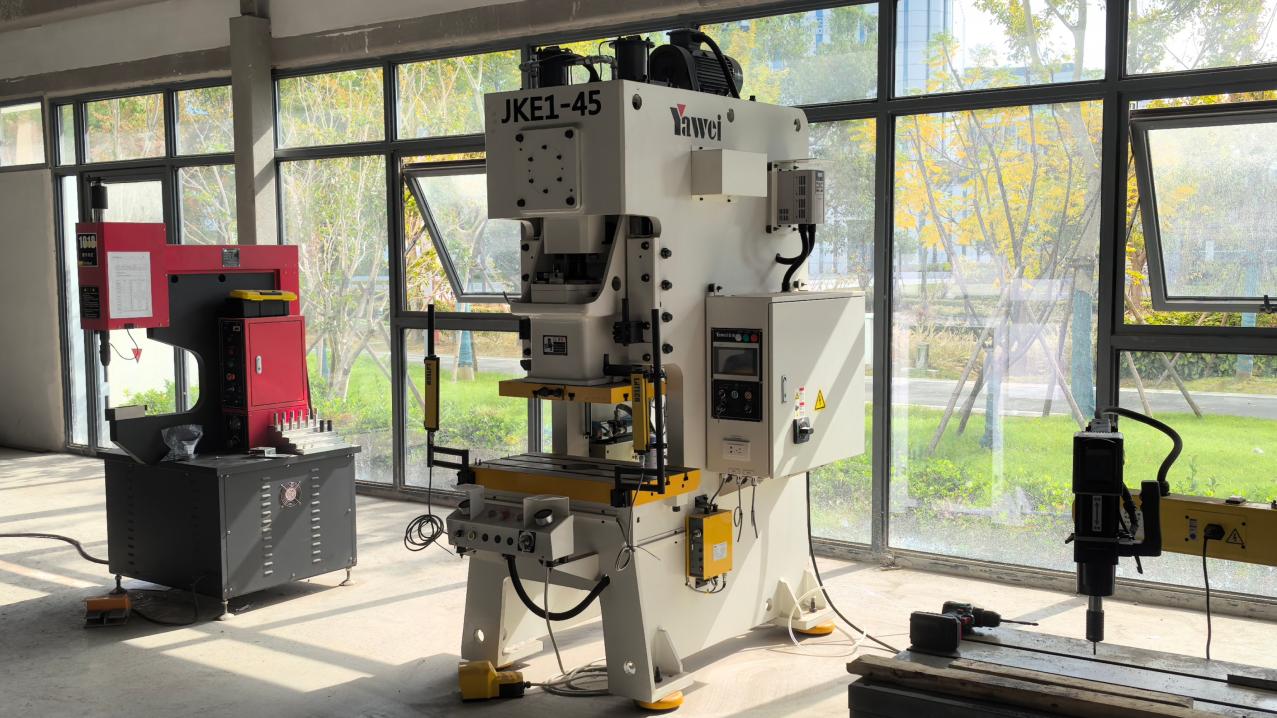
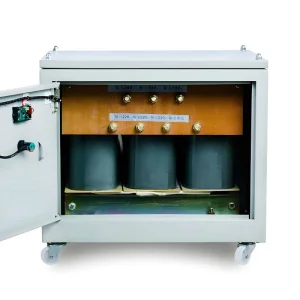
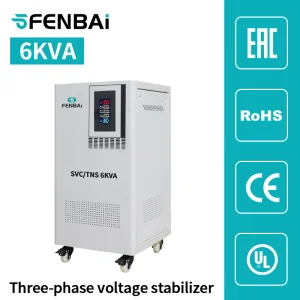
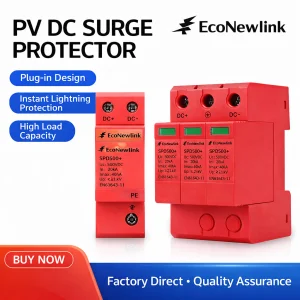
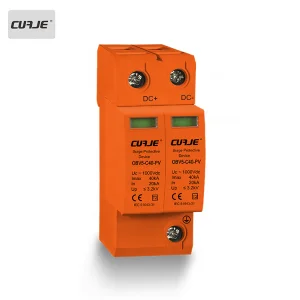
Explore our full range of power electronics, dynamic stabilizers, and surge protection equipment designed to meet the strict quality standards of the Danish market.
Resolving key design, safety, and supply chain queries raised by Danish electrical engineering panels and developers.
Partner with Zhejiang Sowest Electric for certified energy storage and power quality equipment. Contact our engineering team today for custom configurations, technical designs, and pricing.
Send Inquiry Now Sowest Electric