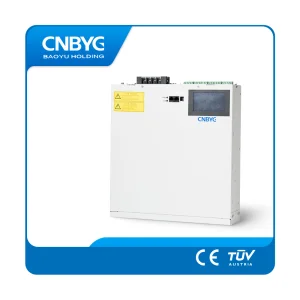
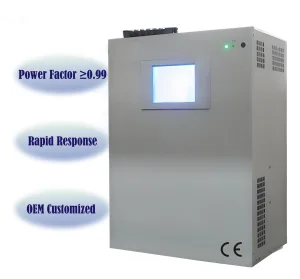
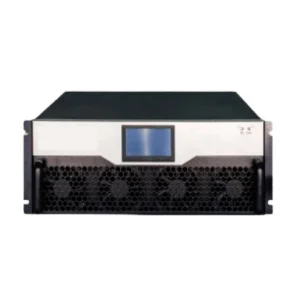
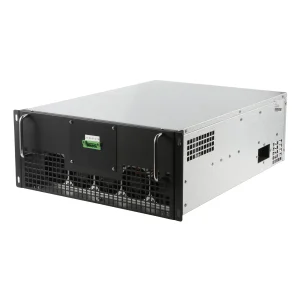
Premium, high-speed active power filters and harmonic mitigation panels designed to meet IEEE 519 compliance standards in the Greater Toronto Area.
As Canada's financial heart and Ontario's premier industrial hub, the Greater Toronto Area (GTA) hosts a highly dense concentration of modern, non-linear electrical loads. Over the past decade, rapid advancements in digital transformation have led to a massive expansion of hyperscale data centers in Vaughan, Markham, and downtown Toronto, alongside highly automated manufacturing centers in the Golden Horseshoe region. While these technologies dramatically increase operational capability, they also introduce a critical technical side effect: harmonic pollution.
Non-linear equipment such as variable frequency drives (VFDs), uninterruptible power supplies (UPS), robotic assembly arms, and LED lighting draw current in non-sinusoidal pulses. This action distorts the electrical waveform, injecting high-frequency components—specifically 3rd, 5th, 7th, 11th, and 13th order harmonics—back into Ontario's electrical grid. Left unmitigated, harmonic distortion increases thermal dissipation in transformers, causes premature insulation failure in electric motors, triggers nuisance tripping of circuit breakers, and decreases overall system power factor.
To maintain local network reliability, Ontario utilities including Toronto Hydro, Hydro One, and Alectra Utilities enforce strict harmonic limits at the Point of Common Coupling (PCC) aligned with the IEEE 519-2022 standard. This has shifted the local engineering focus away from traditional passive LC filters, which risk grid resonance and lack adaptability, toward dynamic, DSP-controlled Active Power Filters (APFs) that can actively monitor and cancel harmonic currents in real-time.
An Active Power Filter (APF) operates on the principle of active destructive interference. The system continuously monitors the load-side current through external current transformers (CTs). The raw analog current data is converted to high-speed digital signals and fed into a high-performance digital control block utilizing a dual-core DSP and FPGA platform.
Instantaneous Reactive Power Theory (p-q theory): The algorithm calculates the instantaneous harmonic current components by transforming the 3-phase currents into two-axis stationary coordinates. It extracts the distorted components from the fundamental 50/60 Hz sine wave, generating a precise, inverse-phase reference signal.
This dynamic reference signal controls the firing of high-frequency Insulated Gate Bipolar Transistors (IGBTs) within a 3-phase voltage source inverter (VSI). By injecting a compensating current equal in magnitude but opposite in phase to the harmonic current, the APF effectively neutralizes the distortion. Consequently, the utility grid sees only a clean, sinusoidal current waveform with a displacement power factor approaching unity (cos φ > 0.99).
Simultaneously filters 2nd to 50th order harmonics with individual order control limits, enabling targeting of resonant frequencies.
Combines a fast DSP for mathematically intensive algorithms with an FPGA for real-time IGBT firing control.
Offers step-less leading and lagging reactive power compensation (SVG mode), preventing voltage sag/swell conditions.
Due to the distinct profile of Ontario’s regional economy, active power filtering requirements vary widely by application. Our technical implementations target three key segments in the Toronto market:
Modern office towers housing financial institutions on Bay Street operate thousands of switch-mode power supplies, server racks, and massive HVAC variable speed drives. The dominant harmonic present is the 3rd order (180 Hz on a 60 Hz base line), which accumulates in the neutral conductor of 3-phase 4-wire systems. This neutral harmonic load causes overheating in neutral wiring and distribution transformers. A dedicated 3-phase 4-wire APF effectively targets neutral currents, eliminating phase imbalances and safeguarding critical computing infrastructure.
Within manufacturing centers in Mississauga, Brampton, and Oakville, large robotic welding fields, heavy hydraulic presses, and multi-axis CNC machines create severe, transient voltage sags and rapid harmonic bursts. The power quality system here must handle fast-changing loads. Sowest modular APF systems, featuring response times under 5 milliseconds, act quickly to stabilize voltage fluctuations, prevent control system reboots, and reduce scrap rates in precision assembly processes.
Modern data centers utilize large-scale static UPS systems with double-conversion topologies. At partial loads, the input rectifier stage of older UPS designs can exhibit elevated total harmonic distortion of current (THDi). By installing modular, drawer-type APFs directly in the LV distribution boards (480V or 600V systems via step-down transformers), operators can limit THDi at the utility input. This setup ensures compatibility with emergency standby diesel generators and helps avoid sizing penalties.
The power electronics industry is transitioning from conventional Silicon (Si) IGBTs to Wide-Bandgap (WBG) semiconductors, primarily Silicon Carbide (SiC). This technological shift is redefining the performance envelope of active power filters.
By leveraging SiC MOSFET technology, next-generation APFs can raise their internal switching frequencies from the standard 15-20 kHz up to 50 kHz and beyond. The physical properties of Silicon Carbide allow for lower switching losses, meaning the equipment can run cooler and with smaller inductors and capacitors.
| Engineering Metric | Traditional Silicon IGBT APF | Next-Gen Silicon Carbide (SiC) APF | Impact on Toronto Operations |
|---|---|---|---|
| Switching Frequency | 15 kHz - 20 kHz | 40 kHz - 60 kHz | Faster response, higher-order harmonic filtering (up to 50th). |
| Heat Dissipation | Standard (Moderate losses) | Reduced by up to 45% | Lower cooling costs in server rooms and factory control cabinets. |
| Physical Footprint | Base Size (Larger LCL filter components) | Reduced by 30% - 40% | Drawer-type configuration ideal for space-constrained GTA retrofits. |
| Overall Efficiency | 95.5% - 96.2% | > 97.8% | Lower energy usage, contributing to LEED certification points. |
For Toronto businesses aiming for net-zero carbon operations or pursuing LEED certifications, switching to a SiC-based APF helps minimize auxiliary power usage within facility distribution boards. Additionally, modern control algorithms are incorporating predictive AI models that learn localized load profiles. This allows the filter to adapt its switching patterns dynamically to match recurring daily industrial processes.
Explore our full line of active harmonic mitigation panels, modular drawer-type filters, and customized reactive power compensators.
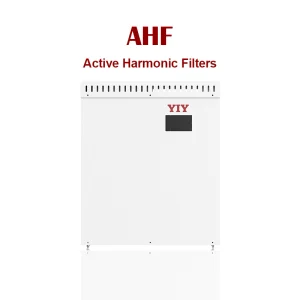
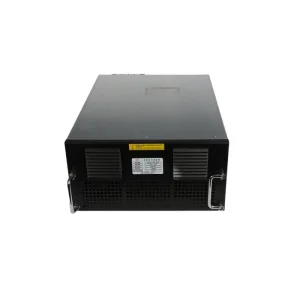
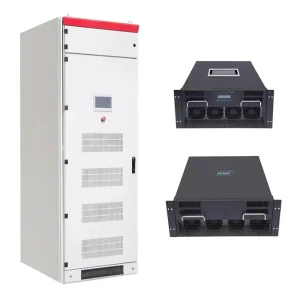
For Canadian engineering firms, distributors, and electrical contractors in Ontario, sourcing active power filters directly from established international manufacturers like Zhejiang Sowest Electric Co., Ltd. offers a combination of technical customization and cost efficiency.
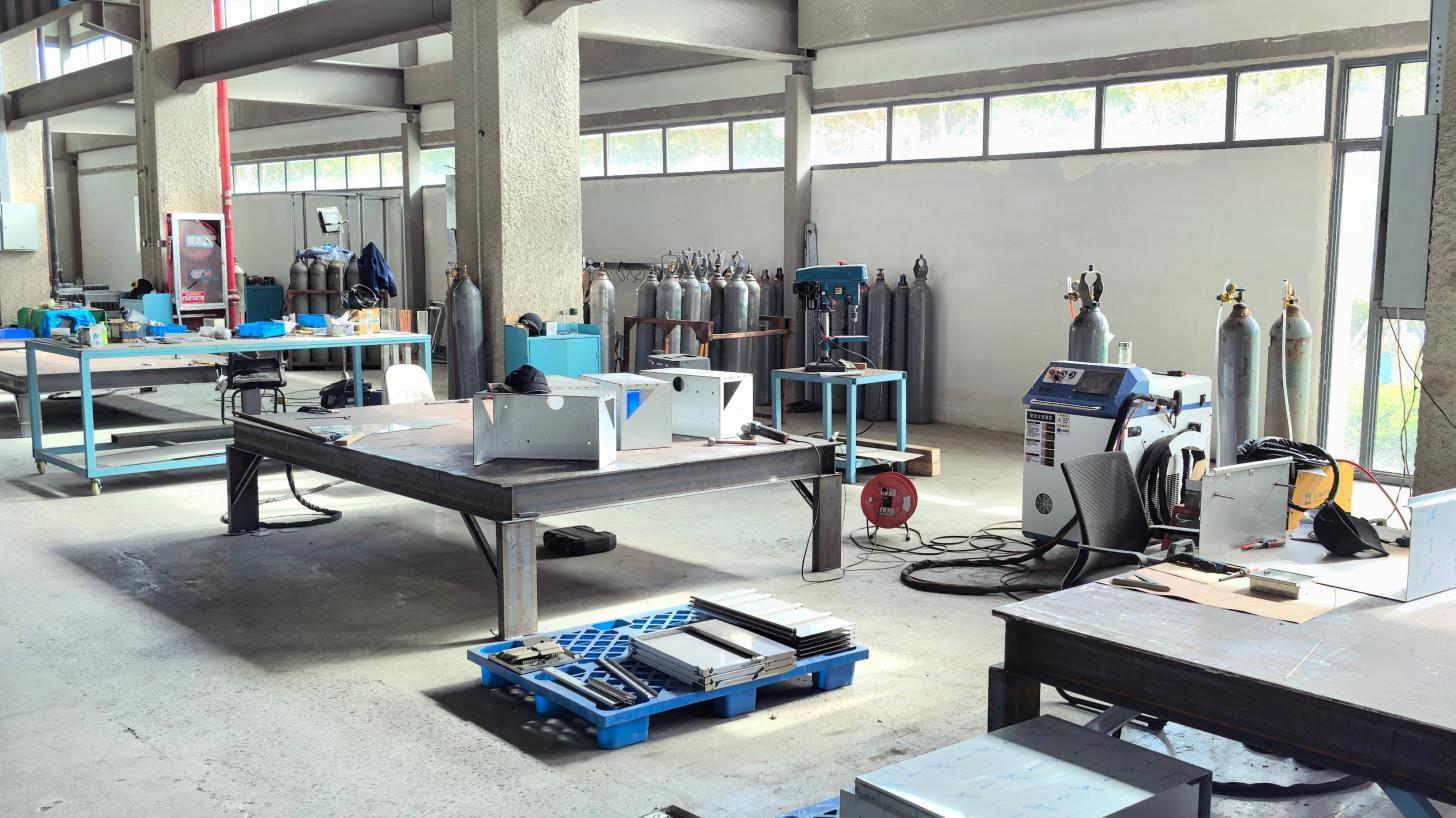
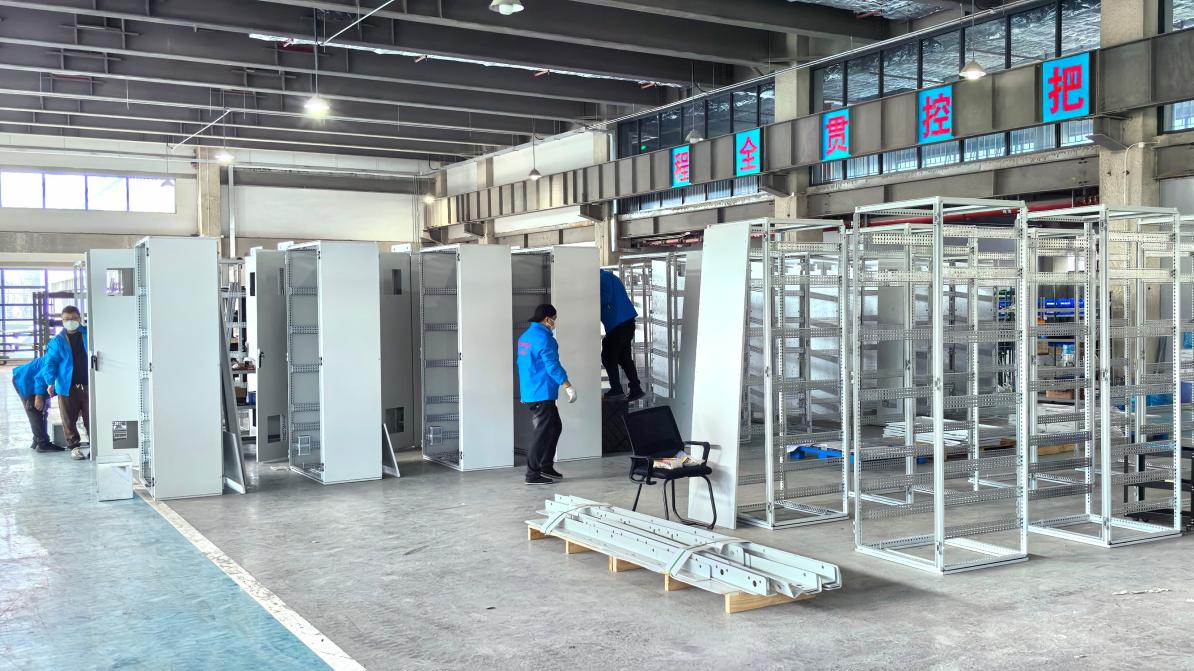
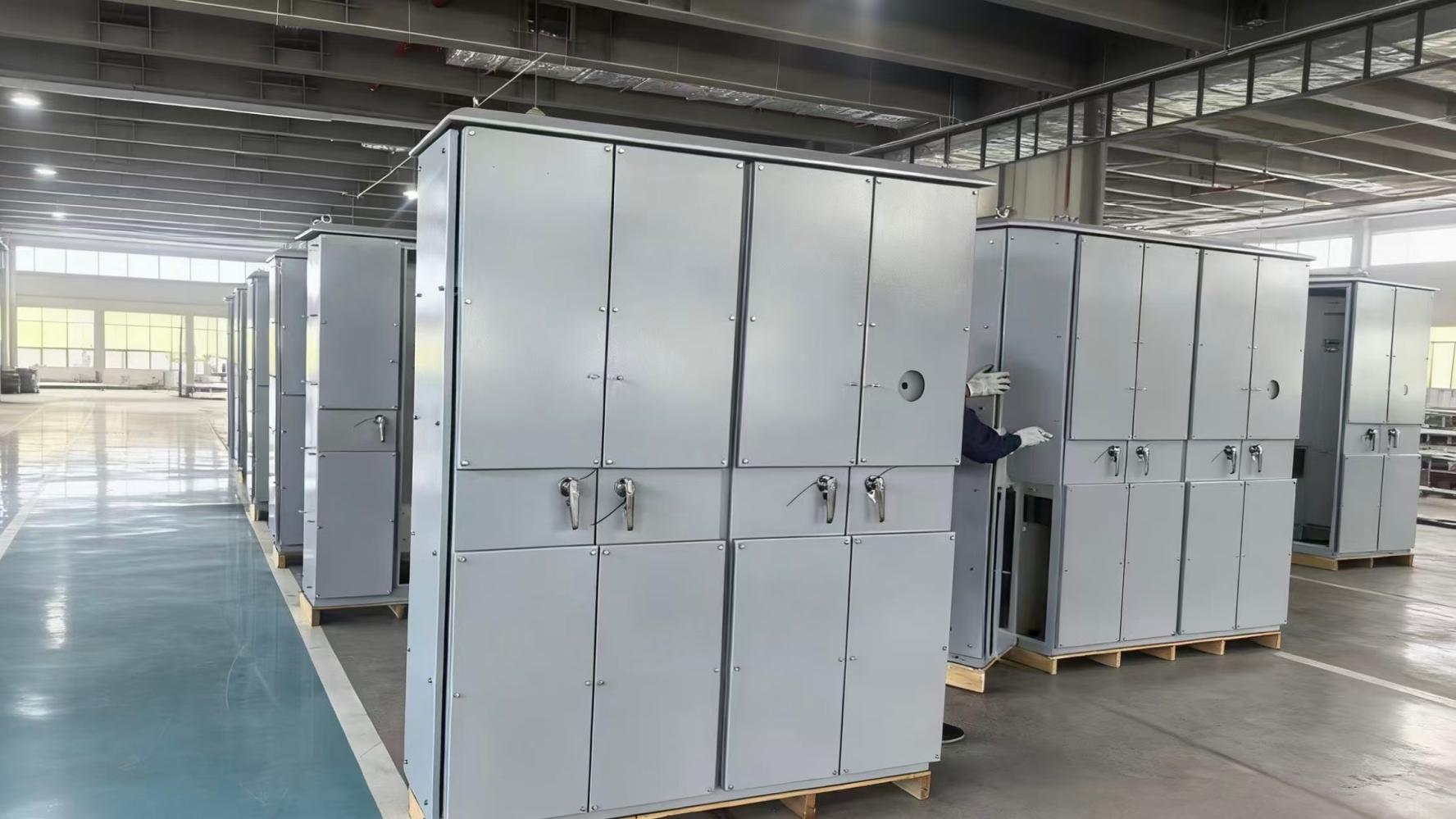
By bypassing localized distribution layers, project engineers can work directly with our R&D team to modify internal parameters, design custom enclosures (such as NEMA 1, 12, or 3R to suit Canadian environmental installations), and specify preferred components. Our factory utilizes high-grade testing bays and advanced assembly setups to ensure that each unit is configured to meet the specific requirements of the site it is destined for.
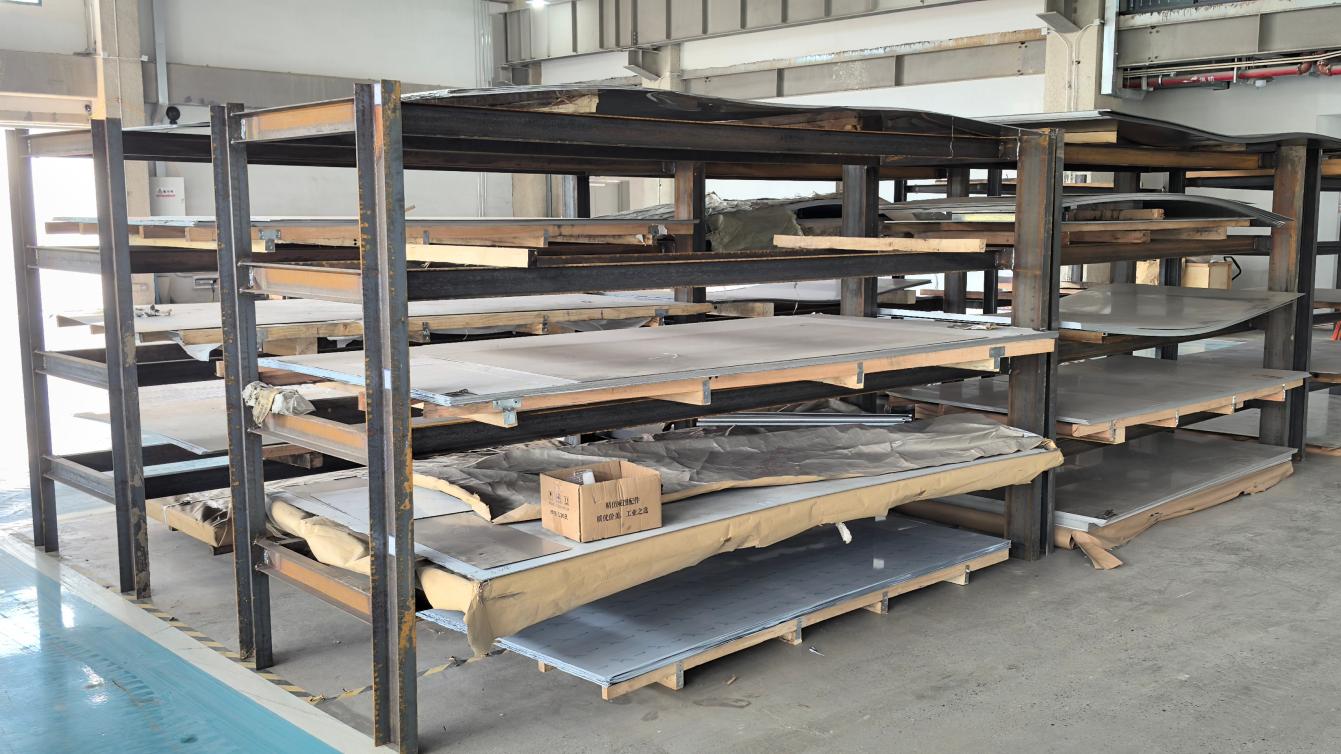
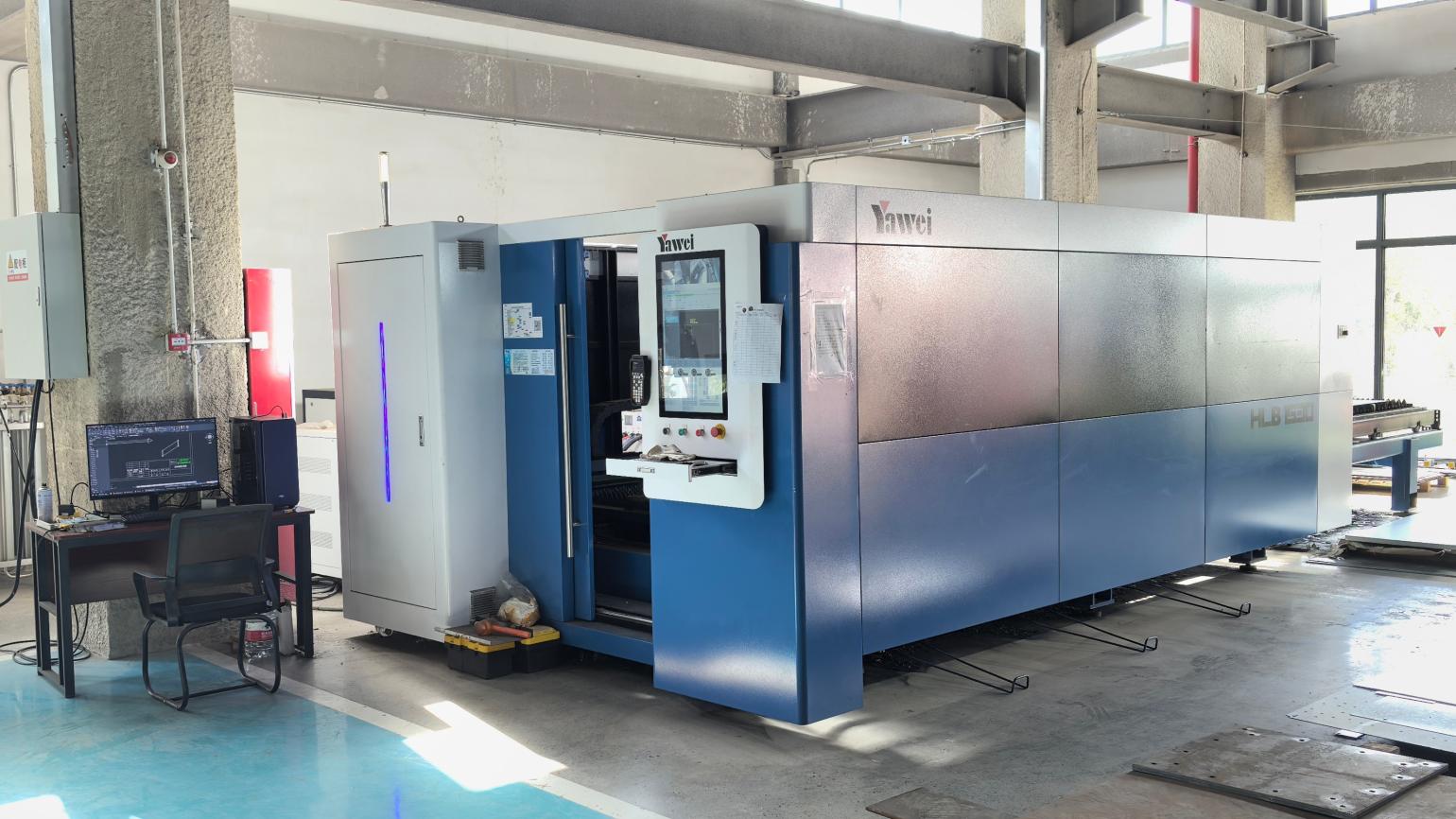
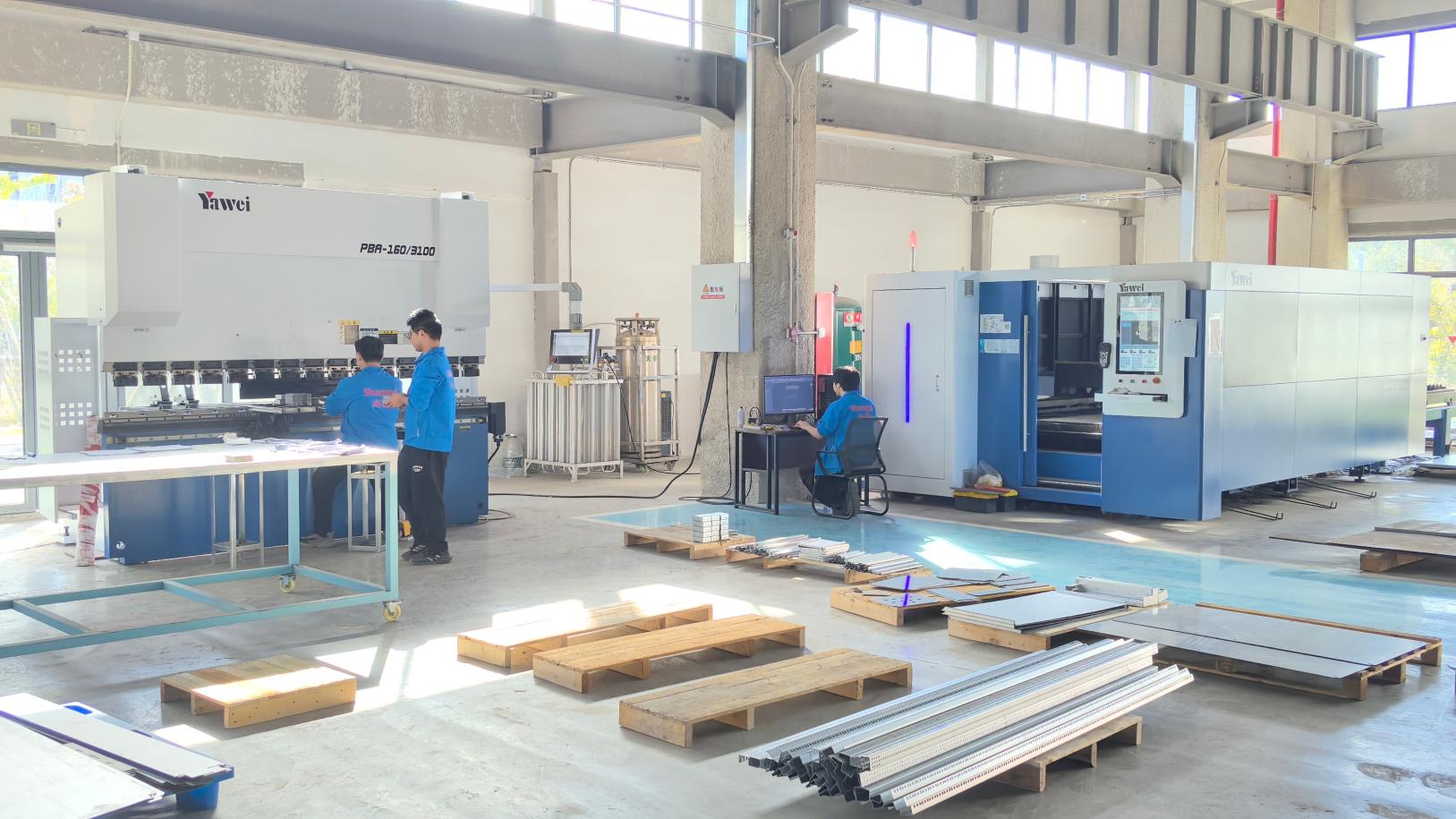
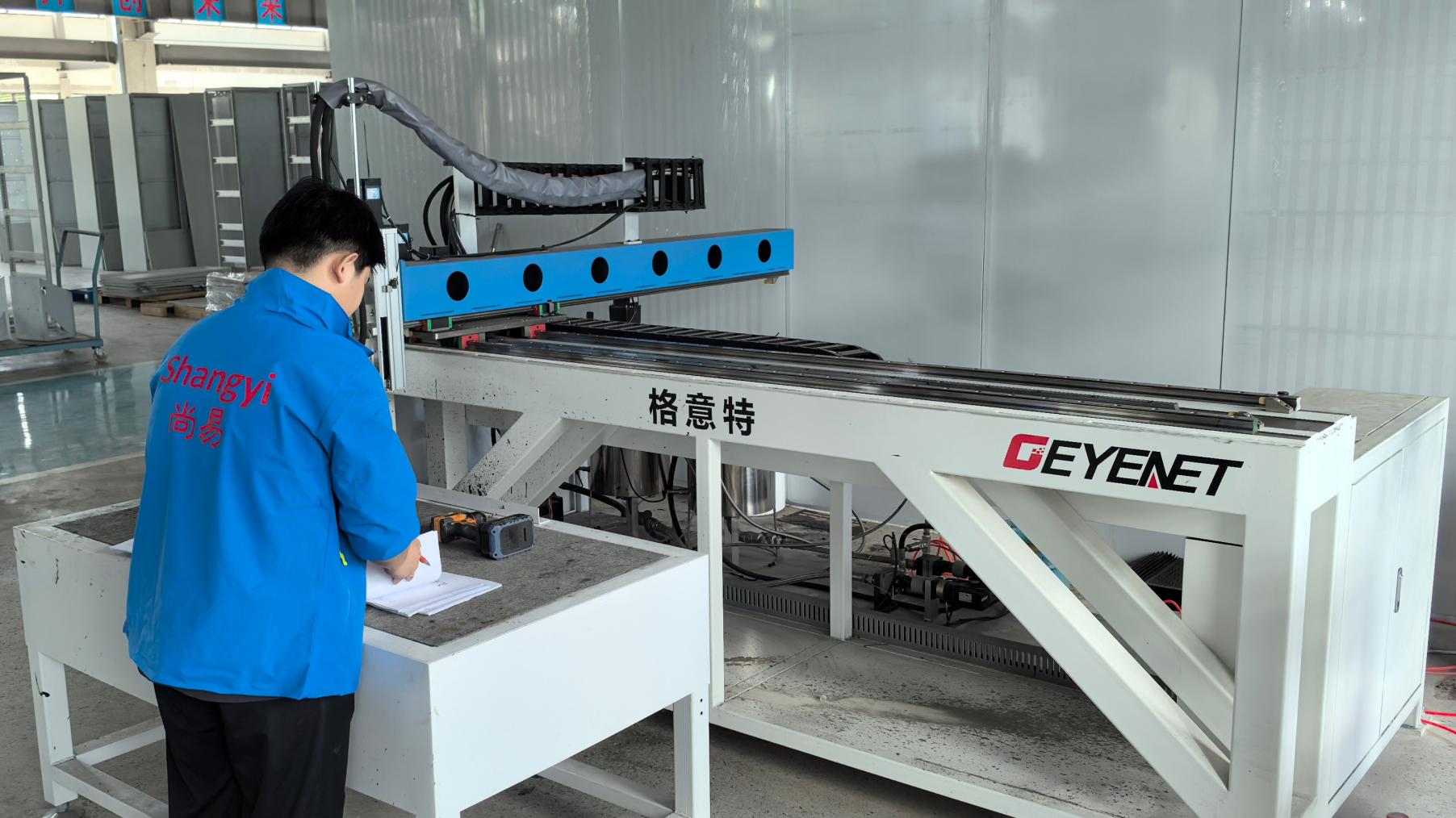
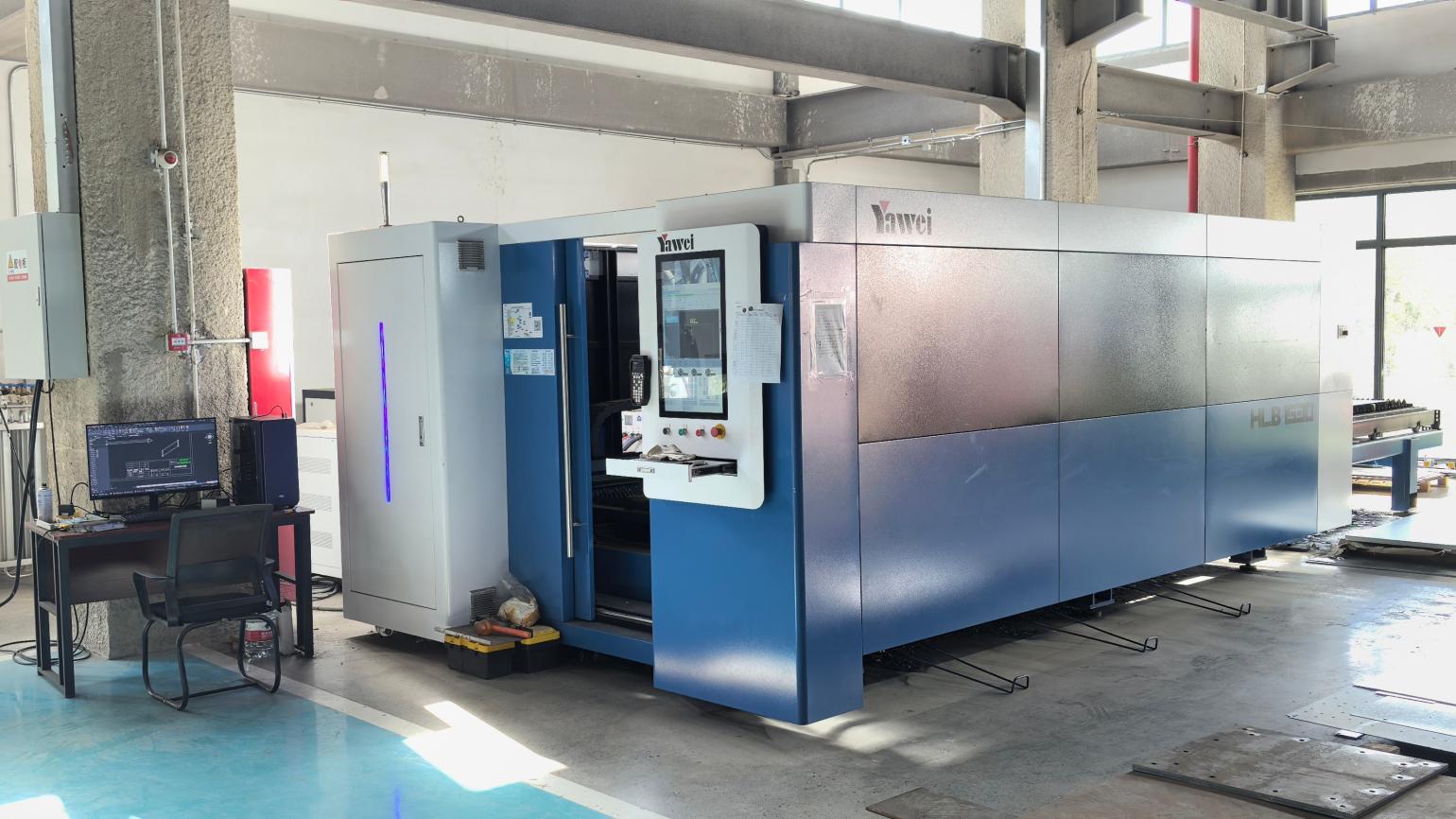
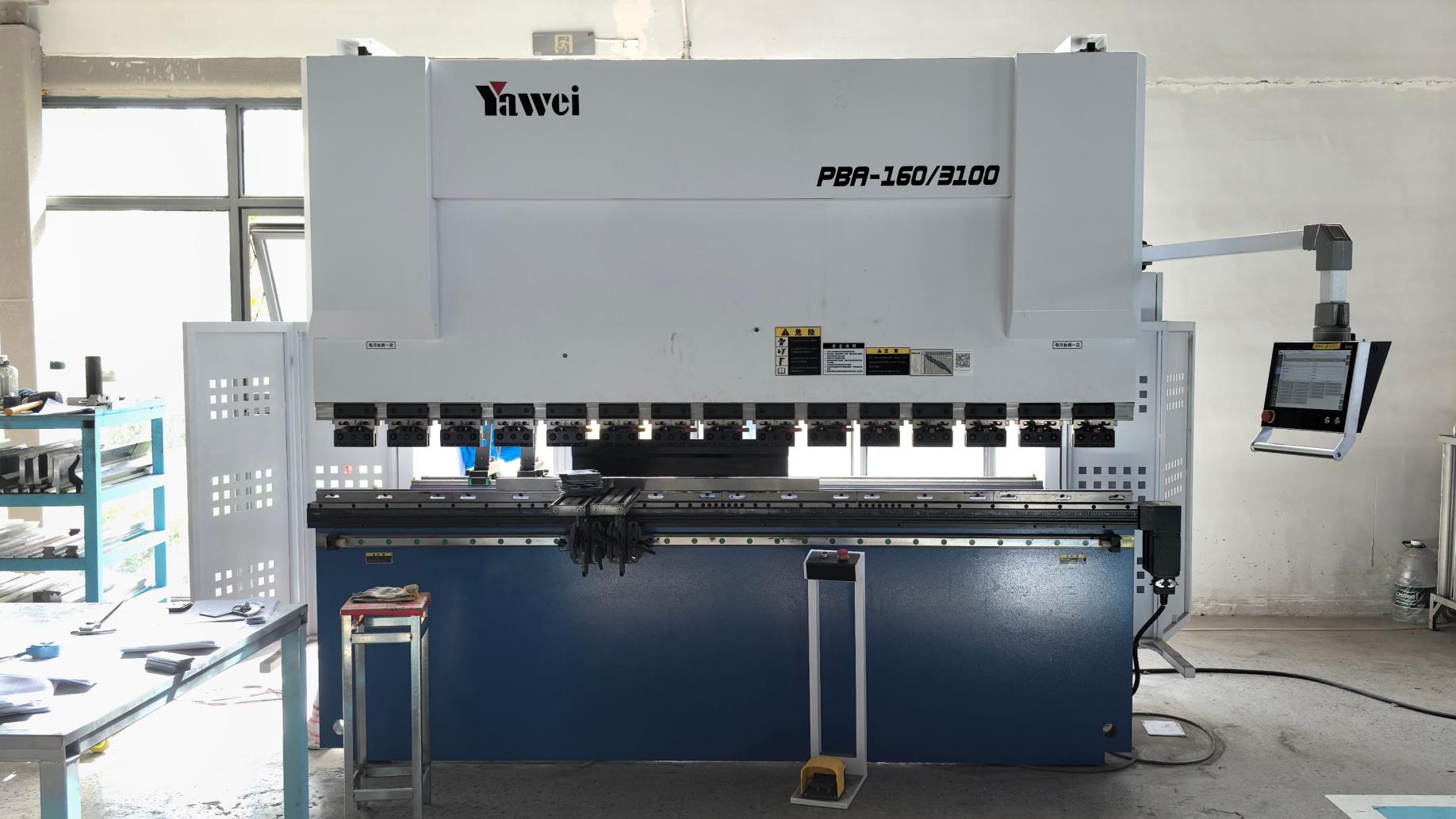
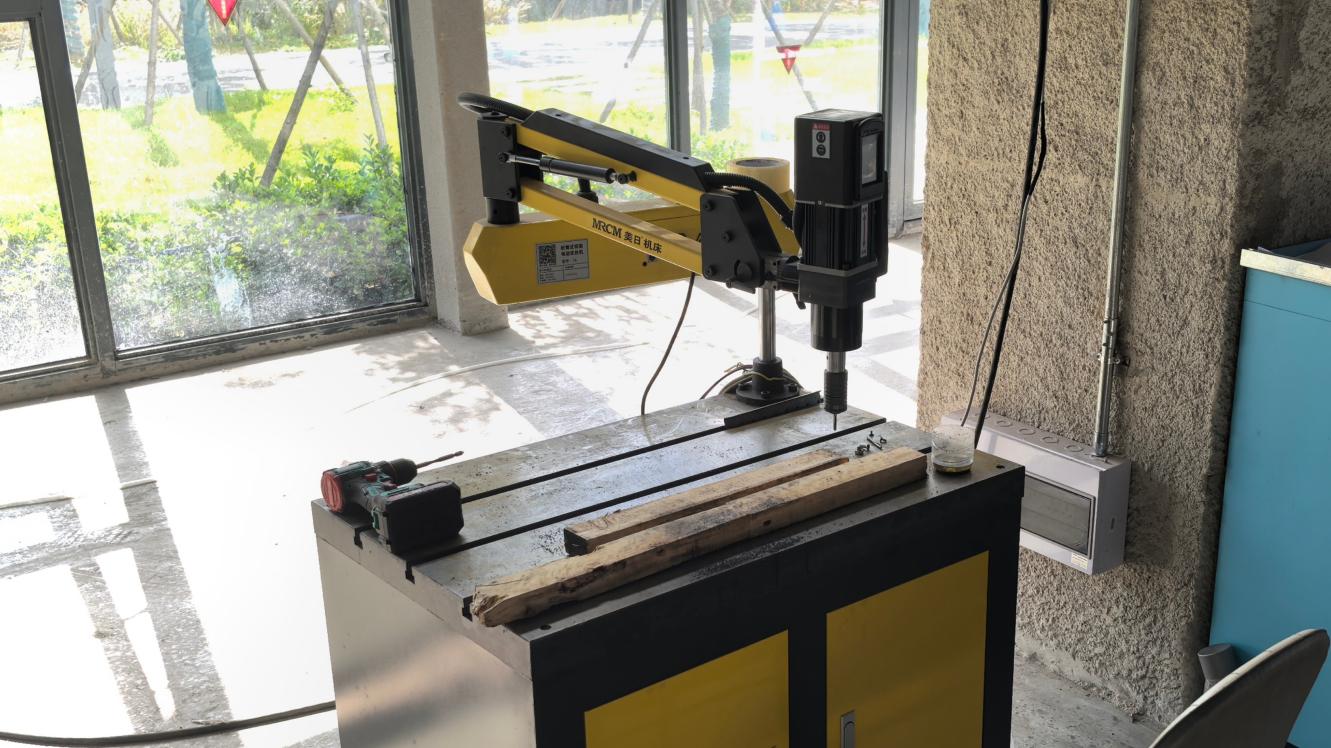
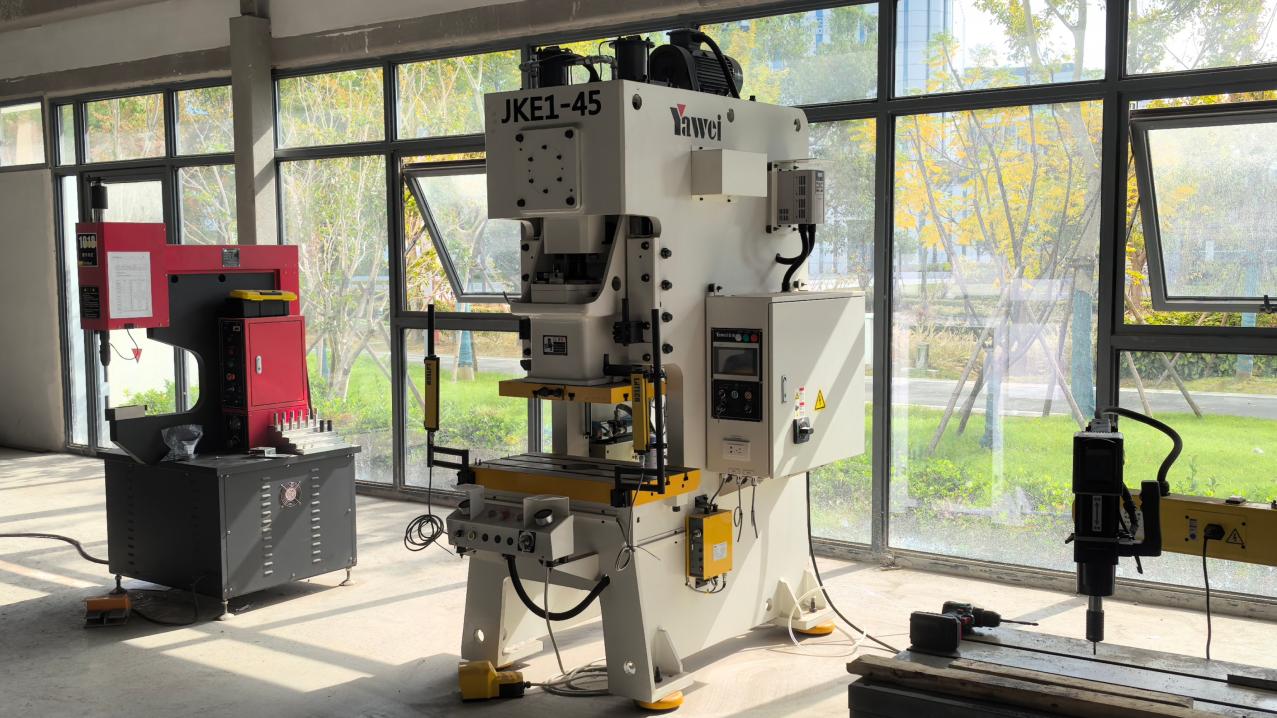
Our integrated production model handles every stage of manufacturing—from raw material purchase and high-speed CNC sheet metal processing to automated PCB dispensing, component assembly, and multi-point load testing. This end-to-end oversight minimizes quality drift, ensures component traceability, and maintains reliable production schedules.
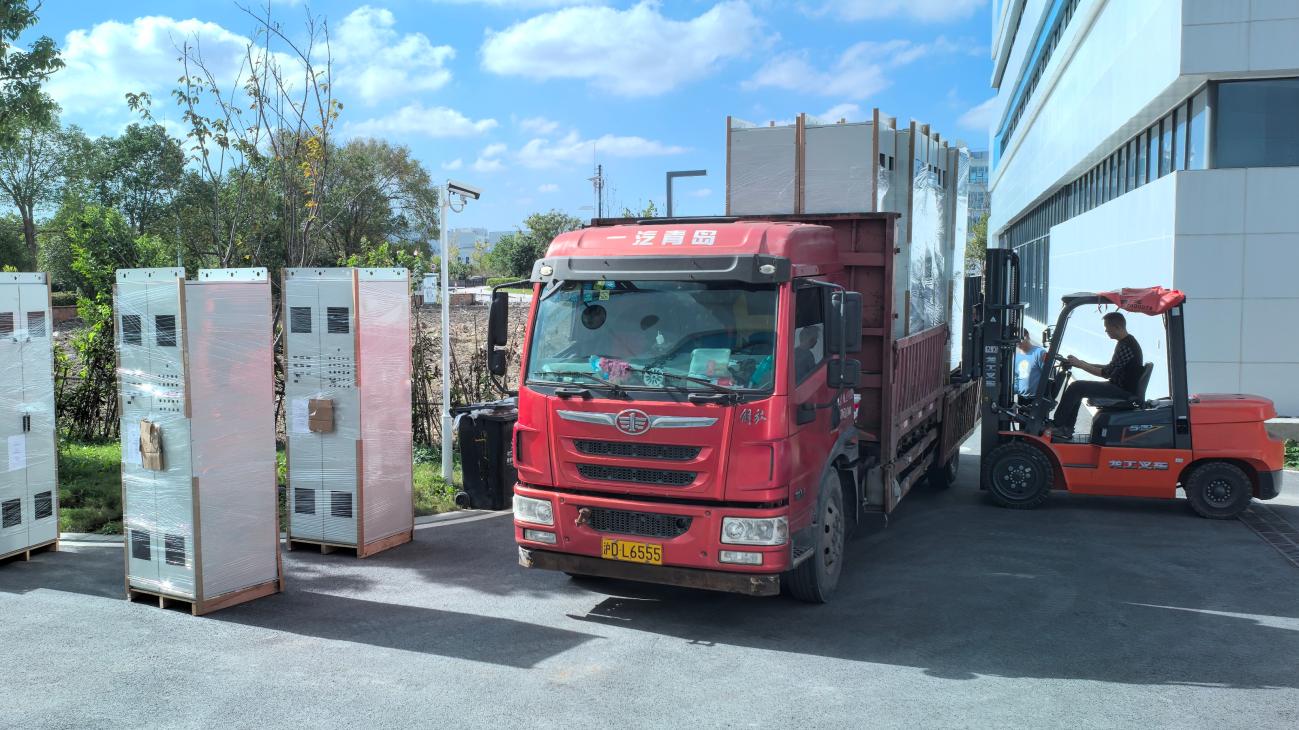
To support fast deployment schedules in North America, we coordinate shipping logistics through primary container routes, moving cargo from coastal shipping ports directly to Canada's East Coast gateways (Port of Halifax or Port of Montreal) before transfer to intermodal rail yards in Toronto. This established supply chain route helps keep delivery times predictable for large-scale construction and industrial projects.
Reliable active power filtering depends on high-quality manufacturing processes. At Zhejiang Sowest Electric Co., Ltd., we maintain a complete quality management system. Our production lines feature automated machinery designed for precision, consistency, and thermal stability under continuous operating conditions.
Zhejiang Sowest Electric Co., Ltd. is an innovative enterprise specializing in the research, development, manufacturing, and sales of power supply and electrical distribution equipment. With a strong commitment to technological innovation, product quality, and customer satisfaction, the company has established itself as a reliable partner for power generation, transmission, distribution, industrial automation, transportation, petrochemical, telecommunications, and infrastructure projects worldwide. Our core product portfolio includes AC/DC Power Supply Panels, DC Power Systems, UPS (Uninterruptible Power Supply) Systems, Battery Chargers, DC Distribution Panels, AC Distribution Panels, Central Signal Panels, Power Monitoring Systems, Circuit Breakers, Power Feeding Panels, and other integrated power supply solutions.
Key technical queries compiled by application engineers for commercial, industrial, and utility operators in Ontario.
 Sowest Electric