Protecting high-sensitivity force sensors, automated weigh stations, and processing plants from transient voltage and grid noise.
The global transition toward Industry 4.0 and automated production lines has transformed the humble force sensor from a simple analog weight recorder into an intelligent, data-generating edge node. Modern industrial applications require load cells that do not just measure mass, but communicate dynamic vectors, multi-axis forces, and operational health in real-time.
OEM/ODM load cell manufacturing now occupies a critical position in industrial technology. As mechanical platforms shrink and processing speeds accelerate, standard off-the-shelf load sensors fail to meet strict space, response time, and environmental criteria. From precision pharmaceutical batching to multi-ton port cranes, customized engineering has become the benchmark for operational efficiency.
A close examination of core components, alloy metallurgy, and calibration procedures that define professional OEM/ODM sensor manufacturing.
The structural core of a load cell, known as the spring element, determines its performance. OEM suppliers utilize high-purity materials: Aviation-grade Aluminum (for low capacity/high sensitivity), Nickel-plated Alloy Steel (for cost-efficient industrial applications), and 17-4 PH / 316L Stainless Steel (for extreme corrosion resistance). Advanced Finite Element Analysis (FEA) simulates load paths to optimize strain distribution and prevent yield deformation under overload conditions.
Precision strain gauges are bonded to the spring element in a Wheatstone Bridge configuration. For OEM projects, custom resistance layouts (such as 350Ω, 700Ω, or 1000Ω bridges) are selected to balance power consumption, signal amplitude, and thermal stability. Environmental sealing layers, using specialized resins or laser-welded bellows, shield the delicate gauges from moisture ingress and thermal drift.
Every industrial-grade load cell must undergo strict thermal compensation and calibration. Temperature variations cause physical expansion and change the electrical resistance of the bridge. Utilizing state-of-the-art environmental chambers, custom compensation resistors are added to stabilize the zero balance and span sensitivity across temperature ranges from -20°C up to +80°C.
High-precision load cells operate on millivolt-level analog outputs (typically 2mV/V). This makes them vulnerable to external electromagnetic interference, high-frequency harmonics, and transient voltage spikes. Power quality directly impacts reading accuracy, calibration drift, and component lifespan.
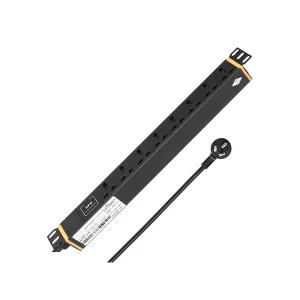
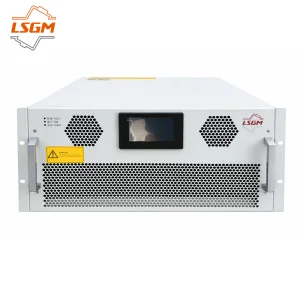
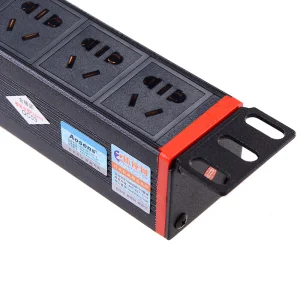
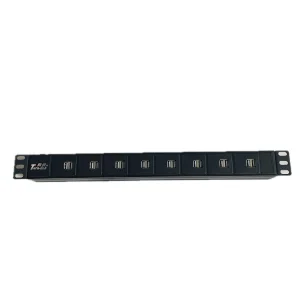
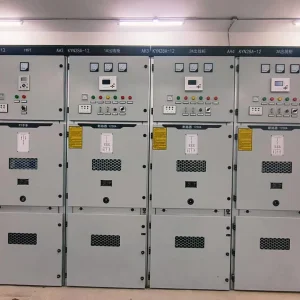
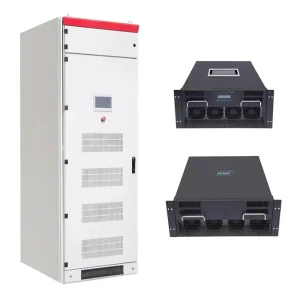
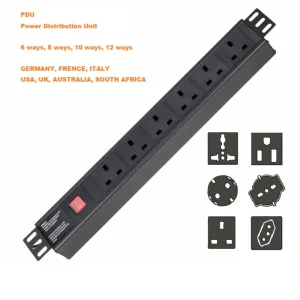
Zhejiang Sowest Electric Co., Ltd. addresses this issue by integrating Active Power Filters (APF) and Static Var Generators (SVG) into industrial electrical networks. By mitigating voltage distortions and compensating for reactive power, these devices create a clean electrical foundation. In addition, robust surge protection devices (SPDs) and specialized Power Distribution Units (PDUs) isolate sensitive weighing electronics from severe lightning strikes and power surges.
Harmonics caused by non-linear loads (like variable frequency drives) distort the reference voltage supplied to load cell excitation lines. High-performance APFs dynamically suppress these harmonics to ensure stable measurements.
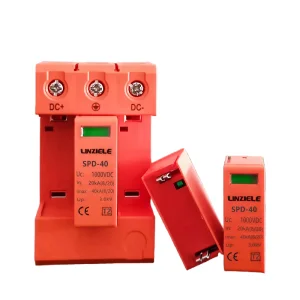
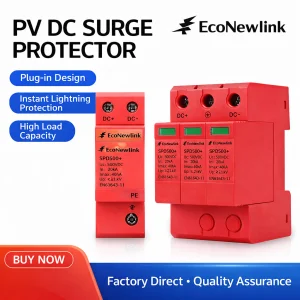
Outdoor truck scales and silo weighing systems are highly vulnerable to lightning strikes. Implementing Type 2 Surge Protective Devices (SPD) blocks dangerous high-voltage transients from reaching the load cell indicators.
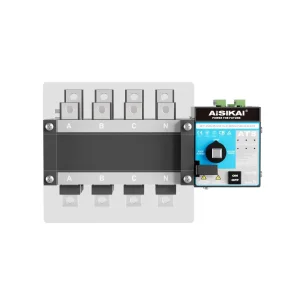
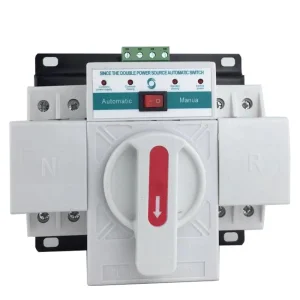
Uninterruptible Power Supplies (UPS) and Automatic Transfer Switches (ATS) ensure batching systems continue to function during power drops, preventing batch loss and system re-calibrations.
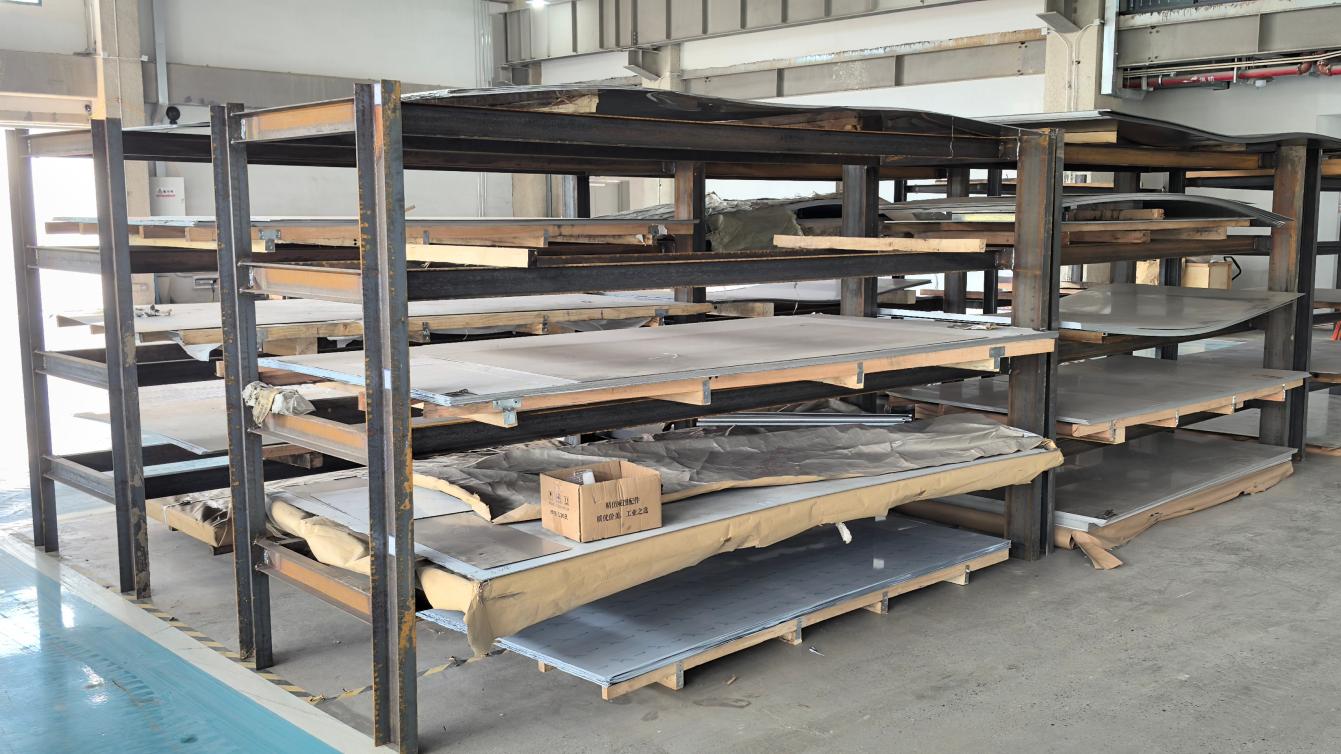
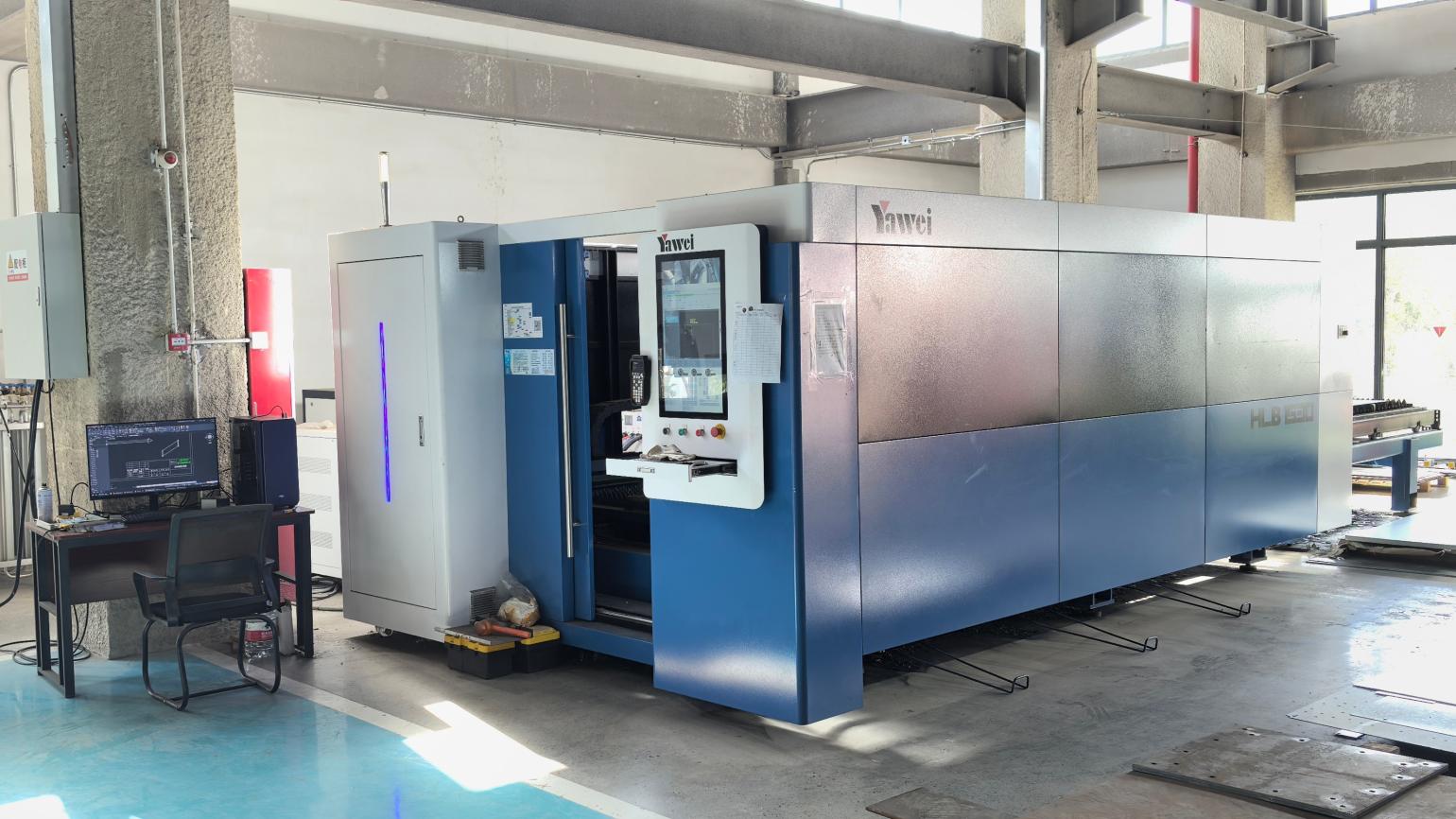
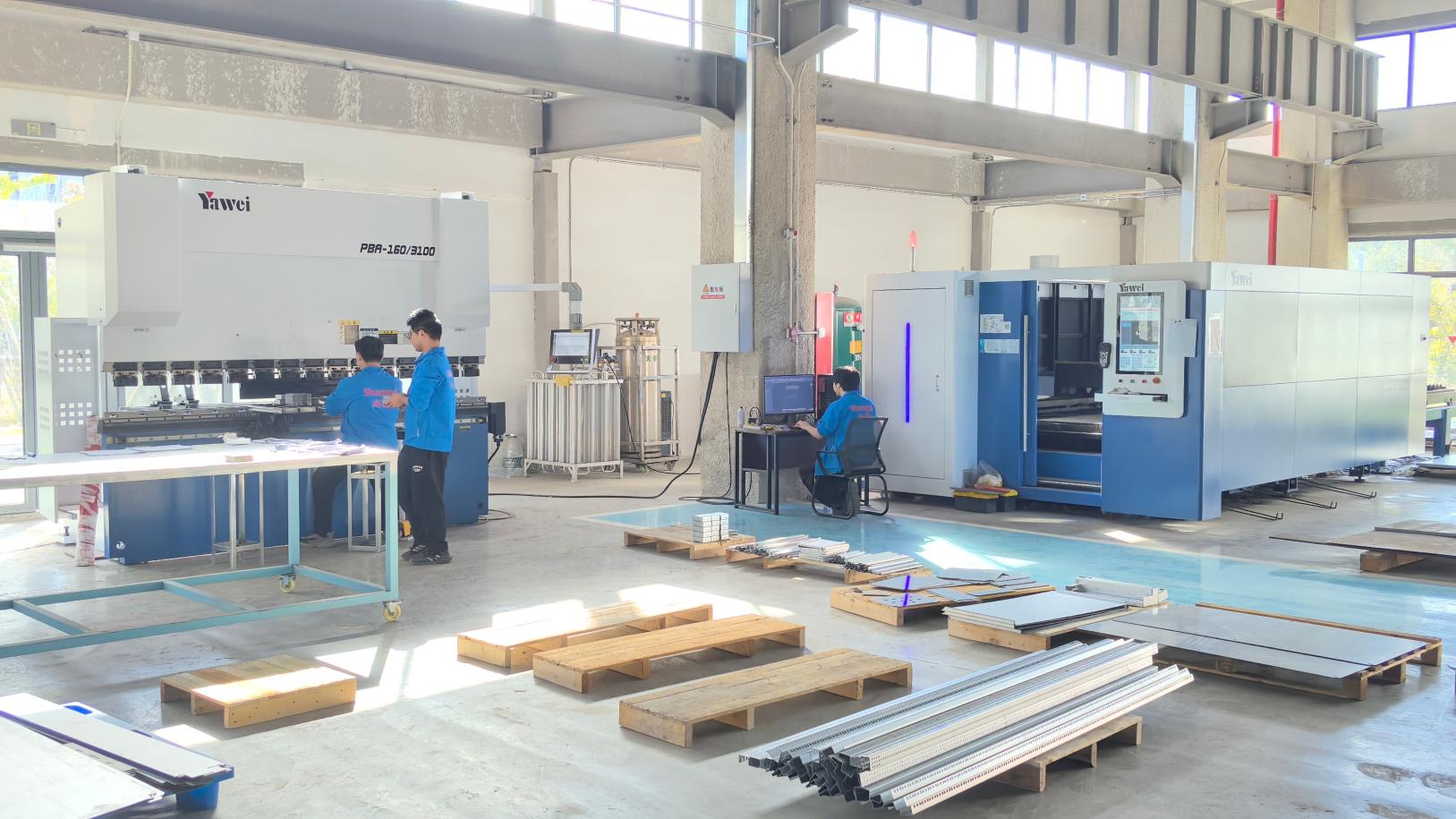
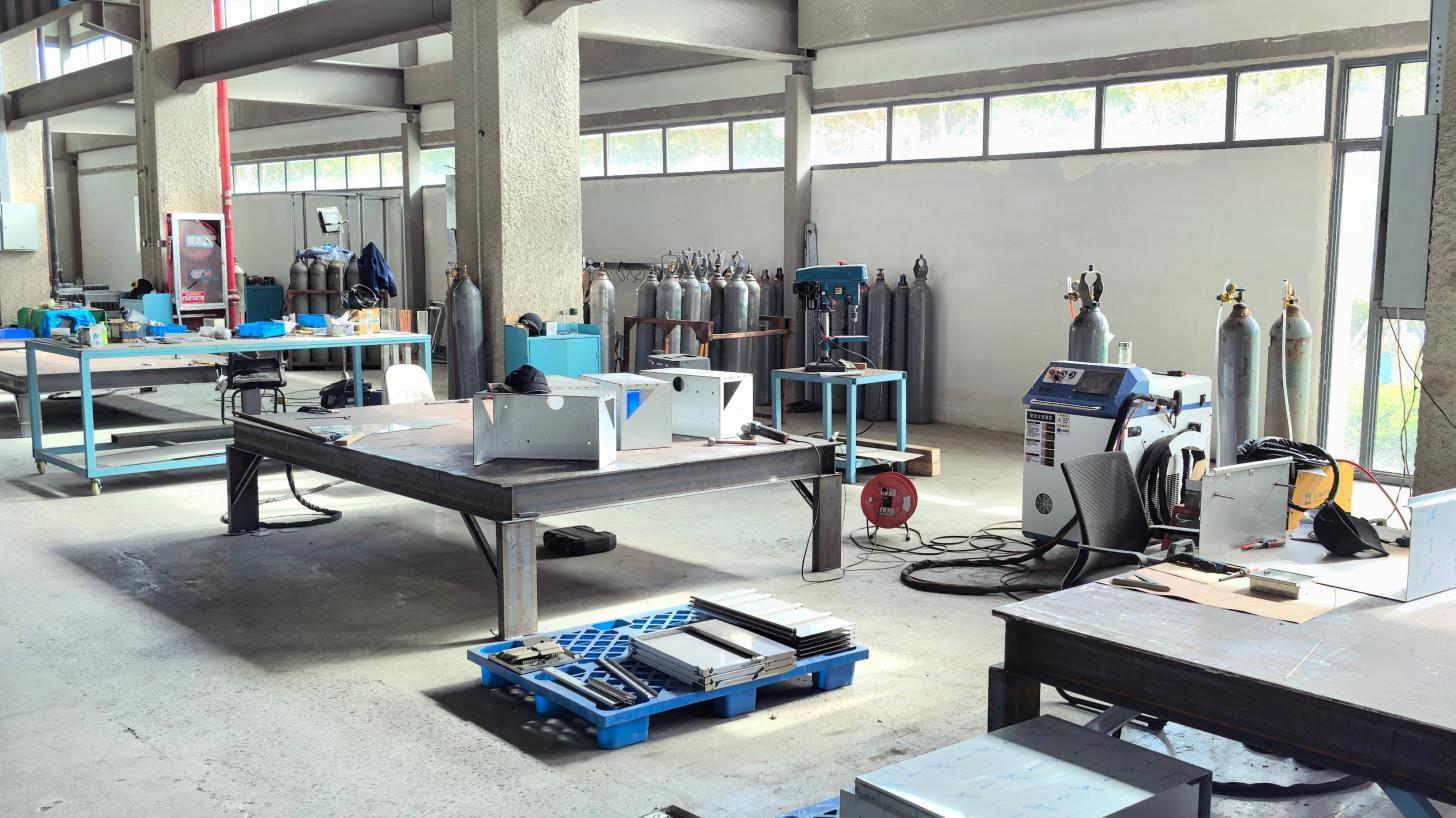
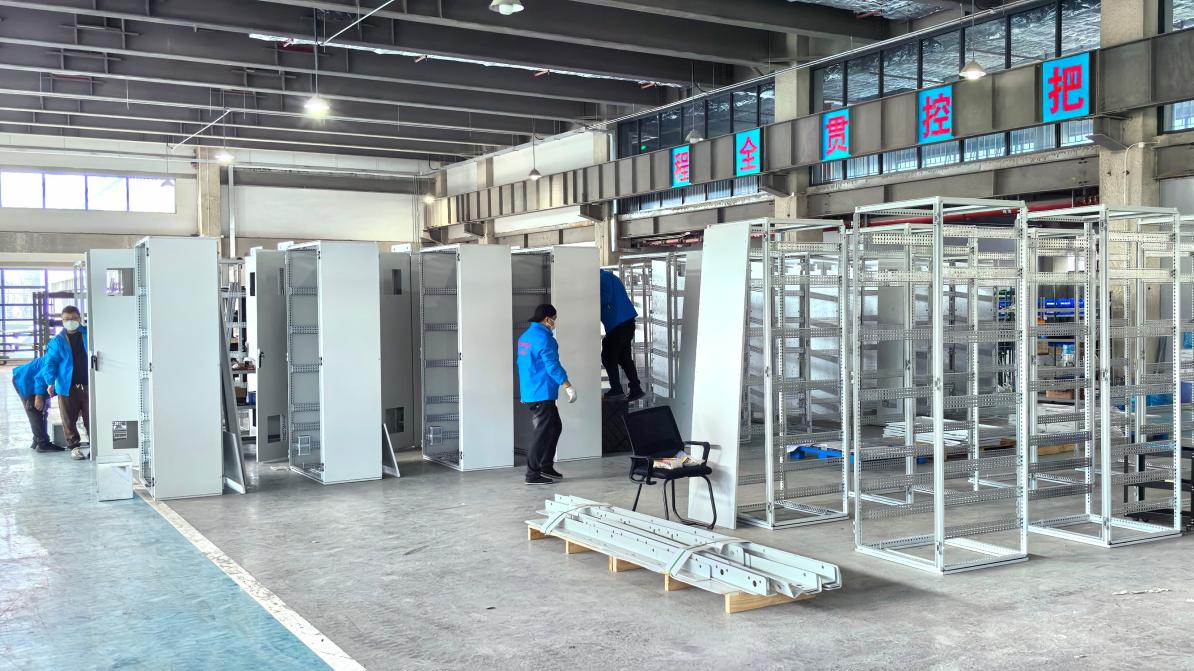
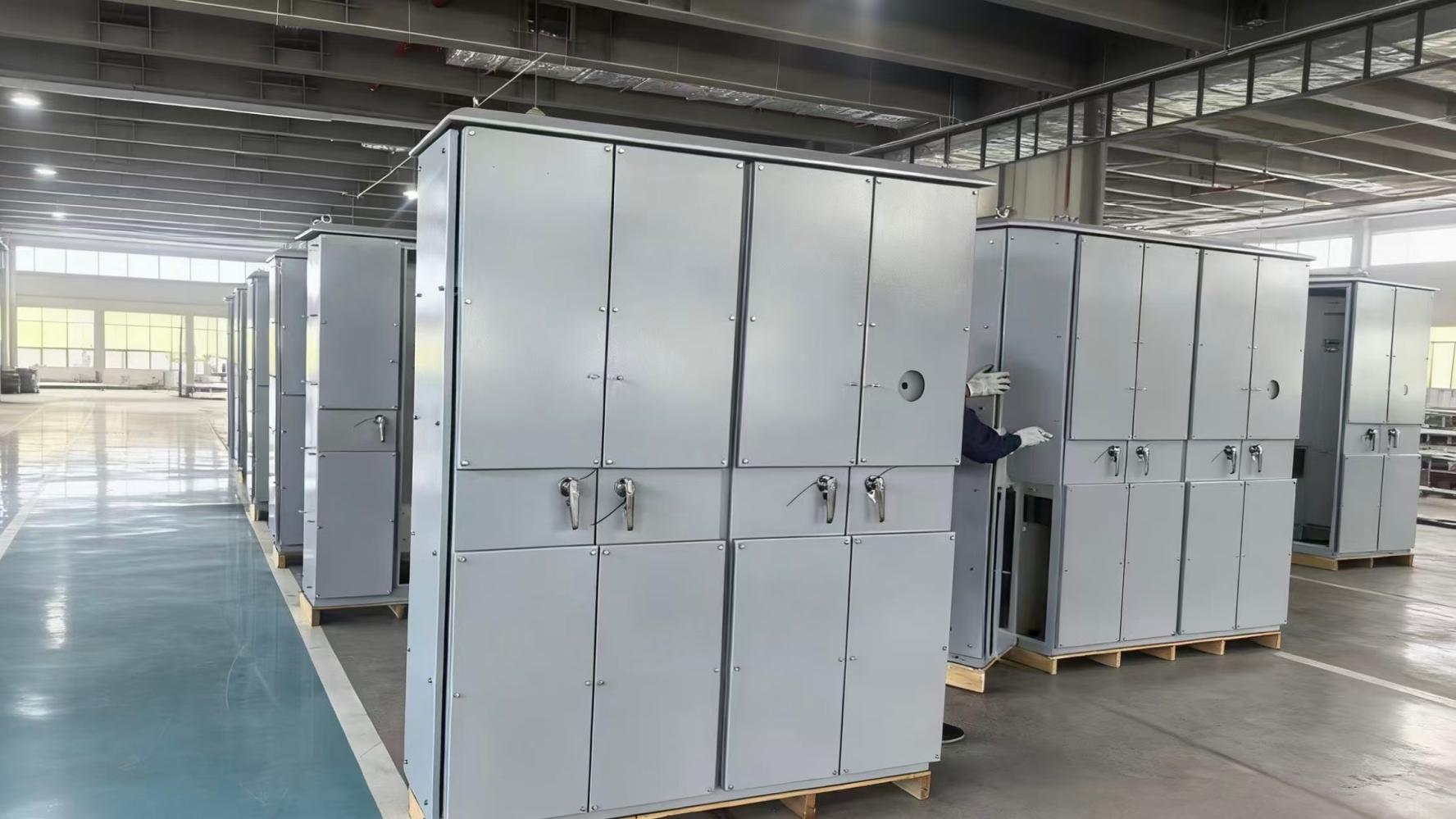
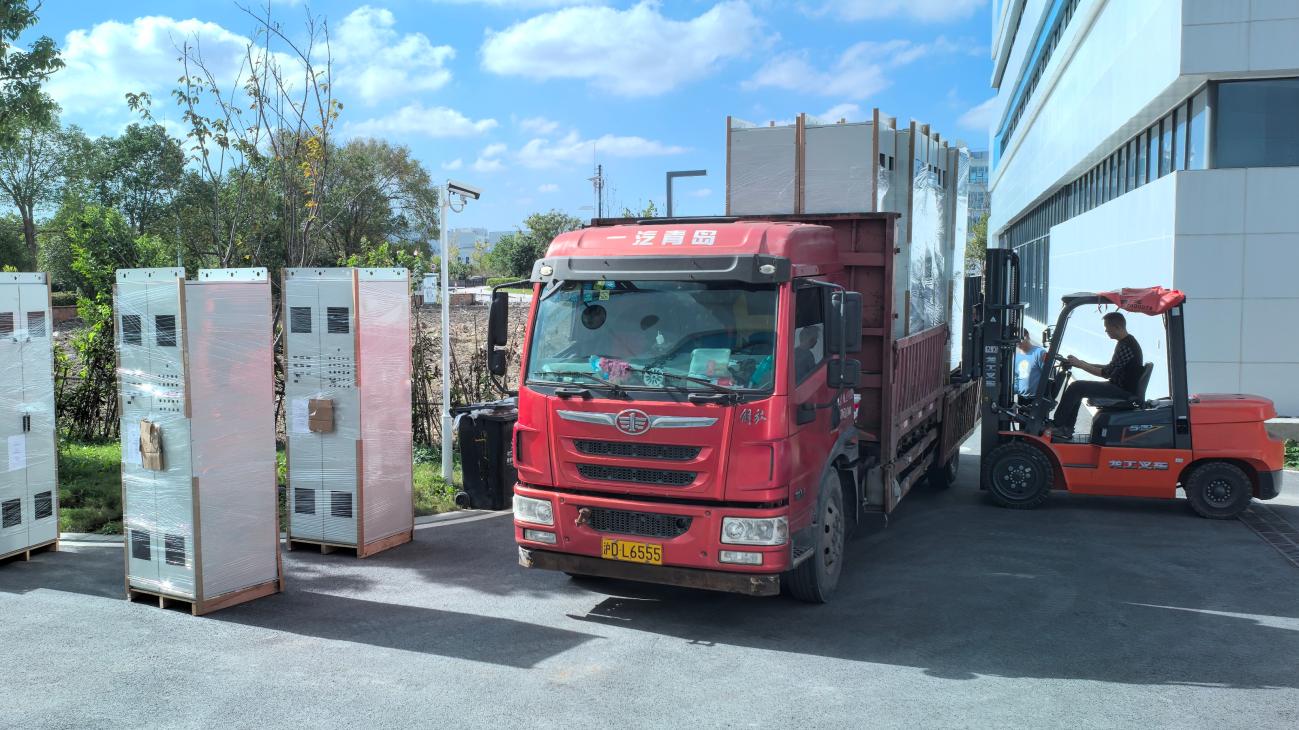
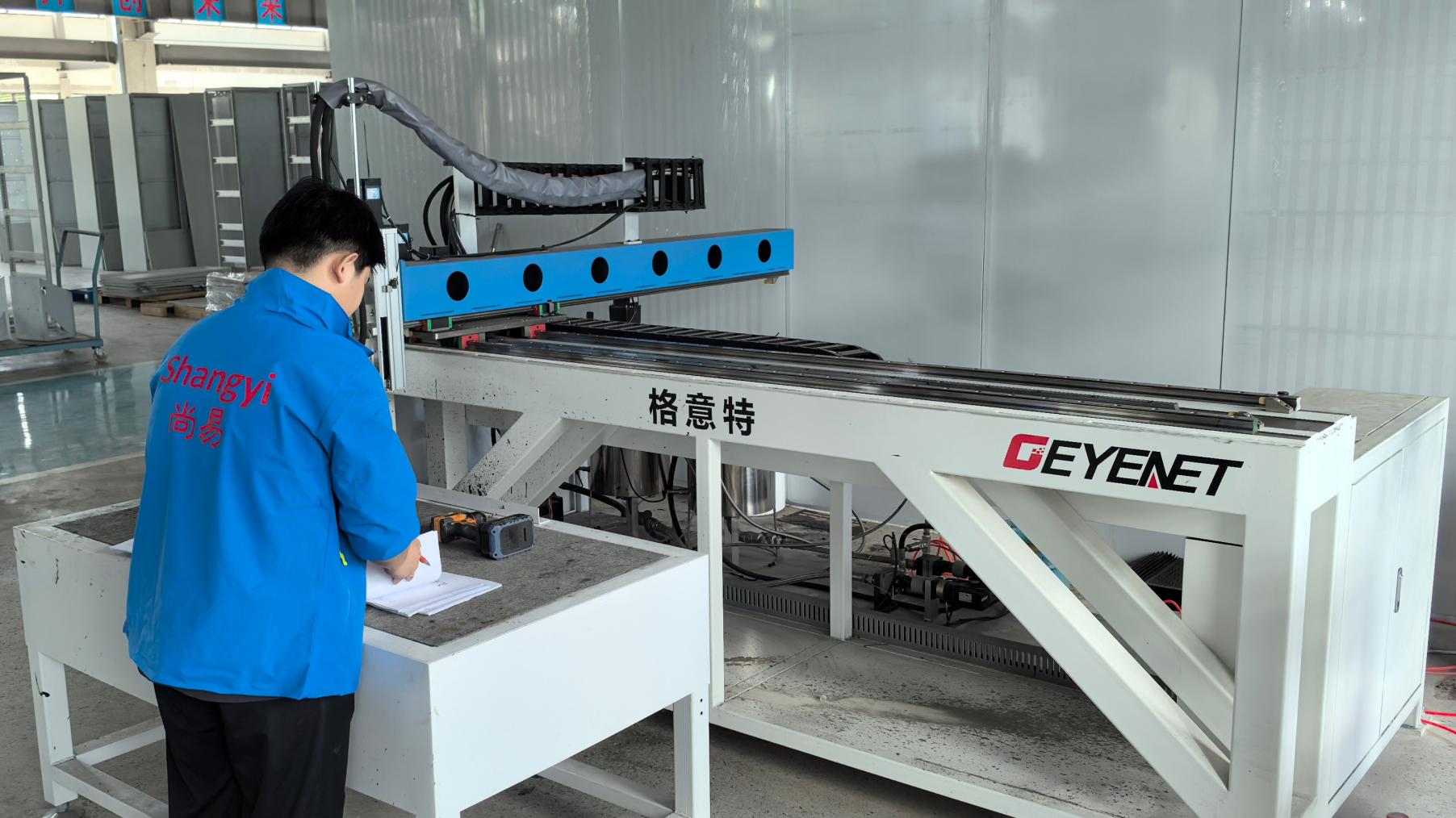
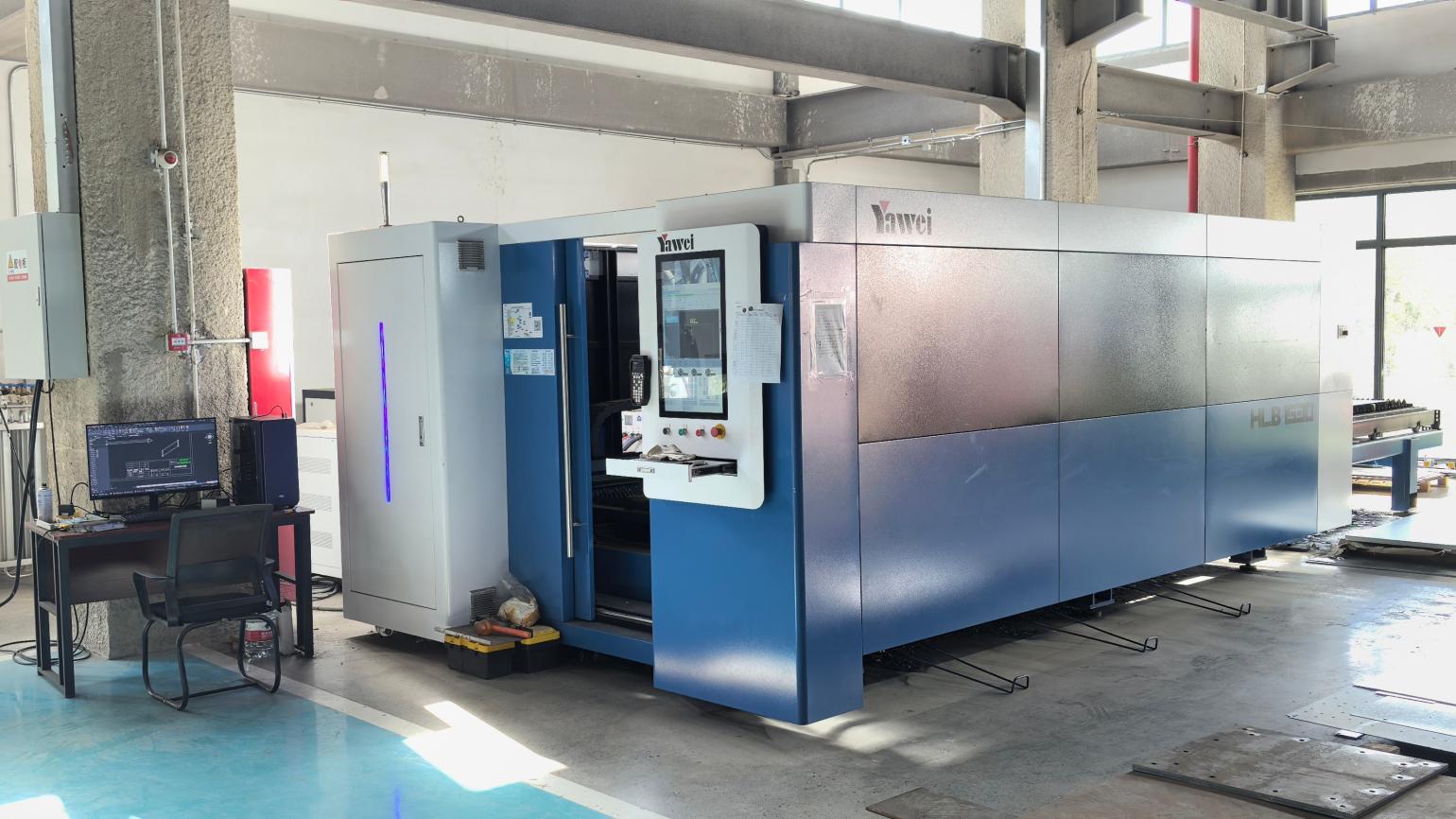
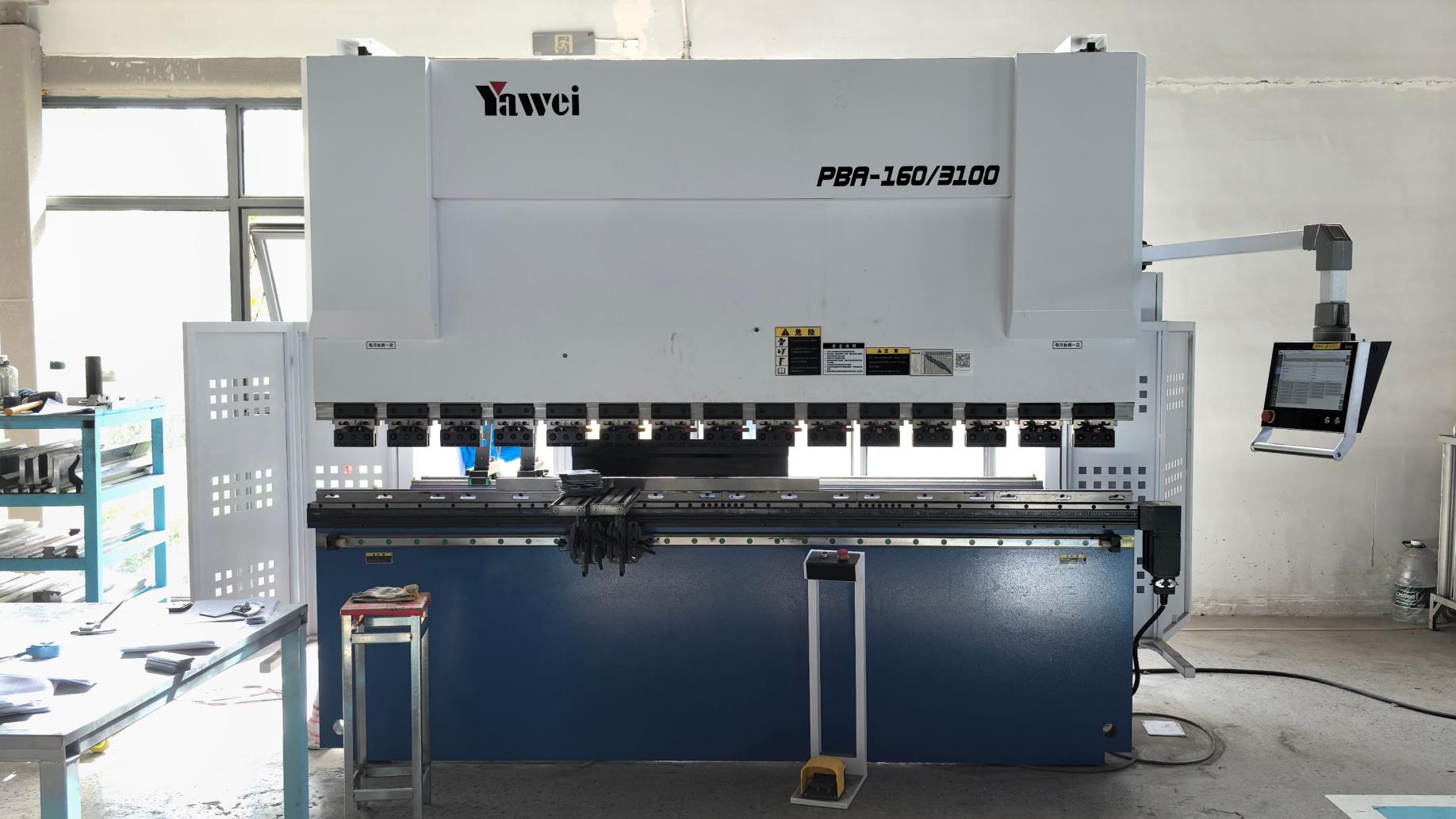
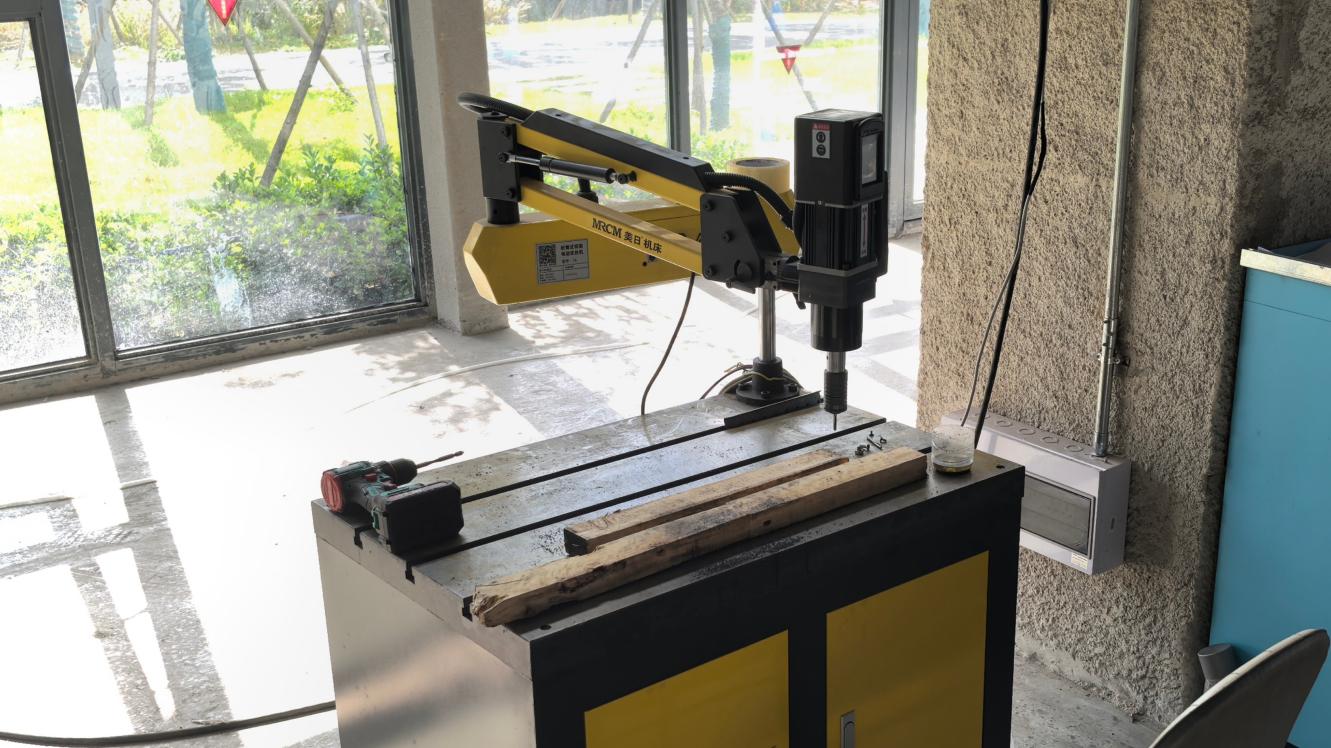
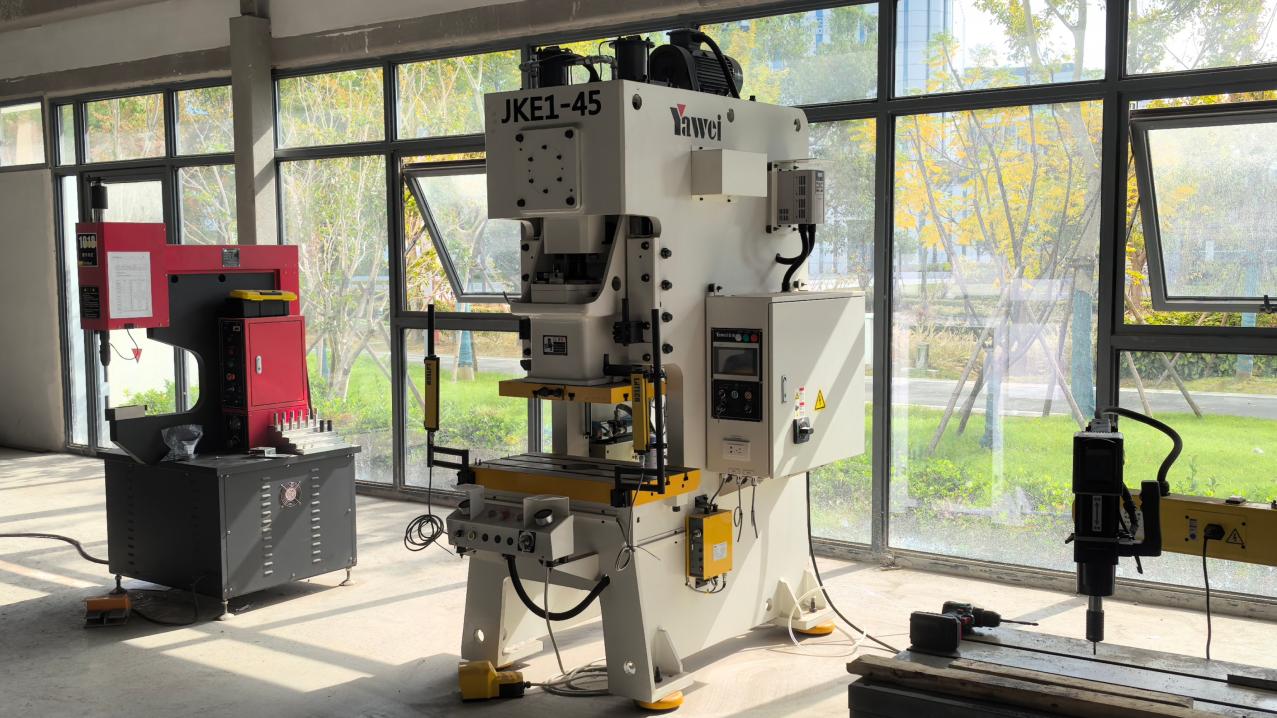
A visual breakdown of Zhejiang Sowest Electric Co., Ltd.'s modern manufacturing capabilities, advanced machinery, and rigorous assembly processes.
How modern buying offices and engineering integrators select international load cell suppliers based on application context and compliance standards.
In high-speed sorting facilities and dynamic batching plants, load cells must deliver rapid response times and remain highly stable. Multi-channel junction boxes, combined with active line filters, prevent signal cross-talk. OEM developers design custom shear beams and mounting hardware to integrate directly with existing conveyors, minimizing installation labor and downtime.
Offshore drill floor tensioning and chemical reactor vessels require explosion-proof (Ex d / Ex i) load cells certified to ATEX and IECEx standards. These designs use hermetically welded stainless steel enclosures. They are paired with intrinsic safety barriers and transient surge protection to isolate field sensors from hazardous high-voltage events in the control room.
Tension links, shackle load cells, and custom pin sensors protect infrastructure from structural overload. These sensors must withstand harsh weather, mechanical shock, and lightning strikes. Power systems for these sites require robust automatic changeover switches (ATS) and battery backups to maintain continuous safety monitoring.
Addressing key technical queries from global engineering procurement managers regarding load cell customization and power optimization.
Digital load cells integrate internal analog-to-digital (A/D) conversion circuitry. This converts weak mV/V sensor signals into robust, digital communication protocols (such as RS-485, CANopen, or Modbus) directly at the sensor head. The primary benefits include higher immunity to electromagnetic interference (EMI), simplified calibration processing, faster response times, and the ability to run diagnostic checks on individual sensors within a multi-cell array.
Heavy machinery, like motors and variable speed drives, introduces harmonic distortion and voltage fluctuations into the local power grid. Because load cells rely on highly stable excitation voltages to calculate force, these fluctuations can introduce measurement errors. Active Power Filters (APFs) and Static Var Generators (SVGs) clean the local power supply, protecting sensitive weighing electronics and keeping measurement data stable.
OEM/ODM customization allows clients to specify parameters including structural shape (s-beam, button, canister, single-point), nominal capacity (ranging from grams up to hundreds of tons), output signals (analog mV/V, 4-20mA, 0-10V, or digital fieldbus), ingress protection level (up to IP69K), dual-bridge redundancy, operating temperature limits, and integrated mounting hardware for direct mechanical replacement.
Outdoor weighing installations, like truck scales and silo weighing networks, are often built with tall, conductive metal frames. This makes them common targets for direct or indirect lightning strikes. Surge Protection Devices (SPDs) shunt transient overvoltages directly to the ground system. This diverts dangerous currents away from the load cell's strain gauges and measuring instruments, preventing expensive failures and replacement costs.
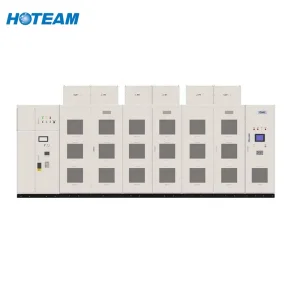
High-performance voltage control, converters, switchgear, and active filter cabinets for clean industrial power.
 Sowest Electric