Pre-engineered and field-tested low voltage active power filter modules optimized for the electrical parameters of Ethiopia's industrial infrastructure.
Ethiopia is undergoing an unprecedented economic transformation, fueled by massive investments in infrastructure, industrial parks (such as the Hawassa, Bole Lemi, and Adama Industrial Parks), and the landmark Grand Ethiopian Renaissance Dam (GERD). As the country transitions towards high-value manufacturing, textiles, agro-processing, and heavy industries, the stability of the electrical grid has become paramount. However, the rapidly expanding transmission network operated by Ethiopian Electric Power (EEP) and local distribution channels via Ethiopian Electric Utility (EEU) face persistent challenges related to voltage fluctuations, reactive power imbalances, and harmonic pollution.
Harmonic distortion is predominantly introduced by non-linear loads common in modern industrial sites: Variable Frequency Drives (VFDs), thyristor-controlled rectifiers, arc furnaces, LED lighting grids, and large-scale UPS systems in data centers. Without active mitigation, these harmonics generate severe issues including the overheating of distribution transformers, false tripping of protection relays, accelerated insulation degradation, and high neutral-line currents in 3-phase 4-wire systems. In the context of East Africa's electrical grid, deploying robust Active Power Filters (APFs) is no longer just an optional enhancement—it is an operational necessity for safeguarding industrial machinery and maintaining utility compliance.
An Active Power Filter (APF) is a parallel (shunt) connected power electronics system based on Voltage Source Inverter (VSI) topology. The operational principle relies on real-time current detection and compensation. External current transformers (CTs) continuously monitor the current waveforms of the non-linear loads. The signal processing core—utilizing dual-core Digital Signal Processors (DSP) combined with Field Programmable Gate Arrays (FPGA)—executes advanced Fast Fourier Transform (FFT) and instantaneous reactive power theory (p-q or d-q algorithms) to isolate the harmonic and reactive elements from the fundamental 50Hz load current.
Once identified, the control electronics generate a high-frequency Pulse Width Modulation (PWM) signal to drive high-speed insulated gate bipolar transistors (IGBTs) or advanced Silicon Carbide (SiC) MOSFETs. This dynamic stage injects a compensating current waveform that is identical in amplitude but exactly 180 degrees out of phase with the harmonic components. The result is a clean, sinusoidal current profile returned to the utility transformer, reducing the Total Harmonic Distortion of Current (THDi) to below 3% or 5% in compliance with international standards such as IEEE 519-2014 and IEC 61000-3-6.
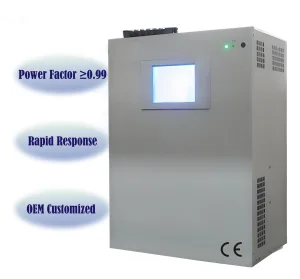
Features a dynamic response time of less than 5ms and a complete mitigation response time of under 10ms, crucial for rapidly fluctuating welding lines and arc furnaces.
Simultaneously compensates both inductive and capacitive reactive power, achieving a target displacement power factor (cos φ) of up to 0.99, eliminating utility penalties.
Rebalances load current asymmetrical distribution across the three phases and cancels out high currents flowing through the neutral conductor in 3-phase 4-wire setups.
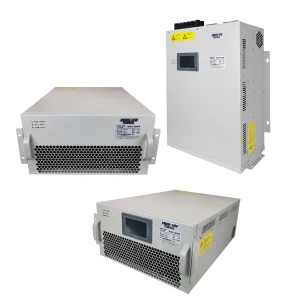
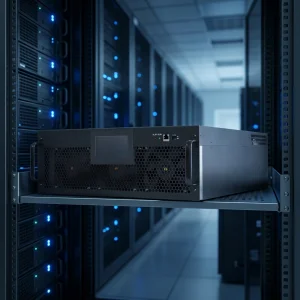
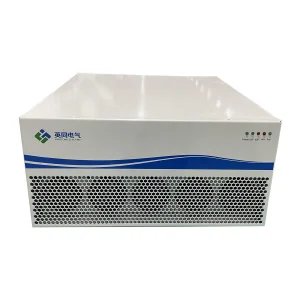
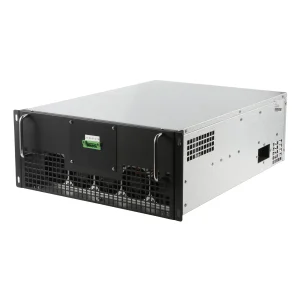
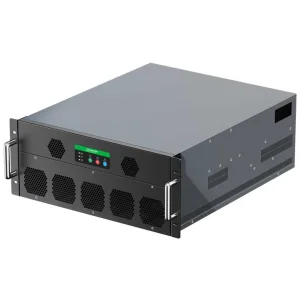
Highly adaptable harmonic mitigation units suited for localized distribution panels and microgrid power conditioning.
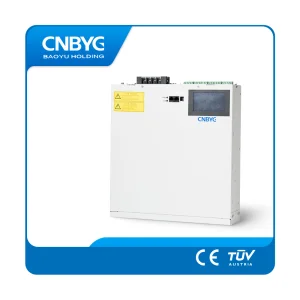
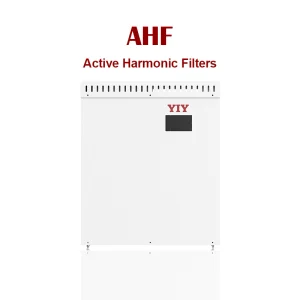
A critical geographic factor often overlooked by standard power equipment manufacturers is the altitude profile of Ethiopia. Addis Ababa, the nation's industrial heart, sits at an average altitude of approximately 2,350 meters above sea level. Operating power electronic devices at altitudes above 1,000 meters requires specialized thermal and dielectric engineering adjustments due to lower atmospheric density.
Convective Cooling Degradation: As air density decreases, the cooling efficiency of standard fans and heatsinks drops. Operating a standard APF without modification would lead to thermal runaway in the IGBT modules or inductive filters. Sowest Electric addresses this by implementing forced-air cooling systems with high-CFM (Cubic Feet per Minute) industrial fans, over-dimensioned aluminum heatsinks, and a tailored thermal de-rating index (typically applying a 1% current output de-rating per 100m above 1000m, or engineering a cooling layout that overrides the need for de-rating).
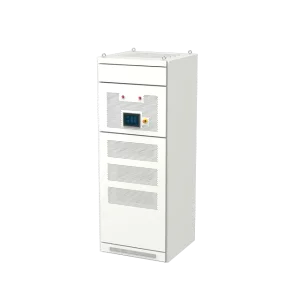
Dielectric Strength and Insulation Clearance: The breakdown voltage of air is lower at higher elevations. To prevent flashovers and tracking faults, our engineers custom-design the internal layout of our cabinet-type APFs, increasing physical spacing (clearance) and tracking distance (creepage) on PCB layouts and busbar junctions in accordance with international safety margins for Class II/III environments.
An engineering analysis illustrating why active topologies outperform passive capacitor banks and static var generators (SVG) under highly dynamic conditions.
| Feature Parameter | Shunt Active Power Filter (APF) | Static Var Generator (SVG) | Passive Harmonic Filter (LC) |
|---|---|---|---|
| Harmonic Mitigation Range | 2nd to 51st order (highly selective) | Primarily fundamental reactive power | Fixed tuned frequencies (e.g., 5th, 7th) |
| Mitigation Efficiency | > 97% for all targeted harmonics | Minimal (reactive compensation only) | 30% - 60% (depends on grid impedance) |
| System Resonance Risk | None (injects controlled active current) | None | High risk of parallel resonance with grid |
| Response Velocity | < 5 milliseconds (dynamic) | < 10 milliseconds | Fixed continuous (slow load adaptation) |
| Target Application | Complex non-linear dynamic loads | Pure power factor correction | Stable, single-source linear loads |
| Footprint / Flexibility | Compact modular drawer systems | Compact modular design | Large space requirements, heavy tuning coils |
Sowest Electric's range of Active Power Filters is designed to tackle power anomalies across specific industrial verticals that drive the Ethiopian economy:
A premier manufacturer specializing in intelligent power supply systems, distribution boards, and advanced power quality solutions.
Zhejiang Sowest Electric Co., Ltd. is a modern, innovative enterprise specializing in the research, development, manufacturing, and distribution of comprehensive power supply systems and power quality solutions. Backed by a highly qualified team of electrical engineers and digital control specialists, the company designs, tests, and manufactures state-of-the-art AC/DC Power Supply Panels, DC Systems, UPS systems, Static Var Generators (SVG), and Active Power Filters (APF) applied in transmission grids, manufacturing plants, and infrastructure projects worldwide.
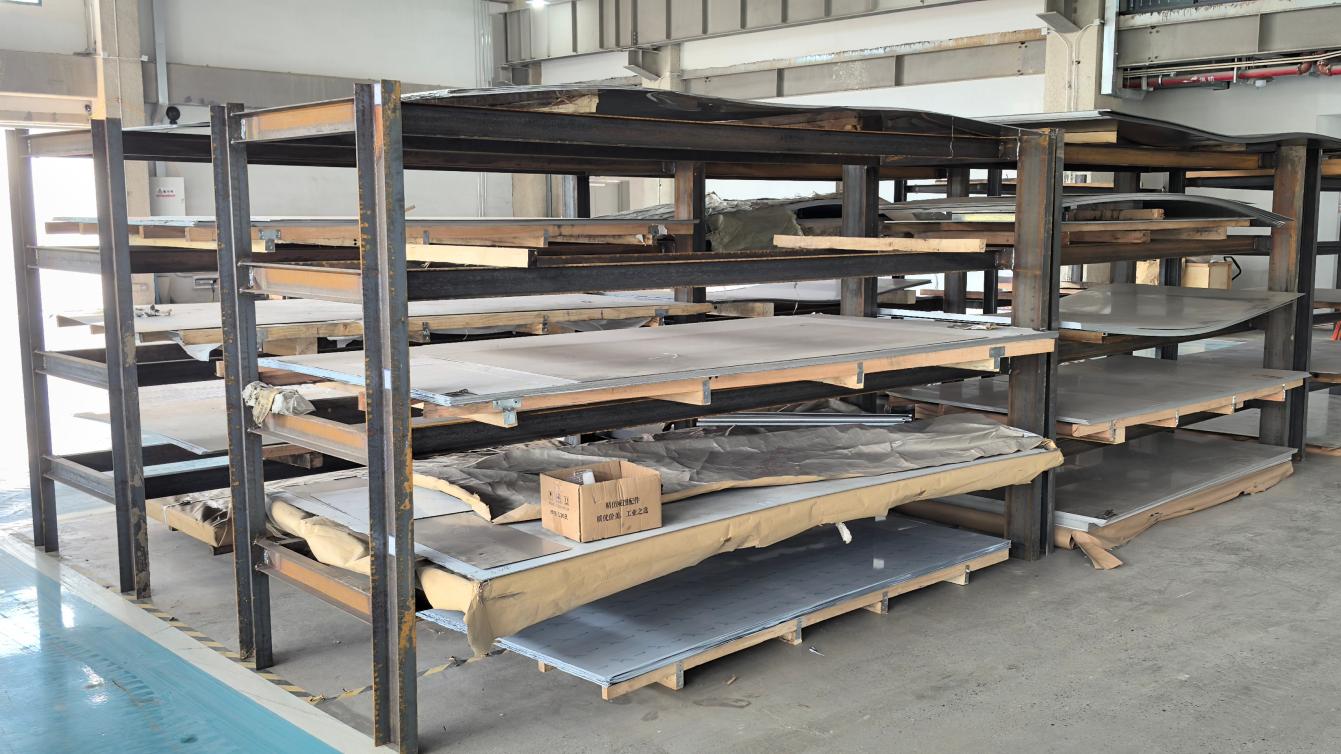
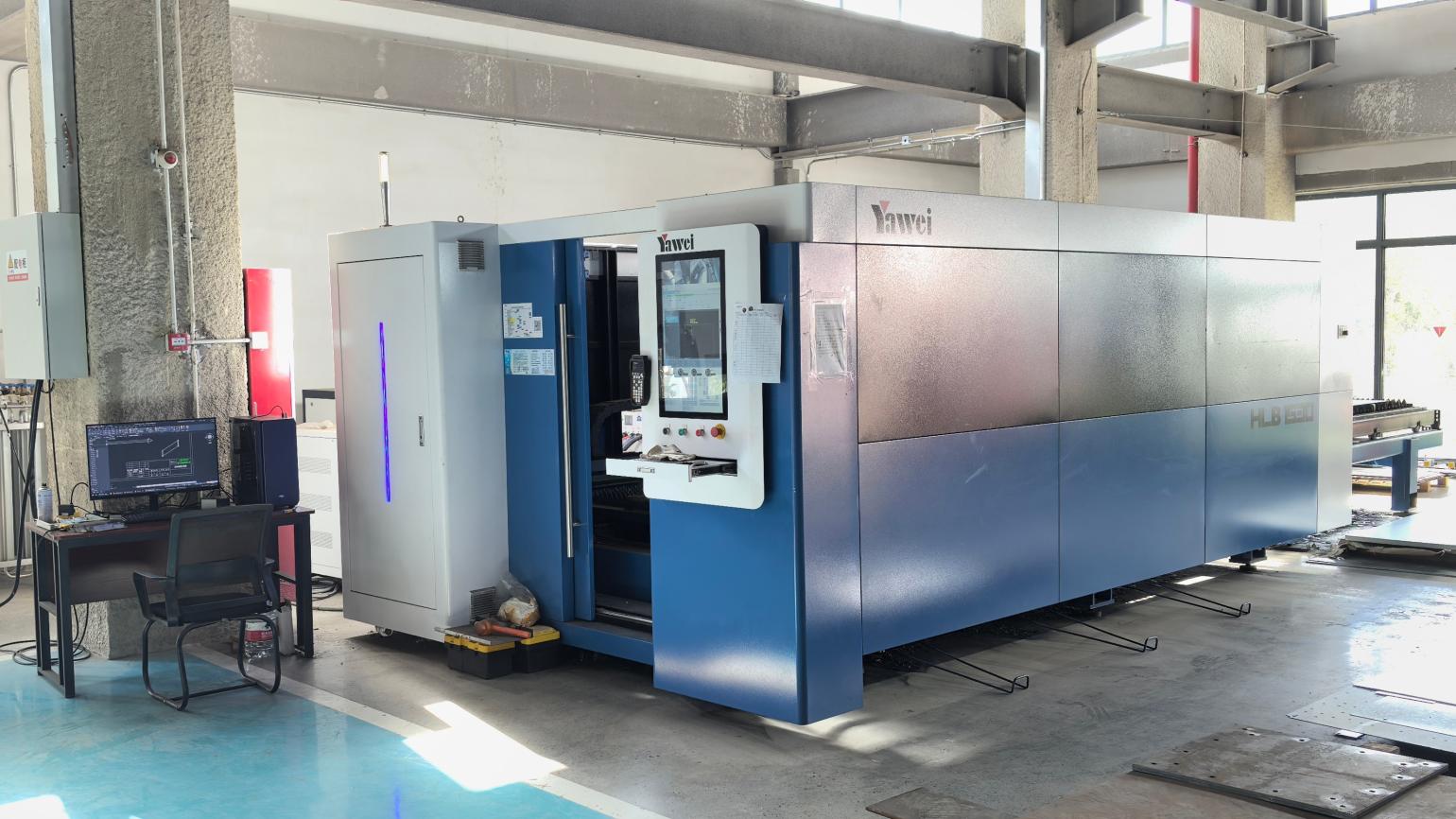
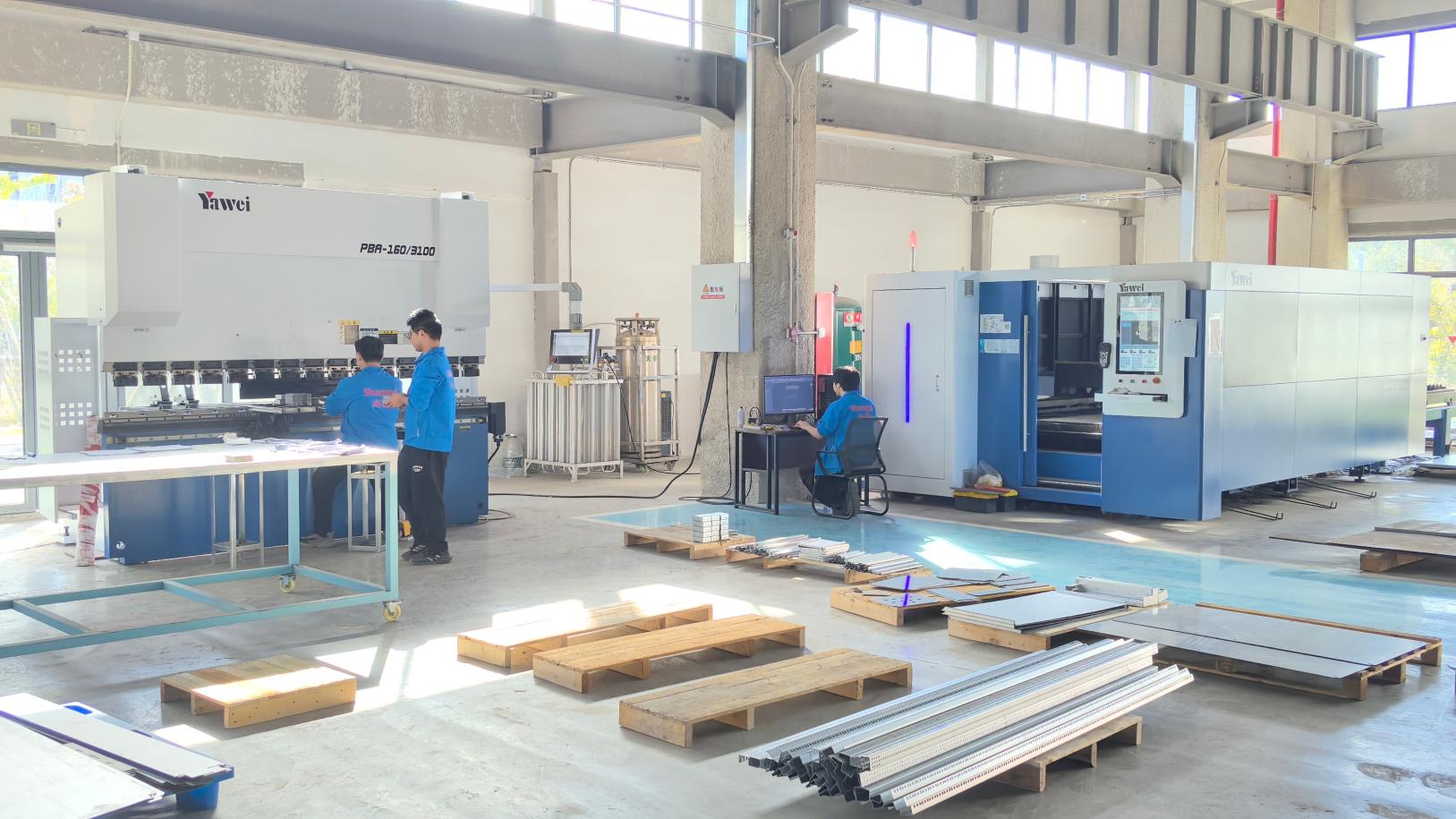
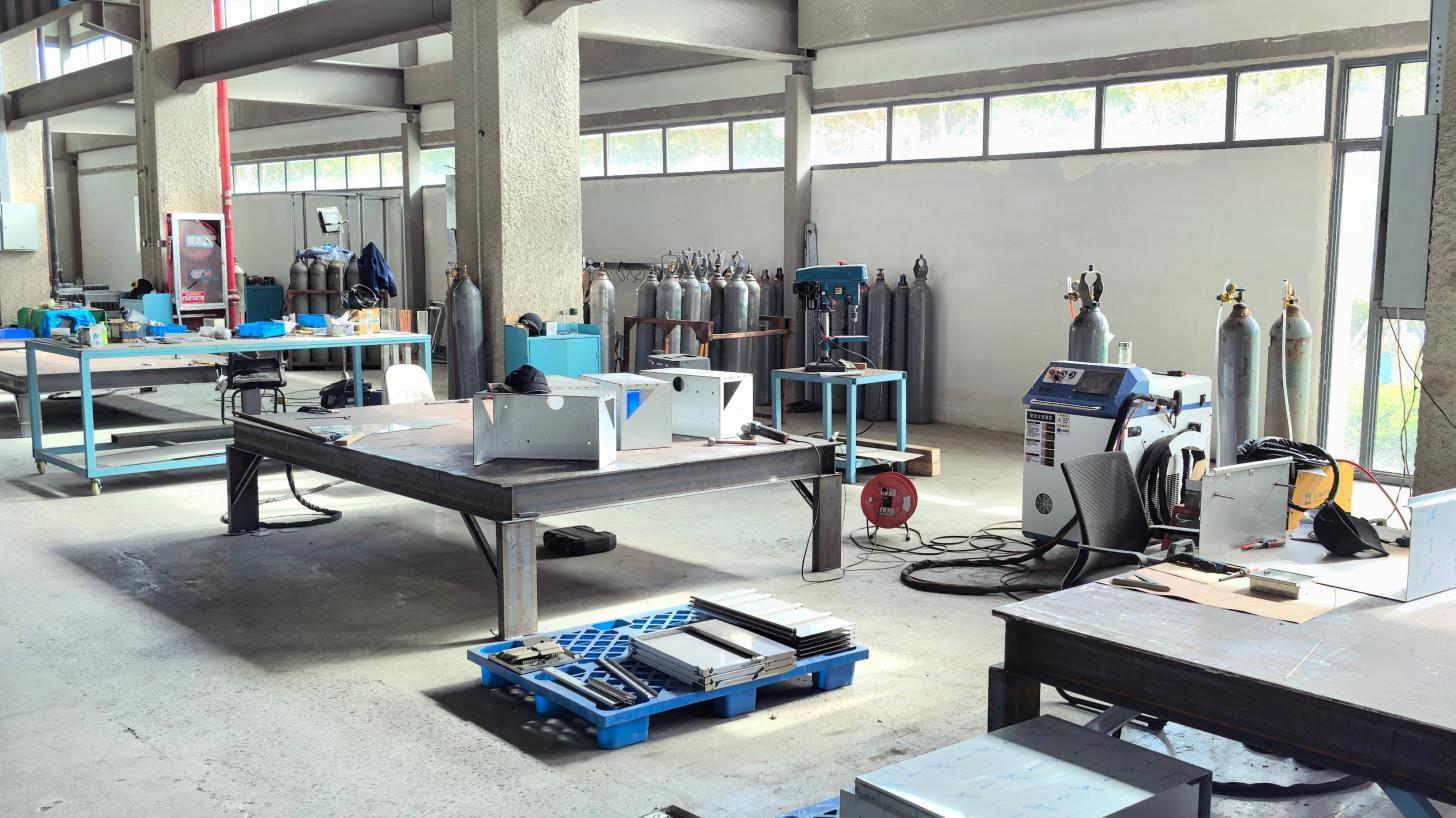
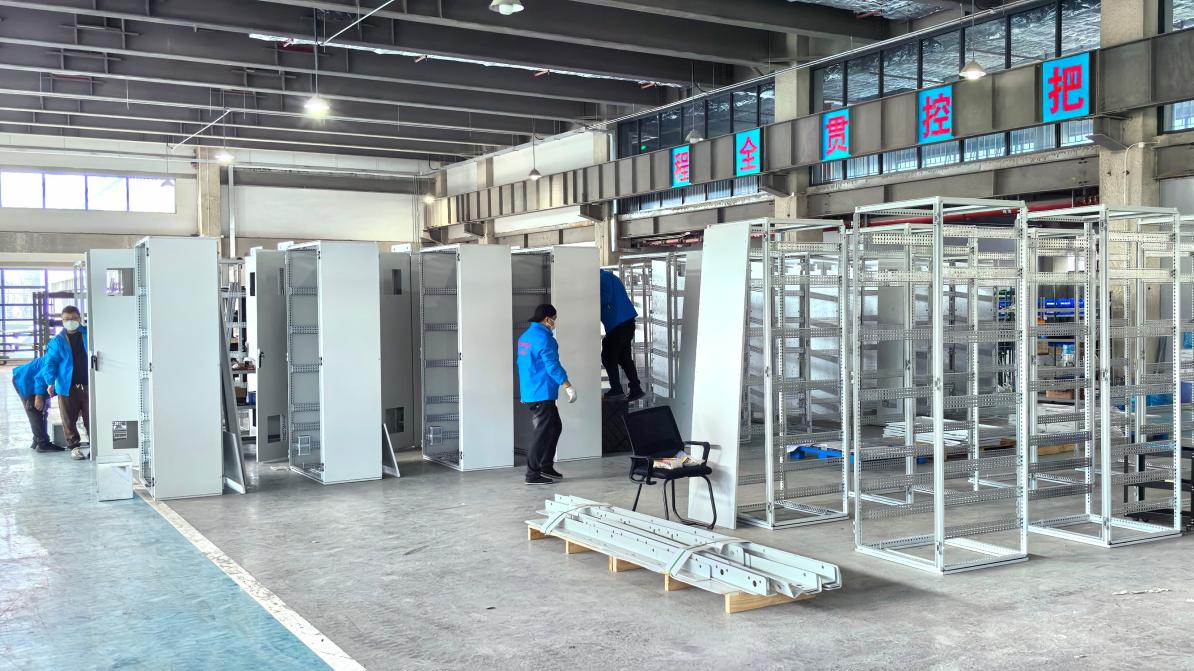
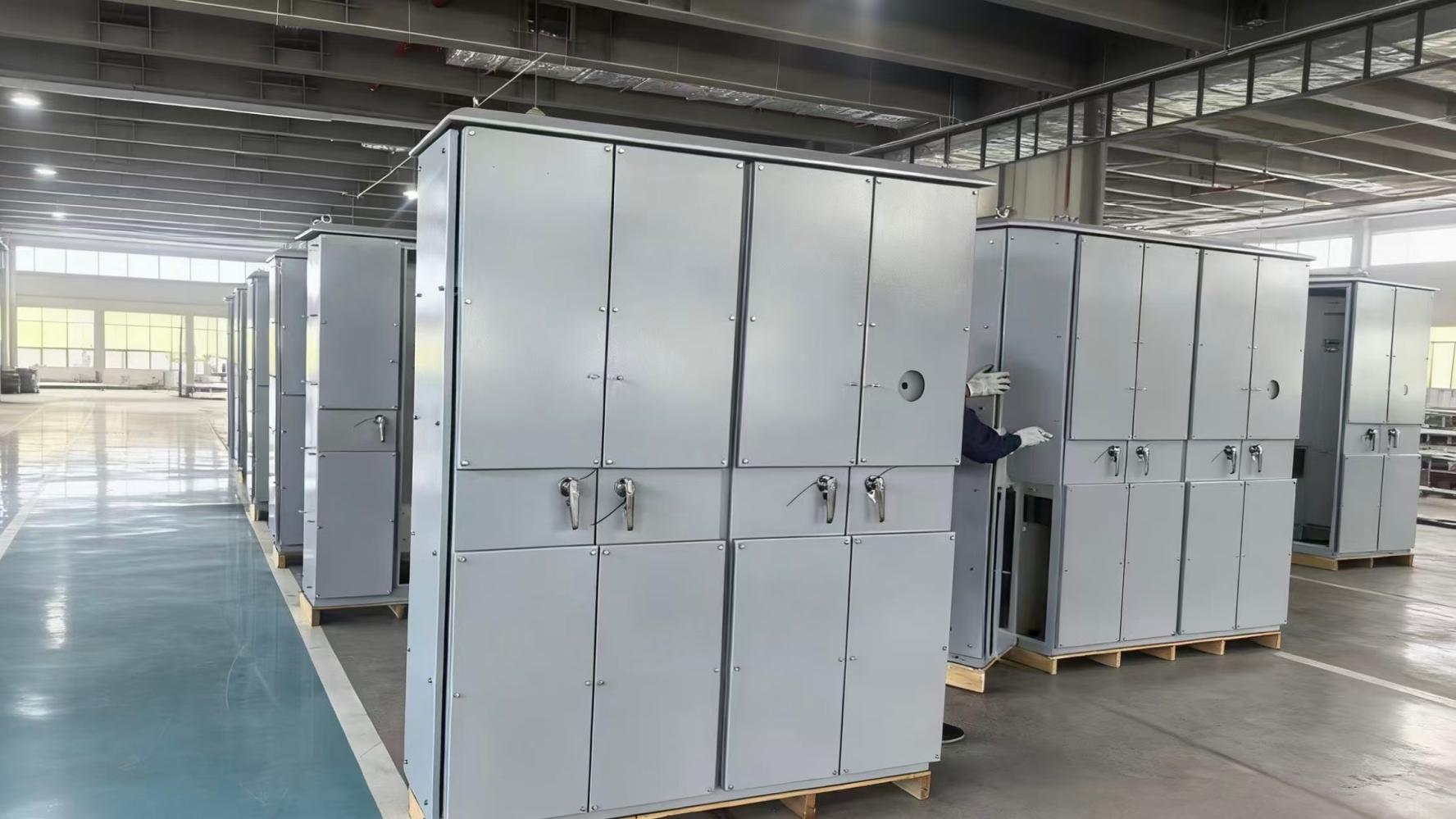
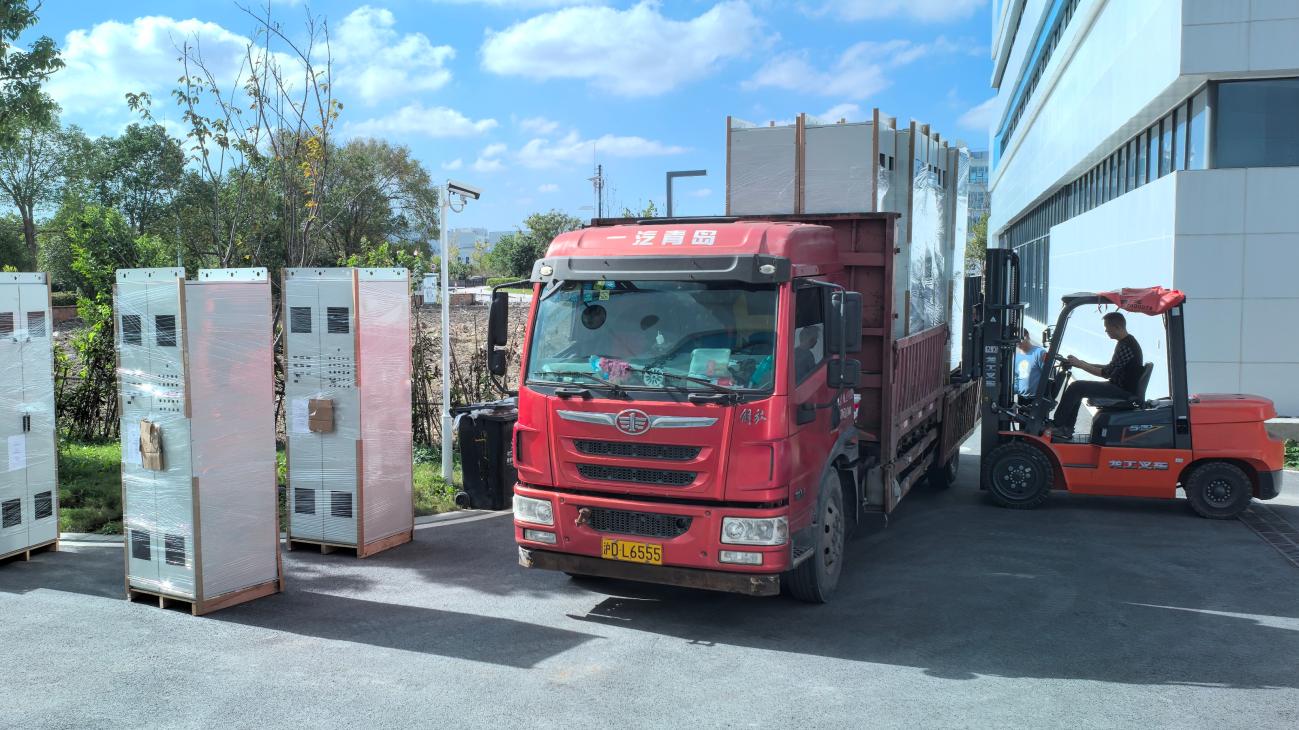
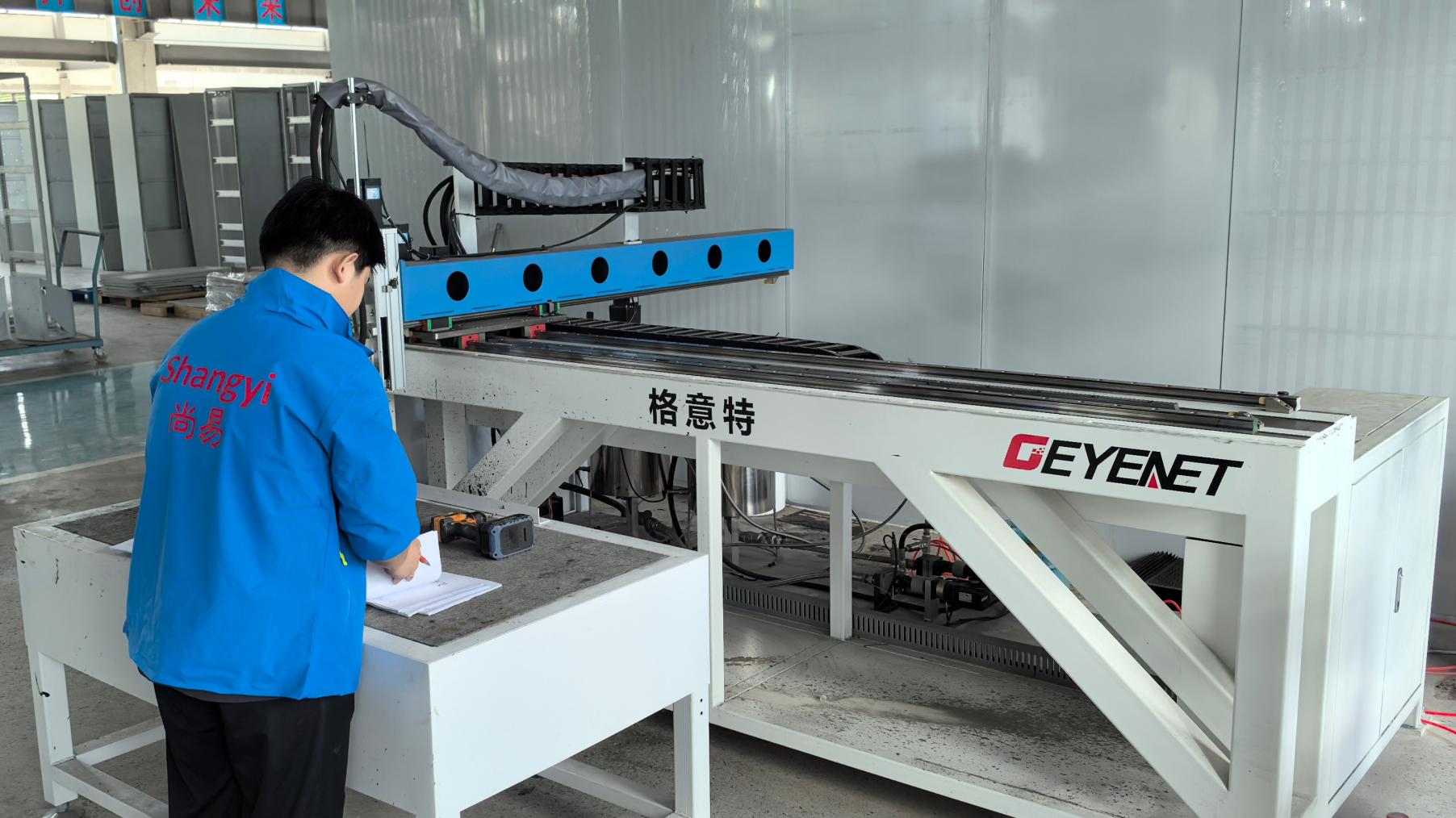
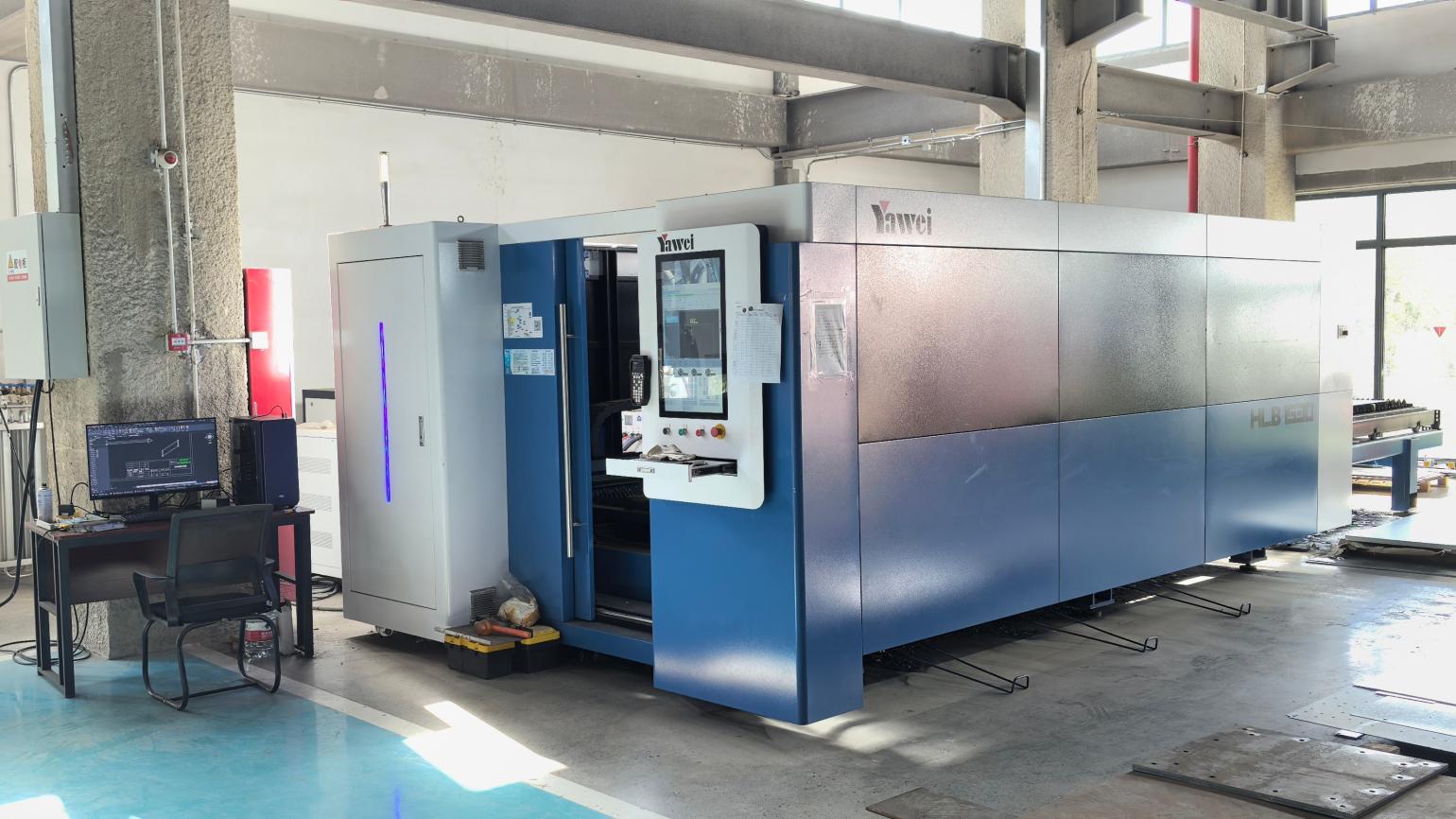
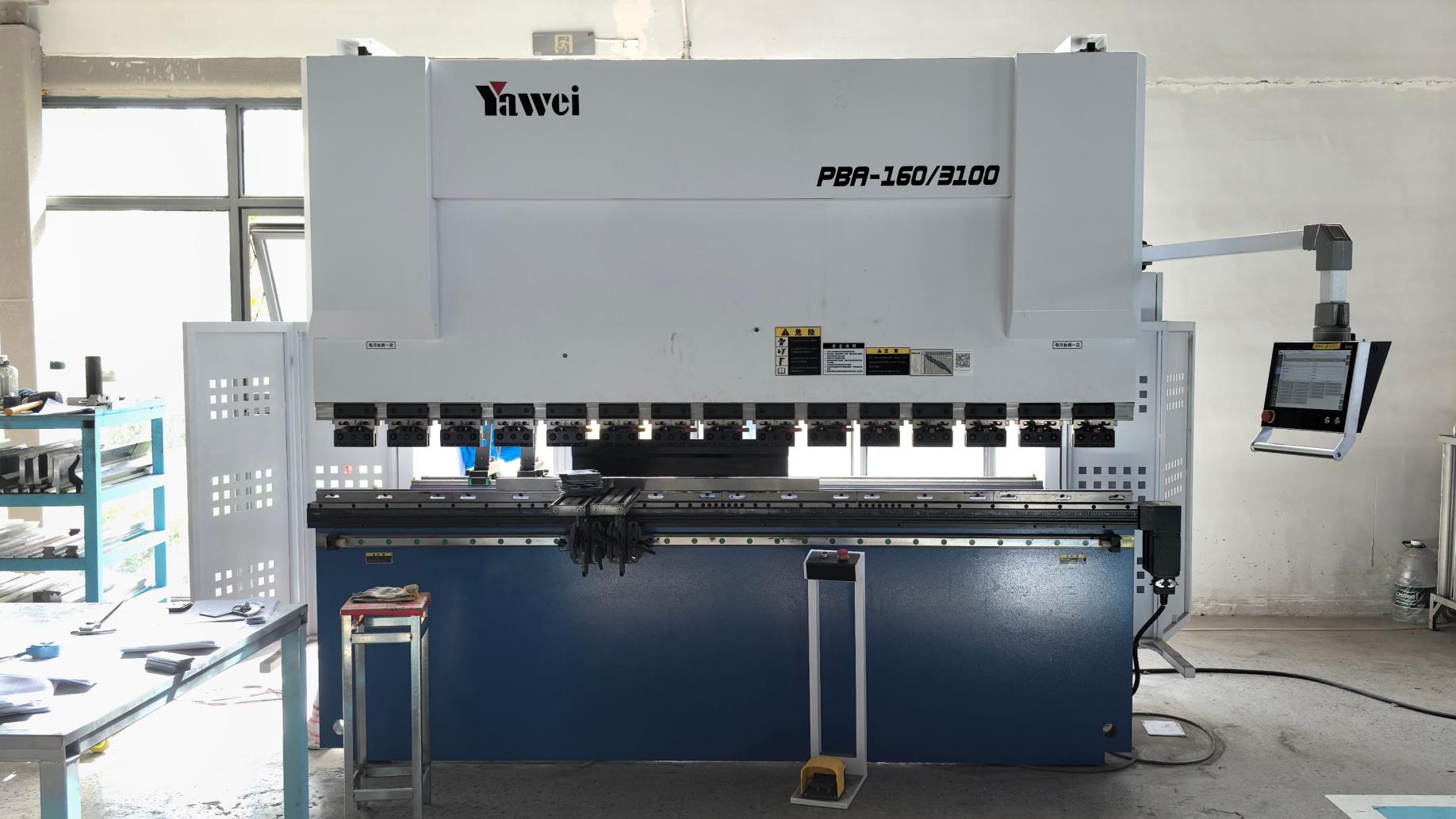
Our commitment to reliable quality relies on integrating advanced manufacturing stages—from raw material purchase, automated laser cutting, CNC shearing, high-precision bending, robotic welding, to meticulous assembly and component-level testing. Operating under ISO 9001 and CE certifications, Sowest Electric delivers customized electrical systems built to endure the diverse climatic and grid profiles of emerging industrial markets.
Critical operational and technical queries answered by Sowest Electric's power quality engineering team.
Installing an Active Power Filter prevents overheating in electrical transformers and wiring insulation, stops random PLC trips/errors on assembly lines, avoids utility penalties related to low power factors, and significantly lowers the total harmonic distortion (THDi) to compliant levels (<5%). This directly increases plant uptime and reduces replacement costs for sensitive components.
At altitudes above 1,000 meters, lower atmospheric density reduces the effectiveness of air cooling and decreases the breakdown voltage of air. Sowest Electric customizes panels destined for Ethiopia with high-speed forced-cooling layouts, over-dimensioned heatsinks, and increased insulation clearances to maintain full-rated capacity safely without running hot.
Yes. Our APF systems feature co-compensation capability, allowing them to simultaneously filter harmonic currents up to the 51st order, balance load currents across phases, and regulate power factors dynamically (compensating both inductive and capacitive loads in real time).
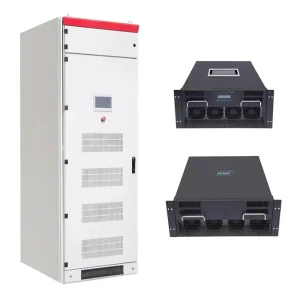
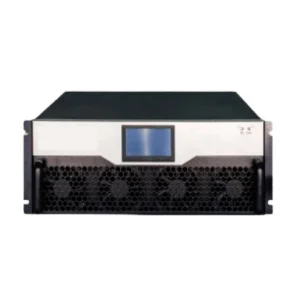
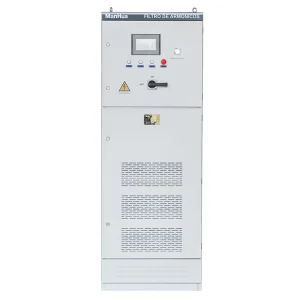
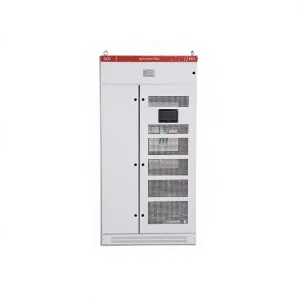
Modular drawer configurations are highly recommended for modern setups. They facilitate easy expansion (adding modules as system load grows) and provide N+1 redundancy—allowing maintenance to be performed on one module without disconnecting power to the entire plant. Cabinet types are ideal for high-capacity centralized compensation at major main distribution boards.
We provide comprehensive engineering support, including network harmonic simulation, parameter programming, and remote commissioning assistance via Modbus/RS485 integrations. Furthermore, our units come with a multi-language HMI touchscreen to simplify on-site settings and diagnosis.
Explore our complete catalog of industrial-grade active filters and static var generator systems optimized for dynamic harmonic elimination.
 Sowest Electric