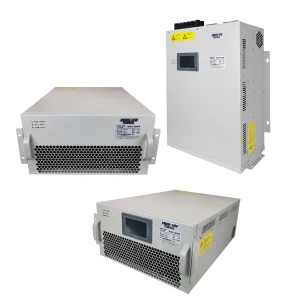
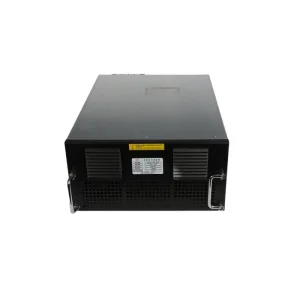
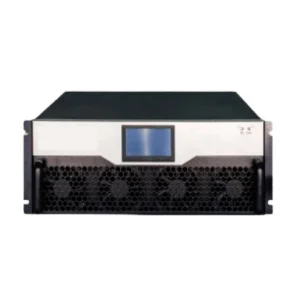
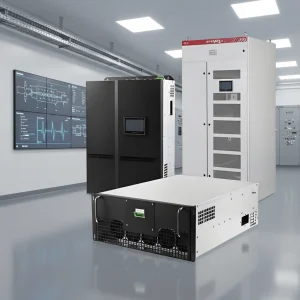
Explore our primary selection of Active Power Filters optimized for the United Kingdom grid network, maintaining THDi under 3% for critical installations.

Understanding how localized grid transformation, energy regulation, and commercial developments shape the demand for advanced harmonic mitigation.
As the United Kingdom accelerates its transition toward its 2050 Net-Zero greenhouse gas emissions target, the UK National Grid is experiencing a profound shift in electricity generation profiles. Large, traditional coal and gas-fired synchronous generation facilities are being replaced by distributed renewable resources, primarily offshore wind networks along the North Sea and large-scale commercial solar photovoltaic arrays. While critical for carbon abatement, these non-synchronous, inverter-based resources (IBRs) significantly lower the overall grid inertia.
A direct consequence of this reduced grid strength is a heightened susceptibility to power quality disturbances. Phase angle jumps, transient voltage spikes, and cumulative harmonic distortions propagate much more easily across the network. Industrial facilities and commercial buildings located in key hubs like the Midlands, Yorkshire, and the South East are discovering that background harmonic distortion levels are steadily increasing, rendering their internal electrical infrastructures vulnerable.
Inside modern UK manufacturing, logistics, and data infrastructure, the adoption of non-linear loads is at an all-time high. Variable Speed Drives (VSDs), robotic assembly cells, uninterruptible power supplies (UPSs), LED lighting systems, and high-frequency electric vehicle (EV) fleet chargers present extremely complex, non-linear impedance paths to the supply network.
These loads draw non-sinusoidal currents, generating harmonic currents that distort the voltage waveform. This distortion damages sensitive controller circuitry, causes transformers to overheat prematurely, triggers nuisance tripping of circuit breakers, and decreases overall system efficiency. In high-density settings like the London M25 data center corridor, harmonic mitigation is no longer an optional refinement; it is a fundamental operational necessity to guarantee continuous service levels and uphold Service Level Agreements (SLAs).
The strict criteria governing harmonic emissions and connection requirements in the United Kingdom power grid.
In June 2021, the Energy Networks Association (ENA) fully implemented Engineering Recommendation G5/5, replacing the older G5/4-1 standard. G5/5 sets out the planning levels and compatibility levels for harmonic voltage distortion in the United Kingdom's transmission and distribution networks. This standard represents a major shift, introducing much tighter limitations on voltage harmonics up to the 50th order, and under certain circumstances, requiring assessment up to the 100th harmonic to account for active switching frequencies.
Under G5/5, Distribution Network Operators (DNOs) such as UK Power Networks, Northern Powergrid, SP Energy Networks, and Scottish and Southern Electricity Networks (SSEN) enforce a strict multi-stage assessment process for any new commercial or industrial connections:
| Assessment Stage | Applicable Load Profile | Technical Thresholds & Requirements | APF Mitigation Strategy |
|---|---|---|---|
| Stage 1 | Small-scale installations, predominantly low voltage equipment (< 32A per phase). | Pre-approved equipment configurations; compliance with basic BS EN 61000 standards. | Standard modular APFs or localized filters applied directly to high-pollution nodes. |
| Stage 2 | Medium-scale commercial connections, generally LV up to specific current capacity limits. | Detailed assessment of background harmonics; comparison against specific network headroom limits. | Centralized APF panels in plant rooms to correct cumulative site THDi to under 5%. |
| Stage 3 | Large-scale industrial plants, connections at HV (11kV / 33kV / 132kV), or sites failing Stage 2 limits. | Comprehensive network modeling, software-based simulation, and strict site compliance verification. | Customized high-capacity modular APF enclosures with redundant controller nodes & SVG capability. |
Sowest Electric's active power filters are engineered explicitly to satisfy Stage 2 and Stage 3 connection approvals. By dynamically monitoring the line current in real-time and injecting an exact opposite phase harmonic profile, our APF systems ensure that the harmonic footprint at the Point of Common Coupling (PCC) remains comfortably below G5/5 planning limits, saving UK operators from costly network connection delays or grid connection rejection.
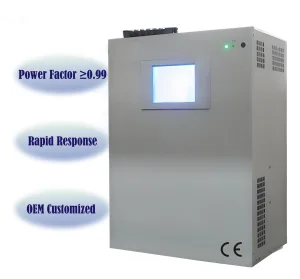
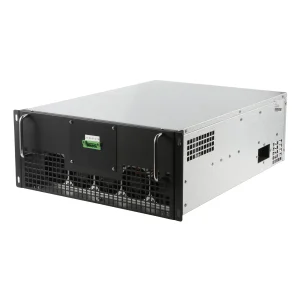
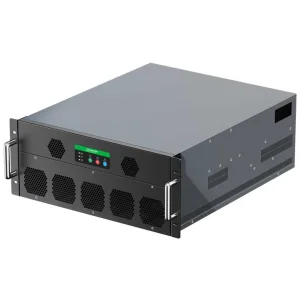
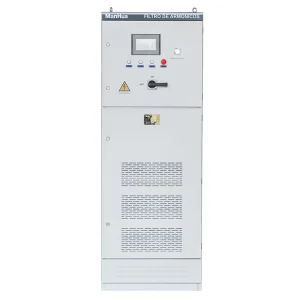
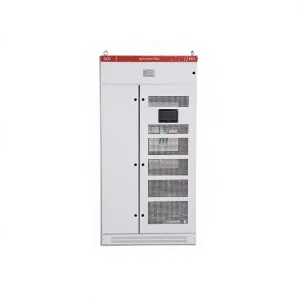
Supplementary and customized models designed to optimize power factors and suppress grid harmonics in heavy duty systems.
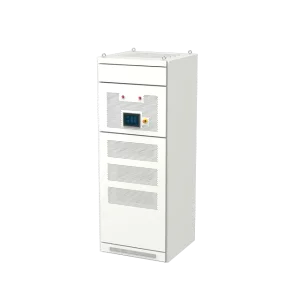
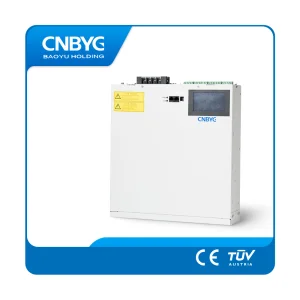
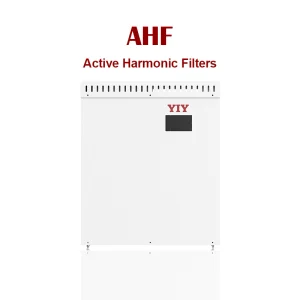
Discover the underlying digital architectures and physical components that separate high-quality APFs from standard passive solutions.
At the heart of the Sowest APF is an ultra-fast digital control architecture using dual Digital Signal Processors (DSP) paired with a Field Programmable Gate Array (FPGA). This combination calculates the load current's harmonic spectrum in less than 50 microseconds. By executing continuous Fast Fourier Transform (FFT) algorithms, the unit immediately identifies changes in load dynamics and regulates the switching commands of the power modules, ensuring a real-time corrective response.
Our active power filter panels leverage a highly efficient 3-level topology for the Insulated Gate Bipolar Transistor (IGBT) power stages. In our flagship models, Silicon Carbide (SiC) technology is integrated. This reduces switching losses by up to 60% compared to traditional 2-level silicon designs. SiC allows higher switching frequencies (up to 20kHz), resulting in cleaner current injection waveforms, lower internal heat generation, and a smaller mechanical footprint.
We supply both 3-wire and 4-wire configuration options. In 3-phase 4-wire systems (common in UK commercial buildings with heavy single-phase IT and lighting loads), triplen harmonics (3rd, 9th, 15th...) add up in the neutral conductor, leading to cable overheating and neutral-to-earth voltage rises. Our 4-wire APFs actively mitigate neutral currents by injecting correction currents directly into the neutral path, eliminating safety hazards.
Unlike passive harmonic filters that are tuned to suppress only one or two specific frequencies (e.g., 5th and 7th) and are prone to network resonance, the Sowest APF functions as a broad-spectrum solution. It simultaneously compensates for all harmonics from the 2nd to the 50th order.
Furthermore, the filtering parameters can be programmed directly via the touch HMI screen. Operators can select which harmonic orders to prioritize, adjust reactive power goals, or configure the system to balance phases on unbalanced 3-phase feeds.
Each Sowest APF functions as a hybrid system capable of delivering both harmonic suppression and Static Var Generator (SVG) performance. It can dynamically inject capacitive or inductive reactive current to maintain a targeted power factor (e.g., cos φ > 0.99). This dynamic reactive compensation prevents power factor penalties from UK distribution network operators, reduces energy losses across on-site transformers, and frees up system capacity for future equipment additions.
Take a look inside Zhejiang Sowest Electric Co., Ltd. and explore our modern manufacturing facilities and strict quality control systems.
Zhejiang Sowest Electric Co., Ltd. is a modern, innovative enterprise specializing in the research, development, manufacturing, and distribution of power supply and electrical distribution systems. With a strong focus on technological innovation, product reliability, and customer satisfaction, we have become a trusted partner for power distribution, industrial automation, data centers, transport networks, and renewable energy projects worldwide.
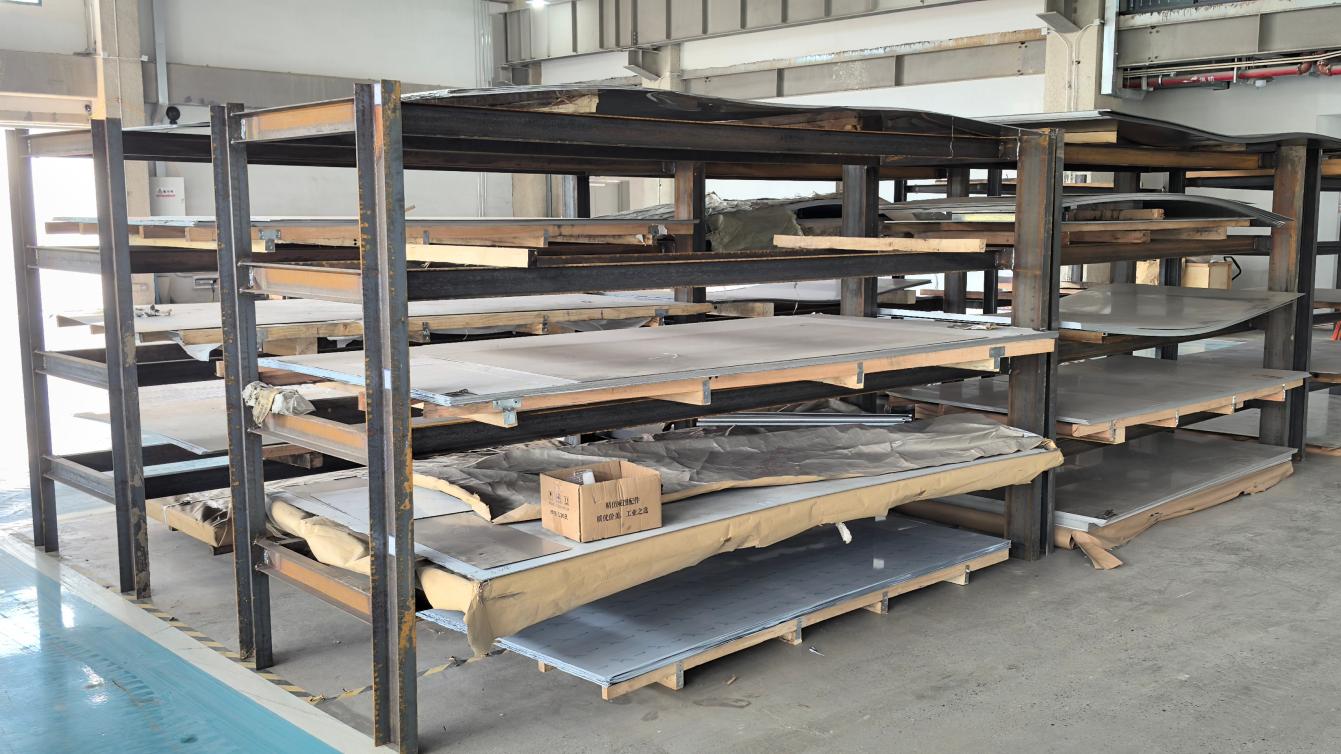
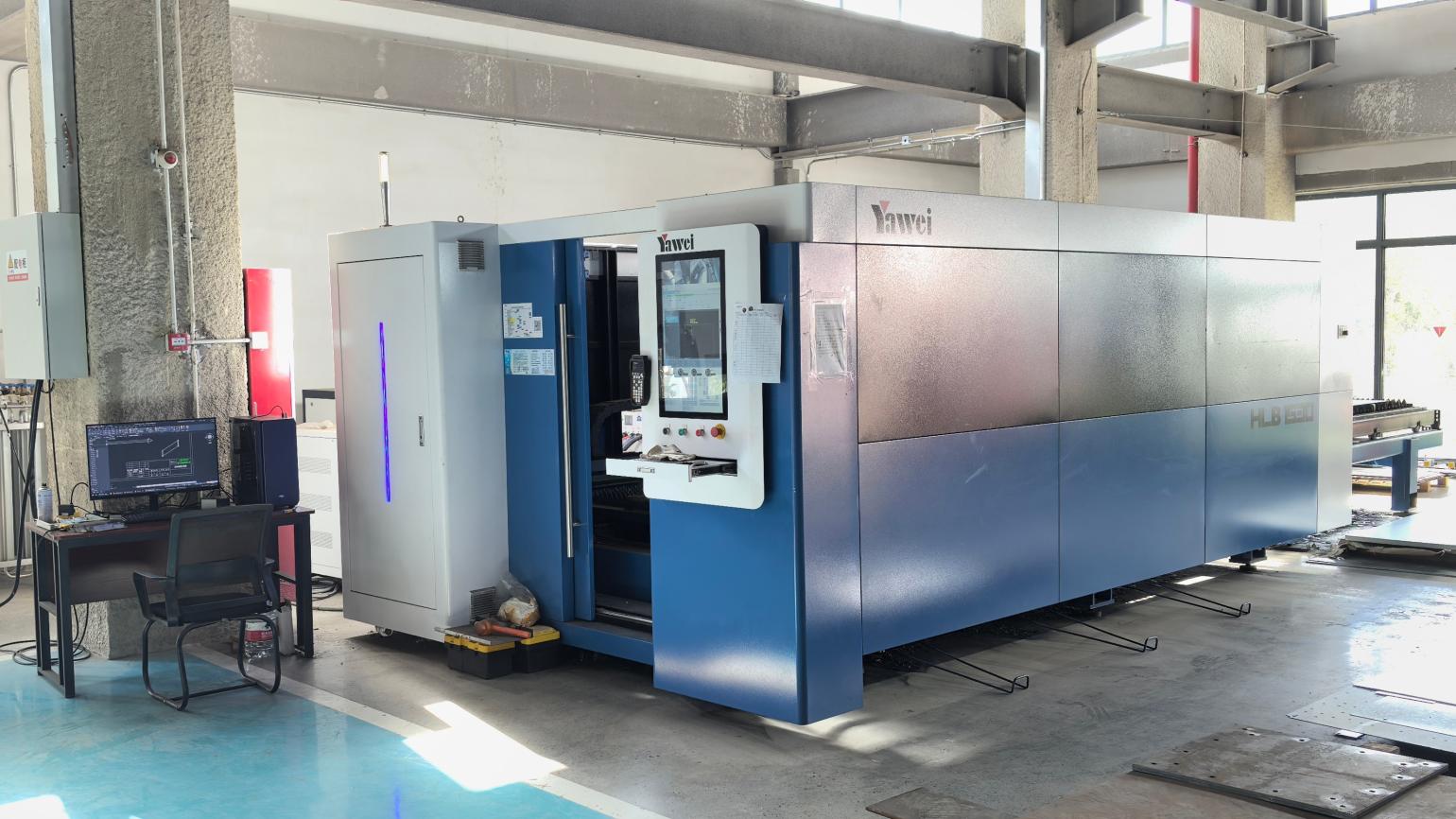
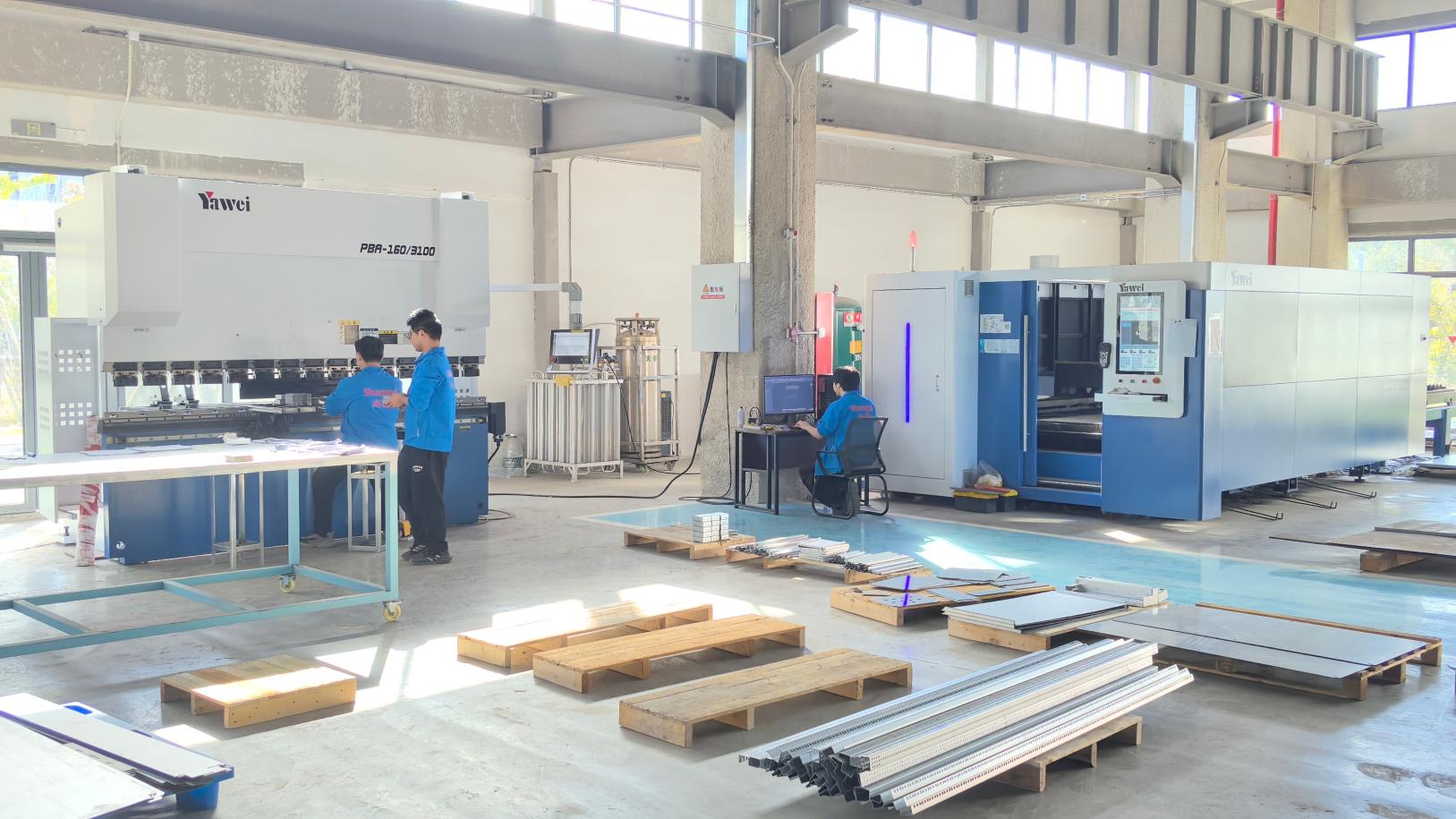
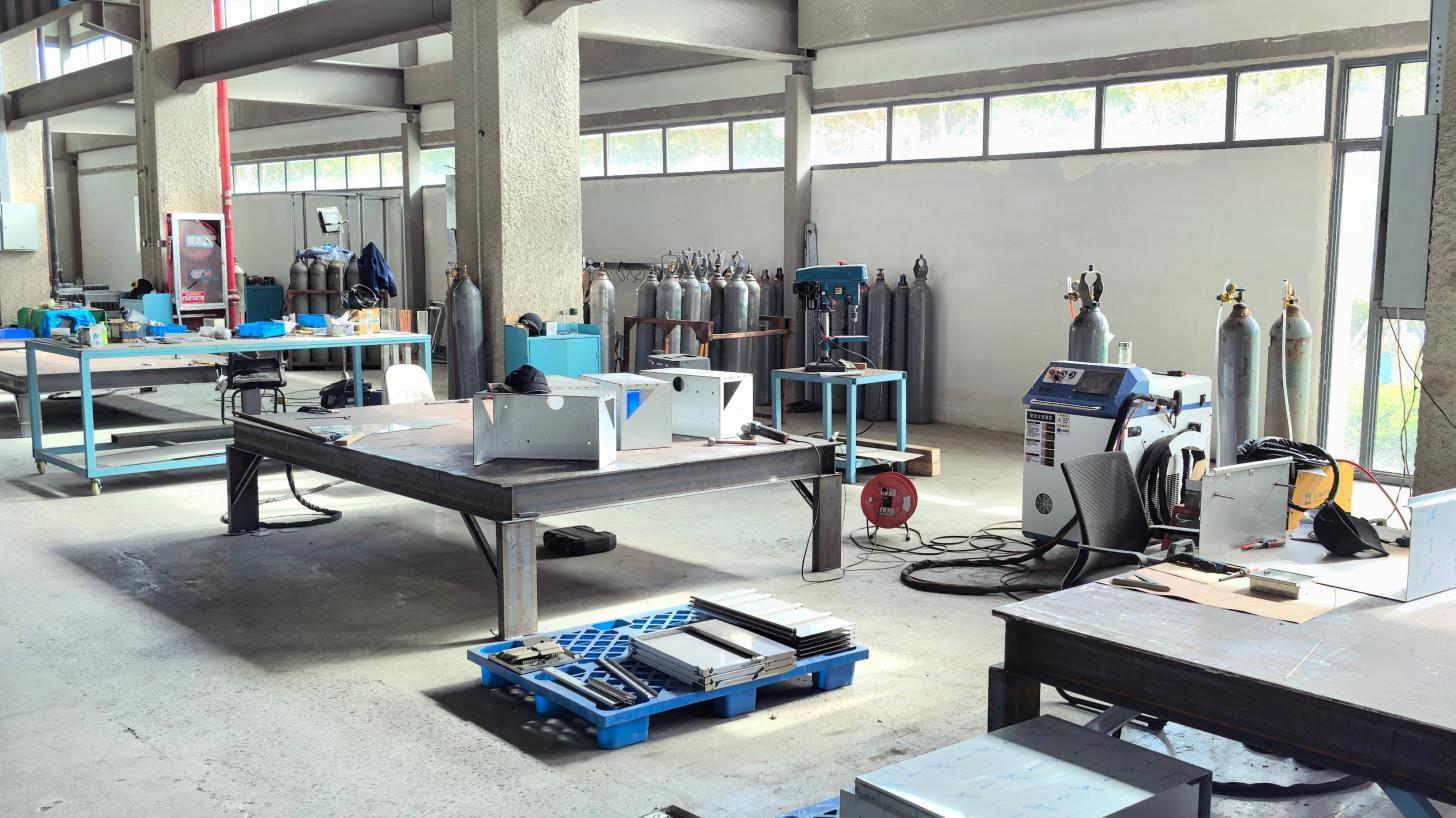
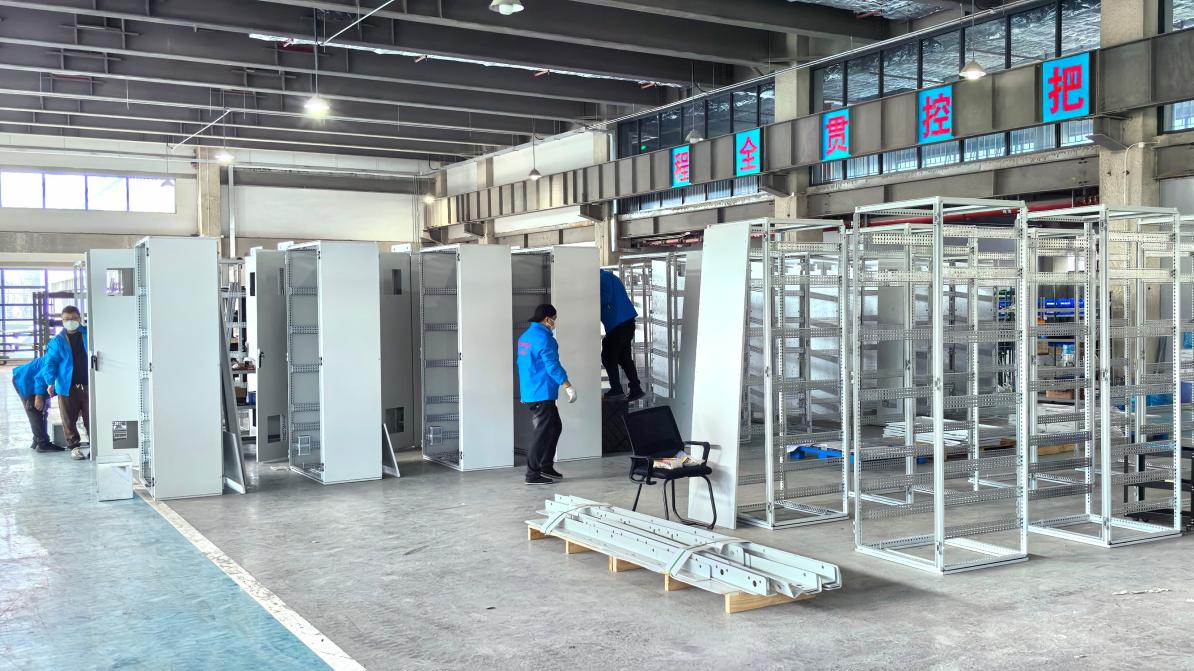
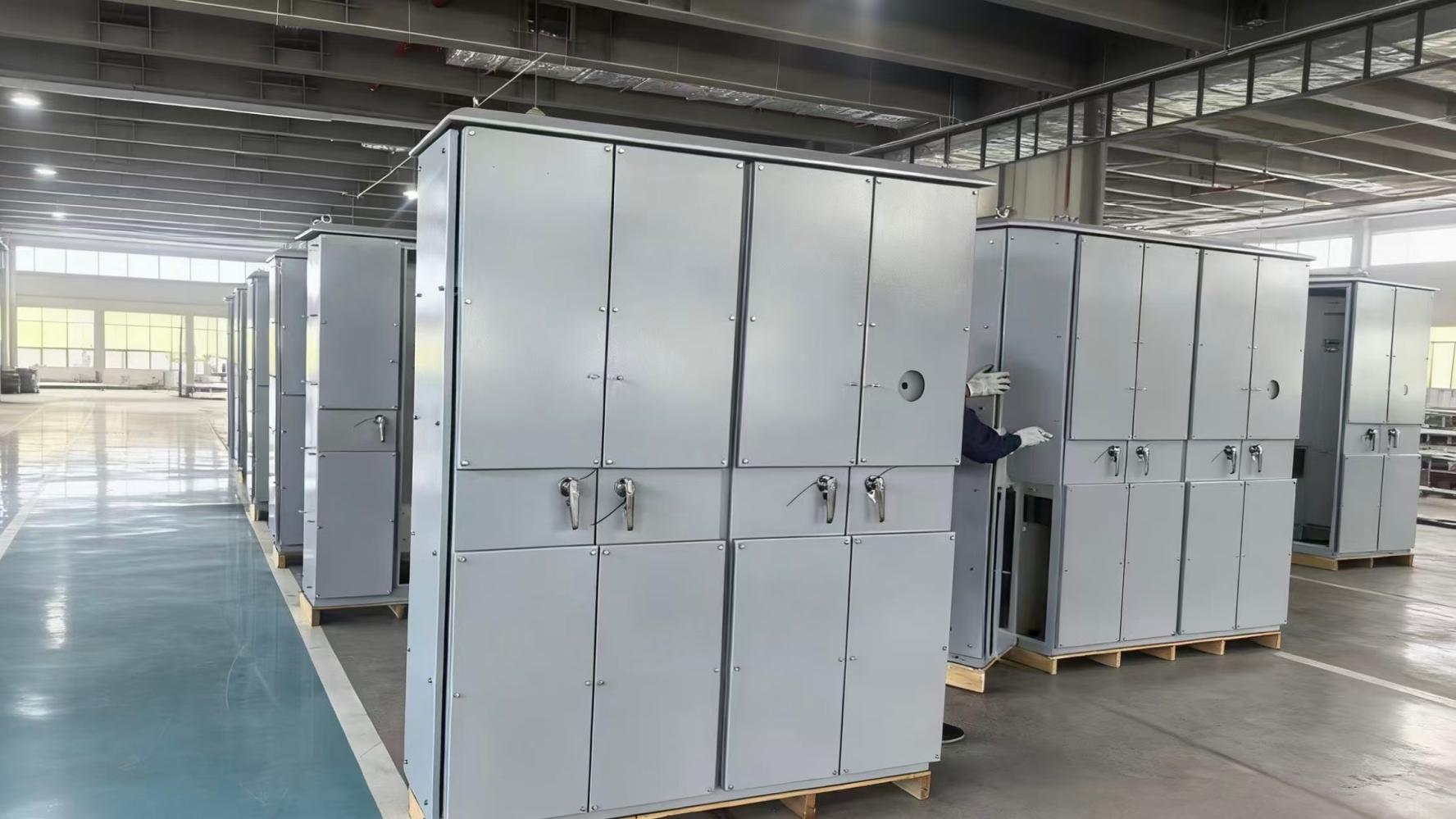
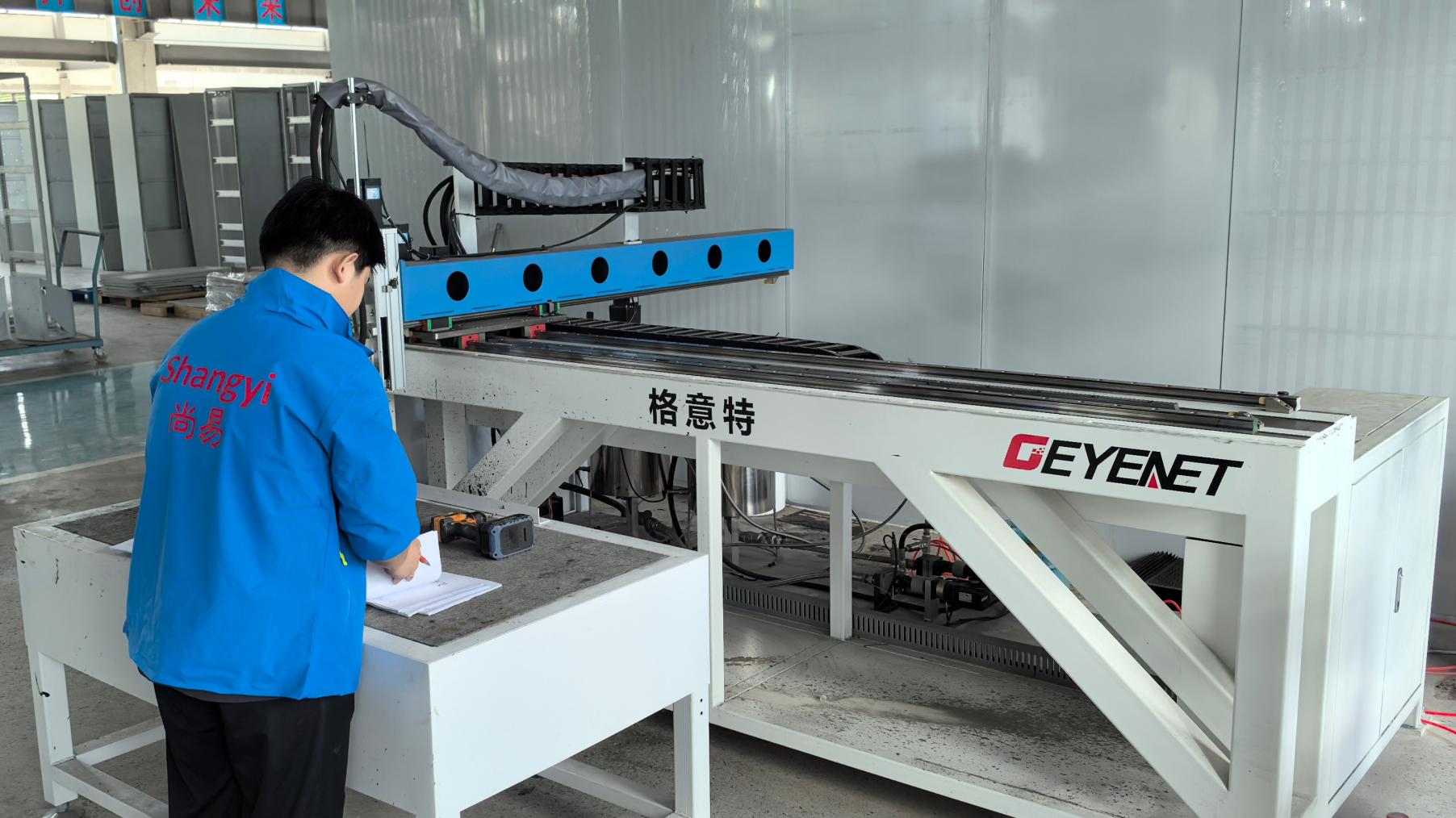
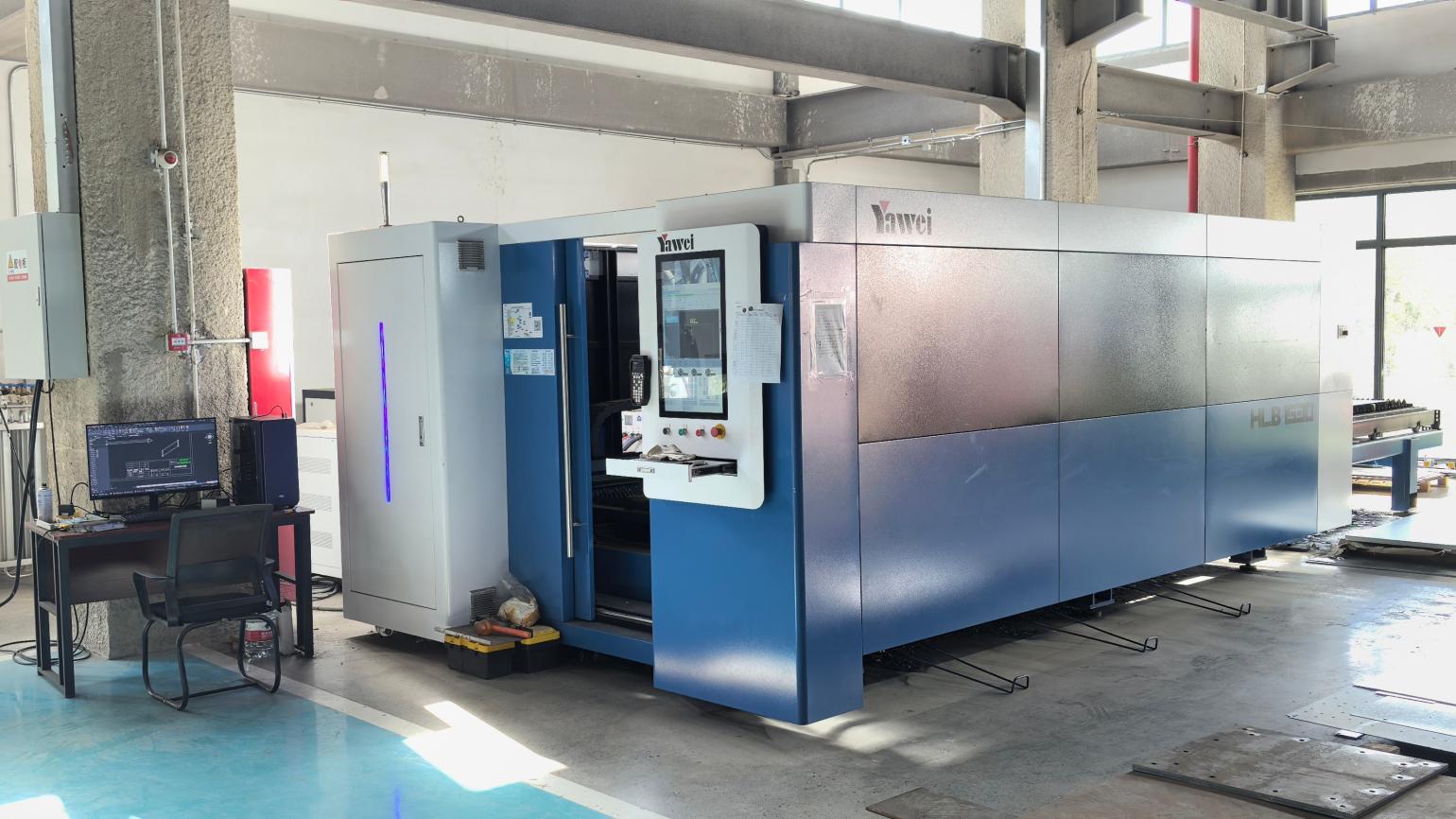
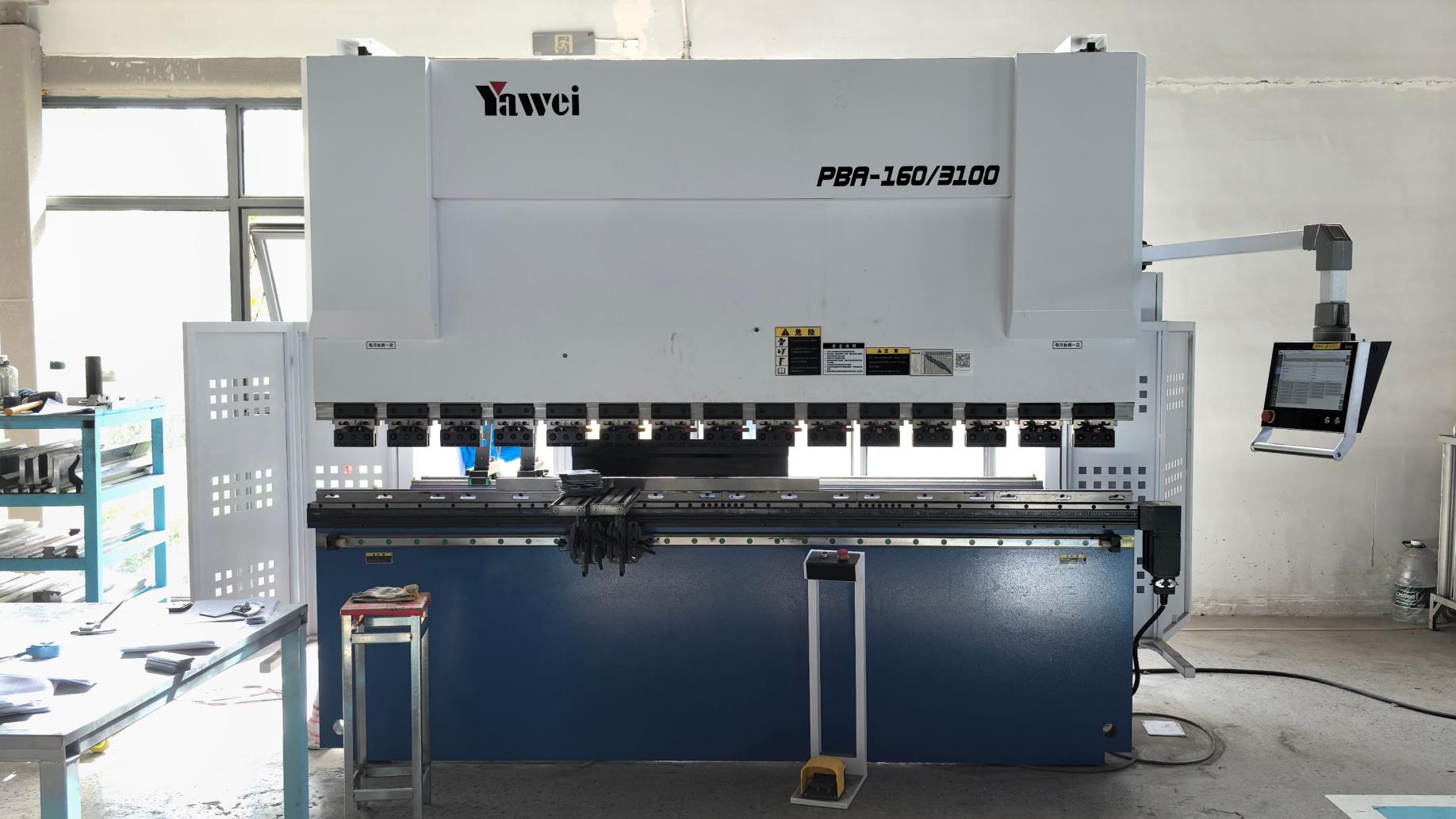
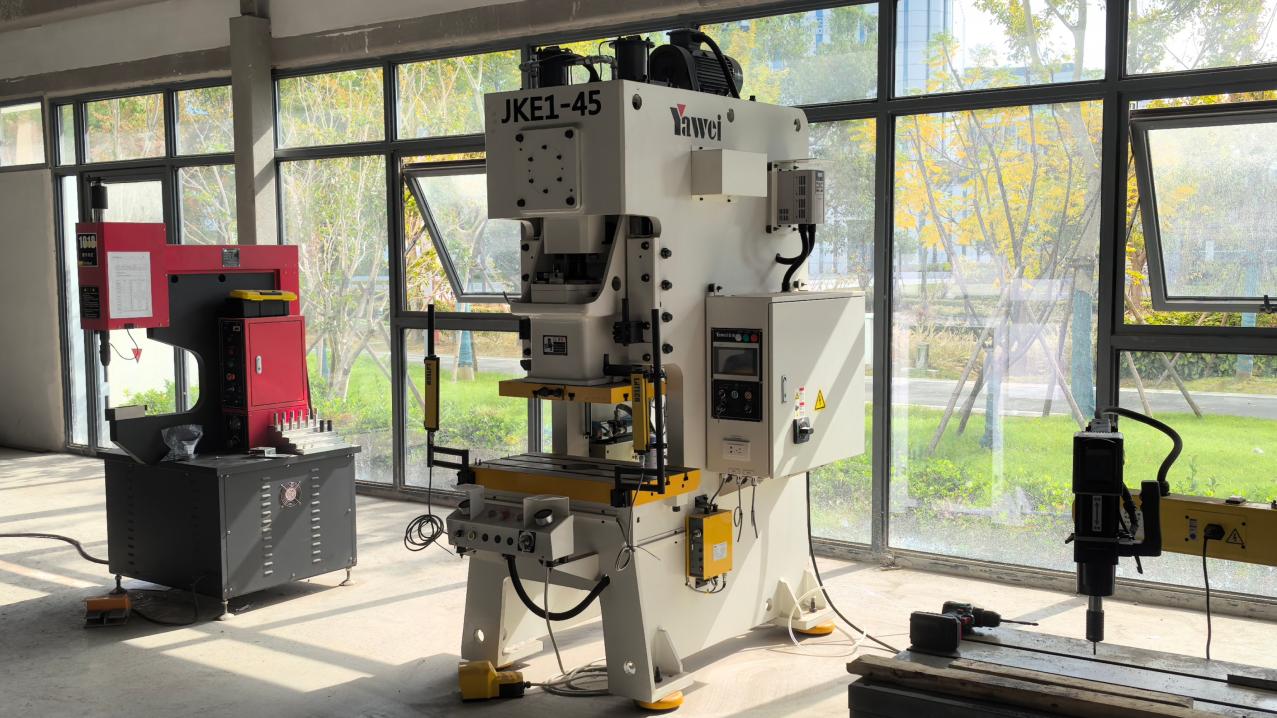
Our manufacturing facility utilizes high-precision automated machinery, modern assembly lines, and advanced testing equipment to ensure that every Active Power Filter panel and Static Var Generator cabinet meets strict quality standards and international certifications (including CE and UKCA). Here is a look at our complete manufacturing and quality assurance pipeline:


How Sowest Electric guarantees seamless supply chain management, compliance certification, and engineering services for UK procurement.
Exporting equipment to the United Kingdom requires strict alignment with local product safety regulations. All Sowest Active Power Filters and active electronic cabinets conform to standard electromagnetic compatibility and safety criteria. Our products carry the CE Mark and the UKCA (UK Conformity Assessed) mark.
They are fully tested against the BS EN 61000-6-2 (immunity for industrial environments), BS EN 61000-6-4 (emission standard for industrial environments), and BS EN 61439-1 / BS EN 61439-2 standards (low-voltage switchgear and controlgear assemblies). This guarantees straightforward adoption and smooth approvals by electrical safety inspectors and insurance auditors.
We manage secure shipping routes from our production centers to major UK container ports, including London Gateway, Felixstowe, and Southampton. For sensitive electronic cargo, we use custom-built, shock-absorbent wooden crates, complete with moisture-barrier vacuum packing to protect core electronics and IGBT modules during sea transit.
To support UK installers, we supply detailed wiring schematics, CAD models for switchboard integration, and remote commissioning assistance via dedicated engineering calls. We also partner with local UK-certified electrical engineering firms to offer local site surveys, installation audits, and hardware commissioning.
A preview of the engineering and software innovations driving the future of smart grid power quality control.
Future models will feature adaptive AI algorithms embedded in the DSP firmware. Instead of relying on static configuration constants, the APF will analyze grid impedance fluctuations over time, automatically adjusting its control loops to prevent resonance when new loads are added to the local distribution network.
Through integrated IoT modules, users can monitor their facility's power quality from any web browser. Real-time data streams tracking voltage waveforms, THDi, active power draw, and temperature levels are stored securely online. This enables predictive maintenance scheduling before hardware issues arise.
With the rise of localized microgrids containing BESS (Battery Energy Storage Systems) and wind/solar generation, next-generation APFs will play a vital role. They are designed to act as grid-stabilizing nodes, providing active damping and phase alignment during transition phases from grid-tied to islanded operations.
Get answers to the most common questions raised by electrical consultants, data center engineers, and procurement specialists in the United Kingdom.
An Active Power Filter is a dynamic solution based on power electronics (IGBTs) that measures line currents in real time, generates matching opposite-phase compensation currents, and eliminates harmonics up to the 50th order. Passive harmonic filters use LC tuning circuits to target specific frequencies (e.g., 5th or 7th). Unlike passive filters, an APF cannot be overloaded, does not risk resonance with grid impedances, and dynamically adapts to load variations.
To comply with G5/5, it is necessary to identify the peak harmonic current contribution of your site's non-linear loads (such as VSDs or UPS units). Sizing is typically calculated using the formula: I_apf = I_load × (THDi_initial - THDi_target). The goal is to reduce THDi below the specific Stage 2 or 3 network thresholds. Sowest Electric provides engineering calculations and software simulations to help verify that the chosen system capacity will satisfy local UK DNO requirements.
Yes, our modular APF units can operate in parallel. Up to 10 power modules can be installed in a single cabinet, and multiple cabinets can be linked together. The units utilize a master-slave communication scheme. If one module goes offline, the remaining modules automatically adjust and redistribute the load to ensure uninterrupted filtration, providing the N+1 redundancy required in critical data center applications.
Silicon Carbide (SiC) MOSFETs allow for much faster switching speeds with lower power losses compared to traditional silicon IGBTs. This translates into system efficiencies exceeding 97%, lower heat losses, and smaller footprints. The higher switching frequencies also enable more precise filtering of high-frequency harmonics, helping sites comply with newer, stricter grid regulations.
Sowest APFs are designed for a service life exceeding 10 years under normal operating conditions. Regular maintenance is straightforward and involves checking cooling fans for clear airflow, vacuuming dust from filtration screens (or replacing air filter media), and verifying connection torque. The modular, hot-swappable design allows individual power modules to be replaced or serviced quickly without shutting down the entire panel.
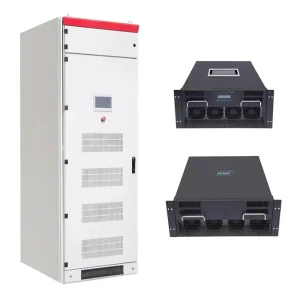
Review our comprehensive line of active filtering systems, custom cabinets, and dynamic reactive power compensators available for import and distribution in the UK market.
 Sowest Electric